


Search results
Search for "wound healing" in Full Text gives 53 result(s) in Beilstein Journal of Nanotechnology.
Effects of substrate stiffness on the viscoelasticity and migration of prostate cancer cells examined by atomic force microscopy
Beilstein J. Nanotechnol. 2022, 13, 560–569, doi:10.3762/bjnano.13.47
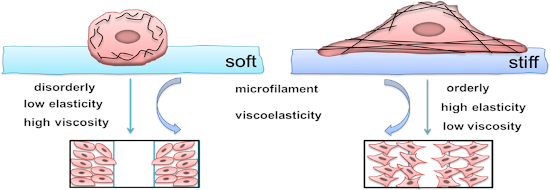
- . Analysis of AFM force–distance curves indicated that the elasticity of the cells cultured on 35 kPa substrates increased while the viscosity decreased. Wound-healing experiments showed that PCa cells cultured on 35 kPa substrates have higher migration potential. These phenomena suggested that the
- debris was then removed by washing the cells three times with PBS and then the wells were replenished with 2 mL of fresh medium without serum. Then, the cells were imaged immediately and 24 h after the scratch. For the quantification of the wound-healing assay, three locations in the image scratch were
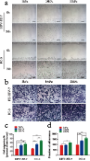
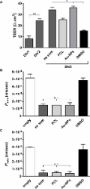
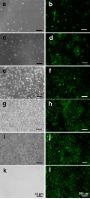
- substrate stiffness on the migration of HPV-PZ-7 and PC-3 cells. (a) Analysis of cell wound healing. (b) Transwell analysis of the invasion ability. (c) Quantitative evaluation of the migration ability. (d) Quantitative evaluation of the invasion ability. Scale bar = 50 μm; “ns” means no difference



Ciprofloxacin-loaded dissolving polymeric microneedles as a potential therapeutic for the treatment of S. aureus skin infections
Beilstein J. Nanotechnol. 2022, 13, 517–527, doi:10.3762/bjnano.13.43
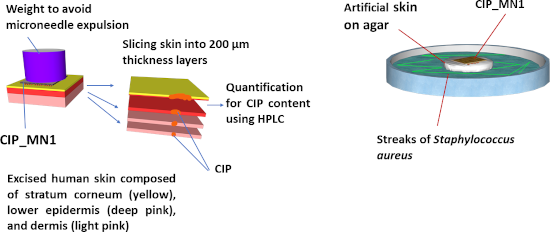
- superiority of the CIP_MN1 formulation, which was chosen to be investigated further. Next the penetration capabilities of CIP_MN1 were studied using the in vitro skin model composed of 2.5% agarose gel. Agarose gel is widely used in wound healing for skin regeneration due to its mechanical properties that


Design and characterization of polymeric microneedles containing extracts of Brazilian green propolis
Beilstein J. Nanotechnol. 2022, 13, 503–516, doi:10.3762/bjnano.13.42
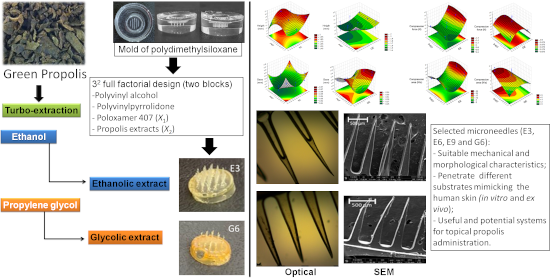
- , microneedles have been developed to cross the stratum corneum and enable the use of the transdermal route in different therapies [6]. Propolis (PRP) has already been studied in wound healing when incorporated in many vehicles, such as ointments, emulsions, hydrogels, films, or as hydroalcoholic or glycolic


Electrostatic pull-in application in flexible devices: A review
Beilstein J. Nanotechnol. 2022, 13, 390–403, doi:10.3762/bjnano.13.32
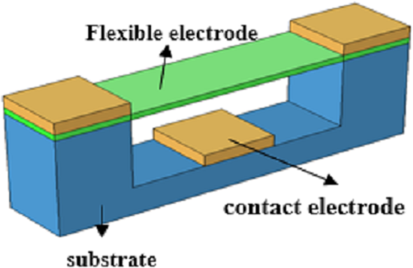
- electrostatic switches. In addition, Cui et al. [92][93][94][95] showed that the self-powered triboelectrification nanogenerator (TENG) can also be used for human health detection and wound healing. Piezoelectric power generation: Piezoelectric materials can produce very precise tiny motions and have


Morphology-driven gas sensing by fabricated fractals: A review
Beilstein J. Nanotechnol. 2021, 12, 1187–1208, doi:10.3762/bjnano.12.88
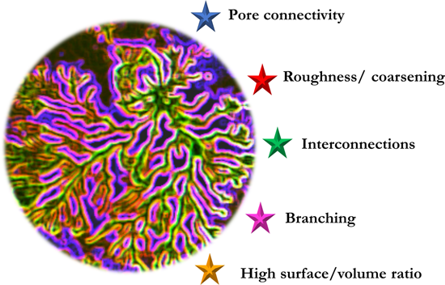
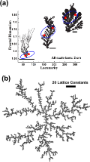
- areas ranging from food packaging to medical diagnosis. Fractals can also help in mimicking the wound healing process as tissue grows to connect the torn skin across the wound and offer an insight into microfluids as part of wound healing management. Besides application-oriented research the










Self-assembly of amino acids toward functional biomaterials
Beilstein J. Nanotechnol. 2021, 12, 1140–1150, doi:10.3762/bjnano.12.85
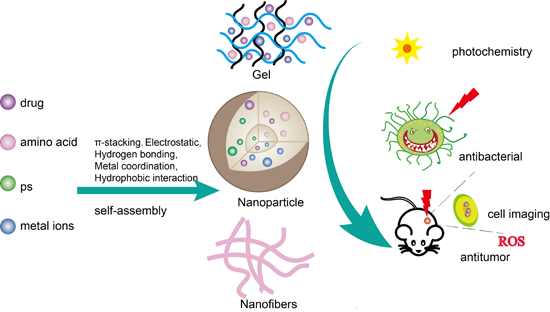
- polymers to enhance, repair, or replace diseased, damaged, or defective tissue [2]. A few examples are tooth repair, peripheral nerve regeneration, nerve tissue engineering, bone and joint replacement and repair, and regeneration of bone defects, biological scaffolds, and wound healing [3][4][5][6][7][8
- metallohydrogels showed fewer toxicological side effects and were highly biocompatible than Ag+ in the administered dosage range. Furthermore, Fmoc-amino acid metallohydrogels tested under the same conditions showed significantly better wound healing than silver sulfadiazine cream and the control group. It has

The role of deep eutectic solvents and carrageenan in synthesizing biocompatible anisotropic metal nanoparticles
Beilstein J. Nanotechnol. 2021, 12, 924–938, doi:10.3762/bjnano.12.69
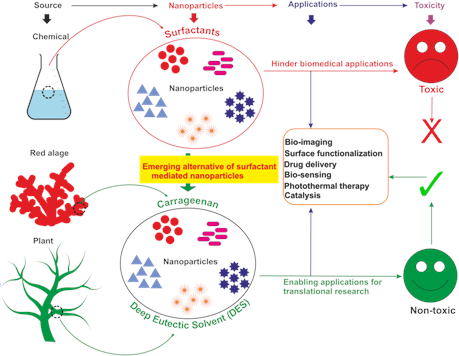
- of nanotechnology. The use carrageenan in nanomaterial synthesis and application has been tabulated in Table 3 [32][110][111][112][113][114][115]. Carrageenan has been complexed with chitosan in a recent study, forming a composite for wound healing dressing. Silver nanoparticles, widely known for


Comprehensive review on ultrasound-responsive theranostic nanomaterials: mechanisms, structures and medical applications
Beilstein J. Nanotechnol. 2021, 12, 808–862, doi:10.3762/bjnano.12.64
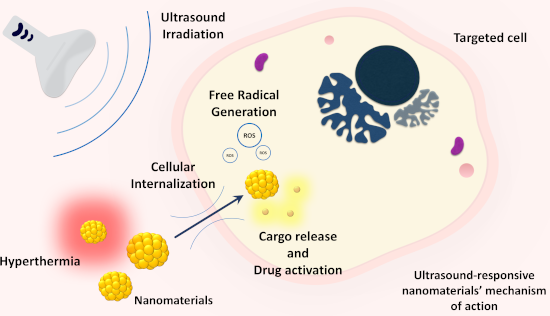
- %, respectively [207]. Liao et al. fabricated epidermal growth factor-coated lysozyme MBs responsive to US waves, which showed good antimicrobial activity, promoting neovascularization and significantly reducing the time needed for wound healing


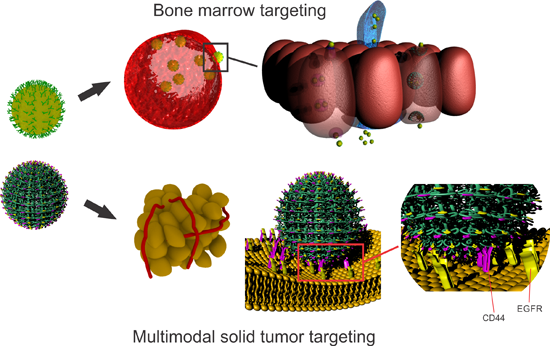
The impact of molecular tumor profiling on the design strategies for targeting myeloid leukemia and EGFR/CD44-positive solid tumors
Beilstein J. Nanotechnol. 2021, 12, 375–401, doi:10.3762/bjnano.12.31


Photothermally active nanoparticles as a promising tool for eliminating bacteria and biofilms
Beilstein J. Nanotechnol. 2020, 11, 1134–1146, doi:10.3762/bjnano.11.98
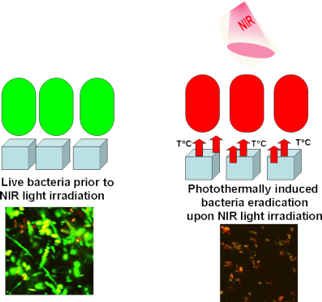
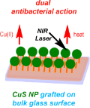
- that there was wound healing of the infected site, while untreated areas resulted in necrotic muscular fibers and bacterial infiltration. Applications of other types of nanoparticles for photothermally induced bacteria and biofilm ablation Besides the widely studied gold nanoparticles, other inorganic
- efficient sterilization upon irradiation during wound healing [92]. The hybrid hydrogel exhibited excellent antibacterial properties against both S. aureus and E. coli under co-irradiation with 660 nm visible light and 808 nm near-infrared light for 10 min, due to the synergistic action of the photodynamic


Gram-scale synthesis of splat-shaped Ag–TiO2 nanocomposites for enhanced antimicrobial properties
Beilstein J. Nanotechnol. 2020, 11, 1119–1125, doi:10.3762/bjnano.11.96
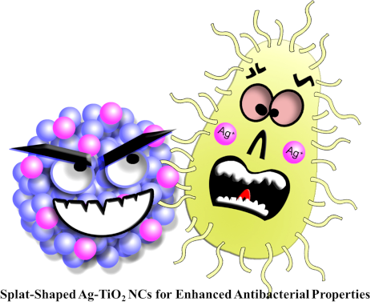
- nanocomposites may also have potential to be used in wound healing, photocatalytic and toxic dye removal applications. X-ray diffraction (XRD) patterns of pure TiO2 NPs and Ag–TiO2 nanocomposites at different ratios. SEM and EDS images of the synthesized splat-shaped nanoparticles: (a) pure TiO2 NPs, (b, c) Ag


Poly(1-vinylimidazole) polyplexes as novel therapeutic gene carriers for lung cancer therapy
Beilstein J. Nanotechnol. 2020, 11, 354–369, doi:10.3762/bjnano.11.26
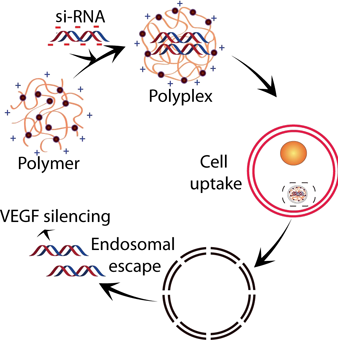
- polyplex) containing a final concentration of 100 nM siRNA and incubated for specified periods of time. The cells were imaged using an inverted microscope to observe the effect of the treatment on the tubular network. Migration analysis Wound healing assay: To evaluate the gene silencing effect of the


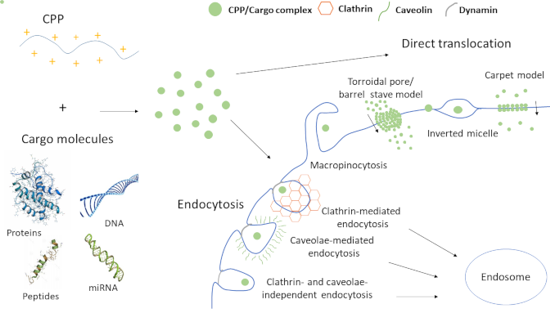
Internalization mechanisms of cell-penetrating peptides
Beilstein J. Nanotechnol. 2020, 11, 101–123, doi:10.3762/bjnano.11.10


Lipid nanostructures for antioxidant delivery: a comparative preformulation study
Beilstein J. Nanotechnol. 2019, 10, 1789–1801, doi:10.3762/bjnano.10.174
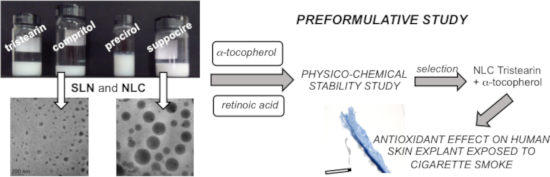
- ][3]. In the last two decades, the noxious effect of CS on skin has been well demonstrated [4][5][6]. For instance, the chronic exposure of skin to CS induces premature skin ageing, delayed wound healing, psoriasis and inflammatory skin diseases [3]. CS increases the risk of squamous cell carcinoma

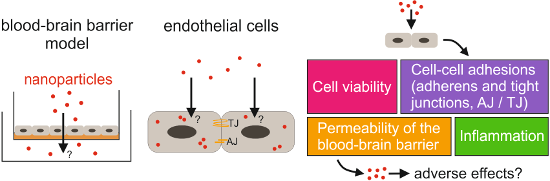
Effects of gold and PCL- or PLLA-coated silica nanoparticles on brain endothelial cells and the blood–brain barrier
Beilstein J. Nanotechnol. 2019, 10, 941–954, doi:10.3762/bjnano.10.95
- alternative treatment method for injuries of hollow organs, e.g., vessels, offering faster procedure time, immediate watertightness, faster wound healing and reduced recovery time compared to classical microsuturing [3][4][5]. This technique makes use of a degradable polymer scaffold containing albumin and



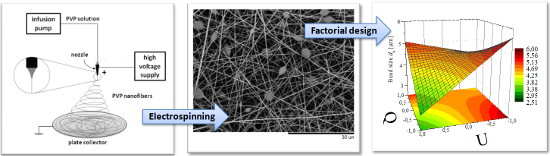
Effect of electrospinning process variables on the size of polymer fibers and bead-on-string structures established with a 23 factorial design
Beilstein J. Nanotechnol. 2018, 9, 2466–2478, doi:10.3762/bjnano.9.231
- technologies, as well as in new fields of scientific and industrial interest. They are considered to be potentially useful in areas such as nanoelectronics, medicine (e.g., wound healing, tumor therapy, inhalation therapy), filtration processes, textile manufacture, nanocatalysis production, etc. [5][6


Bioinspired self-healing materials: lessons from nature
Beilstein J. Nanotechnol. 2018, 9, 907–935, doi:10.3762/bjnano.9.85
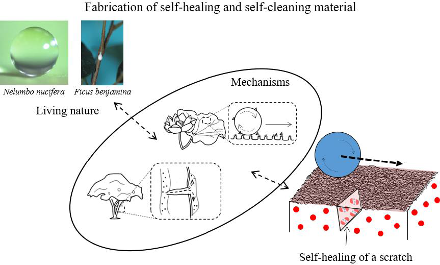
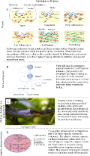
- and died to desiccation at the surface [36]. Figure 7B shows an example of wound healing where a tree limb has been removed [72]. The cells at the wound (cut) harden to seal off the tree. After a period of time, the callus growth tissue overtakes the wound as it grows from the wound’s edge, creating







Humidity-dependent wound sealing in succulent leaves of Delosperma cooperi – An adaptation to seasonal drought stress
Beilstein J. Nanotechnol. 2018, 9, 175–186, doi:10.3762/bjnano.9.20
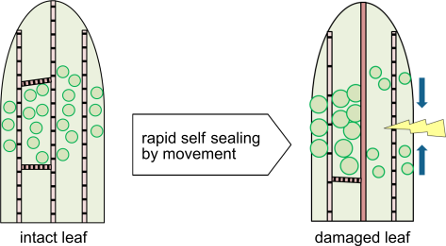
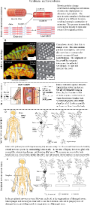
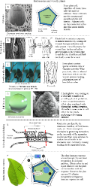
- mechanically driven mechanism. Subsequent to the relatively fast initial self-sealing processes, self-healing including biosynthesis and cell proliferation starts, and hence the formation of a specific wound healing tissue. After a few weeks, self-healing is completed showing pronounced healed tissue in the


Luminescent supramolecular hydrogels from a tripeptide and nitrogen-doped carbon nanodots
Beilstein J. Nanotechnol. 2017, 8, 1553–1562, doi:10.3762/bjnano.8.157
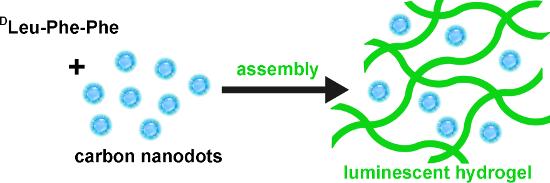
- system could be valuable for the development of wound healing applications [28], whereby luminescence could be advantageous to visually track the presence of the hydrogel and the ability of its components to penetrate through the derma [29]. In addition, peptide hydrogels based on the Phe-Phe motif [30


Nano- and microstructured materials for in vitro studies of the physiology of vascular cells
Beilstein J. Nanotechnol. 2016, 7, 1620–1641, doi:10.3762/bjnano.7.155
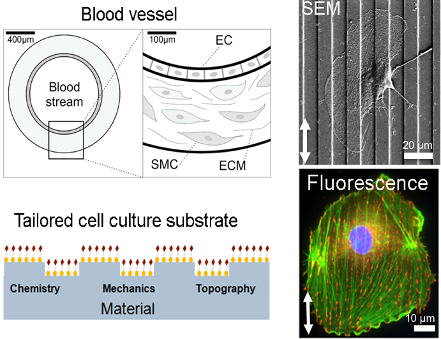
- to be oriented by the ECM [181][182]. Recently, it has been demonstrated in mice that Schwann cells are guided by blood vessels [183]. In wound healing, another important biological process, cells are guided by the ECM to migrate towards the affected area for regeneration and healing [184]. To date



Influence of hydrothermal synthesis parameters on the properties of hydroxyapatite nanoparticles
Beilstein J. Nanotechnol. 2016, 7, 1586–1601, doi:10.3762/bjnano.7.153
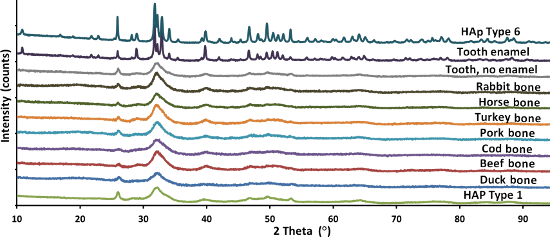
- production of toothpaste formulations and to speed up wound healing. There are patches and ointments using the unique properties of HAp that were developed by scientists in Poland [7]. Hydroxyapatite has also received great interest in the regeneration of animal bone loss. It has been proved that HAp


Viability and proliferation of endothelial cells upon exposure to GaN nanoparticles
Beilstein J. Nanotechnol. 2016, 7, 1330–1337, doi:10.3762/bjnano.7.124
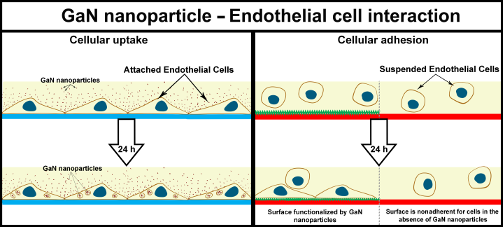
- a living organism, angiogenesis has an important role in the wound healing process, where new blood vessels are being formed from pre-existing ones [9]. It is widely believed that endothelial cells communicate to each other and, as a result of their communication and redistribution, form hollow



Tattoo ink nanoparticles in skin tissue and fibroblasts
Beilstein J. Nanotechnol. 2015, 6, 1183–1191, doi:10.3762/bjnano.6.120
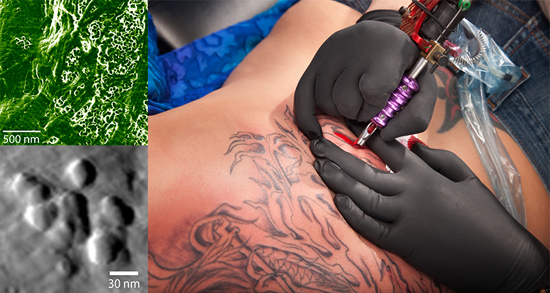
- nanoparticle of tattoo ink pigment in the region of 40 nm diameter was visualised from a dermal section of tattooed skin. The strong parallel orientation of the collagen fibrils was also noted in the tattooed skin, which was consistent with previous findings in wound healing/scar tissue [25]. Fibroblasts that


Increasing throughput of AFM-based single cell adhesion measurements through multisubstrate surfaces
Beilstein J. Nanotechnol. 2015, 6, 157–166, doi:10.3762/bjnano.6.15
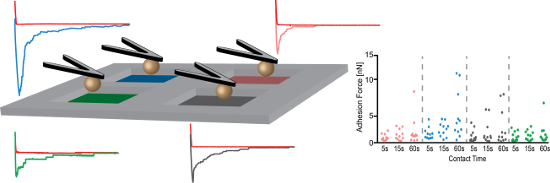
- or spreading experiments on different proteins could be conducted using PDMS masks. Further examples where masks could be used include wound-healing assays and experiments that require more complex surfaces. Experimental Production of PDMS masks To produce the PDMS masks, a casting mold with cavities


Mammalian cell growth on gold nanoparticle-decorated substrates is influenced by the nanoparticle coating
Beilstein J. Nanotechnol. 2014, 5, 2479–2488, doi:10.3762/bjnano.5.257
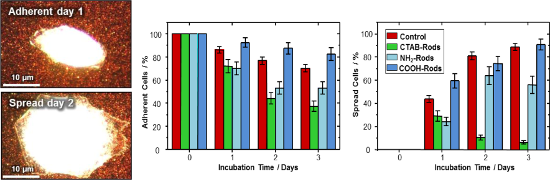
- nanoparticle infiltration into a tissue lesion or by insertion of nanoparticle patterned implants. This can potentially influence cell migration, which has implications in wound healing [13]. Recently, a study by Yang et al. tracked the migration behavior of prostate carcinoma cells (PC3, epithelial) and human





