Search results
Search for "Co" in Full Text gives 1218 result(s) in Beilstein Journal of Nanotechnology. Showing first 200.
Advances of aptamers in esophageal cancer diagnosis, treatment and drug delivery
Beilstein J. Nanotechnol. 2025, 16, 1734–1750, doi:10.3762/bjnano.16.121
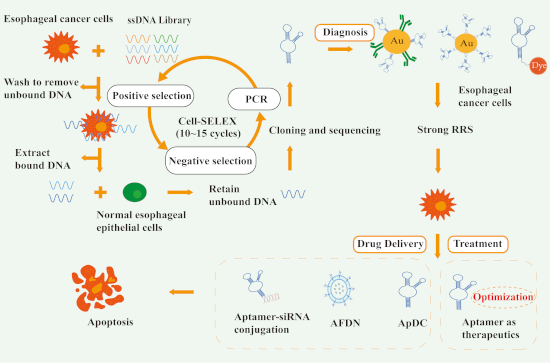
- . These sensors feature minimal invasiveness and low detection limits, demonstrating unique advantages in the early detection of cancer biomarker proteins. Moreover, an advanced drug delivery platform [28] was engineered by functionalizing nanocarriers with the AS1411 aptamer, enabling the targeted co
- domains, including RGD [94], and participates in cell adhesion, migration, proliferation, and signal transduction [95]. Five subtypes of OPN are co-upregulated in primary EAC, among which OPNc expression was relatively low, inducing cell separation via an integrin-independent binding mode, probably due to
- delivery of gene-silencing therapeutics; (2) direct intercalation of aptamers with small-molecule chemotherapeutic drugs (e.g., DOX), forming stable complexes; (3) co-encapsulation of aptamers and hydrophobic drugs into nanoparticles (e.g., liposomes or polymeric micelles) to improve drug solubility and


Multifunctional anionic nanoemulsion with linseed oil and lecithin: a preliminary approach for dry eye disease
Beilstein J. Nanotechnol. 2025, 16, 1711–1733, doi:10.3762/bjnano.16.120
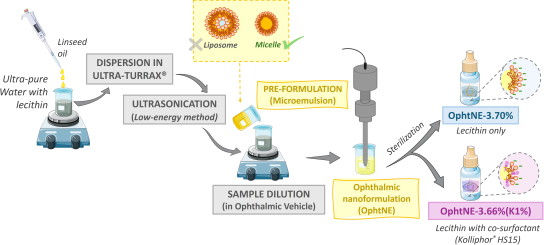
- required to produce nanoemulsions with a uniform particle size and incorporated a co-surfactant to enhance the stability of the nanoformulation. A straightforward method was proposed, involving the dilution of the preformulation in an ophthalmic vehicle, followed by homogenization through ultrasonication
- reagents Linseed oil (code 430021), egg lecithin or egg ʟ-α-phosphatidylcholine (surfactant, ~60% TLC, code 61755), Kolliphor® HS15 (co-surfactant, code 42966), benzalkonium chloride (cationic detergent, code B4136), disodium EDTA (C10H14N2Na2O8, code 114), DPPH (2,2-diphenyl-1-picrylhydrazyl, code D9132
- , homogeneity, and stability in colloidal systems are influenced by component proportions (surfactant, oil, and co-surfactant), emulsification methods (low-energy or high-energy techniques) [40][41][42], and intrinsic properties like linseed oil viscosity and lecithin’s molecular structure [43]. These last



Ambient pressure XPS at MAX IV
Beilstein J. Nanotechnol. 2025, 16, 1677–1694, doi:10.3762/bjnano.16.118
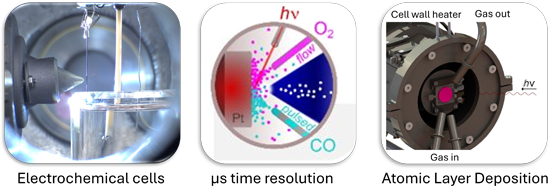
- case studies from MAX IV’s APXPS beamlines. We will not concentrate on the typical reactions (e.g., CO oxidation, ethylene epoxidation, and methanol oxidation) already deeply reviewed elsewhere [5][12][13]. We will instead discuss a few catalysis niche cases dealing with complex catalytic reactions and
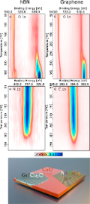
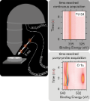
- here. Instead, we focus on a study by Vesselli and co-workers that directly addresses catalytic activity in a biomimetic SAC system [20][21]. In their work, a cobalt single-atom biomimetic model catalyst is based on a self-assembled monolayer of Co-porphyrins grown on an almost free-standing graphene
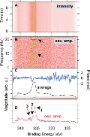
- Physics of the University of Trieste [22], and supported by DFT, the authors demonstrated that the Co-porphyrin SAC stabilizes a hydroperoxyl–water (O2H-H2O) cluster in O2+H2O atmosphere at room temperature [21]. This is considered the fundamental reaction intermediate in the ORR. In particular, the





Prospects of nanotechnology and natural products for cancer and immunotherapy
Beilstein J. Nanotechnol. 2025, 16, 1644–1667, doi:10.3762/bjnano.16.116
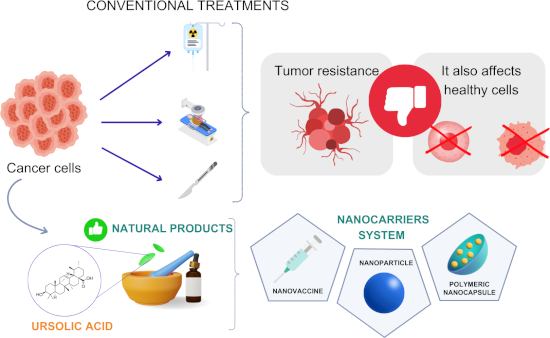
- , nanotechnology opens up unprecedented opportunities in cancer immunotherapy by facilitating the co-delivery of chemotherapeutic agents, immunomodulators, and gene editing tools [22]. These multifunctional platforms can modulate the tumor microenvironment, enhance antigen presentation, reverse local
- ) describes the formation of metal–organic co-assembly nanoparticles without a carrier. The formulation contains sorafenib, a molecularly targeted anticancer drug, ursolic acid as an API, and iron ions. Ursolic acid, a naturally occurring pentacyclic triterpenoid, exhibits a variety of biological activities
- tumor inhibition rate of 75.9% in 15 days, significantly higher than ursolic acid and sorafenib alone [66]. Patent CN117064865 (2023) claims a nano bionic CRISPR/Cas9 drug co-assembly system to treat liver cancer. The technology is composed of ursolic acid as an API, a Cas9 ribonucleoprotein (RNP


Nanotechnology-based approaches for the removal of microplastics from wastewater: a comprehensive review
Beilstein J. Nanotechnol. 2025, 16, 1607–1632, doi:10.3762/bjnano.16.114
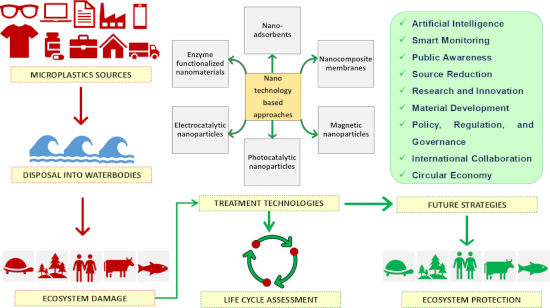
- solution into a gel, enabling precise compositional control and producing homogenous metal oxides suited for photocatalytic applications [74]. Hydrothermal synthesis uses high-temperature, high-pressure aqueous environments to yield well crystalized particles with controlled morphologies, while co


Bioinspired polypropylene-based functionally graded materials and metamaterials modeling the mistletoe–host interface
Beilstein J. Nanotechnol. 2025, 16, 1592–1606, doi:10.3762/bjnano.16.113
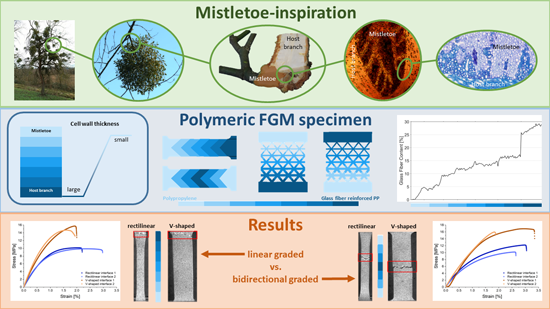
- moduli are manufacturer’s data and were obtained by testing injection molded specimens. The polymer blends were extruded using a co-rotating twin-screw microcompounder (XPlore 15 mL, Sittard, Netherlands) at a screw speed of 120 rpm, a barrel temperature of 200 °C and a processing time of 90 s. Five
- a speed of 1 mm/min at room temperature using a RetroLine universal testing machine (ZwickRoell GmbH & Co. KG., Ulm, Germany) equipped with a 10 kN load cell. Samples for which slippage was visible during tensile loading were excluded from further evaluation. Stress (σ = F/A0) and strain (ε = (li


Photocatalytic degradation of ofloxacin in water assisted by TiO2 nanowires on carbon cloth: contributions of H2O2 addition and substrate absorbability
Beilstein J. Nanotechnol. 2025, 16, 1567–1579, doi:10.3762/bjnano.16.111
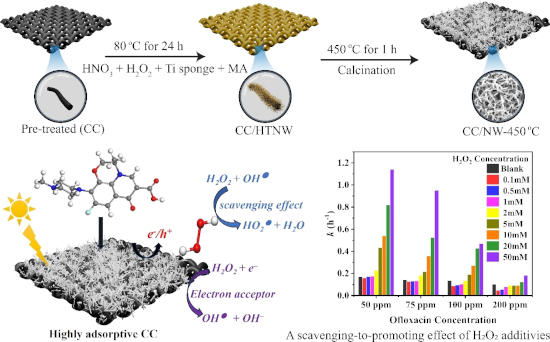
- . Hydrogen peroxide (30 wt %, AR), HNO3 (65 wt %, AR), and ethyl alcohol (99.7 wt %, AR) were purchased from Sinopharm Chemical Reagent Co., Ltd., China. Melamine (99 wt %, AR) was purchased from Aladdin, China. PHILPS Lighting Investment Company Limited, China, provided the UV lamp. All chemicals were used


Modeling magnetic properties of cobalt nanofilms used as a component of spin hybrid superconductor–ferromagnetic structures
Beilstein J. Nanotechnol. 2025, 16, 1557–1566, doi:10.3762/bjnano.16.110
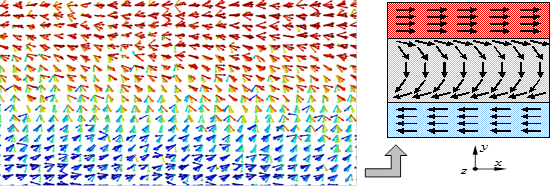
- structure and composition of Co–Ni–Fe films were evaluated, and it was found out how the deposition rate affects the conversion of a weak magnetic field into magnetic induction. In addition, thin-film structures based on Fe and Co are among the most promising materials that can be applied in the creation of
- materials for implementation in spintronics, thermoelectricity, and optoelectronics” (samples preparation and investigation of Nb/Co interfaces).


Transient electronics for sustainability: Emerging technologies and future directions
Beilstein J. Nanotechnol. 2025, 16, 1545–1556, doi:10.3762/bjnano.16.109

- mechanical flexibility of bioresorbable polymers have emerged as a representative form of transient electronics [14]. A typical example includes devices that integrate inorganic silicon nanomembranes or metal oxide semiconductors on bioresorbable polymer substrates such as poly(lactic-co-glycolic acid) (PLGA
- Polymers”, Adv. Mater., vol. 26, pages 3905–3911, 2014, with permission from John Wiley and Sons. Copyright © 2014 WILEY-VCH Verlag GmbH & Co. KGaA, Weinheim. This content is not subject to CC BY 4.0. (d) Wafer-scale detachment of ultrathin silicon devices fabricated via foundry processes for transient
- . Funct. Mater., 24, 4427–4434 (2014), with permission from John Wiley and Sons. © 2014 WILEY-VCH Verlag GmbH & Co. KGaA, Weinheim. This content is not subject to CC BY 4.0. (f) PBTPA films, formed via capillary molding and UV curing, exhibit high flexibility and tunable wettability based on monomer


Dendrimer-modified carbon nanotubes for the removal and recovery of heavy metal ions from water
Beilstein J. Nanotechnol. 2025, 16, 1522–1532, doi:10.3762/bjnano.16.107

- of highly branched dendrimers. CNTs-G5 as adsorbent provide a high number of binding sites in the form of functional groups (–NH2 and –CO–NH–) and have a high surface area, allowing facile accessibility to more metal ions. Moreover, we have investigated the effect of various parameters such as the


Nanomaterials for biomedical applications
Beilstein J. Nanotechnol. 2025, 16, 1499–1503, doi:10.3762/bjnano.16.105
- [9]. Along with liposomes, polymeric nanoparticles have turned out to be an equally dynamic platform. Typically, these particles are composed of biodegradable materials, such as poly(lactic-co-glycolic acid) (PLGA) or chitosan. One of the main advantages of polymers is that they can be designed to
Laser processing in liquids: insights into nanocolloid generation and thin film integration for energy, photonic, and sensing applications
Beilstein J. Nanotechnol. 2025, 16, 1428–1498, doi:10.3762/bjnano.16.104
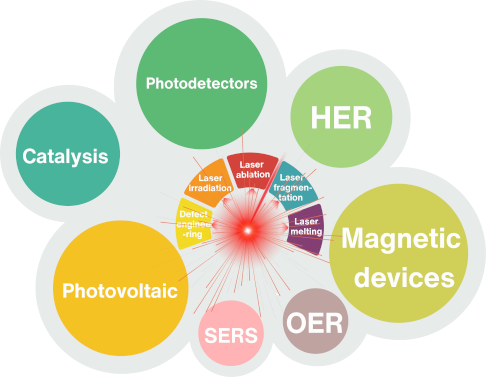
- fragmentation. Additionally, the synthesis of heterostructured NPs composed of Au and Co using femtosecond laser techniques demonstrates the creation of metastable structures that can evolve into stable core–shell configurations [38]. These findings emphasize the role of non-equilibrium processes, rapid






The role of biochar in combating microplastic pollution: a bibliometric analysis in environmental contexts
Beilstein J. Nanotechnol. 2025, 16, 1401–1416, doi:10.3762/bjnano.16.102
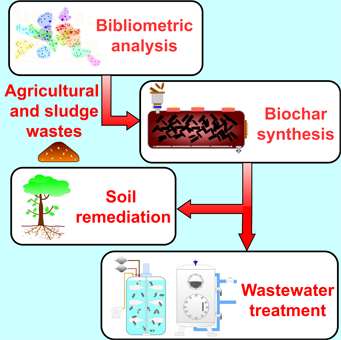
- using CiteSpace has proven instrumental. CiteSpace facilitates citation network visualization, co-citation analysis and the identification of emerging research trends, providing insights into the intellectual structure of this scientific domain [26]. By uncovering key contributors and trends
- research topics related to MP removal with BC. CiteSpace was chosen for its ability to detect citation bursts and perform cluster labeling analysis, highlighting emerging research trends and intellectual structures. Compared to VOSviewer, which primarily visualizes co-authorship networks and keyword co
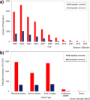
- maintain credibility and research quality. Articles published before 2017 were excluded to focus on recent advancements and eliminate outdated or unreported studies. The procedure is illustrated in Figure 1. Bibliometric analysis The bibliometric analysis utilized citation and co-citation analysis to



Synthesis and antibacterial properties of nanosilver-modified cellulose triacetate membranes for seawater desalination
Beilstein J. Nanotechnol. 2025, 16, 1380–1391, doi:10.3762/bjnano.16.100
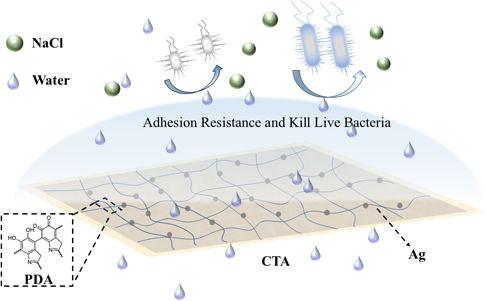
- further improvements and new applications of nanomaterials in membrane technology remains promising. Experimental Materials CTA was purchased from DAICEL (China) Investment Co., Ltd. Dopamine hydrochloride (98%), tris(hydroxymethyl)aminomethane hydrochloride (standard buffer substance, 99.9% (titration
- )), trifluoromethanesulfonic acid (99.5%), and AgNO3 (0.1 mol·L−1 in H2O) were all sourced from Aladdin Chemical Reagent Co., Ltd (Shanghai, China). Ammonia was obtained from Harbin Dongfang Chemical Reagent Co., Ltd. All chemical reagents were utilized as received without further purification. Bacillus cereus, Bacillus
- thuringiensis, Lysinibacillus xylanilyticus, Lysinibacillus lparviboronicapiens, and Burkholderia ambifaria were isolated and purified from farmland, Jilin province, China. Peptone, beef extract, sucrose, and NaCl, purchased from Tianjin Sanjiang Chemical Technology Co. Ltd., were employed to prepare the NB


Enhancing the therapeutical potential of metalloantibiotics using nano-based delivery systems
Beilstein J. Nanotechnol. 2025, 16, 1350–1366, doi:10.3762/bjnano.16.98
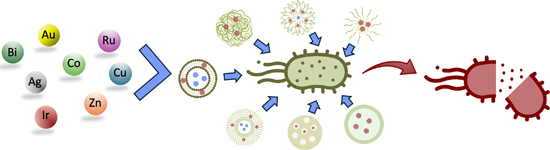
- , and the possibility of co-delivering multiple active agents within a single system [56]. Since different encapsulation materials provide distinct features in drug encapsulation and delivery, the selection of suitable encapsulation materials is crucial and depends on the nature of the drug, the
- S. aureus, E. faecium, E. faecalis, and M. tuberculosis. In order to achieve a sustained release of auranofin to the infection site and improve the treatment efficacy, Díez-Martínez et al. investigated the encapsulation of this Au(I) complex in poly(lactic-co-glycolic acid) (PLGA) nanoparticles and
- example, Gasser and co-workers disclosed the encapsulation of the Ru(II) polypyridyl complexes 18 (Figure 5) in nanoconjugates of poly(lactic acid) (PLA) with varying molecular weights [127]. Nanoprecipitation produced narrowly dispersed nanoparticles with high ruthenium loadings (up to 53%), as confirmed


Ferroptosis induction by engineered liposomes for enhanced tumor therapy
Beilstein J. Nanotechnol. 2025, 16, 1325–1349, doi:10.3762/bjnano.16.97
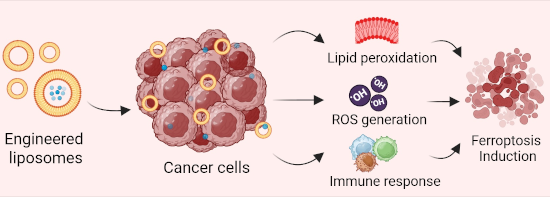
- liposomes were prepared by Gai et al. to co-load metallothionein 1D pseudogene (MT1DP) and erastin (E/M@FA-LPs) to improve the bioavailability and efficacy of the drug/gene mixture. The characterization tests revealed that E/M@FA-LP had a spherical shape, a diameter of about 154 nm and a zeta potential of
- of the metal polyphenol network hybrid liposome was 198 nm with a spheroidal shape and a zeta potential of approximately −15 mV. Nebulization resulted in approximately 8.2 times higher lung accumulation than intravenous injection. Co-delivery of a gallic acid-Fe metal polyphenol network and


Enhancing the photoelectrochemical performance of BiOI-derived BiVO4 films by controlled-intensity current electrodeposition
Beilstein J. Nanotechnol. 2025, 16, 1289–1301, doi:10.3762/bjnano.16.94
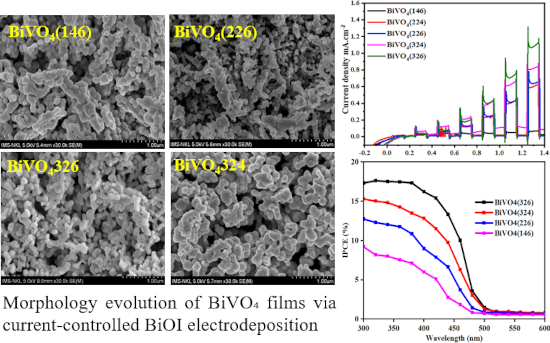
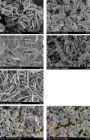
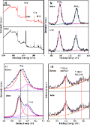
- thickness. Alternatively, Liu et al. [16] employed RF sputtering with a single BiVO4 target, but the volatility of Bi in a vacuum environment often led to an imbalanced Bi/V ratio, requiring precise regulation of oxygen partial pressure. Gong et al. [17] utilized DC co-sputtering of Bi and V targets to



Better together: biomimetic nanomedicines for high performance tumor therapy
Beilstein J. Nanotechnol. 2025, 16, 1246–1276, doi:10.3762/bjnano.16.92
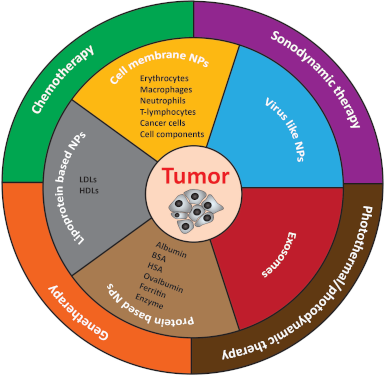
- with chemotherapeutic agents, rHDL shows outstanding active targeting and anticancer activities [57]. Moreover, rHDL showed potential to co-load hydrophobic paclitaxel and hydrophilic doxorubicin in apo A-I targeted rHDL nanoparticles. These nanoparticles showed superior antitumor activity in vitro and
- in which enzymes that perform sequential functions of a metabolic pathway are noncovalently associated with each other. The multifunctional enzyme complexes inspired researchers to design multienzyme complexes of their own choice. Initially, multiple enzymes were co-loaded in liposomes to perform
- that co-administration with doxorubicin significantly inhibited tumor growth and induced apoptosis, highlighting the system’s promise for overcoming chemoresistance in TNBC [145]. The success of efficient drug delivery to achieve considerable therapeutic outcomes highly depends on various critical






Functional bio-packaging enhanced with nanocellulose from rice straw and cinnamon essential oil Pickering emulsion for fruit preservation
Beilstein J. Nanotechnol. 2025, 16, 1234–1245, doi:10.3762/bjnano.16.91
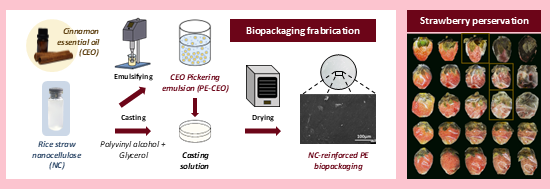
- by Loc Troi Group from An Giang province, Viet Nam. Cinnamon essential oil (CEO) was obtained from pure Cinnamomum verum bark through steam distillation by Notessen Co. Ltd. (Viet Nam) and exhibited a cinnamaldehyde content greater than 96%. All chemicals, including sulfuric acid (H2SO4), polyvinyl
- diffraction (XRD) was performed using an Aeris Minerals Edition from PANalytical (UK) with Co radiation at 40 kV. Biopackaging samples were clipped on a 16 mm holder and the measurement was performed using a 1/8° diffraction slit. Mechanical strength was determined at room temperature using a Testometric X350



Hydrogels and nanogels: effectiveness in dermal applications
Beilstein J. Nanotechnol. 2025, 16, 1216–1233, doi:10.3762/bjnano.16.90
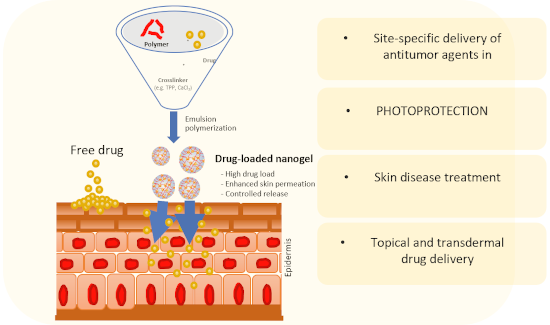
- showed a 6-fold increase in the transport of diclofenac to the skin surface when compared with commercial formulations [32]. Nanogels synthesized from a cross-linking copolymer of poly(itaconic anhydride-co-3,9-divinyl-2,4,8,10-tetraoxaspiro[5.5]undecane) with 1,12-dodecanediol demonstrated dual pH and
- cellulose nanocrystals poly(ε-caprolactone-co-lactide)-b-poly(ethyleneglycol)-b-poly(ε-caprolactone-co-lactide) [217] or doxorubicin-loaded polydopamine-alginate [219] showed inhibition in tumor growth. Thus, this technique tends to present a great advance in the design methods and in the ease of obtaining


Crystalline and amorphous structure selectivity of ignoble high-entropy alloy nanoparticles during laser ablation in organic liquids is set by pulse duration
Beilstein J. Nanotechnol. 2025, 16, 1141–1159, doi:10.3762/bjnano.16.84
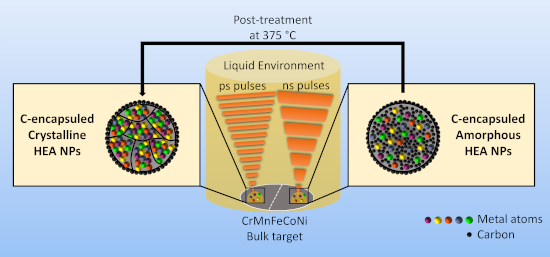
- produces polycrystalline HEA NPs, nanosecond-pulsed laser ablation favors a metastable amorphous structure. Particle cores in all cases exhibit a homogeneous distribution of the metals Cr, Mn, Fe, Co, and Ni, while particle shells were found to vary between manganese-enriched oxide layers and thin
- decomposition [4], oxygen evolution reactions (OER) [14], oxygen reduction reactions (ORR) [15], in CO oxidation [16], and in CO2 and CO reduction [17]. This high activity in catalysis has been attributed to adsorption energy distribution patterns (AEDP) during catalytic reactions [18], which may be tuned based
- amorphous. As different pulse durations (ps vs ns) may lead to fundamentally different ablation mechanisms during LAL [50][64], it is conceivable that differences in sample compositions (content and distribution of the elements Cr, Mn, Fe, Co, Ni) may be responsible for the observed pulse-duration-dependent




Influence of ion beam current on the structural, optical, and mechanical properties of TiO2 coatings: ion beam-assisted vs conventional electron beam evaporation
Beilstein J. Nanotechnol. 2025, 16, 1097–1112, doi:10.3762/bjnano.16.81
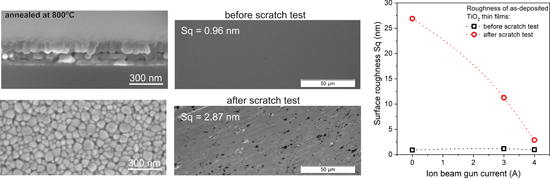
- Professor Jarosław Domaradzki from Wrocław University of Science and Technology for their support in thin films manufacturing and their characterization and the valuable discussion and constructive feedback regarding the analysis and interpretation of the investigation results. Funding This work was co




Fabrication of metal complex phthalocyanine and porphyrin nanoparticle aqueous colloids by pulsed laser fragmentation in liquid and their potential application to a photosensitizer for photodynamic therapy
Beilstein J. Nanotechnol. 2025, 16, 1088–1096, doi:10.3762/bjnano.16.80
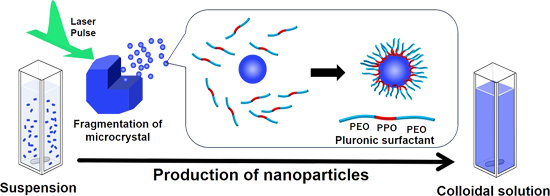
- = AlCl, Fe, Co, Zn) and Pt complex octaethylporphyrin (PtOEP) by nanosecond laser fragmentation of the corresponding microcrystalline powders in an aqueous solution of the amphiphilic polymer Pluronic® F-127. All nanoparticles dispersed stably in phosphate-buffered saline and cell culture media without
- acetate [23], paclitaxel [24], naproxen and fenofibrate [25], curcumin [26], and cinnamon [27]. This work aims to fabricate aqueous colloids of MPc (M = AlCl, Fe, Co, Zn) and Pt complex octaethylporphyrin (PtOEP) (Figure 1) nanoparticles with a high dispersion stability and to demonstrate the potential
- MPc and the hydrophobic PPO block of F-127, leading to high dispersion stability not only water but also in PBS. In cases of other MPcs (M = Co, Fe, Zn), the addition of F-127 significantly influenced the efficiency of nanoparticle generation as well as their dispersion stability (Figure S4


Soft materials nanoarchitectonics: liquid crystals, polymers, gels, biomaterials, and others
Beilstein J. Nanotechnol. 2025, 16, 1025–1067, doi:10.3762/bjnano.16.77
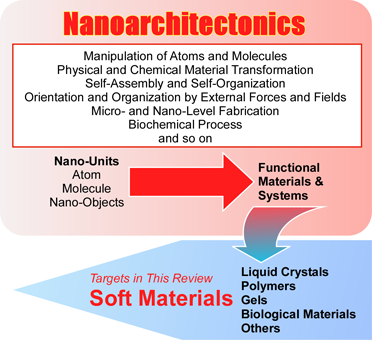
- plastic crystals exhibits exceptional thermal stability, electrochemical stability, and ionic conductivity, making it a promising option. Yoshizawa-Fujita and co-authors investigated the impact of anion species and Mg salt concentration on the characteristics of pyrrolidinium-based organic ionic plastic






A calix[4]arene-based supramolecular nanoassembly targeting cancer cells and triggering the release of nitric oxide with green light
Beilstein J. Nanotechnol. 2025, 16, 1003–1013, doi:10.3762/bjnano.16.75
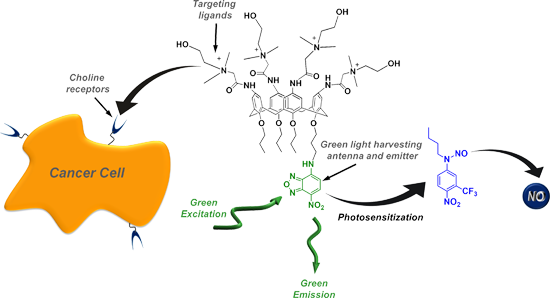
- reaction between suitable photosensitizers and the NOPD co-encapsulated within different types of biocompatible host systems. Inspired by this work, we thought that a calixarene covalently integrating specific cell-targeting ligands and a suitable chromo-fluorogenic unit can impose the whole structure