


Search results
Search for "antibacterial activity" in Full Text gives 81 result(s) in Beilstein Journal of Nanotechnology.
A review on the biological effects of nanomaterials on silkworm (Bombyx mori)
Beilstein J. Nanotechnol. 2021, 12, 190–202, doi:10.3762/bjnano.12.15
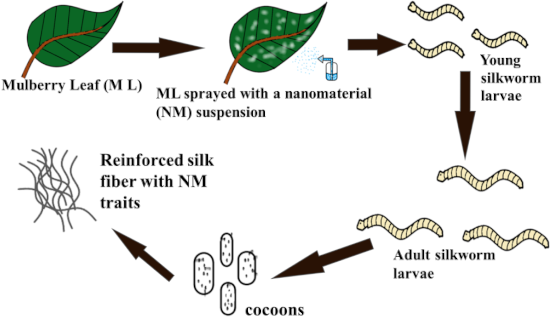
- to generate more reactive oxygen species (ROS) and to induce oxidative stress could be a reason for their antibacterial activity against R. solanacearum in tobacco plants [23]. Aside from MgO NPs, other nanomaterials, including titanium dioxide (TiO2 NPs), zinc oxide (ZnO NPs), copper oxide (CuO NPs


A review on the green and sustainable synthesis of silver nanoparticles and one-dimensional silver nanostructures
Beilstein J. Nanotechnol. 2021, 12, 102–136, doi:10.3762/bjnano.12.9
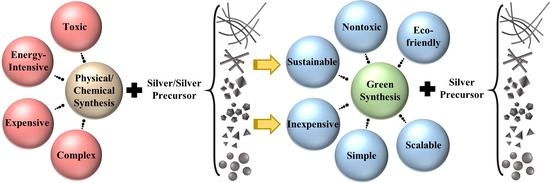
- AgNPs allowed effective antibacterial activity against Gram-positive and Gram-negative bacteria. The ball milling method is an inexpensive approach for the synthesis of AgNPs in a solid state [140], and can be used for the synthesis of AgNPs in ambient temperature, with a fair control over particle size
- synthesized AgNPs are typically spherical in shape [192][278][279]; however, varied morphologies were also reported [193]. Among the applications, algae-mediated AgNPs have shown effective antioxidant and antibacterial activity [264][275]. The advantages of the algae-mediated synthesis process are low


Antimicrobial metal-based nanoparticles: a review on their synthesis, types and antimicrobial action
Beilstein J. Nanotechnol. 2020, 11, 1450–1469, doi:10.3762/bjnano.11.129
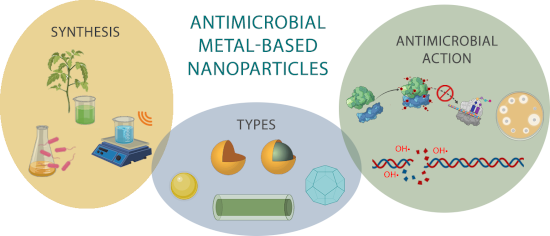
- the environment [10]. Different parts of the plants can be used in the green synthesis of NPs. For example, spherical copper NPs (≈5–20 nm) were obtained by using Curcuma longa tuber extract and copper acetate dehydrate. These Cu NPs demonstrated excellent antibacterial activity against Gram-negative
- antibacterial activity against S. aureus was followed by B. subtilis, E. coli and P. aeruginosa. By using latex extracted from an immature Papaya carica fruit and silver nitrate, spherical and highly stable Ag NPs were also obtained. The reduction in Gram-positive bacteria, such as E. faecalis and B. subtilis
- antibacterial activity against Bacillus subtilis and Enterobacter aerogenes bacteria [109]. Titanium dioxide is also an inorganic material that is widely used in several products, including cosmetics and orthodontic composites, due to its excellent whitening, photocatalytic, and antimicrobial properties [131


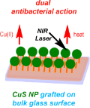
Photothermally active nanoparticles as a promising tool for eliminating bacteria and biofilms
Beilstein J. Nanotechnol. 2020, 11, 1134–1146, doi:10.3762/bjnano.11.98
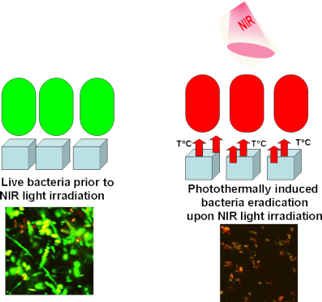
- nanocomposites for the light-triggered eradication of bacteria and biofilms. Keywords: antibacterial activity; bacteria eradication; nanoparticles; NIR light; photothermal effect; Introduction Bacteria are considered the major source of hospital-acquired nosocomial infections and patients are at a risk higher
- results regarding antibacterial activity. The advances in the field of nanomaterials exhibiting antibacterial activity are well summarized in recent reviews [1][7][8][9]. In particular, the antibacterial properties of silver nanoparticles (Ag NPs) and Ag-NP-based polymeric materials are the most
- ][23] and CuO [24][25][26], are also well described in the literature. The antibacterial activity of polymeric nanoparticles, such as the polystyrene sulfate coated with a bilayer of dioctadecyldimethylammonium bromide [27] and poly(lactic-co-glycolic acid) loaded with gentamicin [28], were also


Gram-scale synthesis of splat-shaped Ag–TiO2 nanocomposites for enhanced antimicrobial properties
Beilstein J. Nanotechnol. 2020, 11, 1119–1125, doi:10.3762/bjnano.11.96
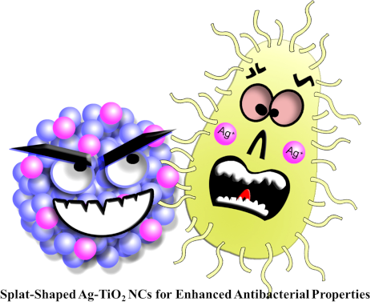
- antibacterial properties of TiO2 in the presence of silver were examined. The formation of Ag–TiO2 NCs was analyzed through various characterization techniques. The cell viability experimental results demonstrated that the Ag–TiO2 NCs have good biocompatibility. The antibacterial activity of the prepared Ag
- . The improvement in the antibacterial activity was attributed to the synergistic effect of the hybrid nature of TiO2 nanoparticles in the presence of Ag. Keywords: antimicrobial properties; biomaterials; nanocomposites; silver nanoparticles; titanium dioxide; Introduction The rapid industrial
- , silver (Ag), zinc oxide (ZnO), copper oxide (CuO), iron oxide (Fe3O4) and titanium oxide (TiO2) are well recognized options due to their outstanding antibacterial properties. These nanoparticles have antibacterial activity due to the production of reactive oxygen species (ROS) [9][10][11]; more


Wet-spinning of magneto-responsive helical chitosan microfibers
Beilstein J. Nanotechnol. 2020, 11, 991–999, doi:10.3762/bjnano.11.83
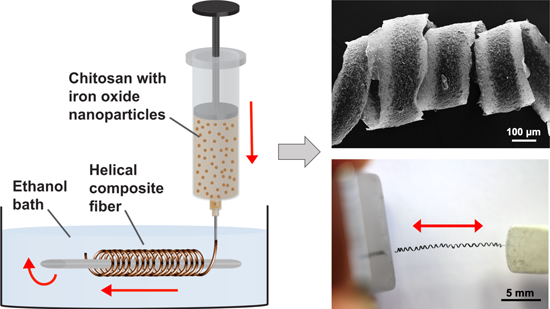
- ]. Additionally, by using either wet-spinning or electrospinning techniques, nanoparticles can be suspended into the viscous spinning solution and embedded into the fiber matrix. For example, silver nanoparticles have been incorporated into electrospun chitosan fibers enabling antibacterial activity in wound


Silver-decorated gel-shell nanobeads: physicochemical characterization and evaluation of antibacterial properties
Beilstein J. Nanotechnol. 2020, 11, 620–630, doi:10.3762/bjnano.11.49
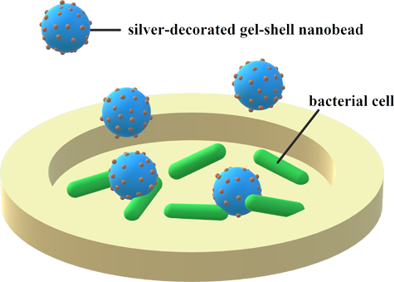
- sulfonate beads modified with polyaniline followed by decoration with silver nanoparticles and demonstrated the considerable antibacterial activity of this material [24]. While the number of works on hybrid polymer/nanoparticle structures and their antibacterial activity is relatively limited, a great
- have been partially reduced to thiol moieties. In consequence, the thiols interact with the silver nanoparticles anchoring them in the gel layer on the nanobeads. Moreover, it has been shown that the nanocomposite exhibits considerable antibacterial activity, comparable or superior to that of non
- composite particles (the Ag nanoparticles are coordinated to thiol groups generated in situ during the synthesis), in a simple and relatively fast reaction. Antibacterial activity of PSSAg nanocomposite We were further interested whether the silver-modified beads show antibacterial effects. To determine the


Luminescent gold nanoclusters for bioimaging applications
Beilstein J. Nanotechnol. 2020, 11, 533–546, doi:10.3762/bjnano.11.42
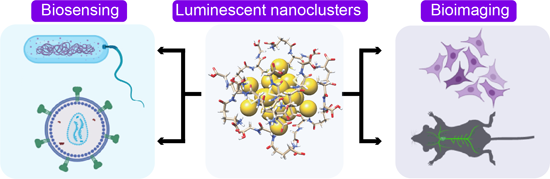
- that assists better binding. Zhu et al. reported a rigid host–guest assembly to improve the PL of AuNCs, their antibacterial activity and bioimaging [84]. In their work, 5-methyl-2-thiouracil (MTU)-capped AuNCs (Au-MTU) were prepared. The Au-MTU NCs were then treated with protamine (Prot), a cationic


Facile biogenic fabrication of hydroxyapatite nanorods using cuttlefish bone and their bactericidal and biocompatibility study
Beilstein J. Nanotechnol. 2020, 11, 285–295, doi:10.3762/bjnano.11.21
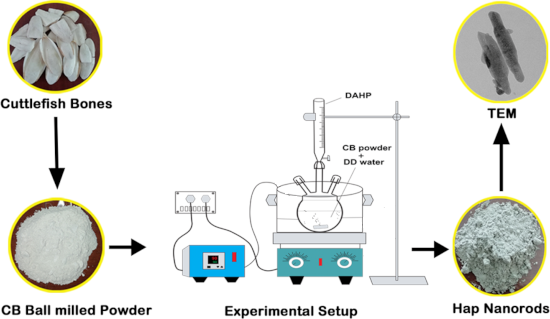
- a concentration-mediated hemolytic effect. These biogenic CB-Hap NRs with improved physicochemical properties, blood compatibility and antibacterial efficacy could be highly beneficial for orthopedic applications in the future. Keywords: antibacterial activity; biocompatibility; bone implant
- responsible for hemolysis by aggregating red blood cells (RBCs) via bridging force mediated electrostatic interaction [54]. Thus, the hemolytic effect of CB-Hap NRs at high concentration can be reduced by optimizing their surface charge in the future. Antibacterial activity Generally, bacterial colonies can
- can be noted from the literature that nanometer-sized Hap can effectively inhibit antibacterial activity but only when doped or cationic-substituted [55][56]. In contrast, the CB-derived Hap nanorods in the present study show optimum bactericidal effect on E. coli and S. aureus due to the size (>50 nm


Novel hollow titanium dioxide nanospheres with antimicrobial activity against resistant bacteria
Beilstein J. Nanotechnol. 2019, 10, 1716–1725, doi:10.3762/bjnano.10.167
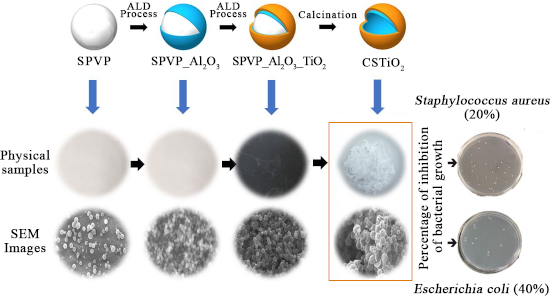
- molecules and proteins of the cellular membrane and a lower amount of substance [2][43][44]. In this work, the evaluation of the antibacterial activity of CSTiO2 with a spherical morphology and nanoscale-thickness of approximately 17 nm was evaluated and compared with traditional TiO2 NPs. The reduction of
- thickness of these nanostructures was obtained by reducing the cycles of deposition during the ALD process [18][45][46]. The antibacterial activity of CSTiO2 and TiO2 NPs was evaluated by the inhibition of growth of Staphylococcus aureus (control strain ATCC®6538TM and resistant strain MRSA 97-7 and MRSA
- 622-4) and Escherichia coli (control strain ATCC®25922TM and resistant strain E. coli 33.1). When the analysis was done using control strains, the results in Table 1 indicate that CSTiO2 presented an improved antibacterial activity against S. aureus and a similar activity against E. coli in comparison


Photoactive nanoarchitectures based on clays incorporating TiO2 and ZnO nanoparticles
Beilstein J. Nanotechnol. 2019, 10, 1140–1156, doi:10.3762/bjnano.10.114
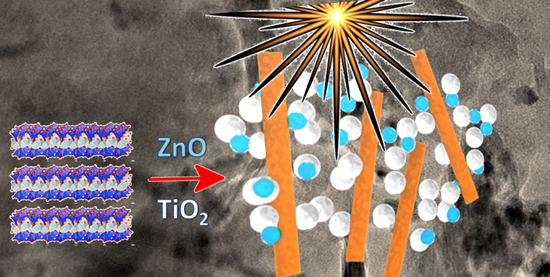
- materials that have been assembled at the nanometer scale with clay silicates and deeply investigated due to their useful properties for various applications, including heterogeneous photocatalysis, antibacterial activity, and water splitting [12][13][14][15][16][17][18][19][20]. Both semiconducting solids
- semiconductors such as ZnO are increasingly investigated for processes concerning environmental remediation, antibacterial activity and chemical technologies for hydrogen production and synthesis of organic compounds [22]. Anyway, according to WoS, in the given period TiO2 NPs appear to be cited ten times more
- challenges are developments regarding applications related to antibacterial activity and uses in the production of fine chemicals through photo-assisted organic syntheses. The use as films and membranes appears as a valuable alternative for industrial processes. Moreover, the clays can be used as substrates



The systemic effect of PEG-nGO-induced oxidative stress in vivo in a rodent model
Beilstein J. Nanotechnol. 2019, 10, 901–911, doi:10.3762/bjnano.10.91
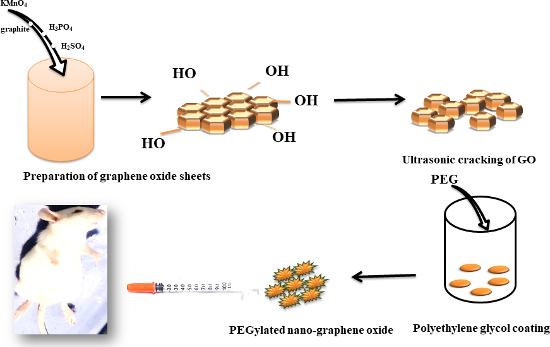
- a chitosan 3D scaffold and enhanced its bioactivity, mechanical properties, and pore formation with GO for optimal bone tissue engineering [15]. Zhang et al. improved the chemotherapy efficacy of anticancer drugs with polyethyleneimine (PEI)-grafted GO [16]. Liu et al. discussed the antibacterial
- activity of GO [17]. Moreover, GO-based sensors have been used for the detection of neonicotinoids [18], tyrosine [19], ascorbic acid, dopamine, uric acid [20], 4-nitrophenol [21], and glucose [22]. Among all biocompatible polymers, PEG has been extensively used as a GO cover. Feng et al. used PEG and PEI


Noble metal-modified titania with visible-light activity for the decomposition of microorganisms
Beilstein J. Nanotechnol. 2018, 9, 829–841, doi:10.3762/bjnano.9.77
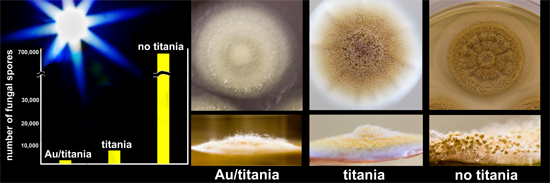
- albicans (C. albicans)) activity under visible-light irradiation and in the dark using disk diffusion, suspension, colony growth (“poisoned food”) and sporulation methods. It was found that silver-modified titania, besides remarkably high antibacterial activity (inhibition of bacterial proliferation
- found that silver-modified titania showed superior antibacterial activity, whereas gold-modified samples were very active against fungi, suggesting that bimetallic photocatalysts containing both gold and silver should exhibit excellent antimicrobial properties. Keywords: antifungal properties
- surprising, due to a decrease in charge-carrier recombination since noble metals work as an electron sink [54]. The most interesting finding was a significant enhancement of activity under vis irradiation and in the dark. Under vis irradiation the antibacterial activity was increased four times for ST01 and


BN/Ag hybrid nanomaterials with petal-like surfaces as catalysts and antibacterial agents
Beilstein J. Nanotechnol. 2018, 9, 250–261, doi:10.3762/bjnano.9.27
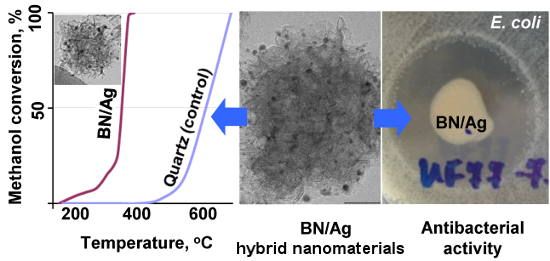
- whole duration of testing (14 days), the maximum concentration of Ag+ ions was 90 ppb (CVD BN/Ag HNMs) and 110 ppb (UV BN/Ag HNMs). Antibacterial activity The antibacterial activity of BN/Ag HNMs obtained via CVD was first studied using the inhibition zone method. The diameter of all discs with tested
- associated with the appearance of bacterial cell resistivity to low Ag+ ion concentration. Then, the antibacterial activity of the BN/Ag HNMs was evaluated against planktonic E. coli bacteria. After incubation for 3 h, the number of CFUs in the presence of both types of BN/Ag HNMs decreased to zero (Figure
- 9d, lines 3 and 4), whereas control and BN NP samples did not show any antibacterial effect (Figure 9d, curves 1 and 2). In order to estimate the antibacterial activity of the BN/Ag HNMs at the early stage of biofilm formation, the coupon method was used. The obtained results show that, unlike the





Evaluating the toxicity of TiO2-based nanoparticles to Chinese hamster ovary cells and Escherichia coli: a complementary experimental and computational approach
Beilstein J. Nanotechnol. 2017, 8, 2171–2180, doi:10.3762/bjnano.8.216
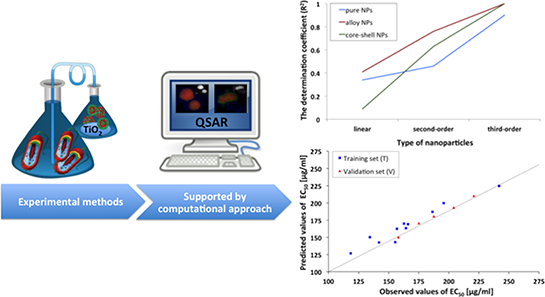
- nanoparticles, electron/hole (e−/h+) pairs can be generated under UV light. Under such conditions, free radicals are produced, which is one of the major pathways of the antibacterial activity of TiO2-based NPs. In the absence of UV light, photoactive TiO2 nanomaterials demonstrate little or no bacteria
- ions. For instance, TiO2 NPs doped with either copper (Cu) or silver (Ag), exhibited enhanced antibacterial activity against Staphylococcus aureus, whereas their toxicity towards mouse cells from L929 cell line remained low [19]. Ag-TiO2 NPs, which were activated by UV–vis light, exhibited stronger
- three independent experiments and expressed as the percentage of the viability of exposed cells vs controls. Concentration–response curves were fitted using the nonlinear least-squares method. Calculations were carried out with the R environment (http://www.r-project.org). Antibacterial activity The


Bi-layer sandwich film for antibacterial catheters
Beilstein J. Nanotechnol. 2017, 8, 1982–2001, doi:10.3762/bjnano.8.199
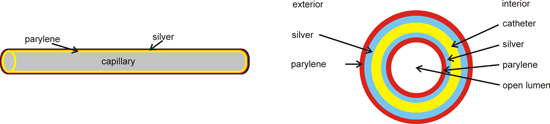
- thick coatings, although they have definitely passed the state of islands and have already coalesced [50]. This larger surface area should increase the release rate and therefore the antibacterial activity. PPX by CVD Surface polymerization vs volume polymerization The silver depot is capped by a layer


Preparation of alginate–chitosan–cyclodextrin micro- and nanoparticles loaded with anti-tuberculosis compounds
Beilstein J. Nanotechnol. 2016, 7, 1208–1218, doi:10.3762/bjnano.7.112
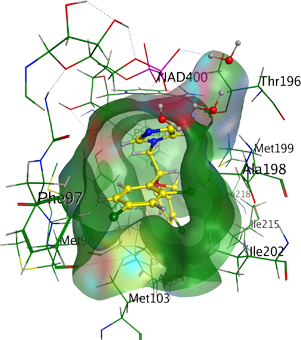
- addition to this, ISN has an antibacterial effect against gram-positive bacteria (B. cereus, C. tuberculostearicum, S. aureus MR, S. haemolyticus, S. hominis, and S. salivarius) confirmed by numerous reports on its antibacterial activity [21][22][23][24][25]. The antibacterial activity of ISN has been

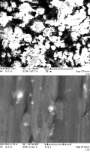


Microwave solvothermal synthesis and characterization of manganese-doped ZnO nanoparticles
Beilstein J. Nanotechnol. 2016, 7, 721–732, doi:10.3762/bjnano.7.64
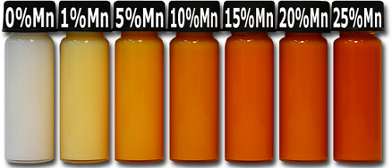
- , varistors, TFT display windows and laser technology [5][6][7]. ZnO displays pyroelectric and piezoelectric properties, thanks to which it is used in electroacoustic devices [8]. It is a biocompatible material used for producing biosensors and in drug delivery applications [9]. Thanks to antibacterial
- activity, matting and hiding properties, as well as bleaching properties, it is applied in the pharmaceutical and cosmetic industry to produce creams, dressings, powders, baby powders and toothpastes. In paediatric dentistry, it is the primary ingredient of the temporary filling material [10]. It is also a


Antibacterial activity of silver nanoparticles obtained by pulsed laser ablation in pure water and in chloride solution
Beilstein J. Nanotechnol. 2016, 7, 465–473, doi:10.3762/bjnano.7.40
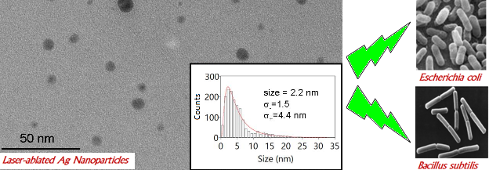
- also be affected by other parameters linked to the ablation conditions, such as the pulse width. The antibacterial activity of AgNPs was evaluated for NPs obtained either by nanosecond (ns) or picosecond (ps) PLAL using a 1064 nm ablation wavelength, in pure water or in LiCl aqueous solution, with
- -potential values were very negative, indicating excellent long-term colloidal stability. Antibacterial activity was observed against both microorganisms for the four AgNP formulations, but the ps-ablated nanoparticles were shown to more effectively inhibit the growth of both microorganisms. Moreover, LiCl
- : antibacterial activity; colloid; laser ablation; nanoparticles; silver; Introduction The interest in nanoscale metal particles is constantly growing as they find wide application in diverse fields ranging from sensing [1][2][3], medicine [4], catalysis [5][6][7][8], to astrobiology [9][10] and many others. In


Sonochemical co-deposition of antibacterial nanoparticles and dyes on textiles
Beilstein J. Nanotechnol. 2016, 7, 1–8, doi:10.3762/bjnano.7.1
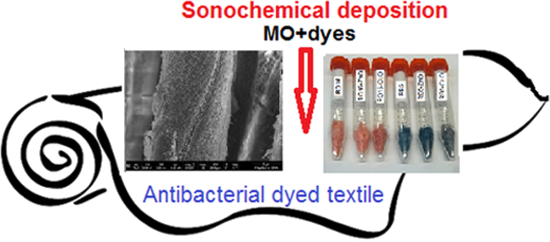
- antibacterial properties. The color fastness was evaluated by immersing the coated/dyed cotton in water and monitoring the absorbance of the colored fabric. Two major issues were solved in this research: i) the antibacterial activity of the metal oxide (MO) NPs was maintained while deposited simultaneously with
- after leaching experiments was characterized by reflectance measurements. Antibacterial test The antibacterial activity was tested according to the procedure described by our group previously [25]. Briefly, the antibacterial activity of MO- and MO/dye-coated fabrics was tested against E. coli. Overnight
- the best reaction parameters, which resulted in the highest antibacterial activity and coloration are reported in the experimental section. The presence of the dye on the fabric after the sonochemical reaction can be easily observed by the naked eye (Figure 2). While the color of RO16 changed only




Green and energy-efficient methods for the production of metallic nanoparticles
Beilstein J. Nanotechnol. 2015, 6, 2354–2376, doi:10.3762/bjnano.6.243
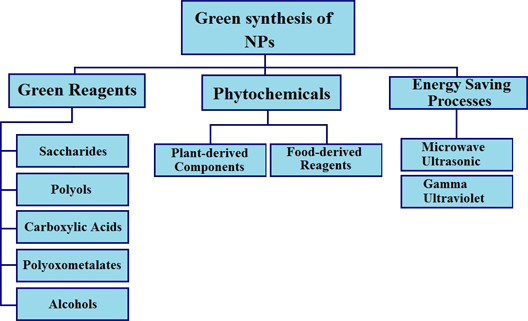
- , 6, 24 and 48 h, respectively. According to the measured zeta potential of 54.5 mV, they concluded that the synthesized Ag NPs had acceptable stability [4]. In another study, they studied the antibacterial activity of different sizes of Ag NPs against two different bacteria and observed that Ag NPs
- with smaller size have a higher antibacterial activity [62]. Li et al. synthesized Ag NPs using PEG-200 as reducing and stabilizing agent and AgNO3 as precursor at ambient temperature within 6 h. Their analysis showed that the Ag NPs are spherical and stable for several weeks and the particle sizes are


Fulleropeptide esters as potential self-assembled antioxidants
Beilstein J. Nanotechnol. 2015, 6, 1065–1071, doi:10.3762/bjnano.6.107
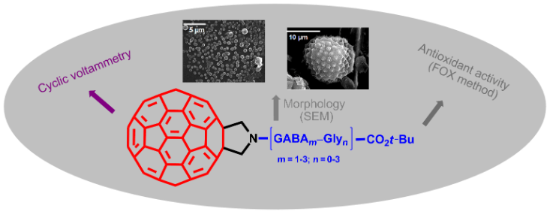
- , Keller et al. [18] reported the synthesis of fullerenedihydropyrrole cationic peptides, which did not show antibacterial activity. Neuroprotective and antioxidant properties are based on the fact that fullerene derivatives possess an extended π-bond system, with high electron and free-radical species


Novel ZnO:Ag nanocomposites induce significant oxidative stress in human fibroblast malignant melanoma (Ht144) cells
Beilstein J. Nanotechnol. 2015, 6, 570–582, doi:10.3762/bjnano.6.59
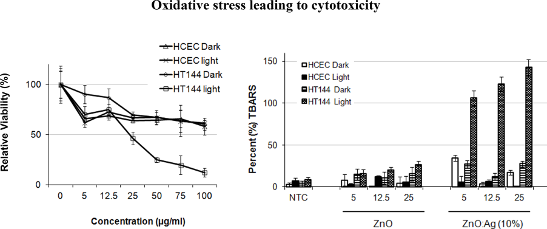
- in the light source used, the percentage of Ag content or the cellular model used. Sharma et al. [32] reported zinc oxide nanoparticles with different formulations (0.1, 0.2, 0.3 and 0.4%) of Ag (size range: 23–59 nm) for their antibacterial activity and Shah et al. [33] reported that ZnO nanorods




Nanobioarchitectures based on chlorophyll photopigment, artificial lipid bilayers and carbon nanotubes
Beilstein J. Nanotechnol. 2014, 5, 2316–2325, doi:10.3762/bjnano.5.240
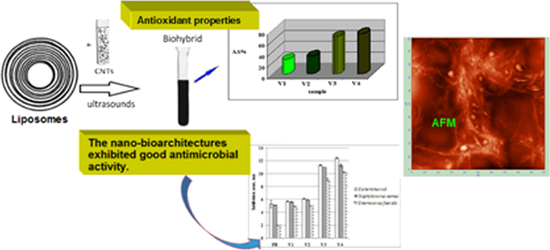
- radical scavenging ability (affording an antioxidant activity of 73.25%) and enhanced biocidal ability, offering inhibition zones of 12.4, 11.3 and 10.2 mm in diameter, against Escherichia coli, Staphylococcus aureus and Enterococcus faecalis, respectively. Keywords: antibacterial activity; antioxidant
- standard sample at t = 5 s, and I is the maximum CL intensity for a sample at t = 5 s [29]. Three measurements were performed for each sample in order to accurately evaluate the antioxidant activity. Antibacterial assay The antibacterial activity of the samples was tested against Gram-positive and Gram
- ) showed weak antibacterial activity (see Figure 9), offering inhibition zone diameters in the range of 5.0–6.1 mm. However, their biohybrids with carbon nanotubes exhibited enhanced biocidal features due to the presence of SWCNTs, which are known to possess antimicrobial properties [47][48]. Kang et al


Biopolymer colloids for controlling and templating inorganic synthesis
Beilstein J. Nanotechnol. 2014, 5, 2129–2138, doi:10.3762/bjnano.5.222
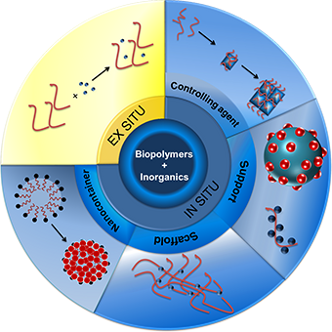
- supercritical CO2 and subsequent calcination. Scaffold templating can also be achieved with starch and even with peptides. Thakore et al. [13] synthesized Cu, Ag, and Cu–Ag alloy nanoparticles in a matrix of starch through a green route and studied the antibacterial activity. Hexagonal silica platelets were





