


Search results
Search for "antioxidant" in Full Text gives 92 result(s) in Beilstein Journal of Nanotechnology.
Recent progress in cancer cell membrane-based nanoparticles for biomedical applications
Beilstein J. Nanotechnol. 2023, 14, 262–279, doi:10.3762/bjnano.14.24
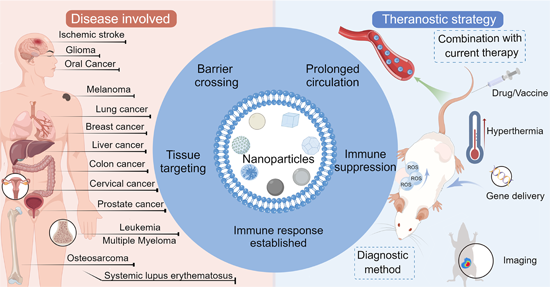
- ]. GSH is the main antioxidant component in cells and can scavenge excess ROS in cancer cells. ROS-related therapeutic effects are promoted by depleting GSH and catalyzing excess of H2O2 in the TME [103]. Programmed cell death (e.g., necroptosis, pyroptosis, ferroptosis, and cuprotosis) regulates the


Structural, optical, and bioimaging characterization of carbon quantum dots solvothermally synthesized from o-phenylenediamine
Beilstein J. Nanotechnol. 2023, 14, 165–174, doi:10.3762/bjnano.14.17
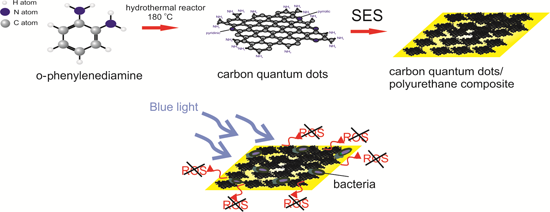
- resistance, and better antioxidant properties compared to pristine CQDs [5]. Functionalization of CQDs with amino groups (NH2 groups) induces a redshift of the photoluminescence because of the charge transfer from the amino groups to the carbon honeycomb core [6]. Also, grafting with NH2 groups, by means of
- . Photoluminescence of CQDs can be tuned, and quantum dots emit light in the range from blue to red. Some of them have very good prooxidant and antioxidant properties [14]. Under blue light irradiation, CQDs produce reactive oxygen species (ROS), which cause oxidative stress and further bacterial death [17][18][19


Microneedle-based ocular drug delivery systems – recent advances and challenges
Beilstein J. Nanotechnol. 2022, 13, 1167–1184, doi:10.3762/bjnano.13.98
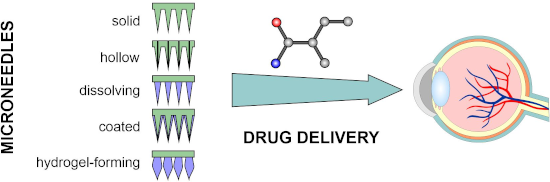
- externally administered drugs, rate and degree of absorption depend on the time the drug remains at the application site [43]. Up to 95% of the eye surface is covered by the sclera, which is well permeable to substances smaller than 70 kDa, including neuroprotective, antioxidant, or anti-angiogenic agents


Recent advances in green carbon dots (2015–2022): synthesis, metal ion sensing, and biological applications
Beilstein J. Nanotechnol. 2022, 13, 1068–1107, doi:10.3762/bjnano.13.93




Correction: Coordination-assembled myricetin nanoarchitectonics for sustainably scavenging free radicals
Beilstein J. Nanotechnol. 2022, 13, 570–571, doi:10.3762/bjnano.13.48

- , Beijing, P. R. China School of Chemical Engineering, University of Chinese Academy of Sciences, Beijing, P. R. China 10.3762/bjnano.13.48 Keywords: antioxidant; co-assembly; glutathione; myricetin; nanoarchitectonics; Correction 1: In the abbreviation of the radical cation "ABTS+", the dot indicating
Ethosomal (−)-epigallocatechin-3-gallate as a novel approach to enhance antioxidant, anti-collagenase and anti-elastase effects
Beilstein J. Nanotechnol. 2022, 13, 491–502, doi:10.3762/bjnano.13.41
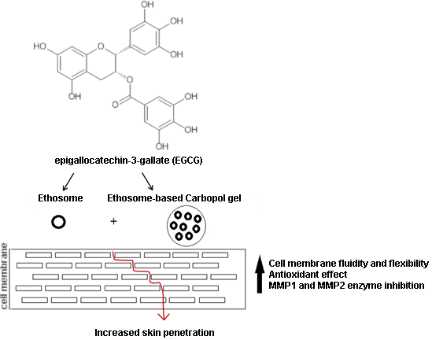
- ethosomal formulations containing a potent antioxidant, epigallocatechin-3-gallate (EGCG), and to evaluate their potential for use in cosmetics by determining their antioxidant and antiaging effects. Ethosomes (ETHs) were prepared via mechanical dispersion and characterized in vitro in terms of particle
- collagenase and elastase enzymes were investigated compared to those of the solution form. Within the scope of antioxidant activity studies, 2,2-diphenyl-1-picrylhydrazyl (DPPH•) and 2,2'-azino-bis(3-ethylbenzothiazoline-6-sulfonic acid) (ABTS+•) radical scavenging and β-carotene/linoleic acid co-oxidation
- cytotoxicity test revealed that the formulations and the EGCG solution at different concentrations were nontoxic. In terms of cell permeability, enzyme inhibition, and antioxidant activity, the ethosomal formulations yielded better results compared to the EGCG solution. It was observed that the formulations



Coordination-assembled myricetin nanoarchitectonics for sustainably scavenging free radicals
Beilstein J. Nanotechnol. 2022, 13, 284–291, doi:10.3762/bjnano.13.23
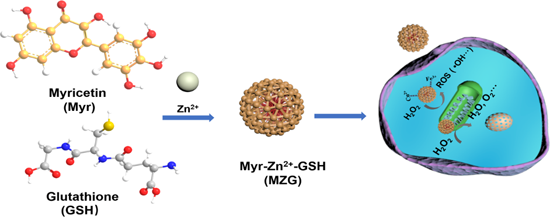
- attention because of its high antioxidant, anti-inflammatory, antimicrobial, and anticancer efficacy. Especially regarding antioxidation, Myr is capable of not only chelating intracellular transition metal ions for removing reactive oxygen species, but also of activating antioxidant enzymes and related
- signal pathways and, thus, of sustainably scavenging radicals. However, Myr is poorly soluble in water, which limits its bioavailability for biomedical applications, and even its clinical therapeutic potential. The antioxidant peptide glutathione (GSH) plays a role as antioxidant in cells and possesses
- offers a new design to harness stable, sustainable antioxidant nanoparticles with high loading capacity, high bioavailability, and good biocompatibility as antioxidants. Keywords: antioxidant; co-assembly; glutathione; myricetin; nanoarchitectonics; Introduction Oxidative stress, caused by an imbalance


Biocompatibility and cytotoxicity in vitro of surface-functionalized drug-loaded spinel ferrite nanoparticles
Beilstein J. Nanotechnol. 2021, 12, 1339–1364, doi:10.3762/bjnano.12.99
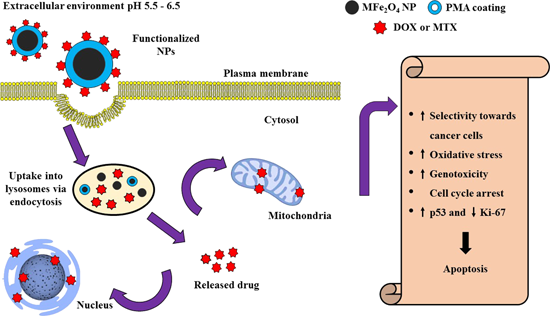
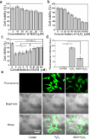
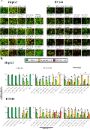
- example, metallic NPs transported to lysosomes produce more ROS due to enhanced acidic degradation as compared to those remaining in the cytosol [45]. Besides, the intrinsic antioxidant potential of various cells also contributes to biocompatibility and extent of ROS generation via metallic NPs [46][47
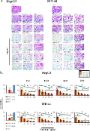
- oxidative stress can be attributed to the presence of xenobiotic detoxification and antioxidant mechanisms [47]. Functionalized MFe2O4 NPs cause cell cycle arrest in cancer cells Evidence of oxidative damage in treated cells may indicate DNA damage and possible effects on cell cycle progression, causing





Comprehensive review on ultrasound-responsive theranostic nanomaterials: mechanisms, structures and medical applications
Beilstein J. Nanotechnol. 2021, 12, 808–862, doi:10.3762/bjnano.12.64


The preparation temperature influences the physicochemical nature and activity of nanoceria
Beilstein J. Nanotechnol. 2021, 12, 525–540, doi:10.3762/bjnano.12.43
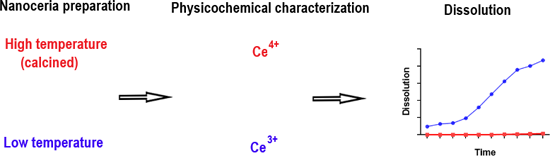
- more available oxygen on the surface of nanoceria not exposed to high temperature. Biological identity of as-prepared and partially dissolved nanoceria Nanoceria has the potential to act as a pro- or antioxidant, depending on its valence, and the oxidative stress level of the system under study
- the exposure to partially dissolved nanoceria may be due to the increased surface content of Ce3+ providing antioxidant potential. After dialysis in water, the partially dissolved nanoceria rapidly precipitates from the dispersion, presumably due to the loss of surface citrate and reduced surface




A review on nanostructured silver as a basic ingredient in medicine: physicochemical parameters and characterization
Beilstein J. Nanotechnol. 2021, 12, 440–461, doi:10.3762/bjnano.12.36
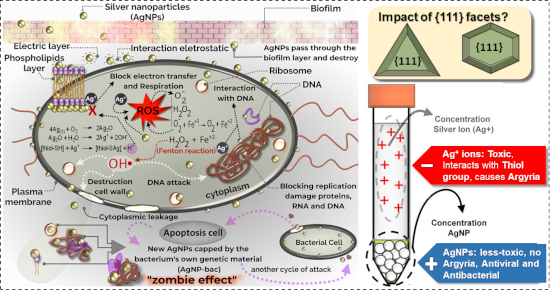
- that AgNPs produce reactive oxygen species (ROS). The accumulation of intracellular ROS is well known as an important regulator of apoptosis [72]. The production of oxidative species may be due to trapped electrons in the respiratory chain. Antioxidant enzymes are unlikely to detoxify species generated


A review on the biological effects of nanomaterials on silkworm (Bombyx mori)
Beilstein J. Nanotechnol. 2021, 12, 190–202, doi:10.3762/bjnano.12.15
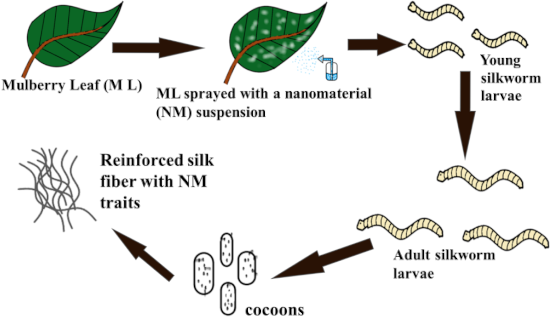
- [124]. This occurs as a result of the imbalance of free radicals in the organism [125]. ROS generation in living organisms is essential as it activates cell defense mechanisms and their antioxidant enzymes [126][127]. Xu et al. [128] reported that silkworm larvae exposed to 10–70 μg/mL of ZnO NPs via
- subcutaneous injection activated superoxide dismutase (SOD), catalase (CAT), and glutathione peroxidase (GSH-PX) antioxidant enzymes. These enzymes are liable for eliminating excess ROS , and therefore the activation of these enzymes is connected to the expression of apoptosis-related genes within the silkworm
- midgut (e.g., Dronc, Caspase, and Trt). The research group also indicated that the expression levels of these enzymes within the silkworm midgut were considerably higher within the ZnO NPs exposed group when compared to control and toxicity of ZnO NPs was time-dependent because the antioxidant enzymes


A review on the green and sustainable synthesis of silver nanoparticles and one-dimensional silver nanostructures
Beilstein J. Nanotechnol. 2021, 12, 102–136, doi:10.3762/bjnano.12.9
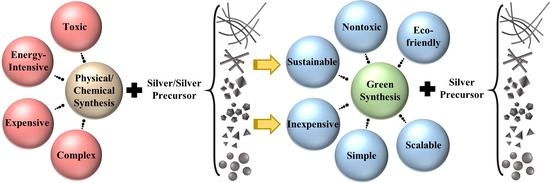
- synthesized AgNPs are typically spherical in shape [192][278][279]; however, varied morphologies were also reported [193]. Among the applications, algae-mediated AgNPs have shown effective antioxidant and antibacterial activity [264][275]. The advantages of the algae-mediated synthesis process are low


Antimicrobial metal-based nanoparticles: a review on their synthesis, types and antimicrobial action
Beilstein J. Nanotechnol. 2020, 11, 1450–1469, doi:10.3762/bjnano.11.129
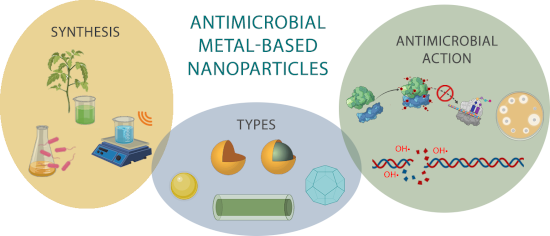
- , and tocopherol, microorganisms have an enzymatic antioxidant defense system, including catalase and superoxide dismutase (SOD), which controls the oxidative stress, reducing lipid peroxidation and the effects of ROS radicals, such as OH2•− and OH•. At normal aerobic microorganism conditions, the


Multilayer capsules made of weak polyelectrolytes: a review on the preparation, functionalization and applications in drug delivery
Beilstein J. Nanotechnol. 2020, 11, 508–532, doi:10.3762/bjnano.11.41


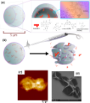

Rational design of block copolymer self-assemblies in photodynamic therapy
Beilstein J. Nanotechnol. 2020, 11, 180–212, doi:10.3762/bjnano.11.15
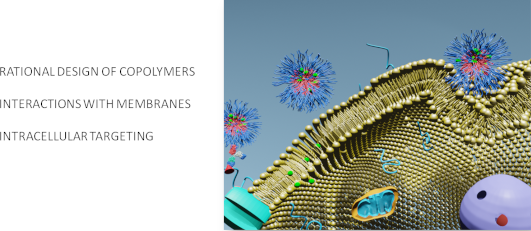


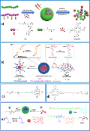


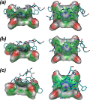


Design of a nanostructured mucoadhesive system containing curcumin for buccal application: from physicochemical to biological aspects
Beilstein J. Nanotechnol. 2019, 10, 2304–2328, doi:10.3762/bjnano.10.222
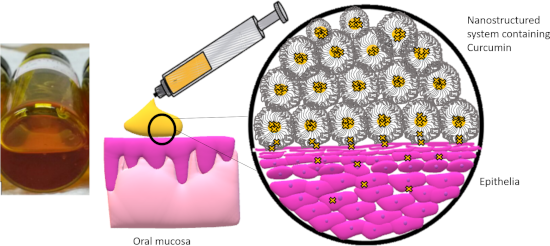
- represent 77%, 17% and 3% of the content of the dried extract from curcuma root, respectively [30][31]. CUR has shown anti-inflammatory, antirheumatic and antioxidant activities and it has been used in hepatic and other chronic diseases including diabetes [32]. Recently, the activity of CUR as an anticancer


Preservation of rutin nanosuspensions without the use of preservatives
Beilstein J. Nanotechnol. 2019, 10, 1902–1913, doi:10.3762/bjnano.10.185
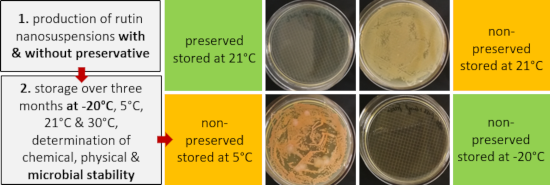
- potential, antioxidant capacity and the microbial quality were determined and monitored over this period of time (Figure 1). Results and Discussion Production and characterization of nanosuspensions High-pressure homogenization yielded rutin nanosuspensions with a relatively broad size distribution, i.e
- preservative. In fact, Plantacare provides a very efficient stabilization mechanism, which is not significantly impaired by the addition of the preservative. This explains the slightly better physical stability than that of the preserved PLX-stabilized nanosuspensions. Antioxidant capacity The antioxidant
- capacity (AOC) was measured with the DPPH assay in which the IC50 value is determined. The IC50 value determines the amount of antioxidant needed to scavenge 50% of the free radical. Consequently, the smaller the IC50 value the higher is the antioxidant capacity. In this study, the IC50 values for the


Lipid nanostructures for antioxidant delivery: a comparative preformulation study
Beilstein J. Nanotechnol. 2019, 10, 1789–1801, doi:10.3762/bjnano.10.174
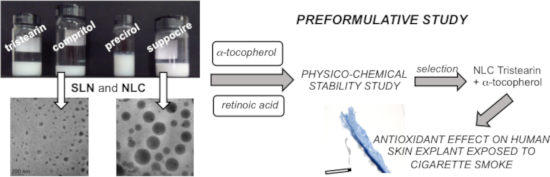
- Surgical Sciences, University of Ferrara, I-44121 Ferrara, Italy Department of Food and Nutrition, Kyung Hee University, Seoul, Korea 10.3762/bjnano.10.174 Abstract This investigation is a study of new lipid nanoparticles for cutaneous antioxidant delivery. Several molecules, such as α-tocopherol and
- retinoic acid, have been shown to improve skin condition and even counteract the effects of exogenous stress factors such as smoking on skin aging. This work describes the design and development of lipid nanoparticles containing antioxidant agents (α-tocopherol or retinoic acid) to protect human skin
- solid lipid nanoparticles, suggesting their suitability for antioxidant loading. Based on the preformulation study, tristearin-based nanostructured lipid carriers loaded with α-tocopherol were selected for ex vivo studies since they displayed superior physico-chemical properties as compared to the other

Nanoporous smartPearls for dermal application – Identification of optimal silica types and a scalable production process as prerequisites for marketed products
Beilstein J. Nanotechnol. 2019, 10, 1666–1678, doi:10.3762/bjnano.10.162
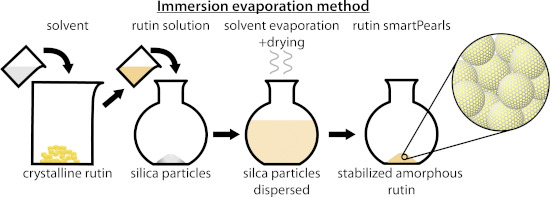
- addition, a scalable production process was demonstrated. The loading of the particles was performed by applying the immersion–evaporation method. The antioxidant rutin was used as a model active agent and ethanol was applied as the solvent. Various silica particles (Syloid®, Davisil®) differing in




Scavenging of reactive oxygen species by phenolic compound-modified maghemite nanoparticles
Beilstein J. Nanotechnol. 2019, 10, 1073–1088, doi:10.3762/bjnano.10.108
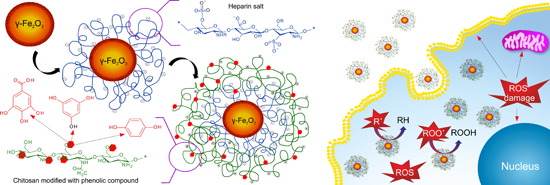
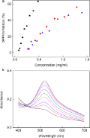
- analysis. Magnetic measurements indicated that the polymer coating does not affect the superparamagnetic character of the iron oxide core. However, magnetic saturation decreased with increasing thickness of the polymer coating. The antioxidant properties of the nanoparticles were analyzed using a 2,2
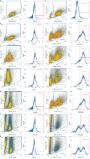
- -diphenyl-1-picrylhydrazyl (DPPH) assay. Cellular uptake and intracellular antioxidant activity of the particles were evaluated by an iron assay and flow cytometry, respectively, using L-929 and LN-229 cells. Compared to the control, the phenolic modification significantly reduced intracellular reactive
- oxygen species (ROS) levels to 35–56%, which was associated with a 6–8-times higher cellular uptake in L-929 cells and a 21–31-times higher cellular uptake in LN-229 cells. In contrast, γ-Fe2O3@Hep particles induced a 3.8-times and 14.9-times higher cellular uptake without inducing antioxidant activity





The systemic effect of PEG-nGO-induced oxidative stress in vivo in a rodent model
Beilstein J. Nanotechnol. 2019, 10, 901–911, doi:10.3762/bjnano.10.91
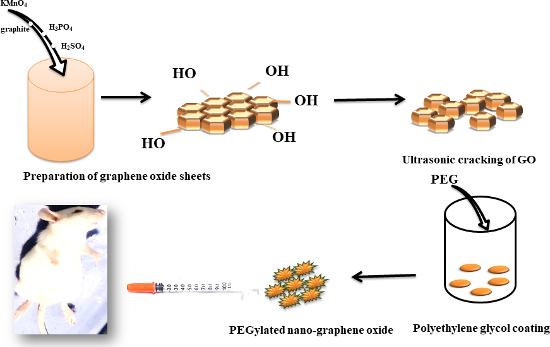
- , namely lipid peroxides, as well as antioxidant agents, including catalase, superoxide dismutase, glutathione, and glutathione S-transferase was conducted. A comparison at different intervals of time after the administration of a dose (5 mg/kg) of PEG-nGO was carried out. An increase in free radicals and
- ]. Raised intracellular levels of ROS cause oxidative stress in cells [40]. Aerobic organisms alleviate the damaging effects of ROS with antioxidant systems comprising enzymatic and non-enzymatic antioxidants [41]. Our research aims to determine the oxidative stress induced through the administration of PEG
- great amounts of PUFA, high levels of MDA indicate damaged cell membranes. MDA is commonly used as a marker for oxidative stress and the antioxidant status of the respective organ. It was also show that tissues of heart and kidneys are greatly influenced by PEG-nGO. A decreased amount of the antioxidant


Biomimetic synthesis of Ag-coated glasswing butterfly arrays as ultra-sensitive SERS substrates for efficient trace detection of pesticides
Beilstein J. Nanotechnol. 2019, 10, 578–588, doi:10.3762/bjnano.10.59
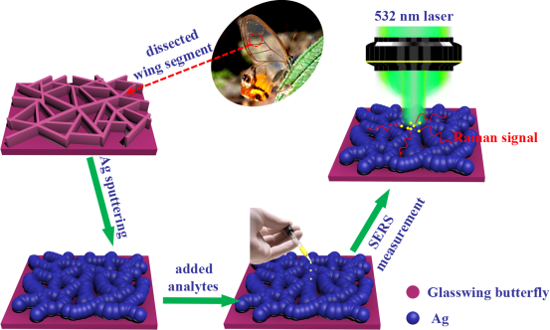
- a facile and low-cost approach to fabricate hierarchical SERS systems with high sensitivity, stability and good reproducibility. In this paper, with the aim to further improve the sensitivity and antioxidant properties as well as to achieve a high reproducibility of the substrates mentioned in our


Ceria/polymer nanocontainers for high-performance encapsulation of fluorophores
Beilstein J. Nanotechnol. 2019, 10, 522–530, doi:10.3762/bjnano.10.53
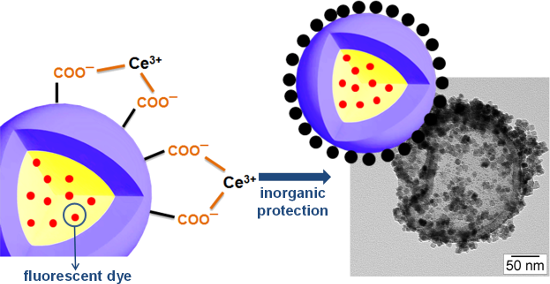
- excellent antioxidant properties, ideal for applications such as water-gas shift catalysis [40], combustion catalysis [41], oxygen ion conductors, and solid-oxide fuel cells [42]. Due to the valence and oxygen defect properties of cerium(IV) oxide, nanoparticles of this material are also used as efficient


Co-intercalated layered double hydroxides as thermal and photo-oxidation stabilizers for polypropylene
Beilstein J. Nanotechnol. 2018, 9, 2980–2988, doi:10.3762/bjnano.9.277
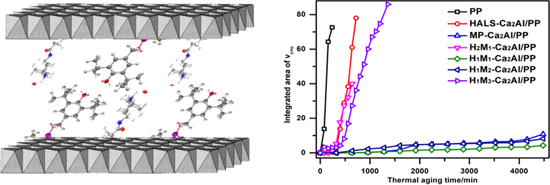
- ][17]. For example, the antioxidant Irganox 1425 (see Figure 1, abbreviated as MP-Ca) was intercalated into Ca2Al-LDH through coprecipitation of MP-Ca and Al(NO3)3 at pH 10, to yield MP-Ca2Al-LDH. Here, the MP-Ca was used the source of Ca for the host sheet and that of MP for the guest anions
- hindered amine light stabilizer (HALS) and a hindered phenolic antioxidant (MP) into the interlayer region of Ca2Al-LDHs with different molar ratios through coprecipitation. The concomitant intercalation of HALS and MP significantly enhances the thermal stability of the powders due to the host–guest





