


Search results
Search for "capillary" in Full Text gives 260 result(s) in Beilstein Journal of Nanotechnology. Showing first 200.
Studies of probe tip materials by atomic force microscopy: a review
Beilstein J. Nanotechnol. 2022, 13, 1256–1267, doi:10.3762/bjnano.13.104
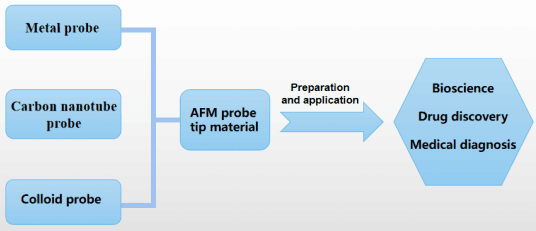
- the fiber to the gold and silver nanowires, which excites the surface plasma propagating on the gold and silver nanowires, and the surface plasma propagates to the tip of the nanowires when it becomes coupled with light. This method of using hollow fiber or glass capillary with gold and silver
Design of surface nanostructures for chirality sensing based on quartz crystal microbalance
Beilstein J. Nanotechnol. 2022, 13, 1201–1219, doi:10.3762/bjnano.13.100
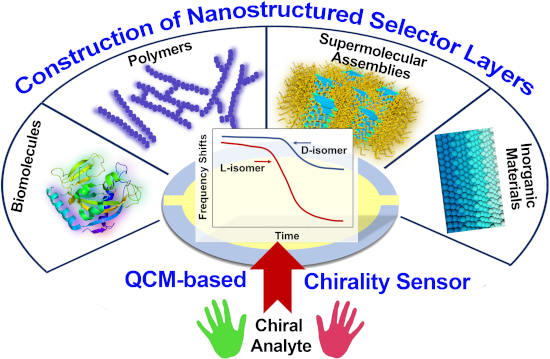
- resonance [10], Fourier transform infrared spectrometry (FTIR) [11], UV–vis absorption spectrometry [12], mass spectrometry (MS) [13], titration microcalorimetry [14], high-performance liquid chromatography (HPLC) [15], gas chromatography (GC), capillary electrophoresis (CE) [16], and electrochemical chiral


Application of nanoarchitectonics in moist-electric generation
Beilstein J. Nanotechnol. 2022, 13, 1185–1200, doi:10.3762/bjnano.13.99
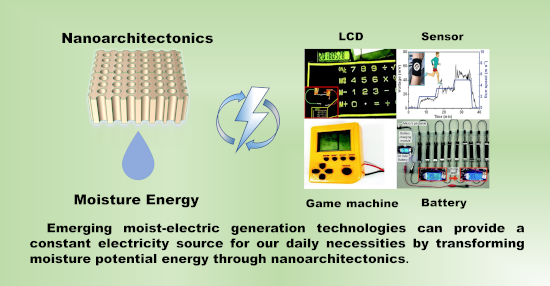
- from the residual soot after flame combustion of an organic liquid. After annealing and air plasma cleaning, the surface of these nanoparticles becomes hydrophilic, resulting in water molecules moving from the bottom to the top through capillary action in a natural water evaporation environment. The


Microneedle-based ocular drug delivery systems – recent advances and challenges
Beilstein J. Nanotechnol. 2022, 13, 1167–1184, doi:10.3762/bjnano.13.98
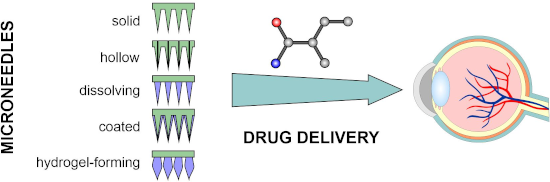
- epidermis layer and to form channels allowing for better drug permeation to deeper skin layers. In this way, the active ingredient may act locally or reach the capillary vessels in the dermis and enter systemic circulation [117]. A study performed by Wei-Ze et al. [140] revealed that microneedle geometry


Interaction between honeybee mandibles and propolis
Beilstein J. Nanotechnol. 2022, 13, 958–974, doi:10.3762/bjnano.13.84
- substrate material, a metal spring (springs with spring constants of 618 N/m and 539 N/m were used) and a fibre-optic sensor (Figure 3A). The piezo drive moves the spring down to load and up to unload the sample. A shortened glass capillary (5 µL micropipet Blaubrand® IntraEND, Brand GmbH & Co. KG, Wertheim
- , Germany) was attached to the metal spring with cyanoacrylate glue (5925 Ergo® Elastomer–Kisling GmbH, Bad Mergentheim, Germany). The freshly formed, cone-shaped sample of propolis was then mounted on the tip of the capillary without any additional glue. The propolis sample was brought into contact with
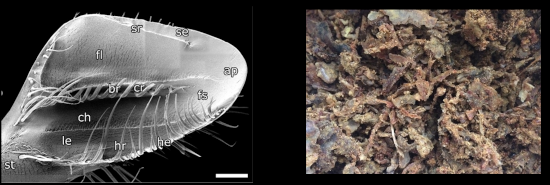
- . BM, bee mandible (optional); FL, fluid; FOS, fibre-optic sensor; GC, glass capillary; GS, glass slide or other substrate material; MM, micro-manipulators; MR, mirror; MS, metal spring; PS, propolis sample. Figure 3A was adapted and Figure 3B, D, and E were reproduced from [1] (© 2021 Saccardi


Bioselectivity of silk protein-based materials and their bio-inspired applications
Beilstein J. Nanotechnol. 2022, 13, 902–921, doi:10.3762/bjnano.13.81
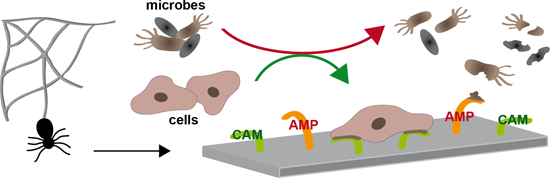
- , natural biological adhesives are complex materials that have evolved to meet the various functional demands. Bioadhesion can be found in the range of the micro- to the macroscale [7]. Adhesion principles include contact mechanical principles such as capillary interactions, viscous forces, non-covalent


DNA aptamer selection and construction of an aptasensor based on graphene FETs for Zika virus NS1 protein detection
Beilstein J. Nanotechnol. 2022, 13, 873–881, doi:10.3762/bjnano.13.78
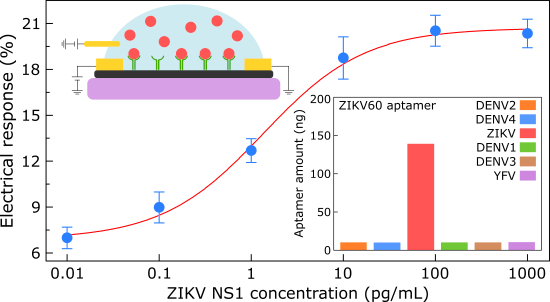
- ligands by exponential enrichment” (SELEX). In this study, we select an aptamer (termed ZIKV60) by capillary electrophoresis SELEX (CE-SELEX) to the Zika virus non-structural protein 1 (NS1) and counterselection against the NS1 proteins of DENV (serotypes 1, 2, 3, and 4) and YFV. The ZIKV60 dissociation
- reported in an attempt to reduce processing time, generate aptamers with novel designs and functions, or increase the process throughput [14][15][16]. In particular, the CE-SELEX technique is a SELEX variation in which capillary electrophoresis (CE) is used to separate oligonucleotides that have bound to
- incubated with 80 pmol of the ZIKV NS1 protein in borate buffer (60 mM) for 30 min, 200 rpm, at 37 °C. An incubation solution sample was submitted to separation by CE using a neutral capillary on a P/ACE MDQ capillary electrophoresis system (Beckman Coulter Inc., Fullerton, CA). The capillary was first



Temperature and chemical effects on the interfacial energy between a Ga–In–Sn eutectic liquid alloy and nanoscopic asperities
Beilstein J. Nanotechnol. 2022, 13, 817–827, doi:10.3762/bjnano.13.72
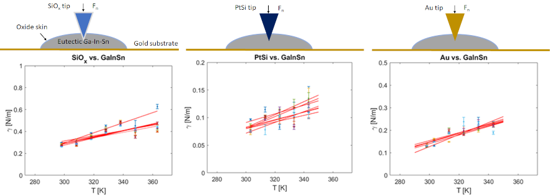
- nN and the sliding velocity to vs = 4 µm/s. Depending on the tip chemistry, we determined different roughness values ranging from Rq = 4.48 nm with a gold tip to Rq = 10.13 nm with a platinum silicide tip. This dependence on the tip chemistry likely originates from different capillary interactions
- between the eutectic Ga–In–Sn melt and the tips, where large capillary forces would result in a larger apparent topography. We can infer the occurrence of capillary interactions during the sliding of an AFM tip on the surface of the eutectic Ga–In–Sn melt from the traces of the normal and lateral forces
- . These preliminary results indicate that adhesion and capillary effects affect the tip–liquid contact. In particular, Figure 2 and Figure 3 indicate that the contact between SiOx and PtSi is rather inelastic. In a first attempt to characterize the interfacial tension between the surface of the eutectic



Gelatin nanoparticles with tunable mechanical properties: effect of crosslinking time and loading
Beilstein J. Nanotechnol. 2022, 13, 778–787, doi:10.3762/bjnano.13.68
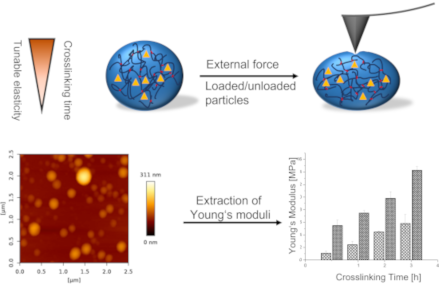
- backscatter mode. The size was evaluated as z-average, and the size distribution is displayed as polydispersity index (PdI). The zeta potential was measured by mixed measurement mode phase analysis light scattering (M3-PALS). All measurements were performed in capillary cells with a technical and an


Fabrication and testing of polymer microneedles for transdermal drug delivery
Beilstein J. Nanotechnol. 2022, 13, 629–640, doi:10.3762/bjnano.13.55
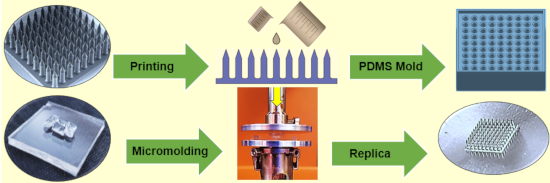
- therapeutic drug or vaccine delivery and extraction of capillary blood or interstitial fluid while avoiding stimulation of the underlying nerve system, which can cause pain to the patient [21][23]. To facilitate the penetration of the MNs, the axial force applied to the MN must be greater than the resistive



Electrostatic pull-in application in flexible devices: A review
Beilstein J. Nanotechnol. 2022, 13, 390–403, doi:10.3762/bjnano.13.32
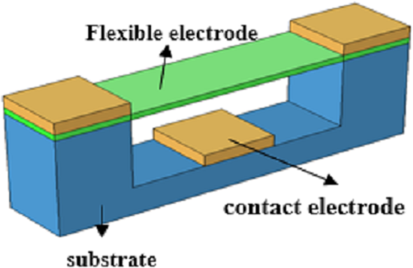
- performance of the switches can also be affected by the surrounding environment. Capillary forces are occurring due to the humid environment during wet etching [24]. In addition, the design of NEM switches needs to consider the unique characteristics of the materials. For example, the shape of CNTs not only


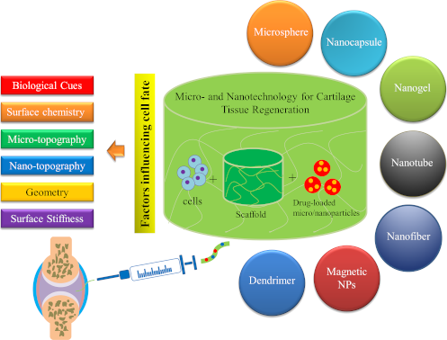
Micro- and nanotechnology in biomedical engineering for cartilage tissue regeneration in osteoarthritis
Beilstein J. Nanotechnol. 2022, 13, 363–389, doi:10.3762/bjnano.13.31


Two dynamic modes to streamline challenging atomic force microscopy measurements
Beilstein J. Nanotechnol. 2021, 12, 1226–1236, doi:10.3762/bjnano.12.90
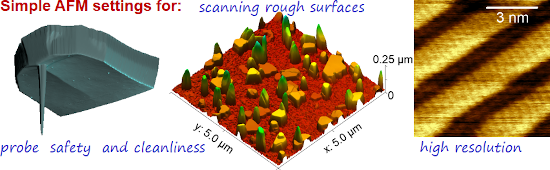
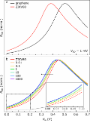
- . As the probe approaches the surface, its resonant frequency first shifts downward under the action of attractive forces (e.g., van der Waals forces or capillary forces), and then increases when repulsive forces become dominant (Figure 1b). In AM-AFM, the driving frequency is fixed and is equal to the


pH-driven enhancement of anti-tubercular drug loading on iron oxide nanoparticles for drug delivery in macrophages
Beilstein J. Nanotechnol. 2021, 12, 1127–1139, doi:10.3762/bjnano.12.84
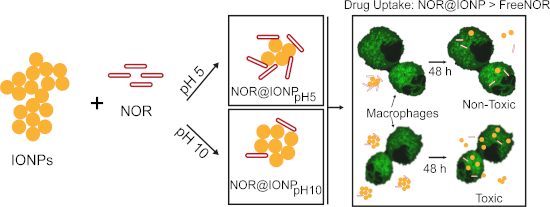
- system. Nanoparticles re-dispersed in milli-Q water were loaded into a folded capillary cuvette and the zeta potential was measured using the NanoS Zeta Sizer, Malvern Instruments, UK. Drug coating and release NOR coating on the nanoparticle was estimated via drug release, where it was assumed that at 48



An overview of microneedle applications, materials, and fabrication methods
Beilstein J. Nanotechnol. 2021, 12, 1034–1046, doi:10.3762/bjnano.12.77
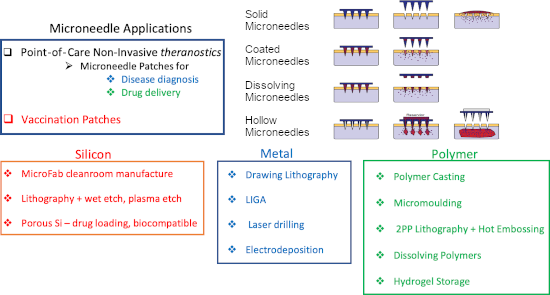
- attacks. In this context, microneedle patches have the potential to save lives [43][44]. Several studies have shown that microneedles are capable of withdrawing blood and ISF by capillary action alone without the need for negative pressure (suction) [44][45]. The application of microneedle-based devices
- properties, physical, and chemical stability of the material. Most microneedles to date have been fabricated with heights below 1 mm, yet sufficient to access ISF or capillary blood or to deliver therapeutic agents. Some obstacles to insertion of microneedles into the skin are the presence of dermatoglyphics


Revealing the formation mechanism and band gap tuning of Sb2S3 nanoparticles
Beilstein J. Nanotechnol. 2021, 12, 1021–1033, doi:10.3762/bjnano.12.76
- et al., who evaluated the accuracy of the Tauc plot for 120 individual analyses of polycrystalline ZnO and found a deviation of about 0.03 eV [52]. XRD For XRD measurements, a minimum amount of 10 mg of dried particles was used. The samples were measured in a capillary in transmission geometry. Two


Self-assembly of Eucalyptus gunnii wax tubules and pure ß-diketone on HOPG and glass
Beilstein J. Nanotechnol. 2021, 12, 939–949, doi:10.3762/bjnano.12.70
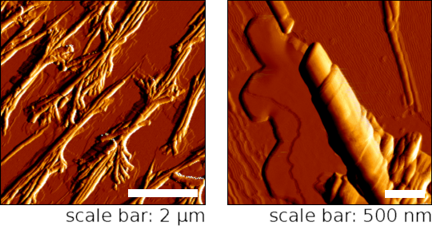
- amounts of deposited mass. This phenomenon known as “coffee ring effect” is caused by capillary flow of the solvent from the middle of the droplet towards its three-phase (solid–liquid–air) contact line. During evaporation, the molecules are aggregated on the outer edge of the droplet where evaporation is




Physical constraints lead to parallel evolution of micro- and nanostructures of animal adhesive pads: a review
Beilstein J. Nanotechnol. 2021, 12, 725–743, doi:10.3762/bjnano.12.57
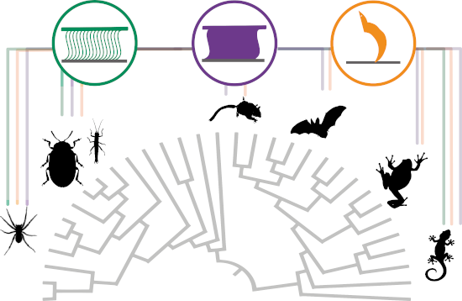
- the capillary forces, which represent long-range interactions. The capillary forces themselves contribute to the adhesion [263]. The fluid can also fill nanoscale gaps on the surface and thus improve contact formation on non-smooth substrata. Since the fluid consists of two phases, it has higher
- . N. Gorb, Copyright 2001 Springer Nature. This content is not subject to CC BY 4.0). The systems, situated above the solid horizontal line, preferably rely on van der Waals forces (dry adhesion), whereas the rest rely mostly on capillary and viscous forces (wet adhesion). Convergent evolution of an


Influence of electrospray deposition on C60 molecular assemblies
Beilstein J. Nanotechnol. 2021, 12, 552–558, doi:10.3762/bjnano.12.45
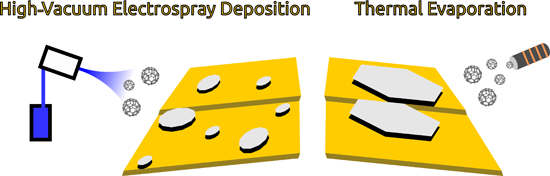
- materials, ranging from metal surfaces [5][6][7][8][9][10][11][12][13], over metal oxides [14] and insulating substrates [15] to graphene monolayers on metals [16]. In HV-ESD-based devices, a solution containing the molecules reaches an emitter located in front of the entrance capillary, as shown in Figure
- 1a. Then, by applying a voltage difference, typically 1.2 kV, between the solution and the capillary, droplets of solvent and diluted molecules are created and accelerated towards the capillary, through the differential pumping vacuum system, finally reaching the sample in ultrahigh vacuum. The main


The impact of molecular tumor profiling on the design strategies for targeting myeloid leukemia and EGFR/CD44-positive solid tumors
Beilstein J. Nanotechnol. 2021, 12, 375–401, doi:10.3762/bjnano.12.31
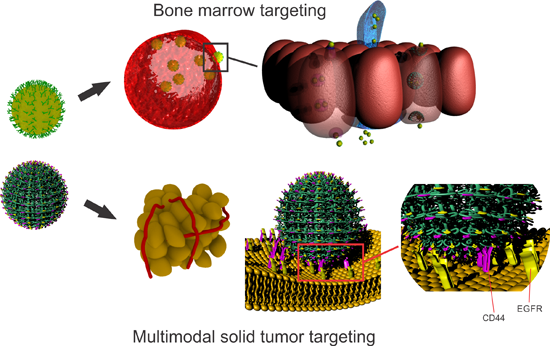
- hematopoiesis. The blood flow is supported by the nutrient arteries, which supply the marrow with nutrients, the periosteal artery, arterioles, and the capillary circulation, which forms a sinusoidal network of vessels comprising a single endothelial cell layer lacking supporting cells. The barrier between the


The nanomorphology of cell surfaces of adhered osteoblasts
Beilstein J. Nanotechnol. 2021, 12, 242–256, doi:10.3762/bjnano.12.20
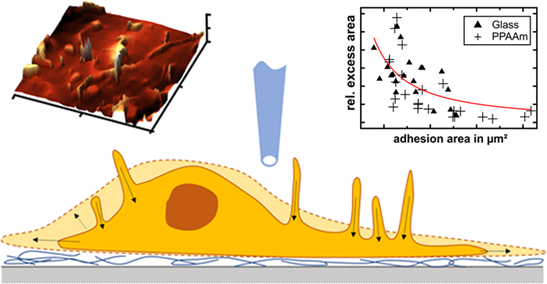
- opening diameters below 80 nm were pulled from borosilicate capillary tubes (inner diameter 0.58 mm) using a CO2 laser puller (Sutter P-2000, USA). The used parameters were Heat: 260, Filament: 4, Velocity: 50, Delay: 225, and Pull: 140. The opening diameter was exemplarily determined by SEM and via the


Effect of different silica coatings on the toxicity of upconversion nanoparticles on RAW 264.7 macrophage cells
Beilstein J. Nanotechnol. 2021, 12, 35–48, doi:10.3762/bjnano.12.3
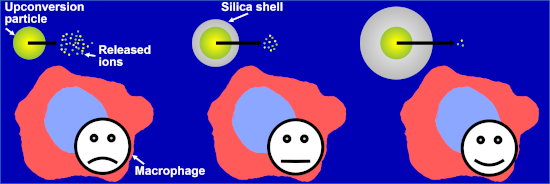
- (pore size: 0.2 µm, Rotilab). Nylon filters were used for particles dispersed in cyclohexane and ethanol, whereas regenerated cellulose filters were used for particles dispersed in water or DMEM. Zeta potential measurements of the dispersions in ethanol and water were carried out using capillary zeta


Unravelling the interfacial interaction in mesoporous SiO2@nickel phyllosilicate/TiO2 core–shell nanostructures for photocatalytic activity
Beilstein J. Nanotechnol. 2020, 11, 1834–1846, doi:10.3762/bjnano.11.165
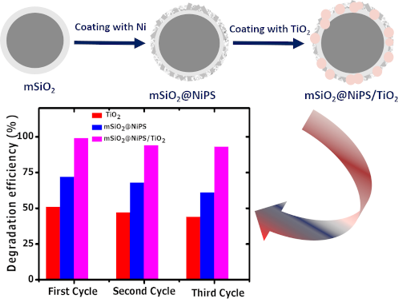
- type IV, demonstrating the presence of a mesoporous structure associated with capillary condensation [45][46]. The mSiO2 spheres exhibited a type-H2 hysteresis loop confined at 0.35 < P/P0 < 0.6, indicating the presence of randomly interconnected pore systems [47]. In contrast, the mSiO2@NiPS core


Electrokinetic characterization of synthetic protein nanoparticles
Beilstein J. Nanotechnol. 2020, 11, 1556–1567, doi:10.3762/bjnano.11.138
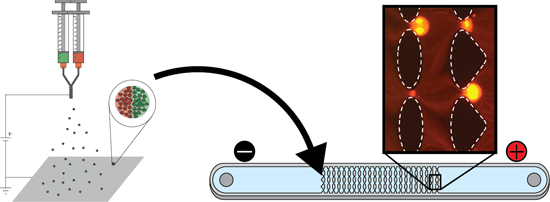
- ZSP ZEN-5600), using standard settings. The average of at least three measurements was reported. Particle zeta potential was measured on the same instrument using a disposable folded capillary cell (DTS1070, Malvern) and using standard settings. Particle concentration was measured using a Pierce BCA



Wafer-level integration of self-aligned high aspect ratio silicon 3D structures using the MACE method with Au, Pd, Pt, Cu, and Ir
Beilstein J. Nanotechnol. 2020, 11, 1439–1449, doi:10.3762/bjnano.11.128
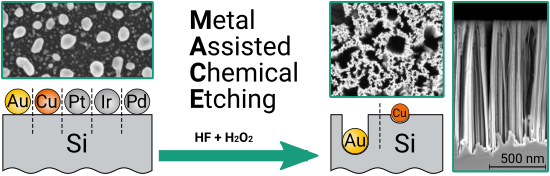
- main etching mechanism remains the same. However, these structures stick together at the topmost point. The nanostructure bundles form during the drying process. This occurs when the capillary forces during drying are high enough to cluster neighbouring single Si wires, and the adhesion force of the





