


Search results
Search for "cell lines" in Full Text gives 141 result(s) in Beilstein Journal of Nanotechnology.
The impact of molecular tumor profiling on the design strategies for targeting myeloid leukemia and EGFR/CD44-positive solid tumors
Beilstein J. Nanotechnol. 2021, 12, 375–401, doi:10.3762/bjnano.12.31
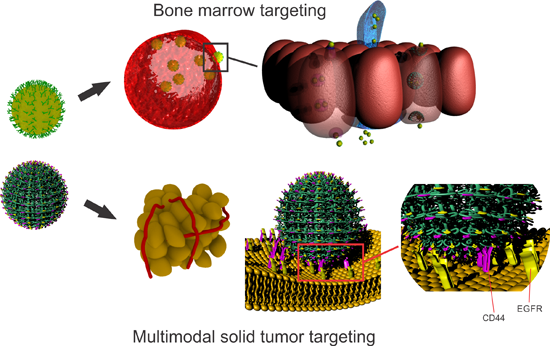
- -cell-derived factor 1 in discrete, discontinuous areas that influence the homing ability of a variety of tumor cell lines inside the BM, and that these specific molecules determine a microenvironment for early BM tumor metastasis [34]. This specific feature was employed by Mann and co-workers, who
- authors noticed that the cytotoxicity of folate-functionalized liposomes was greater in FR positive cell lines and that the effect could be blocked through the addition of 1 mM folic acid. Additionally, the authors revealed that the functionalized carriers increased the median survival of the mouse
- reflected on the evaluated IC50 values of IM on different cell lines. Additionally, the comparative analysis of the IC50 values on different cell lines revealed that the transferrin receptor expression and the cellular levels of BCR-ABL mRNA affected the efficacy of the formulation. The cell lines with


Characterization, bio-uptake and toxicity of polymer-coated silver nanoparticles and their interaction with human peripheral blood mononuclear cells
Beilstein J. Nanotechnol. 2021, 12, 282–294, doi:10.3762/bjnano.12.23
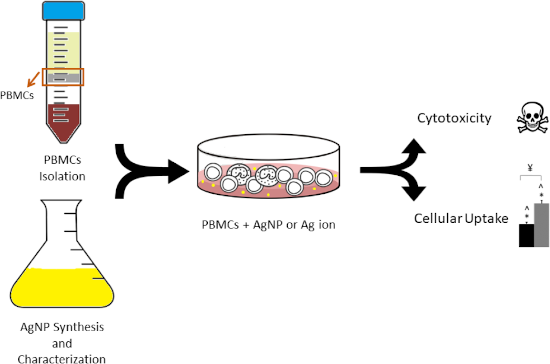
- cytotoxicity of AgNPs using different cell lines and rodent models [7][21][22][23]. However, some of these cell lines are resistant to toxicity effects that may be induced by AgNPs [24]. Furthermore, there are only a few studies on the bio-uptake and exposure of AgNPs in human PBMCs [25][26][27][28][29][30][31



Differences in surface chemistry of iron oxide nanoparticles result in different routes of internalization
Beilstein J. Nanotechnol. 2021, 12, 270–281, doi:10.3762/bjnano.12.22
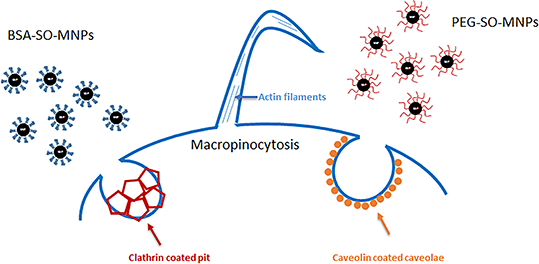
- , albumin-binding proteins are present on various human tumor cell lines derived from solid tumors [59]. In contrast to BSA-SO-MNPs, CavME was the predominant mechanism involved in the uptake of PEG-SO-MNPs. The internalized quantity of PEG-SO-MNPs was substantially lower compared with control cells when F



The nanomorphology of cell surfaces of adhered osteoblasts
Beilstein J. Nanotechnol. 2021, 12, 242–256, doi:10.3762/bjnano.12.20
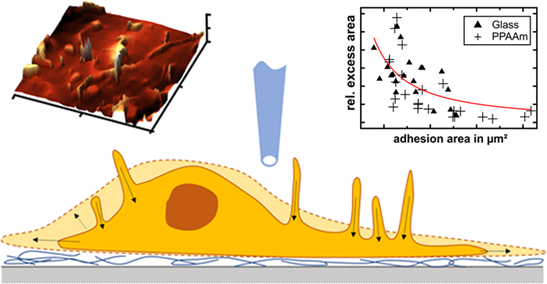
- the only method capable of nanoscopic three-dimensional imaging of living cells without the application of dye labels or other modifications. Though SICM was developed already in 1989 [19], it was not much exploited until the method was used to image a number of murine and human cell lines [23


Imaging of SARS-CoV-2 infected Vero E6 cells by helium ion microscopy
Beilstein J. Nanotechnol. 2021, 12, 172–179, doi:10.3762/bjnano.12.13
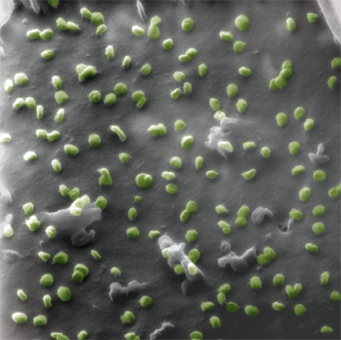
- , while many more cell lines have been reported to be refractory to SARS-CoV-2 infection [15]. Both scanning electron microscopy (SEM) and transmission electron microscopy (TEM) have been used to image SARS-CoV-2 [16][17][18][19][20]. While TEM achieves unsurpassed resolution and can visualize


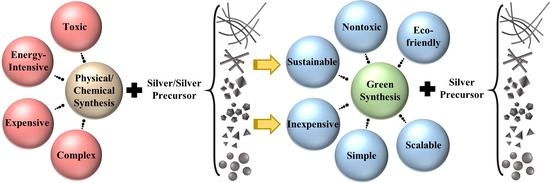
A review on the green and sustainable synthesis of silver nanoparticles and one-dimensional silver nanostructures
Beilstein J. Nanotechnol. 2021, 12, 102–136, doi:10.3762/bjnano.12.9


Transient coating of γ-Fe2O3 nanoparticles with glutamate for its delivery to and removal from brain nerve terminals
Beilstein J. Nanotechnol. 2020, 11, 1381–1393, doi:10.3762/bjnano.11.122
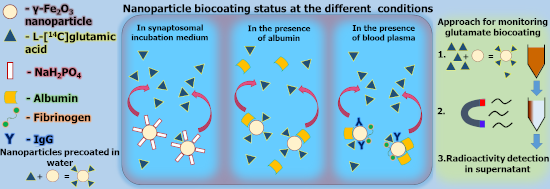
- extracellular glutamate concentrations in glioma cell lines in vitro was shown to be up to 500 µM, and glutamate stimulates glioma cell proliferation in vivo. Also, glial tumor cells ex vivo generate neurotoxic quantities of glutamate [3][4][5][6]. Excessive extracellular glutamate concentrations of 100 μM were


Straightforward synthesis of gold nanoparticles by adding water to an engineered small dendrimer
Beilstein J. Nanotechnol. 2020, 11, 1110–1118, doi:10.3762/bjnano.11.95
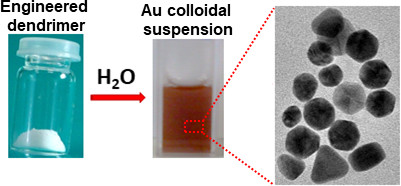
- here at room temperature. Even though a better control of the polydispersity is desirable, other gold nanoparticles of relatively high dispersity have been recently used for drug delivery in three different cell lines [68]. Conclusion In conclusion, we have shown for the first time that a single


Applications of superparamagnetic iron oxide nanoparticles in drug and therapeutic delivery, and biotechnological advancements
Beilstein J. Nanotechnol. 2020, 11, 1092–1109, doi:10.3762/bjnano.11.94
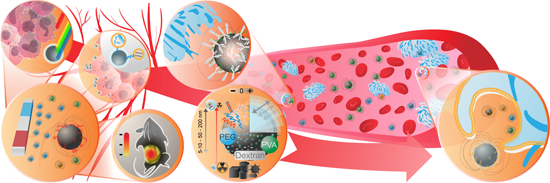
- release at the targeted site. A functionalization that permits only adsorption can lead to premature drug release [33][46][80]. Mojica Pisciotti and co-workers [39] studied the effects of dextran and PEG coatings on two animal kidney cell lines and showed that dextran-coated SPIONs are not cytotoxic even
- worked on three cell types, i.e., heart, kidney, and brain cell lines, with bare SPIONs and SPIONs with negative or positive surface charge. They showed that positively charged nanoparticles are highly toxic and that each cell type responds differently to every type of nanoparticles, genetically


Key for crossing the BBB with nanoparticles: the rational design
Beilstein J. Nanotechnol. 2020, 11, 866–883, doi:10.3762/bjnano.11.72
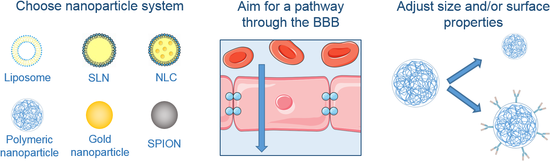
- amplify phages displaying peptides able to interact with the proteins or cell lines of interest [121]. The results of this technique are entirely dependent on the library of DNA sequences used and attention should be given to select tissue-specific peptides [122]. Among others, two interesting peptides


Examination of the relationship between viscoelastic properties and the invasion of ovarian cancer cells by atomic force microscopy
Beilstein J. Nanotechnol. 2020, 11, 568–582, doi:10.3762/bjnano.11.45
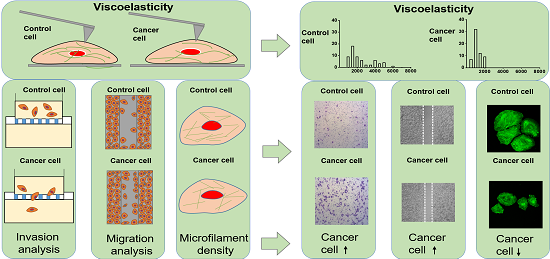
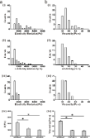
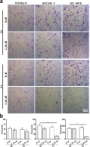
- SKOV-3. Therefore, the three cell lines OVCAR-3, HO-8910 and HOSEpiC were selected for the present work [34]. The viscoelastic properties of cells include elasticity and viscosity, which are prominent biomechanical properties of cells. This study, the cell viscoelasticity was derived from the force
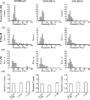
- indentation curves obtained with AFM on three different ovarian cell lines shown in Figure 1. The results of cell elasticity showed a concentrated and narrow distribution in OVCAR-3 and HO-8910 cells (Figure 1a-ii,iii) and a dispersive and broad distribution in HOSEpiC cells (Figure 1a-i). The average values
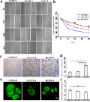
- , migration and invasion [61]. Lian et al. have shown that a drug can inhibit cellular invasion through affecting biomechanical properties of cancer cells [62]. Ech affected the invasion activity of the cell lines in this report, and could present a new treatment regimen for malignant tumors [63]. For


Identification of physicochemical properties that modulate nanoparticle aggregation in blood
Beilstein J. Nanotechnol. 2020, 11, 550–567, doi:10.3762/bjnano.11.44
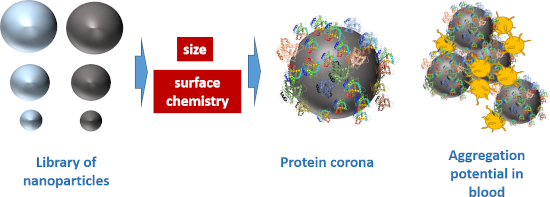
- platelets [16]. Additionally, SNPs were found to induce pre-thrombotic states through surface-driven activation of the coagulation factor XII [17][18]. Finally, SNPs are known to induce oxidative stress in several cell lines including endothelial cells [19] and leucocytes [20][21], a process that in vivo




Luminescent gold nanoclusters for bioimaging applications
Beilstein J. Nanotechnol. 2020, 11, 533–546, doi:10.3762/bjnano.11.42
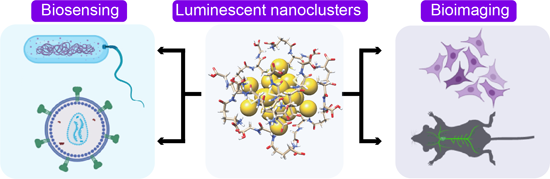
- been previously summarized in several reports [54][78][79][80][81][82]. This review discusses an overview of the application of gold NCs in biosensing and bioimaging. Importantly, the sensing of pathogenic bacteria and viruses, in vitro imaging of cell lines and in vivo bioimaging using animal models
- rapid detection and the development of new immunoassays. Imaging and labeling mammalian cell lines Beyond their antibacterial effect and pathogen sensing, the surface functionalities of NCs allow for selective labeling for the detection of biomolecules, intracellular metal ion sensing, live-cell imaging
- ). The Au-MUDA-NLS NCs were easily internalized and distributed in the nucleus when studied using HeLa cell lines (Figure 4A). The intracellular and nuclear distribution was studied using a membrane dye WGA-Alexa 594 and a nuclear dye, SYTO59. This suggested that Au-MUDA-NLS NCs were well distributed in


Multilayer capsules made of weak polyelectrolytes: a review on the preparation, functionalization and applications in drug delivery
Beilstein J. Nanotechnol. 2020, 11, 508–532, doi:10.3762/bjnano.11.41



Brome mosaic virus-like particles as siRNA nanocarriers for biomedical purposes
Beilstein J. Nanotechnol. 2020, 11, 372–382, doi:10.3762/bjnano.11.28
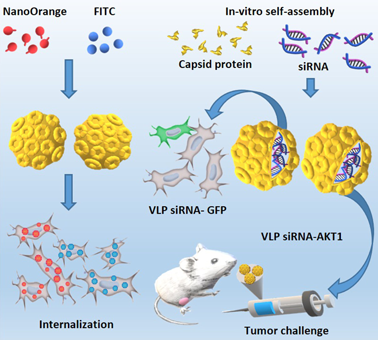
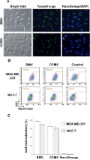
- capsids from the cell surface [31], and thus only internalized capsids are detected. The results showed a slightly higher efficiency of internalization, but no significant difference, for BMV into the MDA-MB-231 and MCF-7 breast tumor cell lines (Figure 1C). Furthermore, to avoid erroneous results due to
- . These results differ from those reported for cell internalization of cowpea mosaic virus (CPMV) in the same cell lines, which do not show high levels of vimentin on the cell surface [20][34]. Vimentin is a receptor that facilitates caveolar endocytosis [35][36], and it has been reported to promote the
- calculated by measuring the UV absorbance using a Nanodrop 2000c spectrophotometer (ThermoFisher Scientific). All the procedures were performed at 4 °C. Finally, the purified viruses were stored at −80 °C in 1.5 mL microcentrifuge tubes. Cell cultures The breast tumor cell lines MDA-MB-231 and MCF-7 were


Poly(1-vinylimidazole) polyplexes as novel therapeutic gene carriers for lung cancer therapy
Beilstein J. Nanotechnol. 2020, 11, 354–369, doi:10.3762/bjnano.11.26
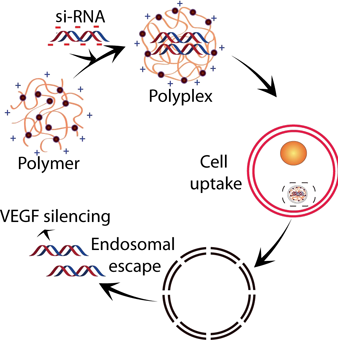
- different cell lines 48 h after treatment [4]. RNA was isolated using Trizol (Invitrogen, USA) and quantified using Nanodrop (Thermo Instruments, USA). The quantified RNA was then converted to cDNA using iScript cDNA synthesis kit (BioRad, USA). The cDNA was amplified using VEGF-specific primers and


Interactions at the cell membrane and pathways of internalization of nano-sized materials for nanomedicine
Beilstein J. Nanotechnol. 2020, 11, 338–353, doi:10.3762/bjnano.11.25
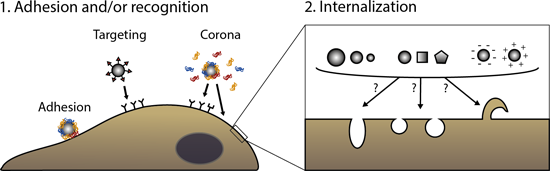
- include some biological fluid to allow corona formation, but also to define the appropriate conditions for each application [18][62][63][64][65][68][69]. For instance, there are many in vitro studies in which nanoparticles are tested on human cell lines using culture media containing a low percentage of
- nanoparticles by caveolae-mediated endocytosis [200]. Similarly, many in vitro studies use immortalized or cancer cell lines, such as HEK293 or HeLa cells, which are easy to transfect and culture. However, these cells can behave quite differently in comparison to primary cells or cells isolated directly from
- or simply confluent [22][159]. Apart from simpler cell cultures and cell barriers, many advances have been made in the development of cellular models that can better reflect the more complex organization of cells in vivo. Models such as organoids or spheroids, which use one or multiple cell lines


Using gold nanoparticles to detect single-nucleotide polymorphisms: toward liquid biopsy
Beilstein J. Nanotechnol. 2020, 11, 263–284, doi:10.3762/bjnano.11.20
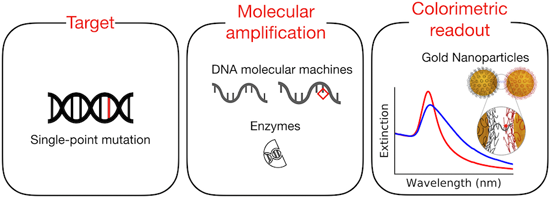
- reported the detection of mutations in exon 19 and exon 21 of the epidermal growth factor receptor (EGFR) isolated from both the lung cancer cell lines and the cancer tissues of patients with non-small-cell lung cancer [66]. The citrate-stabilized gold nanoparticles underwent selective aggregation upon the




Phase inversion-based nanoemulsions of medium chain triglyceride as potential drug delivery system for parenteral applications
Beilstein J. Nanotechnol. 2020, 11, 213–224, doi:10.3762/bjnano.11.16
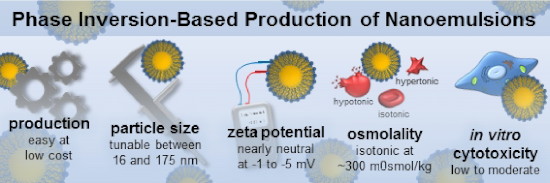
- the aqueous Kolliphor HS 15 solution to normal human dermal fibroblasts (NHDF) and mouse embryonic fibroblasts (3T3) was investigated. The impact of the nanoemulsions and the surfactant solution on the cell viability of the two cell lines after 4 and 24 h is illustrated in Figure 7. The viability of
- certain concentration cKol. The 3T3 cells responded more sensitively to the nanoemulsions and the pure surfactant solution. Furthermore, the long incubation time of 24 h led to cell toxicity at slightly lower concentrations for both cell lines. For comparison, for the current nanoemulsions, the cell
- Supporting Information File 1. The IC50 values of Kolliphor HS 15 in the different nanoemulsions and the pure surfactant solution were similar for the different cell lines and incubation times employed. Thus, mainly the surfactant Kolliphor HS 15 inhibited cell viability at high concentration, since all




Rational design of block copolymer self-assemblies in photodynamic therapy
Beilstein J. Nanotechnol. 2020, 11, 180–212, doi:10.3762/bjnano.11.15
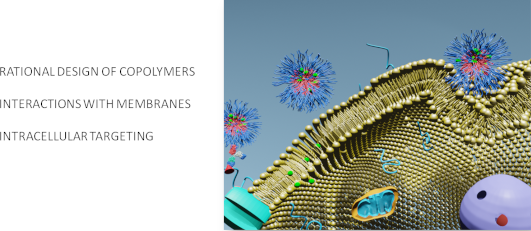
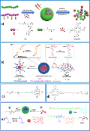
- pheophorbide a when incorporated in micellar, vesicular or worm-like PEO-PCL vectors in two cell lines (FaDu or HCT 116) [66][67]. No strong improvement was observed for elongated systems working on 3D spheroids and, interestingly, a micelle/vesicle mixture led to synergistic effects on HCT 116 cells but






Internalization mechanisms of cell-penetrating peptides
Beilstein J. Nanotechnol. 2020, 11, 101–123, doi:10.3762/bjnano.11.10
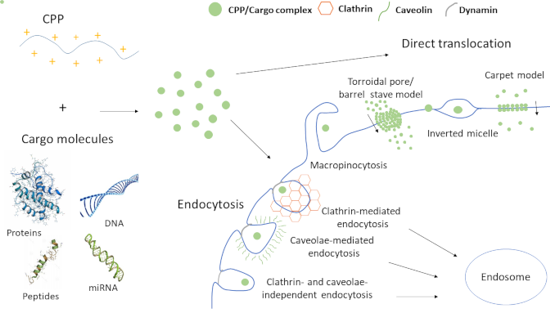
- -siRNA/miRNA delivery [17]. It has been reported that CPP-siRNA conjugates have reduced transient and stable expression of reporter transgenes in a number of mammalian cell lines [18]. In this case, thiol-containing siRNAs were synthesized and conjugated to penetratin or transportan by a reducible
- complexes with cargo molecules through electrostatic interaction. Pep-1 has successfully been used to deliver small peptides and proteins into cells, while MPG has shown to efficiently deliver small interfering RNA (siRNA) into cultured cell lines [3][10]. The interplay between hydrophilic and hydrophobic
- in a broad spectrum of cell lines. It has a length of 21 amino acids and consists of three domains, each conferring a specific function: (i) a hydrophobic, tryptophan-rich sequence required for the interaction with macromolecules and cell-membrane targeting, (ii) a hydrophilic sequence, rich in


The different ways to chitosan/hyaluronic acid nanoparticles: templated vs direct complexation. Influence of particle preparation on morphology, cell uptake and silencing efficiency
Beilstein J. Nanotechnol. 2019, 10, 2594–2608, doi:10.3762/bjnano.10.250
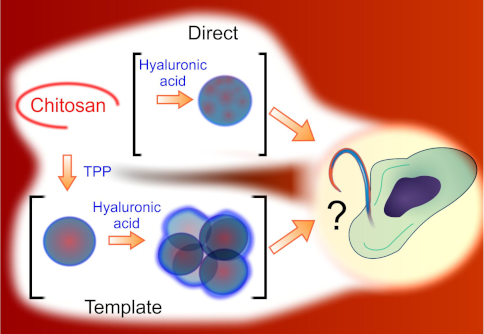
- images were analysed using ImageJ software (v1.49p, http://rsb.info.nih.gov/ij). Cell studies HCT-116 and RAW 264.7 cell lines were cultured in complete media (McCoy’s 5A or high glucose DMEM, respectively) under standard conditions for cell culture (5% v/v CO2 in air, 37 °C). Further details of the
- -based cationic nanocarriers [40][41]. Next, we analysed the nanoparticle uptake in the two cell lines for up to 24 h; we tracked the fluorescence associated to nanoparticles in cell lysates, which accounts for both membrane-bound and internalized materials [10]. We used fluorescently labelled chitosan
- apparent (Figure 5B) that the uptake kinetics was not influenced by the preparative method. With both cell lines and both chitosan MW, the particle uptake kinetics showed evidence of saturation and was not affected by the preparative method. We have previously reported that RAW 264.7 macrophages take up



Bombesin receptor-targeted liposomes for enhanced delivery to lung cancer cells
Beilstein J. Nanotechnol. 2019, 10, 2553–2562, doi:10.3762/bjnano.10.246
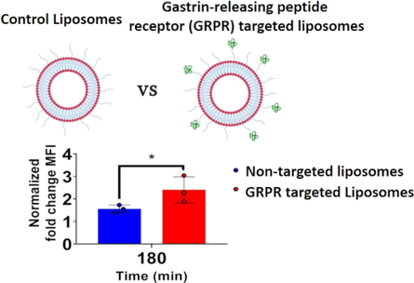
- with an unidentified endogenous ligand. The expression of bombesin-related peptides and the BB receptors by SCLC cell lines and primary tumours have been widely studied for the past three decades [3][4][5][6]. GRP and NMB secretion by SCLC is known to cause an autocrine growth loop that drives tumour

pH-Controlled fluorescence switching in water-dispersed polymer brushes grafted to modified boron nitride nanotubes for cellular imaging
Beilstein J. Nanotechnol. 2019, 10, 2428–2439, doi:10.3762/bjnano.10.233
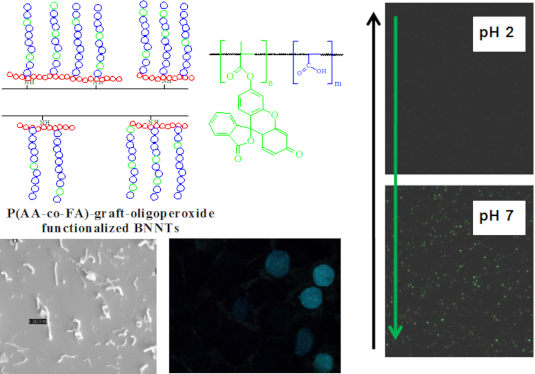
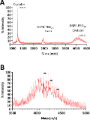
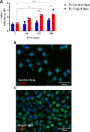
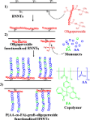
- contrast to acidic pH conditions where the fluorescent intensity is absent or low. No increase in the absorption was observed when the suspension pH was increased from 7 to 10. The functionalized BNNTs are easily taken up by human normal prostate epithelium (PNT1A) and human prostate cancer cell lines
- obtained with a Carl Zeiss Evo-40 instrument under high vacuum and accelerating voltage of 10 kV. Cell culture experiments Normal prostate epithelium (PNT1A) and human prostate cancer (DU145) cell lines were grown in Dulbecco’s Modified Eagle’s Medium, supplemented with 10% fetal bovine serum and 1
- uptake of P(AA-co-FA)-functionalized BNNTs into human normal prostate epithelium (PNT1A) and human prostate cancer (DU145) cell lines, we used fluorescence microscopy with excitation at 490 nm and emission at 520 nm (Figure 9). The autofluorescence of healthy cells and cancer cells was strictly avoided


Design of a nanostructured mucoadhesive system containing curcumin for buccal application: from physicochemical to biological aspects
Beilstein J. Nanotechnol. 2019, 10, 2304–2328, doi:10.3762/bjnano.10.222
- cells (FaDu and Cal27) and normal oral immortalized keratinocytes (FNB6). The three cell lines were exposed to a wide range of drug concentrations (0, 2.5, 5, 10, 20, 40, 80, 120 and 240 µM) for 24 h. Moreover, another range of drug concentrations (2000, 1500, 1000, 500, 300, 100, 20, 10 µM) was
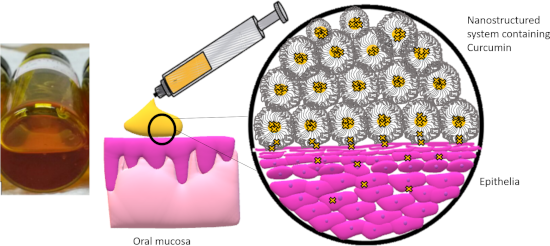
- in tumor and healthy cell lines. The formulations prepared from solid dispersions stored at 25 °C containing P407, C974P and CUR displayed viscoelastic properties, plastic behavior with rheopexy at body temperature (which provides better retention), and increased mucoadhesive force due to the
- presence of CUR. CUR tends to be located in the core of the micelles; consequently, the drug displayed slow and complete release after 8 h but did not permeate the porcine oral mucosa. The cytotoxicity studies revealed the increase in the cytotoxic effects for some tumor cell lines (Cal 27) when





