


Search results
Search for "cell viability" in Full Text gives 188 result(s) in Beilstein Journal of Nanotechnology.
Nanoarchitectonics to entrap living cells in silica-based systems: encapsulations with yolk–shell and sepiolite nanomaterials
Beilstein J. Nanotechnol. 2023, 14, 522–534, doi:10.3762/bjnano.14.43
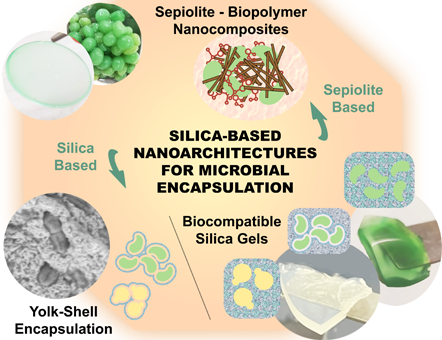
- metabolism (CO2 and O2, respectively). Hence, their metabolic activity can be tracked in terms of the gas release, observable as bubbles at the material’s surface. Thus, the gas release is a good indicator of the overall cell viability within the encapsulation system. In addition, the undesired leakage of


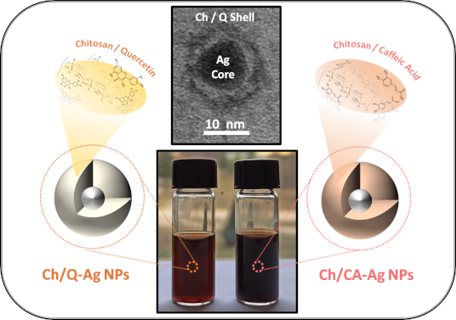
Quercetin- and caffeic acid-functionalized chitosan-capped colloidal silver nanoparticles: one-pot synthesis, characterization, and anticancer and antibacterial activities
Beilstein J. Nanotechnol. 2023, 14, 362–376, doi:10.3762/bjnano.14.31
- high dose (500 µM) for 24 h. It decreased cell viability by 75% in glioblastoma cells and by 25% in non-cancerous cells (data not shown). From this, it can be concluded that the selected cancer drug is highly specific to the cancer cells [56]. Therefore, human glioblastoma (U-118 MG) cell lines were
- /v) penicillin/streptomycin (Gibco; Thermo Scientific, USA) containing high-glucose DMEM (Gibco; Thermo Scientific, USA) in an incubator at 37 °C with 5% CO2 pressure. Cell viability assay (XTT) The cells were planted at approximately 10,000/100 µL per well in 96-well plates. To reveal the dose–time
- was used as control group. After 24 h of incubation, the medium containing the Ag NPs was removed and the cells were washed at least twice with 100 μL of DMEM without phenol red. The cell viability was evaluated with XTT (3'-[1-phenylaminocarbonyl-3,4-tetrazolium]bis(4-methoxy-6-nitro)benzenesulfonic


Polymer nanoparticles from low-energy nanoemulsions for biomedical applications
Beilstein J. Nanotechnol. 2023, 14, 339–350, doi:10.3762/bjnano.14.29
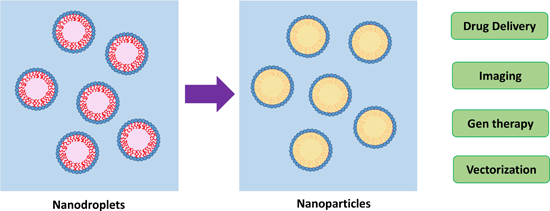
- were obtained upon solvent removal. High colloidal stability (longer than three months without sedimentation), high encapsulation efficiency (>99%), slow drug release (only 15% of the drug after five days), and low cytotoxicity against HeLa cells (cell viability > 80%) were observed. In vivo tests




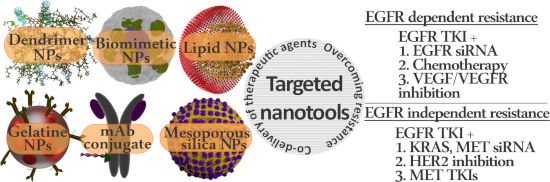
Nanotechnology – a robust tool for fighting the challenges of drug resistance in non-small cell lung cancer
Beilstein J. Nanotechnol. 2023, 14, 240–261, doi:10.3762/bjnano.14.23


Structural, optical, and bioimaging characterization of carbon quantum dots solvothermally synthesized from o-phenylenediamine
Beilstein J. Nanotechnol. 2023, 14, 165–174, doi:10.3762/bjnano.14.17
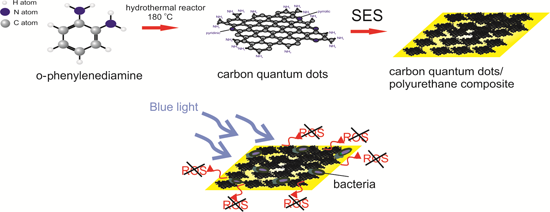
- o-phenylenediamine did not disrupt the cytoplasmic membrane. Cytotoxicity testing Low cytotoxicity is one of the mandatory requirements for biomedical applications. In this paper, we performed cell viability tests by applying the MTT assay toward MRC5 human lung fibroblast cells. Lung fibroblasts
- factor (HGF), express α-smooth muscle actin, and are used to study the regulation of HGF production and the pathogenesis of tissue fibrosis [46][47][48][49]. Figure 5 presents cell viability measurements of individual samples with different extract concentrations. The results are presented as percentage


In search of cytotoxic selectivity on cancer cells with biogenically synthesized Ag/AgCl nanoparticles
Beilstein J. Nanotechnol. 2022, 13, 1505–1519, doi:10.3762/bjnano.13.124
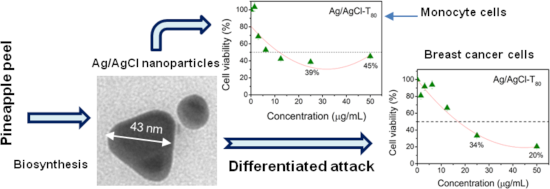
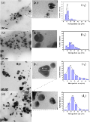
- tested on mononuclear cells. Ag/AgCl nanoparticles with spherical and triangular morphology were obtained. The size of the nanoparticles (10–70 nm) and the size distribution depended on the reaction temperature. A dose close to 20 µg/mL of Ag/AgCl nanoparticles considerably decreased the cell viability
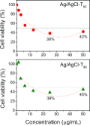
- of the MCF-7 line. The best cytotoxicity effects on cancer cells were obtained with nanoparticles at 60 and 80 °C where cell viability was reduced up to 80% at a concentration of 50 µg/mL. A significant preference was observed in the cytotoxic effect of Ag/AgCl nanoparticles against cancer cells in
- cytotoxicity results of Ag/AgCl nanoparticles on MCF-7 breast cancer cells are shown in Figure 8. For each system of nanoparticles produced at different temperatures, cell viability is related to nanoparticle concentration. In all cases, cell viability decreased in a dose-dependent manner (i.e., cell death was





Hydroxyapatite–bioglass nanocomposites: Structural, mechanical, and biological aspects
Beilstein J. Nanotechnol. 2022, 13, 1490–1504, doi:10.3762/bjnano.13.123
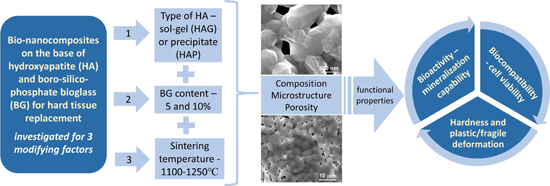
- , which exhibits a strong correlation with porosity, as well as on the mineralization capability and cell viability due to the different dissolution rate. Keywords: bioactivity; hardness; microstructure; nanocomposites; porosity; Introduction Within the last decades increasing emphasis is placed on the
- included in the test. One can see that HAP-based composites demonstrate a good biocompatibility with relative cell viability values between 94% and 99%, very closed to those for the HAP-1200 and HAG-1200 control samples. A somewhat lower biocompatibility is shown by HAG-based composites. It is most
- a somewhat lower cell viability than HAP-1200 ceramics. For both HAP- and HAG-based composites the addition of 10% of BG decreased the values of relative viability, again due to higher ion concentration in the physiologic environment due to the higher porosity and dissolubility. Conclusion A series
Facile preparation of Au- and BODIPY-grafted lipid nanoparticles for synergized photothermal therapy
Beilstein J. Nanotechnol. 2022, 13, 1432–1444, doi:10.3762/bjnano.13.118
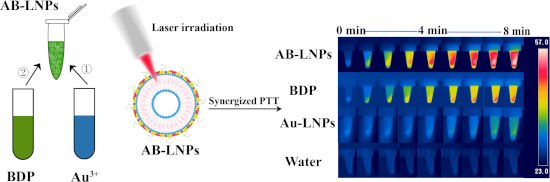
- plates were further incubated at 37 °C for 24 h. The cell viability was then measured by MTT assay according to our previous report [23]. Statistical analysis All data shown in this article are expressed as mean ± SD for at least three separate experiments. Statistical analysis was performed using the
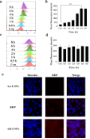
- laser irradiation. Au-LNPs exhibited almost no distinct cytotoxicity under all concentrations in the absence of light. Under laser irradiation, only a slight decrease in the cell viability could be found in Au-LNP-treated cells, indicating the limited phototoxicity of Au-LNPs (Figure 5b). In darkness
- or (d) free BDP for 0.5, 1, 2, 4, 6, and 8 h. (e) CLSM images of 4T1 cells after incubation with Au-LNPs, BDP, or AB-LNPs for 6 h. ** p < 0.01 compared with control by Student’s t-test. In vitro anti-proliferative activities of AB-LNPs with and without laser irradiation. (a) Cell viability of 4T1




Orally administered docetaxel-loaded chitosan-decorated cationic PLGA nanoparticles for intestinal tumors: formulation, comprehensive in vitro characterization, and release kinetics
Beilstein J. Nanotechnol. 2022, 13, 1393–1407, doi:10.3762/bjnano.13.115
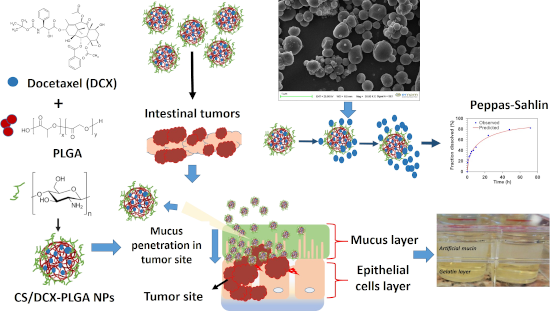
- % and 44.6% cell viability, respectively, whereas the cell viability of the control with DCX solution was more than 85%. DCX-loaded NP formulations showed significantly higher anticancer activity compared to DCX solution and blank NP formulations after the same incubation time and at the same
- , water-soluble tetrazolium salt (WST-1) (10 µL) was added to wells and incubated at 37 °C for 4 h. Then, the optical density (OD) was measured via a cell plate reader at 450 nm (BiotEKM Synergy HT, USA). Cell viability (%) was calculated according to the following equation: Evaluation of in vitro


Recent advances in green carbon dots (2015–2022): synthesis, metal ion sensing, and biological applications
Beilstein J. Nanotechnol. 2022, 13, 1068–1107, doi:10.3762/bjnano.13.93




Biomimetic chitosan with biocomposite nanomaterials for bone tissue repair and regeneration
Beilstein J. Nanotechnol. 2022, 13, 1051–1067, doi:10.3762/bjnano.13.92
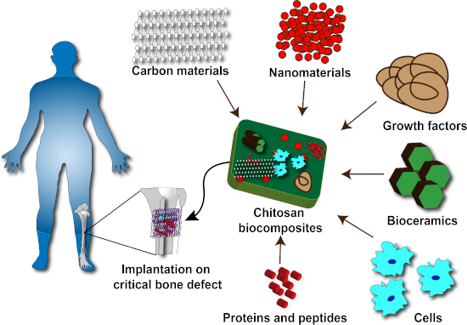
- graphene oxide/hydroxyapatite/chitosan composites was verified by an MTT assay using A549 cells. The results revealed that the cell viability of A549 cells exceeded 23%, showing that the composites slowed osteosarcoma progression [71]. Graphene oxide-modified chitosan/polyvinylpyrrolidone developed
- nanofibrous structures imitating the native extracellular matrix. The potential use of this membrane for tissue engineering applications was demonstrated by using rat bone marrow mesenchymal stem cells. The cell viability of the chitosan scaffolds with 0, 0.5, 1, 1.5, and 2% of graphene oxide content was
- evaluated by an MTT assay. The results show that chitosan with 2% of graphene oxide has the highest cell viability. The acridine orange–propidium iodide staining was carried out after 24 h of incubation with developed nanofibers: live cells were stained in green and dead cells were stained in red, which
Gelatin nanoparticles with tunable mechanical properties: effect of crosslinking time and loading
Beilstein J. Nanotechnol. 2022, 13, 778–787, doi:10.3762/bjnano.13.68
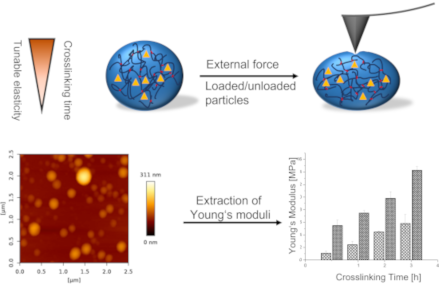
- matrix. Thus, the flexibility of the matrix is not influenced as the added macromolecule is also straightforwardly incorporated and co-crosslinked. Cell viability To address potential cell viability-reducing effects of the particle formulations, these were tested on the epithelial adenocarcinoma cell
- line A549 and the human primary cell-derived cell line hAELVi. The cell viability was measured after incubation of blank and FITC-loaded particle formulations in concentrations ranging from 0.001 to 1 mg/mL for 4 h or 24 h with a MTT assay. No time or concentration-dependent reduction of the A549 or
- hAELVi cell viability below 80% relative to the controls could be detected, in neither case of exposure to blank particles or FITC-dextran-loaded particles (Figure 4). Conclusion By inactivation of the crosslinking reagent, it was possible to stop the crosslinking reaction precisely. In this way, the


Detection and imaging of Hg(II) in vivo using glutathione-functionalized gold nanoparticles
Beilstein J. Nanotechnol. 2022, 13, 549–559, doi:10.3762/bjnano.13.46
- . synthesized a novel probe using gold nanoparticles modified by rhodamine B isothiocyanate and poly(ethylene glycol) (RBITC-PEG-GNPs) [21]. A cytotoxicity assay showed that a cell viability of 95–100% was maintained during the incubation with RBITC-PEG-GNPs with different concentrations from 0 to 80 nM. Thus
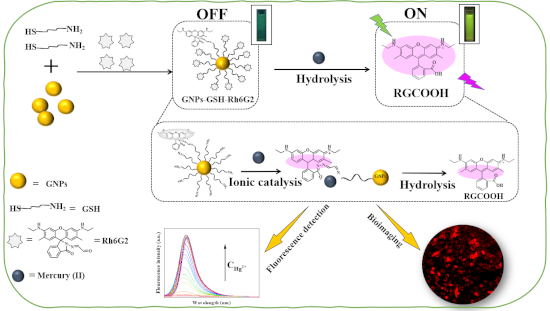
- , GNPs-GSH-Rh6G2 demonstrates that gold nanoparticles can improve cell viability, indicating good biocompatibility [61]. To evaluate the release behavior of GNPs-GSH-Rh6G2, the triggered release of RGCOOH started when 30 μL Hg2+ was added to the solution. Figure 7 shows that the molecule was released
- acquired using an OLYMPUS CKX41 inverted fluorescence microscope (Olympus, Japan)/Leica SP5 laser scanning confocal microscope (Leica, Germany). Cell viability was measured by a PectraMax190 microplate reader (Molecular, USA). HPLC-MS was performed on an Agilent-ABQSTAR Pulsar (Agilent, Germany) with a


Ethosomal (−)-epigallocatechin-3-gallate as a novel approach to enhance antioxidant, anti-collagenase and anti-elastase effects
Beilstein J. Nanotechnol. 2022, 13, 491–502, doi:10.3762/bjnano.13.41
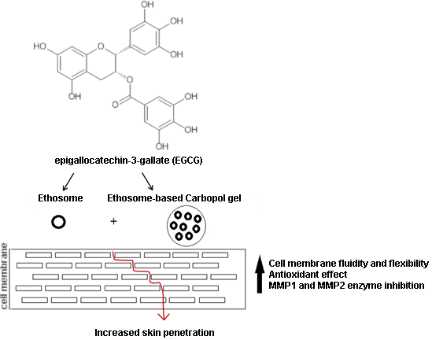
- ], which are used for transdermal penetration studies and to determine cytotoxic concentrations of many samples. According to 3-(4,5-dimethyldiazol-2-yl)-2,5-diphenyltetrazolium bromide (MTT) tests, the cell viability was found to be 64.4% or higher for the hydroethanolic solution (30% v/v), ETH
- dose determined based on cell viability results of 50% or more is appropriate [22][28]. In previous studies, the cytotoxic effect of EGCG, whose antioxidant effect has been proven many times, has been investigated, especially on cancer cell lines. Although there is no cytotoxicity study on the L929
- , version two, was used. Percentage of cell viability of L929 cells incubated with samples for 24 h. (Values are expressed as mean ± standard deviation, n = 6). Scanning electron microscopy image of ETHs. The changes in the PS, ZP, and PDI of the: (A, B and C) suspended ETHs at 4 and 25 °C. (Values are



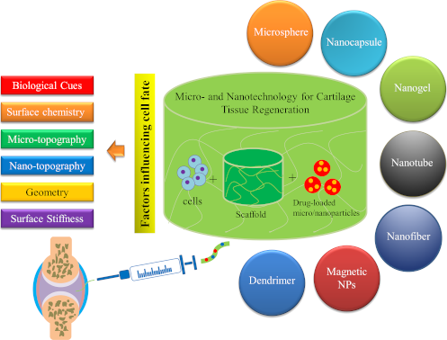
Micro- and nanotechnology in biomedical engineering for cartilage tissue regeneration in osteoarthritis
Beilstein J. Nanotechnol. 2022, 13, 363–389, doi:10.3762/bjnano.13.31


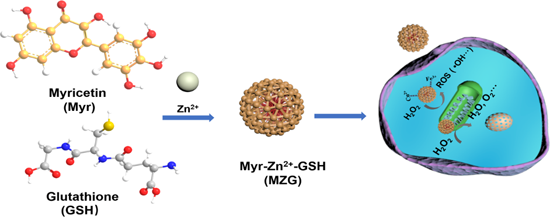
Coordination-assembled myricetin nanoarchitectonics for sustainably scavenging free radicals
Beilstein J. Nanotechnol. 2022, 13, 284–291, doi:10.3762/bjnano.13.23
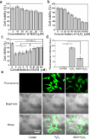
- serum (FBS) and 1% (v/v) penicillin/streptomycin. 3T3 cells at a density of 1 × 10⁵ cells per well were incubated with different concentrations of MZG (equivalent concentration of Myr: 0, 10, 20, 40, 80, and 100 µM) for 24 h. The cell viability was tested with the methyl thiazolyl tetrazolium (MTT
- was evaluated. After the treatment of 3T3 cells with different concentrations of MZG for 24 h, 100 µM of H2O2 was used to treat the 3T3 cells. The capability of protecting cells from damage was accessed by the cell viability assay. After that, 2′7′-dichlorodihydrofluorescein diacetate (DCFH-DA) dye
- experiments The cytotoxicity of antioxidants is of importance for biomedical applications. Therefore, the cytotoxicity of MZG nanoparticles was assessed by incubating 3T3 cells and determining the cell viability via MTT assay [40]. 3T3 cells were treated with different concentrations of MZG nanoparticles


Photothermal ablation of murine melanomas by Fe3O4 nanoparticle clusters
Beilstein J. Nanotechnol. 2022, 13, 255–264, doi:10.3762/bjnano.13.20
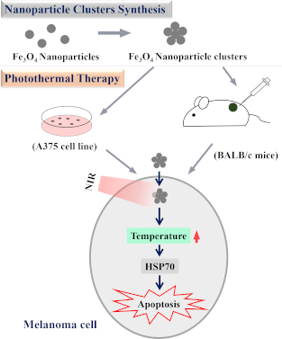
- diameter of 329.2 nm. They are highly absorptive at the near-infrared wavelength of 808 nm and efficient at locally converting light into heat. In vitro experiments using light-field microscopy and cell viability assay showed that Fe3O4 NPCs, in conjunction with near-infrared irradiation, effectively
- during NIR irradiation NPCs caused overt apoptosis and necrosis in a dosage-dependent manner (Figure 3a). The strongest effect was observed for the sample with 0.25 mg/mL NPCs. NPCs alone, on the contrary, did not affect cell viability at low concentrations and only caused signs of mild cellular toxicity
- -based nanoparticles, this method has long been regarded as the gold standard for cell viability and proliferation studies, and thus been applied extensively in studies of metal-containing nanoparticles [18][19][20]. In accordance with our flow cytometry findings, the MTT viability assay showed that in


Effects of drug concentration and PLGA addition on the properties of electrospun ampicillin trihydrate-loaded PLA nanofibers
Beilstein J. Nanotechnol. 2022, 13, 245–254, doi:10.3762/bjnano.13.19
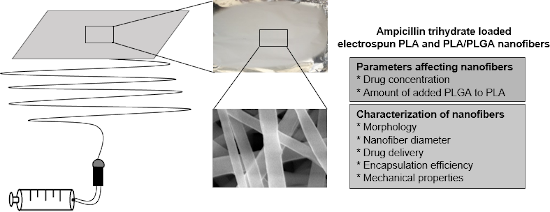
- mechanical properties of nanofibers. Enhanced mechanical properties are known to improve cell viability and differentiation [34]. The mechanical properties of all PLA nanofibers (PLA, PLA/PCL, and PLA/PLGA) are suitable. However, the production of PLA/PLGA nanofibers provides an advantage as it leads to
- improved mechanical properties compared to those of PLA nanofibers and PLA/PCL nanofibers, improving cell viability and differentiation. Conclusion Nanofibers can be effectively used in tissue engineering and controlled drug delivery due to their structural properties, which are morphologically similar to
- thus a decrease in the mechanical properties of the PLA nanofibers. PLA/PLGA nanofibers may be advantageous for improving cell viability and differentiation thanks to its advanced mechanical properties compared to those of PLA nanofibers. Nevertheless, the mechanical properties of all nanofibers


Engineered titania nanomaterials in advanced clinical applications
Beilstein J. Nanotechnol. 2022, 13, 201–218, doi:10.3762/bjnano.13.15
- adhesion and proliferation of hFOB. Their results also showed a noticeable reduction in cell viability with a higher percent of TiO2 (7 wt %). An antibacterial study of these fabricated structures implied that a minimum of 5 wt % concentration of TiO2 is sufficient for achieving the desired antibacterial
- can support and initiate cancer growth, the cytotoxicity of W. somnifera-synthesized TiO2 nps was tested against the human hepatic cancer cell line HepG2 and a concentration-dependent decrease in cell viability of HepG2 cells was discovered [93]. Thabet et al. also showed the antifungal efficiency of
- (Figure 5) by inducing apoptosis in a caspase-dependent manner. Cytotoxicity tests of TiO2 nps showed 95% cell viability, ensuring its broad application in biomedicine for cancer therapeutics. Moreover, TiO2 nps increases the DOX accumulation in tumor cells while limiting the harmful side effects caused


Theranostic potential of self-luminescent branched polyethyleneimine-coated superparamagnetic iron oxide nanoparticles
Beilstein J. Nanotechnol. 2022, 13, 82–95, doi:10.3762/bjnano.13.6
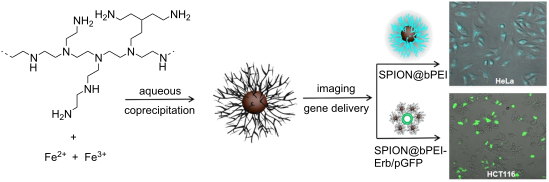
- factor receptor (EGFR). Pro-apoptotic polyinosinic–polycytidylic acid sodium (PIC) was delivered to HeLa cells with SPION@bPEI and caused a dramatic reduction in the cell viability at otherwise non-toxic nanoparticle concentrations, proving that bPEI coating is still an effective component for the
- mean. The statistical analysis was conducted using ANOVA and two-sample unequal variances were used to calculate the p-values between groups. All cell viability percentages were presented as percentages of the control viability. Fluorescence imaging To investigate the in vitro optical imaging potential
- delivery of PIC into the cells at an N/P ratio of 30. The cell viability decreased by 20–40–70% with 0.9, 1.8 and 2.7 µg of PIC, respectively, delivered to the cells with an increasing dose of the SPION@bPEI/PIC. Especially at 10 and 20 µg of nanoparticles/mL dose, all the toxicity is originated from the




Biocompatibility and cytotoxicity in vitro of surface-functionalized drug-loaded spinel ferrite nanoparticles
Beilstein J. Nanotechnol. 2021, 12, 1339–1364, doi:10.3762/bjnano.12.99
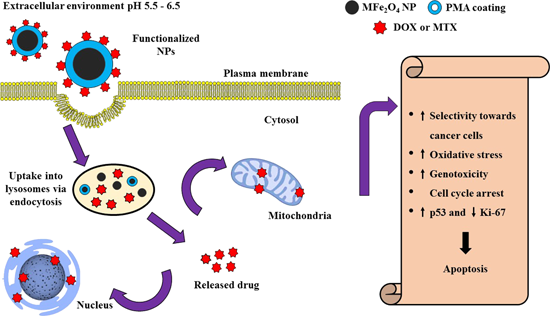
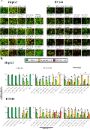
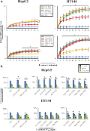
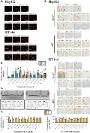
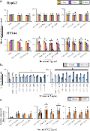
- screening results for HepG2 and HT144 (Figure 4a) cells showed a strong cytotoxic effect (% viability < 50%) upon treatment with drug-loaded NPs compared to nontreated cells (NTC). This cytotoxic effect was prominent when compared to free drug controls, where cell viability was up to 70–80%, indicating
- of cell viability were plotted for all doses (Figure 4b) and IC50 values were determined (Table 8). In both cell lines, drug-functionalized NPs caused almost 45–50% reduction in cellular viability at a concentration of 1 µg/mL, and the cellular viability decreased even further at higher doses. In





Self-assembly of amino acids toward functional biomaterials
Beilstein J. Nanotechnol. 2021, 12, 1140–1150, doi:10.3762/bjnano.12.85
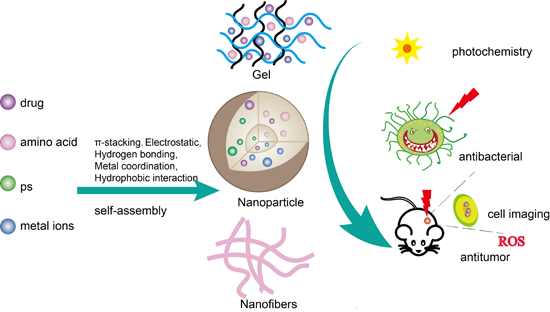
- storage modulus (G') value of about 2000 Pa, and can be used for imaging three-dimensional cytoskeletal materials. After human mesenchymal stem cells (hMSCs) were cultured for 72 h in the 3D fiber hydrogel, the cell viability in the 3D gel was subsequently verified. Only a few dead cells were observed

Use of nanosystems to improve the anticancer effects of curcumin
Beilstein J. Nanotechnol. 2021, 12, 1047–1062, doi:10.3762/bjnano.12.78
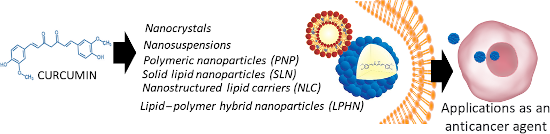
- anticancer photodynamic therapy [140][141], in which this combined approach induces mitochondria-dependent apoptosis (70% of cell viability inhibition) in a human head and neck cancer cell line (AMC-HN3), as compared to individually using F-CUR (10% inhibition) or phototherapy (50% inhibition). The apoptosis
- greater potential to produce ROS [143]. A similar behavior was observed in cervical carcinoma cell lines treated with nanoemulsion-photostimulated CUR, where cell viability was reduced to <5% and an increase in caspase-3 and caspase-7 activity was apparent [144]. Inostroza et al. [112] reported the


The role of deep eutectic solvents and carrageenan in synthesizing biocompatible anisotropic metal nanoparticles
Beilstein J. Nanotechnol. 2021, 12, 924–938, doi:10.3762/bjnano.12.69
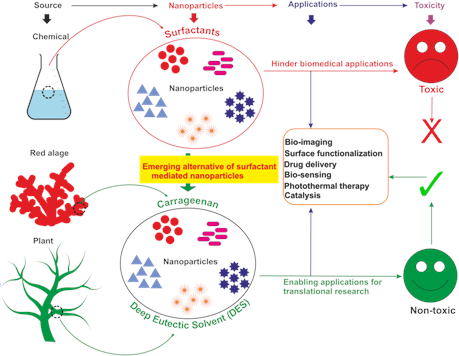
- -directing surfactant [60]. They carried out an in vitro cytotoxicity study exposing Hep-G2 and A549 cells to CTAB- and C12EDMAB-capped gold nanorods. The researchers observed a considerable difference in cell viability at the same concentration levels. Much earlier, a chemical method introduced by Chenxu Yu


Comprehensive review on ultrasound-responsive theranostic nanomaterials: mechanisms, structures and medical applications
Beilstein J. Nanotechnol. 2021, 12, 808–862, doi:10.3762/bjnano.12.64
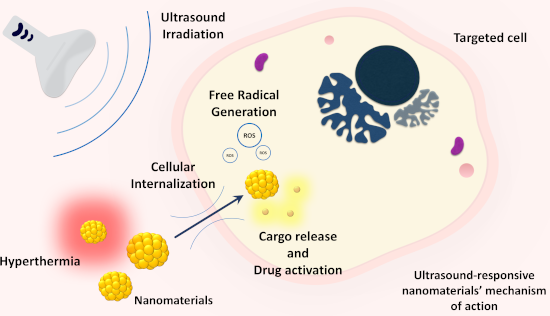
- inertial cavitation, occurring near or within the droplet, cause the dispersed medium to vaporize [135][136]. It has been shown that ADV can decrease cell viability through the disruption of cell membranes [114]. Some researchers have suggested that ADV can cause cell death while increasing the penetration





