Search results
Search for "current" in Full Text gives 1463 result(s) in Beilstein Journal of Nanotechnology. Showing first 200.
Hartree–Fock interaction in superconducting condensate fractals
Beilstein J. Nanotechnol. 2025, 16, 2177–2182, doi:10.3762/bjnano.16.150
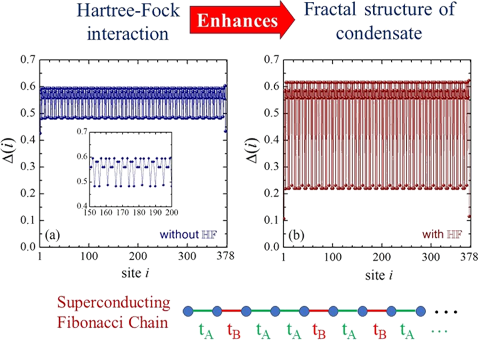
- , the summation in Δ(i) is limited to the states in the Debye window around the Fermi level, that is, 0 ≤ εν ≤ ℏωD. However, in the current study, we assume that ℏωD is much larger than the half-bandwidth. This assumption renders the Debye energy constraint ineffective as all solutions of the Bogoliubov


Missing links in nanomaterials research impacting productivity and perceptions
Beilstein J. Nanotechnol. 2025, 16, 2168–2176, doi:10.3762/bjnano.16.149
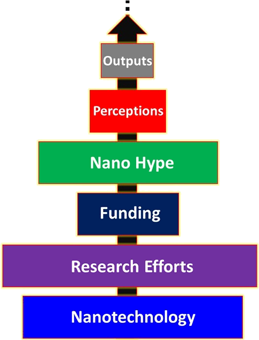
- leadership at various levels believes that conventional materials are already fulfilling current demands; thus, they see no need to engage with the complexities of adopting entirely new technologies/materials. These officials, even within universities/research organizations, may appreciate research output in
- by reducing trial-and-error paths. (8) Nanotechnology deployment must embed principles of sustainability and circular economy. Designing recyclable nanomaterials, minimizing energy-intensive synthesis, and developing green manufacturing processes will be game changers. Conclusion In the current era
Microplastic pollution in Himalayan lakes: assessment, risks, and sustainable remediation strategies
Beilstein J. Nanotechnol. 2025, 16, 2144–2167, doi:10.3762/bjnano.16.148
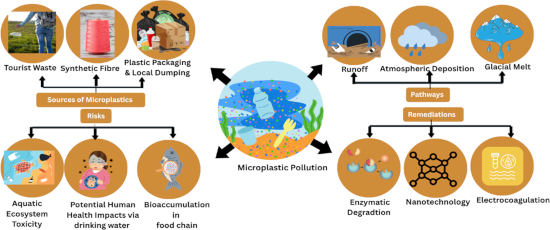
- anthropogenic pressures result in distinct pathways of contamination with microplastics (MPs). MP contamination is currently a problem of global proportions impacting freshwater, oceanic, and terrestrial ecosystems. Although initial studies primarily addressed oceanic ecosystems, current studies show the
- development of portable, low-cost systems for nanoscale analysis is a significant field of future studies [34]. 5 Remediation techniques 5.1 Overview of current technologies for microplastic removal Various physical, chemical, and biological methods are employed with the hope of effectively removing MPs from
- required. Future research needs to include the transport and fate of MPs in extreme ecosystems, their synergistic impacts with other pollutants, and their long-term effects on biodiversity and human health. 8 Policy frameworks and management strategies for MP pollution 8.1 Current policies addressing MP


Electron transport through nanoscale multilayer graphene and hexagonal boron nitride junctions
Beilstein J. Nanotechnol. 2025, 16, 2132–2143, doi:10.3762/bjnano.16.147
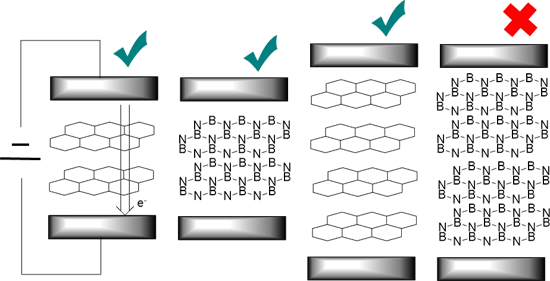
- perpendicular to the layers in the stacking direction. We compared the decay of the current with the number of layers and evaluated the ability of h-BN to filter currents as a material coating. To investigate the effect of disorder, we included two major defects in the graphene lattice, namely, nitrogen doping
- , N-doped multilayer nanoscale graphene, Stone–Wales-defective multilayer nanoscale graphene, h-BN, and Stone–Wales-defective h-BN allowed us to understand the currents at the nanoscale and the chemical and structural control over the electron transport. The slopes of the current decay with thickness
- [22]. The electron tunneling through ultrathin h-BN crystalline barriers was investigated recently with experimental techniques showing exponential decay of the current with the number of layers [23]. Accurate density functional theory (DFT) calculations demonstrated the bandgap change in one to eight


Quality by design optimization of microemulsions for topical delivery of Passiflora setacea seed oil
Beilstein J. Nanotechnol. 2025, 16, 2116–2131, doi:10.3762/bjnano.16.146
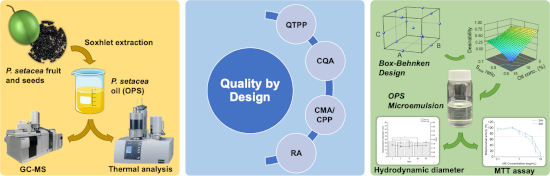
- and current best practices in nanocarrier formulation [29]. The application of experimental design in microemulsion development is well established, with several studies employing DoE strategies to obtain and optimize microemulsified systems, particularly for topical use [30][31][32][33][34]. The


Toward clinical translation of carbon nanomaterials in anticancer drug delivery: the need for standardisation
Beilstein J. Nanotechnol. 2025, 16, 2092–2104, doi:10.3762/bjnano.16.144

- regarding toxicity and regulatory hurdles remain major barriers to clinical translation. Current research is therefore focused on standardizing CNM synthesis and characterisation methods, minimizing toxicity, and facilitating regulatory approval. Despite these challenges, CNMs hold substantial promise for
- rapid pace of discovery and innovation in the field. For instance, CDs are not well-defined due to a high variation in structural composition, the nomenclature of which is a current point of debate [46]. Moreover, there is a lack of publicly available, centralised databases on nanocarriers, leading
- researchers to rely heavily on review articles that quickly become outdated, cannot be maintained, and are often non-comprehensive. Efforts are underway to improve the current standards in nomenclature and classification; several organisations, such as the ISO and the American Society for Testing and




Molecular and mechanical insights into gecko seta adhesion: multiscale simulations combining molecular dynamics and the finite element method
Beilstein J. Nanotechnol. 2025, 16, 2055–2076, doi:10.3762/bjnano.16.141
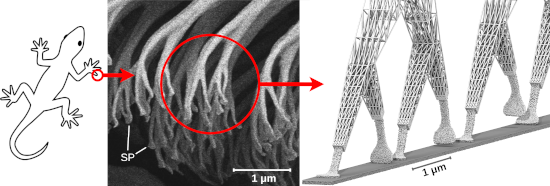
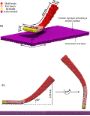
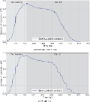
- iterations per load step (niter). This observation holds for our current simulations as well. Different choices of niter between one and ten are explored in Supporting Information File 1. Our choice of niter = 10 is large enough for agreement between pre-detachment forces in different domains, while







Stereodiscrimination of guests in chiral organosilica aerogels studied by ESR spectroscopy
Beilstein J. Nanotechnol. 2025, 16, 2034–2054, doi:10.3762/bjnano.16.140
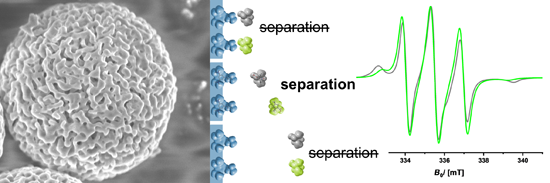
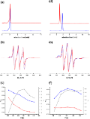
- transport, and macro-to-mesoporous materials are more frequently used for chromatography [57], we concentrate on aerogels in our current study. An aerogel prepared from 1,3-bis(triisopropoxysilyl)thiophenol is presented here for the first time. The relevant characterization data are shown in Supporting




Beyond the shell: exploring polymer–lipid interfaces in core–shell nanofibers to carry hyaluronic acid and β-caryophyllene
Beilstein J. Nanotechnol. 2025, 16, 2015–2033, doi:10.3762/bjnano.16.139
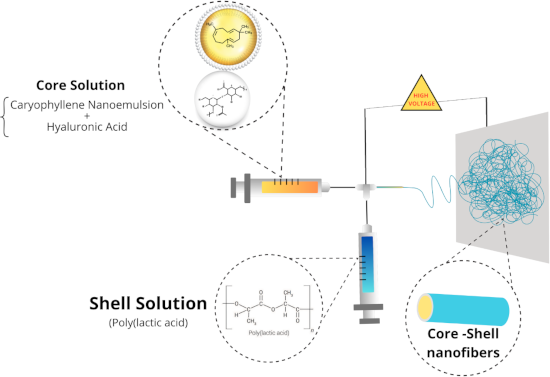
- biomaterials, recent decades have seen intensive research into novel therapeutic strategies for regenerative medicine [1][2][3][4]. Within this scenario, a pivotal current strategy in formulation development focuses on integrating nanocarriers with nanoscale three-dimensional biomaterials, enabling major
- ° (2θ), and Cu Kα radiation (λ = 1.5418 Å) with a voltage of 40 kV and a current of 30 mA. The degree of crystallinity (Xc%) of each sample was calculated from the diffractogram using Equation 2 (Madsen et al., 2011) [72]. The areas of the peaks in the diffractograms were determined using OriginPro 8.5




Laser ablation in liquids for shape-tailored synthesis of nanomaterials: status and challenges
Beilstein J. Nanotechnol. 2025, 16, 1963–1997, doi:10.3762/bjnano.16.137
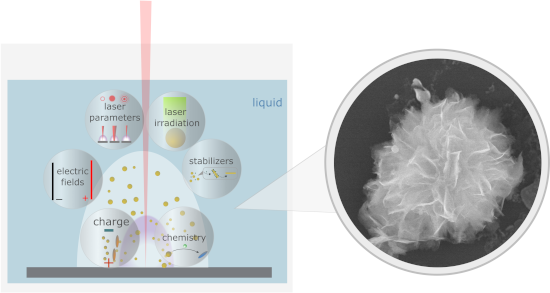
- demonstrated as a clean, simple, and versatile NP synthesis method. However, the conditions of NP formation and growth are favouring the production of spherical NPs. There are fewer studies of shape control during laser ablation. With that in mind, this perspective article represents a view on the current
- of their impact on the conditions for anisotropic NP formation and growth. The description of the methods developed for the control over nanomaterial morphology is summarized by the vision of the current challenges and development routes of laser ablation in liquids. Keywords: laser ablation in
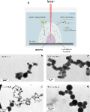
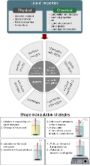
- . Combining both top-down and bottom-up strategies, laser-assisted methods are demonstrating the prospects to become a versatile nanoscale manufacturing strategy based on clean, sustainable, and large-scale approach applicable to a broad range of nanomaterials [1][2][3][4][5][6][7][8][9][10][11]. The current




Mechanical property measurements enabled by short-term Fourier-transform of atomic force microscopy thermal deflection analysis
Beilstein J. Nanotechnol. 2025, 16, 1952–1962, doi:10.3762/bjnano.16.136
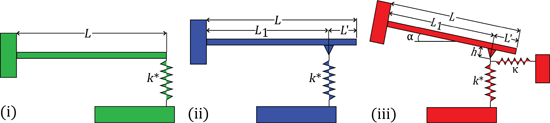
- stiffness demonstrate that existing models cannot capture the physics of this problem. While concrete solutions to use analytical models to interpret CR-AFM data have not been found, a possible solution may include revisiting the analytical model to capture a potentially more complex system than the current
- had not been previously captured in the literature. Our study also shows that the current model used to describe CR-AFM experiments may not be complex enough to capture the physical experiment. However, choosing the cantilever stiffness knowing in advance what the expected material stiffness is may




Evaluating metal-organic precursors for focused ion beam-induced deposition through solid-layer decomposition analysis
Beilstein J. Nanotechnol. 2025, 16, 1942–1951, doi:10.3762/bjnano.16.135
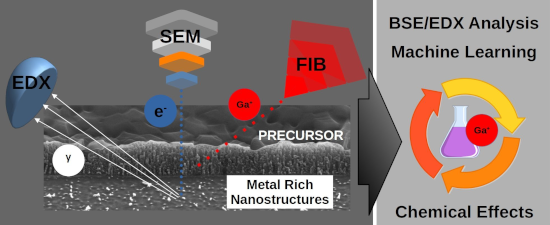
- current and duration of the experiments were adjusted (within a range of 1 to 10 nA for the ion current, and 10 s to 10 min the irradiation) in order to achieve the optimal ion fluence necessary for the decomposition of the entire precursor layer. Time-dependent changes in the morphology of the irradiated


Quantum circuits with SINIS structures
Beilstein J. Nanotechnol. 2025, 16, 1931–1941, doi:10.3762/bjnano.16.134
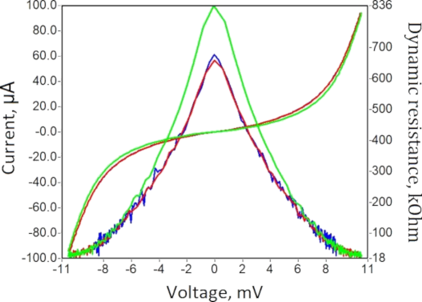
- current occurs when eV > Δ. In the case when T ≠ 0 the I–V curve will be smeared [22]. The current–voltage characteristic of a tunnel NIS junction is determined by the following formula [23]: where Rn is the asymptotic resistance of the tunnel junction, NS(E) is the density of states in the superconductor
- , nS is the distribution function in the superconductor, and nN is the distribution function in the normal metal. At temperatures T ≪ Tc (Tc is the critical temperature of the superconductor), the relationship between the tunnel current and voltage can be written using a simplified formula: where Δ is
- the energy gap of the superconductor and kB is the Boltzmann constant. The differential resistance is expressed by the following formula: It should also be noted that, in addition to the tunnel current in NIS structures, the presence of a subgap (Andreev) current caused by the Andreev reflection


Targeting the vector of arboviruses Aedes aegypti with nanoemulsions based on essential oils: a review with focus on larvicidal and repellent properties
Beilstein J. Nanotechnol. 2025, 16, 1894–1913, doi:10.3762/bjnano.16.132


Programmable soliton dynamics in all-Josephson-junction logic cells and networks
Beilstein J. Nanotechnol. 2025, 16, 1883–1893, doi:10.3762/bjnano.16.131

- , high-speed, and scalable computing. In these systems, the propagation of information is associated with the movement of a current wave/topological soliton, which is clearly visible in the model by a 2π jump of the so-called Josephson phase, φ. In contrast to conventional rapid single flux quantum (RSFQ
- ) logic, the phase drop for the considered single kinetic soliton (SKS) occurs not on the relatively large connecting geometric inductors, but on the Josephson junctions. SKS is a propagating wave of phase change with kinetic energy limited from below; the corresponding current pulse “dissipates” if its
- ) [27][28][29][30], an active area of current research. Another important application of this idea lies in the promising neuromorphic direction [31][32][33]. Earlier in [34], we have already proposed using kinetic inductances to control neuron dynamics in networks based on radial basis functions (RBF


Low-temperature AFM with a microwave cavity optomechanical transducer
Beilstein J. Nanotechnol. 2025, 16, 1873–1882, doi:10.3762/bjnano.16.130
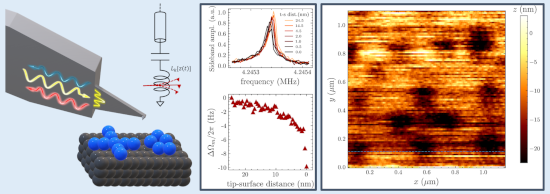
- sensitivity down to a temperature of 0.43 K. This is a significant improvement over piezoelectric transduction methods with much lower frequency commonly used for low-temperature AFM, which can work at the thermal limit down to some 10 K. We estimate that, with reasonable improvements on the current KIMEC


Current status of using adsorbent nanomaterials for removing microplastics from water supply systems: a mini review
Beilstein J. Nanotechnol. 2025, 16, 1837–1850, doi:10.3762/bjnano.16.127
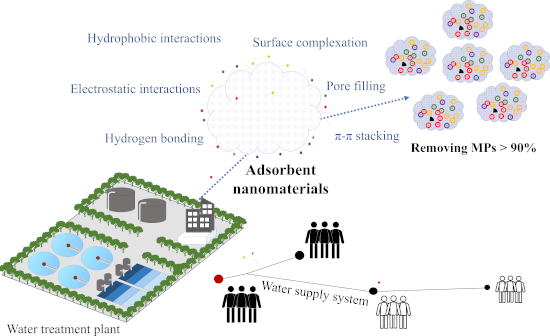
- sustainable strategies to deal with this matter. Many studies have shown that adsorbent nanomaterials have potential for the removal of MPs from water. This review evaluates the current status of using adsorbent nanomaterials in removing MPs from water supply systems. It discusses the occurrences and removal
- [25][26]. To deal with current gaps, this review aims to provide aspects relating to (i) the occurrences of MPs in water supply systems and the effectiveness of MP removal throughout the treatment processes; (ii) the potential of adsorbent nanomaterials for MP removal, focusing on adsorption
- evaluate the current status of adsorbent nanomaterials’ applicability and risks for removing MPs from water supply systems, this review differs from others. Addressing these gaps is essential for developing sustainable solutions that can effectively mitigate MP pollution in water supply systems while


Phytol-loaded soybean oil nanoemulsion as a promising alternative against Leishmania amazonensis
Beilstein J. Nanotechnol. 2025, 16, 1826–1836, doi:10.3762/bjnano.16.126

- . Current therapies are limited due to severe adverse reactions to currently available drugs, high cost, low patient adherence, and even the emergence of resistant strains. Examining safer and more effective alternatives, natural compounds such as phytol – a diterpene derived from chlorophyll – have
- the cutaneous to the mucocutaneous form [6], particularly involving the nasal septum and ears) resulting in scarring, anatomical disfigurement, and consequent social stigmatization [7][8][9]. Current therapeutic strategies for leishmaniasis rely on pentavalent antimonial compounds (first-line therapy


Further insights into the thermodynamics of linear carbon chains for temperatures ranging from 13 to 300 K
Beilstein J. Nanotechnol. 2025, 16, 1818–1825, doi:10.3762/bjnano.16.125
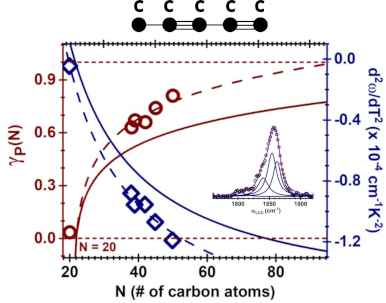
- thermodynamic parameters as well as the responses of the system when measured isolated (or in very small bundles) and when measured in bundles. In addition, the current work extends the study to even lower temperatures (i.e., 13 K) when compared with previous data, whose minimum temperature stood around 70 K


![[Graphic 23]](/bjnano/content/inline/2190-4286-16-125-i25.svg?max-width=637&scale=1.18182)
Piezoelectricity of layered double hydroxides: perspectives regarding piezocatalysis and nanogenerators
Beilstein J. Nanotechnol. 2025, 16, 1812–1817, doi:10.3762/bjnano.16.124

- . The aim of our work was to systematize the scattered current research on the piezoelectric properties of LDHs, for the first time providing an overall picture for current and future researchers in this and in related fields. Articles were searched using keywords that included variations of terms of
- that LDHs, as anionic clays, play a crucial role in enabling direct current output from piezoelectric nanogenerators [8]. In particular, the abundant anions (NO3−) incorporated within the Zn/Al-LDH layer of the two-dimensional ZnO nanostructure are key contributors to achieving piezoelectric direct
- current output. The piezoelectric potential generated in the ZnO nanosheets functions as an applied voltage, facilitating charge storage within the LDH layers, which act as capacitors. This mechanism leads to enhanced voltage and current pulses under mechanical stimulation. LDHs can also enhance the

Electrical, photocatalytic, and sensory properties of graphene oxide and polyimide implanted with low- and medium-energy silver ions
Beilstein J. Nanotechnol. 2025, 16, 1794–1811, doi:10.3762/bjnano.16.123
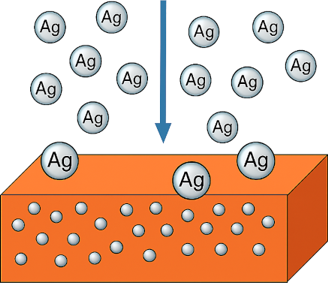
- [10]. The delocalized electrons in these regions can freely pass between neighboring centers, thereby reducing the energy activation for conducting electric current. At the same time, the aggregation of the implanted Ag ions and the formation of metal islands or clusters in the form of nanostructures
- ion accelerator (Tandetron 4130 MC) at Nuclear Physics Institute of the CAS, Rez, Czechia. The ion implantation was performed at room temperature. GO and PI were implanted with Ag+ ions at fluences of 3.75 × 1012 cm−2, 3.75 × 1014 cm−2, and 1.0 × 1016 cm−2. The ion current during the implantation was


Exploring the potential of polymers: advancements in oral nanocarrier technology
Beilstein J. Nanotechnol. 2025, 16, 1751–1793, doi:10.3762/bjnano.16.122
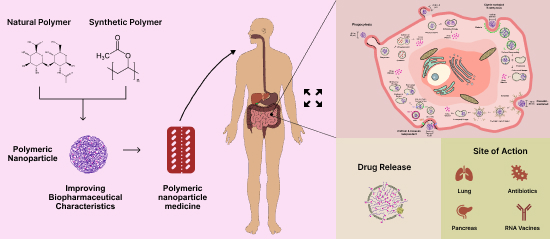
- , Brazil 10.3762/bjnano.16.122 Abstract Polymers play a pivotal role in various drug delivery systems due to their versatility, with polymeric nanoparticles showing significant potential to overcome physiological barriers associated with oral administration. This review examines the current advancements
- , along with the mechanisms of active substance internalization and release within the body. Special attention is given to how PNs have been applied to enhance the oral delivery of peptides, nucleic acids, poorly soluble drugs, and small molecules. Additionally, current strategies for administration and


Advances of aptamers in esophageal cancer diagnosis, treatment and drug delivery
Beilstein J. Nanotechnol. 2025, 16, 1734–1750, doi:10.3762/bjnano.16.121
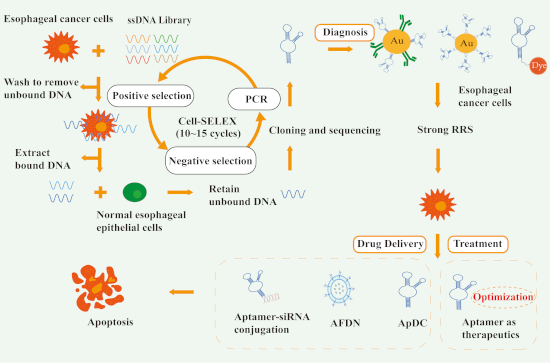
- methods are the trend in large-scale screening, multiple challenges such as marker selection, cost, and individual differences [58] have hindered their clinical translation. The emergence of spatial transcriptomics technology [59] offers a promising solution to overcome this current methodological
- lameness, otitis media, and serositis [82]. Current therapeutic interventions predominantly rely on antimicrobial agents and prophylactic vaccination strategies [83]. Mycoplasma hyorhinis infection has also been reported to have the potential to indirectly cause hepatocellular carcinoma [84], gastric


Beyond the bilayer: multilayered hygroscopic actuation in pine cone scales
Beilstein J. Nanotechnol. 2025, 16, 1695–1710, doi:10.3762/bjnano.16.119
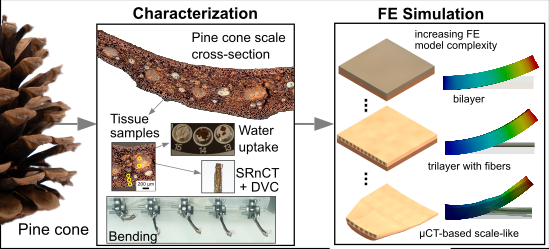
- drives the bending motion. However, current research on pine cones is increasingly revealing more complex, multilayered systems than simple bilayer analogies suggest. For instance, isolated pine cone scale tissues can bend independently, highlighting the complexity and resilience of the system despite


Ambient pressure XPS at MAX IV
Beilstein J. Nanotechnol. 2025, 16, 1677–1694, doi:10.3762/bjnano.16.118
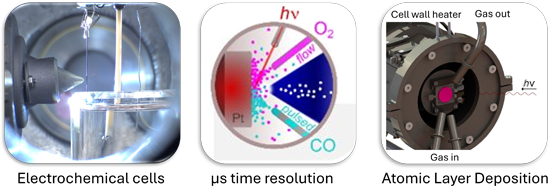
- –liquid interfaces and is particularly relevant for battery research. Corrosion Nanometer-thin and spontaneously formed oxide layers, also known as passive films, play a crucial role in the corrosion resistance of many advanced alloys. The current knowledge of the passive films’ structure and composition
- breakdown behavior observed in Cr-containing alloys, where Cr6+ dissolution occurs at high anodic potentials, compromising the integrity of the passive layer. However, in this case, Cr6+ dissolution was not observed. Furthermore, at high current densities, the OER contributes to the localized acidification