


Search results
Search for "delivery system" in Full Text gives 92 result(s) in Beilstein Journal of Nanotechnology.
Applications of superparamagnetic iron oxide nanoparticles in drug and therapeutic delivery, and biotechnological advancements
Beilstein J. Nanotechnol. 2020, 11, 1092–1109, doi:10.3762/bjnano.11.94
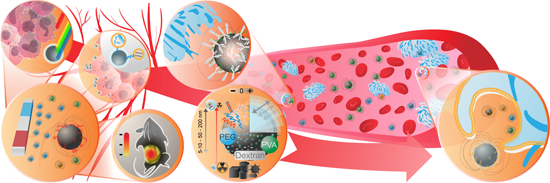
- a drug delivery system in sheep joints. The authors found that PVA-coated SPIONs in the presence of an external magnet accumulated at the joint and remained there until at least the fifth day of treatment [83]. Many coatings have been tested for biomedical applications. PVA is one of the most


Key for crossing the BBB with nanoparticles: the rational design
Beilstein J. Nanotechnol. 2020, 11, 866–883, doi:10.3762/bjnano.11.72
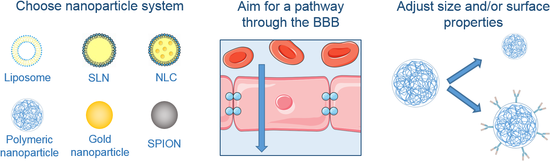
- the brain by local delivery. Local delivery consists of directly delivering the drug to the brain by injection via a catheter or with the help of a convection-enhanced delivery system. Biodegradable polymer implants can also be used for sustained release of the drug [9][10]. These procedures require
- targeting liposomal drug delivery system was then developed by conjugating peptide-22 and c(RGDfK), a ligand of integrin αvβ3 that showed ability to target glioma cells, to liposomes loaded with doxorubicin. This formulation was tested in vivo on an intracranial glioma-bearing mouse model. The nanocarrier
- the survival time of mice when loaded with paclitaxel. Thus, this formulation could be a promising drug delivery system for antitumor therapy. Solid lipid nanoparticles: Solid lipid nanoparticles (SLNs) are particles with a solid lipid core at room and body temperature [27]. SLNs can be prepared with


Multilayer capsules made of weak polyelectrolytes: a review on the preparation, functionalization and applications in drug delivery
Beilstein J. Nanotechnol. 2020, 11, 508–532, doi:10.3762/bjnano.11.41
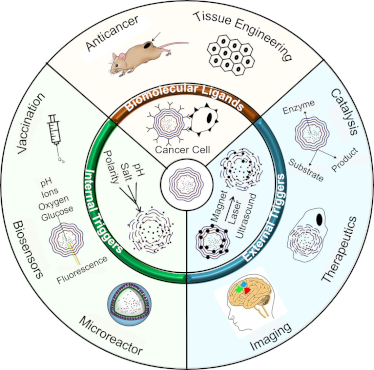
- , theranostics and gene therapy. The most essential attributes of a drug delivery system are considered to be multi-functionality and stimuli responsiveness against a range of external and internal stimuli. Apart from the highly explored strong polyelectrolytes, weak polyelectrolytes offer great versatility with



Understanding nanoparticle flow with a new in vitro experimental and computational approach using hydrogel channels
Beilstein J. Nanotechnol. 2020, 11, 296–309, doi:10.3762/bjnano.11.22
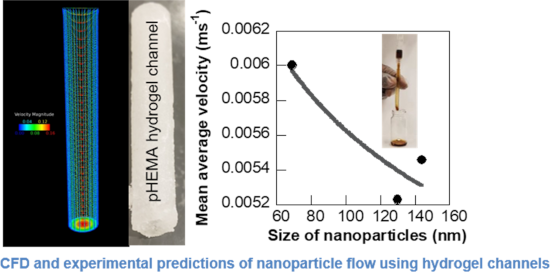
- transvascular transport through vascular networks of varying dimensions within the body, before reaching the action site [7][8][9]. It is increasingly complex to predict the flow properties of NP-based drug delivery system such as the local velocity and adhesion of the NPs in vivo. If we can predict the flow


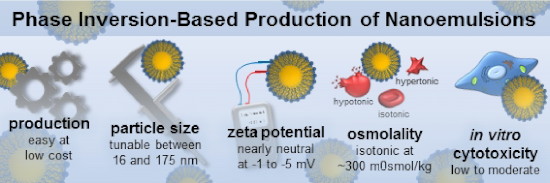
Phase inversion-based nanoemulsions of medium chain triglyceride as potential drug delivery system for parenteral applications
Beilstein J. Nanotechnol. 2020, 11, 213–224, doi:10.3762/bjnano.11.16




Internalization mechanisms of cell-penetrating peptides
Beilstein J. Nanotechnol. 2020, 11, 101–123, doi:10.3762/bjnano.11.10
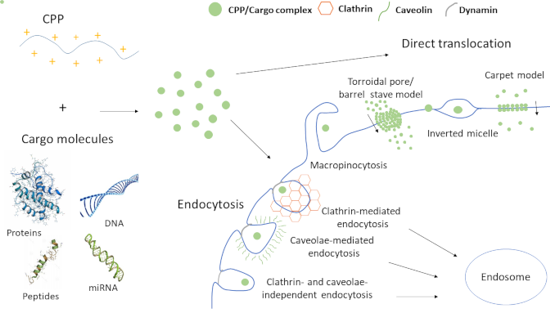
- shown to cause cytotoxic effects, and when it comes to viral vectors, a high probability of viral gene insertion into the host genome exists [6]. Therefore, the delivery strategy for macromolecules is still left as an unanswered question. In the best case scenario, an efficient delivery system would


Bombesin receptor-targeted liposomes for enhanced delivery to lung cancer cells
Beilstein J. Nanotechnol. 2019, 10, 2553–2562, doi:10.3762/bjnano.10.246
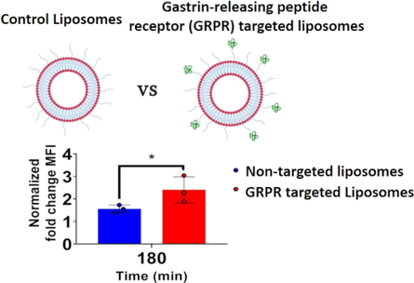
- delivery of doxorubicin into PC-3 prostate cells using a modified bombesin targeting peptide [30]. The authors showed a reduction in mouse PC-3 xenograft size compared to non-targeted doxorubicin liposomes and saline control, consistent with tumour accumulation of the delivery system. In summary, an

Frontiers in pharmaceutical nanotechnology
Beilstein J. Nanotechnol. 2019, 10, 2538–2540, doi:10.3762/bjnano.10.244

- active transport of nanoparticles into the central nervous system using the low-density lipoprotein receptor family [3][4][5][6], provided an entry route for the cytostatic drug doxorubicin into the brain. The drug delivery system has been tested in a phase II clinical trial and hopefully will make its
Design of a nanostructured mucoadhesive system containing curcumin for buccal application: from physicochemical to biological aspects
Beilstein J. Nanotechnol. 2019, 10, 2304–2328, doi:10.3762/bjnano.10.222
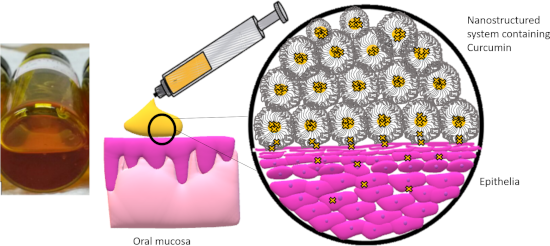
- released from the drug delivery system and how the applied technology influences the availability of the drug. Another aspect to be considered for the in vitro drug release analysis is the choice of release medium. For hydrophobic drugs, sometimes it is necessary to add surfactants that can provide the


Microfluidics as tool to prepare size-tunable PLGA nanoparticles with high curcumin encapsulation for efficient mucus penetration
Beilstein J. Nanotechnol. 2019, 10, 2280–2293, doi:10.3762/bjnano.10.220
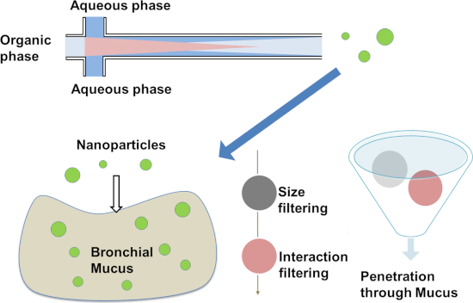
- microfluidics in combination with a specific muco-inert surface chemistry led to a promising drug delivery system with enhanced mucus penetration. Moreover, a high absolute curcumin encapsulation efficiency of ≈67.15% was obtained using microfluidics. Furthermore, the encapsulation was clearly improved in


Targeted therapeutic effect against the breast cancer cell line MCF-7 with a CuFe2O4/silica/cisplatin nanocomposite formulation
Beilstein J. Nanotechnol. 2019, 10, 2217–2228, doi:10.3762/bjnano.10.214
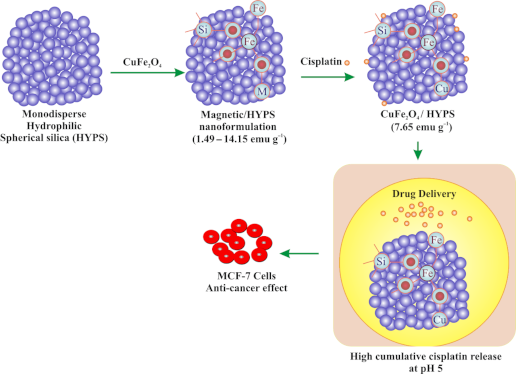
- tumor imaging guide and drug delivery system. Keywords: anticancer; cisplatin; copper ferrite; drug delivery; multifunctional; nanomedicine; nanotherapeutics; spherical silica; tumour therapy; Introduction Due to the continuous advancements in the field of nanotechnology, the therapeutic prospects
- expected health crisis [1]. However, the single modal drug delivery system is hampered by low bioavailability (about 5–10%), burst release, and lower target efficiency. Multifunctional theranostic nanoparticles that can respond to an external magnetic field for drug release and assist in bioimaging


BergaCare SmartLipids: commercial lipophilic active concentrates for improved performance of dermal products
Beilstein J. Nanotechnol. 2019, 10, 2152–2162, doi:10.3762/bjnano.10.208
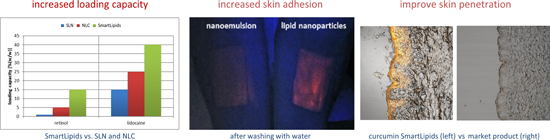
- nanoparticle history started in 1991 with SLNs, the second generation of NLCs entered the cosmetic market just 14 years later in 2005, much faster than the liposomes did (they needed about 20 years from invention to cosmetic market in 1986). With the “SmartLipids concept” a mature industrial delivery system is


Incorporation of doxorubicin in different polymer nanoparticles and their anticancer activity
Beilstein J. Nanotechnol. 2019, 10, 2062–2072, doi:10.3762/bjnano.10.201
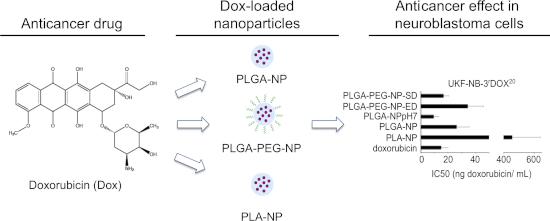
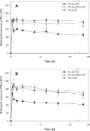
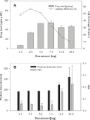
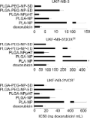
- cancer [4][5][6][7][8][9]. Another important aspect of the efficacy of nanoparticles as delivery system for anticancer is their uptake and, in turn, the drug transport into cancer cells. Uptake mechanisms may differ between different types of nanoparticles, which may affect their effectiveness as





Porous silver-coated pNIPAM-co-AAc hydrogel nanocapsules
Beilstein J. Nanotechnol. 2019, 10, 1973–1982, doi:10.3762/bjnano.10.194
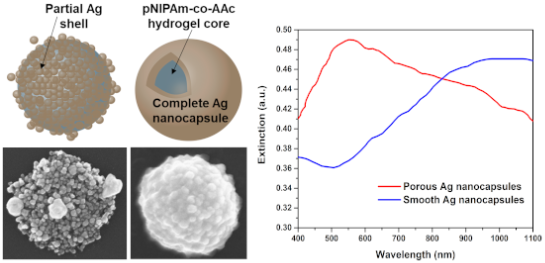
- nanoscale delivery system that can be targeted, optically activated, and subsequently release a payload (e.g., drugs). Notably, gold and silver nanoshells can be heated by application of NIR light and subsequently be used to transfer heat to an incorporated hydrogel polymer particle [69]. Upon heating


Synthesis and potent cytotoxic activity of a novel diosgenin derivative and its phytosomes against lung cancer cells
Beilstein J. Nanotechnol. 2019, 10, 1933–1942, doi:10.3762/bjnano.10.189
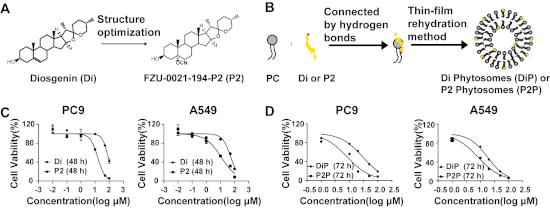
- targeted drug delivery to tumors. These nanoparticles can passively accumulate in tumors via enhanced permeability and retention (EPR) effect, thus decreasing the toxicity of nonselective bio-distribution [27]. Considering the advantages of liposomes as a drug delivery system for chemotherapeutic drugs and
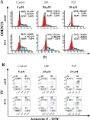
- between cells treated with free drugs and their corresponding phytosomes. The results indicated that phytosomes could be an ideal drug delivery system for Di and its derivatives to obtain sustained release without affecting drug activity. In vitro anticancer mechanisms of P2P Cell cycle and cell apoptosis



Engineered superparamagnetic iron oxide nanoparticles (SPIONs) for dual-modality imaging of intracranial glioblastoma via EGFRvIII targeting
Beilstein J. Nanotechnol. 2019, 10, 1860–1872, doi:10.3762/bjnano.10.181
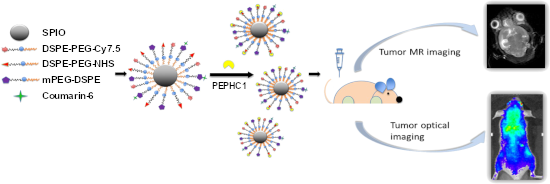
- radical surgery [36]. In addition, Mao and co-workers have reported the multitargeted drug delivery system by a d-peptide ligand (d-AE) based EGFRvIII targeting strategy, which provides a promising path for glioma therapy [37]. Through the conjugation of Cy7.5 to PEPHC1-modified PEGylated SPIONs, a
- -coated iron oxide nanoparticles to target tumor-associated macrophages [36] and D-AE-peptide-modified micelles as a multitarget drug delivery system [37], the benefits of the nanoprobe in this study are described as follows. First, the nanoprobe has a diameter of around 100 nm and can directly pass




Microfluidic manufacturing of different niosomes nanoparticles for curcumin encapsulation: Physical characteristics, encapsulation efficacy, and drug release
Beilstein J. Nanotechnol. 2019, 10, 1826–1832, doi:10.3762/bjnano.10.177
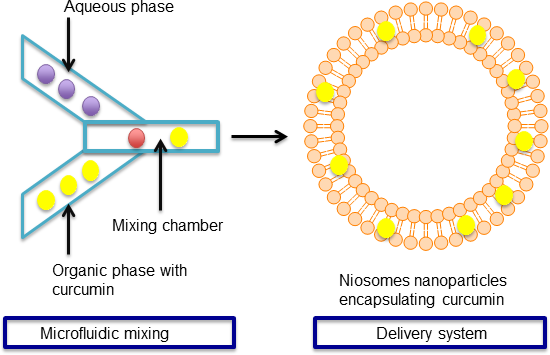
- capability. These results demonstrate that niosomes prepared by microfluidic mixing to encapsulate curcumin are a promising delivery system to reach target cells. Keywords: curcumin; drug delivery; microfluidic mixing; niosomes nanoparticle; Introduction Curcumin is a natural product that is derived from
- the particle sizes, where smaller particles were obtained at a ratio of 3:1 compared to a ratio of 1:1 for both formulations. These results confirm previously reported results about niosomes prepared by microfluidic mixing [15]. Encapsulation of curcumin The potential of a nanoparticle delivery system
- nanoparticles components to be used as a drug delivery system for curcumin and for other therapeutic agents. TEM images of (A) SP80 niosomes prepared at 1:1 FRR, (B) SP80 niosomes prepared at 3:1 FRR, (C) T85 niosomes prepared at 1:1 FRR, (D) T85 niosomes prepared at 3:1 FRR. Curcumin standard curve measured by


Nanoporous smartPearls for dermal application – Identification of optimal silica types and a scalable production process as prerequisites for marketed products
Beilstein J. Nanotechnol. 2019, 10, 1666–1678, doi:10.3762/bjnano.10.162
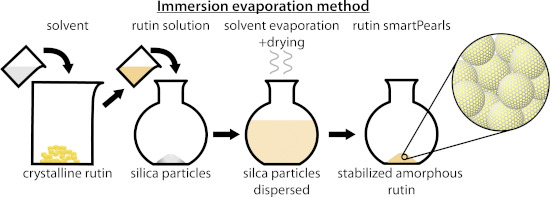
- Berlin, Germany Institute of Functional Interfaces, Karlsruher Institute of Technology, Hermann-von-Helmholtz-Platz 1, 76344 Eggenstein-Leopoldshafen, Germany 10.3762/bjnano.10.162 Abstract smartPearls are a dermal delivery system for poorly soluble active agents, consisting of nanoporous silica
- solvent removal) can be industrially realized in a commercial 50 L rotary evaporator. Keywords: amorphous dispersion; bioavailability enhancement; dermal delivery system; rutin; smartPearls; solubility enhancement; Introduction Many interesting active agents in pharma and cosmetics are poorly soluble




Hydrophilicity and carbon chain length effects on the gas sensing properties of chemoresistive, self-assembled monolayer carbon nanotube sensors
Beilstein J. Nanotechnol. 2019, 10, 565–577, doi:10.3762/bjnano.10.58
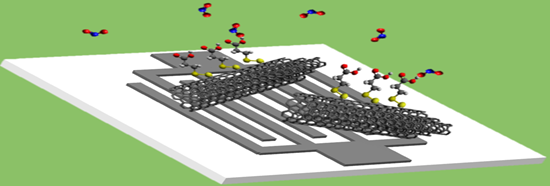
- printed circuit board (PCB), which was then plugged inside a test chamber (see Supporting Information File 1, Figure S7). Gas sensing measurements A 35 mL airtight test chamber in Teflon was connected to an automated gas mixture delivery system controlled by Bronkhorst mass-flow controllers and calibrated


Cytotoxicity of doxorubicin-conjugated poly[N-(2-hydroxypropyl)methacrylamide]-modified γ-Fe2O3 nanoparticles towards human tumor cells
Beilstein J. Nanotechnol. 2018, 9, 2533–2545, doi:10.3762/bjnano.9.236
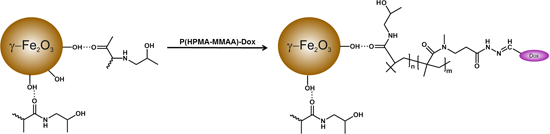
- the novel drug-delivery system, cytomorphological study of chromatin hypercondensation in DAPI-stained murine B16 melanoma cells was performed. Cells were incubated with γ-Fe2O3@PHPMA (Figure 10b,c), free Dox (Figure 10d,e), and γ-Fe2O3@P(HPMA-MMAA)-Dox nanoparticles (Figure 10f,g). Both free Dox and


Enhanced antineoplastic/therapeutic efficacy using 5-fluorouracil-loaded calcium phosphate nanoparticles
Beilstein J. Nanotechnol. 2018, 9, 2499–2515, doi:10.3762/bjnano.9.233
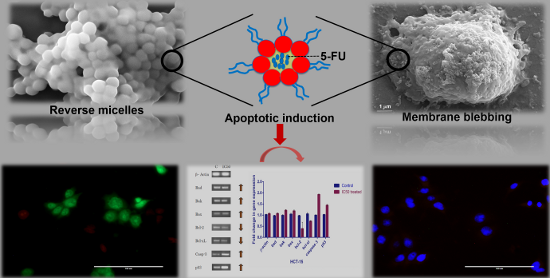
- immediately on improving the efficacy. This need could possibly be met by a nanoscale-carrier-facilitated drug delivery system. This rapidly growing field of research has gained interest all over the world with its effective and targeted drug delivery application [3]. Polymer-based nanoformulations have
- insignificant drug release. On the other hand, with increased acidic conditions, there is an augmented probability of more H+ ions available to counteract the nanoparticle–drug formulation, thereby reducing the interactions [28]. This property of the proposed nanoparticle drug delivery system significantly


Nanoconjugates of a calixresorcinarene derivative with methoxy poly(ethylene glycol) fragments for drug encapsulation
Beilstein J. Nanotechnol. 2018, 9, 2057–2070, doi:10.3762/bjnano.9.195
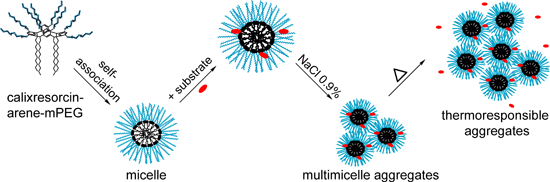
- use as a supramolecular drug-delivery system. Keywords: calixresorcinarene; drug encapsulation; hemotoxicity; methoxy poly(ethylene glycol); temperature-controlled release; Introduction One of the acute problems of modern medicinal therapy is the development of novel drug-delivery systems with low


Biomimetic and biodegradable cellulose acetate scaffolds loaded with dexamethasone for bone implants
Beilstein J. Nanotechnol. 2018, 9, 1986–1994, doi:10.3762/bjnano.9.189
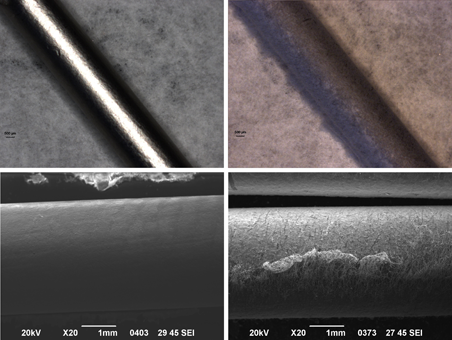
- completed after 181 days. The burst release of the drug delivery system was very low (11.6%) and, consequently, this nanoplatform will not release the necessary amount of the drug to merge the immunosuppressive effect over a time scale of 181 days. In the same context, the choice of the CA scaffold, the


A visible-light-controlled platform for prolonged drug release based on Ag-doped TiO2 nanotubes with a hydrophobic layer
Beilstein J. Nanotechnol. 2018, 9, 1793–1801, doi:10.3762/bjnano.9.170
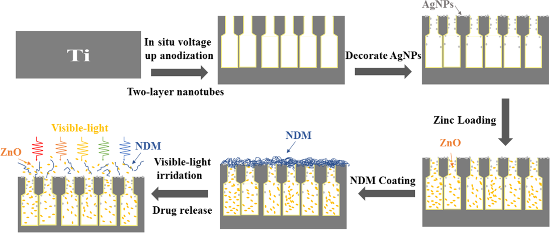
- anodizing voltage and time, some distinctive nanotube structures have been obtained, including multilayer [10], bamboo-type [11], branched tubes [12], and double-walled tubes [13]. Multilayered TNTs are known as the most controllable and useful drug delivery system [14]. In a previous work, Shi et al. [15
- . Thus, Zn exhibits significant, promising application in the biomedical field. Hence, Zn was selected as a model drug to be loaded into the TiO2 nanotubes for the drug delivery system in this work. In present work, we provide an approach for a visible-light-controlled drug release platform based on the




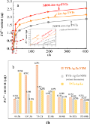

Atomic-level characterization and cilostazol affinity of poly(lactic acid) nanoparticles conjugated with differentially charged hydrophilic molecules
Beilstein J. Nanotechnol. 2018, 9, 1328–1338, doi:10.3762/bjnano.9.126
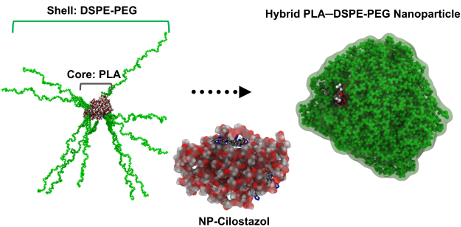
- descriptions using computational methodologies still are not totally addressed. Wang et al. [30] carried out dissipative particle dynamics (DPD) simulations to study the PEG–PLA–PEG/paclitaxel delivery system. The results showed a spherical micelle with the drug inside and polymer chains distributed on the
- determine the spatial distribution of cilostazol in polymeric NPs and to explore its potential use in this kind of drug delivery system. Experimental Characterization of copolymer structures by all-atom molecular dynamics simulations The poly(lactic acid) core PLA polymer chains were built in three





