


Search results
Search for "drug delivery" in Full Text gives 371 result(s) in Beilstein Journal of Nanotechnology. Showing first 200.
Effect of additives on the synthesis efficiency of nanoparticles by laser-induced reduction
Beilstein J. Nanotechnol. 2025, 16, 464–472, doi:10.3762/bjnano.16.35
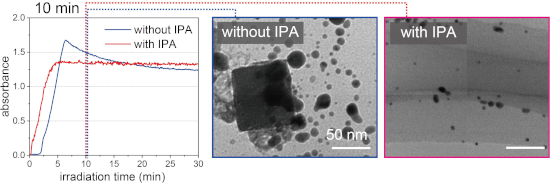
- including electrode materials [1], conductive pastes [2][3], catalysts [4][5], sensors [6][7][8], and drug delivery systems [9]. The chemical reduction [10] and the solvothermal methods [11][12] are well known for synthesizing nanoparticles in large quantities at low cost, but these methods require the use


Synthetic-polymer-assisted antisense oligonucleotide delivery: targeted approaches for precision disease treatment
Beilstein J. Nanotechnol. 2025, 16, 435–463, doi:10.3762/bjnano.16.34

- in ASO-based therapies. Some promising strategies to overcome these limitations involve the conjugation of ASOs with peptides [53], polymers [54], aptamers [55], and antibodies [56], as well as the development of novel drug delivery systems [57][58]. This review discusses the challenges associated
- potential use in precision medicine over the past decade. Review Synthetic polymers for enhanced ASOs delivery Polymer-assisted platforms for enhanced delivery have attracted considerable attention because of their versatile drug delivery capabilities and their diverse chemical composition, which enables
- activity and nucleic acid catalysis, effectively bridging the gap between short oligomers and functional RNAs under various environmental conditions. In addition to a delivery enhancer, PLL can be efficiently employed as an antisense oligonucleotide condenser. In their exploration of advanced drug delivery


Size control of nanoparticles synthesized by pulsed laser ablation in liquids using donut-shaped beams
Beilstein J. Nanotechnol. 2025, 16, 407–417, doi:10.3762/bjnano.16.31
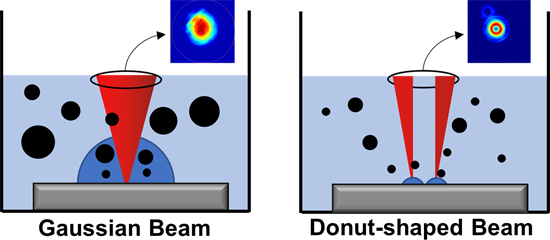
- size can cause cellular damage or prevent membrane permeation for drug delivery [10]. Therefore, a fine and reproducible size control during NP synthesis is essential. Pulsed laser ablation in liquids (PLAL) allows for the synthesis of colloidal NPs offering numerous advantages, such as being


Engineered PEG–PCL nanoparticles enable sensitive and selective detection of sodium dodecyl sulfate: a qualitative and quantitative analysis
Beilstein J. Nanotechnol. 2025, 16, 385–396, doi:10.3762/bjnano.16.29
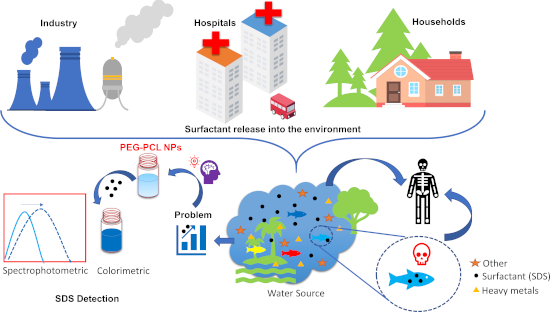
- nanoparticles is a step ahead of the reported studies. Polymer nanoparticles prepared from PEG–PCL are widely used for drug delivery, tumour targeting, and imaging [28]. To our knowledge, there is no report regarding using PEG–PCL nanoparticles (PEG–PCL NPs) as a contaminant detection system. Accordingly, we
- manipulation of particles with a size less than 100 nm. These tiny particles possess unique physicochemical features, including optical, electrical, magnetic, and catalytic properties [23]. Indeed, the advanced properties of nanoparticles enables them to be used in different areas, such as biosensing, drug
- delivery, targeting, sensing, and imaging [23]. Also, there are a wide variety of nanoparticles available for desired applications. In the case of detection of contaminants or sensing applications, carbon and metal nanoparticles are mostly preferable [24]. Despite their use, these nanoparticles possess


Development of a mucoadhesive drug delivery system and its interaction with gastric cells
Beilstein J. Nanotechnol. 2025, 16, 371–384, doi:10.3762/bjnano.16.28

- mucoadhesive drug delivery system that was developed to fulfill these requirements. Alginate nanoparticles were synthesized by water-in-oil emulsification followed by external gelation and then coated with the mucoadhesive polymer Eudragit RS100. The formulated nanoparticles had a mean size of 219 nm and
- developed in this study is intended to be loaded with active therapeutic agents and has the potential to be used as an alternative drug delivery strategy for the treatment of gastric related diseases. Keywords: alginate; Eudragit RS100; mucoadhesive nanoparticles; mucus; smart drug delivery; Introduction
- Drug delivery through the oral route is the most preferred route because of ease of application, high patient compliance, and non-invasiveness [1]. Drug formulations designed for the oral route are aimed for two delivery approaches, namely, (i) systemic drug delivery, in which the drug must be absorbed


Graphene oxide–chloroquine conjugate induces DNA damage in A549 lung cancer cells through autophagy modulation
Beilstein J. Nanotechnol. 2025, 16, 316–332, doi:10.3762/bjnano.16.24
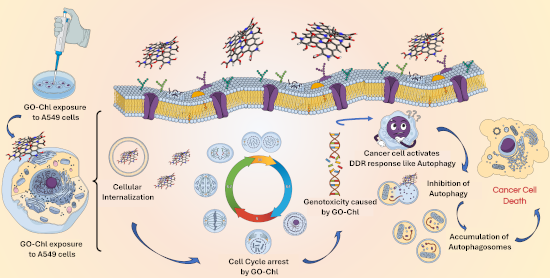
- oxidative stress and autophagy modulation [14]. Graphene oxide (GO) due to its unique physicochemical properties has attracted vast scientific attention as an efficient drug delivery carrier and modulator of biological activities, including autophagy, DDR, and intracellular transportation of therapeutics



Enhancing mechanical properties of chitosan/PVA electrospun nanofibers: a comprehensive review
Beilstein J. Nanotechnol. 2025, 16, 286–307, doi:10.3762/bjnano.16.22

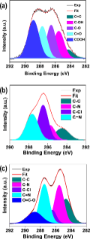
- efficient sustained release. These nanofibers also exhibit better stability, which are vital properties in drug delivery systems [183][184]. These superior properties have gained recent attention for enhancing the functional performance of chitosan-based nanofibers. Core–shell chitosan nanofibers have been


Synthesis and the impact of hydroxyapatite nanoparticles on the viability and activity of rhizobacteria
Beilstein J. Nanotechnol. 2025, 16, 216–228, doi:10.3762/bjnano.16.17
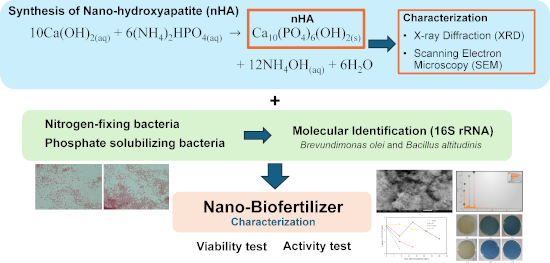
- ]. nHA serves as a versatile agent in drug delivery [17], acts as a carrier for genes and proteins [18], and aids in immobilizing rhizobacteria for effective heavy metal removal [19]. In addition to its carrier capabilities, nHA exhibits exceptional attributes such as high biodegradability


Recent advances in photothermal nanomaterials for ophthalmic applications
Beilstein J. Nanotechnol. 2025, 16, 195–215, doi:10.3762/bjnano.16.16
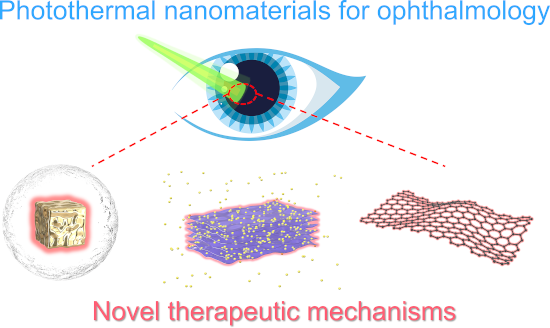
- boundaries of thermal therapy, achieving unparalleled therapeutic effects through their diverse composite structures and demonstrating enormous potential in promoting retinal drug delivery and photoacoustic imaging. This paper provides a comprehensive summary of the structure–activity relationship between
- (Figure 1). In addition, the application progress of photothermal nanomaterials in promoting retinal drug delivery and enhancing photoacoustic imaging was also discussed. Finally, we address the current challenges and prospects in ophthalmic treatment technologies based on photothermal nanomaterials, with
- ], and overcoming barriers in drug delivery [53]. Furthermore, the precise adjustment of the morphology and particle size of LSPR metals allows for the fine-tuning of their characteristic absorption within the range of 650 to 1350 nm. This range falls outside the absorption spectrum of the eye’s aqueous


Probing the potential of rare earth elements in the development of new anticancer drugs: single molecule studies
Beilstein J. Nanotechnol. 2025, 16, 187–194, doi:10.3762/bjnano.16.15
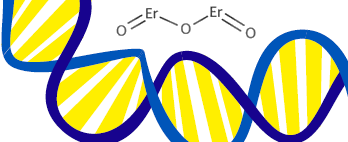
- . Furthermore, it is worth to mention that a small ligand that presents such a strong ability to compact DNA can easily find applications in fields such as drug delivery and gene therapy. Atomic force microscopy In Figure 3 we show typical images of the complexes formed between DNA and the rare earths obtained
- condensation at high concentrations. These results suggest that rare earth elements can be used in the design of new drugs that have DNA as their target inside cells (e.g., chemotherapeutic drugs) or in the development of new carriers for drug delivery systems because of their ability to condense DNA


Nanocarriers and macrophage interaction: from a potential hurdle to an alternative therapeutic strategy
Beilstein J. Nanotechnol. 2025, 16, 97–118, doi:10.3762/bjnano.16.10
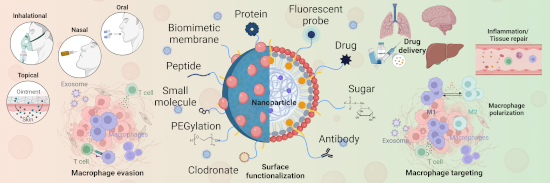
- .16.10 Abstract In the coming decades, the development of nanocarriers (NCs) for targeted drug delivery will mark a significant advance in the field of pharmacology. NCs can improve drug solubility, ensure precise distribution, and enable passage across biological barriers. Despite these potential
- delve into the intriguing potential of nanomedicine in neurology and traumatology, associated with macrophage interaction, and the exciting possibilities it holds for the future. Keywords: drug delivery; macrophages; nanomedicine; polarization; RNA-based therapies; Review 1 Introduction In the vast
- nanomedicine landscape, the design and development of nanocarriers (NCs) for precise drug delivery are a pivotal innovation. NCs address significant pharmacological challenges, such as enhancing drug solubility, ensuring specific distribution, and facilitating the crossing of biological barriers [1]. Tailoring


Characterization of ZnO nanoparticles synthesized using probiotic Lactiplantibacillus plantarum GP258
Beilstein J. Nanotechnol. 2025, 16, 78–89, doi:10.3762/bjnano.16.8
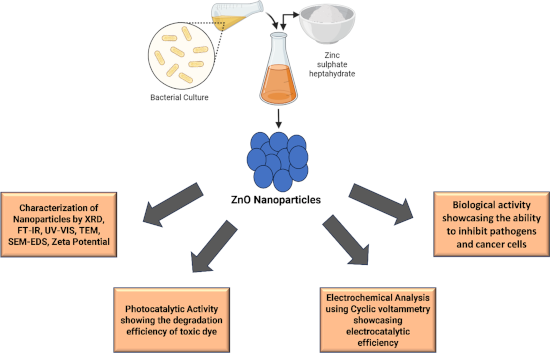
- typhi (3 ± 1 mm). MTT assay revealed the promising antiproliferative potential of ZnO NPs, with an average IC50 value of 98.53 µg/mL. Additionally, the NPs were photocatalytically and electrochemically analyzed, indicating their potential use in cancer research as well as in coating and drug delivery
- semiconductors. Also, ZnO NPs exhibit antimicrobial activity, targeted drug delivery, catalytic activity, and antidiabetic, larvicidal, acaricidal and anticancer activity in addition to their usage in different medical devices and pharmaceuticals [11][12][13]. We report the ecologically safe production of ZnO



Theoretical study of the electronic and optical properties of a composite formed by the zeolite NaA and a magnetite cluster
Beilstein J. Nanotechnol. 2025, 16, 44–53, doi:10.3762/bjnano.16.5
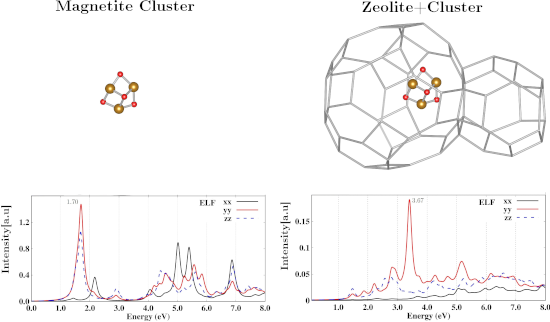
- development of nanotechnology and the emergence of composite zeolite materials have opened up unprecedented opportunities for their application in nanomedicine [47]. The unique properties of magnetic nanoparticles allow them to be used for targeted drug delivery and visualization of internal organs [48




A nanocarrier containing carboxylic and histamine groups with dual action: acetylcholine hydrolysis and antidote atropine delivery
Beilstein J. Nanotechnol. 2025, 16, 11–24, doi:10.3762/bjnano.16.2

- calixarenes, have been extensively utilized in the creation of different smart systems [13][14]. Owing to their unique structural features, these macrocycles are employed in catalysis, such as in the breakdown of OPs [15][16][17][18], as carriers for drug delivery [19][20][21][22], and in the creation of


Mechanistic insights into endosomal escape by sodium oleate-modified liposomes
Beilstein J. Nanotechnol. 2024, 15, 1667–1685, doi:10.3762/bjnano.15.131
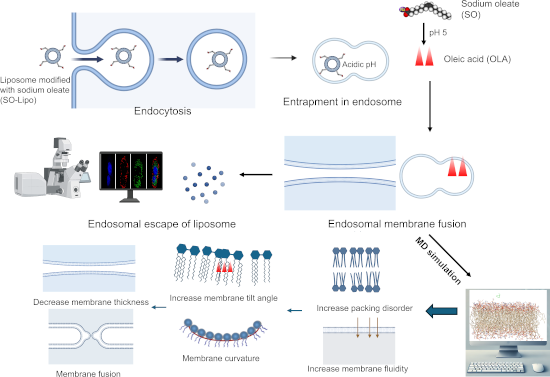
- .15.131 Abstract Endosomal entrapment significantly limits the efficacy of drug delivery systems. This study investigates sodium oleate-modified liposomes (SO-Lipo) as an innovative strategy to enhance endosomal escape and improve cytosolic delivery in 4T1 triple-negative breast cancer cells. We aimed to
- mechanism, facilitating cytosolic delivery with reduced cytotoxicity. This approach offers a safer and more effective option for targeted drug delivery applications. Keywords: Aurein 1.2; endosomal escape; fusogenic effect; molecular dynamics simulation; sodium oleate; Introduction The quest for efficient
- drug delivery has spurred extensive research into liposomal systems. These vesicles, with their inherent ability to encapsulate and protect a diverse range of therapeutic agents, including small molecule drugs, proteins, and genetic material such as DNA and RNA, hold significant promise for




Biomimetic nanocarriers: integrating natural functions for advanced therapeutic applications
Beilstein J. Nanotechnol. 2024, 15, 1619–1626, doi:10.3762/bjnano.15.127

- Biomimetic nanocarriers, engineered to mimic the characteristics of native cells, offer a revolutionary approach in the treatment of various complex human diseases. This strategy enhances drug delivery by leveraging the innate properties of cellular components, thereby improving biocompatibility and
- targeting specificity. Biomimetic nanocarriers demonstrate significant advancements in drug delivery systems against cancer therapy, Alzheimer's disease, autoimmune diseases, and viral infections such as COVID-19. Here, we address the therapeutic applications of biomimetic nanocarriers and their promising
- strategy for personalized medicine. Keywords: cancer; drug delivery; human health; mimetics; nanotechnology; Introduction Human exposure to nanoparticles has naturally occurred for millennia, with a notable intensification following the industrial revolution [1]. The foundational concept of modern


Natural nanofibers embedded in the seed mucilage envelope: composite hydrogels with specific adhesive and frictional properties
Beilstein J. Nanotechnol. 2024, 15, 1603–1618, doi:10.3762/bjnano.15.126
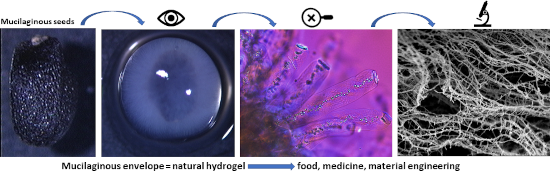
- ], on monomer and cross-linking concentrations, and on the type of substrate surface [88]. Hydrogels with their low friction are crucial in biomedical applications or for drug delivery [38][83][86][88]. The diaspore mucilage is regarded as a natural hydrogel [38] because of its capacity to absorb water


Liver-targeting iron oxide nanoparticles and their complexes with plant extracts for biocompatibility
Beilstein J. Nanotechnol. 2024, 15, 1593–1602, doi:10.3762/bjnano.15.125
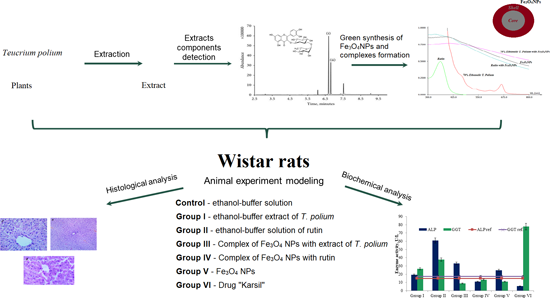
- (Fe3O4 NPs) are widely used in many biomedical applications (e.g., bioimaging, drug delivery, biosensors, diagnostics, and theranostics). However, the use of NPs does not preclude the possibility of selective toxicity and undesirable effects, including accumulation in tissues and direct interaction with
- , biochemistry, biophysics, and other disciplines within biology and medicine [1][2][3][4][5]. The development of nanotechnology has provided resources for various applications in the medical field, leading to significant advances in diagnosis, biological detection, therapy, and drug delivery [6][7][8][9]. An


The round-robin approach applied to nanoinformatics: consensus prediction of nanomaterials zeta potential
Beilstein J. Nanotechnol. 2024, 15, 1536–1553, doi:10.3762/bjnano.15.121
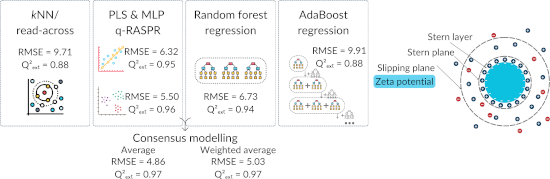
- ; read-across; QSPR; round-robin test; zeta potential; Introduction Nanotechnology, defined as the ability to manipulate matter at the nanoscale, has opened an array of possibilities for multiple applications that take advantage of the unique properties of nanomaterials (NMs). From targeted drug
- delivery to environmental sensing, the versatility of NMs makes them ideal candidates for a broad range of innovative applications [1]. However, the complexity and unique properties of these materials also present significant challenges, especially when it comes to the assessment of their potential adverse


Polymer lipid hybrid nanoparticles for phytochemical delivery: challenges, progress, and future prospects
Beilstein J. Nanotechnol. 2024, 15, 1473–1497, doi:10.3762/bjnano.15.118
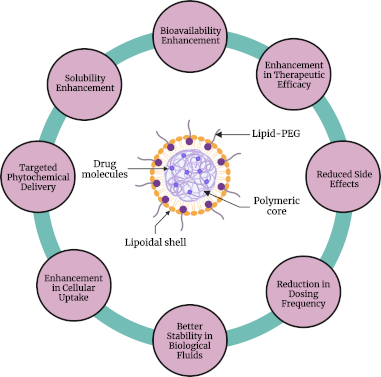
- core with a stable outer lipoidal shell makes these PLHNPs an excellent nanocarrier for therapeutic drug delivery and the treatment of various diseases. The amphiphilicity of biodegradable polymers and lipids promotes the encapsulation of both lipophilic as well as hydrophilic chemotherapeutic drugs
- yields a natural vehicle for drug delivery, and these nanocarriers can easily escape the uptake by macrophages. In this system, the drugs are encapsulated in the lipophilic polymeric core, and the lipids in the outer natural membrane enhance the sustained release of drugs. With the development of these
- hybrid nanocarriers, the biological barriers in therapeutic drug delivery can be easily overcome. These hybrid nanocarriers show prolonged half-life and stability in biological systems, thereby enhancing therapeutic efficacy [58][59]. Surface modification of PLHNPs Surface modification of PLHNPs involves


Nanotechnological approaches for efficient N2B delivery: from small-molecule drugs to biopharmaceuticals
Beilstein J. Nanotechnol. 2024, 15, 1400–1414, doi:10.3762/bjnano.15.113
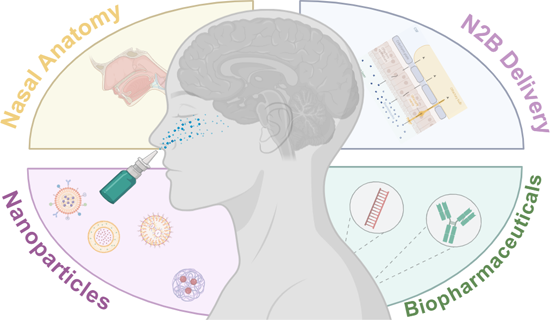
- drugs can be encapsulated into various drug delivery systems to enhance physicochemical characteristics and targeting success. Many preclinical data show that this strategy can effectively deliver biopharmaceuticals to the brain. Therefore, this review focuses on N2B delivery while giving examples of
- different drug delivery systems suitable for the applications. In addition, we emphasize the importance of the effective delivery of monoclonal antibodies and RNA and stress the recent literature tackling this challenge. While giving examples of nanotechnological approaches for the effective delivery of
- small or large molecules from the current literature, we highlight the preclinical studies and their results to prove the strategies’ success and limitations. Keywords: antibody delivery; biopharmaceutical delivery; blood–brain barrier (BBB); CNS diseases; drug delivery; hybrid nanoparticles


Hymenoptera and biomimetic surfaces: insights and innovations
Beilstein J. Nanotechnol. 2024, 15, 1333–1352, doi:10.3762/bjnano.15.107
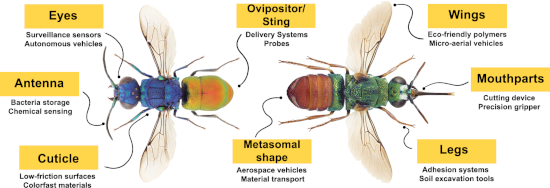
- biodiversity, and assessing environmental impacts, providing researchers with valuable data while preserving natural habitats. Delivery systems: Strength and efficiency of the ovipositor also offer insights into creating advanced drug delivery systems [169]. These systems can deliver medications directly to
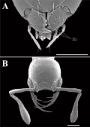
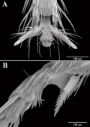
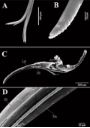
- delivery system (Figure 7C,D). The venom delivery systems of Hymenoptera are precise and efficient, inspiring the design of microinjection systems and targeted drug delivery methods that minimize collateral damage to surrounding tissues [170]. Drawing inspiration from the precision and efficiency of
- could greatly benefit from innovations inspired by these stridulation mechanisms. Ultrasound technology has demonstrated significant potential in diagnostic imaging and ultrasound-responsive drug delivery [181][182]. Ultrasound technology is particularly promising for cancer treatment and disease





Enhanced catalytic reduction through in situ synthesized gold nanoparticles embedded in glucosamine/alginate nanocomposites
Beilstein J. Nanotechnol. 2024, 15, 1227–1237, doi:10.3762/bjnano.15.99
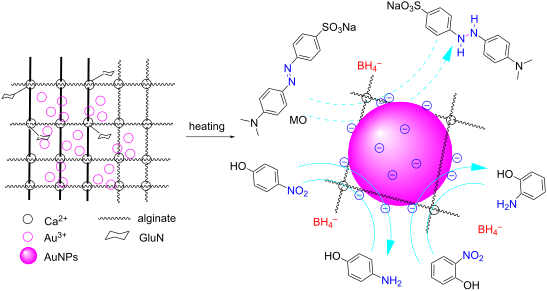
- ) and the cross-linker [17]. These materials find wide applications in drug delivery [18] and the encapsulation of nanometals [19][20]. Reduction of metallic ions can be achieved using various agents, including plant extracts [21]. This reduction typically involves two steps, namely, the loading of



Realizing active targeting in cancer nanomedicine with ultrasmall nanoparticles
Beilstein J. Nanotechnol. 2024, 15, 1208–1226, doi:10.3762/bjnano.15.98
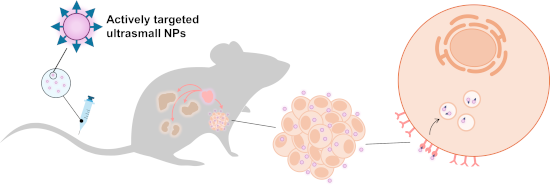
- ) designed to transport therapeutic agents with precise delivery to tumor sites. This approach aims to mitigate toxic effects associated with off-target drug delivery and optimize therapeutic efficacy. For decades, the enhanced permeability and retention (EPR) effect has stood as the central mechanism for
- imaging [20][40], and positron emission tomography [45][46]. In therapeutic applications, usNPs have been used for drug delivery as well as served as phototherapeutic agents and radiosensitizers [47][48][49][50][51]. A distinguishing feature of usNPs is their transient, short-lived interactions with
- targeting can also promote usNP transport to the cell interior, potentially leading to more effective drug delivery and chemotherapy. It must be noted that the success of these strategies relies on efficient passive targeting in the first place [83][84]. Nevertheless, cumulative evidence suggests that


Synthesis, characterization and anticancer effect of doxorubicin-loaded dual stimuli-responsive smart nanopolymers
Beilstein J. Nanotechnol. 2024, 15, 1189–1196, doi:10.3762/bjnano.15.96
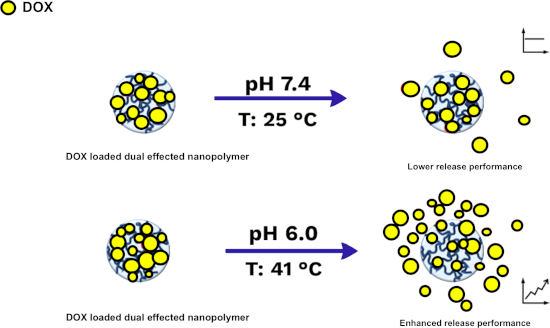
- extremely useful for drug delivery and release. We analyzed the possibility to include the known antitumor drug doxorubicin (DOX), which has antimitotic and antiproliferative effects, in a nanopolymer complex. Thus, doxorubicin-loaded temperature- and pH-sensitive smart nanopolymers (DOX-SNPs) were produced
- that observed for the commercial liposomal formulation of doxorubicin Doxil. The obtained results demonstrated that smart nanopolymers can be efficiently used to create new types of doxorubicin-based drugs. Keywords: cancer cell line HeLa; cytotoxicity; doxorubicin; drug delivery; smart nanopolymers
- , high stability, low toxicity, modifiable hydrophilicity/hydrophobicity, and the possibility of surface functionalization for targeted localization. Polymeric nanoparticles are a versatile approach to drug delivery (DD) with the potential to circumvent barriers associated with negative impacts on





