Search results
Search for "fabrication" in Full Text gives 912 result(s) in Beilstein Journal of Nanotechnology. Showing first 200.
Enhancing the photoelectrochemical performance of BiOI-derived BiVO4 films by controlled-intensity current electrodeposition
Beilstein J. Nanotechnol. 2025, 16, 1289–1301, doi:10.3762/bjnano.16.94
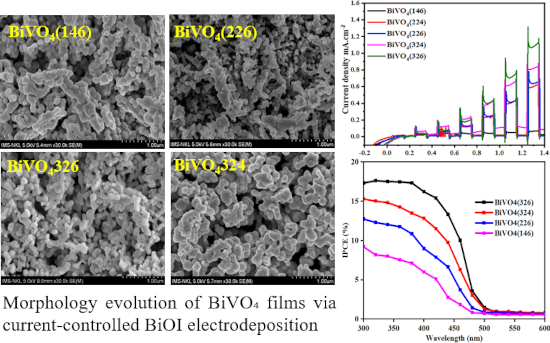
- Abstract This study investigates the fabrication of BiVO4 photoanodes using a controlled-intensity current electrodeposition method to improve their photoelectrochemical (PEC) performance. The impact of varying the deposition current density and VO(acac)2 concentration was systematically analyzed to
- produce BiVO4 thin films at high deposition rates; however, this method resulted in irregular grain structures and significant material defects, limiting the PEC performance improvements. Electrodeposition has emerged as a promising low-cost and scalable technique for BiVO4 film fabrication, offering
- ) were used to adjust the pH during deposition. Ethanol (C2H5OH, 99.9%, Merck) and deionized (DI) water were used for cleaning and dilution, respectively. Fluorine-doped tin oxide (FTO) glass substrates (7 Ω·sq−1, Pilkington) served as the conductive support for electrodeposition. Fabrication of BiVO4



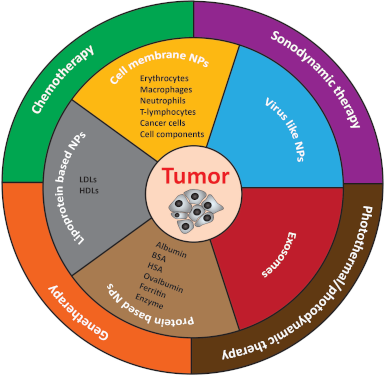
Better together: biomimetic nanomedicines for high performance tumor therapy
Beilstein J. Nanotechnol. 2025, 16, 1246–1276, doi:10.3762/bjnano.16.92


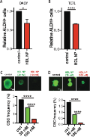
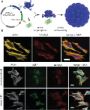



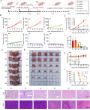

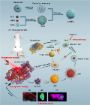

Transfer function of an asymmetric superconducting Gauss neuron
Beilstein J. Nanotechnol. 2025, 16, 1160–1170, doi:10.3762/bjnano.16.85
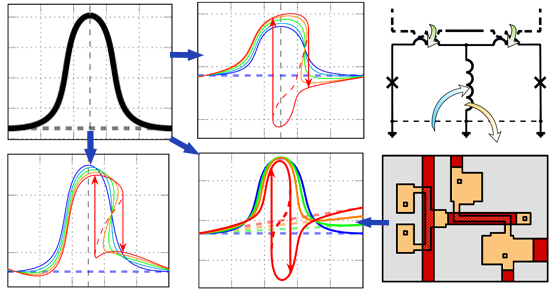
- most expected violation is the imbalance of the critical currents of the JJs, i.e., IcA ≠ IcB. Indeed, during the fabrication of Josephson devices, variations in critical currents of around 5% are observed, even among leading manufacturers [19]. We will refer to this violation as Josephson asymmetry



Crystalline and amorphous structure selectivity of ignoble high-entropy alloy nanoparticles during laser ablation in organic liquids is set by pulse duration
Beilstein J. Nanotechnol. 2025, 16, 1141–1159, doi:10.3762/bjnano.16.84
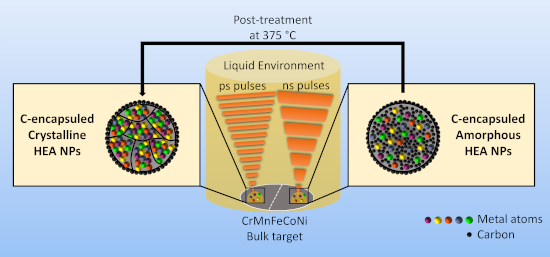
- approach for the synthesis of colloidal HEA NPs is magnetron sputtering, though special requirements such as vacuum stable solvents (e.g., ionic liquids) limit its widespread use [32] and scalability is limited. Colloidal NP products have several advantages. For instance, in the fabrication of
- alloy nanoparticles is a prerequisite for further development of nanomaterial fabrication methods for applications in heterogeneous catalysis and magnetism. This suitability has been shown in earlier studies for high-entropy alloy nanoparticles, including laser-generated HEA NPs, in the application


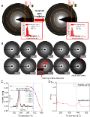


Fabrication of metal complex phthalocyanine and porphyrin nanoparticle aqueous colloids by pulsed laser fragmentation in liquid and their potential application to a photosensitizer for photodynamic therapy
Beilstein J. Nanotechnol. 2025, 16, 1088–1096, doi:10.3762/bjnano.16.80
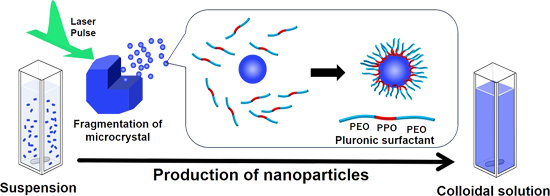
- the activity of the target substance in general. An alternative and promising method for dispersing hydrophobic organic compounds as colloids is pulsed laser fragmentation in liquids (PLFL) [9][10]. This relatively new fabrication method has advantages because a microcrystalline sample powder
- application as photosensitizers for PDT. We have already reported the nanoparticle fabrication of some MPcs by PLAL using deionized water [13][14][15]. The nanoparticles dispersed well in pure water, but precipitated in a buffer solution and a cell culture medium after one day. In this study, therefore, an
- degradation may occur during nanoparticle fabrication via PLAL. To investigate molecular degradation, the prepared nanoparticles were dissolved in organic solvents and their visible to NIR absorption spectra were measured. The spectra agreed well with those of the raw material compounds, confirming that at


Single-layer graphene oxide film grown on α-Al2O3(0001) for use as an adsorbent
Beilstein J. Nanotechnol. 2025, 16, 1082–1087, doi:10.3762/bjnano.16.79
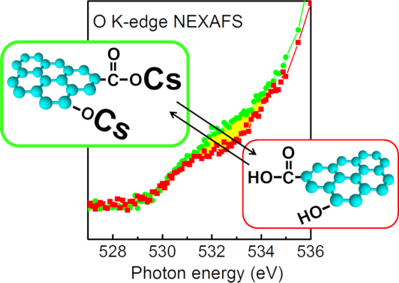
- ions from aqueous solutions. In order to realize its application use, it is necessary to form large-area GO films with well-controlled thickness. However, the conventional methods for the fabrication of such tailored GO films present considerable challenges. Conventionally, GO films are obtained by a


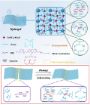
Soft materials nanoarchitectonics: liquid crystals, polymers, gels, biomaterials, and others
Beilstein J. Nanotechnol. 2025, 16, 1025–1067, doi:10.3762/bjnano.16.77
- evaluate the physical properties of these nanostructures and nanospaces [110][111][112][113][114]. Concurrently, significant developments in the fabrication of functional materials and devices through microfabrication and nanofabrication have also contributed to technological innovation [115][116][117][118
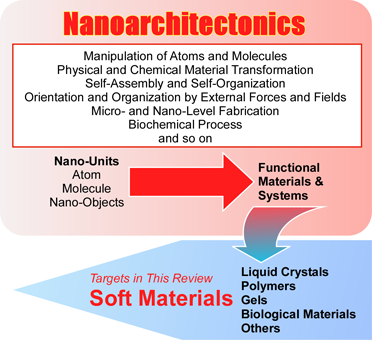
- fabrication, and biochemical processes. The nanoarchitectonics method is particularly suited to the creation of asymmetric and hierarchical structures [130] due to the wide variety of processes that can be employed. In principle, all materials are composed of atoms and molecules, and thus, this methodology
- packed nanowire domain as the surface pressure increased. Ultimately, this transition culminated in the formation of fragmented wire segments that diffused locally on the film. These findings may offer insights into the fabrication of controllable nanoarchitectures of bipolar discotic liquid crystal






Time-resolved probing of laser-induced nanostructuring processes in liquids
Beilstein J. Nanotechnol. 2025, 16, 968–1002, doi:10.3762/bjnano.16.74
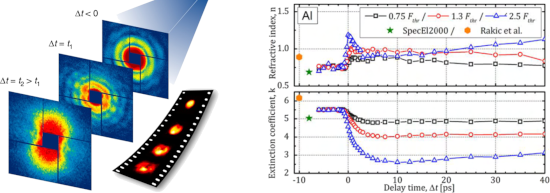
- many fields, such as heterogeneous catalysis [2][3], (bio)photonics [4], and coating or device fabrication [5]. In a bottom-up approach the products of the laser-based synthesis are not defined by direct spatial control, but by harnessing the energetic and structural relaxation pathways of fundamental


Shape, membrane morphology, and morphodynamic response of metabolically active human mitochondria revealed by scanning ion conductance microscopy
Beilstein J. Nanotechnol. 2025, 16, 951–967, doi:10.3762/bjnano.16.73
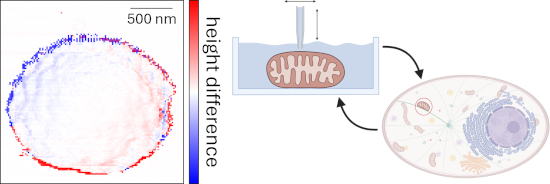
- , depending on the pulling parameters. Detailed information about the pipette fabrication can be found in Supporting Information File 1, Section S8. The key feature of the hopping mode is the hopping frequency, which defines the measurement speed by indicating a number of pixels scanned per second. The




Synthesis of biowaste-derived carbon-dot-mediated silver nanoparticles and the evaluation of electrochemical properties for supercapacitor electrodes
Beilstein J. Nanotechnol. 2025, 16, 933–943, doi:10.3762/bjnano.16.71
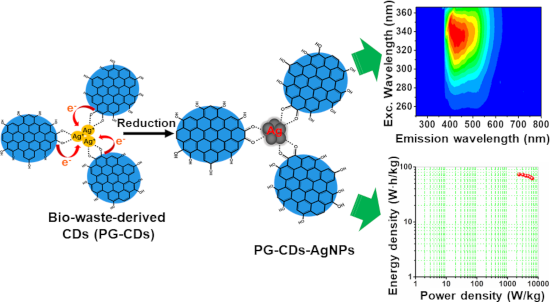
- Information Supporting Information File 2: Experimental procedures including materials details and characterizations; Schematic representation; BET isotherm and pore size distribution plot; SEM, EDX, and elemental mapping of PG-CDs-AgNPs; ASC device fabrication method; Table for the comparison of cyclic


Characterization of ion track-etched conical nanopores in thermal and PECVD SiO2 using small angle X-ray scattering
Beilstein J. Nanotechnol. 2025, 16, 899–909, doi:10.3762/bjnano.16.68
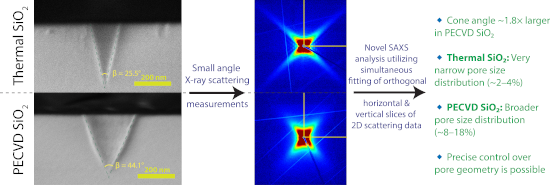
- , and nanofluidic applications. The characterization of the pore morphology and size distribution, along with its dependence on the material properties and fabrication parameters, is crucial to designing nanopore systems for specific applications. Here, we present a comprehensive study of track-etched
- –4%, while PECVD SiO2 shows a higher variation ranging from 8% to 18%. The impact of different ion energies on the size of the nanopores was also investigated for pores in PECVD SiO2 and shows only negligible influence. These findings provide crucial insights for the controlled fabrication of conical
- the undamaged material, which can be exploited for the fabrication of nanopores with narrow size distribution [13][29][40]. The geometry of the resulting nanopores is determined by several factors, including the substrate material, the type and concentration of the etchant, the density of the material


Heat-induced transformation of nickel-coated polycrystalline diamond film studied in situ by XPS and NEXAFS
Beilstein J. Nanotechnol. 2025, 16, 887–898, doi:10.3762/bjnano.16.67
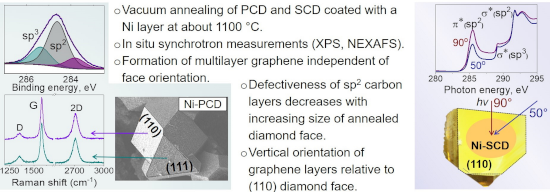
- coating of diamond surface with a metal catalyst has been explored to reduce the temperatures required for the initiation of the graphitization process. Nickel [17][18][19][20][21][22][23][24], iron [25][26][27][28], copper [29][30], gallium [31], and molybdenum [32] allow the fabrication of graphene-on
- the Russian Science Foundation Grant number 22–72–10097. The HPHT growth of diamond single crystals and fabrication of the oriented crystal substrates were carried out as part of the state assignment of the IGM SB RAS (project No. 122041400159-3).


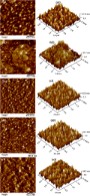
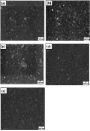
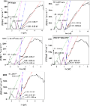
Ar+ implantation-induced tailoring of RF-sputtered ZnO films: structural, morphological, and optical properties
Beilstein J. Nanotechnol. 2025, 16, 872–886, doi:10.3762/bjnano.16.66
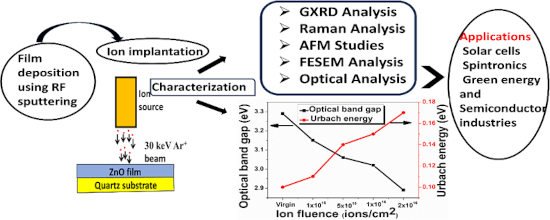
- promising material for device fabrication in different fields, namely, spintronics, nanoelectronics, and photonics [1][2]. It possesses a wide bandgap of 3.37 eV [3] and has a large exciton binding energy of about 60 meV [4], which assures the stability of ZnO film-based devices such as liquid crystal






Facile one-step radio frequency magnetron sputtering of Ni/NiO on stainless steel for an efficient electrode for hydrogen evolution reaction
Beilstein J. Nanotechnol. 2025, 16, 837–846, doi:10.3762/bjnano.16.63
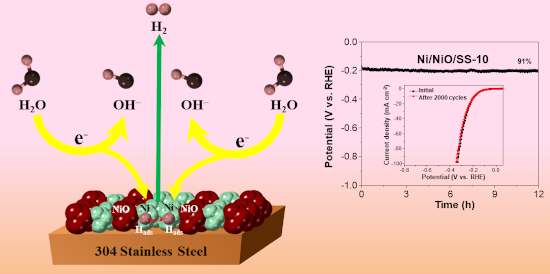
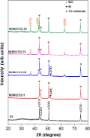
- and metal oxide phases, offering a potential for HER. These outcomes indicated the successful Ni/NiO thin film fabrication on SS substrates. The uniformity of the electrocatalyst material is a vital factor that has a direct effect on electrode performance. Scanning electron microscopy (SEM) was
- NiO phases, metallic Ni, and high conductivity of SS, which is advantageous for the Volmer step in alkaline solution, the combination of adsorbed H atoms, and electron transport in the catalytic process. These conclusions guide the fabrication of binder-free, robust, affordable electrocatalysts using
- with a thickness of 1 mm was used as a substrate for catalyst growth. Fabrication of the Ni/NiO/SS samples Grade 304 SS was cut into pieces of 60 mm × 25 mm, washed with soap, and then sonicated in a mixture of acetone and ethanol to remove the impurities left on the SS template. After that, thin films


Morphology and properties of pyrite nanoparticles obtained by pulsed laser ablation in liquid and thin films for photodetection
Beilstein J. Nanotechnol. 2025, 16, 785–805, doi:10.3762/bjnano.16.60
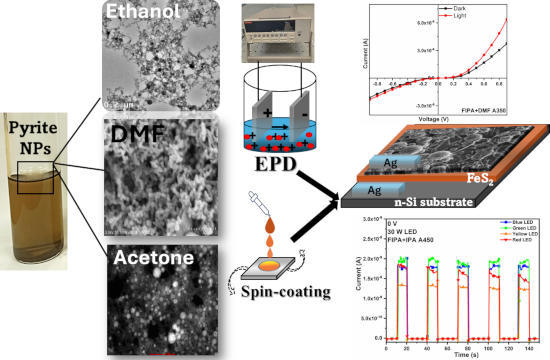
- detectivity in the order of 106–108 Jones is attained. The FeS2/n-Si photodetector works in self-powered mode also in addition to the photoconductive mode. The results show the effective fabrication of nanostructured ultraviolet–visible–near infrared thin film photodetectors using semiconductor nanocolloids
- performance by first fabricating amorphous iron oxide films on normal glass substrates by spray pyrolysis followed by heating in sulfur atmosphere at 350 and 400 °C [20]. For pyrite film fabrication, solvothermal or hydrothermal and chemical synthetic routes are generally adopted [21][22][23]. Henríquez et al
- ]. In this work, surfactant-free pyrite nanoparticles are synthesized by employing laser ablation in liquid, with a minor phase of FeS, which originated from the ablation target. Upon film fabrication using laser-processed nanocolloids, pure FeS2 phase is obtained by a sulfurization process. Since PLAL




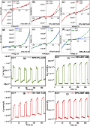


Synthesis of a multicomponent cellulose-based adsorbent for tetracycline removal from aquaculture water
Beilstein J. Nanotechnol. 2025, 16, 728–739, doi:10.3762/bjnano.16.56
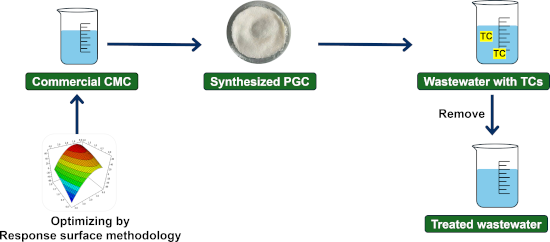
- their mechanical strength and hydrophobicity. Recent studies have revealed that inorganic salt mixtures, such as zinc chloride and calcium chloride, effectively dissolve cellulose, facilitating the fabrication of cellulose membranes for gas separation and organic pollutant removal [38][39]. Specifically


Efficiency of single-pulse laser fragmentation of organic nutraceutical dispersions in a circular jet flow-through reactor
Beilstein J. Nanotechnol. 2025, 16, 711–727, doi:10.3762/bjnano.16.55
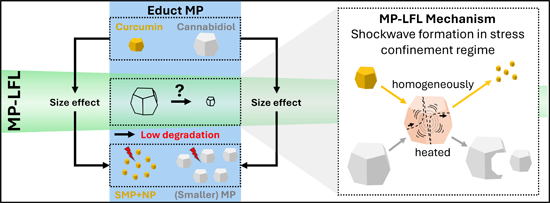
- few decades, as this relatively new fabrication method can be used to produce stable, additive-free colloids of different material classes under high-purity conditions, which are suitable for a wide range of technical applications [1][2][3][4][5]. Pulsed laser ablation (LAL), laser fragmentation (LFL


High-temperature epitaxial growth of tantalum nitride thin films on MgO: structural evolution and potential for SQUID applications
Beilstein J. Nanotechnol. 2025, 16, 690–699, doi:10.3762/bjnano.16.53
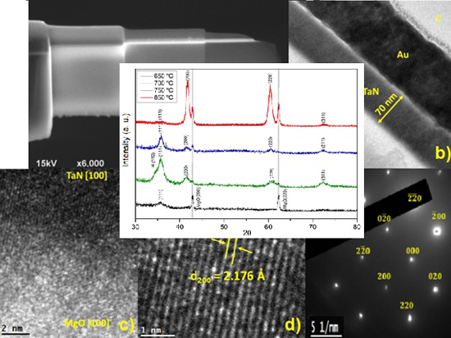
- significant progress, a major challenge remains in discovering materials that exhibit superconductivity at higher, more practical temperatures. The efficient fabrication of materials with a low superconducting energy gap and an intermediate Tc is crucial for the development and enhancement of superconducting


The impact of tris(pentafluorophenyl)borane hole transport layer doping on interfacial charge extraction and recombination
Beilstein J. Nanotechnol. 2025, 16, 678–689, doi:10.3762/bjnano.16.52
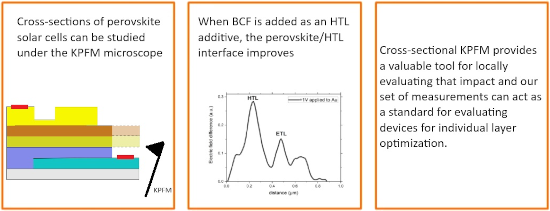
- ; hole transport layer doping; Kelvin probe force microscopy; perovskite solar cells; Introduction Perovskite solar cells (PSCs) are a promising class of photovoltaic material that exhibits high power conversion efficiencies and relies on a low-cost solution-processed fabrication method [1][2][3][4]. At
- passivation, post-fabrication treatment, and choice of optimal materials [21][22][23], leaving research on HTL optimization vastly overlooked. In regular n-i-p architecture devices mostly two organic semiconductors have been used as HTL in the past: spiro-OMeTAD and poly[bis(4-phenyl)(2,4,6-trimethylphenyl
- illumination. Our results indicate that the inclusion of BCF has a passivating effect on iodide defects within the devices. Particularly, a major improvement on the diode character of the HTL/perovskite interface was observed, in both spiro-OMeTAD and PTAA cells. The details of device fabrication, ion milling


Focused ion and electron beams for synthesis and characterization of nanomaterials
Beilstein J. Nanotechnol. 2025, 16, 613–616, doi:10.3762/bjnano.16.47

- is challenging to discuss the fabrication of small devices without acknowledging Richard Feynman, the pioneer of nanotechnology, and his iconic lecture, "There’s Plenty of Room at the Bottom" [1], delivered at the annual meeting of the American Physical Society at Caltech in 1959. The central theme
- focused electron beam-induced etching (FEBIE), can effectively control edge profiles, supported by continuum modeling [12]. Additionally, using alternative precursors such as Pt(CO)2Cl2 and Pt(CO)2Br2 with low-energy ion irradiation enables the fabrication of high-purity Pt deposits. This process involves
- intelligence and automation, the potential for real-time process control and modeling-informed precision fabrication is immense. Rapid data analysis and automated software development could pave the way for a bottom-up approach, akin to how nature constructs complex biological systems. On behalf of all editors

Polyurethane/silk fibroin-based electrospun membranes for wound healing and skin substitute applications
Beilstein J. Nanotechnol. 2025, 16, 591–612, doi:10.3762/bjnano.16.46
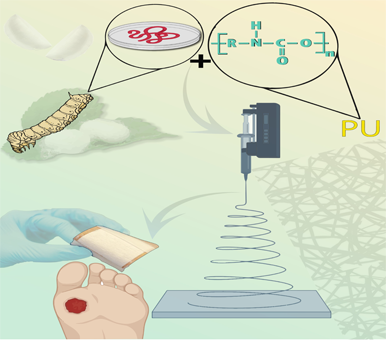
- . Although electrospun SF nanofibers are highly biocompatible, their tiny pore size inhibits cell penetration. To solve this, sodium chloride crystals of various sizes were incorporated into the nanofibers during fabrication, resulting in increased pore size. The wound healing properties of the 3D SF
- inflammation and fibrotic scar formation. These results were due to the presence of CD90-positive cells in the treated wounds, which helped to produce well-vascularized granulation tissue and improved tissue regeneration compared to single treatments [91]. The structure, fabrication, processing, and
- growth [175]. Zhou et al. focused on the fabrication of a novel composite membrane suitable for photothermal cancer therapy based on black phosphorus (BP) nanosheets because of their high biocompatibility and photothermal efficacy. SF was used as an exfoliating agent in stable liquid exfoliation with




Functionalized gold nanoflowers on carbon screen-printed electrodes: an electrochemical platform for biosensing hemagglutinin protein of influenza A H1N1 virus
Beilstein J. Nanotechnol. 2025, 16, 540–550, doi:10.3762/bjnano.16.42
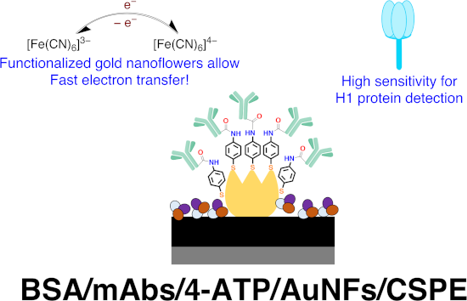
- forms. Electrochemical characterization Although CSPEs have advantageous features such as low cost and wide availability, they tend to possess a characteristic high electrical resistance due to the use of inks containing organic molecules and polymeric binders during the fabrication process [32]. This


Electron beam-based direct writing of nanostructures using a palladium β-ketoesterate complex
Beilstein J. Nanotechnol. 2025, 16, 530–539, doi:10.3762/bjnano.16.41
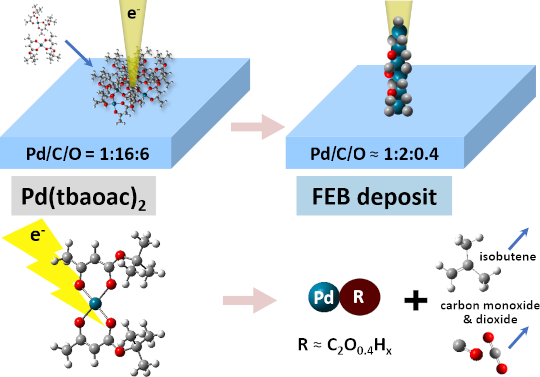
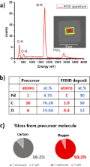
- promising precursor for nanoprinting 3D structures with finely focused electron beams. Keywords: 3D nanoprinting; electron-induced molecule dissociation; focused electron beam-induced deposition; metal nanostructures; metalorganic complexes; Introduction Direct fabrication of nanostructures without the
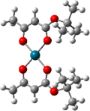
- of further studies of dissociation and desorption mechanisms involved in the removal of the carbon- and oxygen-rich ketoesterate ligands. The nanopillar formed from this precursor demonstrates its potential for 3D nanostructure fabrication using FEBID. The structure of bis(tert-butylacetoacetate


Synthetic-polymer-assisted antisense oligonucleotide delivery: targeted approaches for precision disease treatment
Beilstein J. Nanotechnol. 2025, 16, 435–463, doi:10.3762/bjnano.16.34


Quantification of lead through rod-shaped silver-doped zinc oxide nanoparticles using an electrochemical approach
Beilstein J. Nanotechnol. 2025, 16, 422–434, doi:10.3762/bjnano.16.33
- chemical substances [7][8]. Target detection in real time is a strong suit for electrochemical devices. Electron mediators are typically used to modify the working electrodes in electrochemical sensor fabrication. These days, due to their unique electrical and optical characteristics, nanomaterials are
- ions such as lead. The reason for this is that the addition of silver decreases the holes and electron recombination rate, resulting in an expansion of the surface area. Subsequently, they were effectively employed as an electron mediator in the fabrication of highly sensitive lead sensors. The fact
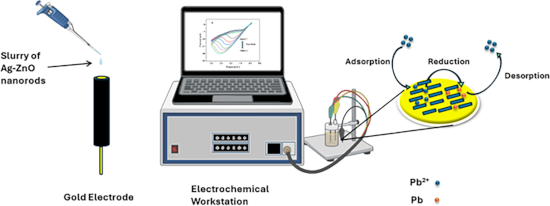
- vibrations, rotational energy, electronic energy levels, and scattering characteristics of Ag–ZnO nanorods. The Malvern Nano-ZS90 was utilized to determine the zeta potential of synthesized nanorods. Fabrication of the lead sensor / (Ag@ZnO nanorods/gold electrode) The obtained Ag@ZnO NRs served as an