


Search results
Search for "fibers" in Full Text gives 199 result(s) in Beilstein Journal of Nanotechnology.
Studies of probe tip materials by atomic force microscopy: a review
Beilstein J. Nanotechnol. 2022, 13, 1256–1267, doi:10.3762/bjnano.13.104
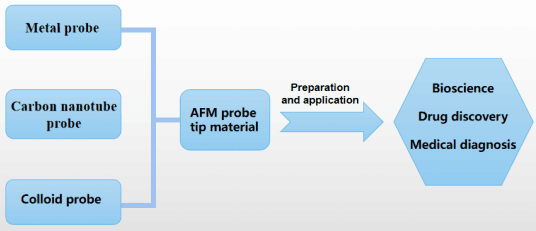
- stabilize carbon nanotube fibers. Slattery et al. [41] prepared carbon nanotube probes by solvent evaporation or dielectrophoresis, the first time a solvent evaporation method was used. From the 13 probes produced using these methods, the CNT-modified nanomaterials showed very high aspect ratios and good
- alignment. Due to the poor stability of the carbon nanotube fibers, many probes were initially not possible for AFM imaging with the prepared carbon nanotube probes modified. However, Slattery et al. developed a method to straighten, shorten, and strengthen carbon nanotube fibers for thorough AFM imaging
- interaction forces between colloidal particles, and the introduction of templates requires precise operating conditions, leading to higher preparation costs, so it is necessary to find a template-free method to prepare regular large-size colloidal fibers. Xie et al. [57] reported a convenient and
Application of nanoarchitectonics in moist-electric generation
Beilstein J. Nanotechnol. 2022, 13, 1185–1200, doi:10.3762/bjnano.13.99
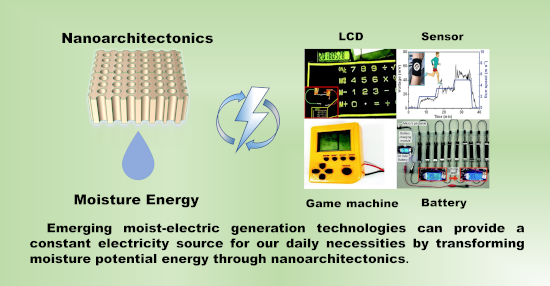
- available in MEGs, such as polymers, proteins, and natural fibers, poly(4-vinylphenol) (PVP) [75], polyvinyl alcohol (PVA) [76][77], fluorinated ethylene propylene (FEP) [21], and polyvinylidene difluoride (PVDF). These materials show good performance in the application of hydropower conversion. In addition
- , normal breaths, and deep breaths. The sweat detector delivers voltage signals a function of the amount of sweat when the human body is exercising (Figure 10g). A novel and promising application of MEGs has also been demonstrated recently, namely, the use of MEG materials to prepare textile fibers [76][77
- ) Image of laser-processed asymmetric graphene fibers. Figure 5c was reprinted from [62]. This article was published in Nano Energy, vol. 32, by Y. Liang; F. Zhao; Z. Cheng; Q. Zhou; H. Shao; L. Jiang; L. Qu, “Self-powered wearable graphene fiber for information expression“, pages 329–335, Copyright


Microneedle-based ocular drug delivery systems – recent advances and challenges
Beilstein J. Nanotechnol. 2022, 13, 1167–1184, doi:10.3762/bjnano.13.98
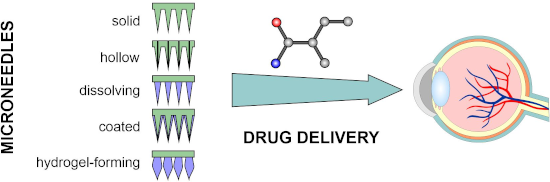
- sclera, a membrane composed of randomly scattered collagen fibers, ranges from 0.5 to 1 mm, depending on the region of occurrence [41]. While the sclera is another barrier preventing drug permeation, the choroid is responsible for drug elimination. The blood–retinal barrier is connected to the retinal


Recent advances in green carbon dots (2015–2022): synthesis, metal ion sensing, and biological applications
Beilstein J. Nanotechnol. 2022, 13, 1068–1107, doi:10.3762/bjnano.13.93
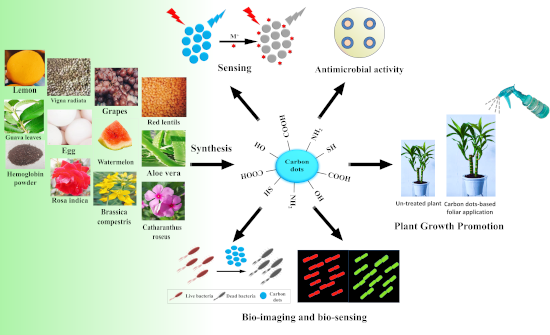
- core, whereas, green fluorescence may correspond to n–π* transitions of the edge states [48][49]. The “top-down” approach involves breaking down bulky carbonaceous materials, such as carbon fibers, carbohydrates, proteins, and carbon soot, through chemical or physical methods. The carbon containing




Recent advances in nanoarchitectures of monocrystalline coordination polymers through confined assembly
Beilstein J. Nanotechnol. 2022, 13, 763–777, doi:10.3762/bjnano.13.67
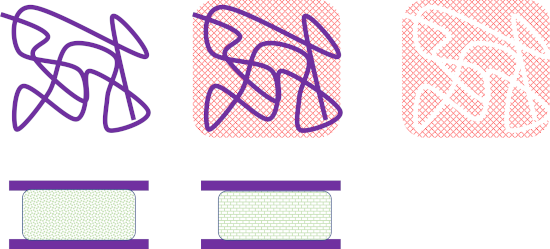
- –liquid or air–liquid interfaces. After evaporation of the solvent, the monocrystalline coordination polymers were packed by the condensed polymer, forming free-standing films. The coordination polymers could also be grown on 1D polyimide fibers first [140]. Then, the 1D fibers could self-assemble into




Effect of sample treatment on the elastic modulus of locust cuticle obtained by nanoindentation
Beilstein J. Nanotechnol. 2022, 13, 404–410, doi:10.3762/bjnano.13.33
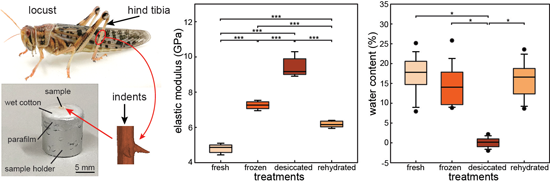
- changes in the interaction of water molecules with the chitin of the cuticle after rehydration. Insect cuticle is a biological composite with a protein matrix and embedded chitin fibers [17]. It is the only biological composite that has been modelled successfully using the modified Voigt estimate of the
- composite elastic modulus [15]. According to the Voigt model, the effective elastic modulus parallel to the fibers in a unidirectional fiber composite, such as locust hind tibial cuticle [11], can be estimated by [15] where Ef and Vf are, respectively, elastic modulus and volume fraction of the fibers, and
- rehydrated states. The elastic modulus of fibers, however, is affected by the density of effective hydrogen bonds (H-bonds) [18]. Addition or removal of water can presumably disrupt these structural H-bonds and, therefore, affect the elastic modulus of cuticle [15]. This effect, based on the results of our



Micro- and nanotechnology in biomedical engineering for cartilage tissue regeneration in osteoarthritis
Beilstein J. Nanotechnol. 2022, 13, 363–389, doi:10.3762/bjnano.13.31
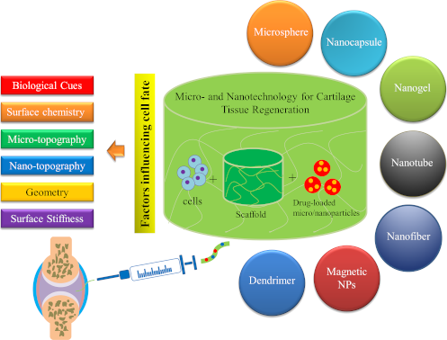
- responsible for the synthesis and maintenance of hyaline cartilage matrix [8]. Chondrocytes are embedded in a dense ECM composed mainly of water, glycosaminoglycans (GAGs), and collagen fibers. Collagen comprises 60–85% of adult articular cartilage and has a fibrous structure, which extensively contributes to
- gathering and aggregating proteoglycans due to the high affinity of aggrecan for it [10] (Figure 2). Hence, articular cartilage is a negatively charged complex of collagen fibers and HA conjugated proteoglycans highly organized into a stratified structure, which can withstand mechanical stresses [6]. The
- concomitantly regulated by fiber mechanics and adhesivity such that softer fibers and lower RGD densities improved chondrogenesis (Figure 3). In addition to providing the building blocks for the construction of fibrous scaffolds, nanofibers can be used as promising reinforcing agents to enhance the mechanical


Effects of drug concentration and PLGA addition on the properties of electrospun ampicillin trihydrate-loaded PLA nanofibers
Beilstein J. Nanotechnol. 2022, 13, 245–254, doi:10.3762/bjnano.13.19
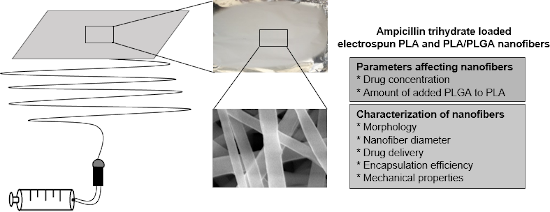
- to the greater distance required for the drug to diffuse and lower specific surface areas relative to fibers with a smaller diameter [16][25][26]. ii) The structure of PLGA is different than that of PLA. The type of polymer changes the release properties as it has a significant effect on the
- deformation behavior as fibers with a larger diameter tend to display bulk-like properties and have a compact arrangement and stable structure [8][32]. ii) An increase in diameter causes a decrease in porosity [8]. iii) PLGA has more enhanced mechanical properties that those of PLA [33]. In addition, Zhang et


Piezoelectric nanogenerator for bio-mechanical strain measurement
Beilstein J. Nanotechnol. 2022, 13, 192–200, doi:10.3762/bjnano.13.14
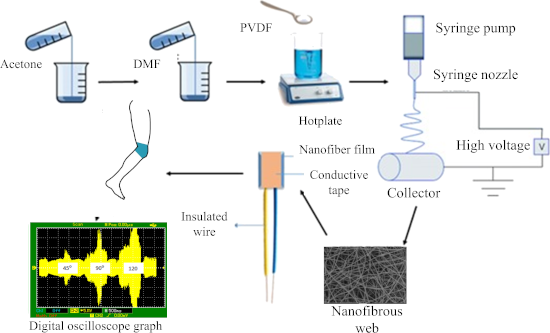
- fluoride (PVDF) and other piezoelectric polymers are used in the form of fibers, filaments, and composites. In this research, PVDF nanofibers were developed and integrated onto a knitted fabric to fabricate a piezoelectric device for human body angle monitoring. Scanning electron microscopy and X-ray
- diffraction analyses were used to study the morphology and to confirm the beta phase in fibers. The results reveal that the nanofibers made from solutions with high concentration were smooth and defect-free, compared to the fibers obtained from solutions with low concentration, and possess high crystallinity
- 2020. The integration of electronically active fibers or yarns in textile substrates is the basis of smart textiles [3]. Textile-based sensors and electrodes are composed of conductive fibers, threads, or fabrics [4]. Their use for physiological and medical examination has been rising rapidly in the


A comprehensive review on electrospun nanohybrid membranes for wastewater treatment
Beilstein J. Nanotechnol. 2022, 13, 137–159, doi:10.3762/bjnano.13.10
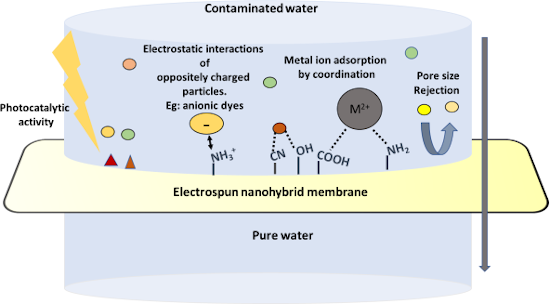
- , and phase inversion [1] to fabricate porous nanomembranes, electrospinning is a straightforward emerging technology that uses electrostatic forces to produce ultrathin fibers with diameters at the nanometer scale. In comparison to the membranes developed via other methodologies, electrospinning
- provides the manufacturers with membranes of nanometer-scale fibers with high surface area to volume ratio. Also, the low start-up cost, the applicability to a wide range of polymers, the ability to deposit fibers on desired substrates such as metal, glass, microfibrous mats and membranes, and the simple
- fibers with plenty of exciting properties. The distinctive, exciting properties such as a high surface area to volume ratio, high porosity, interconnected pores, narrow pore size distribution, excellent mechanical, electrical and chemical properties and the tunability of the properties by precise




Self-assembly of amino acids toward functional biomaterials
Beilstein J. Nanotechnol. 2021, 12, 1140–1150, doi:10.3762/bjnano.12.85
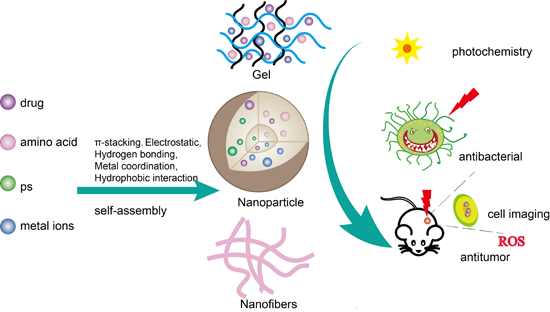
- phenylketonuria. Bera et al. [37] studied the effect of chiral on aromatic amino acid self-assembly. They found that the hybrid ᴅʟ system (racemate) alters the morphology and dynamics of the assemblies. For example, either ʟ-phenylalanine or ᴅ-phenylalanine can form amyloid fibers, but the ᴅʟ system shows a
- adhesive fibers. Therefore, a simple and robust bionic cyanobacteria model with excellent catalytic activity and sustainability was obtained. In addition, amino acids were co-assembled with phthalocyanines to improve their functionality. Han et al. [89] used histidine derivatives, 9

Revealing the formation mechanism and band gap tuning of Sb2S3 nanoparticles
Beilstein J. Nanotechnol. 2021, 12, 1021–1033, doi:10.3762/bjnano.12.76
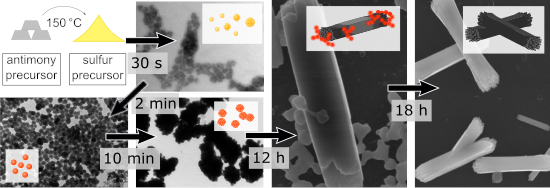
- crystal growth is a kinetically controlled process, mild reaction conditions lead to a delayed growth in the preferred direction, and the other crystal planes also grew. Hence, it is likely that integration of the dissolving amorphous particles would fuse the fibers of the crystalline ones. This behavior


Progress and innovation of nanostructured sulfur cathodes and metal-free anodes for room-temperature Na–S batteries
Beilstein J. Nanotechnol. 2021, 12, 995–1020, doi:10.3762/bjnano.12.75
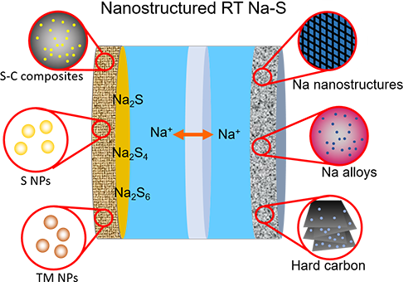
- . reported on the wet impregnation of carbon fiber cloth with sulfur dissolved in CS2 [56]. The process leads to sulfur deposition within the hollow lumen of the carbon fibers as well as on the external surface as thin film. A battery assembled with a metal Na anode had a capacity of 120 mAh·g−1 after 300
- , nanocarbon materials such as graphene and carbon aerogels, carbon microspheres, and mats, felts and papers based on carbon nanotubes and carbon fibers can also be efficiently soaked with Na and additionally provide bending and rolling flexibility, making them very attractive host materials [19][67][68][69
- bulk silicon during sodiation can be overcome by hybridation of nanosized Si with carbon fibers, after which Zhang et al. measured 200 mAh·g−1 after 2000 cycles [83]. The investigation into phosphorous as anode material for SiBs is motivated by the highest capacity value of P (2596 mAh·g−1), which is




Solution combustion synthesis of a nanometer-scale Co3O4 anode material for Li-ion batteries
Beilstein J. Nanotechnol. 2021, 12, 424–431, doi:10.3762/bjnano.12.34
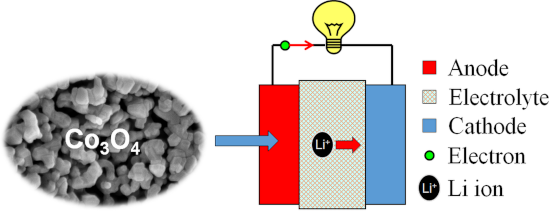
- ][37], and other methods [38][39][40][41]. Co3O4 nanomaterials with various shapes were obtained, such as films [6][16], particles [13][14][32][38], spheres [15][20][28][36], fibers [18][19], wires [21][30][40], tubes [22][32], cages [23][33], flakes [24], sheets [25][37][41], and flowers [31
- at 120 °C in vacuum overnight. Disks with a diameter of 1 cm were cut and served as working electrodes in a two-electrode coin cell (CR2032). Metallic lithium (Sigma-Aldrich) simultaneously acted as counter and reference electrodes. Glassy fibers (Celgard) were used as a separator and soaked with 1.0


The nanomorphology of cell surfaces of adhered osteoblasts
Beilstein J. Nanotechnol. 2021, 12, 242–256, doi:10.3762/bjnano.12.20
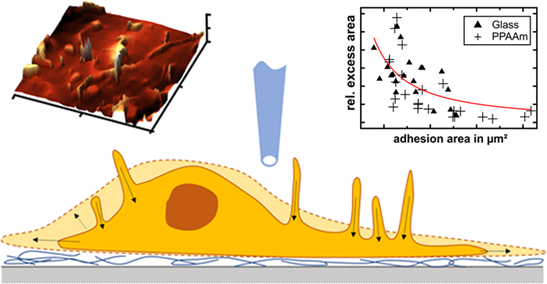
- . Dynamic remodeling of structures, which requires a continuous balance between assembly and disassembly, is well known for cytoskeletal fibers. To quantify the excess membrane of the cells, we fixed the cells already 3 h after adhesion. The reason is that most of the spreading happens in the early phase


A review on the biological effects of nanomaterials on silkworm (Bombyx mori)
Beilstein J. Nanotechnol. 2021, 12, 190–202, doi:10.3762/bjnano.12.15
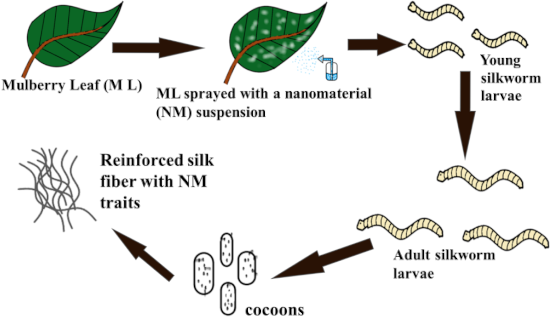
- BmNPVs. This decreased the virus pathogenicity and improved the survival rate of the affected silkworms. The effects of nanomaterials on the silk fibers of silkworms Silkworm silk is gaining popularity in the textile industry because of its shiny appearance and excellent mechanical properties [156][157
- coil/α-helix to β-sheet contributes to increased breaking elongation and toughness modules, which translates as excellent mechanical properties [161]. Studies focusing on the impacts of nanomaterials on silkworms and on their silk fibers have been published recently. Cai et al. [161] focused on
- producing intrinsically modified silk fibers via feeding silkworms with a TiO2 artificial diet at different concentrations (1, 2, 3, and 4%). It was reported that feeding silkworms with a 1% TiO2 artificial diet significantly improved the mechanical properties and ultraviolet resistance of the silk fiber


Imaging of SARS-CoV-2 infected Vero E6 cells by helium ion microscopy
Beilstein J. Nanotechnol. 2021, 12, 172–179, doi:10.3762/bjnano.12.13
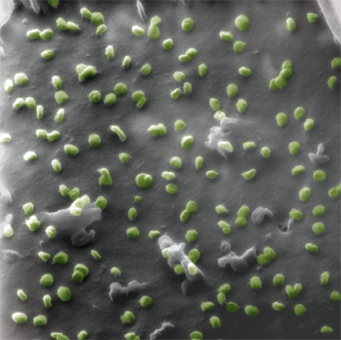
- field of cell biology for imaging various human and animal cells. These include cartilage [2], cancer [3], liver [4], kidney [5] and stem cells [6], as well as fibrin fibers [7]. To visualize viruses and their host organisms, HIM has so far been applied to image T4 phage-infected E. coli bacteria [8


Bulk chemical composition contrast from attractive forces in AFM force spectroscopy
Beilstein J. Nanotechnol. 2021, 12, 58–71, doi:10.3762/bjnano.12.5
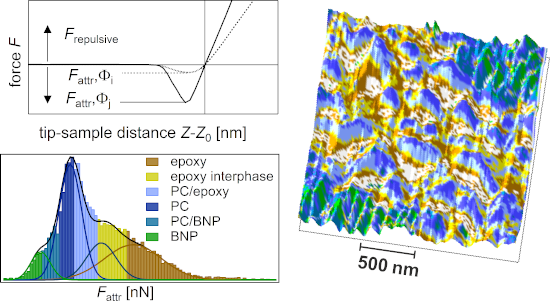
- , with a primary particle size of 20 nm, are dispersed and incorporated in electrospun fibers of PC with a diameter 1 µm < Ø < 10 µm (Supporting Information File 1, Figure S2). The electrospun fibers are subsequently embedded into epoxy. A detailed description of the sample preparation is found in the
- surface was modified with taurine (coverage of ≈16%) which was found to enable the subsequent electrospinning process. The nanoparticles were mixed in a solution of methylene chloride (CH2Cl2) and PC. The solution was electrospun to form fibers at 30 kV and at distance of 10 cm from the collector. The
- model sample, epoxy/PC, and an SEM micrograph of PC/BNP fibers (used in the epoxy/PC/BNP composite) is given. Supporting Information File 48: Bulk chemical composition contrast. Funding This work was funded by the German Research Foundation (DFG) in the framework of the research unit FOR2021: “Acting


Bio-imaging with the helium-ion microscope: A review
Beilstein J. Nanotechnol. 2021, 12, 1–23, doi:10.3762/bjnano.12.1


Piezoelectric sensor based on graphene-doped PVDF nanofibers for sign language translation
Beilstein J. Nanotechnol. 2020, 11, 1655–1662, doi:10.3762/bjnano.11.148
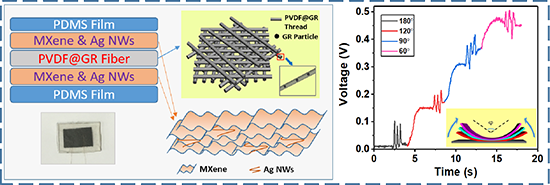
- concentrated in the bent part of the material, and the potential is generated on the opposite side of the device. Electrospinning is used to manufacture GR-doped PVDF fibers. The overall process is shown in Figure 2a. Firstly, GR is dispersed in dimethylformamide (DMF). After ultrasonic treatment, PVDF powder
- is added under stirring to yield the spinning solution for electrospinning. After preparation of the fibers, an aqueous solution of Ti3C2 MXene and Ag NWs is sprayed on both sides of the material and then dried. Finally, the nanowire membrane is covered on both sides with PDMS to obtain the
- fibers is shown in Figure 2e. As the concentration increases, the tensile strength of the material increases. The output of the self-powered PES was measured with a series of experiments. Figure 3a,b shows that when the pressure gradually increases, the generated piezoelectric voltage increases. The


Structure and electrochemical performance of electrospun-ordered porous carbon/graphene composite nanofibers
Beilstein J. Nanotechnol. 2020, 11, 1280–1290, doi:10.3762/bjnano.11.112
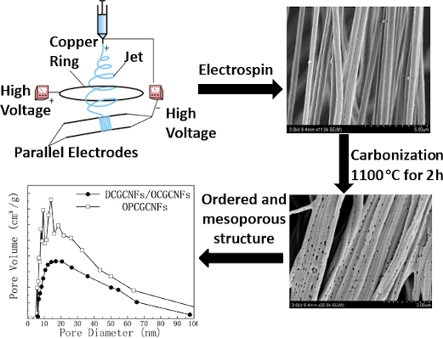
- configurations were used as a material to fabricate supercapacitor electrodes. These nanofibers were synthesized by applying a modified parallel electrode to the electrospinning method (MPEM) in order to generate electrospun polyacrylonitrile (PAN) nanofibers containing graphene. After synthesis, these fibers
- pores were formed not only at the surface of the CCGNFs but also inside these fibers. The pore formation not only increased the specific surface area of the CGCNFs but also had a significant influence on the ionic conduction in the electrolyte solution, thereby affecting the final electrochemical
- increase in the pore volume of the OPCGCNFs was mainly due to the increase in the number of channels in the fibers, leading to an increase in the ion transport rate. This shows that proper microporous/mesoporous structures can facilitate the transport and adsorption of ions in the electrode, which favors


Photothermally active nanoparticles as a promising tool for eliminating bacteria and biofilms
Beilstein J. Nanotechnol. 2020, 11, 1134–1146, doi:10.3762/bjnano.11.98
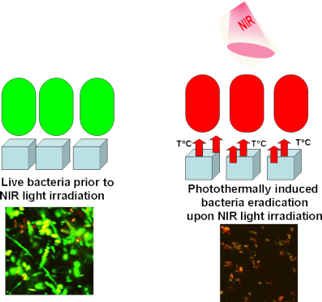
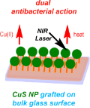
- that there was wound healing of the infected site, while untreated areas resulted in necrotic muscular fibers and bacterial infiltration. Applications of other types of nanoparticles for photothermally induced bacteria and biofilm ablation Besides the widely studied gold nanoparticles, other inorganic


Straightforward synthesis of gold nanoparticles by adding water to an engineered small dendrimer
Beilstein J. Nanotechnol. 2020, 11, 1110–1118, doi:10.3762/bjnano.11.95
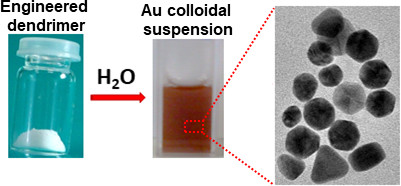
- fibers stabilized by amines (AuI, ca. 3.25 Å) [10], but slightly longer than in the case of gold particles in silica glass and gold foil (2.84 Å) [61] or in bulk gold (2.88427 Å) [10]. The dependence between the gold nanoparticle shape and the conditions in which they were generated is the subject of a


Microwave-induced electric discharges on metal particles for the synthesis of inorganic nanomaterials under solvent-free conditions
Beilstein J. Nanotechnol. 2020, 11, 1019–1025, doi:10.3762/bjnano.11.86
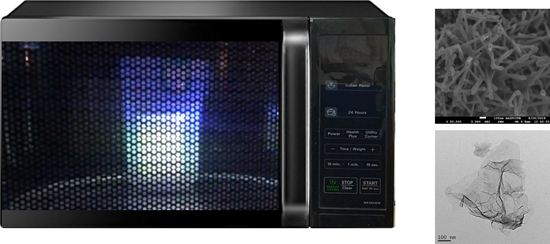
- fibers [20][21]. Thus, sulfur was introduced to the reaction mixtures to improve the yield of nanorods. The microwave treatment of activated Zn metal with g-C3N4 and sulfur in a Teflon container produced ZnF2 nanorods in high yield. The XRD patterns in Figure S5 in Supporting Information File 1 confirm


Wet-spinning of magneto-responsive helical chitosan microfibers
Beilstein J. Nanotechnol. 2020, 11, 991–999, doi:10.3762/bjnano.11.83
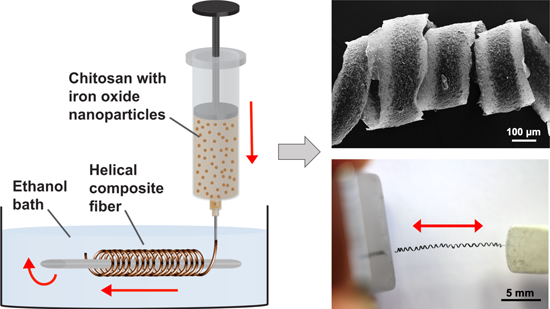
- to the macroscale. Due to their ability to store mechanical energy and to optimize the accessible surface area, helical shapes contribute particularly to motion-driven processes and structural reinforcement. Due to these special features, helical fibers have become highly attractive for
- biotechnological and tissue engineering applications. However, there are only a few methods available for the production of biocompatible helical microfibers. Given that, we present here a simple technique for the fabrication of helical chitosan microfibers with embedded magnetic nanoparticles. Composite fibers
- were prepared by wet-spinning and coagulation in an ethanol bath. Thereby, no toxic components were introduced into the wet-spun chitosan fibers. After drying, the helical fibers had a diameter of approximately 130 µm. Scanning electron microscopy analysis of wet-spun helices revealed that the magnetic





