Search results
Search for "fluorescence" in Full Text gives 466 result(s) in Beilstein Journal of Nanotechnology. Showing first 200.
Biomimetic nanocarriers: integrating natural functions for advanced therapeutic applications
Beilstein J. Nanotechnol. 2024, 15, 1619–1626, doi:10.3762/bjnano.15.127

- neuronal mitochondria, as evidenced by fluorescence intensities identified in brain homogenates, and reduced Aβ1 deposition, demonstrating the ability of the nanocomposite to cross the BBB [71]. Inorganic nanoparticles exhibit unique optical, magnetic, and chemical properties and stability. Gold


Natural nanofibers embedded in the seed mucilage envelope: composite hydrogels with specific adhesive and frictional properties
Beilstein J. Nanotechnol. 2024, 15, 1603–1618, doi:10.3762/bjnano.15.126
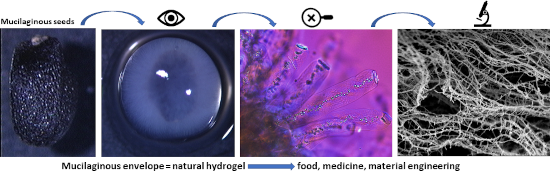
- . Delicate cellulose fibrils, stretching from the seed surface, are imbedded in the mass of pectins. (e) Lepidium sativum – polarisation microscopy image of cellulose fibrils demonstrating the presence of crystalline cellulose shining white. (f) Ocimum basilicum – fluorescence microscopy image of the


Electrochemical nanostructured CuBTC/FeBTC MOF composite sensor for enrofloxacin detection
Beilstein J. Nanotechnol. 2024, 15, 1522–1535, doi:10.3762/bjnano.15.120
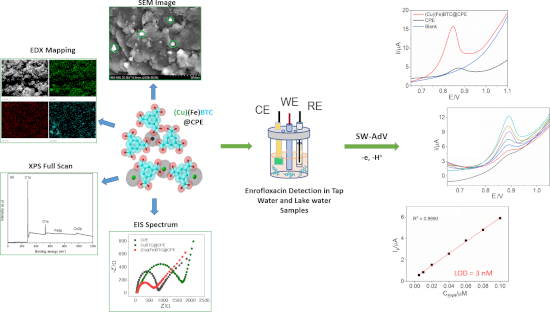
- developed to detect ENR, including microbiological methods, such as enzyme-linked immunosorbent assay (ELISA) [6], chromatography-mass spectrometry (LC-MS), chromatography (HPLC, UPLC), [3][7][8], flow immunochromatographic assays [9], and fluorescence measurements [10]. However, these methods have high





Green synthesis of carbon dot structures from Rheum Ribes and Schottky diode fabrication
Beilstein J. Nanotechnol. 2024, 15, 1369–1375, doi:10.3762/bjnano.15.110
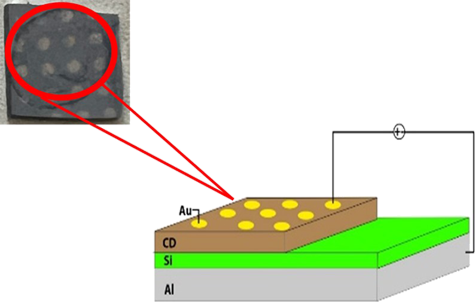
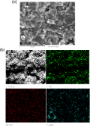
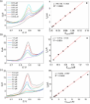
- steady-state fluorescence measurements. In the second part of the study, CDs were dripped onto silicon substrates, and a CDs thin film was formed by evaporation. A diode structure was obtained by evaporating gold with the shadow mask technique on the CDs film, and the current–voltage characteristics of
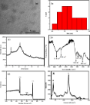
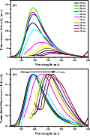
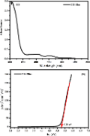
- this diode were examined. The synthesized CDs are spherical with an average size of 5.5 nm, have a negative surface charge and contain 73.3 atom % C, 24.0 atom % O, and 2.7 atom % N. The CDs exhibit fluorescence at approximately 394 nm. The layer thickness and bandgap energy of the prepared CDs film
- Cary Eclipse fluorescence spectrophotometer were used for transmission electron microscopy (TEM), zeta potential measurements, X-ray diffractometry (XRD), Fourier-transform infrared spectroscopy (FTIR), X-ray photoelectron spectroscopy (XPS), micro-Raman spectroscopy, PVD thermal evaporation, scanning




Nanoarchitectonics with cetrimonium bromide on metal nanoparticles for linker-free detection of toxic metal ions and catalytic degradation of 4-nitrophenol
Beilstein J. Nanotechnol. 2024, 15, 1312–1332, doi:10.3762/bjnano.15.106
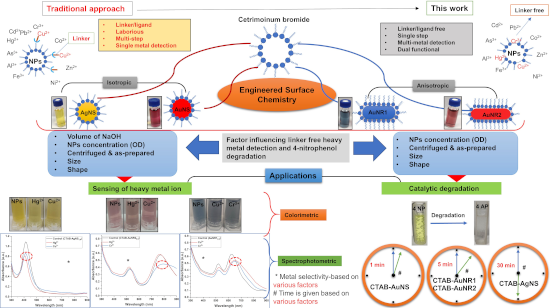
- spectroscopy, atomic emission spectroscopy, surface-enhanced Raman scattering, electrochemical, fluorescence, and colorimetric methods [18][19]. Catalytic hydrogenation is the preferred method for the conversion of 4-nitrophenol to 4-aminophenol, which is less toxic [20]. However, the conversion process is




Mn-doped ZnO nanopowders prepared by sol–gel and microwave-assisted sol–gel methods and their photocatalytic properties
Beilstein J. Nanotechnol. 2024, 15, 1283–1296, doi:10.3762/bjnano.15.104
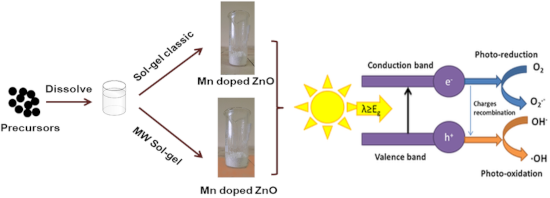
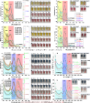
- value 1/2 for direct-bandgap semiconductors and 2 for indirect-bandgap semiconductors or amorphous compounds. Photoluminescence measurements (PL) were carried out using a Carry Eclipse fluorescence spectrometer from Agilent Technologies and the following parameters: scan rate of 120 nm·min−1, spectral
- after simulated solar irradiation of 0.001 g suspended catalyst leading to the formation of fluorescent umbelliferone. This was monitored with a Carry Eclipse fluorescence spectrometer, slits set to 10 nm in excitation and emission, λexc = 330 nm. O2‾ formation was measured by exposing the catalyst to


Functional morphology of cleaning devices in the damselfly Ischnura elegans (Odonata, Coenagrionidae)
Beilstein J. Nanotechnol. 2024, 15, 1260–1272, doi:10.3762/bjnano.15.102

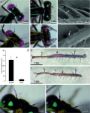
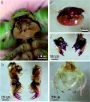
- slip (Carl Roth GmbH & Co. KG, Karlsruhe, Germany) for ca. 2 h, we visualized them with the CLSM (Zeiss LSM 700, Carl Zeiss Microscopy, Jena, Germany). The CLSM was equipped with four lasers (laser lines: 405, 488, 555, and 639 nm) to excite the sample fluorescence subsequently. Four emission filters
- transmitting 420–480, ≥490, ≥560, and ≥640 nm were used to visualize different fluorescence emissions of the cuticle components. We have visualized the dorsal and ventral cuticle from the foretibiae of males and females. Behavior To describe the grooming behavior, living individuals were observed and video


Dual-functionalized architecture enables stable and tumor cell-specific SiO2NPs in complex biological fluids
Beilstein J. Nanotechnol. 2024, 15, 1238–1252, doi:10.3762/bjnano.15.100
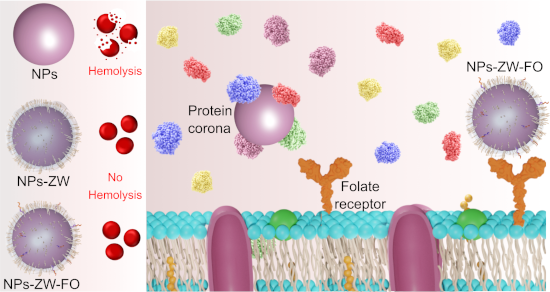
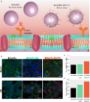
- SiO2NPs and SiO2NPs-ZW-FO (8.9 mg·mL–1) were added such that the amount of folate receptor was twice that of SiO2NPs-ZW-FO. The incubation was carried out for 3 h at room temperature, so the supernatant was collected and analyzed. The samples were measured using the fluorescence technique (Tecan Infinite
- immunoprecipitation test was performed to confirm the functionalization of SiO2NPs-ZW-FO and evaluate their recognition by the folate receptor by monitoring the fluorescence of the supernatant. Once the NPs are recognized by the receptor, the fluorescence signal of the supernatant is decreased, which was verified in
- greater intensity for the SiO2NPs-ZW-FO (Figure 1g). This reduction indicates that the functionalization process was successful and that folate remained active and could bind to the receptor. Based on the analytical curve (R2 = 0.9997 and sensitivity = 73800.9, arbitrary fluorescence units per mg·mL–1


Realizing active targeting in cancer nanomedicine with ultrasmall nanoparticles
Beilstein J. Nanotechnol. 2024, 15, 1208–1226, doi:10.3762/bjnano.15.98
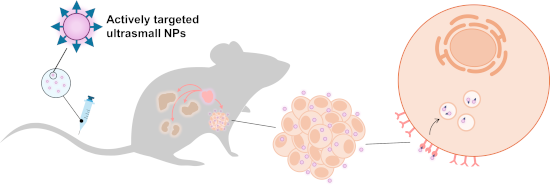
- -infrared (NIR) dye MPA. Tumor-bearing mice were employed to assess the tumor specificity of AuNC-MPA, AuNC-MPA-cRGD, and AuNC-MPA-cRGD-AS1411 using in vivo NIR fluorescence imaging. Both targeted AuNCs accumulated in the tumor, while the control AuNC-MPA showed negligible accumulation. However, the
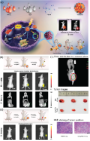
- histopathology featuring Cy5-fluorescence microscopy, HER2 immunohistochemical staining, and autoradiography images. This figure was adapted from [145] (© 2018 Feng Chen et al., published by Springer Nature, distributed under the terms of the Creative Commons Attribution 4.0 International License, https


Unveiling the potential of alginate-based nanomaterials in sensing technology and smart delivery applications
Beilstein J. Nanotechnol. 2024, 15, 1077–1104, doi:10.3762/bjnano.15.88
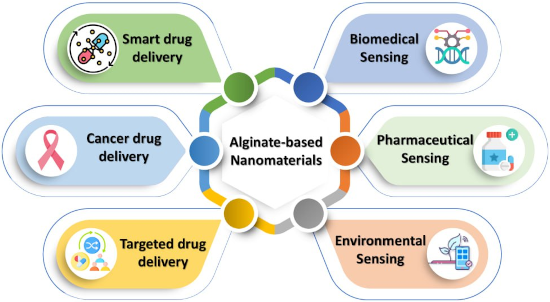
- . Among the eleven common metal cations tested, Hg2+ cations entirely extinguished the fluorescence, whereas Cu2+ cations caused a noticeable drop in fluorescence intensity (Figure 4). Another research studied alginate-based materials for water purification. Because cellulose/alginate’s molecular chain
- ’ ability to detect acetaldehyde, formaldehyde, glyoxal, and benzaldehyde was assessed. With the limits of detection (LOD) values ranging from 0.001 to 0.18 μM (0.106–10.44 ppb), all aldehyde fluorescence spectra showed impressive linear relationships in the range of 0.05–200 μM. With good recovery rates of
- sensor. Another fluorescence-based smart sensor from alginate nanofilms was prepared [122]. Scientists proved that relative humidity could be detected using a guar gum–sodium alginate (GGSA) nanocomposite film. The study found that the fluorescence of biocomposite films under UV light varies at various


Entry of nanoparticles into cells and tissues: status and challenges
Beilstein J. Nanotechnol. 2024, 15, 1017–1029, doi:10.3762/bjnano.15.83
- imaging (i.e., positron emission tomography (PET), single-photon emission computed tomography (SPECT), optical/fluorescence, magnetic resonance imaging (MRI), computed tomography (CT; using X-ray) and ultrasound imaging), and the spatial resolution, depth of imaging, sensitivity, and advantages
- /disadvantages of using various methodological approaches [81]. So far, most ADME studies with small animals have been performed using fluorescence; however, labelling with radioactive isotopes for PET or SPECT imaging is growing in popularity due to enhanced imaging depth and spatial resolution for whole-body
- imaging. It is often useful to apply a combination of different imaging modalities when performing ADME studies of NPs. It is important to be aware that most methods used to label NPs or EVs with a fluorescence molecule or a radioactive isotope will change their surface properties, and this should be


Therapeutic effect of F127-folate@PLGA/CHL/IR780 nanoparticles on folate receptor-expressing cancer cells
Beilstein J. Nanotechnol. 2024, 15, 954–964, doi:10.3762/bjnano.15.78
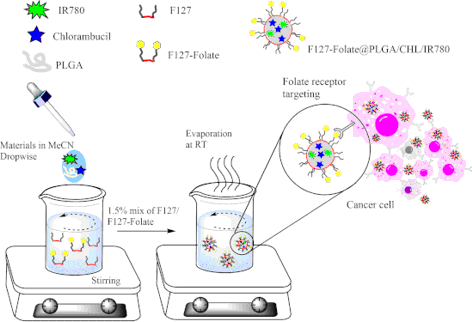
- the chemotherapy drug CHL. IR780 exhibits fluorescence in the infrared region, which is suitable for pre-clinical applications [12][13]. CHL in cancer treatment attaches to the DNA double strands and prevents them from splitting, disrupting the division and proliferation of cancer cells [12][13
- nanoparticles to follow the targeting of nanoparticles as well as using it as a photosensitizer [23][48][49][50][51][52]. First, IR780 has an excitation wavelength of 777–780 nm and an emission wavelength of 798–823 nm, which is suitable for obtaining noninvasive near-infrared fluorescence images for clinical
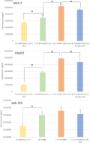
- enter cells that express folate receptors, such as breast cancer cell MCF-7 and liver cancer cell HepG2. Cells that express folate negatively, like HEK 293, showed the same level of Cou-6 fluorescence. The F127-folate@PLGA/CHL/IR780 nanoparticles are more toxic to cancer cells than the F127@PLGA/CHL



The effect of age on the attachment ability of stick insects (Phasmatodea)
Beilstein J. Nanotechnol. 2024, 15, 867–883, doi:10.3762/bjnano.15.72

- contrast were adjusted. 6 Widefield fluorescence microscopy (WFM) Autofluorescence signals of insect cuticle can be used to investigate the material composition of the arthropod exoskeleton [49]. To scan for differences in the fluorescence, a selection of tarsi across all age groups was examined using WFM
- investigation using fluorescence microscopy. Resilin-containing structures within the claws could potentially work as damping mechanisms to reduce wear and risk of damage [69]. Claws are presumed to be more resistant to wear than the soft and pliable adhesive pads [68][71]. Most claw breakages were observed at
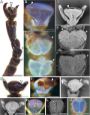
- represent areas of stiffened pad cuticle. Other ageing marks with derived autofluorescence revealed signs of persistent damage to the pad cuticle (Figure 7 and Figure 8). Such dark spots, observed using both fluorescence techniques, are likely scars resulting from repaired damage of the pad cuticle [17


Exploring surface charge dynamics: implications for AFM height measurements in 2D materials
Beilstein J. Nanotechnol. 2024, 15, 767–780, doi:10.3762/bjnano.15.64
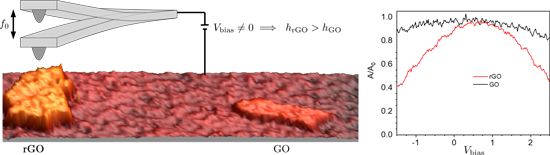
- addition, it can be integrated with classical optical spectroscopy methods such as Raman and fluorescence [20][28][29], enabling a multidimensional characterization approach. A well-recognized issue within the AFM community is the inaccurate height determination derived from topography images on


Green synthesis of biomass-derived carbon quantum dots for photocatalytic degradation of methylene blue
Beilstein J. Nanotechnol. 2024, 15, 755–766, doi:10.3762/bjnano.15.63
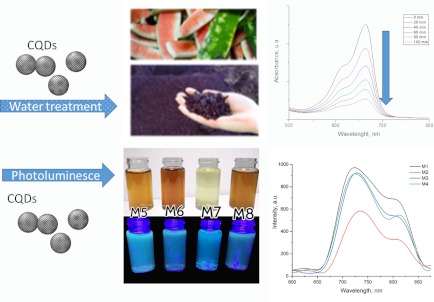
- Jobin Yvon Xplora Raman microscope using a 532 nm laser excitation as the power source. The photoluminescence spectra of the samples were obtained with an Agilent Cary Eclipse fluorescence spectrophotometer. It consists of two Czerny–Turner slits (excitation and emission) with a double monochromator and
- underlying origin and mechanisms governing the multi-fluorescence behavior of carbon dots has garnered significant interest in recent times. Diverse research groups have delved into the fluorescence characteristics of CQDs, presenting varied mechanistic explanations. These encompass phenomena such as
- fluorescence is intriguing and often associated with the presence of surface defects. Various researchers have highlighted the role of radiative recombination of electron–hole pairs and the influence of functional groups within the carbon network in driving the fluorescence phenomenon [24][30][31]. Furthermore


Simultaneous electrochemical determination of uric acid and hypoxanthine at a TiO2/graphene quantum dot-modified electrode
Beilstein J. Nanotechnol. 2024, 15, 719–732, doi:10.3762/bjnano.15.60
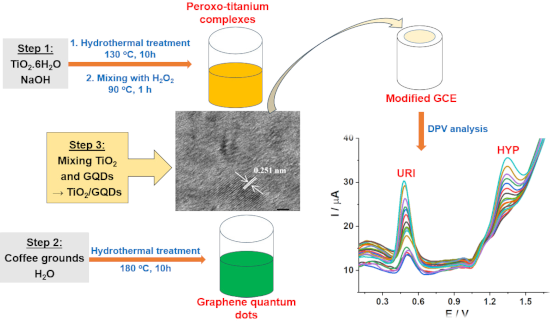
- µL of 500 µM URI and 20 µL of 500 µM HYT before dilution to 10 mL. Results and Discussion Characterization of materials The mixtures of GQDs and TiO2/GQDs suspensions were exposed to visible and UV light to confirm their fluorescence behavior. Under visible light, the aqueous suspension of GQDs is
- ), the GQDs displays green luminescence, while the TiO2/GQDs samples exhibit different levels of fluorescence. Figure 1c presents the emission spectra of GQDs and TiO2/GQDs. GQDs exhibits an emission maximum at 450 nm corresponding to the blue luminescence. The luminous intensity at an emission


Gold nanomakura: nanoarchitectonics and their photothermal response in association with carrageenan hydrogels
Beilstein J. Nanotechnol. 2024, 15, 678–693, doi:10.3762/bjnano.15.56

- -known noble metal materials whose resonance occurs in both visible and infrared range of the electromagnetic spectrum, rendering pertinence in various disciplines such as surface-enhanced Raman scattering (SERS), optical sensors, fluorescence (SPR) sensor chips, deoxyribonucleic acid (DNA) sensors






Comparative analysis of the ultrastructure and adhesive secretion pathways of different smooth attachment pads of the stick insect Medauroidea extradentata (Phasmatodea)
Beilstein J. Nanotechnol. 2024, 15, 612–630, doi:10.3762/bjnano.15.52
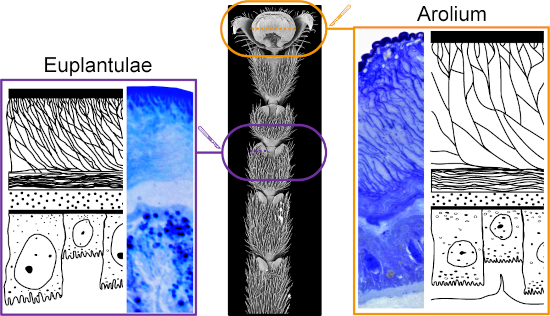
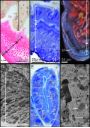
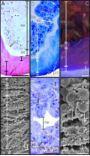
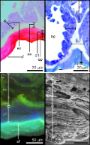
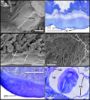
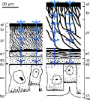
- fluorescence signal in CLSM (Figure 2D). However, they were not visible in the µCT cross sections (Figure 2A). The arolium exhibits a sclerotized cuticle (cu) on its dorsal side. The sclerotized cuticle is composed of two layers, the inner layer showing light blue staining by toluidine blue (Figure 2B) and a
- light red fluorescence signal in CLSM (Figure 2D), while the outer layer is stained dark blue by toluidine blue (Figure 2B) and shows a dark red fluorescence signal in CLSM (Figure 2D). Both layers show radiodensity in µCT (Figure 2A). Arolium ultrastructure The internally located ≈10 µm wide



Radiofrequency enhances drug release from responsive nanoflowers for hepatocellular carcinoma therapy
Beilstein J. Nanotechnol. 2024, 15, 569–579, doi:10.3762/bjnano.15.49
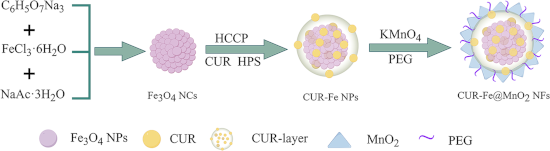
- @MnO2 NFs The CUR-Fe@MnO2 NFs uptake by Huh-7 cells was observed under a fluorescence microscope. Huh-7 cells were incubated with 50 µg/mL NFs for 24 h. Then, 4% paraformaldehyde was used to fix the Huh-7 cells for 15 min, followed by washing with PBS. Fixed cells were stained by the Prussian Blue kit
- medium supplemented with NFs (the group with NFs was heated for 20 min) and the cells were cultured for 4 h. The staining was performed with calcein-AM and ethidium homodimer 1 (EthD-1). Images of the stained cells were collected using a fluorescence microscope (OLYMPUS microscope, Tokyo, Japan) after


Cholesterol nanoarchaeosomes for alendronate targeted delivery as an anti-endothelial dysfunction agent
Beilstein J. Nanotechnol. 2024, 15, 517–534, doi:10.3762/bjnano.15.46
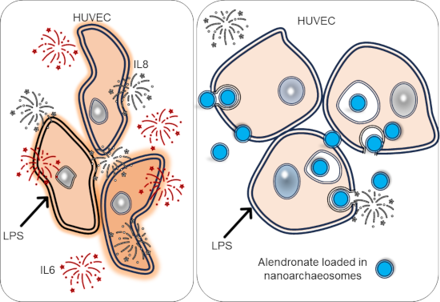
- nanovesicles, RhPE at 0.4 μg per mg of lipids was added to the mixture of lipids, and lipid films were hydrated with Tris buffer as stated above. RhPE was quantified by spectrofluorometry (λex = 561 nm and λem = 580 nm) with an LS55 fluorescence spectrometer (PerkinElmer Inc. MA, USA) upon complete disruption
- of 1 volume of nanovesicles in 10 volumes of methanol. The fluorescence intensity of the sample was compared with a standard curve prepared with RhPE in methanol. The standard curve was linear in the range of 0.075–0.5 μg/mL RhPE. Cells and culture conditions Human umbilical vein endothelial cells
- monocytes and trypsinized macrophages were washed once with 300 µL PBS, and a total of 1 × 10⁴ cells were analyzed by flow cytometry (BD FACSCalibur™; BD Biosciences, San Jose, CA, USA). The fluorescence was normalized to the RhPE/TL ratio of each formulation. Data were analyzed using Flowing Software 2.5.1





Photocatalytic degradation of methylene blue under visible light by cobalt ferrite nanoparticles/graphene quantum dots
Beilstein J. Nanotechnol. 2024, 15, 475–489, doi:10.3762/bjnano.15.43
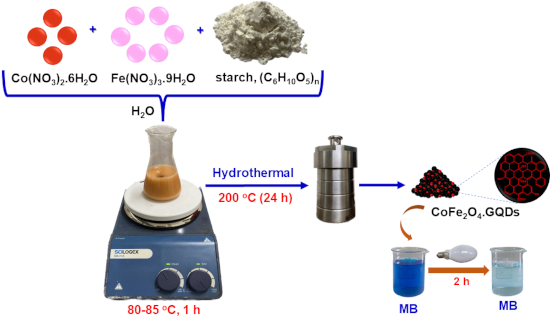
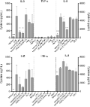
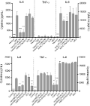
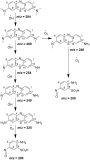
- /GQDs nanoparticles. Magnetic properties, morphology, structure, and fluorescence of the nanocomposites were studied, and the photocatalytic degradation of methylene blue as a dye model and the mechanism of methylene degradation were also addressed. Experimental Materials Cobalt(II) nitrate hexahydrate




Potential of a deep eutectic solvent in silver nanoparticle fabrication for antibiotic residue detection
Beilstein J. Nanotechnol. 2024, 15, 426–434, doi:10.3762/bjnano.15.38
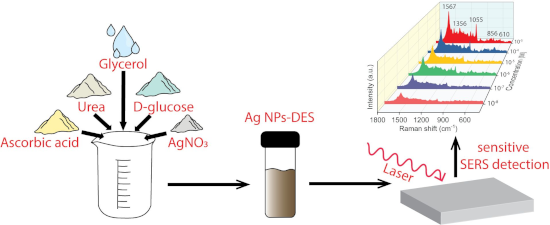
- scholars, the rod-like morphology is better than a spherical one at increasing the extinction coefficient, about 109 to 1011 M−1·cm−1 higher [43][44], which proves the applicability of Ag NPs-DES in SERS biosensors. Furthermore, X-ray fluorescence mapping was used to evaluate the presence of silver in the
- the nanostructure and surface morphology of the nanoparticles, as well as the elemental distribution of silver on the substrate, a S4800 field-emission scanning electron microscope purchased from Hitachi, Japan, and an M4 TORNADOPlus Micro X-ray fluorescence spectrometer with a Rh tube at 30 W micro


Classification and application of metal-based nanoantioxidants in medicine and healthcare
Beilstein J. Nanotechnol. 2024, 15, 396–415, doi:10.3762/bjnano.15.36
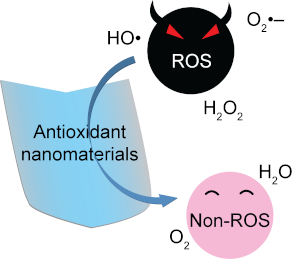
- radiotherapy efficacy. Also, using Au/AgNDs for fluorescence images could distinguish tumors from normal tissue, thus, assisting surgeons during tumor resection, which is a novel strategy and vision for the clinical diagnosis and treatment of cancer. Cardiovascular diseases Cardiovascular diseases (CVDs


Nanocarrier systems loaded with IR780, iron oxide nanoparticles and chlorambucil for cancer theragnostics
Beilstein J. Nanotechnol. 2024, 15, 180–189, doi:10.3762/bjnano.15.17
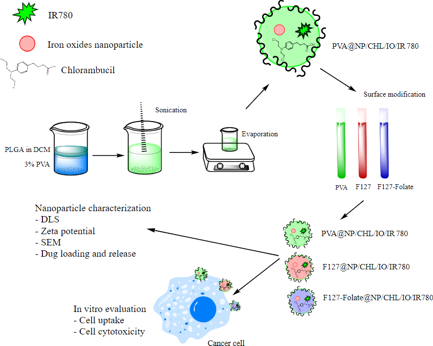
- formulations of the three nanoparticles were F127-folate@PLGA/IO/CHL/IR780 (F127-folate@NP), F127@PLGA/IO/CHL/IR780 (F127@NP), and PVA@PLGA/IO/CHL/IR780 (PVA@NP). Coumarin-6 (0.2 mg) was added to the organic phase to create F127-folate@NP/Cou-6, F127@NP/Cou-6, and PVA@NP/Cou-6 for the fluorescence assay in
- . Then, the signals were normalized to the signal of PVA@NP/Cou-6 for comparison. The fluorescence image of the NPs in the cells were displayed in Supporting Information File 1, Supplementary data 2 and Figure S2. Cytotoxicity effects of nanoparticles The cells were seeded onto 96-well plates at 5,000
- stronger fluorescence signals than cells treated with PVA@NP/Cou-6 (Figure 3). This was true for all four types of cells. In 3T3, HEK, and MCF-7 cells, the signal of F127-folate@NP/Cou-6 and F127@NP/Cou-6 was 1.4 times stronger than that of PVA@NP/Cou-6. However, in HepG2 cells, it was only 1.2 times


CdSe/ZnS quantum dots as a booster in the active layer of distributed ternary organic photovoltaics
Beilstein J. Nanotechnol. 2024, 15, 144–156, doi:10.3762/bjnano.15.14
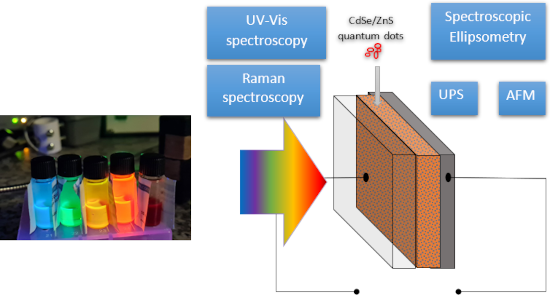
- nm for QD580, 596 nm for QD600, and 636 nm for QD640. The full width at half maximum values of the fluorescence peaks increase, and they are about 30–40 nm. The luminescence peak for QD640 is significantly wider at about 50 nm. Figure 4 shows the absorption and luminescence spectra of mixtures of
- refractive index, which decreases with the increasing fluorescence wavelength of the quantum dots studied. The paper by Dement et al. [45] also presents elipsometric studies, however in a narrower scope. Obtaining quantum dots was done by a different method. Nonetheless, they obtained absorption features not