Search results
Search for "heating" in Full Text gives 780 result(s) in Beilstein Journal of Nanotechnology. Showing first 200.
Morphology and properties of pyrite nanoparticles obtained by pulsed laser ablation in liquid and thin films for photodetection
Beilstein J. Nanotechnol. 2025, 16, 785–805, doi:10.3762/bjnano.16.60
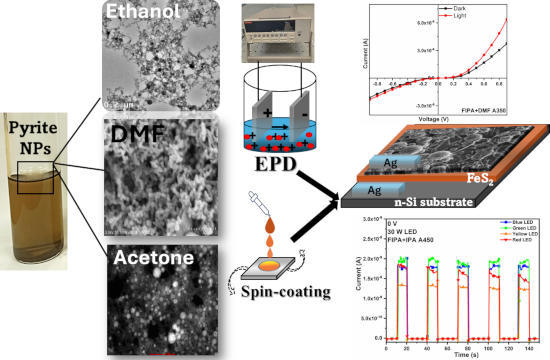
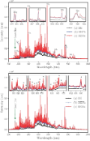
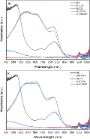
- performance by first fabricating amorphous iron oxide films on normal glass substrates by spray pyrolysis followed by heating in sulfur atmosphere at 350 and 400 °C [20]. For pyrite film fabrication, solvothermal or hydrothermal and chemical synthetic routes are generally adopted [21][22][23]. Henríquez et al






Efficiency of single-pulse laser fragmentation of organic nutraceutical dispersions in a circular jet flow-through reactor
Beilstein J. Nanotechnol. 2025, 16, 711–727, doi:10.3762/bjnano.16.55
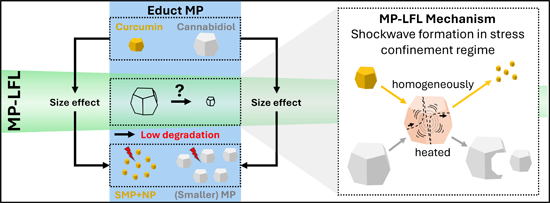
- pulse duration of 10 ps (as the acoustic relaxation time is higher, tac, 1 µm ≥ 500 ps, Equations S11 and S12, Supporting Information File 1). Depending on the optical penetration depth, the particle size influences whether homogeneous or inhomogeneous heating takes place. The heated volume leads to the
- sphere. For both material systems, the mean optical penetration depth is well above the average educt particle size and therefore leads to homogeneous heating of the educt by the laser. Overall, the nutraceutical particles are homogeneously heated during picosecond-LFL, and the criterion for


High-temperature epitaxial growth of tantalum nitride thin films on MgO: structural evolution and potential for SQUID applications
Beilstein J. Nanotechnol. 2025, 16, 690–699, doi:10.3762/bjnano.16.53
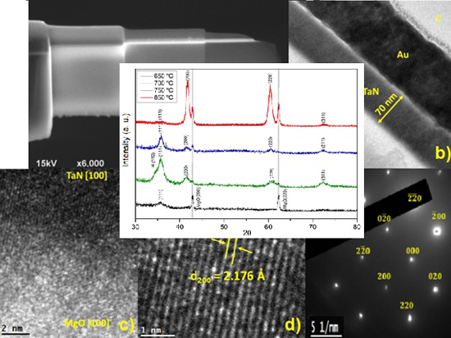
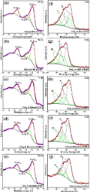
- undergo during the ablation process. Figure 1 presents the deconvolution of high-resolution XPS peaks for Ta 4f, shown both before (Figure 1a,b) and after (Figure 1c,d) heating the substrate. The peaks were fitted using Gaussian functions. The relative atomic concentrations of Ta and N were calculated


Colloidal few layered graphene–tannic acid preserves the biocompatibility of periodontal ligament cells
Beilstein J. Nanotechnol. 2025, 16, 664–677, doi:10.3762/bjnano.16.51
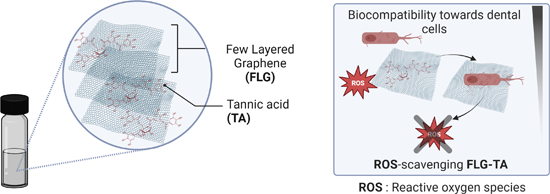
- suspension could not be determined owing to uncontrolled heating of the cell during illumination of the black suspension with laser light. FLG–TA preserves the metabolic activity of PDL cells Previous findings demonstrated that TA adheres to the surface of graphene layers, with a portion of it retaining its




Polyurethane/silk fibroin-based electrospun membranes for wound healing and skin substitute applications
Beilstein J. Nanotechnol. 2025, 16, 591–612, doi:10.3762/bjnano.16.46
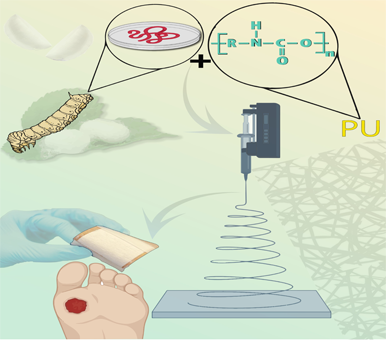
- crystalline), whereas random globules make up the amorphous region [80]. Silk I with α-helical structure can be turned into silk II with β-sheets through shearing, spinning, heating, or by using methanol or ethanol solvents; this transition is considered irreversible [81]. Triple helices of collagen and β
- the material responsive to NIR light for controlled heating and drug release to eliminate bacteria. Furthermore, the hydrogel is highly antibacterial, with tested efficacy against Staphylococcus aureus and Escherichia coli of more than 99.9%. It also enables cell proliferation, suppresses inflammation



Electron beam-based direct writing of nanostructures using a palladium β-ketoesterate complex
Beilstein J. Nanotechnol. 2025, 16, 530–539, doi:10.3762/bjnano.16.41
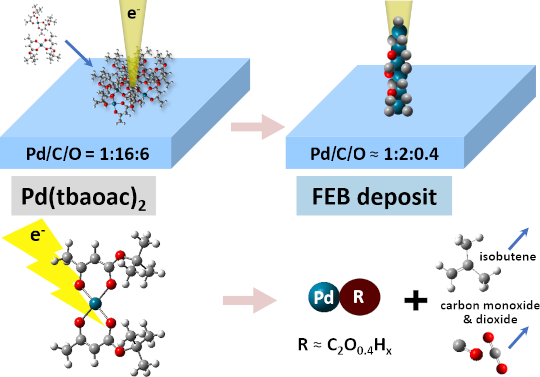
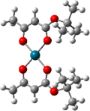
- introduced into the GIS under ambient conditions as it was tested stable. The GIS nozzle was placed 200 µm above the substrate at an angle of 30° to the substrate plane. Both GIS and substrate were heated using resistive heating wires. FEBID was carried out at an operating pressure of 2.0 × 10⁻⁶ mbar. For
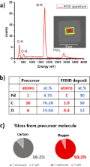
- conducted with a field-emission gun and an electron energy of 1 keV. This lower electron energy increases the dissociation cross section and leads to greater heating of the deposit due to more energy deposited per unit trajectory length and, consequently, the small excitation volume where all the beam
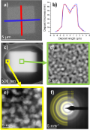
- of a granular deposit at the upper part of the pillar. Similar observations have been reported in a detailed previous study with a dimethyl(acetylacetonate)gold precursor and were attributed to the thermal decomposition of the precursor at the pillar apex due to local heating by energy implantation


Zeolite materials with Ni and Co: synthesis and catalytic potential in the selective hydrogenation of citral
Beilstein J. Nanotechnol. 2025, 16, 520–529, doi:10.3762/bjnano.16.40
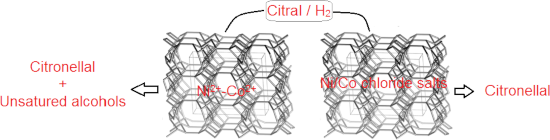
- reduction (TPR) analyses were performed on an AutoChem 2910 instrument (Micromeritics, USA) equipped with a thermal conductivity detector (TCD). The procedure for TPR involved heating the sample in a 1.0 vol % H2/Ar gas mixture at a flow rate of 30 mL/min, from room temperature to 600 °C, at a ramp rate of


N2+-implantation-induced tailoring of structural, morphological, optical, and electrical characteristics of sputtered molybdenum thin films
Beilstein J. Nanotechnol. 2025, 16, 495–509, doi:10.3762/bjnano.16.38
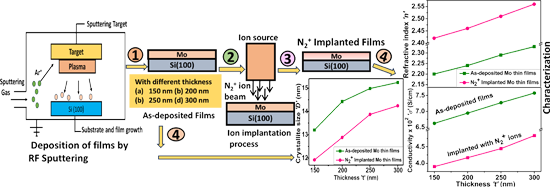
- diffusion behavior within a temperature range of 330 to 580 °C. They observed the formation of a new cubic Mo2N phase. In addition, they also examined the impact of high ion fluence and temperature on nitrogen implantation in molybdenum with supplementary heating within the temperature range of 500 to 750


Size control of nanoparticles synthesized by pulsed laser ablation in liquids using donut-shaped beams
Beilstein J. Nanotechnol. 2025, 16, 407–417, doi:10.3762/bjnano.16.31
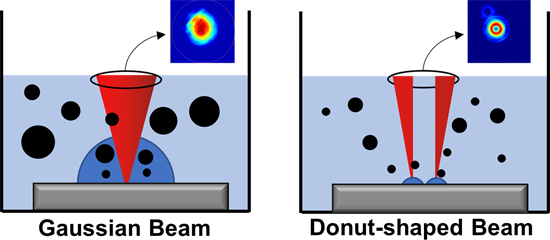
- that occurs after absorption of the laser radiation and localized heating of the target surface. The plume interacts with the surrounding liquid. This interaction defines the cooling rate of the species present in the plasma and significantly affects NP growth (i.e., plasma quenching forms small NPs
- and have a relatively low degree of crystallinity compared to the original target (Figure S4, Supporting Information File 1). The crystalline to amorphous transition is likely due to the development of stresses induced by ultrafast heating and cooling during PLAL [53]. However, both oxidation and
- demonstrated that donut-shaped pulses provide significant advantages regarding PLAL synthesis, yielding smaller NPs with narrower size distributions and more regular shapes. The observed effects in the NP synthesis are likely due to a more uniform heating of the ablation spot by a donut-shaped pulse, affecting


ReactorAFM/STM – dynamic reactions on surfaces at elevated temperature and atmospheric pressure
Beilstein J. Nanotechnol. 2025, 16, 397–406, doi:10.3762/bjnano.16.30
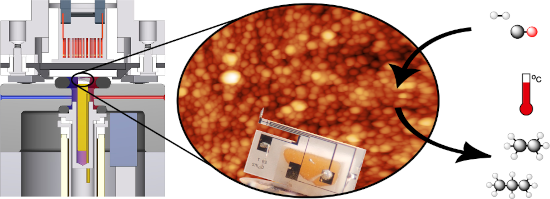
- spectrometry data show the reaction taking place by monitoring product gases during heating and cooling of the sample under CO and H2 gas pressures of 2 bar. The monitored gases include H2O as byproduct and the hydrocarbons ethane (m/z = 30), propane (m/z = 44), and hexane (m/z = 86), which all show increases
- heating filament. The qPlus sensor is mounted to a three-contact slider and controlled by a piezotube. The piezotube is outside of the reactor volume. Figure 2b shows a schematic cross section of the AFM/STM reactor together with the sample holder. For high-pressure experiments, the reactor volume needs
- larger particle sizes. Despite not being able to image the surface during the FTS reaction at 550 K, it was possible to measure possible reaction products using QMS at higher temperatures, as shown in Figure 7. During the heating process, at around 490 K, we observe a strong increase in the counts of


Pulsed laser in liquid grafting of gold nanoparticle–carbon support composites
Beilstein J. Nanotechnol. 2025, 16, 349–361, doi:10.3762/bjnano.16.26
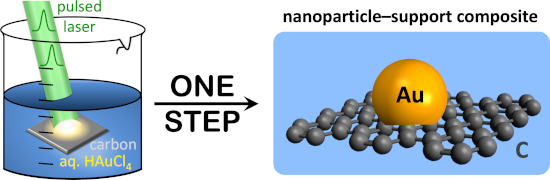
- must be integrated with macroscopic supports to function as electrodes. A major obstacle in contemporary manufacturing of nanoparticle–support composites is their laborious inefficient multistep preparation, involving chemical synthesis, heating, cooling, collection, purification, distribution, and
- methodology is more rapid and efficient than existing processes because it obviates the heating, cooling, and separation steps of traditional chemical nanoparticle syntheses. It additionally eliminates post-synthetic attachment of catalyst nanoparticles that results in wastage of unattached catalyst material


Preferential enrichment and extraction of laser-synthesized nanoparticles in organic phases
Beilstein J. Nanotechnol. 2025, 16, 254–263, doi:10.3762/bjnano.16.20
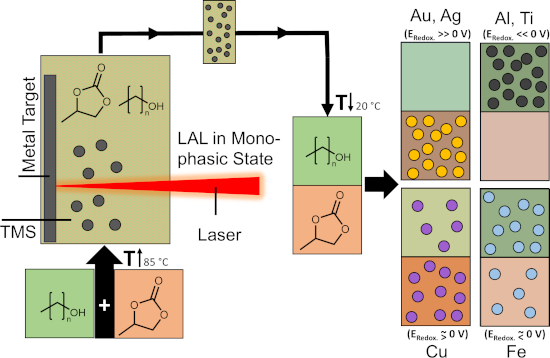
- with varying standard electrochemical reduction potential (Au, Ag, Cu, Fe, Al, and Ti) was performed in the TMS of 1-nonanol and propylene carbonate under monophasic state conditions (85 °C). The gained colloids were cooled to room temperature by disabling the heating plate as it was observed that
- mL batch vessel filled with a volumetric ratio of 50% of propylene carbonate and the respective alcohol. The experiments conducted for Figure 4 were performed in a batch vessel that was heated with an optimized coating to enable uniform heating of the TMS and is depicted in Supporting Information
- chosen to avoid precipitation of the nanoparticles at the phase boundaries. Heating cycles were performed in a 50 mL vessel, which was heated up to 85 °C with a temperature ramp of 5 °C/min and temperature was held for 15 min. For the cooling of the colloid to room temperature, the heating was turned off




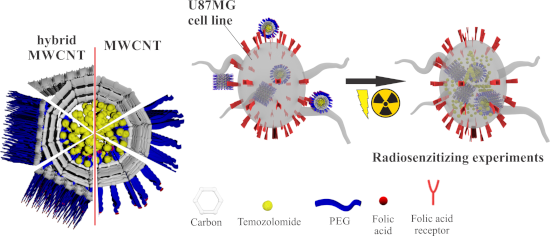
Radiosensitizing properties of dual-functionalized carbon nanostructures loaded with temozolomide
Beilstein J. Nanotechnol. 2025, 16, 229–251, doi:10.3762/bjnano.16.18




Recent advances in photothermal nanomaterials for ophthalmic applications
Beilstein J. Nanotechnol. 2025, 16, 195–215, doi:10.3762/bjnano.16.16
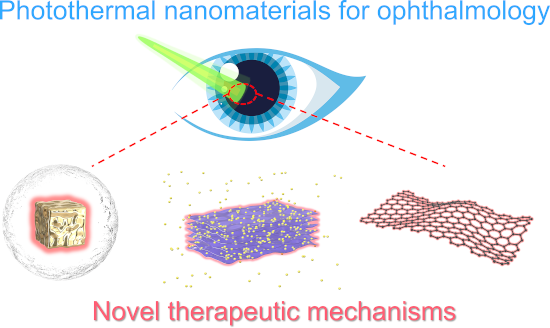
- nanometals can be swiftly heated to temperatures around 100 °C using low-energy laser pulses of specific wavelength. This rapid heating effectively evaporates a limited amount of water in the adjacent nanoscale region, forming vapor nanobubbles (VNBs) (see below in Figure 2c) [50]. The swift expansion and
- via non-radiative relaxation, resulting in localized lattice heating [76][77]. Therefore, semiconductors with narrow bandgaps typically show broad absorption spectra and high efficiency in photon trapping. In contrast, wide-bandgap semiconductors have a more limited range of light absorption and less
- to construct IOL edge photothermal rings, showing promising results in inhibiting PCO. The fixed heating removal area of the IOL edge photothermal ring, however, did not effectively inhibit LEC growth beyond the ring’s immediate vicinity. Employing black phosphorus (BP) as an IOL edge photothermal


Clays enhanced with niobium: potential in wastewater treatment and reuse as pigment with antibacterial activity
Beilstein J. Nanotechnol. 2025, 16, 141–154, doi:10.3762/bjnano.16.13
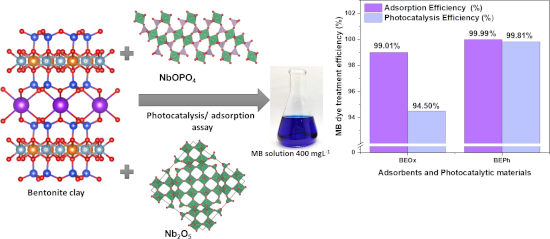
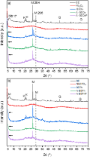
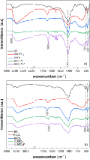
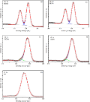
- clay/Nb suspension was continuously stirred for 72 h at 65 °C. The color of the bentonite modified with niobium changes to light yellow (Figure 1b,c). Finally, after being cooled to room temperature, the suspensions were subjected to thermal treatment at 500 °C, with a heating rate of 5 °C/min. These



TiO2 immobilized on 2D mordenite: effect of hydrolysis conditions on structural, textural, and optical characteristics of the nanocomposites
Beilstein J. Nanotechnol. 2025, 16, 128–140, doi:10.3762/bjnano.16.12
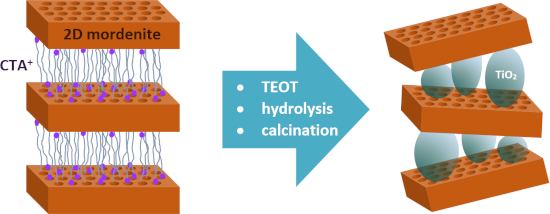
- strongly distorted shells. These amorphous nanoparticles are responsible for the formation of single-phase nanocrystalline anatase upon heating [30]. This is exactly what we observe. Figure 1c shows that, after calcination, additional large peaks appear in all samples, which can be attributed to anatase
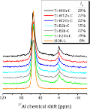
- the mBET method. Thermal gravimetric analysis (TGA) was carried out using a Netzsch STA 449 F1 Jupiter instrument in the temperature range of 40–990 °C at a heating rate of 10 °C/min in an Ar flow of 90 mL/min. 27Al MAS NMR spectra were recorded using a Bruker Avance IIIWB 400 MHz solid-state NMR



Precursor sticking coefficient determination from indented deposits fabricated by electron beam induced deposition
Beilstein J. Nanotechnol. 2025, 16, 35–43, doi:10.3762/bjnano.16.4

- , 15, 30, 35 and 40 °C using a self-made cryo-stage made from copper and equipped with a heater. The stage was cooled via a thick strand of copper wires connected to a Meissner trap cooled with liquid nitrogen. The temperature was controlled via a heating element inserted as an interface layer between


Orientation-dependent photonic bandgaps in gold-dust weevil scales and their titania bioreplicates
Beilstein J. Nanotechnol. 2025, 16, 1–10, doi:10.3762/bjnano.16.1
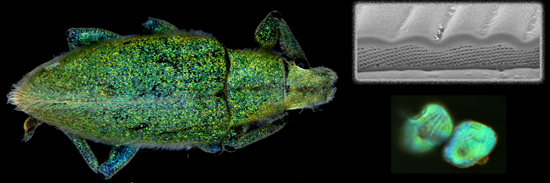
- . The scale template was removed by acid etching, using drops of a 3:1 mixture of concentrated nitric and hydrochloric acids, followed by heating at 130 °C for 15 min. The replicas were then cleaned using deionized water. Titanium(IV) ethanolate (33–35% TiO2), tetraethyl orthosilicate (TEOS 98%), and


Green synthesis of silver nanoparticles derived from algae and their larvicidal properties to control Aedes aegypti
Beilstein J. Nanotechnol. 2024, 15, 1566–1575, doi:10.3762/bjnano.15.123
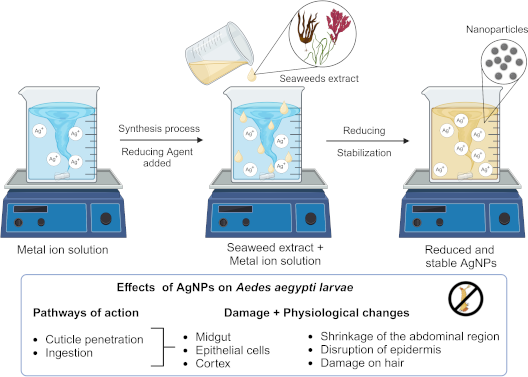
- extract filtrate with 90 mL of AgNO3 (1 mM). To increase the yield of silver nanoparticles, the sample was placed under magnetic stirring varying the heating temperatures (37–80 °C). The formation of NPs was verified from the color change in the solution to reddish brown. The possible chemical compounds
- /100 mL of purified water) by heating the mixture for 5 min and decanting for 1 h. After this process, the mixture was filtered and stored for 5 days at 15 °C. Finally, the filtered solution was treated with an aqueous solution of AgNO3 (1 mM) and incubated at room temperature. The chemical compounds


Ultrablack color in velvet ant cuticle
Beilstein J. Nanotechnol. 2024, 15, 1554–1565, doi:10.3762/bjnano.15.122

- ]. For the thermal images, a velvet ant specimen was carefully positioned on a polystyrene plate, serving as a thermal insulator, and covered with a layer of sand measuring 2 cm in thickness. Using a Fluke TiS75+ Thermal Camera, thermal images were captured before, during, and after a controlled heating
- process induced by a thermal lamp positioned 10 cm away. Prior to initiating the experiment, the female specimen was photographed, and subsequent images were taken at 1 min and 2 min intervals during the heating process. Throughout the experiment, the ambient temperature was meticulously maintained at a
- female Traumatomutilla bifurca (Hymenoptera: Mutillidae). (A) Visible spectrum image, (B) thermal image of the animal before heating, (C) thermal image after 1 min of heating, and (D) thermal image after 2 min of heating. Supporting Information Supporting Information File 28: Spectrum obtained from



Investigation of Hf/Ti bilayers for the development of transition-edge sensor microcalorimeters
Beilstein J. Nanotechnol. 2024, 15, 1353–1361, doi:10.3762/bjnano.15.108

- width of the superconducting transition, can be used to fabricate a TES microcalorimeter. Sample Fabrication The most typical geometry of a TES is a square, which is advantageous over the elongated shapes for its compactness, leading to more uniform heating during signal readout, and for reduced
- in different transition temperatures at heating and cooling. The presumed reason is the heating of the film sample C1 through the measuring pogo pin contacts made of gold-coated brass and the contact resistance between the contacts and the film. Samples A1–A4 and B1 were measured through the same
- clamp contacts as sample C1, but the measured area was further away from the contact points. This way, the current first flows through the superconducting electrodes with low thermal conductivity in the superconducting state, and only then goes to the bridge. Nevertheless, non-equilibrium heating


Interaction of graphene oxide with tannic acid: computational modeling and toxicity mitigation in C. elegans
Beilstein J. Nanotechnol. 2024, 15, 1297–1311, doi:10.3762/bjnano.15.105
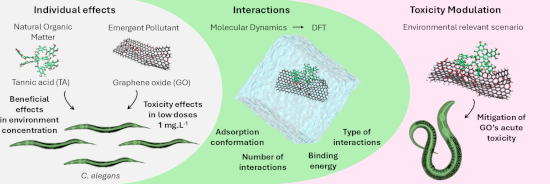
- mechanisms against pathogens, heating stress, and oxidative stress, which may increase the resistance against the hazardous effects of GO. TA upregulates natural protective pathways against oxidative stress, increasing the expression of antioxidant systems such as reduced glutathione, superoxide dismutase


Mn-doped ZnO nanopowders prepared by sol–gel and microwave-assisted sol–gel methods and their photocatalytic properties
Beilstein J. Nanotechnol. 2024, 15, 1283–1296, doi:10.3762/bjnano.15.104
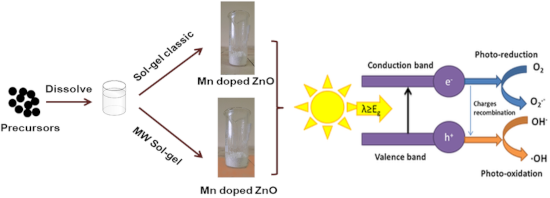
- -efficient than conventional heating methods [12][13][14]. This approach is particularly advantageous in technology applications, as it significantly reduces reaction times from days to mere hours or minutes and enables the production of nanocrystalline oxides in the form of powders and films on various
- substrates [3][15][16]. While traditional heating methods cause inhomogeneities by slowly distributing the heat from the surface to the core of the material or within the entire volume of the solution, microwaves allow for quick and uniform heating because they can penetrate to a depth depending on the
- for 10 min at 60 °C, 200 W power and a frequency of 2.45 GHz. Gelation took place at room temperature. All resulting gels were dried at 100 °C for 24 h and then thermally treated at 350 °C for 1 h with a heating speed of 1 °C/min followed by a treatment at 500 °C for 1 h with a heating speed of 5 °C


The role of a tantalum interlayer in enhancing the properties of Fe3O4 thin films
Beilstein J. Nanotechnol. 2024, 15, 1253–1259, doi:10.3762/bjnano.15.101

- ) substrates were prepared by immersing them in a methanol bath at a temperature of 60 °C and drying them in N2 gas flow. Subsequently, the purified substrates were moved into an ultrahigh vacuum (UHV) chamber and underwent a pre-heating process at 600 °C for 30 min in order to eliminate any remaining


Dual-functionalized architecture enables stable and tumor cell-specific SiO2NPs in complex biological fluids
Beilstein J. Nanotechnol. 2024, 15, 1238–1252, doi:10.3762/bjnano.15.100
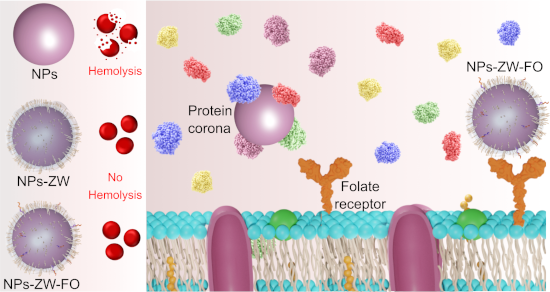
- solution (without purification) was transferred to a flask kept in a bath at 80 °C. Then, 26.0 mg of ZW, previously solubilized in 2.0 mL of water, was added. The solution was stirred and heated for 4 h. Subsequently, the heating was removed and 0.98 µL of APTES was added. The reaction was stirred for 24 h
- ) and was repeated four times. Then, Laemmli buffer (1610737, Bio-Rad) containing 50 mM of dithiothreitol (DTT, 1610611, Bio-Rad) was added to the final precipitate, followed by heating at 95 °C for 5 min, and 10 μL of this suspension was applied in a 12% SDS-PAGE gel. The gel was run at a voltage of