


Search results
Search for "imaging" in Full Text gives 982 result(s) in Beilstein Journal of Nanotechnology. Showing first 200.
Self-assembly and adhesive properties of Pollicipes pollicipes barnacle cement protein cp19k: influence of pH and ionic strength
Beilstein J. Nanotechnol. 2025, 16, 1863–1872, doi:10.3762/bjnano.16.129
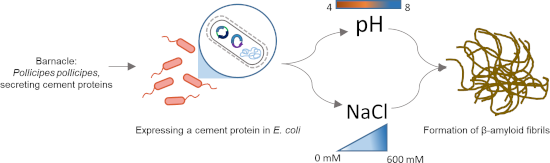
- study, we investigated the influence of environmental parameters on the self-assembly of recombinant cp19k, a key adhesive protein in Pollicipes pollicipes. Using TEM imaging, a low pH (4.0) and high salt concentration (600 mM NaCl) environment, mimicking P. pollicipes gland conditions, was identified
- washes in dH2O. Negative staining with uranyl acetate was performed by incubating 5 µL of R1000 UA-Zero EM stain (Agar Scientific) on grids for 3 min. Grids were washed five times with dH2O and air-dried overnight. Bright-field TEM imaging was carried out using a Hitachi H7000 microscope operated at an
- ) rPolcp19k-his incubated at pH 4.0, 150 mM NaCl for 21 days, on hydrophilic surface, at 11.5× magnification. Supporting Information Supporting Information File 22: Additional figures. Acknowledgements The authors acknowledge the facilities of the Anatomy Imaging and Microscopy Facility at the University of


Phytol-loaded soybean oil nanoemulsion as a promising alternative against Leishmania amazonensis
Beilstein J. Nanotechnol. 2025, 16, 1826–1836, doi:10.3762/bjnano.16.126

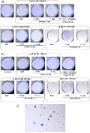
- Company, Hillsboro, OR, USA). The samples were diluted in purified water at a 1:20 (v/v) ratio, and a drop of the diluted suspension was deposited onto square-mesh copper grids and allowed to adsorb for 2 min. The grids were then air-dried at room temperature prior to imaging. Cytocompatibility Mammalian


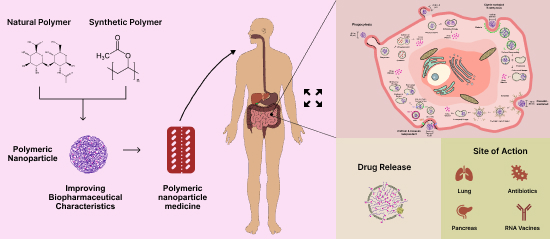
Exploring the potential of polymers: advancements in oral nanocarrier technology
Beilstein J. Nanotechnol. 2025, 16, 1751–1793, doi:10.3762/bjnano.16.122


Advances of aptamers in esophageal cancer diagnosis, treatment and drug delivery
Beilstein J. Nanotechnol. 2025, 16, 1734–1750, doi:10.3762/bjnano.16.121
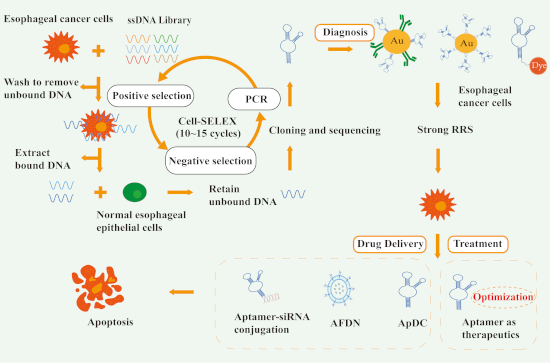
- obtain nucleic acid aptamer S3-2-3 with binding specificity to ESCC cells. After labeled with Cy5 dye, it can yield highly specific fluorescence imaging for ESCC tissues, providing accurate display tools for clinical diagnosis. The remarkably short 18-nucleotide length of aptamer S3-2-3 enables its
- aptamers. After Cy3 staining, the results showed that the two staining results were similar. The imaging method of the aptamer is simpler, indicating that the aptamer SYL3C can be used as a molecular diagnostic tool instead of antibody. Although there are many potential biomarkers for ESCC, and noninvasive
- single-stranded DNA aptamer Te4, which specifically binds to TE-1 cells, through Cell-SELEX and further formed aptamer–DOX complexes to deliver DOX directly to cancer cells. In vivo imaging showed that the fluorescence signal of the complex weakened after 150 min, and the circulation time was short


Multifunctional anionic nanoemulsion with linseed oil and lecithin: a preliminary approach for dry eye disease
Beilstein J. Nanotechnol. 2025, 16, 1711–1733, doi:10.3762/bjnano.16.120
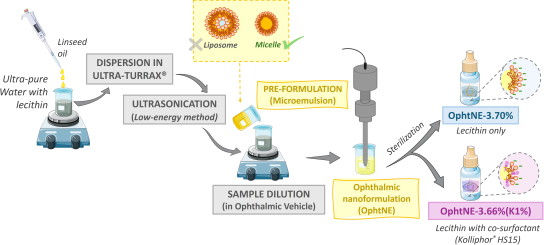
- was analyzed using transmission electron microscopy (TEM) with a MORGAGNI 268D (FEI Company, USA), operated at 80 kV. Before imaging, the samples were sonicated in an ultrasound bath for 15 min, and a drop of the suspension was placed onto a copper grid (200 mesh) coated with formvar/carbon. Excess



Beyond the bilayer: multilayered hygroscopic actuation in pine cone scales
Beilstein J. Nanotechnol. 2025, 16, 1695–1710, doi:10.3762/bjnano.16.119
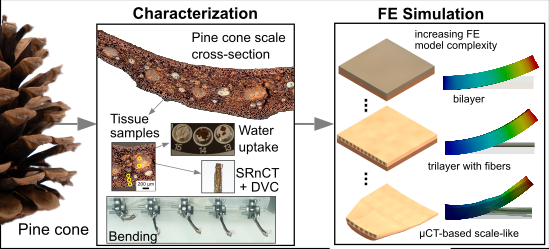
- dependent hygroscopic tissue shrinkage The general imaging and analysis protocol followed the procedure presented in Ulrich and colleagues [29]. A pine cone scale was isolated from the second of the collected cones and transported to Hamburg, Germany, where the scale was soaked in water overnight to improve
- imaging beamline P05 operated by Helmholtz-Zentrum Hereon at PETRA III (DESY Deutsches Elektronen Synchrotron, Hamburg, Germany). Phase contrast-based near-field holotomography was used to image our samples, utilizing a 300 µm gold Fresnel zone plate to focus the monochromatic beam with an energy of 11
- measurements should include more cells to avoid conflicting results for the radial shrinkage. In addition, the original orientation during specimen preparation and imaging should remain traceable in order to differentiate between ab-/adaxial and lateral directions in the resulting images. The tissue average


Cross-reactivities in conjugation reactions involving iron oxide nanoparticles
Beilstein J. Nanotechnol. 2025, 16, 1504–1521, doi:10.3762/bjnano.16.106
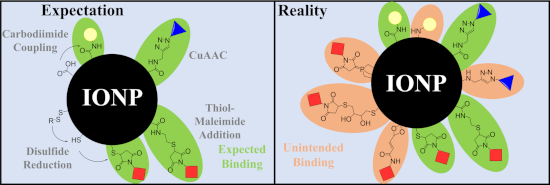
- [51][52]. In the context of magnetic resonance imaging, small molecule ligands also offer advantages over thicker, polymeric coatings as superior contrast agents [53][54][55]. To investigate amine cross-reactivities, we use propargylamine (PPA, Figure 1c) and a series of primary amine-containing dyes







Nanomaterials for biomedical applications
Beilstein J. Nanotechnol. 2025, 16, 1499–1503, doi:10.3762/bjnano.16.105

- this progress. The use of nanomaterials has notably contributed to advancements in the fields of disease diagnosis, treatment, and prevention. They can closely interact with cells and molecules of the body due to their small size, which helps to diagnose, enhance imaging, and repair damaged tissues
- adverse effects and increasing the success rate of the delivery. Since nanomaterials can be tunable, the vast majority of health sectors are investigating their potential in a wide range of applications, such as targeted drug delivery, gene therapy, tissue regeneration, imaging, and diagnostic tools [2
- diagnostics and medical imaging. Using these materials, physicians diagnose diseases earlier and more accurately than before [4]. In tissue engineering, nanofibers are being used to develop scaffolds to promote the proliferation of cells. These scaffolds aid patients suffering from chronic wounds as they
Laser processing in liquids: insights into nanocolloid generation and thin film integration for energy, photonic, and sensing applications
Beilstein J. Nanotechnol. 2025, 16, 1428–1498, doi:10.3762/bjnano.16.104
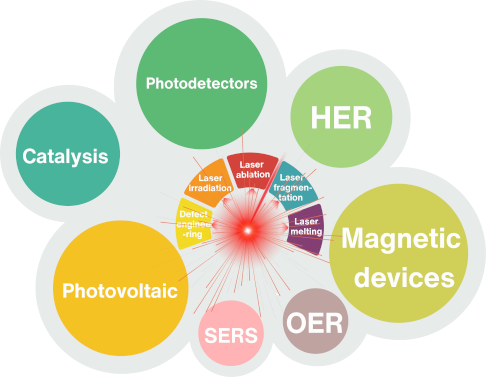
- mechanism of NPs in PLAL has been investigated extensively, primarily through the use of laser-induced fluorescence analysis and shadowgraph analysis [17][18][19][20][21]. Use of small-angle X-ray scattering, wide-angle X-ray scattering, and X-ray imaging techniques has enabled a more comprehensive






Photochemical synthesis of silver nanoprisms via green LED irradiation and evaluation of SERS activity
Beilstein J. Nanotechnol. 2025, 16, 1417–1427, doi:10.3762/bjnano.16.103
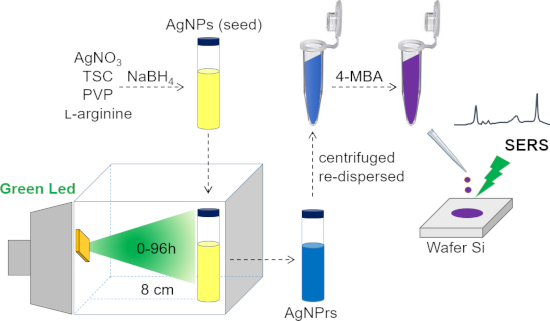
- (TEM, JEM-1400, Japan). For TEM analysis, a droplet of the nanoparticle dispersion was deposited onto a 3 mm copper grid and allowed to dry at room temperature. For FESEM analysis, the dried sample was mounted on conductive carbon tape and imaged at an accelerating voltage of 10 kV. TEM imaging was


Parylene-coated platinum nanowire electrodes for biomolecular sensing applications
Beilstein J. Nanotechnol. 2025, 16, 1392–1400, doi:10.3762/bjnano.16.101
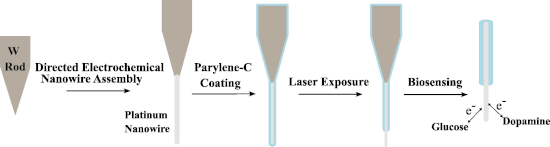
- complete as intended and these electrodes were discarded. A thin layer of copper deposition on the exposed platinum nanowire tip was further examined using SEM imaging and energy-dispersive X-ray spectroscopy (EDS) elemental composition analysis. Figure 2b presents an SEM image of the copper-coated


Automated collection and categorisation of STM images and STS spectra with and without machine learning
Beilstein J. Nanotechnol. 2025, 16, 1367–1379, doi:10.3762/bjnano.16.99
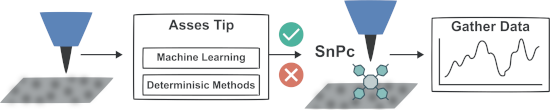
- Dylan Stewart Barker Adam Sweetman School of Physics and Astronomy, University of Leeds, Leeds LS2 9JT, United Kingdom 10.3762/bjnano.16.99 Abstract Atomic resolution scanning probe microscopy, and in particular scanning tunnelling microscopy (STM) allows for high-spatial-resolution imaging and
- accomplished via assessment of the imaging quality on the target molecule and also the characteristics of the scanning tunnelling spectra (STS) on clean metal surfaces. Critically for spectroscopic experiments, assessment of the spatial resolution of the image is not sufficient to ensure a high-quality tip for
- spectroscopic measurements. The ability to automate this process is a key aim in development of high resolution scanning probe materials characterisation. In this paper, we assess the feasibility of automating the assessment of imaging quality, and spectroscopic tip quality, via both machine learning (ML) and




Enhancing the therapeutical potential of metalloantibiotics using nano-based delivery systems
Beilstein J. Nanotechnol. 2025, 16, 1350–1366, doi:10.3762/bjnano.16.98
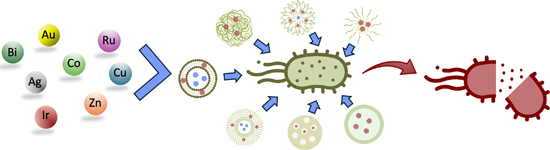
- -dependent fluorescence due to quantum confinement effects, enabling precise tuning of emission wavelengths [94]. These properties make QDs ideal candidates for both imaging and drug delivery. Unlike other nanoparticles, QDs do not encapsulate drugs internally; instead, they function as drug delivery systems


Ferroptosis induction by engineered liposomes for enhanced tumor therapy
Beilstein J. Nanotechnol. 2025, 16, 1325–1349, doi:10.3762/bjnano.16.97
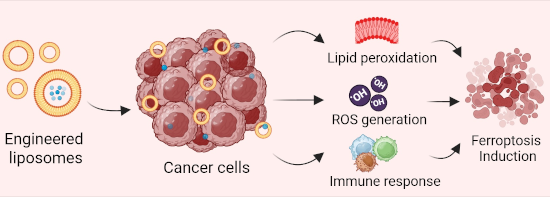
- be internalized by receptor-mediated endocytosis, which improves the accumulation of the drug at the desired site [130][131]. By integrating multiple components, such as targeting ligands, imaging agents, and therapeutic drugs, into a single liposomal formulation, theranostic liposomes can be created
- with photothermal or photodynamic therapy. These hybrids are especially promising in cancer therapy. For instance, theranostic liposome–nanoparticle hybrids integrate therapeutic agents with imaging capabilities, allowing for simultaneous treatment and real-time tumor response monitoring [136


Deep-learning recognition and tracking of individual nanotubes in low-contrast microscopy videos
Beilstein J. Nanotechnol. 2025, 16, 1316–1324, doi:10.3762/bjnano.16.96
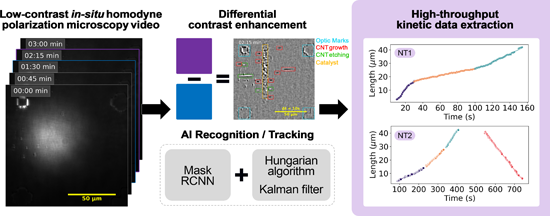
- selectivity, particularly kinetic selectivity. To address this, we developed a method based on in situ homodyne polarization microscopy (HPM), which is highly sensitive and can detect changes in optical absorption caused by a single carbon nanotube. The technique allows for imaging tens to hundreds of
- individual carbon nanotubes during growth at up to 40 frames per second [4]. However, the vast amount of information generated requires meticulous and time-consuming analysis to extract kinetic data. This challenge, common in imaging-related fields, can be addressed through advances in artificial
- successive frames. However, some video frames are unrecognizable due to imaging artifacts, illumination instability, or uncompensated vibrations. Following the initial tracking stage, all segments were grouped into clusters of varying sizes, corresponding to objects recognized across consecutive frames. The


Wavelength-dependent correlation of LIPSS periodicity and laser penetration depth in stainless steel
Beilstein J. Nanotechnol. 2025, 16, 1302–1315, doi:10.3762/bjnano.16.95
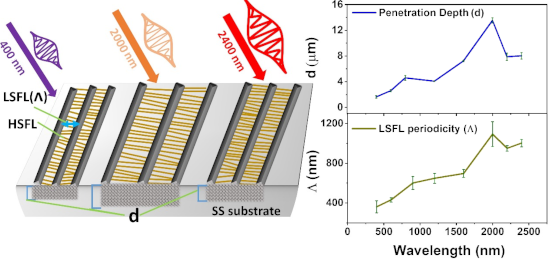
- conducted to examine the surface morphology of the samples and precisely measure the depth to which the laser heat affected or penetrated the zone. Imaging was performed using an FEI NOVA NANO SEM 450 scanning electron microscope. External etching was executed using a DC power supply machine, applying a




Enhancing the photoelectrochemical performance of BiOI-derived BiVO4 films by controlled-intensity current electrodeposition
Beilstein J. Nanotechnol. 2025, 16, 1289–1301, doi:10.3762/bjnano.16.94
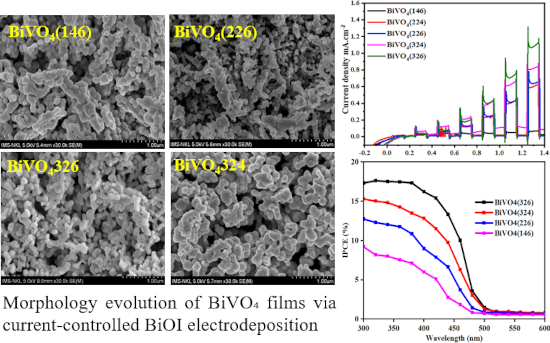
- monoclinic scheelite BiVO4 structure with dominant (121) and (004) peaks. FESEM imaging revealed that the different deposition conditions influenced the surface morphologies of the BiOI and BiVO4 films. Photocurrent density measurements showed that BiVO4(326) achieved 1.2 mA·cm−2 at 1.23 V vs RHE
- the enhanced crystallinity and reduced lattice strain in the samples prepared under higher current densities and greater VO(acac)2 volumes, which correlated with improved charge transport and reduced recombination losses. UV–vis absorption spectroscopy and FESEM imaging revealed that the optimized



Better together: biomimetic nanomedicines for high performance tumor therapy
Beilstein J. Nanotechnol. 2025, 16, 1246–1276, doi:10.3762/bjnano.16.92
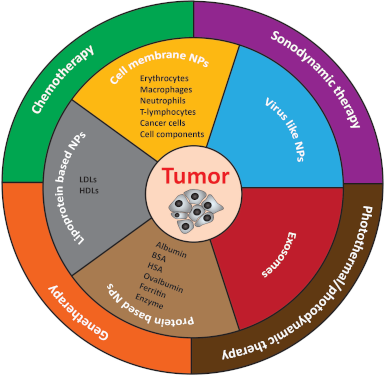
- , high efficiency, and better tissue penetration. They developed small Fe@Fe3O4-DHCA nanoparticles (≈14 nm) and coated them with macrophages (RAW267.4 cells) for magnetic resonance imaging (MRI) and MHT of solid tumors. The Fe@Fe3O4-DHCA NPs showed accumulation in tumor cells resulting in enhanced MRI
- combination of near-IR imaging and photodynamic therapy of hepatocellular carcinoma [37]. 1.1.4 T lymphocytes (T cells). T cells are highly specific and more actively identify foreign bodies, including cancer cells. In addition to directly killing cancer cells, T cells organize the immune response by
- (LDL). Lipoproteins can load small molecular drugs (including chemotherapeutic agents), nucleic acids, and other macromolecules [61]. LDL was the first lipoprotein used for drug delivery and imaging applications. The particles are smaller than 50 nm and are characterized by surface apolipoprotein B-100







Investigation of the solubility of protoporphyrin IX in aqueous and hydroalcoholic solvent systems
Beilstein J. Nanotechnol. 2025, 16, 1209–1215, doi:10.3762/bjnano.16.89
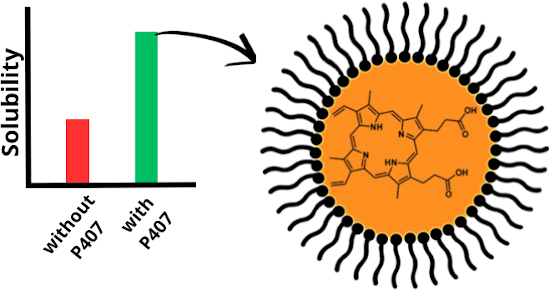
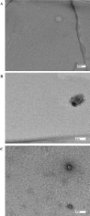
- 50 times and negatively stained with a 2% (w/v) uranyl acetate solution before imaging. To investigate micelle formation, the samples were prepared at 37 °C. Micelle size measurements obtained by TEM were reported as the mean (± standard deviation; SD), based on the analysis of 250 micelles per


Mechanical stability of individual bacterial cells under different osmotic pressure conditions: a nanoindentation study of Pseudomonas aeruginosa
Beilstein J. Nanotechnol. 2025, 16, 1171–1183, doi:10.3762/bjnano.16.86
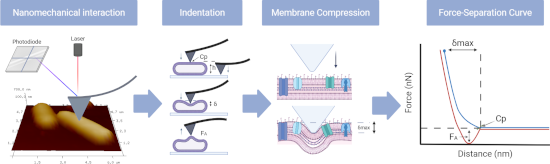
- (PBS), and hypertonic (0.5 M NaCl) solutions. Imaging and mechanical testing showed that bacteria are highly resilient to deformation and can withstand repetitive indentations in the range of 500 pN. Analysis of force spectra revealed that although there are differences in the mechanical response
- performed in solution in a fluid chamber under controlled environmental conditions. Thus, critical structural changes on the lifestyle of the pathogen can be investigated [38][39][40][41][42]. Beyond imaging, AFM force spectroscopy capabilities are essential to extract material properties of the
- N/m, and tip radius of 20–60 nm as provided by the manufacturer (Bruker), to study the morphological features of bacteria under different tested conditions. The deflection set point was adjusted during the measurement to optimize imaging conditions. Nanoindentations were performed using a maximum


Deep learning for enhancement of low-resolution and noisy scanning probe microscopy images
Beilstein J. Nanotechnol. 2025, 16, 1129–1140, doi:10.3762/bjnano.16.83
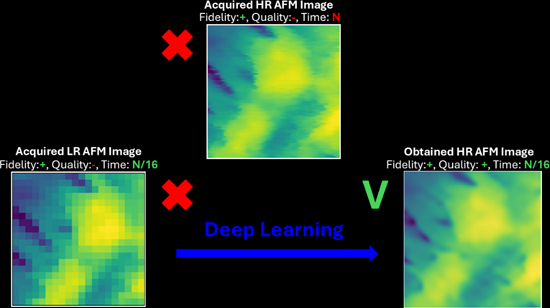
- ; low resolution; super resolution; Introduction The capability of atomic force microscopy (AFM) to achieve high resolution at the nanometer level in plane (xy) and at the angstrom level in height (z), on a variety of surfaces, is one of its major advantages. AFM topographical imaging enables high
- -resolution imaging of simple and complex surfaces that capture the sensitive features, details, and information of the surface structure. Whereas many manifestations of AFM are in use, including remarkable sub-molecular resolution for specialized systems working under low temperatures and high vacuum [1


Towards a quantitative theory for transmission X-ray microscopy
Beilstein J. Nanotechnol. 2025, 16, 1113–1128, doi:10.3762/bjnano.16.82
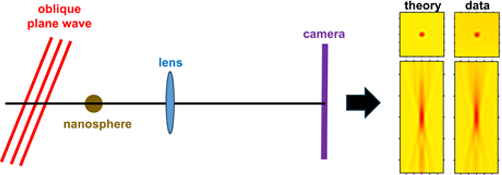
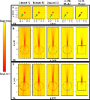
- determined by Beer’s law, whereas the microscope underestimates this absorption by 10–20%. This surprising observation highlights the need for future work to identify the microscope feature(s) that lead to this quantitative discrepancy. Keywords: 3D imaging; mathematical model; Mie theory; nanoparticle
- ], with the two most recent both incorporating the 3D nature of the imaging process [20][21]. A 3D model is essential to accurately account for the microscope’s large but nevertheless finite depth of focus. Otón et al. [20] developed the first 3D model, making several assumptions to simplify the analysis
- , including that imaging is incoherent and that only the absorption component β of the sample’s refractive index needs to be considered. The latter assumption means that light rays traversing the sample follow Beer’s law of absorption, and so we refer to this model as the incoherent Beer’s law (inc-BL) model



Influence of ion beam current on the structural, optical, and mechanical properties of TiO2 coatings: ion beam-assisted vs conventional electron beam evaporation
Beilstein J. Nanotechnol. 2025, 16, 1097–1112, doi:10.3762/bjnano.16.81
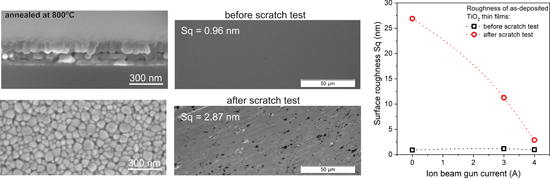
- Fisher Scientific Raman Microscope), and SEM imaging (FEI Nova NanoSEM 230) were carried out to evaluate the structural properties and morphology of the prepared coatings. The optical characteristics of the prepared films were investigated with the use of an Ocean Optics QE65000 spectrophotometer in the




Fabrication of metal complex phthalocyanine and porphyrin nanoparticle aqueous colloids by pulsed laser fragmentation in liquid and their potential application to a photosensitizer for photodynamic therapy
Beilstein J. Nanotechnol. 2025, 16, 1088–1096, doi:10.3762/bjnano.16.80
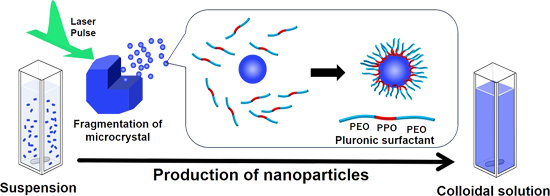
- biological optical window (wavelengths from 650 to 1000 nm) and have recently attracted attention for applications in biomedical research such as photoacoustic imaging of tissues and PDT of tumors [2][3]. Porphyrins and Pcs are hydrophobic hydrocarbons that are insoluble in water. Hence, polymer composite


Piezoelectricity of hexagonal boron nitrides improves bone tissue generation as tested on osteoblasts
Beilstein J. Nanotechnol. 2025, 16, 1068–1081, doi:10.3762/bjnano.16.78
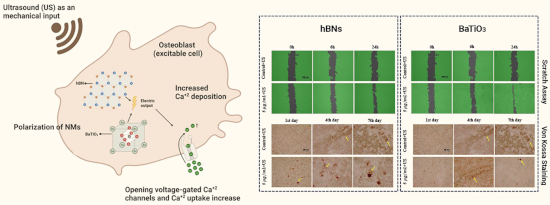
- evaluated. The synthesized hBNs and purchased BaTiO3 were used after their full characterization by imaging and spectroscopic techniques. The piezoelectric behavior of both NMs was evaluated using piezoresponse force microscopy (PRFM). During in vitro studies, the piezoelectricity of the NMs was stimulated
- hBN. The materials were characterized using spectroscopic, imaging, and thermal techniques, followed by assessment of their piezoelectric properties via piezoresponse force microscopy (PRFM). In vitro studies on human osteoblasts (HOb) under ultrasound (US) exposure examined proliferation, cellular





