


Search results
Search for "macromolecules" in Full Text gives 84 result(s) in Beilstein Journal of Nanotechnology.
Preparation and morphology-dependent wettability of porous alumina membranes
Beilstein J. Nanotechnol. 2018, 9, 1423–1436, doi:10.3762/bjnano.9.135
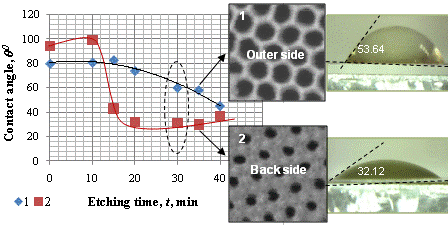
- biotechnological and medical development. Some applications include the separation of organic macromolecules and proteins (bio-filtration), their use in biosensor devices and capsule drug delivery systems, use for coating implants, and as a matrix for the formation of biocompatible tissues [19][20][21][22


Nanoporous silicon nitride-based membranes of controlled pore size, shape and areal density: Fabrication as well as electrophoretic and molecular filtering characterization
Beilstein J. Nanotechnol. 2018, 9, 1390–1398, doi:10.3762/bjnano.9.131
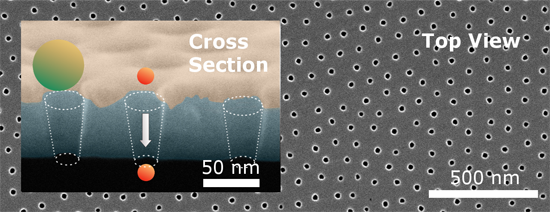
- presented measurements of membranes with millions of pores. Permselectivity studies by fluorescence microscopy The main potential of nanoporous membranes will be the sieving of macromolecules in aqueous solution, especially for medical and biological use and even on an industrial scale [15][42][43
- ]. Selectivity and molecular cut-off depend strongly on pore size and the narrowness of its distribution. Studies of the molecular filtering properties were conducted by real-time fluorescence microscopy. Thus, the diffusion of fluorescent molecules or fluorescent-labeled macromolecules could be observed time


Optical orientation of nematic liquid crystal droplets via photoisomerization of an azodendrimer dopant
Beilstein J. Nanotechnol. 2018, 9, 870–879, doi:10.3762/bjnano.9.81
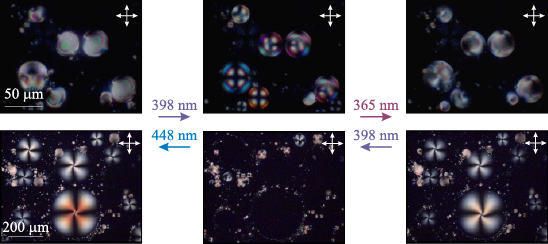
- , Taiwan 10.3762/bjnano.9.81 Abstract Two sequential transformations of the orientational structure in nematic liquid crystal droplets containing a dendrimer additive (nanosized macromolecules with light-absorbing azobenzene terminal moieties) under light irradiation in the UV–blue spectral range were
- interaction. In contrast, the formation of bend cis isomers significantly reduces the excluded volume of the macromolecule and disturbs the arrangement of the terminal moieties. Considering NLC droplets, we can suggest that a layer of the adsorbed dendrimer macromolecules at the NLC–glycerol interface works


Noble metal-modified titania with visible-light activity for the decomposition of microorganisms
Beilstein J. Nanotechnol. 2018, 9, 829–841, doi:10.3762/bjnano.9.77
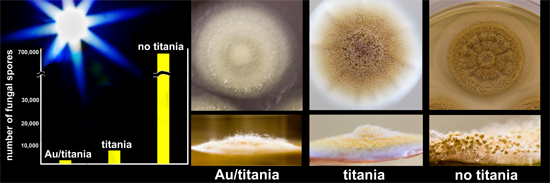
- nourishment for mould fungi is probably caused by sorption of macromolecules (e.g., proteins and sugars) on titania, as suggested by Raffaini and Ganzoli [77] and Ellingsen [78]. On the other hand, our previous study showed that Au-modified faceted titania was inactive against C. albicans, in contrast to the


Optimisation of purification techniques for the preparation of large-volume aqueous solar nanoparticle inks for organic photovoltaics
Beilstein J. Nanotechnol. 2018, 9, 649–659, doi:10.3762/bjnano.9.60
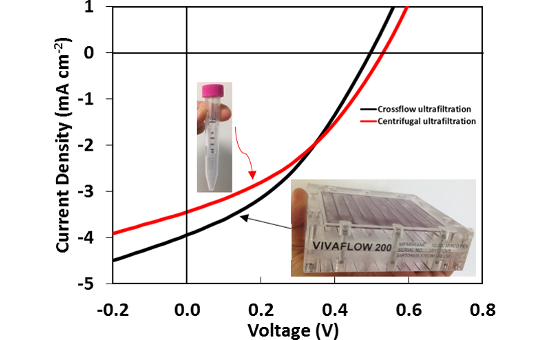
- state of the art large scale OPV, the organic materials (polymers, fullerene or other macromolecules) comprising the active layer are dissolved in organic solvents, i.e., chloroform or chlorobenzene [5]. The application of these solvents can be an issue for the large-scale production of OPV due to their
- do have advantages such as ease of process primarily due to much easier removal, they all remain human and environmental exposure limits and are flammable. Currently, it is difficult to synthesise water-soluble semiconducting macromolecules suitable for OPV active layers [7]. Therefore, two methods
- have been developed for transferring currently utilized semiconducting macromolecules into green solvents: Method 1: The reprecipitation method, herein the semiconductive materials are dissolved in organic solvent which is added to a vigorously stirring alcohol causing the semiconductive materials to


Preparation and characterization of polycarbonate/multiwalled carbon nanotube nanocomposites
Beilstein J. Nanotechnol. 2017, 8, 2026–2031, doi:10.3762/bjnano.8.203
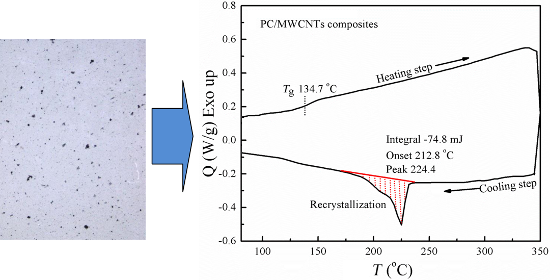
- , an endothermic peak followed by a shoulder with the enthalpy heat of fusion (27 J/g) is observed at 224.4 °C. This might be due to the possible ordered structure or segmental chain mobility of PC macromolecules changed due to the interaction of the MWCNTs. The lack of a cold crystallization peak


Advances and challenges in the field of plasma polymer nanoparticles
Beilstein J. Nanotechnol. 2017, 8, 2002–2014, doi:10.3762/bjnano.8.200
- multiple repetition of units derived, actually or conceptually, from molecules of low relative molecular mass.” “A polymer is a substance composed of macromolecules.” These are the definitions the IUPAC gives to macromolecules and polymers, respectively [1]. The ubiquity of polymers in everyday life is due
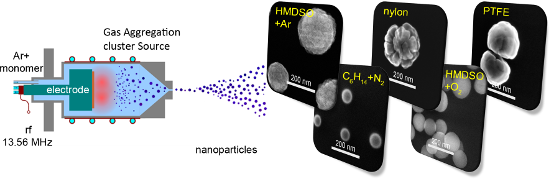
- , carbonaceous precursors are introduced into the GAS in the form of volatile vapours of organic monomers or as a result of evaporation or sputtering of a solid polymer target attached to the electrode. The latter process was shown to lead to a release of volatile fragments of macromolecules which can be further


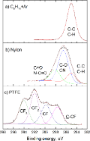
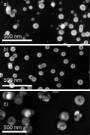
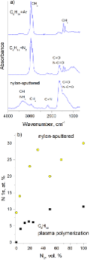
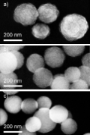




Identifying the nature of surface chemical modification for directed self-assembly of block copolymers
Beilstein J. Nanotechnol. 2017, 8, 1972–1981, doi:10.3762/bjnano.8.198
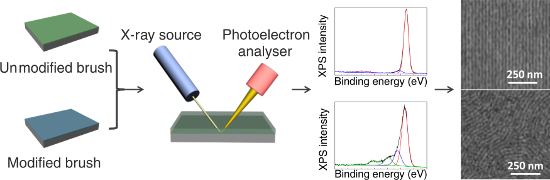
- manufacturing processes. BCPs are macromolecules derived from more than one species of monomers with inter-monomer covalent bonding. Due to the repulsion between different blocks, the BCPs tend to segregate and undergo a separation phase with controllable dimensions and functionalities due to unfavorable


Self-assembly of chiral fluorescent nanoparticles based on water-soluble L-tryptophan derivatives of p-tert-butylthiacalix[4]arene
Beilstein J. Nanotechnol. 2017, 8, 1825–1835, doi:10.3762/bjnano.8.184
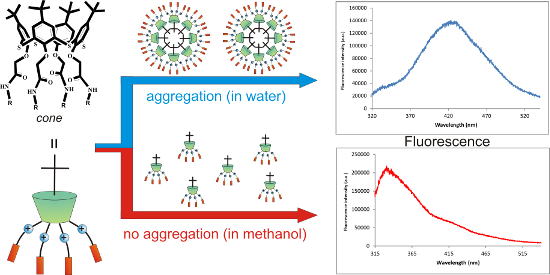
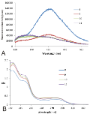
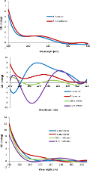
- colloidal particles, especially solutions of macromolecules and molecular ensembles [41]. The solutions of thiacalix[4]arenes 8–11 at different concentrations (1 × 10⁻⁴–1 × 10⁻⁶ М) were studied in water (Table 1). Regardless the macrocycle conformation, a monotonous increase in the diameter of the



(Metallo)porphyrins for potential materials science applications
Beilstein J. Nanotechnol. 2017, 8, 1786–1800, doi:10.3762/bjnano.8.180
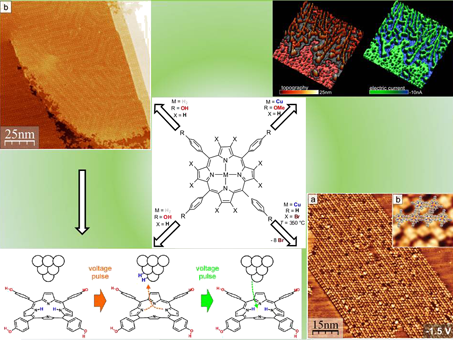
- substrates [46]: Tailored (metallo)porphyrins present a rich potential for device integration. From the point of view of synthesis, well-developed methodologies allow for the preparation of a variety of functionalized porphyrins. This is essential in order to produce, for example, macromolecules for


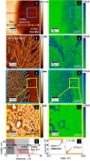
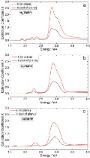
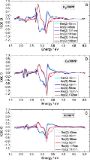




Parylene C as a versatile dielectric material for organic field-effect transistors
Beilstein J. Nanotechnol. 2017, 8, 1532–1545, doi:10.3762/bjnano.8.155
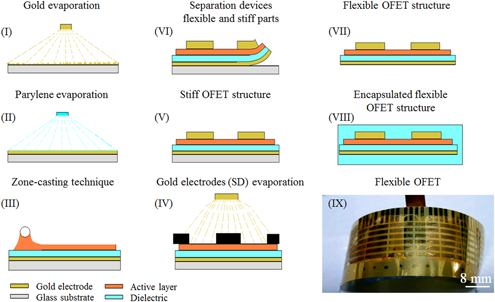
- reaction is concerned, there is none as long as the growing macromolecules remain under vacuum. The polymerization reaction exhibits a step-growth mechanism with second order kinetics with respect to the active radical sites [26]. Upon exposure to the atmosphere, these radical active centers (sometimes




Bio-inspired micro-to-nanoporous polymers with tunable stiffness
Beilstein J. Nanotechnol. 2017, 8, 906–914, doi:10.3762/bjnano.8.92
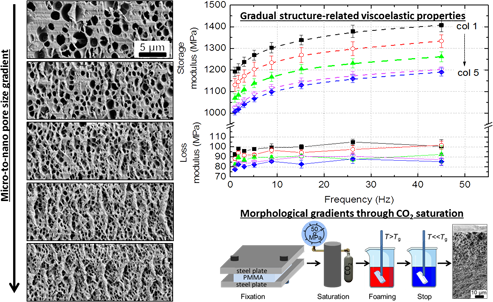
- to 254 nm for pore area fractions of 35% and 17%, respectively. A decreasing pore-wall thickness may stimulate the confinement of the polymer chains within the pore walls and lead to a reduced mobility of the macromolecules, as it was described for PMMA-based low-density nanoporous materials with
- reference. The pore area fraction and pore size were determined by SEM. The porous samples, independently on the pore diameter, show a trend of decreasing Mn (by 9–10%, Figure 6). This suggests the shortening of a part of macromolecules. At the same time Mw slightly increases from 2 to 4%, suggesting that
- increasing Mw values suggest a shortening of PMMA macromolecules with lower molecular mass. Properties of the porous PMMA. Pore area, diameter and wall thickness for the indentation columns 1–5, fitted both with log-normal and normal statistical models, and corresponding size-dependent values of storage


Intercalation and structural aspects of macroRAFT agents into MgAl layered double hydroxides
Beilstein J. Nanotechnol. 2016, 7, 2000–2012, doi:10.3762/bjnano.7.191
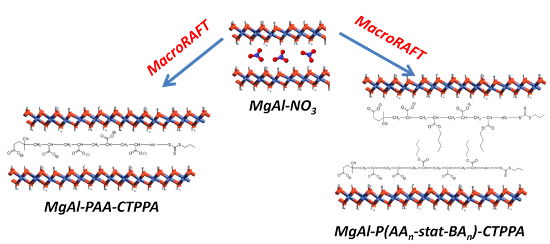
- inorganic LDH with the polymer matrix during the polymerization [32]. Water soluble macromolecules such as poly(vinyl alcohol), poly(acrylic acid) (PAA), poly(styrene sulfonate) were also intercalated into the layered structure to avoid the use of surfactant molecules which can alter nanocomposite
- nm), the interslab available for the PAA49-CTPPA corresponds to 0.6 nm, and indicates an orientation of the macromolecules as a monolayer with the carboxylate groups interacting with the positive adjacent inorganic layers (Figure 3a). The intercalation of P(AA-stat-BA)-CTPPA copolymers led to a
- larger basal spacing ranging from 2.32 to 2.33 nm, regardless of their molar mass (Table 2). This indicates that the copolymer molar mass did not strongly affect the intercalation and the interlayer arrangement of the macromolecules in between the LDH layers. The crystallinity of the samples was quite


Polystyrene-block-poly(ethylene oxide) copolymers as templates for stacked, spherical large-mesopore silica coatings: dependence of silica pore size on the PS/PEO ratio
Beilstein J. Nanotechnol. 2016, 7, 1454–1460, doi:10.3762/bjnano.7.137
- directly and clearly correlated to the adopted porogen, but sometimes the template behavior and its effect on pore generation remain unclear. Concerning soft templating, this procedure is related to the use of amphiphilic, low molecular weight surfactants or supramolecular cooperative macromolecules, which
- nanostructures, rod-like short cylinders, lamellar sheets or worm-like structures [9][10][11][12][13][14][15][16]. Since these colloidal aggregates are in equilibrium with the isolated species (i.e., amphiphilic molecules or macromolecules and ions) present in the solution, their formation (and stability) is


Reconstitution of the membrane protein OmpF into biomimetic block copolymer–phospholipid hybrid membranes
Beilstein J. Nanotechnol. 2016, 7, 881–892, doi:10.3762/bjnano.7.80
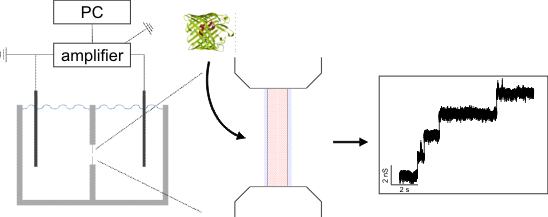
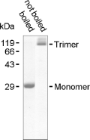
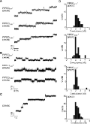
- lipid membranes with high fidelity and selectivity. In the field of biotechnology, they are particularly attractive for single-molecule DNA sequencing [1][2][3][4][5] and stochastic sensing of ions and macromolecules [6][7][8][9][10]. The well-defined dimensions of the protein pores furthermore offer a



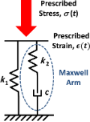
Nanoscale effects in the characterization of viscoelastic materials with atomic force microscopy: coupling of a quasi-three-dimensional standard linear solid model with in-plane surface interactions
Beilstein J. Nanotechnol. 2016, 7, 554–571, doi:10.3762/bjnano.7.49
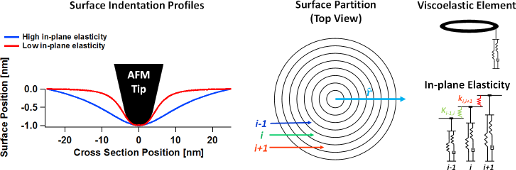
- allow the molecules to rearrange with relative ease [19][20]. There are also many viscoelastic surfaces which are formed by macromolecules that have cross-linking covalent bonds, such as vulcanized rubber [19], in which case there are restrictions on the relative mobility of adjacent molecules. From the


Synthesis and applications of carbon nanomaterials for energy generation and storage
Beilstein J. Nanotechnol. 2016, 7, 149–196, doi:10.3762/bjnano.7.17















Counterion effects on nano-confined metal–drug–DNA complexes
Beilstein J. Nanotechnol. 2016, 7, 62–67, doi:10.3762/bjnano.7.7
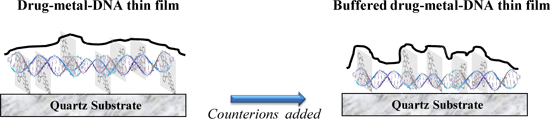
- . Thus, there are three aspects of the situation, which demand elucidation – the role of the ions, of the molecules (especially macromolecules) and of the confinement in the length scales of nanometers and micrometers – in maintaining the stability and homogeneity of the phase of the mixture [1][2][3][4
- states [6]. Again, a mixture of DNA and other macromolecules undergoes spontaneous segregation and organization under micrometre-scale confinement [7]. Regarding confinement effects at the nanometer scale, we have observed that in absence of counterions DNA molecules form layered structures aligned


Nanostructured surfaces by supramolecular self-assembly of linear oligosilsesquioxanes with biocompatible side groups
Beilstein J. Nanotechnol. 2015, 6, 2377–2387, doi:10.3762/bjnano.6.244
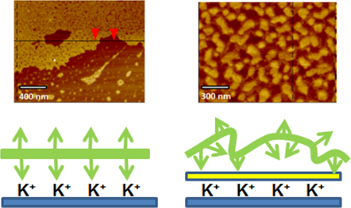
- surface roughness, thickness and the arrangement of macromolecules were noted depending on the kind of functional groups on the side chains. Specific changes in the morphology of the surface layer were observed when mica was primed with a monolayer of small organic compounds (e.g., N-acetylcysteine
- matrix in living organisms (e.g., CH3, OH, NH2 and COOH). We have investigated the effect of the kind of functional groups in side chains of LPSQ-COOH/X on the structure (e.g., surface roughness, thickness and arrangement of macromolecules within the coated layer) of the prepared PSAMs. Native mica was
- entropy–enthalpy compensation [51][52][53]. Thus, the mechanism of adsorption of LPSQ-COOH/X on mica should be discussed with respect to possible intermolecular interactions between polymer chains and their relations with the substrate. Macromolecules consisting of surface-reactive repeating units can




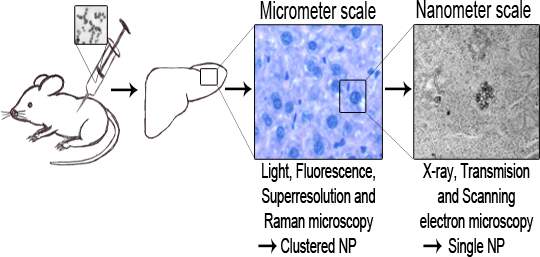
Overview about the localization of nanoparticles in tissue and cellular context by different imaging techniques
Beilstein J. Nanotechnol. 2015, 6, 263–280, doi:10.3762/bjnano.6.25
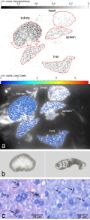
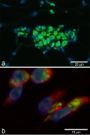
- to be considered when predicting the altered physicochemical properties of the labeled NP, including its charge, size, molecular weight, and overall structure [35]. For example, integrating indocarbocyanine-3 with a molecular weight of 767 Da into nanoscaled macromolecules such as dPGS with a



Release behaviour and toxicity evaluation of levodopa from carboxylated single-walled carbon nanotubes
Beilstein J. Nanotechnol. 2015, 6, 243–253, doi:10.3762/bjnano.6.23
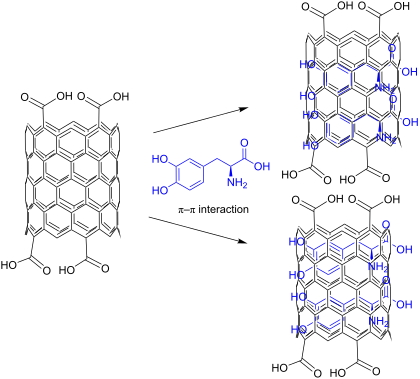
- ultrahigh surface area can enhance the loading capacity of different macromolecules or bioactive compounds, which are chemically attached to their side walls, tips or encapsulated inside the tubes. In addition, sufficiently functionalized CNTs can also adequately reduce the cytotoxic side effects of CNTs




Intake of silica nanoparticles by giant lipid vesicles: influence of particle size and thermodynamic membrane state
Beilstein J. Nanotechnol. 2014, 5, 2468–2478, doi:10.3762/bjnano.5.256
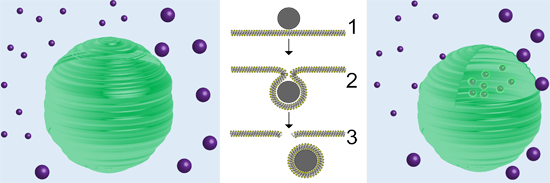
- macromolecules by cells on the one hand and passive model systems on the other hand [52][53]. One very important implication of our data is that even the fission of loaded vesicles can be achieved without the help of active proteins such as dynamin. This aspect is usually not regarded in the discussion about


Nanoparticle interactions with live cells: Quantitative fluorescence microscopy of nanoparticle size effects
Beilstein J. Nanotechnol. 2014, 5, 2388–2397, doi:10.3762/bjnano.5.248
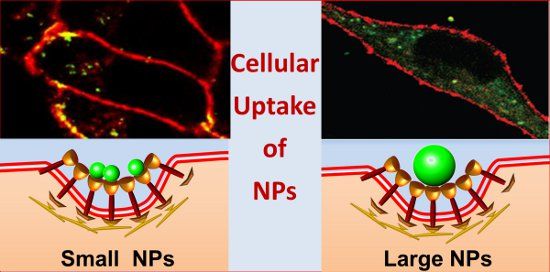
- of 100 nm NPs. Thus, we conclude that, upon binding to the cell membrane, these large NPs are immediately endocytosed. Elucidating NP uptake pathways Endocytosis enables cells to internalize nutrients, including macromolecules and larger particles. The choice of the internalization mechanism may


Biopolymer colloids for controlling and templating inorganic synthesis
Beilstein J. Nanotechnol. 2014, 5, 2129–2138, doi:10.3762/bjnano.5.222
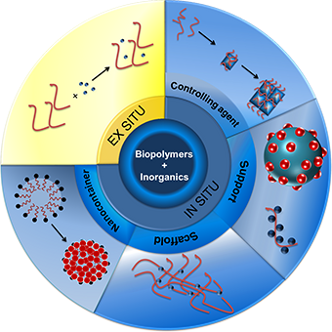
- biomineralization, biogenic macromolecules are not only present in the crystallization medium, but play a crucial role in the mineral formation. Biomacromolecules, (e.g., polysaccharides, proteins, and nucleic acids) can have thereby two main functions: (i) a controlling effect on nucleation and growth of the
- vivo mineralization, trying to study the effects of natural macromolecules [30]. Silicateins, for instance, are proteins not only used ex vivo for understanding mineralization processes in sponges, but also applied to prepare novel biomimetic hybrid materials, as nicely revised in a recent publication
- formed on the biomacromolecular chain, while in polymer-controlled crystallization processes the inorganic material is significantly larger than the macromolecules, which may get engulfed by the growing crystals. DNA chains have been coated by in situ deposition with different metals, metal oxides, and


Real-time monitoring of calcium carbonate and cationic peptide deposition on carboxylate-SAM using a microfluidic SAW biosensor
Beilstein J. Nanotechnol. 2014, 5, 1823–1835, doi:10.3762/bjnano.5.193
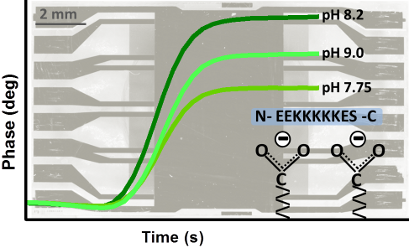
- efficiency while expanding the experimental design options [37][38]. So far, the most common real-time assays with respect to the function of macromolecules involved in biomineralization are based on calcium titration in bulk environments [23][39]. Although these assays are perfectly suited to monitor the
- minerals in biomineralization processes. Acidic macromolecules comprise a significant fraction of the organic matrix of many mollusc shells [43][44][45], therefore a carboxylate-terminated self-assembled monolayer (COO-SAM) sensor chip was used to investigate under which conditions interactions related to





