Search results
Search for "magnetic" in Full Text gives 898 result(s) in Beilstein Journal of Nanotechnology. Showing first 200.
Nanotechnology-based approaches for the removal of microplastics from wastewater: a comprehensive review
Beilstein J. Nanotechnol. 2025, 16, 1607–1632, doi:10.3762/bjnano.16.114
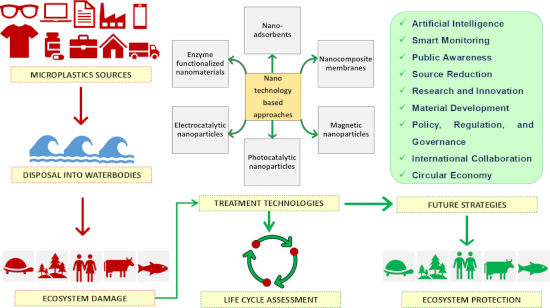
- fabrication process involves thermally transforming Ti3C2Tx MXene into multilayered TiO2 with photocatalytic properties, followed by coating with platinum and decorating the surface with magnetic γ-Fe2O3 nanoparticles. These engineered γ-Fe2O3/Pt/TiO2 microrobots exhibit light-driven, fuel-free movement with
- six degrees of freedom due to their negative photogravitaxis. Their self-propelling capability, combined with tunable surface charge (zeta potential), enables rapid attraction and capture of nanoplastics onto their surfaces and between layered structures. The magnetic nature of the microrobots allows
- system complexity. Preventive approaches, such as glutenin-genipin cross-linked coatings, effectively reduce plastic shedding under harsh conditions using biodegradable materials; however, they address only source control and lack proven scalability. Imine-functionalized mesoporous magnetic silica


Few-photon microwave fields for superconducting transmon-based qudit control
Beilstein J. Nanotechnol. 2025, 16, 1580–1591, doi:10.3762/bjnano.16.112
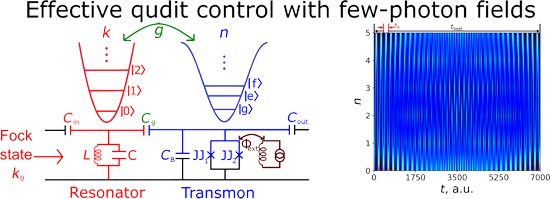
- ), or a pair of JJs forming an interferometer-like circuit, so the spectrum is no longer equidistant. In the case where the JJ pair is used, the characteristic (plasma) frequency of the transmon can be quickly adjusted in 10–20 ns in the range of 1 GHz by an external magnetic field [35]. In practice
- , researchers try to reduce the transmon frequency dependence on the external magnetic field to get rid of parasitic flux fluctuations. A large shunt capacitance CB is needed to increase resistance to parasitic charge fluctuations [36]. A few-photon non-classical microwave field (with a certain number of
- description of Fock-based qudit control First, we need to quantize the field in the harmonic oscillator that corresponds to a high-quality resonator. The energy of the electric field stored in the capacitor and the energy of the magnetic field stored in the inductor can be written as follows: with operators


Modeling magnetic properties of cobalt nanofilms used as a component of spin hybrid superconductor–ferromagnetic structures
Beilstein J. Nanotechnol. 2025, 16, 1557–1566, doi:10.3762/bjnano.16.110
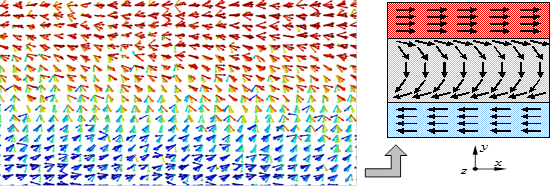
- ., Dolgoprudny, 141701, Russia 10.3762/bjnano.16.110 Abstract The paper presents a mathematical model for studying the magnetic behavior of atoms, which takes into account spin and interatomic interactions. Two problems were solved by means of mathematical modeling. At the first stage, the problem of modeling a
- previously obtained data confirmed the adequacy of the applied mathematical model. The second stage of numerical studies was devoted to the analysis of the magnetic behavior of cobalt nanofilms of different thicknesses. It was shown that the film thickness has a significant influence on the magnetic
- parameters of the modeled nanoscale systems. It was found that the magnetic energy and magnetization norm of the system change in a nonlinear manner with increasing number of crystalline layers of the nanofilm. The peaks found on the graph of the magnetization rate change can be caused by surface effects in


Dendrimer-modified carbon nanotubes for the removal and recovery of heavy metal ions from water
Beilstein J. Nanotechnol. 2025, 16, 1522–1532, doi:10.3762/bjnano.16.107

- formed [52]. The mixture of MA and DES was stirred at room temperature for 10 min and then diluted with 3 mL of deionized water to obtain a homogeneous solution. Subsequently, 100 mg of pure CNTs were gradually added to the MA-DES solution under continuous magnetic stirring for 30 min to ensure proper


Cross-reactivities in conjugation reactions involving iron oxide nanoparticles
Beilstein J. Nanotechnol. 2025, 16, 1504–1521, doi:10.3762/bjnano.16.106
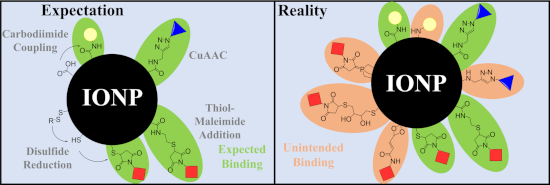
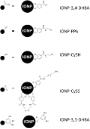
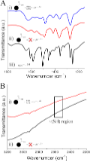
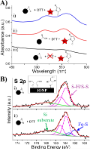
- Shoronia N. Cross Katalin V. Korpany Hanine Zakaria Amy Szuchmacher Blum Department of Chemistry, McGill University, 801 Sherbrooke Street West, Montreal, QC H3A 0B8, Canada 10.3762/bjnano.16.106 Abstract The preparation of multimodal nanoparticles by capping magnetic iron oxide nanoparticles
- Michael addition; Introduction Iron oxide nanoparticles (IONPs) have been the subject of an immense body of research in the field of biomedicine, where their magnetic properties are appealing for such applications as MRI contrast agents [1], tumor hyperthermia [2], and magnetic drug delivery [3
- targeting and drug payload delivery. The ability to chemically modify the ligand layer of IONPs, while maintaining their morphology and magnetic properties, is thus paramount to the preparation of functional IONPs. The use of highly selective conjugation reactions such as 1-ethyl-3-(3-dimethylaminopropyl







Nanomaterials for biomedical applications
Beilstein J. Nanotechnol. 2025, 16, 1499–1503, doi:10.3762/bjnano.16.105

- . Drugs or genetic material can be carried by these cylindrical nanoparticles and directed towards specific cells through external stimuli such as a magnetic field or light [12]. A new nanoscale drug delivery system has been developed by using carbon nanotubes and a carbon nanotube–graphene hybrid to more
- color upon detecting the virus. Their capability to attach to specific antibodies or DNA strands makes them perfect for detecting even faint traces of disease [18]. Moreover, magnetic nanoparticles specially made from iron oxide are also being used in medical imaging. They are usually employed as
- contrast agents in magnetic resonance imaging (MRI) process [19]. There is more clarity in MRI images due to these nanoparticles, which help doctors to see even the smallest details in tissues and organs [20]. Apart from imaging, magnetic nanoparticles are now used in biosensors and lab-on-a-chip devices
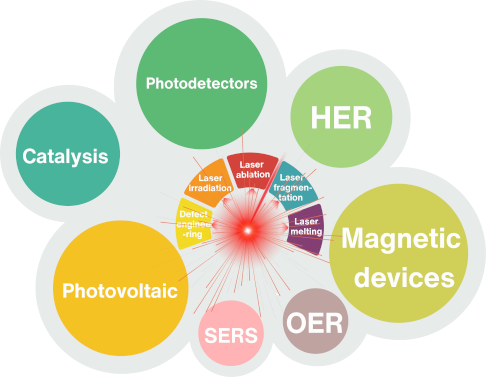
Laser processing in liquids: insights into nanocolloid generation and thin film integration for energy, photonic, and sensing applications
Beilstein J. Nanotechnol. 2025, 16, 1428–1498, doi:10.3762/bjnano.16.104






The role of biochar in combating microplastic pollution: a bibliometric analysis in environmental contexts
Beilstein J. Nanotechnol. 2025, 16, 1401–1416, doi:10.3762/bjnano.16.102

- techniques according to their treatment models, such as batch and fixed-column systems [22]. Modified biochars have been developed to enhance MP capture efficiency, including magnetic biochar, which facilitates easy separation from aqueous environments [22][23]. A comparative study by Mulindwa, et al. [24
- removal efficiency in wastewater treatment applications. Biochar synthesis techniques and functional optimization Biochar synthesis The synthesis methods for biochar, as illustrated in Figure 4, encompass traditional hydrolysis techniques and modified approaches utilizing materials such as magnetic
- modifiers, magnetic-derived amphoteric metals and cooperative microbes [31][32][33][34]. Traditional biochar synthesis aims to optimize specific surface area and structural stability by controlling reaction time, heating rate and reactor temperature [35]. For example, biochar produced from oilseed rape



Synthesis and antibacterial properties of nanosilver-modified cellulose triacetate membranes for seawater desalination
Beilstein J. Nanotechnol. 2025, 16, 1380–1391, doi:10.3762/bjnano.16.100
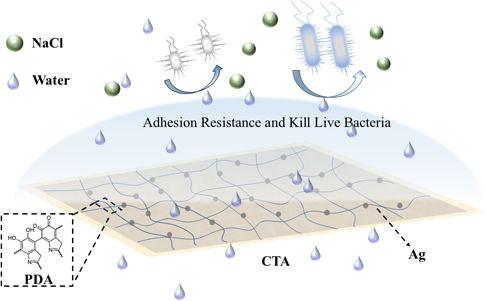
- and Discussion Structure of membrane material To verify the target structure of the synthesized material, Fourier-transform infrared spectroscopy (FTIR) and nuclear magnetic resonance spectroscopy (NMR) were conducted, with the spectra depicted in Figure 1 and Figure 2, respectively. The FTIR bands


Ferroptosis induction by engineered liposomes for enhanced tumor therapy
Beilstein J. Nanotechnol. 2025, 16, 1325–1349, doi:10.3762/bjnano.16.97
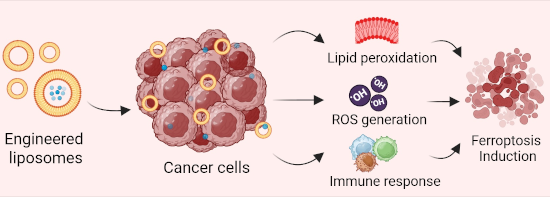
- . Other characterization techniques include nuclear magnetic resonance (NMR) spectroscopy to study membrane fluidity and phase transitions, fluorescence spectroscopy for investigating drug–liposome interactions, and capillary electrophoresis to analyze liposome–drug interactions and drug release [110][121


Acrocomia aculeata oil-loaded nanoemulsion: development, anti-inflammatory properties, and cytotoxicity evaluation
Beilstein J. Nanotechnol. 2025, 16, 1277–1288, doi:10.3762/bjnano.16.93
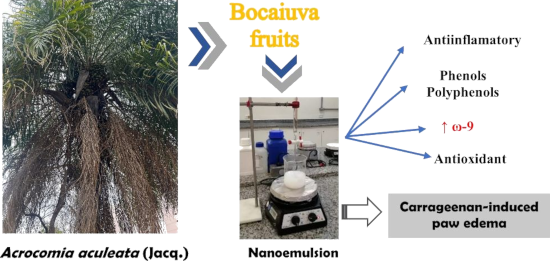
- 80®: Tween 80®), and 90% deionized water. The organic phase, composed of bocaiúva oil and surfactants, was stirred at 400 rpm at 35 °C for 20 min. The aqueous phase (deionized water with conductivity below 0.4 μS and pH 6.5) was added to the organic phase at 1 mL/min under continuous magnetic


Better together: biomimetic nanomedicines for high performance tumor therapy
Beilstein J. Nanotechnol. 2025, 16, 1246–1276, doi:10.3762/bjnano.16.92
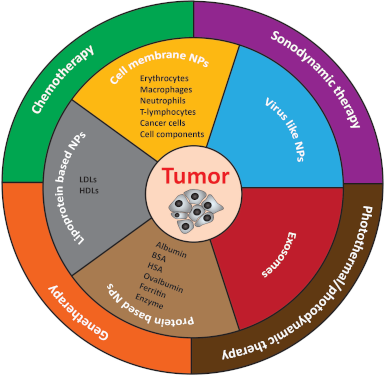
- , high efficiency, and better tissue penetration. They developed small Fe@Fe3O4-DHCA nanoparticles (≈14 nm) and coated them with macrophages (RAW267.4 cells) for magnetic resonance imaging (MRI) and MHT of solid tumors. The Fe@Fe3O4-DHCA NPs showed accumulation in tumor cells resulting in enhanced MRI
- intravenous administration of T cell membrane-coated nanoparticles directed to the cancerous organ by an externally applied magnetic field, followed by immune cell membrane-mediated cancer targeting. This strategy led to accelerated accumulation of nanomedicine in the tumor with minimal off-target exposure
- in vivo [69]. Previously, rHDL combined with a hydrophilic polymeric core and a magnetic core for imaging applications [70][71]. Cholesterol has been associated as a key player in the emergence of many diseases including medulloblastoma. HDL nanoparticles have been prepared to treat medulloblastoma







Functional bio-packaging enhanced with nanocellulose from rice straw and cinnamon essential oil Pickering emulsion for fruit preservation
Beilstein J. Nanotechnol. 2025, 16, 1234–1245, doi:10.3762/bjnano.16.91
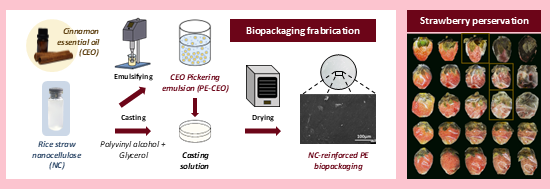
- of essential oil Pickering emulsion containing biopackaging PVA was dispersed in water at 6% (w/v) using a magnetic stirrer with heating at 80 °C for 3 h and 1 mL of glycerol was added to create the biopackaging (BP) film-forming solution [24]. NC suspension at a mNC/mPVA ratio of 6% (w/w) was added




Chitosan nanocomposite containing rotenoids: an alternative bioinsecticidal approach for the management of Aedes aegypti
Beilstein J. Nanotechnol. 2025, 16, 1197–1208, doi:10.3762/bjnano.16.88
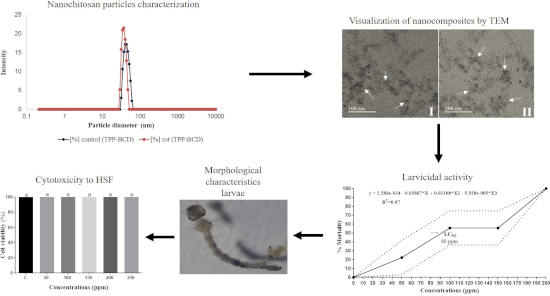
- . Subsequently, 15 mL of a 5 mM sodium tripolyphosphate (TPP) solution was prepared. The chitosan solution was then added dropwise to the TPP solution, while the mixture was continuously agitated on a magnetic stirrer at 1000 rpm, overnight, at room temperature. The resulting solution was centrifuged at 10,000g



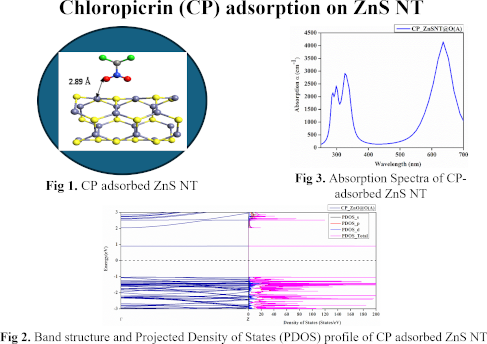
Electronic and optical properties of chloropicrin adsorbed ZnS nanotubes: first principle analysis
Beilstein J. Nanotechnol. 2025, 16, 1184–1196, doi:10.3762/bjnano.16.87
- , which can be tailored through rational design. By precisely controlling their size, shape, synthesis conditions, and functionalization, nanomaterials can achieve extraordinary magnetic, electrical, optical, mechanical, sensing, anticancer, and photocatalytic properties that significantly differ from


Transfer function of an asymmetric superconducting Gauss neuron
Beilstein J. Nanotechnol. 2025, 16, 1160–1170, doi:10.3762/bjnano.16.85
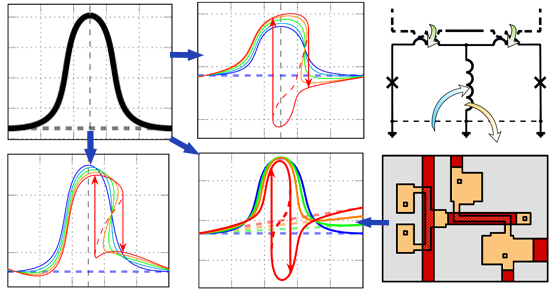
- third (output) arm. The latter consists of an inductive element Lout, which generates a magnetic flux Φout = LoutIout when a current Iout flows through it (currents in the input arms are denoted as IA,B in Figure 1). The input signal of the neuron is the magnetic flux Φin, created using a control line
- (CL, shown as a dashed line in Figure 1), an external solenoid, or another method. An additional magnetic flux Φb is also introduced into the neuron, influencing the shape of the neuron’s transfer function (TF) [1][12][14]. When developing experimental superconducting neurons [17][18], it is essential
- the junctions JJA,B, IcA,B are the critical currents, and Φ0 is the magnetic flux quantum. Equation 2 is written for the left input loop, consisting of the left input and output arms (see Figure 1); Equation 3 is for the loop consisting of the right input and output arms (right input loop). The



Crystalline and amorphous structure selectivity of ignoble high-entropy alloy nanoparticles during laser ablation in organic liquids is set by pulse duration
Beilstein J. Nanotechnol. 2025, 16, 1141–1159, doi:10.3762/bjnano.16.84
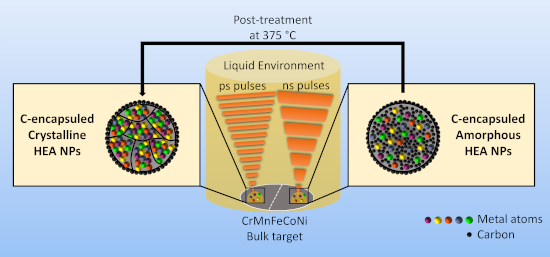
- catalysis or magnetic devices. This is due to their exceptional compositional tunability arising from the synergistic interplay of multiple elements within a single particle. While laser-synthesized, surfactant-free colloidal HEA NPs have already been reported, the underlying formation mechanism remains
- various applications in magnetic technologies [2][3] and electrocatalysis [2][4], derived from the combination of single-element properties which results in enhanced features compared to single-element properties [5]. High-entropy alloy nanoparticles (HEA NPs) constitute a relatively new class of


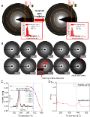


Fabrication of metal complex phthalocyanine and porphyrin nanoparticle aqueous colloids by pulsed laser fragmentation in liquid and their potential application to a photosensitizer for photodynamic therapy
Beilstein J. Nanotechnol. 2025, 16, 1088–1096, doi:10.3762/bjnano.16.80
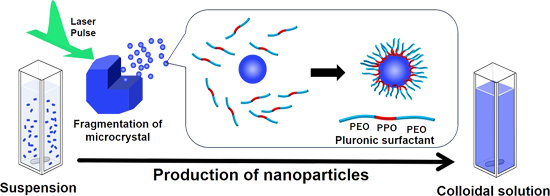
- cuvette (1 × 1 × 4 cm3) and irradiated with nanosecond laser pulses (532 nm wavelength, 6 ns full-width at half-maximum, 10 Hz repetition rate, fluence = 140 mJ·cm−2 per pulse) under stirring with a magnetic stirrer. The nanoparticle generation was examined by measuring the absorption spectrum with a USB
- plastic cuvette (1 × 1 × 4 cm3) and exposed to an unfocused beam of the second harmonic pulses (532 nm wavelength, 6 ns pulse width, 10 Hz repetition rate) from a nanosecond Nd3+:YAG laser (Surelite I, Continuum) at a laser fluence of 140 mJ·cm−2 per pulse. The suspension was stirred with a magnetic


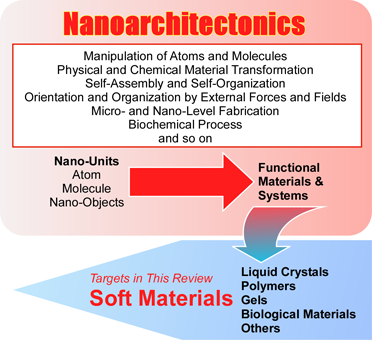
Soft materials nanoarchitectonics: liquid crystals, polymers, gels, biomaterials, and others
Beilstein J. Nanotechnol. 2025, 16, 1025–1067, doi:10.3762/bjnano.16.77




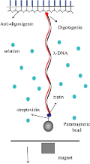


Synthesis of biowaste-derived carbon-dot-mediated silver nanoparticles and the evaluation of electrochemical properties for supercapacitor electrodes
Beilstein J. Nanotechnol. 2025, 16, 933–943, doi:10.3762/bjnano.16.71
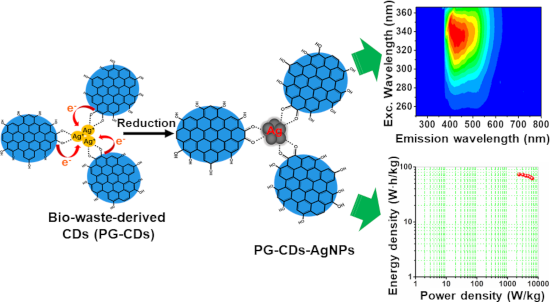
- -CDs) For the synthesis of PG-CDs, 100 g of Pongamia pinnata leaves powder was taken into 1 L of water and stirred for 15 min at 60 °C on a magnetic stirrer. Procedures for the preparation of Pongamia pinnata leaves powder are discussed in Supporting Information File 1, section S1. Then, it was
- filtered by a Whatman filter paper and the extract was collected and placed on a magnetic stirrer with a sand bath maintained at 120 °C for 24 h. The color of the solution changed from orange to brown confirming the reaction progresses. After that, it was left alone until the reaction solution reached room


Structural and magnetic properties of microwave-synthesized reduced graphene oxide/VO2/Fe2O3 nanocomposite
Beilstein J. Nanotechnol. 2025, 16, 921–932, doi:10.3762/bjnano.16.70
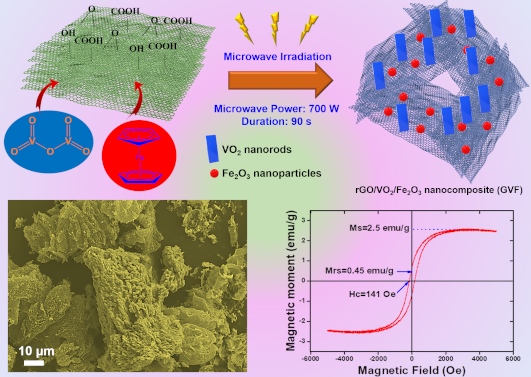
- Fe2O3 nanoparticles and VO2 nanorods on the 2D rGO surface. Notably, the ternary composite displayed good magnetic properties for its potential biomedical applications. Overall, this work explores an efficient and cost-effective synthetic approach for developing graphene-based magnetic nanocomposites
- , the approach was also able to convert V2O5 to form VO2 and synthesize Fe2O3 from ferrocene. The structure and properties of the NC were examined through various characterization techniques. Lastly, the magnetic properties of Fe-containing ternary NCs were also evaluated for their possible biomedical
- F20). Furthermore, the magnetic properties of the NCs were evaluated using a vibrating-sample magnetometer (VSM, LakeShore (8604)). Microwave synthesis of reduced graphene oxide Following a previous report, graphite powder was initially oxidized to form graphite oxide to synthesize rGO through MW


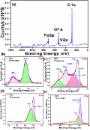

Focused ion beam-induced platinum deposition with a low-temperature cesium ion source
Beilstein J. Nanotechnol. 2025, 16, 910–920, doi:10.3762/bjnano.16.69
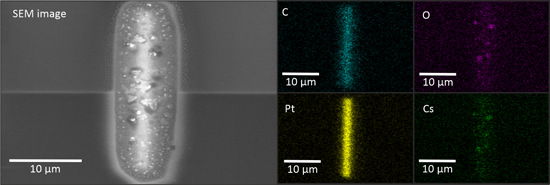
- magnetic or superconductive structures can be created [1][2][3][4]. Also, specific mechanical structures on atomic force microscopy (AFM) cantilevers can be made [5][6]. In the literature, four mechanisms are used to explain the complex process of focused ion beam-induced deposition (FIBID) [5][7]; the


Synthesis and magnetic transitions of rare-earth-free Fe–Mn–Ni–Si-based compositionally complex alloys at bulk and nanoscale
Beilstein J. Nanotechnol. 2025, 16, 823–836, doi:10.3762/bjnano.16.62
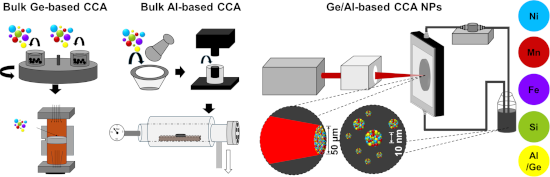
- ), University of Duisburg-Essen, Lotharstr. 1, 47057 Duisburg, Germany GROC·UJI, Institute of New Imaging Technologies, Universitat Jaume I, Av. De Vicent Sos Baynat s/n, 12071 Castellón, Spain 10.3762/bjnano.16.62 Abstract Magnetic phase transitions at the Curie temperature are essential for applications like
- magnetocaloric refrigeration, magnetic sensors, and actuators, but the reliance on costly, scarce rare-earth materials limits sustainability. Developing affordable, rare-earth-free materials with tunable magnetic properties and scalable miniaturization methods is vital for advancing technology. We present a
- comprehensive synthesis approach for rare-earth-free compositionally complex alloys (CCAs) with magnetic phase transitions, spanning from bulk materials to nanoparticles. Specifically, we investigate Mn22.3Fe22.2Ni22.2Ge16.65Si16.65 (Ge-based CCA) and Mn0.5Fe0.5NiSi0.93Al0.07 (Al-based CCA). The bulk materials


Morphology and properties of pyrite nanoparticles obtained by pulsed laser ablation in liquid and thin films for photodetection
Beilstein J. Nanotechnol. 2025, 16, 785–805, doi:10.3762/bjnano.16.60
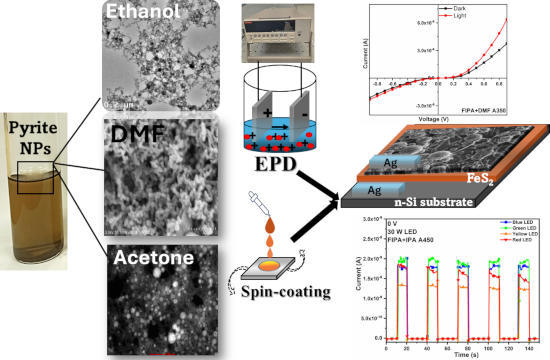
- of a magnetic field by laser ablation in liquids. SEM and TEM images of FeS2 nanoparticles prepared without a magnetic field revealed spherical particles with varying sizes, aggregation and agglomeration with an average size of approximately 40 nm [38]. In contrast to this, the average particle sizes
- phase-pure FeS2. A photodetector with detectivity of around 108 Jones was reported [68]. Mohsin et al. reported an external magnetic field-assisted laser ablation in liquid technique to prepare FeS2 nanoparticles [38]. They reported fabrication of FeS2 NPs/p-Si photodetectors using dipping technique






Changes of structural, magnetic and spectroscopic properties of microencapsulated iron sucrose nanoparticles in saline
Beilstein J. Nanotechnol. 2025, 16, 762–784, doi:10.3762/bjnano.16.59
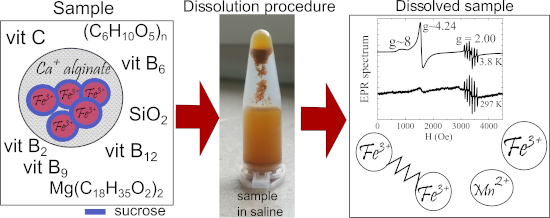
- changes upon dissolution in saline were tested. For the undissolved sample, calcium alginate microcapsules with irregular shapes were registered via scanning electron microscopy, inside which core–shell nanoparticles were identified by transmission electron microscopy micrographs. Magnetic studies (DC and
- completely dissolved sample. Keywords: calcium alginate; dissolution; iron oxyhydroxide nanoparticles; magnetic properties; saline; spectroscopy; Introduction Hematinic are substances such as iron, vitamin B12, and folic acid that are essential in the production of blood [1]. Iron deficiency drugs, which
- size of the drug for easier swallowing. Simultaneously, all these compounds due to the iron content should exhibit magnetic properties that may potentially turn out to be interesting. Moreover, since all iron deficiency agents are commercial products and are mass produced, their properties can be