


Search results
Search for "metals" in Full Text gives 652 result(s) in Beilstein Journal of Nanotechnology. Showing first 200.
Preferential enrichment and extraction of laser-synthesized nanoparticles in organic phases
Beilstein J. Nanotechnol. 2025, 16, 254–263, doi:10.3762/bjnano.16.20
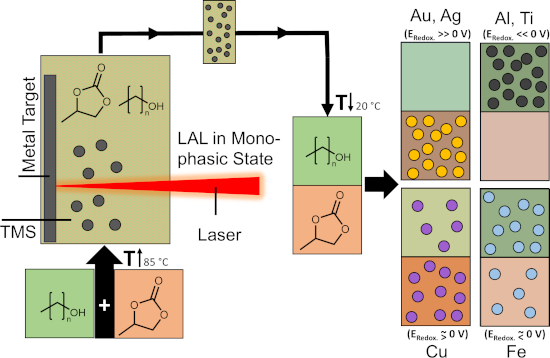
- system. The abundance of nanoparticles in PC or alcohol was found to correlate with the electrochemical reduction potential of the respective metal, where the noble metals were enriched within the more polar solvents. The polarity of the solvents (as function of the carbon chain length of the alcohol
- , polarity of the solvent, or even physical attributes (e.g., boiling point), phase transfer methods are essential. To close this knowledge gap, we have performed ablation of six different metals (Au, Ag, Cu, Fe, Al, and Ti) ranging from high to low standard electrochemical reduction potentials in a
- phase transfer process. Finally, the nanoparticles were analyzed to gain insights into the physical and chemical properties that determine the nanoparticle’s phase preference. Results and Discussion Influence of standard electrochemical reduction potential on phase preference Laser ablation of metals





Recent advances in photothermal nanomaterials for ophthalmic applications
Beilstein J. Nanotechnol. 2025, 16, 195–215, doi:10.3762/bjnano.16.16
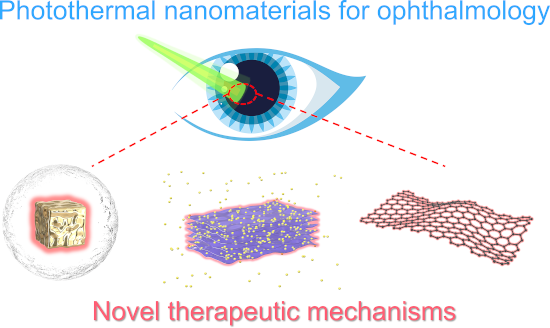
- categorized into three distinct types based on their different photothermal conversion mechanisms, which arise from their unique electronic structures [23][24]. The types include metals exhibiting localized surface plasmon resonance (LSPR), carbon and polymer materials undergoing molecular thermal vibration
- selectively limits the photothermal conversion processes to the target tissue area, resulting in highly efficient, precise, and safe treatments [38][39]. 2.1 Plasmonic metal nanoparticles The vibrant colors of metals are indicative of their tendency to absorb light at single wavelengths, rather than across
- efficient process with photothermal conversion nearing 100% efficiency (see below in Figure 2a) [45][46][47]. The specific absorption wavelength of these metals is closely linked to their extinction cross section and particle size and shape, which are greatly influenced by the chemical capping agents and


Probing the potential of rare earth elements in the development of new anticancer drugs: single molecule studies
Beilstein J. Nanotechnol. 2025, 16, 187–194, doi:10.3762/bjnano.16.15

- fact that some metals have been successfully used, or are being investigated, as components of chemotherapeutic drugs [9][10], especially platinum [11][12][13][14][15][16] or, alternatively, ruthenium [17], titanium [18], gold, and copper. Here we report the high potential of three rare earth elements


TiO2 immobilized on 2D mordenite: effect of hydrolysis conditions on structural, textural, and optical characteristics of the nanocomposites
Beilstein J. Nanotechnol. 2025, 16, 128–140, doi:10.3762/bjnano.16.12
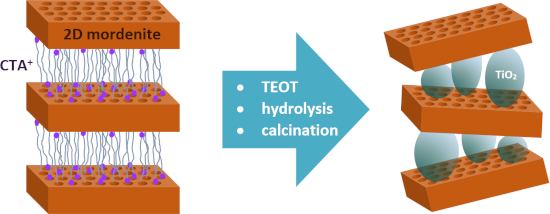
- hydrolysis of M(OR)4 (M = metal), unlike the hydrolysis of Si(OR)4, is an extremely fast process. Thus, the basic concepts that were developed specifically for Si(OR)4 cannot be applied to the hydrolysis of any arbitrary metal alkoxides. The higher coordination number of metals in their alcoholic and hydroxy




Nanocarriers and macrophage interaction: from a potential hurdle to an alternative therapeutic strategy
Beilstein J. Nanotechnol. 2025, 16, 97–118, doi:10.3762/bjnano.16.10

- decades of technological evolution, during which NCs have become indispensable components of drug delivery systems, known for their adaptability and efficiency [2]. The “family” of nanoparticles (NPs) includes a broad range of materials such as lipids, polymers, proteins, dextran, silica [3], and metals


Theoretical study of the electronic and optical properties of a composite formed by the zeolite NaA and a magnetite cluster
Beilstein J. Nanotechnol. 2025, 16, 44–53, doi:10.3762/bjnano.16.5
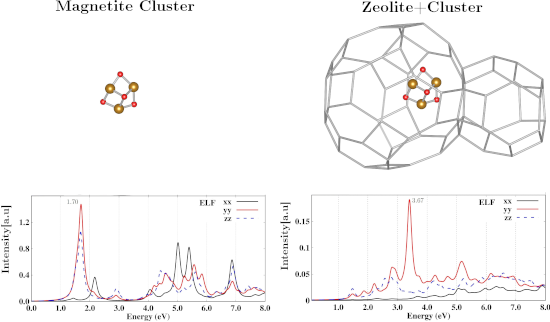
- introduction of magnetic nanoparticles into zeolite crystals so that the resulting composite can respond to an external magnetic field [33]. By imparting magnetic properties to such composites, they can be efficiently recovered after capturing contaminants such as heavy metals [34][35][36][37] and dyes [38][39
- nanoparticles, sodium Linde A Type (LTA) zeolite, also known as NaA zeolite, stands out for its remarkable capacity and selectivity to capture various types of metals commonly found as contaminants in drinking water. These metals include Ca, K, Mg, Mn, Co, Zn, Cu, Pb, Cd, Cs, and Sr [42][43][44][45][46




Fabrication of hafnium-based nanoparticles and nanostructures using picosecond laser ablation
Beilstein J. Nanotechnol. 2024, 15, 1639–1653, doi:10.3762/bjnano.15.129
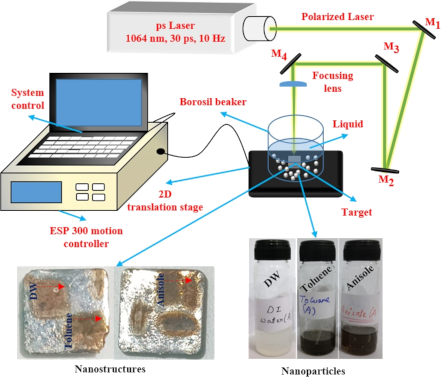
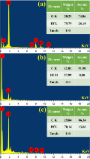
- carbides by LAL in aromatic solvents was reported previously with transition metals such as iron and cobalt [54][55][56]. Kanitz et al. [55] have reported the formation of pure (i.e., with a clean surface) iron nanoparticles when the target was ablated with femtosecond pulses (5 kHz repetition rate, though




Biomimetic nanocarriers: integrating natural functions for advanced therapeutic applications
Beilstein J. Nanotechnol. 2024, 15, 1619–1626, doi:10.3762/bjnano.15.127

- differences in key characteristics. The National Nanotechnology Initiative (NNI) emphasizes that nanomaterials hold promising potential across various fields of knowledge [1][5]. Materials such as liposomes, nanoparticles, polymer–drug conjugates, inorganic noble metals, and quantum dots may improve


Facile synthesis of size-tunable L-carnosine-capped silver nanoparticles and their role in metal ion sensing and catalytic degradation of p-nitrophenol
Beilstein J. Nanotechnol. 2024, 15, 1576–1592, doi:10.3762/bjnano.15.124
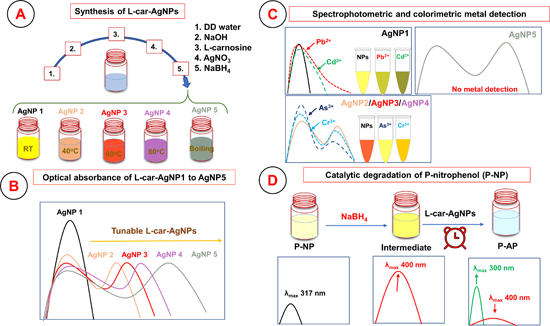
- with various contaminants. Keywords: catalysis; heavy metals; ʟ-carnosine; p-nitrophenol; silver nanoparticles; Introduction The persistent rise in environmental pollution, notably from heavy metal ions and organic pollutants, has propelled the development of innovative and efficient environmental
- monitoring and remediation methods. Five heavy metals, namely, mercury (Hg2+), lead (Pb2+), cadmium (Cd2+), chromium (Cr3+), and arsenic (As3+), pose severe risks to human health and ecological systems because of their non-biodegradable nature and long biological half-lives, leading to bioaccumulation and
- [18]. Therefore, it was hypothesized that the synthesis of silver nanoparticles capped with ʟ-carnosine may provide two functionalities, that is, monitoring heavy metal ions and degradation of P-NP. Another challenge in sensing heavy metals with capped silver nanoparticles is to detect multiple metals





The round-robin approach applied to nanoinformatics: consensus prediction of nanomaterials zeta potential
Beilstein J. Nanotechnol. 2024, 15, 1536–1553, doi:10.3762/bjnano.15.121
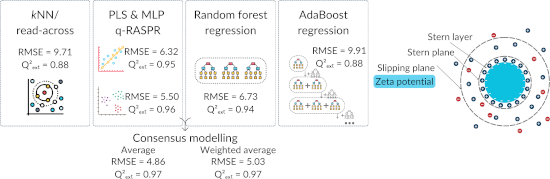
- CuO) were represented as 0 and metals (e.g., Ag, Au, and Cu) were represented as 1. For the shape group descriptor, the string names “Spherical”, “Square Plates” and “Rod” were one-hot encoded. Lastly, out of 22 unique coatings, five categories were created (sodium citrate, ʟ-arginine, PVP, uncoated
- also calculated using elemental descriptors calculator software (https://sites.google.com/jadavpuruniversity.in/dtc-lab-software/other-dtc-lab-tools?authuser=0). Basic information about the metals has been taken directly from the periodic table to calculate descriptors for the reported metal oxide NMs


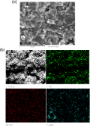
Electrochemical nanostructured CuBTC/FeBTC MOF composite sensor for enrofloxacin detection
Beilstein J. Nanotechnol. 2024, 15, 1522–1535, doi:10.3762/bjnano.15.120
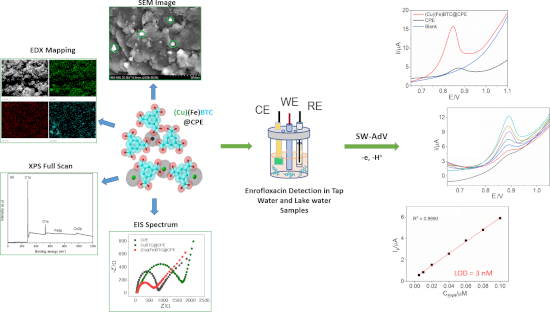
- efficacy in the detection of ENR with quick response, low cost, and simple handling; hence, these methods are promising to quantify ENR [15][16]. Noble metals and metal-organic frameworks (MOFs) are the most typical electrode materials to detect antibiotics [17][18]. MOFs emerged as the outstanding







Effect of radiation-induced vacancy saturation on the first-order phase transformation in nanoparticles: insights from a model
Beilstein J. Nanotechnol. 2024, 15, 1453–1472, doi:10.3762/bjnano.15.117

- . Ceramic nanomaterials, which possess high vacancy migration energy, will have their behavior significantly influenced by radiation doses. In contrast, most metals exhibit small vacancy migration energy and demonstrate better resistance to irradiation, making them recommended candidates for nuclear
- . Disorder can arise from the recombination of these defects [1][2][3][4][5][6][7][8][9]. In metals, for instance, the equilibrium concentration of thermal vacancies, even at high pre-melting temperatures, reaches values of only about 0.1% [10][11]. Therefore, in the following, we will focus on radiation
- is worth noting that the thermodynamic analysis and conclusions drawn from this study are applicable for understanding amorphization and polymorphic phase transitions in both metals and ceramics. In the present study we investigate model systems with structure change, but without composition change


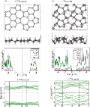
Strain-induced bandgap engineering in 2D ψ-graphene materials: a first-principles study
Beilstein J. Nanotechnol. 2024, 15, 1440–1452, doi:10.3762/bjnano.15.116
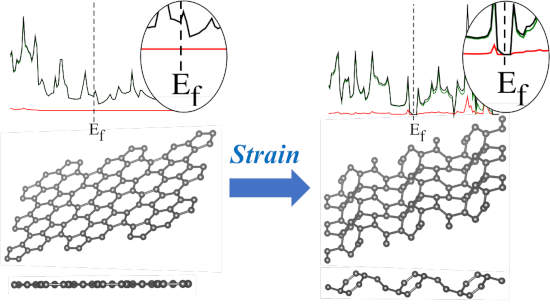
- an anode material in Li-ion batteries [16]. Theoretical investigations also suggest that when ψ-graphene is decorated with transition metals like zirconium, yttrium, and titanium, it can serve as an excellent adsorbent for hydrogen storage [42][44][45]. DFT calculations have shown that the adsorption




A biomimetic approach towards a universal slippery liquid infused surface coating
Beilstein J. Nanotechnol. 2024, 15, 1376–1389, doi:10.3762/bjnano.15.111
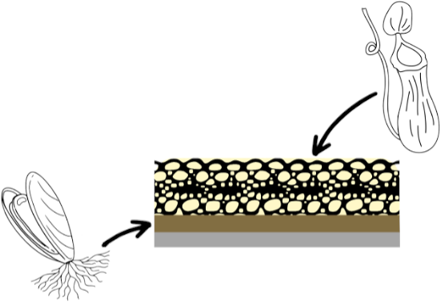
- substrate. Over a decade ago, Lee et al. demonstrated that mussels could adhere to virtually any surface through a molecule called polydopamine (PDA) [19]. The power of PDA lies in its ability to coat a thin layer onto any material, from polymers and metals to glass. The authors also demonstrated the




Investigation of Hf/Ti bilayers for the development of transition-edge sensor microcalorimeters
Beilstein J. Nanotechnol. 2024, 15, 1353–1361, doi:10.3762/bjnano.15.108

- probability that these excitations will result in the vaporization of one or more helium atoms from the liquid surface. The vaporized atoms then strike the surface of the microcalorimeter, whose task is to determine their recoil energy. When such atoms are adsorbed on the surface of metals, in addition to the
- recoil energy, the adsorption energy is released, which for the most common metals reaches tens of millielectronvolts, amplifying the signal. Thus, the task of detecting the neutrino spectrum requires microcalorimeters with an energy resolution capable of distinguishing the initial recoil energy
- ongoing, and the choice of a superconductor material plays an important role here [6][7]. An increase in sensitivity can be achieved by lowering the critical temperature TC below 100 mK. A known solution is two- or multilayer films of various superconductors and normal metals to suppress the transition


Hymenoptera and biomimetic surfaces: insights and innovations
Beilstein J. Nanotechnol. 2024, 15, 1333–1352, doi:10.3762/bjnano.15.107
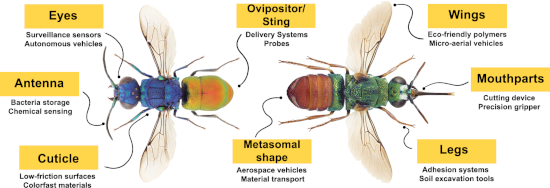
- of Hymenoptera, mandibles are known to include trace metals, mainly Zn and secondarily Mn, in the cuticle [57]; these features increase their hardness [58] (Figure 3A). Ants are by far the hymenopteran group where this trait was most extensively studied (21 species in total spanning five subfamilies
- from their highly specialized form, also the elemental structure of this organ evolved to increase drilling ability while limiting abrasion and wear. Indeed, trace metals such as Zn, Mn, and Cu were variably found within the cuticle matrix of Hymenoptera ovipositors and stings [159][160]. The mechanics








Nanoarchitectonics with cetrimonium bromide on metal nanoparticles for linker-free detection of toxic metal ions and catalytic degradation of 4-nitrophenol
Beilstein J. Nanotechnol. 2024, 15, 1312–1332, doi:10.3762/bjnano.15.106
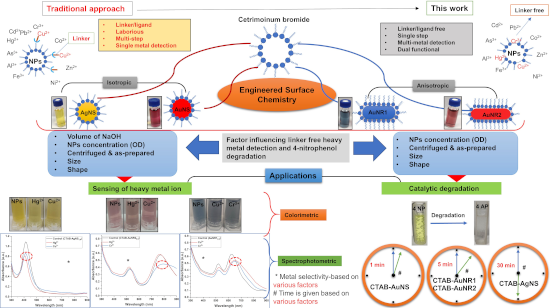
- metals and efficient degradation of 4-NP. For enabling linker-free/ligand-free detection of heavy metal ions and catalytic degradation of 4-NP, CTAB was engineered as a versatile capping agent on gold and silver nanoparticles. Various factors, including nanoparticle characteristics such as shape, size
- does not allow for interactions with ligands via ion–ion interactions. Therefore, multiple surface modifications or linkers must be used for selective interaction between ligand and CTAB-capped gold and silver nanoparticles [7][9]. Contaminants in form of heavy metals and pollutant such as 4
- also leads to undesirable side effects such as iron overload (hemochromatosis) and acute iron poisoning [14]. Similarly, other metals, including copper and cobalt, significantly damage different body parts above a threshold limit. Heavy metal ions pose a severe risk to human and environmental health





Interaction of graphene oxide with tannic acid: computational modeling and toxicity mitigation in C. elegans
Beilstein J. Nanotechnol. 2024, 15, 1297–1311, doi:10.3762/bjnano.15.105

- elegans. Ouyang et al. [12] showed that small molecules (e.g., polycyclic aromatic hydrocarbons) and heavy metals, present in the natural water as nanocolloids, potentiate GO’s phytotoxicity. Moreover, biomolecules such as polysaccharides, proteins, lipids, and humic acids may interact with the material’s


Mn-doped ZnO nanopowders prepared by sol–gel and microwave-assisted sol–gel methods and their photocatalytic properties
Beilstein J. Nanotechnol. 2024, 15, 1283–1296, doi:10.3762/bjnano.15.104
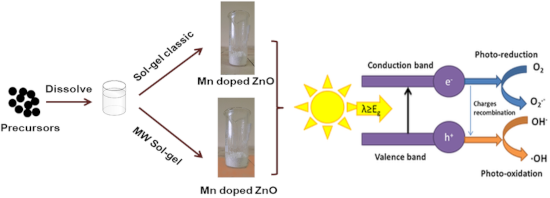
- these requirements, putting in front inexpensive, environmentally friendly ZnO able to remove the oxalic acid from aqueous media under solar light irradiation, without added noble metals and only modified with manganese. Our findings not only highlight the potential of Mn-doped ZnO as a highly effective


Introducing third-generation periodic table descriptors for nano-qRASTR modeling of zebrafish toxicity of metal oxide nanoparticles
Beilstein J. Nanotechnol. 2024, 15, 1142–1152, doi:10.3762/bjnano.15.93

- range of substances that can be categorized as carbon-based, metal oxides, semiconductors, polymers, clays, emulsions, or metals [2]. Metal oxide nanoparticles (MONPs) are metallic oxides that exist within the nanoscale range and can be intentionally created or occur naturally [3]. Under the rapid
- the outer electrons in larger atoms, which might reduce the efficiency of electronic interactions essential for binding or catalytic activity. Our nano-QSTR model suggests that the enzymatic activity of ZHE1 in zebrafish is influenced negatively by the total electronegativity of metals and the atomic


Local work function on graphene nanoribbons
Beilstein J. Nanotechnol. 2024, 15, 1125–1131, doi:10.3762/bjnano.15.91
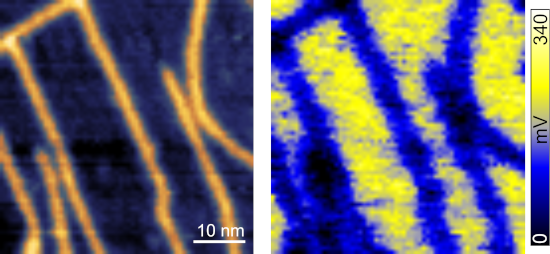
- bandgap [12], which is also related to the work function. GNRs can be synthesized with atomic precision in an ultrahigh-vacuum environment using on-surface synthesis [13]. This synthesis is well known on coinage metals, namely, Cu, Ag, and Au, which possess a high electron density. To study these unique


![[Graphic 1]](/bjnano/content/inline/2190-4286-15-91-i4.svg?max-width=637&scale=1.18182)
Unveiling the potential of alginate-based nanomaterials in sensing technology and smart delivery applications
Beilstein J. Nanotechnol. 2024, 15, 1077–1104, doi:10.3762/bjnano.15.88

- discussed, including drug delivery and environmental sensing applications for humidity, heavy metals, and hydrogen peroxide. Moreover, biomedical sensing applications of alginate-based nanoparticles regarding various analytes such as glucose, cancer cells, pharmaceutical drugs, and human motion will also be
- contamination with heavy metals are good examples of the need for sensors [23]. In addition, incurable diseases such as cancer can be detected by biosensors, and the application of biosensors is also very important for medicine and pharmaceuticals [18][24][25]. Natural biopolymers are abundant and exhibit
- form gels. Sodium alginate, especially, sodium alginate hydrogel is becoming more attractive for sensing applications. This hydrogel can be used for tackling severe water contaminations with heavy metals and food contaminations [32]. Nanoparticles of the hydrogel have gained attention regarding sensing


Effect of wavelength and liquid on formation of Ag, Au, Ag/Au nanoparticles via picosecond laser ablation and SERS-based detection of DMMP
Beilstein J. Nanotechnol. 2024, 15, 1054–1069, doi:10.3762/bjnano.15.86

- stability attributed to Au, and increased SERS efficiency, making them particularly advantageous for long-term applications with heightened sensitivity. These enhancements are due to synergistic effects, where the integrated properties of the metals surpass those of the individual elements. In the initial



Interface properties of nanostructured carbon-coated biological implants: an overview
Beilstein J. Nanotechnol. 2024, 15, 1041–1053, doi:10.3762/bjnano.15.85
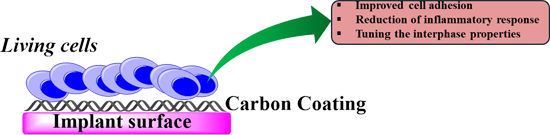
- macrophages. The reduction of fibrotic formations on the implants is of capital relevance for preventing thrombosis [96]. Hassan et al. [97] investigated graphene coatings on a stainless steel implant to minimize the negative effect of metals contained into the alloy (i.e., Cr, Mo, and Ni). The authors used



Can neutral clusters: a two-step G0W0 and DFT benchmark
Beilstein J. Nanotechnol. 2024, 15, 1010–1016, doi:10.3762/bjnano.15.82

- ; density functional theory; G0W0 approximation; ionization potentials; magic clusters; Introduction Calcium metal has a closed shell structure and belongs to the group IIA alkaline-earth metals [1]. It has been widely used in carbon-chemical engineering (coating fullerene in hydrogen storage), optics, and





