Search results
Search for "nano" in Full Text gives 857 result(s) in Beilstein Journal of Nanotechnology. Showing first 200.
Deep learning for enhancement of low-resolution and noisy scanning probe microscopy images
Beilstein J. Nanotechnol. 2025, 16, 1129–1140, doi:10.3762/bjnano.16.83
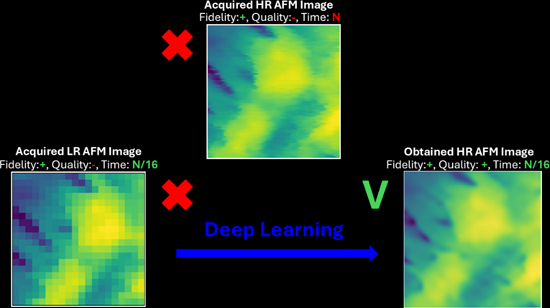
- Institute of Science, Rehovot, 7610001, Israel École Polytechnique Fédérale de Lausanne, Laboratory for Bio- and Nano-Instrumentation, CH1015 Lausanne, Switzerland Bina, Weizmann Institute of Science, Rehovot, 7610001, Israel 10.3762/bjnano.16.83 Abstract In this study, we employed traditional methods and


Fabrication of metal complex phthalocyanine and porphyrin nanoparticle aqueous colloids by pulsed laser fragmentation in liquid and their potential application to a photosensitizer for photodynamic therapy
Beilstein J. Nanotechnol. 2025, 16, 1088–1096, doi:10.3762/bjnano.16.80
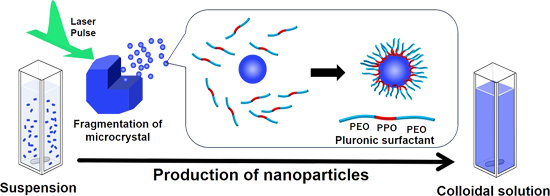
- nanoparticles. Supporting Information Supporting Information File 20: Additional experimental data. Funding This work was supported by JSPS KAKENHI (19H02527 and 23K26471 to TZ) and (JP26107011 to TA) and by Ehime University (Research Unit for Advanced Nano- and Bioanalysis).


Piezoelectricity of hexagonal boron nitrides improves bone tissue generation as tested on osteoblasts
Beilstein J. Nanotechnol. 2025, 16, 1068–1081, doi:10.3762/bjnano.16.78
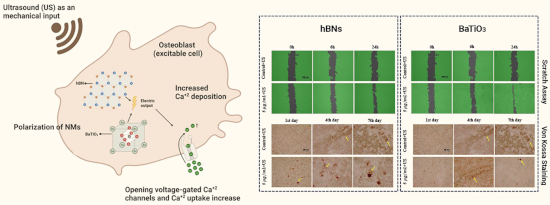
- phases exhibit ferroelectric properties, except for the cubic crystalline phase [23]. The size and crystal structure of BaTiO3 can vary based on the synthesis method. Notably, BaTiO3 holds promise as a bone-like graft and as a nano–bio interface, thanks to its excellent cytocompatibility and its positive
- enhance its potential as a nano–bio interface in tissue engineering and regenerative medicine [28][29]. The crystalline structure of hexagonal boron nitride (hBN) consists of in-plane B–N bonds that are sp2 hybridized, polarized, and strongly covalent. Its most stable form is a hexagonal lattice of


Multifunctional properties of bio-poly(butylene succinate) reinforced with multiwalled carbon nanotubes
Beilstein J. Nanotechnol. 2025, 16, 1014–1024, doi:10.3762/bjnano.16.76
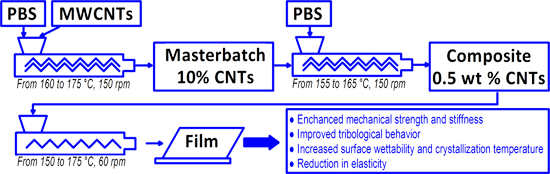
- . Results and Discussion The bio(nano)composite based on PBS containing 0.5 wt % of CNTs (denoted PBS/CNT_0.5) was successfully prepared via dilution of a pre-compounded masterbatch with 10 wt % CNTs (denoted PBS/CNT_10). This specific CNT content was identified as optimal, balancing enhanced material
- original PBS, CNTs, and the masterbatch PBS/CNT_10 (Figure 3), as well as of the bio(nano)composite PBS/CNT_0.5 (Figure 4). The numerical results of the TG measurements are provided in Table 1. Based on the TG curve, the T5% value was determined, representing the temperature at which 5% of the initial mass
- small standard deviations of the measurement results indicate the high homogeneity of the bio(nano)composite. Conclusion A comparison of the results obtained in this study with those reported in the literature reveals a lack of data on the effect of low concentrations (0.5 wt %) of pristine MWCNTs on



Focused ion beam-induced platinum deposition with a low-temperature cesium ion source
Beilstein J. Nanotechnol. 2025, 16, 910–920, doi:10.3762/bjnano.16.69
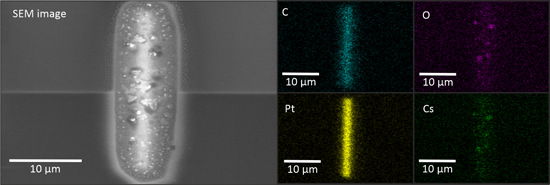
- Thomas Henning Loeber Bert Laegel Meltem Sezen Feray Bakan Misirlioglu Edgar J. D. Vredenbregt Yang Li Nano Structuring Center (NSC), Rheinland-Pfälzische Technische Universität Kaiserslautern-Landau (RPTU), P.O. Box 3049, D-67653, Kaiserslautern, Germany Sabanci University Nanotechnology Research


Serum heat inactivation diminishes ApoE-mediated uptake of D-Lin-MC3-DMA lipid nanoparticles
Beilstein J. Nanotechnol. 2025, 16, 740–748, doi:10.3762/bjnano.16.57
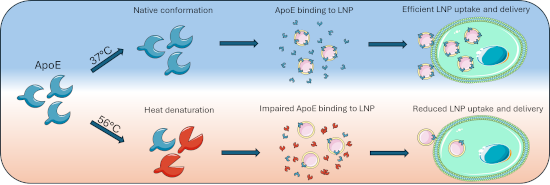
- Slide-A-Lyzer, MWCO 20,000, 0.5–3 mL, dark, 4 °C). LNP stocks were stored at 4 °C in the dark. LNP characterization The hydrodynamic diameter of LNPs was determined via dynamic light scattering (DLS). LNP stocks were diluted 1:20 in PBS and analyzed at 25 °C using a ZetaSizer Nano ZS 90 (Malvern
- Analytical, UK). The zeta potential of LNPs was measured using a Zetasizer Nano Z (Malvern Panalytical). Before analysis, LNP stocks were diluted 1:20 in ultrapure water. LNP uptake Cells were seeded in 48-well plates the day prior to the uptake experiment at 2 × 10⁴ cells/well. The plates were pre-coated


Nanostructured materials characterized by scanning photoelectron spectromicroscopy
Beilstein J. Nanotechnol. 2025, 16, 700–710, doi:10.3762/bjnano.16.54
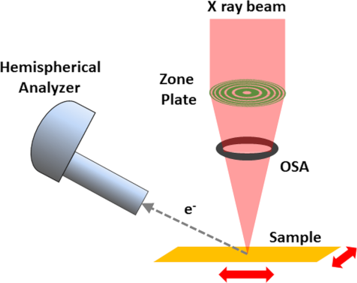
- conditions and without applied bias (yellow), as indicated. Figure 2 was adapted from [18], S. R. McKibbin et al., “Operando Surface Characterization of InP Nanowire p–n Junctions”, Nano Letters, © 2019 American Chemical Society, distributed under the Standard ACS AuthorChoice/Editors’ Choice Usage Agreement


Colloidal few layered graphene–tannic acid preserves the biocompatibility of periodontal ligament cells
Beilstein J. Nanotechnol. 2025, 16, 664–677, doi:10.3762/bjnano.16.51
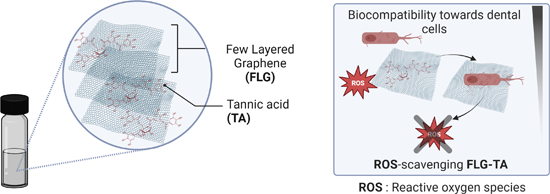
- potential in their diluted suspensions were done using a Nano ZS device from Malvern, operating in the backscattering mode. The free radical scavenging assay was carried out to assess the antioxidant properties of both free and adsorbed TA on the surface. A 10−4 M DPPH solution was prepared in absolute




A formulation containing Cymbopogon flexuosus essential oil: improvement of biochemical parameters and oxidative stress in diabetic rats
Beilstein J. Nanotechnol. 2025, 16, 617–636, doi:10.3762/bjnano.16.48
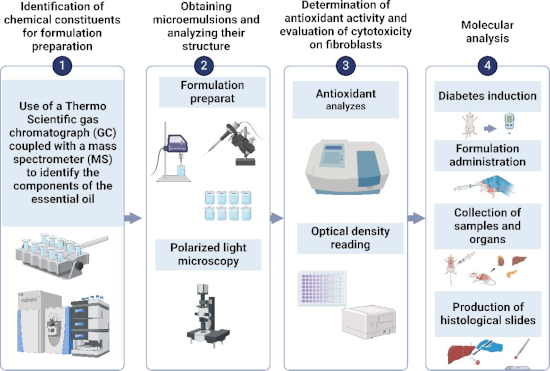
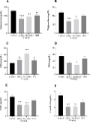
- determined by dynamic light scattering using Zetasizer Nano ZS equipment (Malvern Instruments, UK). For this purpose, about 1,000 μL of the sample, undiluted and at a temperature of 25 °C, were inserted into a cuvette suitable for carrying out the measurements [8]. The optical properties of the samples were




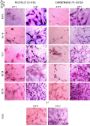
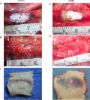
Polyurethane/silk fibroin-based electrospun membranes for wound healing and skin substitute applications
Beilstein J. Nanotechnol. 2025, 16, 591–612, doi:10.3762/bjnano.16.46
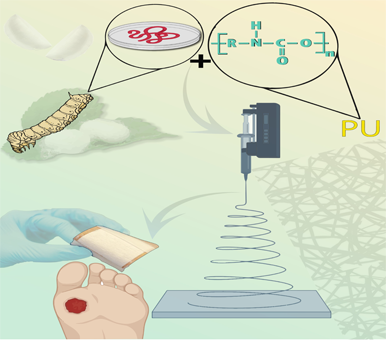
- melts into continuous fibers with nano/microscale diameters [52]. It is one of the most extensively used methods for continuous fiber preparation nowadays, which works by using electrostatic forces to produce and stretch fibers from a polymer solution [53]. Typically, a polymer solution is passed



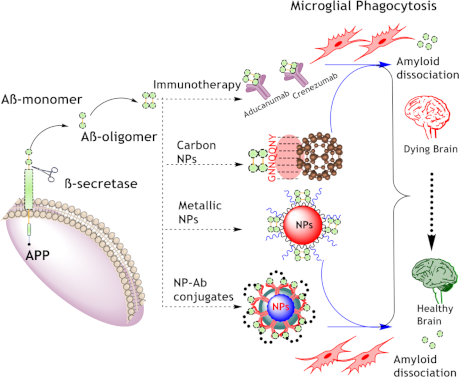
Nanomaterials in targeting amyloid-β oligomers: current advances and future directions for Alzheimer's disease diagnosis and therapy
Beilstein J. Nanotechnol. 2025, 16, 561–580, doi:10.3762/bjnano.16.44


Effect of additives on the synthesis efficiency of nanoparticles by laser-induced reduction
Beilstein J. Nanotechnol. 2025, 16, 464–472, doi:10.3762/bjnano.16.35
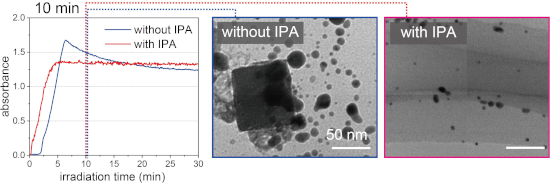
- agents and can form nano- and submicron particles at room temperature and atmospheric pressure, has attracted much attention as a simple and environmentally friendly particle synthesis technique. Laser-based particle synthesis methods can be roughly divided into two categories depending on whether the


Quantification of lead through rod-shaped silver-doped zinc oxide nanoparticles using an electrochemical approach
Beilstein J. Nanotechnol. 2025, 16, 422–434, doi:10.3762/bjnano.16.33
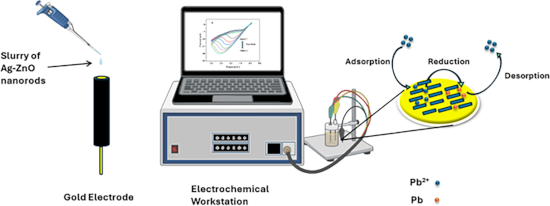
- Ravinder Lamba Gaurav Bhanjana Neeraj Dilbaghi Vivek Gupta Sandeep Kumar Department of Physics, Guru Jambheshwar University of Science and Technology, Hisar-Haryana, 125001, India Department of Bio and Nano Technology, Guru Jambheshwar University of Science and Technology, Hisar-Haryana, 125001
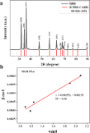
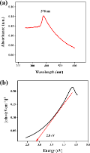
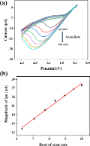
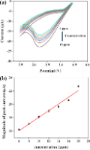
- vibrations, rotational energy, electronic energy levels, and scattering characteristics of Ag–ZnO nanorods. The Malvern Nano-ZS90 was utilized to determine the zeta potential of synthesized nanorods. Fabrication of the lead sensor / (Ag@ZnO nanorods/gold electrode) The obtained Ag@ZnO NRs served as an





Biomimetics and bioinspired surfaces: from nature to theory and applications
Beilstein J. Nanotechnol. 2025, 16, 418–421, doi:10.3762/bjnano.16.32

- environmental pressures. Such pressures involve intricate interactions between surface structures and the environment across different scales, including nano-, micro-, and macroscales. Biomimetics aims at making use of understanding how these adaptations and the particular material properties of these surfaces

Engineered PEG–PCL nanoparticles enable sensitive and selective detection of sodium dodecyl sulfate: a qualitative and quantitative analysis
Beilstein J. Nanotechnol. 2025, 16, 385–396, doi:10.3762/bjnano.16.29
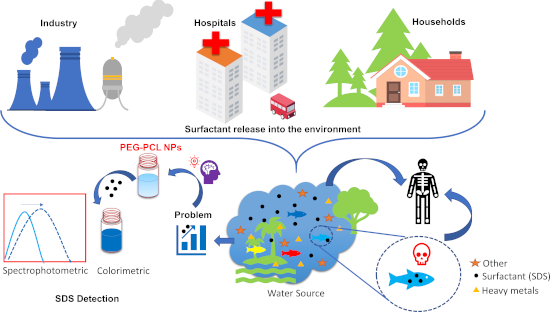
- . Characterization of PEG–PCL nanoparticles The synthesized PEG–PCL nanoparticles were characterized by their unique physicochemical properties, such as size and surface charge. The average hydrodynamic size, monodispersity, and surface charge of the nanoparticles were measured using the ZetaSizer (Nano ZS, Malvern
- physicochemical properties, such as size, shape, surface charge, and elemental composition using DLS, TEM, SEM, and XPS (Figure 2). The PEG–PCL NPs were characterized using a zetasizer (Nano ZS, Malvern, UK) to comprehensively assess their size, surface charge, monodispersity, and average hydrodynamic size


Development of a mucoadhesive drug delivery system and its interaction with gastric cells
Beilstein J. Nanotechnol. 2025, 16, 371–384, doi:10.3762/bjnano.16.28

- potential distributions The size of Alg and EudAlg nanoparticles were analyzed by dynamic light scattering (Malvern Zetasizer Nano-ZS) at 25 °C. The nanoparticles were suspended in ddH2O; for each sample, three measurements were performed, twelve runs each, to obtain the distributions. Disposable
- particle size and zeta potential distribution (Malvern Zetasizer Nano-ZS). Periodic acid–Schiff stain assay The colorimetric periodic acid–Schiff stain assay was used to determine the amount of free mucin after the absorption of mucin onto EudAlg nanoparticles [53][59]. For this purpose, first, the


Pulsed laser in liquid grafting of gold nanoparticle–carbon support composites
Beilstein J. Nanotechnol. 2025, 16, 349–361, doi:10.3762/bjnano.16.26
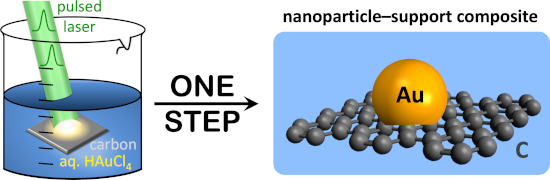
- custom-made Teflon tub, in 2.0 mL of commercially available aqueous colloid of citrate-capped gold nanoparticles (100 nm, nanoComposix), followed by drying under a heat lamp at 60 °C for 20 min. Physical characterization Scanning electron microscopy (SEM) images were obtained at UR-Nano. A Zeiss Auriga
- tape was used to adhere the gold nanoparticle–carbon fiber paper composites to sample stubs. X-ray photoelectron spectra (XPS) data were collected at UR-Nano using a Kratos Axis Ultra XPS instrument with a monochromatized Al Kα source. At a base pressure of 3.0 × 10⁻⁸ mbar, the instrument operated at


Correction: AFM-IR investigation of thin PECVD SiOx films on a polypropylene substrate in the surface-sensitive mode
Beilstein J. Nanotechnol. 2025, 16, 252–253, doi:10.3762/bjnano.16.19
- Hendrik Muller Hartmut Stadler Teresa de los Arcos Adrian Keller Guido Grundmeier Technical and Macromolecular Chemistry, Paderborn University, Warburger Str. 100, 33098 Paderborn, Germany Bruker Nano Surfaces and Metrology Division, Östliche Rheinbrückenstr. 49, 76187 Karlsruhe, Germany 10.3762
A review of metal-organic frameworks and polymers in mixed matrix membranes for CO2 capture
Beilstein J. Nanotechnol. 2025, 16, 155–186, doi:10.3762/bjnano.16.14
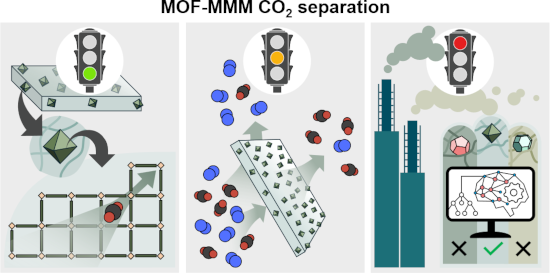
- membranes. To address this challenge, the development of mixed matrix membranes (MMMs) is a promising strategy. MMMs are obtained by carefully integrating porous nano-fillers into polymeric matrices, enabling the simultaneous enhancement of selectivity and permeability. In particular, metal-organic




Nanocarriers and macrophage interaction: from a potential hurdle to an alternative therapeutic strategy
Beilstein J. Nanotechnol. 2025, 16, 97–118, doi:10.3762/bjnano.16.10

- charged NCs have longer half-lives in circulation but may face more hurdles in crossing biological membranes [1][6]. Table 1 summarizes the overall properties, in terms of bio-nano interactions, described among the different materials. 4 Strategies to enhance NC drug delivery by modulating macrophage
- have focused on improving therapeutic efficacy while minimizing side effects. One such innovative approach, as demonstrated by Violatto et al., involves the conjugation of Dex to biodegradable Avidin-Nucleic-Acid-Nano-Assemblies (ANANAS). This method leverages the natural liver tropism of these nano


Instance maps as an organising concept for complex experimental workflows as demonstrated for (nano)material safety research
Beilstein J. Nanotechnol. 2025, 16, 57–77, doi:10.3762/bjnano.16.7

- Lynch Thomas E. Exner Department of Biosciences & Medical Biology, Paris Lodron University of Salzburg, Hellbrunnerstrasse 34, 5020 Salzburg, Austria Seven Past Nine d.o.o., Hribljane 10, 1380 Cerknica, Slovenia Center for the Environmental Implications of Nano Technology (CEINT), Civil & Environmental
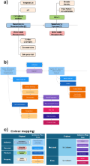
- implement emerging standards to FAIRify nanomaterials data by creating a common naming convention. An international and interdisciplinary group is currently working on refining a standard nomenclature for nanomaterials, the “InChI for nano” or NInChI [36], based on the International Chemical Identifier
- allow for benchmarking and interoperability of data from different labs, similar to the CHADA and MODA concepts. Example 4: Showcasing complex workflows in human immunotoxicity assessment using cell lines and primary cellular models In the context of studying bio-nano interactions of silica-based


Bioinspired nanofilament coatings for scale reduction on steel
Beilstein J. Nanotechnol. 2025, 16, 25–34, doi:10.3762/bjnano.16.3

- SNFs. These filaments have been developed for coatings on polymers [10][11][12], textiles [12][13][14][15][16][17], aluminium and titanium [11][12], and glass [11][12][13][18][19], to replicate the water-repelling effects observed in nature [13][18][20][21]. Coatings with nano- or micrometer-sized


A nanocarrier containing carboxylic and histamine groups with dual action: acetylcholine hydrolysis and antidote atropine delivery
Beilstein J. Nanotechnol. 2025, 16, 11–24, doi:10.3762/bjnano.16.2

- weighed on a Sartorius CP2P microbalance (Germany) in tin capsules. Quantitative measurements and data analysis were performed with Callidus 4.1 software. Hydrodynamic size and molecular weight were analyzed with a ZetaSizer Nano dynamic light scattering photon correlation spectrometer from Malvern, UK


Mechanistic insights into endosomal escape by sodium oleate-modified liposomes
Beilstein J. Nanotechnol. 2024, 15, 1667–1685, doi:10.3762/bjnano.15.131
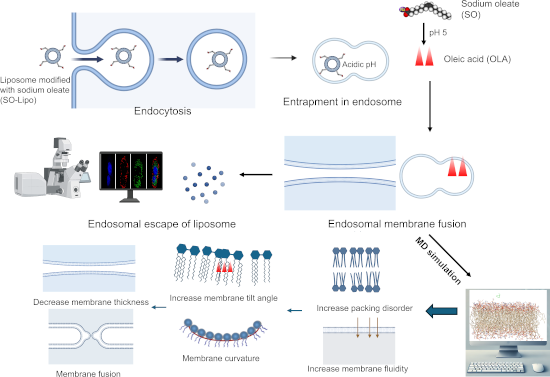
- photon correlation spectroscopy, employing a Delsa Nano C Particle Size Analyzer (Beckman Coulter, West Sacramento, CA, USA). The analysis was conducted in two different pH environments, that is, at pH 7.4 and at pH 5.0; the latter was achieved by adjusting the solution with 0.1 M HCl. Resazurin-based




Facile synthesis of size-tunable L-carnosine-capped silver nanoparticles and their role in metal ion sensing and catalytic degradation of p-nitrophenol
Beilstein J. Nanotechnol. 2024, 15, 1576–1592, doi:10.3762/bjnano.15.124
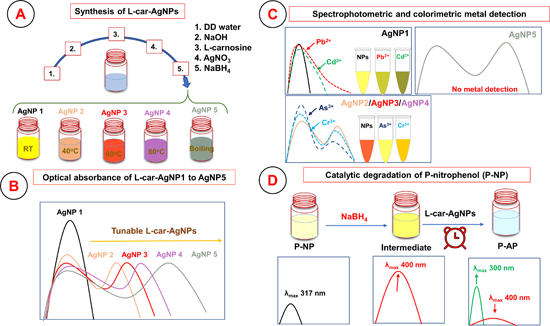
- (Nano ZS, Malvern, UK). The hydrodynamic size of ʟ-car-AgNPs was measured by placing them in 1 mL disposable cuvettes (DTS0012), while the zeta potential was measured using zeta cuvettes (ZEN1020). The ʟ-car-AgNPs samples were observed under a transmission electron microscope (TEM, 120 kV, FEI Tecnai