


Search results
Search for "nanomaterial" in Full Text gives 210 result(s) in Beilstein Journal of Nanotechnology. Showing first 200.
Ni, Co, Zn, and Cu metal-organic framework-based nanomaterials for electrochemical reduction of CO2: A review
Beilstein J. Nanotechnol. 2023, 14, 904–911, doi:10.3762/bjnano.14.74
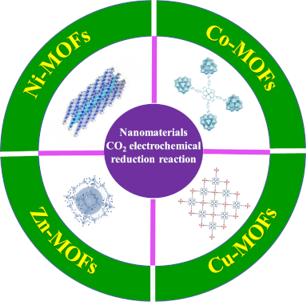
- to the enhanced number of active sites achieved through the transition from the bulk state to the nanomaterial form. The optimal condition for the fabrication of 2D Ni(Im)2 was determined to be the utilization of 5 mL of NH4OH. Co-based MOFs nanomaterials Cobalt materials provide a diversity of


Green SPIONs as a novel highly selective treatment for leishmaniasis: an in vitro study against Leishmania amazonensis intracellular amastigotes
Beilstein J. Nanotechnol. 2023, 14, 893–903, doi:10.3762/bjnano.14.73
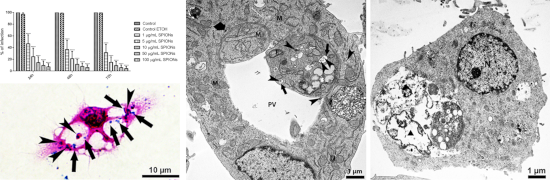
- 240 times higher than those of other currently used drugs. Furthermore, it was also observed that the SPIONs could be directed into the parasitophorous vacuoles of infected cells and parasites. Thus, this new nanomaterial is a promising new therapeutic alternative as (1) an active treatment agent


Metal-organic framework-based nanomaterials as opto-electrochemical sensors for the detection of antibiotics and hormones: A review
Beilstein J. Nanotechnol. 2023, 14, 631–673, doi:10.3762/bjnano.14.52
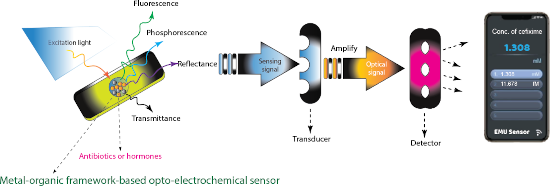
- sensing platforms [1][7][8][9][10][27][28][29][30][31][32][33]. Reliable and sensitive nanomaterial-enabled portable sensors can be quickly deployed to resource-constrained sites to offer rapid and cost-effective monitoring and detection of different analytes without the need for bulky, expensive
- researchers have published a number of nanomaterial-based (quantum dots, carbon-based, and metal-based) sensors for the detection of various analytes [1][2][7][9][27][28][29][30][31][32][33][34][35][36][37][38]. A review paper that offers a comprehensive analysis of current developments based on metal-organic
- identification of these emerging contaminants, such as chronoamperometry and electrochemical impedance spectroscopy, have also attracted a lot of interest [7]. Electrochemical biosensors are created by functionalizing the nanomaterial on the working electrode with biomolecules (e.g., nucleic acids, enzymes


ZnO-decorated SiC@C hybrids with strong electromagnetic absorption
Beilstein J. Nanotechnol. 2023, 14, 565–573, doi:10.3762/bjnano.14.47
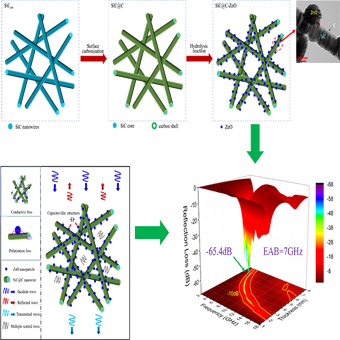
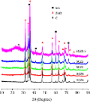
- synergy of dielectric losses (including conductive loss and polarization relaxations) and multiple reflection or scattering losses, enabling a promising EM absorbing nanomaterial. XRD diffractograms of all samples. TEM images of all samples. (a) SCZ4; (b–f) SCZ3; (c–f) HRTEM images with corresponding FFT


Plasmonic nanotechnology for photothermal applications – an evaluation
Beilstein J. Nanotechnol. 2023, 14, 380–419, doi:10.3762/bjnano.14.33
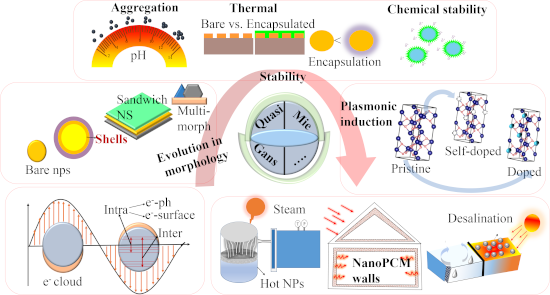
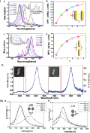
- lack of the required free carrier concentration. Similar to how the free carrier density of metals can be tuned by size, morphology, and refractive index of the nanomaterial, the free carrier density of semiconductors can be easily tuned by doping, temperature variations, or by phase transitions. LSPR
- time. This equation is applicable for the case of nanoparticles dispersed in liquids for vapour generation, the most common non-medical application of PT energy conversion [90]. The equation governing the temperature distribution in an isotropic nanomaterial is given by where ρ is the density, C is the




Overview of mechanism and consequences of endothelial leakiness caused by metal and polymeric nanoparticles
Beilstein J. Nanotechnol. 2023, 14, 329–338, doi:10.3762/bjnano.14.28
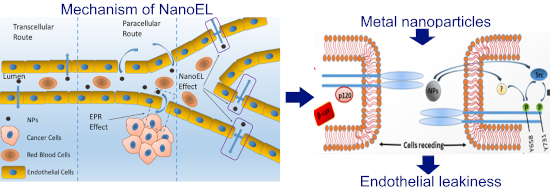
- few nanotherapeutic agents approved for clinical use. Nanomaterial-induced leakiness of blood vessels within the tumor may facilitate the penetration of living cancer cells into the bloodstream and to other organs, where they form metastases. Metastases arising from the spread of cancer cells are the


The influence of structure and local structural defects on the magnetic properties of cobalt nanofilms
Beilstein J. Nanotechnol. 2023, 14, 23–33, doi:10.3762/bjnano.14.3
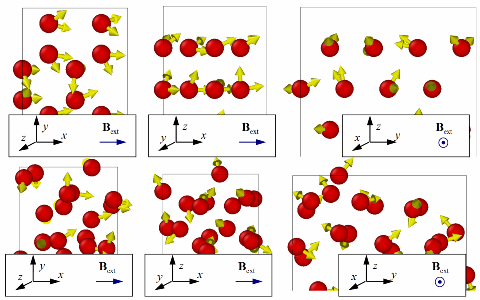
- , Academiei 3/3, Chisinau 2028, Moldova 10.3762/bjnano.14.3 Abstract The present paper considers a mathematical model describing the time evolution of spin states and magnetic properties of a nanomaterial. We present the results of two variants of nanosystem simulations. In the first variant, cobalt with a
- nanomaterial arising from its production are important tasks, often closely related to the composition of the sample in question. In this paper, we propose one mathematical model to investigate the relationship between the material structure and its magnetic properties. Mathematical modeling is used to
- properties of the nanomaterial were investigated in this work using a promising nanocomposite formed by alternating layers of cobalt and niobium. The proposed composite has potentially promising functional properties and can be used in magnetic systems with controlled effective energy exchange in Josephson


A TiO2@MWCNTs nanocomposite photoanode for solar-driven water splitting
Beilstein J. Nanotechnol. 2022, 13, 1520–1530, doi:10.3762/bjnano.13.125
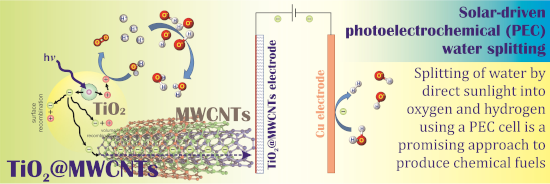
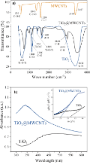
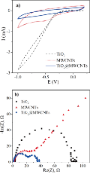
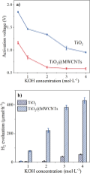
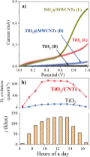
- . The average STH conversion efficiency of the TiO2@MWCNTs electrode under solar exposure from 6 AM to 5 PM is 11.1%, 8.88 times higher than that of a TiO2 electrode. The findings suggested TiO2@MWCNTs is a feasible nanomaterial to fabricate the photoanode using photoelectrochemical water splitting



Rapid and sensitive detection of box turtles using an electrochemical DNA biosensor based on a gold/graphene nanocomposite
Beilstein J. Nanotechnol. 2022, 13, 1458–1472, doi:10.3762/bjnano.13.120
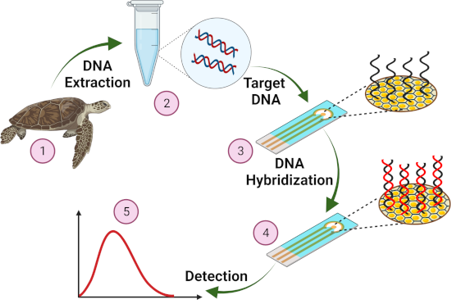
- nanoparticles (AuNPs) [32] based nanocomposites are well established [41] due to their excellent performance. In particular, self-decorated AuNPs in the honeycomb-structured graphene lattice could facilitate the accommodation of a greater number of recognition probes. In addition, Gr is a nanomaterial with a
- than that of individual nanomaterial-modified SPCEs, representing a limitation of electron transfer through the electrode–solution interface [56] for different electrode surfaces. The EIS plots for the modified SPCEs surfaces also reveal that the electrode–solution interfacial charge transfer process



LED-light-activated photocatalytic performance of metal-free carbon-modified hexagonal boron nitride towards degradation of methylene blue and phenol
Beilstein J. Nanotechnol. 2022, 13, 1380–1392, doi:10.3762/bjnano.13.114
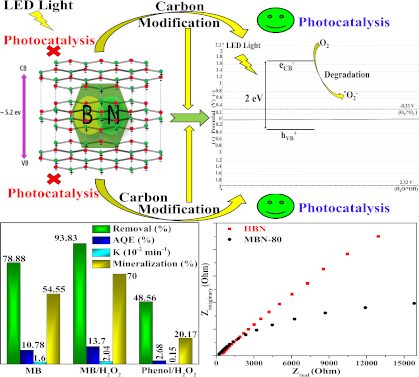
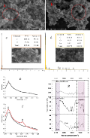
- approaches to make it as a light-driven nanomaterial owing to its potential capabilities. The light-driven ability of HBN can be achieved through multiple strategies. These include varying the structural morphology, heterojunction formation with a suitable photocatalyst, and doping with heteroatoms. The



Recent trends in Bi-based nanomaterials: challenges, fabrication, enhancement techniques, and environmental applications
Beilstein J. Nanotechnol. 2022, 13, 1316–1336, doi:10.3762/bjnano.13.109
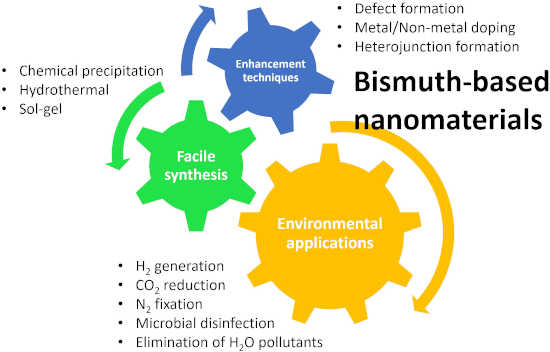
- photocatalysts, upgrading the photocatalytic ability, and understanding essential reactions of the photocatalytic process. This paper provides insights into the characteristics of Bi-based photocatalysts, making them a promising future nanomaterial for environmental remediation. The current review discusses the
- . Hopefully, this work will help researchers understand how Bi-based nanomaterial photocatalysts may be employed in different environmental remediation systems by understanding the properties of Bi-based nanomaterials photocatalysts. Review Photocatalysis Photocatalysis and its challenges Photocatalysis can




Studies of probe tip materials by atomic force microscopy: a review
Beilstein J. Nanotechnol. 2022, 13, 1256–1267, doi:10.3762/bjnano.13.104
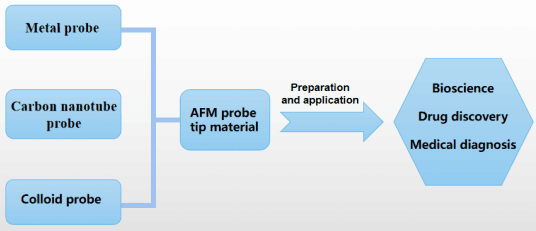
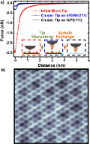
- conductive coatings and regenerated broken tips. The Pt/Ir cantilever was modified with small bundles of SWCNTs by a manual attachment process and fixed using a conductive Pt pad. AFM images of the current and topography of the nanomaterial samples and non-homogeneous polymers were collected using this type
Application of nanoarchitectonics in moist-electric generation
Beilstein J. Nanotechnol. 2022, 13, 1185–1200, doi:10.3762/bjnano.13.99
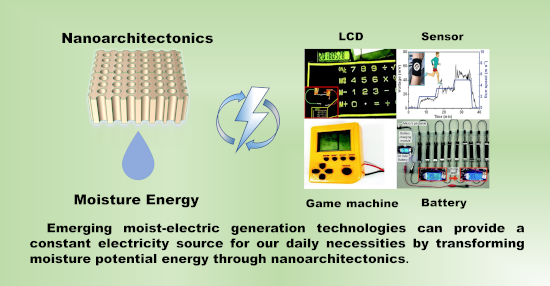
- area between the nanomaterial and the moisture larger and greatly improves the carrier yield. Therefore, in the abovementioned charge transfer mechanism, nanostructures theoretically yield better performance [18][19][20]. More researchers have also noticed that nanoarchitectonics can significantly
- nanoparticles, nanowires, and nanosheets. In the construction of devices, nanomaterial units are stacked in thin layers or blocks, and gaps are formed between the units, allowing for the formation of nanoscale networks in the stacked regions. When the nanoparticles, nanowires, or nanosheets are stacked in a non
- =O, C–OH, C–O–C, and O=C–OH bonds. The voltage increased from 45 μV to 1 V after increasing the liquid–solid contact area and the fraction of functional groups, proving the important role of these parameters in MEGs. These carbon nanomaterial MEG devices are an important part of the MEG field. First


Green synthesis of zinc oxide nanoparticles toward highly efficient photocatalysis and antibacterial application
Beilstein J. Nanotechnol. 2022, 13, 1108–1119, doi:10.3762/bjnano.13.94
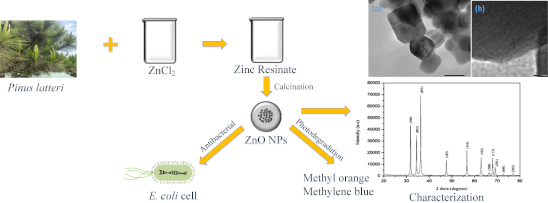
- demonstrated against E. coli and S. aureus bacteria. As mentioned previously, plant extracts were used as common precursors for nanomaterial synthesis due to their relatively high levels of the steroids, saponins, carbohydrates, and flavonoids which act as reducing agents and phytoconstituents as capping
- refining turpentine from Pinus latteri trees to produce turpentine oil, which is usually used as a precursor for many industrial applications such as paints, inks, adhesives, soap, and glue production [28]. Obviously, there is a high potential of using rosin as a green precursor for nanomaterial synthesis




Recent advances in green carbon dots (2015–2022): synthesis, metal ion sensing, and biological applications
Beilstein J. Nanotechnol. 2022, 13, 1068–1107, doi:10.3762/bjnano.13.93
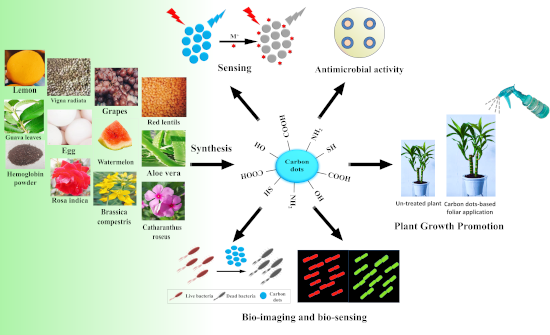
- quantum dots; green synthesis; plant growth promotion; sensing; Introduction Carbon dots (CDs) are a carbon-based nanomaterial with a few nanometers feature sizes. CDs consist of a carbon core, the surface of which is functionalized with various groups. Xu et al. accidentally discovered fluorescent




Biomimetic chitosan with biocomposite nanomaterials for bone tissue repair and regeneration
Beilstein J. Nanotechnol. 2022, 13, 1051–1067, doi:10.3762/bjnano.13.92
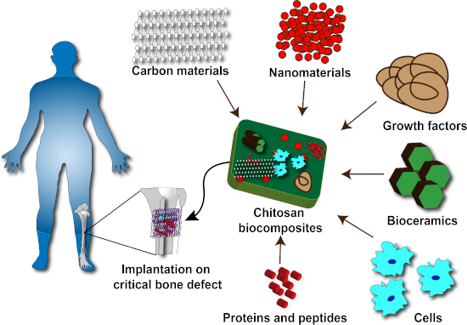
- . However, the drawbacks of using growth factors and enzymes are stability, high cost, and low availability. To overcome these issues, bioactive materials are often studied to mimic the natural function of growth factors. Several researchers are studying nanomaterial-based chitosan composites regarding
- rapidly generate and stimulate functional bone tissue in defective areas. In addition, nanomaterial-based grafts are biocompatible and nontoxic and can more effectively promote osteoconductivity, osteoinductivity, and neovascularization. Also, due to a higher surface area, nanomaterials can promote
A non-enzymatic electrochemical hydrogen peroxide sensor based on copper oxide nanostructures
Beilstein J. Nanotechnol. 2022, 13, 424–436, doi:10.3762/bjnano.13.35
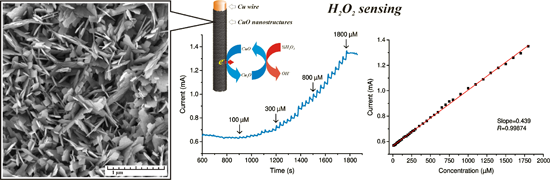
- . 1.1.1.2/16/I/001, research application number 1.1.1.2/VIAA/4/20/743 "Development of nanomaterial-based electrochemical sensor for detection of hydrogen peroxide".





Micro- and nanotechnology in biomedical engineering for cartilage tissue regeneration in osteoarthritis
Beilstein J. Nanotechnol. 2022, 13, 363–389, doi:10.3762/bjnano.13.31
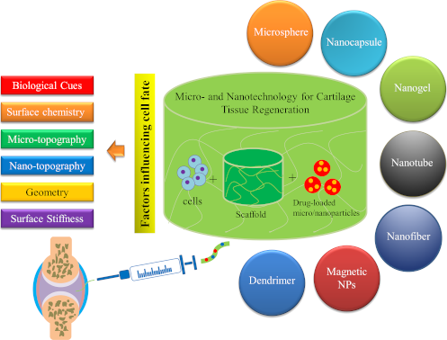
- medium (CIM) enhanced their in vitro chondrogenesis compared to a static culture system [31]. Therefore, the combination of the 3D culture system (GM), CIM, and dynamic culture would be an ideal design for MSC based therapies for articular cartilage defects. 3.1.2 Nanomaterial-assisted cartilage TE
- inexpensive and abundant inorganic compound, which can be obtained from mines. Aluminosilicate layers can be rolled into a hollow cylinder structure to form tube structures less than 100 nm in diameter. Halloysite is a biocompatible nanomaterial, which does not need to be functionalized and can be a potent


Photothermal ablation of murine melanomas by Fe3O4 nanoparticle clusters
Beilstein J. Nanotechnol. 2022, 13, 255–264, doi:10.3762/bjnano.13.20
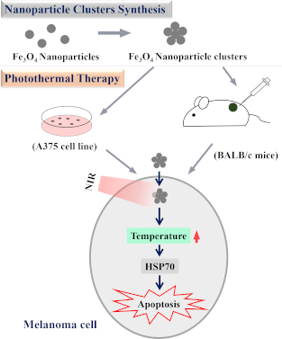
- nanomaterial that has received considerable attention is Fe3O4 core-based nanoparticles, which have been approved by the Food and Drug Administration (FDA) as safe biomaterial with no long-term toxicity [6][7]. The superparamagnetic properties make them ideally suited for many biomedical applications, such as


Surfactant-free syntheses and pair distribution function analysis of osmium nanoparticles
Beilstein J. Nanotechnol. 2022, 13, 230–235, doi:10.3762/bjnano.13.17
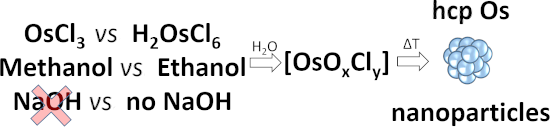
- synthesis times. Studies of NP synthesis have made it clear that a number of seemingly simple experimental parameters can play a significant role in nanomaterial synthesis [5][32]. We therefore screened the influence of several experimental parameters across a large parametric space by investigating the
- turned to X-ray total scattering and pair distribution function (PDF) analyses to investigate the atomic structure of the Os NPs [33]. The pair distribution function is now widely used for nanomaterial characterization, as it allows to obtain atomic structure information from materials showing no long


Engineered titania nanomaterials in advanced clinical applications
Beilstein J. Nanotechnol. 2022, 13, 201–218, doi:10.3762/bjnano.13.15
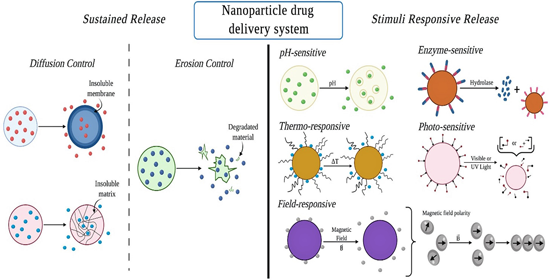
- . The advancement of this novel inorganic nanomaterial in theranostic nanomedicine might lead to an era of technology that can be used in real-world clinical settings. Review Effect of physicochemical properties of TiO2 on biocompatibility Biocompatibility is considered as one of the most important
- -functionalized, or post-synthetically modified by adding various surfactants or dopants or organic molecules. The size of the nanomaterial also determines the type of immune response elicited by the body (endocytosis/cellular uptake) [21]. Xu et al. reported that the size of the pores is an essential parameter
- excretion [33]. When a TiO2 nanomaterial circulates through the body, certain biomolecules (such as proteins, phospholipids, or DNA contained in biological fluids or present in living cells) get adsorbed onto the surface of it very quickly, which is termed as “protein corona (PC)” formation. This protein


Tin dioxide nanomaterial-based photocatalysts for nitrogen oxide oxidation: a review
Beilstein J. Nanotechnol. 2022, 13, 96–113, doi:10.3762/bjnano.13.7
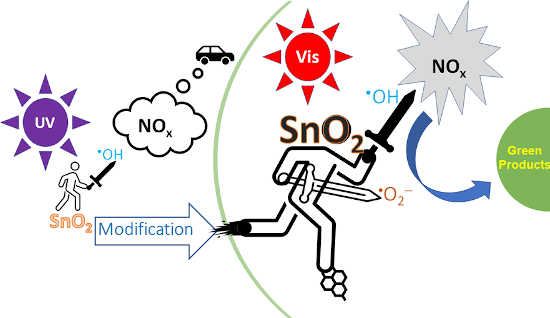
- morphologies will affect the properties of SnO2 regarding gas sensor activity and optical, electrical, and electrochemical properties [60][61][62][63]. The typical properties of SnO2 are significantly affected by the effective surface area of different nanomaterial morphologies [63][64][65]. Wang et al. [66


Identifying diverse metal oxide nanomaterials with lethal effects on embryonic zebrafish using machine learning
Beilstein J. Nanotechnol. 2021, 12, 1297–1325, doi:10.3762/bjnano.12.97
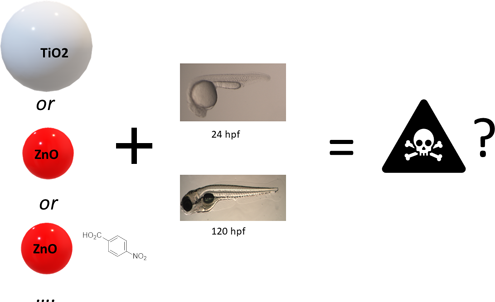
- , USA Oregon Nanoscience and Microtechnologies Institute, Eugene, Oregon, USA 10.3762/bjnano.12.97 Abstract Manufacturers of nanomaterial-enabled products need models of endpoints that are relevant to human safety to support the “safe by design” paradigm and avoid late-stage attrition. Increasingly
- hours post-fertilisation, at concentrations of 250 ppm or less. Models were developed using data from the Nanomaterial Biological-Interactions Knowledgebase for a dataset of 44 diverse, coated and uncoated metal or, in one case, metalloid oxide nanomaterials. Different modelling approaches were
- recognised that a variety of intrinsic and extrinsic nanomaterial characteristics contribute to their toxicological effects, this is a surprising finding. This may partly reflect the need to investigate more sophisticated descriptors in future studies. Future studies are also required to examine how robust


Revealing the formation mechanism and band gap tuning of Sb2S3 nanoparticles
Beilstein J. Nanotechnol. 2021, 12, 1021–1033, doi:10.3762/bjnano.12.76
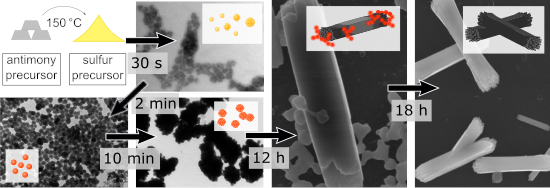
- the Republic of Serbia, University of Belgrade, Mike Petrovića Alasa 12-14, 11351 P.O. Box 522, Belgrade, Serbia 10.3762/bjnano.12.76 Abstract Sb2S3 is a promising nanomaterial for application in solar cells and in the fields of electronics and optoelectronics. Herein, Sb2S3 nanoparticles were
- prepared via the hot-injection approach. In contrast to earlier work, the reaction temperature was decreased to 150 °C so that the reaction was slowed down and could be stopped at defined reaction stages. Thereby, the formation mechanism of the nanomaterial and the associated kinetics could be revealed
- mechanisms, and in particular the associated kinetics of Sb2S3 nanoparticles, is therefore still lacking. Nevertheless, it is necessary to understand the nanomaterial formation mechanism to achieve control over the morphological and optical properties of the particles, which is crucial for the further


The role of deep eutectic solvents and carrageenan in synthesizing biocompatible anisotropic metal nanoparticles
Beilstein J. Nanotechnol. 2021, 12, 924–938, doi:10.3762/bjnano.12.69
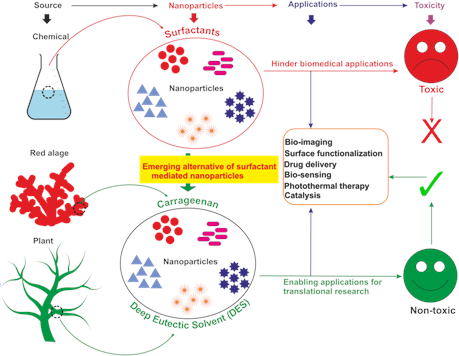
- Nabojit Das Akash Kumar Raja Gopal Rayavarapu Nanomaterial Toxicology Laboratory, Nanomaterial Toxicology Group, CSIR-Indian Institute of Toxicology Research (CSIR-IITR), Vishvigyan Bhawan, 31 Mahatma Gandhi Marg, Lucknow 226001, India Academy of Scientific and Innovative Research (AcSIR
- . Nontoxic, biocompatible, and sustainable solvents, such as deep eutectic solvents (DESs), and carrageenan as capping and reducing agent are gaining popularity in nanomaterial synthesis. Apart from potential tools for biomedical applications, recent studies have also shown the utilization of anisotropic
- the principles of green chemistry. Despite extensive studies for more than a decade, DESs as solvents for nanomaterial synthesis yet awaits exploration regarding biological applications. In an interesting recently published work, a natural deep eutectic solvent (NADES) has been used to extract metal





