


Search results
Search for "nanoparticles" in Full Text gives 1300 result(s) in Beilstein Journal of Nanotechnology. Showing first 200.
Advances of aptamers in esophageal cancer diagnosis, treatment and drug delivery
Beilstein J. Nanotechnol. 2025, 16, 1734–1750, doi:10.3762/bjnano.16.121
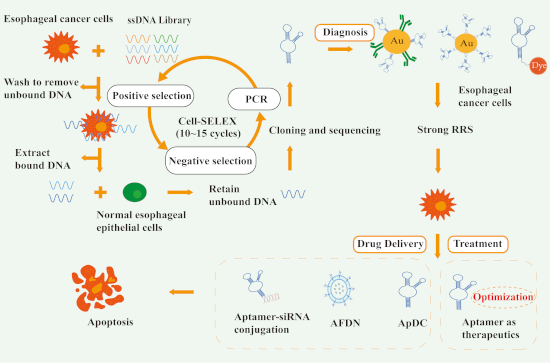
- structural modification. [26]. Aptamer-based biosensors [27] fully utilize these characteristics by combining various signal amplification techniques and nanomaterials (such as metal nanoparticles, quantum dots, silica nanoparticles, and carbon nanotubes), enabling highly sensitive detection of biomarkers
- , coupling drugs, covalent binding with siRNA, and chemical modification [34][35] to promote their role in cancer drug delivery. Conventional drug delivery systems, including metal nanoparticles, nanohydrogels, liposomes, and polymeric micelles [36][37][38], have gained widespread adoption due to their
- -EGFR antibody was combined with gold nanoparticles to form a complex. The target EGFR in test samples was specifically captured by the aptamer, subsequently forming a sandwich detection complex. While the preparation and detection workflow demonstrates notable simplicity, its clinical performance was


Multifunctional anionic nanoemulsion with linseed oil and lecithin: a preliminary approach for dry eye disease
Beilstein J. Nanotechnol. 2025, 16, 1711–1733, doi:10.3762/bjnano.16.120
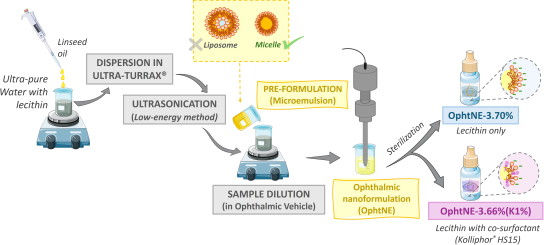
- reduce DED symptoms. ONSs include nanoparticles such as nanoemulsions, liposomes, nanomicelles, and dendrimers, which can serve as carriers for both lipophilic and hydrophilic drugs. This allows for smaller doses and more precise drug targeting [16]. Nanoemulsions (NEs) show promise in improving drug



Prospects of nanotechnology and natural products for cancer and immunotherapy
Beilstein J. Nanotechnol. 2025, 16, 1644–1667, doi:10.3762/bjnano.16.116
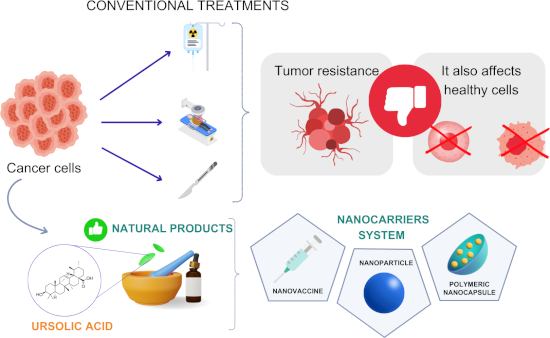
- immunotherapies. In this context, 17 patents were identified through the free online databases of the European Patent Office (EPO) and the World Intellectual Property Organization (WIPO). The review discusses various types of nanotechnology, including nanoparticles, nanocarriers, and nanocapsules, as well as
- ]. Additionally, the use of biomimetic nanoparticles, including exosome-based delivery systems and cell membrane-coated nanoparticles, has shown promise in improving targeting efficiency and immune evasion [18][19]. Despite these advances, significant challenges remain, including nanoparticle stability in
- nanoparticles can be subdivided into five groups according to the type used in the product. Patents WO2016178224 and CN117534780 utilized polysaccharide nanoparticles, while patent KR20220169108 used gold nanoparticles, CN427216811 implemented quantum dot nanoparticles, CN367902299 and CN115887415 employed


Venom-loaded cationic-functionalized poly(lactic acid) nanoparticles for serum production against Tityus serrulatus scorpion
Beilstein J. Nanotechnol. 2025, 16, 1633–1643, doi:10.3762/bjnano.16.115
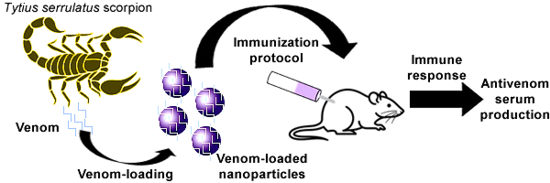
- only specific treatment for envenomation is the administration of antivenoms associated with traditional adjuvants. Novel adjuvants are studied to reduce or avoid side effects and potentialize the efficacy of conventional serum. In this study, poly(lactic acid) nanoparticles were functionalized with
- analysis supported small and narrow-sized cationic functionalized nanoparticles. Atomic force microscopy and scanning electron microscopy images showed nanoparticles with a spherical and smooth shape. The stability of tested formulations was accessed for six weeks, and the sustained release of proteins
- controlled by diffusion mechanism was also measured. Finally, in vivo immunization in BALB/c mice showed superior efficacy of the T. serrulatus venom protein-loaded nanoparticles compared to the traditional aluminum hydroxide immunoadjuvant. Thus, the formulations shown are promising nanocarriers to be used


Nanotechnology-based approaches for the removal of microplastics from wastewater: a comprehensive review
Beilstein J. Nanotechnol. 2025, 16, 1607–1632, doi:10.3762/bjnano.16.114
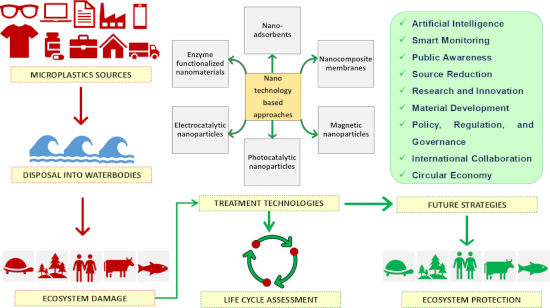
- key properties of nanoparticles include high surface area, extensive functionalization, high reactivity, and size-dependent characteristics. By leveraging these properties, water treatment methods can be refined at the nanoscale to selectively target pollutants [16][17]. This comprehensive review
- various techniques for synthesis of nanoparticles. Nanoparticle synthesis is essential for tailoring materials that effectively remove MPs. Various approaches allow researchers to customize structure and functionality based on application needs. For example, the sol–gel process transforms a colloidal
- nanoparticles, minimizing the used of hazardous chemicals [17]. Together, these techniques offer versatile strategies for developing nanomaterials that can be fine-tuned to optimize microplastic removal efficiency while adhering to sustainable practices. In the field of water treatment, nanotechnology has been


Photocatalytic degradation of ofloxacin in water assisted by TiO2 nanowires on carbon cloth: contributions of H2O2 addition and substrate absorbability
Beilstein J. Nanotechnol. 2025, 16, 1567–1579, doi:10.3762/bjnano.16.111
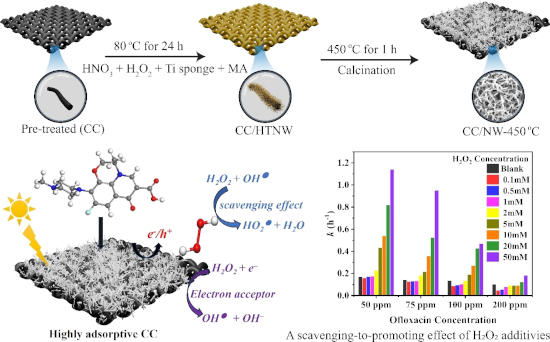
- comparisons, anatase TiO2 nanowire arrays on metallic Ti foils were synthesized according to previous reports [18] and designated as Ti/NW-450 °C. Commercial Degussa P25 TiO2 nanoparticles were also loaded on Ti substrates 5 × 10 × 0.01 cm3 in size by repetitive dip coating in an ethanolic P25 slurry and
- with the benchmark commercial P25 TiO2 nanoparticles deposited on a Ti substrate. All thin films were controlled to be of almost identical film thickness for a reasonable comparison. Both nanowire samples exhibit a photoactivity superior to that of the benchmark P25 when utilized in the form of thin


Influence of laser beam profile on morphology and optical properties of silicon nanoparticles formed by laser ablation in liquid
Beilstein J. Nanotechnol. 2025, 16, 1533–1544, doi:10.3762/bjnano.16.108
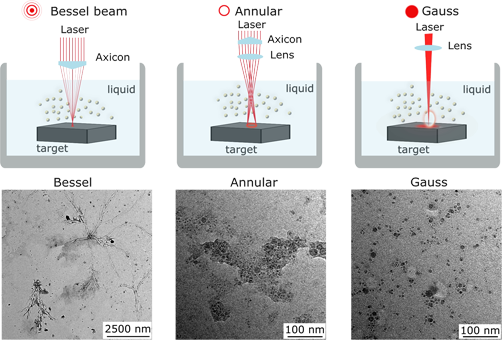
- Abstract In this study, silicon nanoparticles (NPs) were produced by pulsed laser ablation in a liquid, aiming to investigate the influence of a laser beam profile on the properties of the resultant NPs. Morphology, inner structure, and phase composition of the formed NPs were characterized by means of
- morphology. The synthesized colloidal Si NPs are suggested for applications as a component of electrode materials in supercapacitors and batteries. Keywords: laser ablation; laser beams with Bessel, annular, Gaussian profiles; laser-induced modification; silicon nanoparticles; Introduction Silicon, due to
- certain progress in this field, there is still a need for reliable and controlled synthesis methods for silicon-based nanostructures. Nowadays, pulsed laser ablation in liquids (PLAL) has been recognized as a general and important route for the synthesis of nanoparticles (NPs) with tuned optical and


Cross-reactivities in conjugation reactions involving iron oxide nanoparticles
Beilstein J. Nanotechnol. 2025, 16, 1504–1521, doi:10.3762/bjnano.16.106
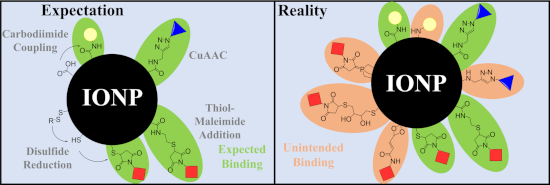
- Shoronia N. Cross Katalin V. Korpany Hanine Zakaria Amy Szuchmacher Blum Department of Chemistry, McGill University, 801 Sherbrooke Street West, Montreal, QC H3A 0B8, Canada 10.3762/bjnano.16.106 Abstract The preparation of multimodal nanoparticles by capping magnetic iron oxide nanoparticles
- erroneous conclusions about the efficacy of conjugation reactions, which can have detrimental impacts on the functionality and safety of IONPs in biomedical applications. Keywords: click chemistry; copper-catalyzed azide–alkyne cycloaddition; disulfide reduction; iron oxide nanoparticles; thiol–maleimide
- Michael addition; Introduction Iron oxide nanoparticles (IONPs) have been the subject of an immense body of research in the field of biomedicine, where their magnetic properties are appealing for such applications as MRI contrast agents [1], tumor hyperthermia [2], and magnetic drug delivery [3







Nanomaterials for biomedical applications
Beilstein J. Nanotechnol. 2025, 16, 1499–1503, doi:10.3762/bjnano.16.105

- , Istanbul, Turkey 10.3762/bjnano.16.105 Keywords: biomedical applications; drug delivery; nanocarriers; nanomaterials; nanomedicine; nanoparticles; polymeric nanoparticles; tissue regeneration; Medicine has rapidly advanced over the last few decades, and nanotechnology has played a significant role in
- . Nanomaterials have gained popularity in medicine because they can be altered according to the need [1]. Researchers can tailor the shape, surface chemistry, and other specific properties of materials to deliver desirable traits. In particular, some nanoparticles can be used to deliver drugs to a tumor, reducing
- ]. Polymeric nanoparticles, dendrimers, and carbon-based structures such as carbon nanotubes are very promising when it comes to delivering drugs and genes to certain parts of the body [3]. Conversely, metallic nanoparticles such as gold and iron oxide, and fluorescent quantum dots have applications in
Laser processing in liquids: insights into nanocolloid generation and thin film integration for energy, photonic, and sensing applications
Beilstein J. Nanotechnol. 2025, 16, 1428–1498, doi:10.3762/bjnano.16.104
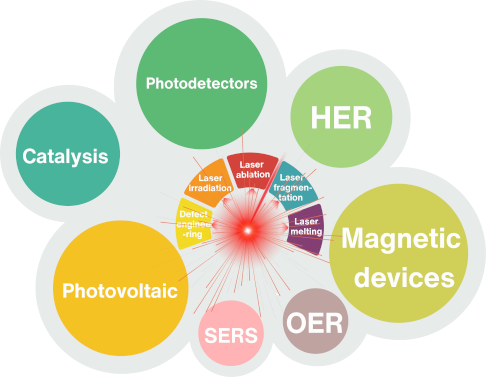
- Nanoparticles in their pure colloidal form synthesized by laser-assisted processes such as laser ablation/fragmentation/irradiation/melting in liquids have attained much interest from the scientific community because of their specialties like facile synthesis, ultra-high purity, biocompatibility, colloidal
- (e.g., nanoparticles, nanocubes, nanorods, and nanocomposites) [5]. The developments in LAL have demonstrated its ability to synthesize functionalized nanostructures with special morphologies, microstructures, and phases, which hold promise for applications in optics, detection, and biological fields
- examples of nanoparticle synthesis by laser ablation were discussed [7]. They have clearly depicted how the properties of the nanoparticles (NPs) depend strongly on size, shape, and size uniformity. Pulsed laser ablation in liquids (PLAL) is a promising method for producing pristine and supported materials






Photochemical synthesis of silver nanoprisms via green LED irradiation and evaluation of SERS activity
Beilstein J. Nanotechnol. 2025, 16, 1417–1427, doi:10.3762/bjnano.16.103
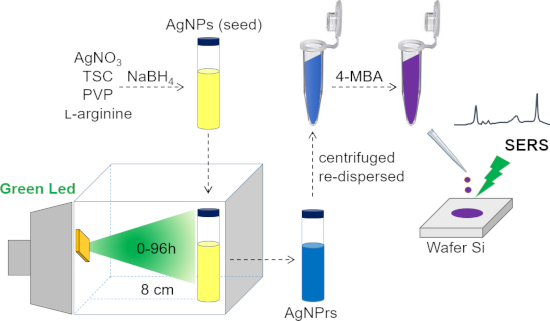
- applications. Keywords: light-emitting diodes (LEDs); photochemical synthesis; silver nanoprisms; surface-enhanced Raman scattering (SERS); trisodium citrate; Introduction Anisotropic silver nanoparticles (ASNPs) have attracted increasing attention from research groups worldwide due to their potential
- step of the entire process [3]. During this stage, small silver nanoparticles (seeds) can combine and evolve into anisotropic nanostructures through a chemical process in the presence of hydrogen peroxide (H2O2) and sodium borohydride, commonly referred to as the Mirkin method [4]. Recently
- spectra of the AgNPs seed shown in the Figure 1a displayed a single peak at 400 nm, indicating the presence of spherical silver nanoparticles with small sizes, consistent with studies in the literature [4][6][7]. The sample exhibited the characteristic yellow color of AgNPs. The TEM image and size


Parylene-coated platinum nanowire electrodes for biomolecular sensing applications
Beilstein J. Nanotechnol. 2025, 16, 1392–1400, doi:10.3762/bjnano.16.101
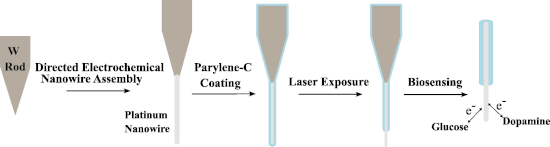
- , and cell oxidative stress [10]. Another important class of biosensors relies on metal nanoparticles, as metals have long served as some of the earliest and most widely utilized materials in biosensor development. Like CNTs, nanoscale metal particles benefit from their small size and high surface-to
- -volume ratio, enhancing sensitivity and functionalization capabilities. Baetsen-Young et al. used dextrin-capped gold nanoparticles (12 nm) with ssDNA to detect the presence of Pseudoperonospora cubensis DNA, where the results show the ability to detect 18 spores/µL crude extractions [11]. However, the
- stability of metal nanoparticles limits their application in biological systems and decreases their performance [12]. Other materials like silicon quantum dots, ion-imprinted polymer, and hydrogels have unique biocompatibility and specificity advantages, but long-term stability and cost make them


Synthesis and antibacterial properties of nanosilver-modified cellulose triacetate membranes for seawater desalination
Beilstein J. Nanotechnol. 2025, 16, 1380–1391, doi:10.3762/bjnano.16.100
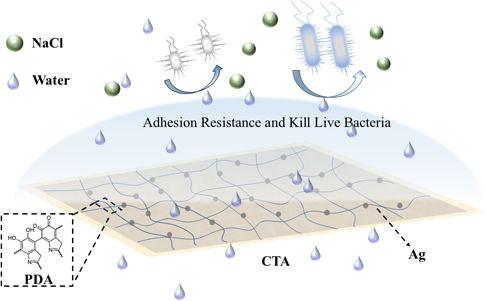
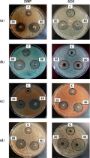
- pollution in cellulose triacetate (CTA) membranes during seawater desalination, silver (Ag) nanoparticles were incorporated onto the CTA surface using polydopamine (PDA). PDA, which contains phenolic and amino groups, exhibits excellent adhesiveness and provides active sites for the attachment and reduction
- for Ag nanoparticles. Various characterizations confirm the successful introduction of Ag nanoparticles onto the surface of the PDA-modified CTA (PCTA) membrane and the preservation of CTA microstructures. Antibacterial testing demonstrates that the Ag@PCTA membrane exhibited excellent antibacterial
- nanomaterials can be engineered to optimize their antimicrobial activity, making them versatile tools in the development of advanced membrane technologies. Quantum effects, such as localized surface plasmon resonance in metallic nanoparticles, can further enhance antimicrobial properties by generating reactive


Enhancing the therapeutical potential of metalloantibiotics using nano-based delivery systems
Beilstein J. Nanotechnol. 2025, 16, 1350–1366, doi:10.3762/bjnano.16.98
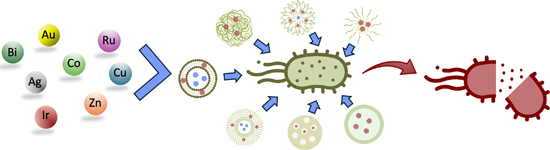
- application of metalloantibiotics is limited by their potential toxicity, instability, and lack of target specificity. Encapsulating metalloantibiotics in drug delivery systems, such as liposomes, nanoparticles, and polymeric carriers, could mitigate these challenges, enhancing their therapeutic index and
- the drug accumulation. Optimization of these parameters helps to maximize efficacy and mitigate toxicity of the payload [39]. Infection sites often present unique microenvironmental features, a factor that nanoparticles exploit to achieve precise therapeutic delivery. For example, polymeric
- nanoparticles constructed with pH-sensitive polymers can be engineered to degrade in acidic environments, such as those found at infection sites. Additionally, certain bacteria at these sites express enzymes like lipase and hyaluronidase, which can be leveraged to design enzyme-sensitive antibiotic delivery


Ferroptosis induction by engineered liposomes for enhanced tumor therapy
Beilstein J. Nanotechnol. 2025, 16, 1325–1349, doi:10.3762/bjnano.16.97
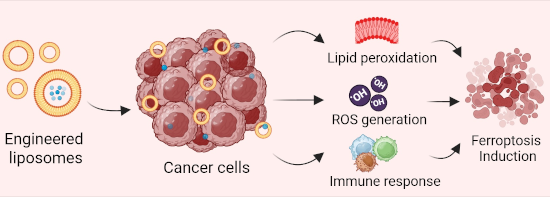
- Ferroptosis has shown potential therapeutic effects in tumor therapy as an iron-dependent programmed cell death. The induction of ferroptosis is based on lipid peroxidation, the accumulation of iron and reactive oxygen species, and the depletion of glutathione. Nowadays, various nanoparticles are reported for
- systems include precise targeting, controlled release over time, prolonged half-life, and reduced systemic toxicity [19]. Liposomes, as lipid-based nanoparticles, hold promise for improving cancer therapies as they can encapsulate various anticancer molecules [20]. A liposome typically consists of a
- traditional methods, such as thin film hydration, to produce liposomes and lipid nanoparticles [113][120]. Microfluidics offers exceptional control over particle size, lower variability, higher EE, and better scalability, making it the most advanced and practical approach for nanoparticle production [115][119


Deep-learning recognition and tracking of individual nanotubes in low-contrast microscopy videos
Beilstein J. Nanotechnol. 2025, 16, 1316–1324, doi:10.3762/bjnano.16.96
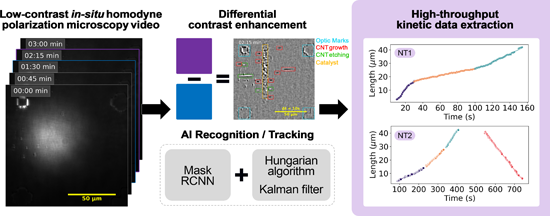
- , horizontally aligned carbon nanotubes (HA-CNTs) were synthesized inside a miniature chemical vapor deposition (CVD) cell with an optical window (Linkam TS1500). ST-cut quartz and iron nanoparticles served as substrate and catalyst, respectively. Ethanol and argon were, respectively, used as carbon precursor


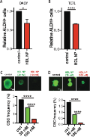
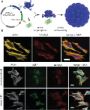
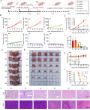
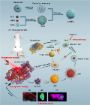
Better together: biomimetic nanomedicines for high performance tumor therapy
Beilstein J. Nanotechnol. 2025, 16, 1246–1276, doi:10.3762/bjnano.16.92
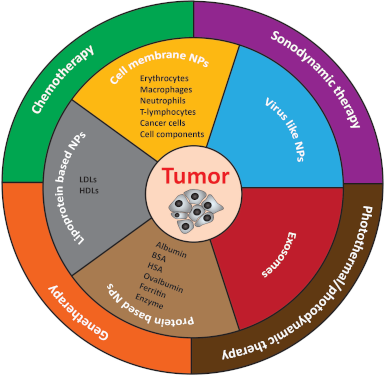
- 38040, Turkey Department of Pharmaceutics, School of Pharmacy, China Pharmaceutical University, Nanjing 211198, PR China 10.3762/bjnano.16.92 Abstract The emergence of nanotechnology offers a promising avenue for enhancing cancer treatment outcomes. In this context, biomimetic nanoparticles have
- emerged as an exciting frontier in the field of biomedicine. These nanoparticles can emulate essential biological functions, drawing from an abundant reservoir of cellular capabilities. This includes engaging in biological binding, precise homing to tumor sites, and interaction with immune cells. These
- inherent traits endow biomimetic nanoparticles with a suite of intelligent features, including biocompatibility, low immunogenicity, reduced toxicity, immune evasion, prolonged circulation, homotypic binding, enhanced tumor targeting, and the capability of precise delivery. By integrating biologically







Hydrogels and nanogels: effectiveness in dermal applications
Beilstein J. Nanotechnol. 2025, 16, 1216–1233, doi:10.3762/bjnano.16.90
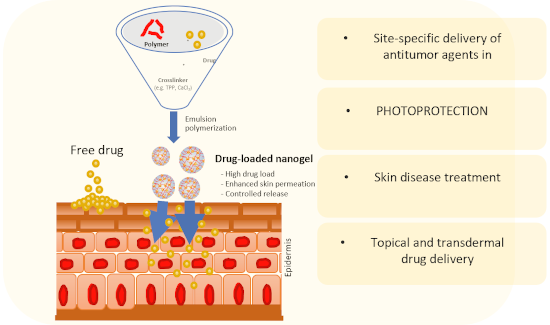
- the tumor with leakage permeable to blood flow due to disordered endothelial cell layers. This cellular organization of the vasculature with increased permeability allows increased uptake of nanoparticles by endocytosis and, consequently, increased cytotoxic effect of antineoplastic drugs. Thus, with


Chitosan nanocomposite containing rotenoids: an alternative bioinsecticidal approach for the management of Aedes aegypti
Beilstein J. Nanotechnol. 2025, 16, 1197–1208, doi:10.3762/bjnano.16.88
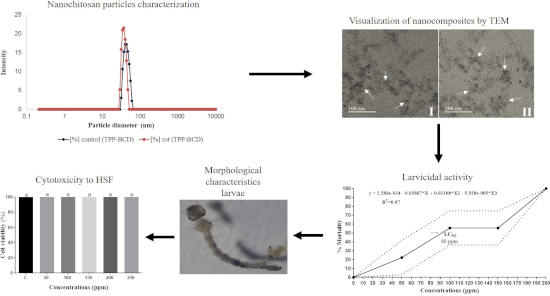
- delivery system for rotenoids isolated from Clitoria fairchildiana seeds, leveraging their larvicidal activity against third-instar larvae of Ae. aegypti. The nanocomposite was synthesized using a controlled ionic gelation method incorporating the TPP-β-CD inclusion complex, which resulted in nanoparticles
- nanoparticles exhibited no adverse effects on larval survival, which is attributed to the biocompatibility and nontoxic nature of chitosan, a biodegradable polysaccharide structurally related to the insect exoskeleton and widely recognized for its environmental safety. Additionally, neither rotenoids nor the CS
- impacts associated with traditional synthetic insecticides [9][10]. Chitosan nanoparticles, derived from a biodegradable and nontoxic polysaccharide, have proven effective in reducing post-harvest deterioration of fruits and vegetables, in addition to exhibiting well-documented antimicrobial properties



Electronic and optical properties of chloropicrin adsorbed ZnS nanotubes: first principle analysis
Beilstein J. Nanotechnol. 2025, 16, 1184–1196, doi:10.3762/bjnano.16.87
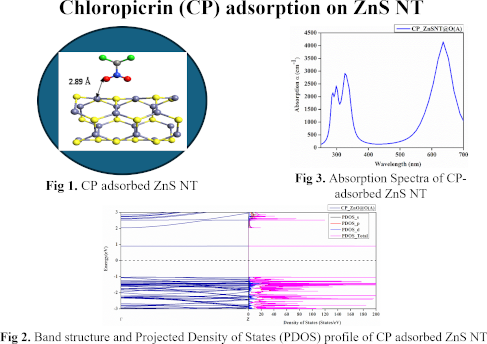
- their bulk counterparts [9][10][11][12][13][14]. Zinc sulfide (ZnS) attracts considerable attention among various nanomaterials due to its unique properties. Nanostructured ZnS with different morphologies, including nanotubes, nanowires, nanoparticles, and nanosheets has been extensively investigated


Mechanical stability of individual bacterial cells under different osmotic pressure conditions: a nanoindentation study of Pseudomonas aeruginosa
Beilstein J. Nanotechnol. 2025, 16, 1171–1183, doi:10.3762/bjnano.16.86
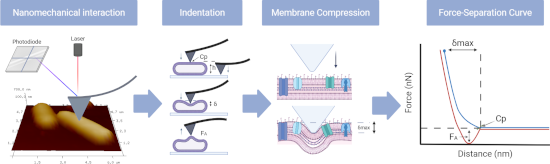
- proposed [25][26][27][28][29][30][31][32]. Likewise, the application of silver and copper nanoparticles to block these molecular pores has been reported for PA and other bacteria as well [33][34][35][36][37]. In the latter cases, a direct consequence of this highly controlled membrane permeability is that


Crystalline and amorphous structure selectivity of ignoble high-entropy alloy nanoparticles during laser ablation in organic liquids is set by pulse duration
Beilstein J. Nanotechnol. 2025, 16, 1141–1159, doi:10.3762/bjnano.16.84
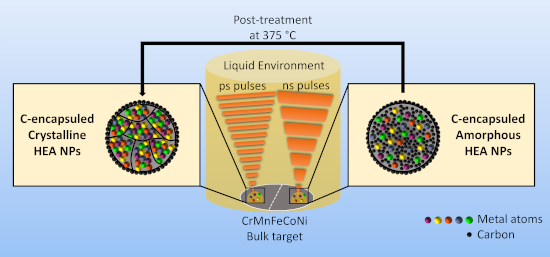
- Interface Science (KiNSIS), Christian-Albrechts University of Kiel, Christian-Albrechts-Platz 4, 24118 Kiel, Germany 10.3762/bjnano.16.84 Abstract High-entropy alloy nanoparticles (HEA NPs) represent a promising material class with significant potential in various applications, such as heterogeneous
- unknown, particularly the underexplored preference of amorphous over crystalline structures warrants further investigation. Herein, we present a systematic study of laser-generated equimolar CrMnFeCoNi nanoparticles, focusing on structural differences, arising from varying pulse durations during synthesis
- various applications in magnetic technologies [2][3] and electrocatalysis [2][4], derived from the combination of single-element properties which results in enhanced features compared to single-element properties [5]. High-entropy alloy nanoparticles (HEA NPs) constitute a relatively new class of




Towards a quantitative theory for transmission X-ray microscopy
Beilstein J. Nanotechnol. 2025, 16, 1113–1128, doi:10.3762/bjnano.16.82
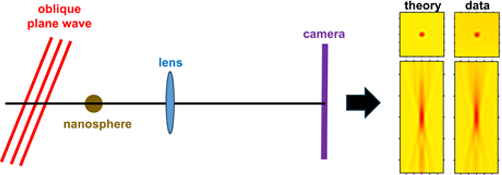
- equations for a sphere of given diameter and homogeneous refractive index n = 1 – δ + iβ [22], an approach well suited to the spherical nanoparticles examined here. Mie theory is one example of scattering theory in which the time-independent part of the final field is given by the sum of the incident and

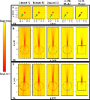


Fabrication of metal complex phthalocyanine and porphyrin nanoparticle aqueous colloids by pulsed laser fragmentation in liquid and their potential application to a photosensitizer for photodynamic therapy
Beilstein J. Nanotechnol. 2025, 16, 1088–1096, doi:10.3762/bjnano.16.80
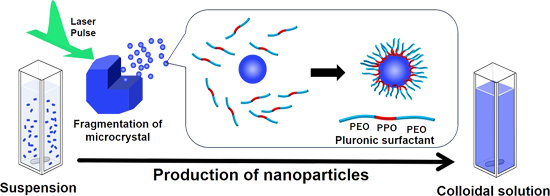
- = AlCl, Fe, Co, Zn) and Pt complex octaethylporphyrin (PtOEP) by nanosecond laser fragmentation of the corresponding microcrystalline powders in an aqueous solution of the amphiphilic polymer Pluronic® F-127. All nanoparticles dispersed stably in phosphate-buffered saline and cell culture media without
- any precipitation for longer than one week. The aqueous F-127 solution at 0.1 wt % concentration, which is about one tenth of the critical micelle concentration, was enough to fabricate nanoparticles with excellent dispersion stability and high production efficiency. We examined the photosensitized
- generation of reactive oxygen species by AlClPc, ZnPc, and PtOEP nanoparticles and the photocytotoxicity for PC12 and HeLa cells, and demonstrated that the nanoparticles can be used as photosensitizers for photodynamic therapy. Keywords: aqueous colloid; photosensitizer; phthalocyanine; pulsed laser


Piezoelectricity of hexagonal boron nitrides improves bone tissue generation as tested on osteoblasts
Beilstein J. Nanotechnol. 2025, 16, 1068–1081, doi:10.3762/bjnano.16.78
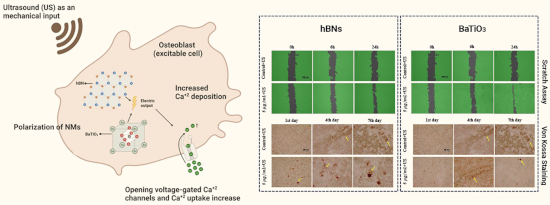
- SiC surface and stored at room temperature. The synthesized hBN and commercial BaTiO3 nanoparticles (Sigma-Aldrich, Germany) were characterized using several analytical techniques. Transmission electron microscopy (TEM, JEOL ARM 200 CF, 200 keV) was employed to examine morphology and particle size by
- , UV–vis results, DLS analysis, and topographic images of hBNs and BaTiO3 nanoparticles. Supporting Information File 12: Additional figures. Acknowledgements The authors would like to thank the research group members for their valuable discussions and technical assistance throughout the study. The





