


Search results
Search for "nanoparticles (NPs)" in Full Text gives 239 result(s) in Beilstein Journal of Nanotechnology. Showing first 200.
Prediction of cytotoxicity of heavy metals adsorbed on nano-TiO2 with periodic table descriptors using machine learning approaches
Beilstein J. Nanotechnol. 2023, 14, 939–950, doi:10.3762/bjnano.14.77
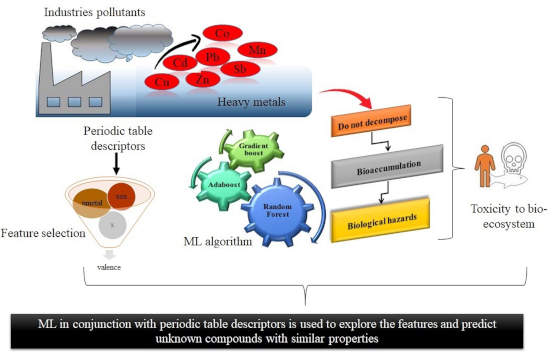
- metals, upon release and emission, may interact with different environmental components, which may lead to co-exposure to living organisms. Nanoscale titanium dioxide (nano-TiO2) can adsorb heavy metals. The current idea is that nanoparticles (NPs) may act as carriers and facilitate the entry of heavy
- present work manifests that ML in conjunction with periodic table descriptors can be used to explore the features and predict unknown compounds with similar properties. Keywords: heavy metals; HK-2 cell; ML algorithm; periodic table descriptors; QSAR; Introduction Nanoparticles (NPs) have gained much


Antibody-conjugated nanoparticles for target-specific drug delivery of chemotherapeutics
Beilstein J. Nanotechnol. 2023, 14, 912–926, doi:10.3762/bjnano.14.75
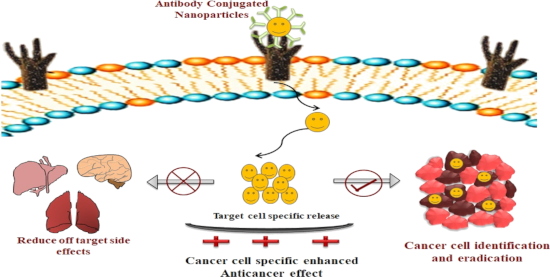
- of nanoscale chemotherapeutics is accomplished by two different approaches, namely the exploitation of leaky tumor vasculature (EPR effect) and the surface modification of nanoparticles (NPs) with various tumor-homing peptides, aptamers, oligonucleotides, and monoclonal antibodies (mAbs). Because of
- -directed enzyme prodrug therapy, small molecule drug conjugates, and others are being investigated [2][3]. Targeted delivery with nanoparticles (NPs) has received a lot of attention because it reduces toxicity while also providing good drug compatibility and loadability. Furthermore, NPs increase drug



Silver-based SERS substrates fabricated using a 3D printed microfluidic device
Beilstein J. Nanotechnol. 2023, 14, 793–803, doi:10.3762/bjnano.14.65
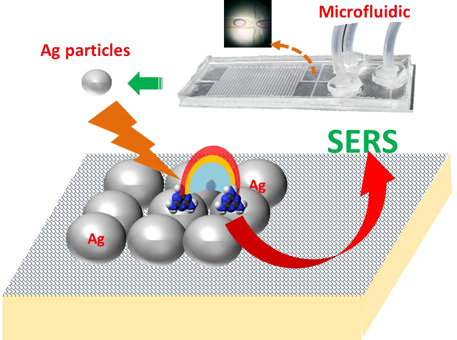
- formation of a charge-transfer complex between chemisorbed species and matrix material, which yields enhancement when the excitation frequency resonates with a charge-transfer transition [7]. Noble metal nanoparticles (NPs) have gained much popularity in various fields, such as analytical chemistry and

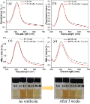


Plasmonic nanotechnology for photothermal applications – an evaluation
Beilstein J. Nanotechnol. 2023, 14, 380–419, doi:10.3762/bjnano.14.33
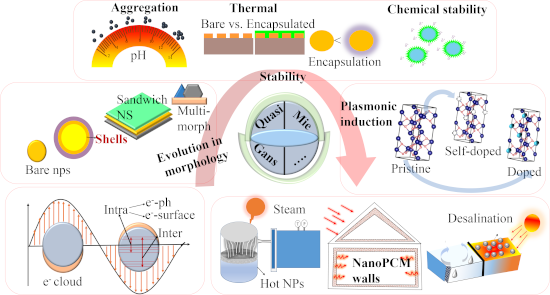
- various material phenomena other than bandgap absorption for heat generation in nanoparticles (NPs), leading to a rapid proliferation of materials for the same. For example, organic materials undergo rapid internal relaxation by the PT effect and are often desired in cancer treatment research as they




The steep road to nonviral nanomedicines: Frequent challenges and culprits in designing nanoparticles for gene therapy
Beilstein J. Nanotechnol. 2023, 14, 351–361, doi:10.3762/bjnano.14.30
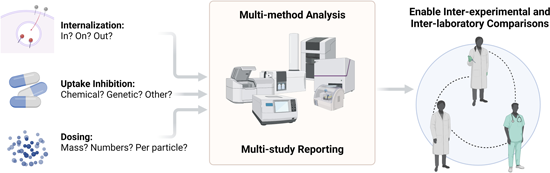
- School of Polymer Science and Engineering, Chonnam National University, Buk-gu, Gwangju 61186, South Korea 10.3762/bjnano.14.30 Abstract The potential of therapeutically loaded nanoparticles (NPs) has been successfully demonstrated during the last decade, with NP-mediated nonviral gene delivery
- field of nonviral gene delivery. Keywords: characterization; dosage; gene delivery; uptake; transfection; Introduction Recent efforts to develop and translate therapeutically loaded nanoparticles (NPs) have resulted in several advances in the treatment and prevention of disease. Key areas where NP

Polymer nanoparticles from low-energy nanoemulsions for biomedical applications
Beilstein J. Nanotechnol. 2023, 14, 339–350, doi:10.3762/bjnano.14.29
- . Representative TEM images of negatively stained nanoparticles (NPs) complexed with DNA plasmids (pVAX and pVAX-HisAK70). (A) NP 1:1. (B) NP 1:1/pVAX = 5/1. (C) NP 1:1/pVAX-HisAK70 = 10/1. (D) Zoomed region from each sample (A–C) (all scale bars represent 100 nm). Figure 5 was reprinted from [61], European




Overview of mechanism and consequences of endothelial leakiness caused by metal and polymeric nanoparticles
Beilstein J. Nanotechnol. 2023, 14, 329–338, doi:10.3762/bjnano.14.28
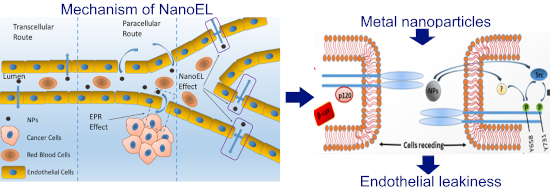
- Magdalena Lasak Karol Ciepluch Division of Medical Biology, Jan Kochanowski University in Kielce, Uniwersytecka Street 7, Kielce, Poland 10.3762/bjnano.14.28 Abstract Nanoparticles (NPs) exhibit unique physicochemical properties that enable them to overcome biological barriers and to be
- whose therapeutic success depends on the effective drug delivery to the target sites through highly selective vascular barriers. A relatively new method that overcomes the endothelial barrier is the use of nanoparticles (NPs), especially different metal nanoparticles, for example, Au or Ti nanoparticles


Nanotechnology – a robust tool for fighting the challenges of drug resistance in non-small cell lung cancer
Beilstein J. Nanotechnol. 2023, 14, 240–261, doi:10.3762/bjnano.14.23
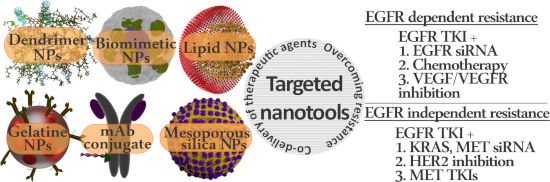
- prevention of side effects, is the theoretical rationale behind the use of designed nanoparticles (NPs) [26][27][28]. Advances in the therapeutic approaches used for overcoming NSCLC resistance Combinatorial treatments are designed with the goal of exerting additive or synergistic inhibitory effects on the


Combining physical vapor deposition structuration with dealloying for the creation of a highly efficient SERS platform
Beilstein J. Nanotechnol. 2023, 14, 83–94, doi:10.3762/bjnano.14.10
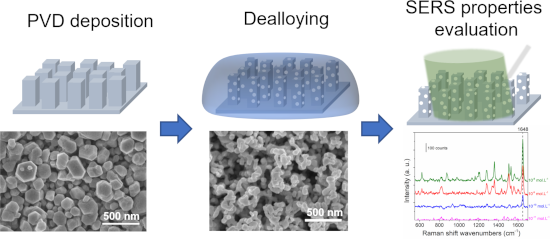
- efficiency compared to that of Au, Ag nanoparticles (NPs) are prone to oxidation. Moreover, they are less thermodynamically stable leading to morphology variation and ultimately to deterioration of their SERS efficiency [13][14]. Besides that, most studies report on the high SERS properties for NPs in




Orally administered docetaxel-loaded chitosan-decorated cationic PLGA nanoparticles for intestinal tumors: formulation, comprehensive in vitro characterization, and release kinetics
Beilstein J. Nanotechnol. 2022, 13, 1393–1407, doi:10.3762/bjnano.13.115
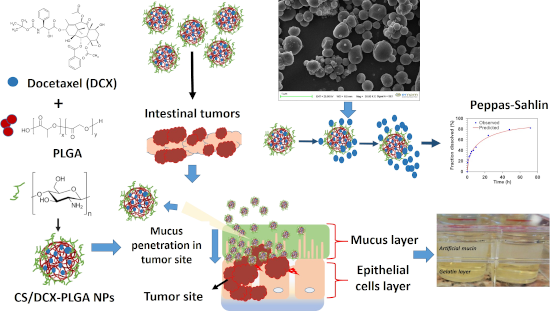
- from GIT conditions and deliver the drug to the intestinal tumoral region by accumulating in mucus has been designed. For this purpose, DCX-PLGA nanoparticles (NPs) and CS/DCX-PLGA NPs were prepared, and their in vitro characteristics were elucidated. Nanoparticles around 250–300 nm were obtained. DCX
- multiple GIT-related barriers through oral administration of nanoparticulate drug delivery systems. From this point of view, polymeric nanoparticles (NPs) are promising in the development of an oral formulation for colon carcinomas. While it protects the drug from various destructive effects of GIT with


Supramolecular assembly of pentamidine and polymeric cyclodextrin bimetallic core–shell nanoarchitectures
Beilstein J. Nanotechnol. 2022, 13, 1361–1369, doi:10.3762/bjnano.13.112
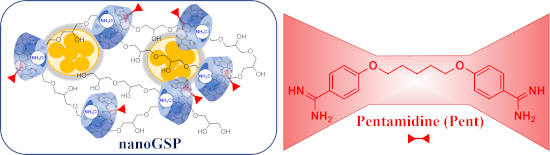
- combination of noble metal nanoparticles (NPs) with conventional antimicrobial drugs, are considered the next generation of antimicrobial agents. Therefore, there is an increasing demand for rapid, eco-friendly, and relatively inexpensive synthetic approaches for the preparation of nontoxic metallic
- during the reduction/stabilization of metal NPs was investigated for the first time by NMR spectroscopy. Keywords: antimicrobial agents; bimetallic nanoparticles; gold/silver core–shell; Leishmania; pentamidine; polycyclodextrin; Introduction Noble metal nanoparticles (NPs), in particular those


Enhanced electronic transport properties of Te roll-like nanostructures
Beilstein J. Nanotechnol. 2022, 13, 1284–1291, doi:10.3762/bjnano.13.106
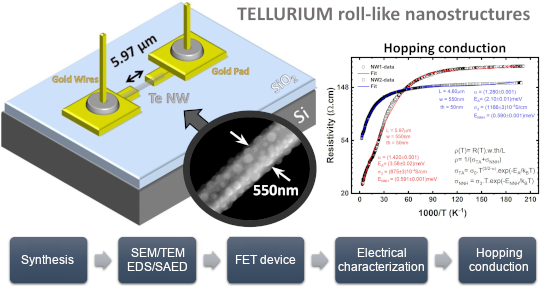
- devices, radioactive cooling devices, field-effect transistors, infrared acousto-optic deflectors, and even for antifungal activity [1][2][3][4][5][6][7]. Several chemical and physical methods have been recently developed to synthesize Te-based nanostructures, such as monolayers (MLs), nanoparticles (NPs




Microneedle-based ocular drug delivery systems – recent advances and challenges
Beilstein J. Nanotechnol. 2022, 13, 1167–1184, doi:10.3762/bjnano.13.98
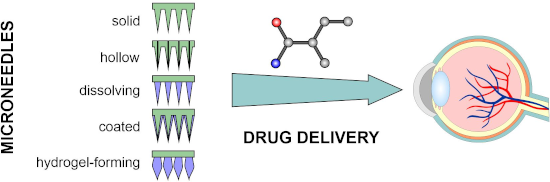
- stability to puncture the sclera and then degraded very quickly releasing the nanoparticles (NPs) in less than 3 min. In turn, the slow disintegration of the NP-forming matrices resulted in the release of the active ingredient in a prolonged manner [182]. Lee et al. drew attention to the inconvenience of


Green synthesis of zinc oxide nanoparticles toward highly efficient photocatalysis and antibacterial application
Beilstein J. Nanotechnol. 2022, 13, 1108–1119, doi:10.3762/bjnano.13.94
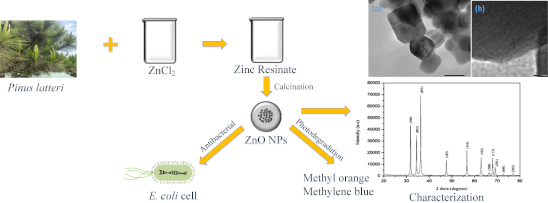
- ]. These photogenerated electrons and holes migrate to the surface of ZnO to react with H2O and O2 to generate O2•− and •OH radicals, which oxidize organic substances. In addition, ZnO nanoparticles (NPs) have high antibacterial activity against bacteria, high biocompatibility, and are nontoxic to human




Electrocatalytic oxygen reduction activity of AgCoCu oxides on reduced graphene oxide in alkaline media
Beilstein J. Nanotechnol. 2022, 13, 1020–1029, doi:10.3762/bjnano.13.89
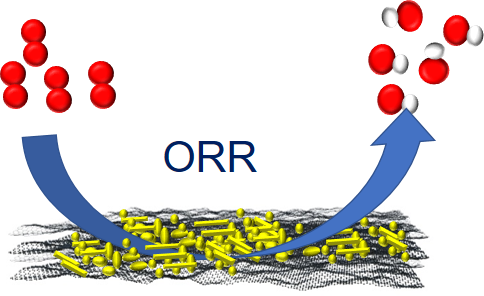
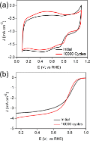
- . Electrocatalytic enhancement of the Ag nanoarchitectonics can be obtained via support structures and amalgamating Ag with one or two additional metals. The work presented here deals with a facile microwave-assisted synthesis to produce bimetallic Ag-Cu and Ag-Co (1:1) oxide nanoparticles (NPs) and trimetallic
- the overall performance of the reaction [3][4]. There is an increasing use of platinum catalysts with diverse morphologies and the combination with noble and non-noble metal-based alloy/multimetallic nanoparticles (NPs) as potential electrocatalysts under extreme pH values [5][6][7][8][9][10][11][12


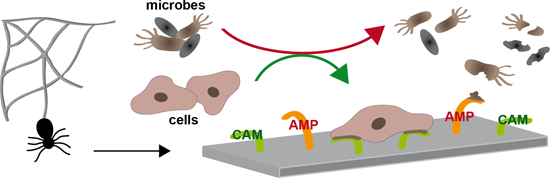
Bioselectivity of silk protein-based materials and their bio-inspired applications
Beilstein J. Nanotechnol. 2022, 13, 902–921, doi:10.3762/bjnano.13.81


Zinc oxide nanostructures for fluorescence and Raman signal enhancement: a review
Beilstein J. Nanotechnol. 2022, 13, 472–490, doi:10.3762/bjnano.13.40
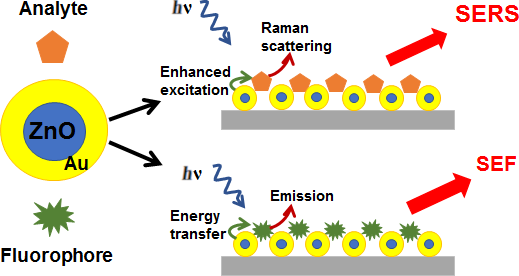
- , ZnO-based nanomaterials have been extensively used in the industry and investigated in various application fields such as optoelectronics, biomedicine, agriculture, food, and cosmetics [1][2][3]. The wide range of applications is due to the many promising features of ZnO nanoparticles (NPs), such as




Micro- and nanotechnology in biomedical engineering for cartilage tissue regeneration in osteoarthritis
Beilstein J. Nanotechnol. 2022, 13, 363–389, doi:10.3762/bjnano.13.31
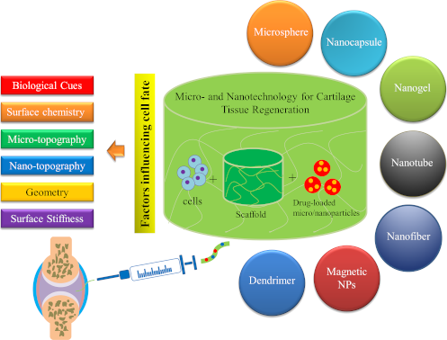
- biomimetic nanocomposites to imitate pseudostratified features of the ECM to develop bioinspired scaffolds [47][48][49]. 3.1.2.1 Nanoparticles (NPs). In recent years, NPs have been increasingly used in regenerative medicine (Table 1) and other medical areas. NPs have been successfully developed for drug


Surfactant-free syntheses and pair distribution function analysis of osmium nanoparticles
Beilstein J. Nanotechnol. 2022, 13, 230–235, doi:10.3762/bjnano.13.17
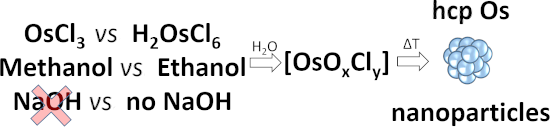
- -free synthesis of precious metal nanoparticles (NPs) performed in alkaline low-boiling-point solvents has been recently reported. Monoalcohols are here investigated as solvents and reducing agents to obtain colloidal Os nanoparticles by using low-temperature (<100 °C) surfactant-free syntheses. The
- medical properties [10][11][12][13][14][15][16][17] in experimental and theoretical work [18]. Common wet chemical syntheses require surfactants, viscous solvents, or shape-directing agents [5][17][19][20][21] that act as ligands to stabilize colloidal nanoparticles (NPs). These additives can bring


Engineered titania nanomaterials in advanced clinical applications
Beilstein J. Nanotechnol. 2022, 13, 201–218, doi:10.3762/bjnano.13.15
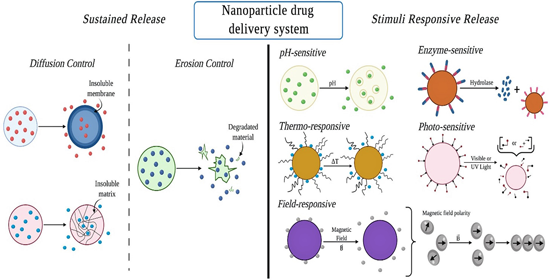
- , inorganic, or organometallic material whose chemical, physical, and/or electrical properties change as a function of the size and shape of the material. Nanomaterials are designed at the atomic or molecular level, and most of the therapeutic nanoparticles (nps) are usually between 10 and 100 nm in size so
- reported by Rehman [8], who used the photodynamic properties of TiO2 for killing HeLa cancer cells. The hydrophobic nature of photosensitizers commonly used in photodynamic therapy led to selectivity and aggregation issues that jeopardize their effectiveness. Therefore, TiO2 nanoparticles (nps), which


Sputtering onto liquids: a critical review
Beilstein J. Nanotechnol. 2022, 13, 10–53, doi:10.3762/bjnano.13.2
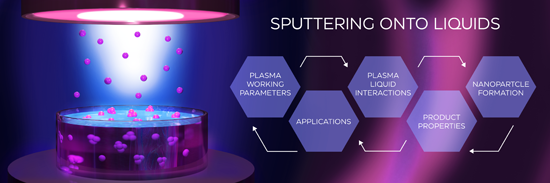
- , Czech Republic 10.3762/bjnano.13.2 Abstract Sputter deposition of atoms onto liquid substrates aims at producing colloidal dispersions of small monodisperse ultrapure nanoparticles (NPs). Since sputtering onto liquids combines the advantages of the physical vapor deposition technique and classical
- overview of the properties and applications of the produced NPs. Keywords: low-pressure plasmas; magnetron; nanoparticles; nanoparticle formation; sputtering; sputtering onto liquids; Introduction According to the general terminology, nanoparticles (NPs) are objects that have a size of less than 100 nm






Biocompatibility and cytotoxicity in vitro of surface-functionalized drug-loaded spinel ferrite nanoparticles
Beilstein J. Nanotechnol. 2021, 12, 1339–1364, doi:10.3762/bjnano.12.99
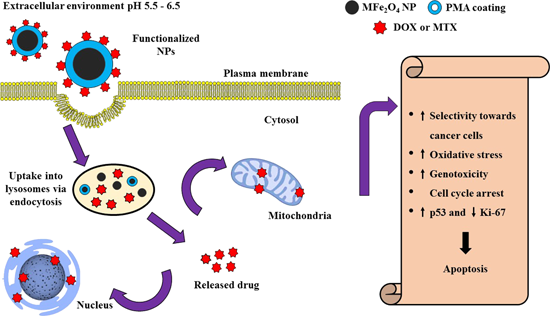
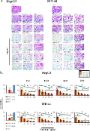
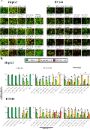
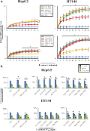
- (MFe2O4, where M = Fe, Co, Ni, or Zn) nanoparticles (NPs) were developed as carriers of the anticancer drugs doxorubicin (DOX) and methotrexate (MTX). Physical characterizations confirmed the formation of pure cubic structures (14–22 nm) with magnetic properties. Drug-loaded NPs exhibited tumor
- -assisted control of the behavior of MNPs makes them suitable candidates for targeted drug delivery, hyperthermia, biosensors, magnetic resonance imaging (MRI), and magnetic separation [9][10]. Magnetite (Fe3O4) nanoparticles (NPs), belonging to the spinel ferrite class, are the most extensively studied





Progress and innovation of nanostructured sulfur cathodes and metal-free anodes for room-temperature Na–S batteries
Beilstein J. Nanotechnol. 2021, 12, 995–1020, doi:10.3762/bjnano.12.75
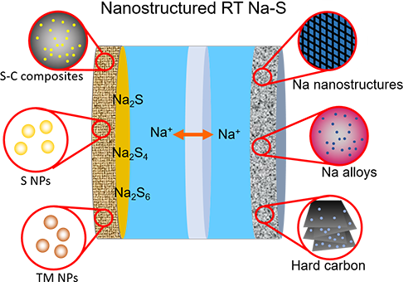
- ]. Therefore, the shuttle effect often cannot be avoided. In order to solve this limitation, transition metal nanoparticles (NPs) or compounds are incorporated in the cathode. The metallic species is bonded to the carbon skeleton creating a dipole, which leads to dipole–dipole interactions with the




The role of deep eutectic solvents and carrageenan in synthesizing biocompatible anisotropic metal nanoparticles
Beilstein J. Nanotechnol. 2021, 12, 924–938, doi:10.3762/bjnano.12.69
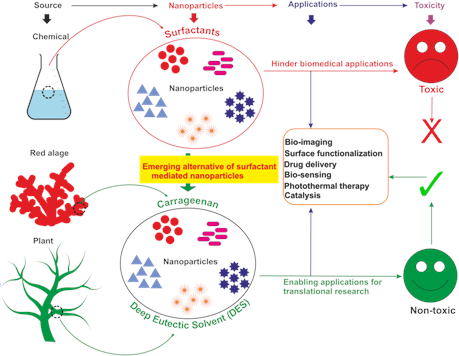
- years on the synthesis of nanoparticles (NPs)/nanomaterials (NMs) using carrageenan and a deep eutectic solvent (DES). The numbers have been obtained from SCOPUS-indexed journals using PubMed. Cytotoxicity of anisotropic gold metal nanoparticles in vitro and in vivo. Synthesis of gold nanoparticles of


Comprehensive review on ultrasound-responsive theranostic nanomaterials: mechanisms, structures and medical applications
Beilstein J. Nanotechnol. 2021, 12, 808–862, doi:10.3762/bjnano.12.64
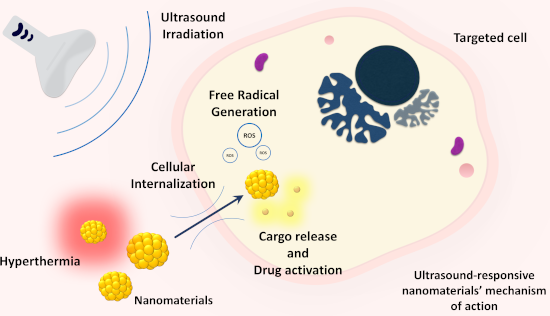
- combination with specific nanoparticles (NPs). The use of US in drug delivery has expanded greatly since the first report in 1989 [19]. Nowadays, advances made in new US-sensitive smart carriers have led US to become an effective technique to trigger drug delivery at targeted sites by tuning the power density





