


Search results
Search for "physicochemical properties" in Full Text gives 215 result(s) in Beilstein Journal of Nanotechnology. Showing first 200.
Biomimetic nanocarriers: integrating natural functions for advanced therapeutic applications
Beilstein J. Nanotechnol. 2024, 15, 1619–1626, doi:10.3762/bjnano.15.127

- or active targeting mechanisms. In the passive strategy, coated nanocarriers can traverse permeable vessels (as observed in tumors, for example) and exhibit tropism toward specific pathological targets based on the size, surface charge, and physicochemical properties of the nanostructure. The active
- drug absorption by the mononuclear phagocytic system due to its hydrophilic barrier [59]. Although PEG-coated nanostructures exhibit promising physicochemical properties, they have shown limitations; studies point to cases of hypersensitivity in PEGylated vaccines [60][61]. Potential adverse immune


Liver-targeting iron oxide nanoparticles and their complexes with plant extracts for biocompatibility
Beilstein J. Nanotechnol. 2024, 15, 1593–1602, doi:10.3762/bjnano.15.125
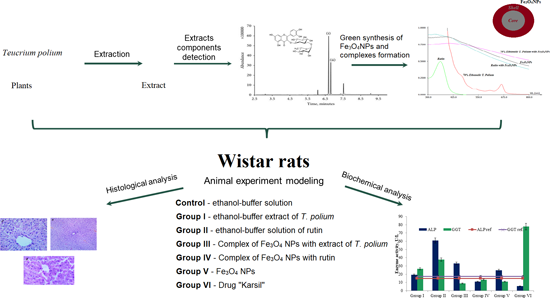
- challenges associated with human health. Nanotechnology offers great opportunities in medicine because of the physicochemical properties at the nanoscale. There are efforts to apply unique quantum phenomena at the nanoscale in the fields of medicine, biomedical sciences, bioengineering, food technology


Facile synthesis of size-tunable L-carnosine-capped silver nanoparticles and their role in metal ion sensing and catalytic degradation of p-nitrophenol
Beilstein J. Nanotechnol. 2024, 15, 1576–1592, doi:10.3762/bjnano.15.124
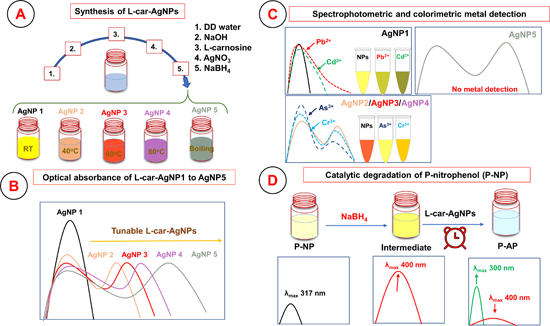
- temperature and the ratio of NaBH4 to NaOH led to the formation of ʟ-car-AgNPs with different colors. The color of the obtained nanoparticles suggested that they were in a controlled aggregated state. Further characterization was performed to analyze the physicochemical properties of the synthesized ʟ




The round-robin approach applied to nanoinformatics: consensus prediction of nanomaterials zeta potential
Beilstein J. Nanotechnol. 2024, 15, 1536–1553, doi:10.3762/bjnano.15.121
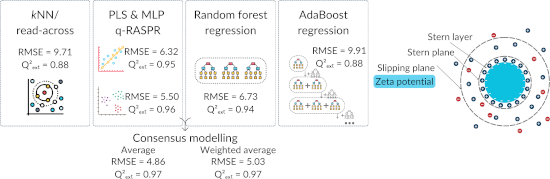
- the library of the NMs’ physicochemical properties and increase the amount of available information, the corresponding sphere diameter (the diameter of the sphere with a surface area equal to the area of the NM) was calculated, as well as three molecular descriptors commonly used in nanoinformatics


Integrating high-performance computing, machine learning, data management workflows, and infrastructures for multiscale simulations and nanomaterials technologies
Beilstein J. Nanotechnol. 2024, 15, 1498–1521, doi:10.3762/bjnano.15.119
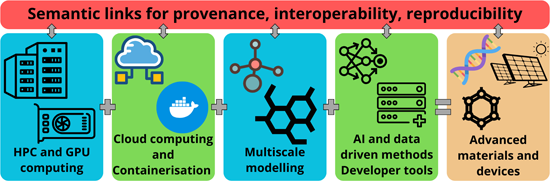
- decomposing the problem into tasks and subtasks. The definition of tasks and subtasks and the domain knowledge is organized in terms of the structure provided by MAMBO. Let us first consider a simulation workflow for the evaluation of the physicochemical properties of a molecular aggregate made of identical


Polymer lipid hybrid nanoparticles for phytochemical delivery: challenges, progress, and future prospects
Beilstein J. Nanotechnol. 2024, 15, 1473–1497, doi:10.3762/bjnano.15.118
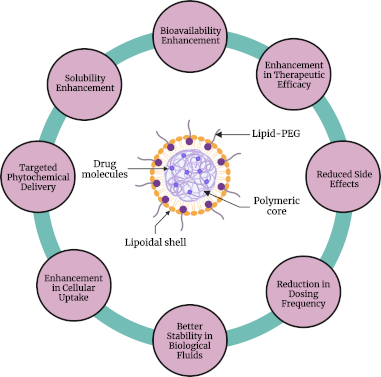
- . Overall, encapsulating HCT into the PLHNPs can overcome the challenges related to the physicochemical properties of phytochemicals and improve drug delivery. Psoralen Psoralen is a naturally occurring organic compound found in several plants, including Psoralea corylifolia (Babchi), figs, celery, and


Nanoarchitectonics with cetrimonium bromide on metal nanoparticles for linker-free detection of toxic metal ions and catalytic degradation of 4-nitrophenol
Beilstein J. Nanotechnol. 2024, 15, 1312–1332, doi:10.3762/bjnano.15.106
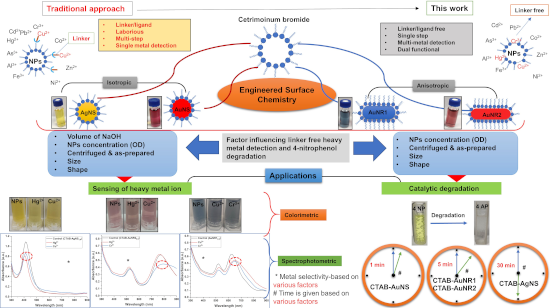
- CTAB micelles without hampering the physicochemical properties of the synthesized nanoparticles. This weakening of CTAB solves the persistent problem of surface modification or the use of linker molecules with CTAB-capped nanoparticles for sensing applications. In addition, the nanorod size might be




Interaction of graphene oxide with tannic acid: computational modeling and toxicity mitigation in C. elegans
Beilstein J. Nanotechnol. 2024, 15, 1297–1311, doi:10.3762/bjnano.15.105
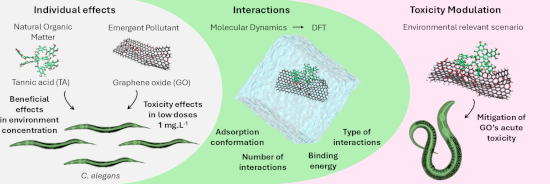
- . Results and Discussion Experimental characterization TA is a relevant component of the dissolved organic matter in the environment originating especially from vegetable organic decomposition [17]. Furthermore, because of unique physicochemical properties, TA has been increasingly applied for GO syntheses


Mn-doped ZnO nanopowders prepared by sol–gel and microwave-assisted sol–gel methods and their photocatalytic properties
Beilstein J. Nanotechnol. 2024, 15, 1283–1296, doi:10.3762/bjnano.15.104
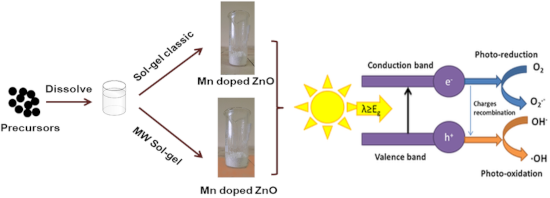
- preferred for synthesizing oxide nanostructures because of their advantages, such as uniform mixing of precursors at the molecular level, low operating temperatures, and the ability to control the physicochemical properties of the final products [5][6]. Among various chemical techniques, the sol–gel method


Enhanced catalytic reduction through in situ synthesized gold nanoparticles embedded in glucosamine/alginate nanocomposites
Beilstein J. Nanotechnol. 2024, 15, 1227–1237, doi:10.3762/bjnano.15.99
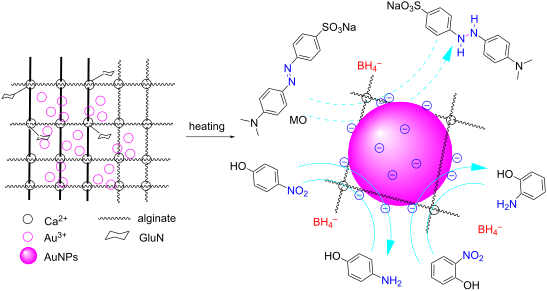
- physicochemical properties and diverse potential chemical applications [1][2][3]. The conventional synthesis of AuNPs typically involves the chemical reduction of Au3+ ions using various reducing agents and stabilizers [4][5]. However, many of these chemicals are highly reactive, posing risks to both the
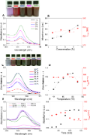
- temperature, and the reaction time, by using UV–vis spectroscopy. Changes in the physicochemical properties, such as morphology and particle size of AuNPs, were monitored through absorbance and the λmax values of the surface plasmon resonance (SPR) band. Figure 2 illustrates the impact of synthesis conditions



Realizing active targeting in cancer nanomedicine with ultrasmall nanoparticles
Beilstein J. Nanotechnol. 2024, 15, 1208–1226, doi:10.3762/bjnano.15.98
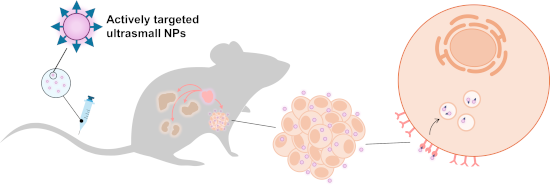
- globular proteins, usNPs exhibit unique physicochemical properties and physiological behavior distinct from larger particles, including lack of protein corona formation, efficient renal clearance, and reduced recognition and sequestration by the reticuloendothelial system. In cancer treatment, usNPs
- last decade, a special class of inorganic NPs, termed ultrasmall NPs (usNPs), has attracted increased attention in the field of cancer nanomedicine [18][19][20][21][22][23][24]. This increased focus is attributed to their unique physicochemical properties, biological functionalities, and physiological


AI-assisted models to predict chemotherapy drugs modified with C60 fullerene derivatives
Beilstein J. Nanotechnol. 2024, 15, 1170–1188, doi:10.3762/bjnano.15.95
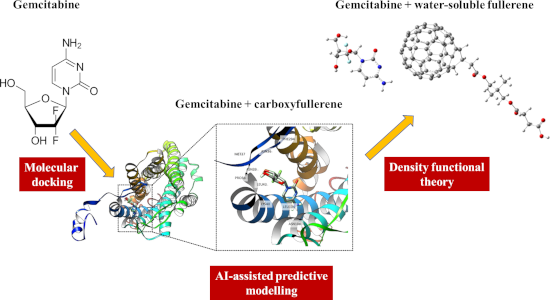
- can be proposed as an orally delivered drug according to its physicochemical properties. According to this rule, a drug compound should have a molecular weight below 500 g/mol, a octanol–water partition coefficient (LogP) below 5, less than five hydrogen bond donor sites, and less than ten hydrogen


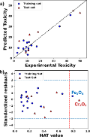
Introducing third-generation periodic table descriptors for nano-qRASTR modeling of zebrafish toxicity of metal oxide nanoparticles
Beilstein J. Nanotechnol. 2024, 15, 1142–1152, doi:10.3762/bjnano.15.93
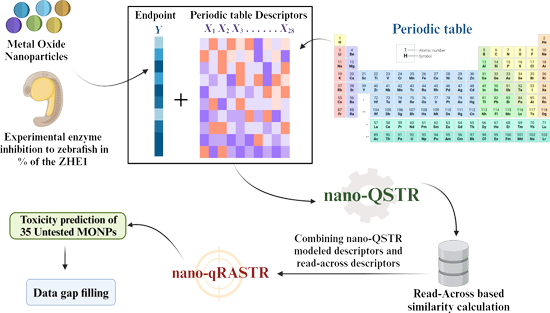
- periodic table descriptors. Future work can focus on developing more diverse molecular descriptors with higher effectiveness. Including additional descriptors that capture other critical physicochemical properties could provide a more comprehensive understanding of the mechanisms driving MONP toxicity. The


Recent updates in applications of nanomedicine for the treatment of hepatic fibrosis
Beilstein J. Nanotechnol. 2024, 15, 1105–1116, doi:10.3762/bjnano.15.89
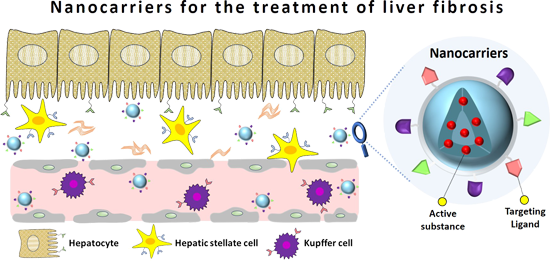
- application of nanoscale systems with unique physicochemical properties, including small size, large specific surface area, high reactivity, and quantum effects of the nanoparticles (NPs) [1][2]. Nanomedicine is specifically designated for therapeutics (drug delivery), diagnostics, and imaging, as well as for


Unveiling the potential of alginate-based nanomaterials in sensing technology and smart delivery applications
Beilstein J. Nanotechnol. 2024, 15, 1077–1104, doi:10.3762/bjnano.15.88
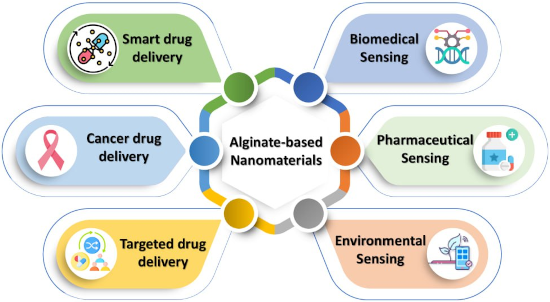
- and pharmaceutical fields. Many review papers describe applications of alginate in the drug delivery field. The current study covers the structural and physicochemical properties of alginate-based nanoparticles. The prospective applications of alginate-based nanomaterials in various domains are
- disease diagnosis, quick detection of diverse drugs and chemicals, and long-term monitoring [9]. In the recent decade, sensor technology has seen breakthroughs thanks to the usage of nanomaterials with superior physicochemical properties [10][11][12][13]. Nowadays, the development of sensors based on


Interface properties of nanostructured carbon-coated biological implants: an overview
Beilstein J. Nanotechnol. 2024, 15, 1041–1053, doi:10.3762/bjnano.15.85
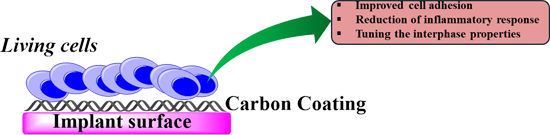
- because of the efforts required for achieving a homogenous dispersion in an inorganic–organic matrix [22][23][24]. In this short review, we are discussing nanostructured and nanosized carbon-based materials used to improve the durability and physicochemical properties of biological implants as summarized



Identification of structural features of surface modifiers in engineered nanostructured metal oxides regarding cell uptake through ML-based classification
Beilstein J. Nanotechnol. 2024, 15, 909–924, doi:10.3762/bjnano.15.75
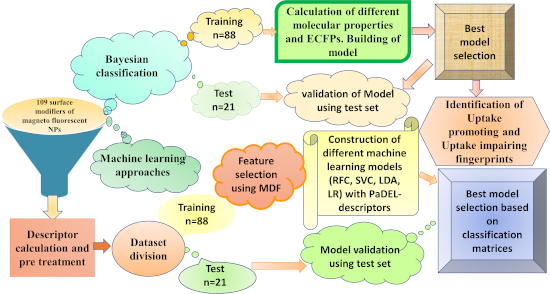
- nanoparticles consist of metal elements bonded with oxygen in intricate structures [3][4]. They exhibit exceptional physicochemical properties, which have led to their widespread utilization across various industries [5][6]. These nanomaterials are employed in, for example, electronics, cosmetics, and medicine


A review on the structural characterization of nanomaterials for nano-QSAR models
Beilstein J. Nanotechnol. 2024, 15, 854–866, doi:10.3762/bjnano.15.71
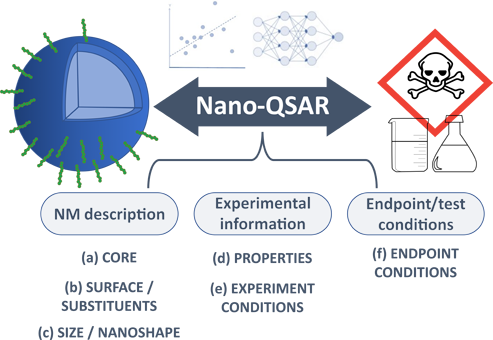
- of metal and oxygen atoms as descriptors in metal oxide models [15][16]. It is also common to find single-element descriptors based on the physicochemical properties of pure elements. The use of single-element descriptors is trivial in single-metal nanoforms, such as silver or gold nanoparticles [17
- calculated, numerical factors derived from the size of the molecule and other physicochemical properties of its components. For example, a series of size-dependent descriptors, such as the ratio of surface molecules, which involves both the nanoform size and the aggregation size, can be calculated using a


Simultaneous electrochemical determination of uric acid and hypoxanthine at a TiO2/graphene quantum dot-modified electrode
Beilstein J. Nanotechnol. 2024, 15, 719–732, doi:10.3762/bjnano.15.60
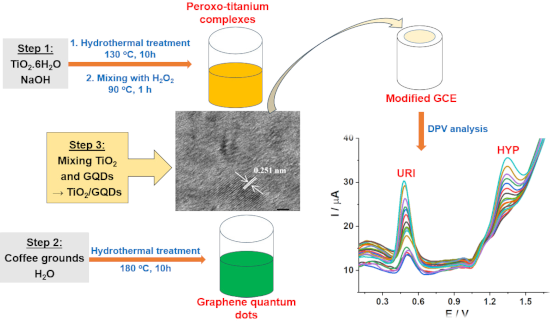
- , cost-effectiveness, and reliability. The use of modified electrodes has shown to improve significantly electrocatalytic activity and electrical conductivity of electrodes. Graphene, with sp2-hybridized carbon atoms in a single layer, has gained much attention because of its unique physicochemical
- properties. Graphene quantum dots (GQDs) are zero-dimensional graphene derivatives consisting of one to few layers of graphene sheets with a size of less than 20 nm in width [11]. The missing bandgap results in an absence of luminescence in pristine graphene. However, a bandgap can be generated in GQDs


Gold nanomakura: nanoarchitectonics and their photothermal response in association with carrageenan hydrogels
Beilstein J. Nanotechnol. 2024, 15, 678–693, doi:10.3762/bjnano.15.56

- systems by architecting atoms, molecules, and nanomaterials as building blocks [1]. This interplay at the nanoscale renders a plethora of unique physicochemical properties to nanomaterials. These unique properties are due to the mean free path of an electron in a metal which is ≈10–100 nm at room
- ]. A very recent study reported photothermal effect of gold nanorods of shorter and longer lengths in gel and aqueous media [18]. In recent times, anisotropic nanoparticles due to their unique physicochemical properties have garnered attention among researchers and enabled them to manoeuvre into an
- diffraction (XRD), and FTIR, respectively, to establish physicochemical properties of the synthesized nanomaterials. Results Synthesis, optical spectroscopy, and zeta potential Anisotropic gold nanoparticles of makura shape were synthesized using seed-mediated approach as shown in Figure 1a. The Au seeds were






On the additive artificial intelligence-based discovery of nanoparticle neurodegenerative disease drug delivery systems
Beilstein J. Nanotechnol. 2024, 15, 535–555, doi:10.3762/bjnano.15.47
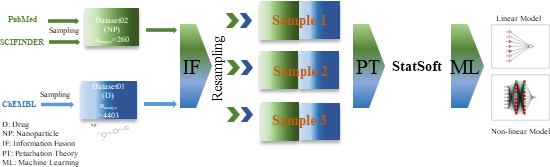
- databases Pubmed and SciFinder [63][64][65]. This dataset included 260 preclinical assays for 31 unique NPs. Therefore, the number of assays for each NP is about 8.39. Moreover, the data covered a huge range of properties of NPs such as morphology, physicochemical properties, coating agents, length, and
- physicochemical properties for drugs in order to cross the BBB [89]. High lipophilicity can contribute to excessive distribution volumes, increased metabolic liability, and lower unbound drug concentration in the plasma and/or brain; it may also negatively affect pharmaceutical properties, in particular




Photocatalytic degradation of methylene blue under visible light by cobalt ferrite nanoparticles/graphene quantum dots
Beilstein J. Nanotechnol. 2024, 15, 475–489, doi:10.3762/bjnano.15.43
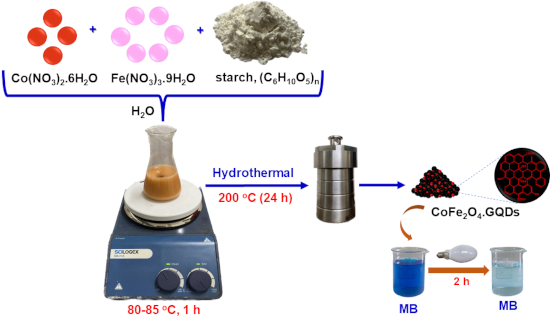
- hydrothermal method was reported [7]. The effect of oleylamine concentration on the physicochemical properties of CF synthesized via a solvothermal process has been presented [8]. However, ferrites exhibit self-agglomeration due to their magnetic nature. Combining different functional materials to prepare




Fabrication of nanocrystal forms of ᴅ-cycloserine and their application for transdermal and enteric drug delivery systems
Beilstein J. Nanotechnol. 2024, 15, 465–474, doi:10.3762/bjnano.15.42
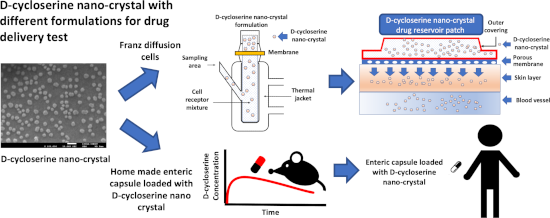
- has shown significant treatment efficacy for central nervous system (CNS) disorders including depression, schizophrenia, Alzheimer’s disease, and post-traumatic stress disorder. The physicochemical properties of DCS, however, limit the options of formulation and medicinal applications of DCS, and
- ]. Nanocrystals can improve many physicochemical properties of drugs such as solubility, size effect, dissolution rate, and adhesiveness to surface membranes [23]. The limitations of conventional medication delivery can be overcome by advanced drug delivery methodologies, such as transdermal drug delivery (TDD
- commercial DCS, which is attributed to specific physicochemical properties of the nanocrystals, including faster dissolution and greater resistance to degradation in enteric capsules. Furthermore, with efficient delivery and long-term stability, the hydrophobic formulation of DCS nanocrystals is a potent


Controllable physicochemical properties of WOx thin films grown under glancing angle
Beilstein J. Nanotechnol. 2024, 15, 350–359, doi:10.3762/bjnano.15.31
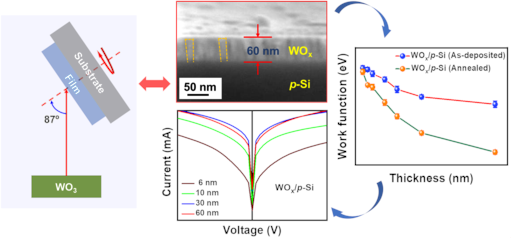
- , Alagappa University, Karaikudi 630 003, India Department of Physics, Indian Institute of Technology Kharagpur, Kharagpur 721 302, India 10.3762/bjnano.15.31 Abstract In this work, various physicochemical properties are investigated in nanostructured WOx thin films prepared by radio-frequency magnetron
- -stoichiometric compositions and polymorphs, WOx usually behaves as an n-type semiconductor because an unintentional incorporation of a certain amount of reduced W cations is thermodynamically inevitable in these films [8]. It is, therefore, possible to tune the physicochemical properties, such as work function
- observations demonstrate a wide range of tunability and correlation among several physicochemical properties of glancing angle-deposited WOx films, which is due to serve as a guide for fabricating WOx-based optoelectronic devices, including carrier-selective contacts for photovoltaic cells. Experimental NS-WOx


Exploring the relationships between physiochemical properties of nanoparticles and cell damage to combat cancer growth using simple periodic table-based descriptors
Beilstein J. Nanotechnol. 2024, 15, 297–309, doi:10.3762/bjnano.15.27
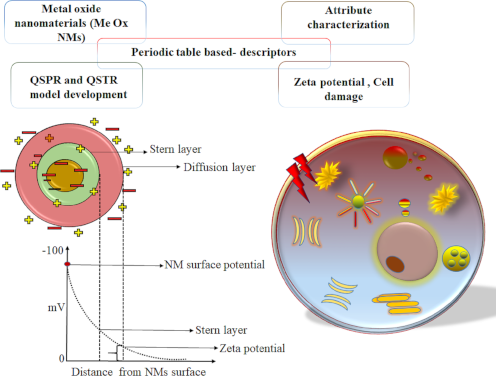
- similar physicochemical properties of the compounds in the training set, depending on which, the model chemical space is developed. In the present study, the commonly used Williams plot [38] method was employed to determine whether the compound is within the chemical domain of the model or outside. The





