Search results
Search for "plasma" in Full Text gives 637 result(s) in Beilstein Journal of Nanotechnology. Showing first 200.
N2+-implantation-induced tailoring of structural, morphological, optical, and electrical characteristics of sputtered molybdenum thin films
Beilstein J. Nanotechnol. 2025, 16, 495–509, doi:10.3762/bjnano.16.38
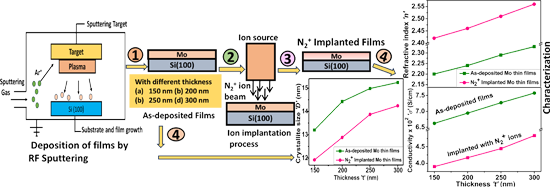
- prospective substitute for tungsten in plasma-facing components of fusion devices. Klaver et al. [19] investigated the impact of irradiation with low-energy helium ions on the physical properties of molybdenum thin films. Ono et al. [20] studied the degradation of the optical characteristics of single- and
- polycrystalline Mo mirrors for plasma diagnostics when treated with low-energy He+ ion irradiation at ambient temperature and 400 °C. Takamura et al. [21] examined the effects of He plasma irradiation on Mo thin films. The temperature range for nanostructure growth was within a temperature range of 800 to 1050 K
- tensile after annealing. Lee et al. [24] efficiently incorporated nitrogen ions into epitaxial Mo films, forming a buried superconducting layer. They deposited atomically flat epitaxial Mo(110) films on Al2O3(0001) substrates. Carreri et al. [25] investigated high-temperature (800–1200 °C) plasma-based


Performance optimization of a microwave-coupled plasma-based ultralow-energy ECR ion source for silicon nanostructuring
Beilstein J. Nanotechnol. 2025, 16, 484–494, doi:10.3762/bjnano.16.37

- generating ion beams in a microwave-coupled plasma-based ultralow-energy electron cyclotron resonance ion source, generally used for nanostructuring solid surfaces. The investigation focuses on developing, accelerating, and extracting Ar ions from a magnetron-coupled plasma cup utilizing a three-grid ion
- extraction-based ion sources. Plasma physics principles are employed to interpret the observed variations in the beam current with various parameters. The optimized beam current is used to investigate the inert ion-induced nanopatterning of silicon surfaces, at various ion fluences and incidence angles. The
- coupled method and then acquire enough energy to generate a plasma. Because of several drawbacks, such as Townsend discharge [16], these sources are not used nowadays. Compact broad-beam ion sources are widely used in scientific laboratories to generate ions. Depending upon the mechanism of production of


Synthetic-polymer-assisted antisense oligonucleotide delivery: targeted approaches for precision disease treatment
Beilstein J. Nanotechnol. 2025, 16, 435–463, doi:10.3762/bjnano.16.34

- amounts of tissue that need to be targeted to achieve a therapeutic response, and the large degree of tissue-to-tissue variability [44][45][46][47]. Negatively charged ASOs including phosphorothioate backbone oligonucleotides (PS), gapmer ASOs, tcDNA, and LNAs can interact with plasma proteins, which
- reduces their rate of renal clearance and influences their distribution to target tissues [48]. In contrast, neutral ASOs such as PMOs and PNAs present lower binding affinity to plasma proteins; therefore, these molecules exhibit shorter circulation lifetimes and lower tissue uptake [49]. After making
- ) in a 1:1 molar ratio to enhance the delivery of 131I-ASO to VIP-receptor-positive tumour cells. The authors found that conjugating the radioiodinated ASO to the VIP-PLL significantly improved tumour uptake and reduced plasma clearance, resulting in a 5.6-fold decrease in plasma clearance and a 3.4


Quantification of lead through rod-shaped silver-doped zinc oxide nanoparticles using an electrochemical approach
Beilstein J. Nanotechnol. 2025, 16, 422–434, doi:10.3762/bjnano.16.33
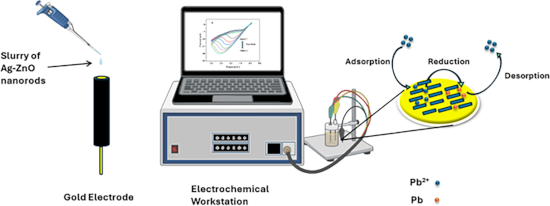
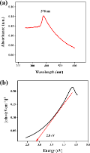
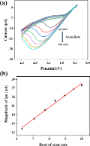
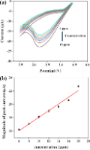
- sources of lead exposure [4]. Through contaminated food or drink or through mouth-to-mouth contact, lead can enter the body. Standard techniques for determining lead content involve the use of atomic absorption spectroscopy (AAS) [5] and inductively coupled plasma–mass spectrometry (ICP–MS) [6]. Although





Size control of nanoparticles synthesized by pulsed laser ablation in liquids using donut-shaped beams
Beilstein J. Nanotechnol. 2025, 16, 407–417, doi:10.3762/bjnano.16.31
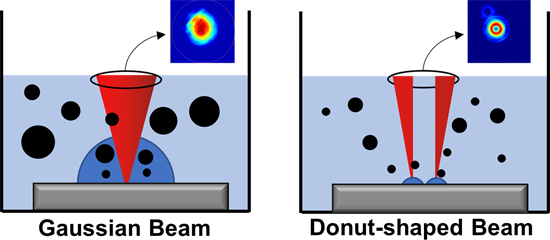
- increase in the radiation absorption efficiency inside transparent materials because of the implosion of the absorbed energy during propagation [39]. It is crucial to understand the early-stage mechanisms of PLAL to correlate them to NP size control. Plasma plume formation and expansion is a critical step
- that occurs after absorption of the laser radiation and localized heating of the target surface. The plume interacts with the surrounding liquid. This interaction defines the cooling rate of the species present in the plasma and significantly affects NP growth (i.e., plasma quenching forms small NPs
- ). The plasma temperature and pressure determine the cavitation bubble and NP formation [40][41]. The plasma plume that heats up the liquid causes liquid vaporization and subsequent bubble nucleation. The initial pressure of the bubble is very high (higher than 1 GPa) allowing it to expand until it


Pulsed laser in liquid grafting of gold nanoparticle–carbon support composites
Beilstein J. Nanotechnol. 2025, 16, 349–361, doi:10.3762/bjnano.16.26
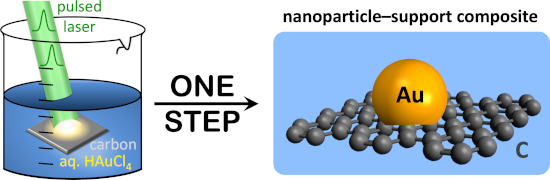
- normalized to the geometric area of the cathode and the mass of gold, which we obtained from digesting the electrodes in aqua regia and collecting inductively coupled plasma mass spectrometry data. We note that only gold was quantified, as carbon has a Z number that is too low for ICP-MS detection [68
- . Inductively coupled plasma mass spectrometry measurements were conducted at the University of Rochester Medical Center. A Perkin Elmer NexION 2000 system featuring multielement detection and parts per billion/parts per trillion sensitivity was used. The gold nanoparticle–carbon fiber paper composites were


Graphene oxide–chloroquine conjugate induces DNA damage in A549 lung cancer cells through autophagy modulation
Beilstein J. Nanotechnol. 2025, 16, 316–332, doi:10.3762/bjnano.16.24
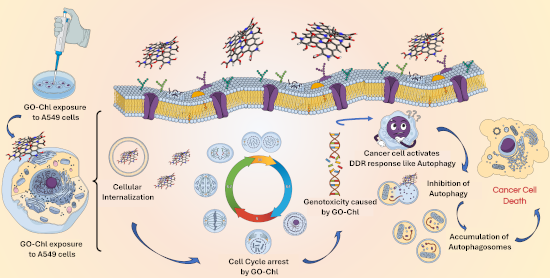
- -damage response. GO–Chl causes loss of plasma membrane integrity, cell cycle arrest, and significant genotoxicity in A549 cells. Further, elevated expression of key autophagy proteins beclin-1, ATG-7, LC-3-I/II, and SQSTM1/p62 reveal that inhibition of autophagy plays a crucial role in regulating DDR
- of cells with compromised membrane and used for quantitative estimation of plasma membrane integrity using flow cytometry [31]. Briefly, A549 cells (1 × 10⁵ cells/mL/well) were seeded onto 12-well culture plates and exposed to varying concentrations (1–100 μg/mL) of GO–Chl for 24 h. Cells were washed
- hydrophobicity, and C/O ratio) GO is internalized via clathrin or caveolae-mediated endocytosis and micropinocytosis [53]. The exposure to nanomaterials is known to affect plasma membrane integrity, which in turn initiates various metabolic processes, such as ineffective nutrient transport, unspecific molecular



Enhancing mechanical properties of chitosan/PVA electrospun nanofibers: a comprehensive review
Beilstein J. Nanotechnol. 2025, 16, 286–307, doi:10.3762/bjnano.16.22

- blending of functional agents in the polymer solution, wet chemical methods, surface graft polymerization, and plasma treatment [160]. Low-temperature plasma offers advantages over other techniques in terms of lower energy consumption, faster processing, and minimal solvent use [161]. By appropriately
- selecting the plasma source and controlling discharge conditions such as voltage, pressure, and gas flow rate, various functional groups can be introduced on the fiber surface, enabling tailored modifications that enhance polymer biocompatibility. Punamshree et al. [162] performed surface modification of
- chitosan/PVA nanofibers using dielectric barrier discharge (DBD) plasma and reported enhanced wettability, mechanical properties, and biocompatibility of the fibers. The argon and oxygen plasma treatments led to significant cross-linking of the fibers, which improved tensile strength and Young’s modulus


Radiosensitizing properties of dual-functionalized carbon nanostructures loaded with temozolomide
Beilstein J. Nanotechnol. 2025, 16, 229–251, doi:10.3762/bjnano.16.18




Clays enhanced with niobium: potential in wastewater treatment and reuse as pigment with antibacterial activity
Beilstein J. Nanotechnol. 2025, 16, 141–154, doi:10.3762/bjnano.16.13
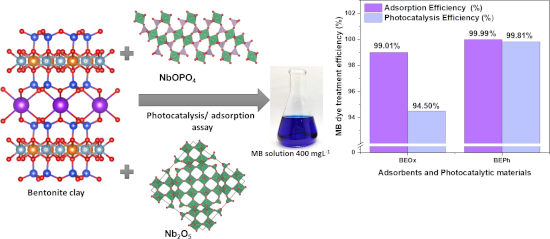
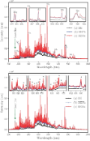
- focused on a material, producing a plasma called laser-induced plasma (LIP). Qualitative and quantitative information about a sample is obtained by measuring the spectral delivery of the laser-induced plasma [19]. Figure 6 shows LIBS spectra for the samples BE, BEPh, and BEOx. It is observed that the



Nanocarriers and macrophage interaction: from a potential hurdle to an alternative therapeutic strategy
Beilstein J. Nanotechnol. 2025, 16, 97–118, doi:10.3762/bjnano.16.10
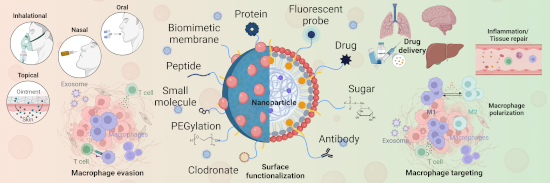
- opsonization in the bloodstream, mediated by opsonins that recognize plasma proteins (serum albumin, apolipoproteins, complement components, and immunoglobulins) adsorbed onto the surface of circulating NPs. This forms the so-called “protein corona” (PC), a layer of more than 300 proteins that effectively


Advanced atomic force microscopy techniques V
Beilstein J. Nanotechnol. 2025, 16, 54–56, doi:10.3762/bjnano.16.6

- al. present the application of AFM-based infrared nanospectroscopy to coated polymer surfaces [11]. The authors prepare thin films of SiOx on polypropylene surfaces by plasma-enhanced chemical vapor deposition (PE-CVD), which is commonly done to improve gas barrier properties of polypropylene. They
Orientation-dependent photonic bandgaps in gold-dust weevil scales and their titania bioreplicates
Beilstein J. Nanotechnol. 2025, 16, 1–10, doi:10.3762/bjnano.16.1
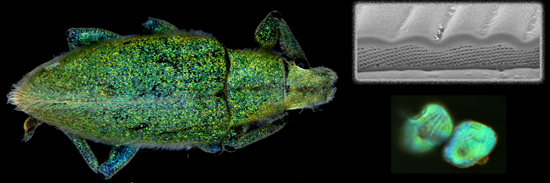
- orientations, we obtained a uniform diffuse green scatterogram, confirming the mechanism producing the dull, unsaturated overall coloration found on the gold-dust weevil and several other weevils [19][21][28]. Subsequently, using plasma etching, we removed the scale cortex and made negative titania replicas of
- scales are composed of chitin and an undetermined short-wavelength absorbing pigment. To investigate whether the origin of the coloration is structural, we examined the external and internal structure of intact and plasma-etched elytral scales using scanning electron microscopy (Figure 2). Using a
- cortex is thinner (≈0.5 μm) and flat (Figure 2c). From the FIB-SEM cuts, we estimated the chitin fill fraction of the chitin network to be 0.44 ± 0.06. By adjusting the power and duration of the argon plasma etching, we were able to selectively etch the lower cortex of the scales (Figure 2d), revealing


Attempts to preserve and visualize protein corona on the surface of biological nanoparticles in blood serum using photomodification
Beilstein J. Nanotechnol. 2024, 15, 1654–1666, doi:10.3762/bjnano.15.130

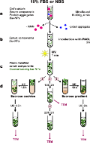
- ). Double UC did not result in a significant decrease of sample contamination. But it did result in a noticeable decrease in the number of bio-NPs, the surface of which, however, became a little cleaner. Loss of target components after double and triple UC of blood serum or plasma has been noted previously



Fabrication of hafnium-based nanoparticles and nanostructures using picosecond laser ablation
Beilstein J. Nanotechnol. 2024, 15, 1639–1653, doi:10.3762/bjnano.15.129
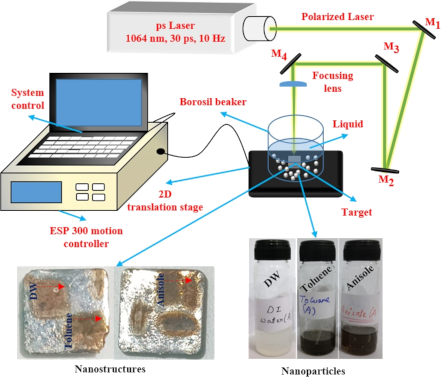
- liquid medium. The target material absorbs the pulse energy via the electrons. It transfers it to the lattice, which expulses the surface material as a plasma plume confined because of the pressure created by the surrounding liquid [16][20][23][24]. A cavitation bubble is formed as the energy is
- transferred to the surrounding liquid from the decaying plasma because of the existing temperature differences between the liquid and the plasma plume, leading to the emergence of a vapour layer with a volume equivalent to the plasma plume [16][20][23][24]. The cavitation bubble collapses because of cyclic
- of the surrounding H2O molecules due to the laser energy [23][24][40]. This leads to the reaction of oxygen with Hf4+ ions in the plasma plume formed during the ablation [16][20][23][24][41], leading to the formation of hafnium oxide vapour as the plasma decays. As the pressure of the surrounding




Heterogeneous reactions in a HFCVD reactor: simulation using a 2D model
Beilstein J. Nanotechnol. 2024, 15, 1627–1638, doi:10.3762/bjnano.15.128
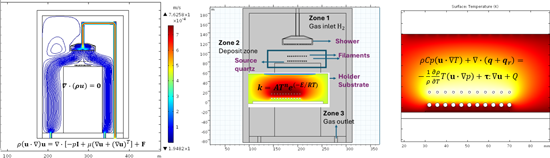
- -dimensional (2D) and three-dimensional (3D) systems is a tool that allows us to understand the key steps regarding the reproducibility and uniformity of the films [19][20]. From a computational point of view, prior works focused on the growth mechanism of SiOx in a plasma-enhanced chemical vapor deposition
- form atomic hydrogen, which reacts with the eleven solid quartz sources. A cloud or plasma is formed and finally reaches the substrate for the formation of the thin films. Finally, zone three is the exit of the gases that were not deposited in the film. The entire process is carried out under
- interaction with the walls. In a study of the deposition of silicon dioxide using an atmospheric-pressure plasma-enhanced CVD reactor, the reactor performance was shown to be strongly affected by the flow dynamics [33][34]. Distribution and concentration of species As previously mentioned, temperature and


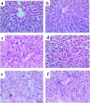
Liver-targeting iron oxide nanoparticles and their complexes with plant extracts for biocompatibility
Beilstein J. Nanotechnol. 2024, 15, 1593–1602, doi:10.3762/bjnano.15.125
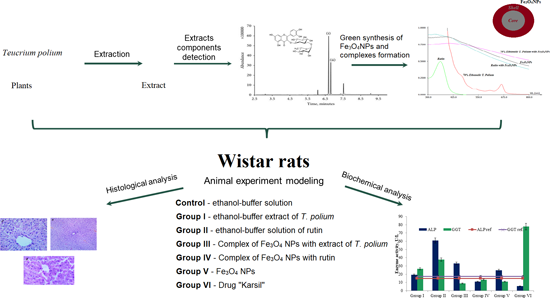
- were Fe3O4 NPs with rutin, there is no increase observed in either ALP (11.06 ± 0.01 U/L) or GGT (13.33 ± 0.14 U/L). Assessment of the effect on lipid metabolism In the plasma of male Wistar rats in the control group, the normal level of total cholesterol reaches 2.87 ± 0.16 mM/L, HDL cholesterol is
- the activities of the formed complexes. In all groups, except IV and VI, there is an increase in ALP activity (Figure 3). This enzyme exists in the body in the form of five different isoforms with different localizations (liver, bile ducts, kidneys, bones, and placenta). Normally, plasma activity
- the increase in plasma ALP activity is due to the bone isoform of this enzyme [56][57]. However, in group IV, where only Fe3O4 NPs with rutin were administered, no increase in either ALP or GGT was observed. Furthermore, according to literature data, the action of Fe3O4 NPs is dose-dependent, and


Facile synthesis of size-tunable L-carnosine-capped silver nanoparticles and their role in metal ion sensing and catalytic degradation of p-nitrophenol
Beilstein J. Nanotechnol. 2024, 15, 1576–1592, doi:10.3762/bjnano.15.124
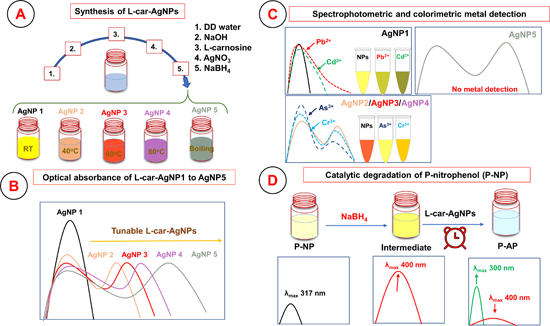
- heavy metal ion monitoring in environmental samples involve complex analytical instrumental techniques such as atomic absorption spectroscopy, inductively coupled plasma mass spectrometry, and high-performance liquid chromatography [8][9]. Environmental remediation of P-NP requires processes such as




Polymer lipid hybrid nanoparticles for phytochemical delivery: challenges, progress, and future prospects
Beilstein J. Nanotechnol. 2024, 15, 1473–1497, doi:10.3762/bjnano.15.118
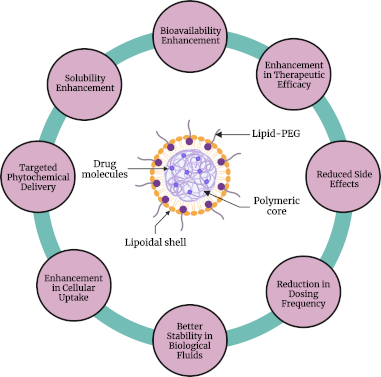
- rapidly metabolized by liver enzymes and cleared from the body through renal or biliary excretion, resulting in short plasma half-lives and requiring frequent dosing to maintain effective therapeutic levels. This rapid clearance reduces the duration of action, making it challenging to achieve sustained
- effectiveness [34][35]. In addition, conventional delivery systems often cannot provide controlled or sustained release of phytochemicals, leading to fluctuating plasma levels. These fluctuations can result in suboptimal therapeutic effects and increased side effects. Lack of controlled release is particularly
- circulation and is rapidly eliminated from the body. Therefore, RVT exhibits a very short plasma half-life and very low oral bioavailability These factors significantly reduce its therapeutic efficacy [106][107]. In a study, Kumar et al. fabricated RVT-encapsulated core–shell-type PLHNPs (RVT-PLHNPs) for


A biomimetic approach towards a universal slippery liquid infused surface coating
Beilstein J. Nanotechnol. 2024, 15, 1376–1389, doi:10.3762/bjnano.15.111
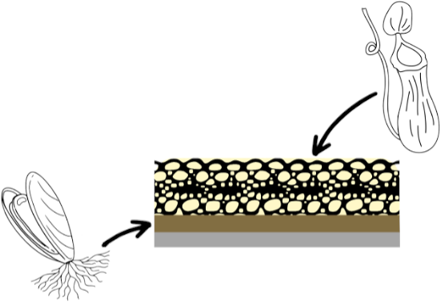
- through van der Waals forces, and capillary forces if there is a rough surface, forces which give way to conditions that are energetically favorable to the retention of the infused liquid as opposed to a foreign one. The preparation of SLIPS substrates include plasma treatments [4][12], acid/base soaks [1
- ][13], anodization [3][14], silane chemistry [18], and polymer multilayers [5][15]. While these methods are effective, there is often a requirement for a specific chemical environment, like a plasma processing step or the growth of an oxide layer. In this investigation, we aim to simplify the
- plasma clotting kinetics on SLIPS surfaces have not been studied previously. Therefore, to assess the hemocompatibity of our newly created PDA-based SLIPS coating, we tested the resistance of the coating to FXII activation, clot formation, clot stability, and platelet adhesion. FXII activation gives




New design of operational MEMS bridges for measurements of properties of FEBID-based nanostructures
Beilstein J. Nanotechnol. 2024, 15, 1273–1282, doi:10.3762/bjnano.15.103
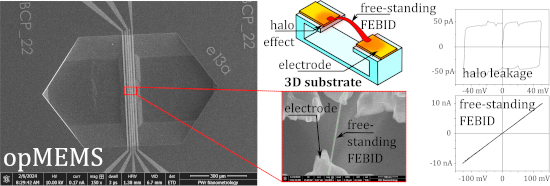
- (Si3N4) layer was deposited via CVD. The 40 nm thick platinum paths were then patterned by lift-off photolithography. The opMEMS bridge body was defined photolithographically with a feature size of 2 µm, etched by dry oxygen plasma etching (DRIE) and then released by KOH anisotropic wet silicon etching


The role of a tantalum interlayer in enhancing the properties of Fe3O4 thin films
Beilstein J. Nanotechnol. 2024, 15, 1253–1259, doi:10.3762/bjnano.15.101

- ) substrate using RF magnetron sputtering. This was followed by the formation of a 5 nm thick layer of MgO. The Fe3O4 layers were applied using RF magnetron sputtering at a base pressure of 10−8 Torr, employing a flow of 33 sccm of Ar gas to maintain a stable plasma. The initially deposited films were


Dual-functionalized architecture enables stable and tumor cell-specific SiO2NPs in complex biological fluids
Beilstein J. Nanotechnol. 2024, 15, 1238–1252, doi:10.3762/bjnano.15.100
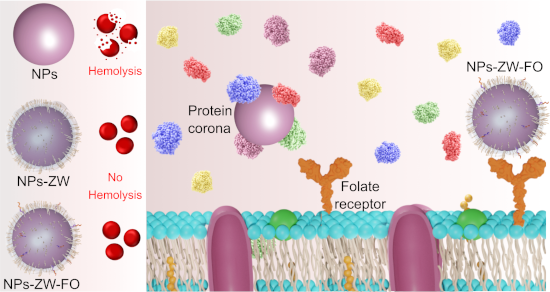
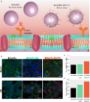
- (targeting agent) to provide selective interaction with tumor cell lines in biological media. The stability of these dually functionalized SiO2NPs is preserved in unprocessed human plasma while yielding a decrease in the number of adsorbed proteins. Experiments in murine blood further proved that these
- improved colloidal stability [25][26]. Remarkably, functionalized NPs were stable in a complex medium (cell culture medium and human plasma) and showed greater potential for recognition by tumor cells. Material and Methods Materials Tetraethyl orthosilicate (TEOS, 98%), (3-aminopropyl)triethoxysilane
- 1.0 mg·mL–1) and later used for the quantification of captured SiO2NPs-ZW-FO. The calculations were performed using the value obtained at the maximum of the emission band. Stability of SiO2NPs in cell culture medium and human plasma Dynamic light scattering (DLS) measurements were performed to


Realizing active targeting in cancer nanomedicine with ultrasmall nanoparticles
Beilstein J. Nanotechnol. 2024, 15, 1208–1226, doi:10.3762/bjnano.15.98
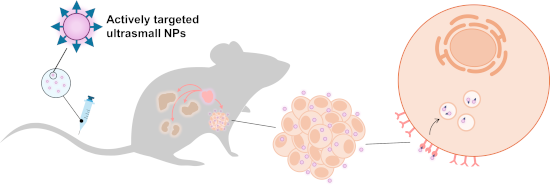
- surface coating with bulkier molecules, such as long-chain PEG or various polymers. The strategic coating of usNPs with small molecules therefore preserves the overall ultrasmall size of the particles even within complex biofluids, such as human plasma. AuNCs coated with GSH exemplify this concept
- avidity effects. On the other hand, too many ligands could alter the original surface characteristics of usNPs, leading to stronger nonspecific interactions with plasma proteins. Targeted usNPs with weak binding to cancer cell surface receptors may not provide any additional value over non-targeted
- therapeutic target for MM [161]. Based on this, the Gd construct was utilized for the detection of malignant plasma cells in MM using magnetic resonance imaging (MRI). Competitive cell-binding assays confirmed the maintenance of antibody specificity after conjugation to usNPs. The resulting targeted usNPs


A low-kiloelectronvolt focused ion beam strategy for processing low-thermal-conductance materials with nanoampere currents
Beilstein J. Nanotechnol. 2024, 15, 1197–1207, doi:10.3762/bjnano.15.97

- for any type of instrument and ion species, which includes gallium FIBs, plasma FIBs, helium ion microscopy FIBs, as well as low-temperature ion source and magneto-optical trap ion source FIBs. Results and Discussion SRIM simulations SRIM simulations were carried out to evaluate the interactions of 5