Search results
Search for "porosity" in Full Text gives 261 result(s) in Beilstein Journal of Nanotechnology. Showing first 200.
Metal-organic framework-based nanomaterials as opto-electrochemical sensors for the detection of antibiotics and hormones: A review
Beilstein J. Nanotechnol. 2023, 14, 631–673, doi:10.3762/bjnano.14.52
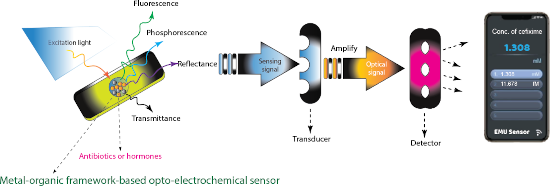
- that are time-consuming and require experienced professionals. Metal-organic frameworks (MOFs) with variable porosity, active functional sites, and fluorescence capacity are attractive materials for developing opto-electrochemical sensors. Herein, the insights into the capabilities of electrochemical
- wide linear detection range with a detection limit of 0.05 μM. Due to the synergistic effects of the wide porosity and high specific surface area of the MOF and the outstanding catalytic activity and high conductivity of Ag nanoparticles, the hybridisation improved the electrochemical performance of
- ][101]. Numerous early MOFs produced from divalent metals displayed excellent porosity but were inappropriate for


SERS performance of GaN/Ag substrates fabricated by Ag coating of GaN platforms
Beilstein J. Nanotechnol. 2023, 14, 552–564, doi:10.3762/bjnano.14.46
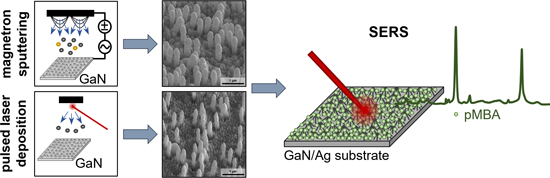
- metal structures can still be discerned. In contrast, the PLD coating formed metal structures with a more complex morphology that shows sharp edges, spikes, and overall porosity. Such diversified morphology of plasmonic metals (shape and distance between particles) is known to introduce more hot spots


Nanoarchitectonics to entrap living cells in silica-based systems: encapsulations with yolk–shell and sepiolite nanomaterials
Beilstein J. Nanotechnol. 2023, 14, 522–534, doi:10.3762/bjnano.14.43
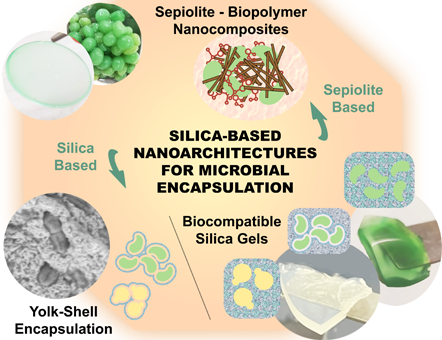
- as stiffness and abrasion resistance to help the growth of the entrapped cells. In addition, control of the porosity of the involved inorganic materials is key to control efficiently the exchange of metabolites and nutrients with the surrounding environment. In this context, the present contribution
- cyanobacteria and yeast cells. On the one hand, sepiolite clay mineral was used for the immobilization of these microorganisms taking into account that this natural microfibrous Mg silicate presents a wide range of porosity, the ability to generate very viscous stable dispersions, and the capability to form
- , 7.5% silica nanoparticles, and 4 °C). A possible explanation could be that in the preparation of this gel, a medium concentration of silicate was used, which reacts sufficiently slowly at 4 °C to allow for bonding of the silica nanoparticles, generating a network of high porosity. Visually, the


Conjugated photothermal materials and structure design for solar steam generation
Beilstein J. Nanotechnol. 2023, 14, 454–466, doi:10.3762/bjnano.14.36
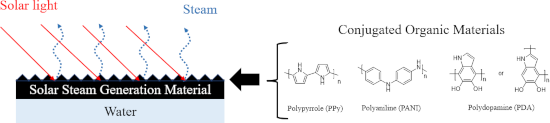
- ratio, high porosity, and high mass transport. Therefore, they are often applied to SSG absorbers along with other macrostructures such as membranes and foams [29][52][53][54][55]. One noticeable example is the study of nanofiber-based light-trapping coatings [29]. Ma et al. proposed an ultrasonic spray


Evaluation of electrosynthesized reduced graphene oxide–Ni/Fe/Co-based (oxy)hydroxide catalysts towards the oxygen evolution reaction
Beilstein J. Nanotechnol. 2023, 14, 420–433, doi:10.3762/bjnano.14.34
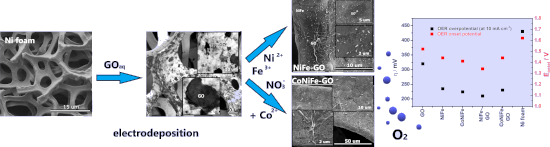
- the improvement in the OER of NiFe-GO with the higher Qdep of NiFe and GO resulted mainly from the NiFe structure and the electroactive surface area and the porosity of GO. Electrochemical impedance spectroscopy (EIS) was performed in order to determine the charge transfer resistance (Rct) of the
- electrodeposition was carried out in a one-compartment water-jacketed cell controlled by a potentiostat (VersaSTAT 4). The working electrode (WE) was nickel foam (MTI Corporation, purity > 99.9 wt %, surface density 346 g∙m−2, porosity ≥ 95%) or foil with an exposed area of 0.25 cm2. Before each deposition process


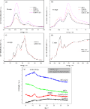


Polymer nanoparticles from low-energy nanoemulsions for biomedical applications
Beilstein J. Nanotechnol. 2023, 14, 339–350, doi:10.3762/bjnano.14.29
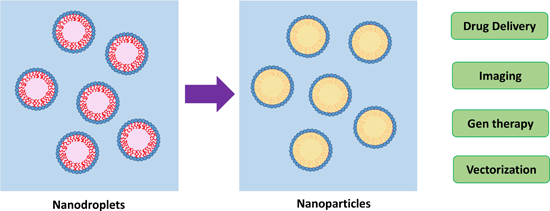
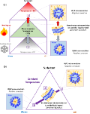
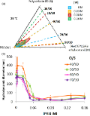
- is the solvent/polymer bulk density ratio (this equation assumes that each droplet generates one single nanoparticle). In other words, the polymer nanoparticles seem to be, in general, less dense than in the bulk, which could be attributed to porosity generated during solvent evaporation




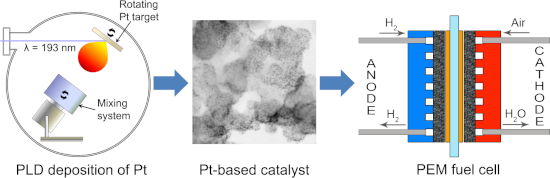
A novel approach to pulsed laser deposition of platinum catalyst on carbon particles for use in polymer electrolyte membrane fuel cells
Beilstein J. Nanotechnol. 2023, 14, 190–204, doi:10.3762/bjnano.14.19
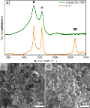
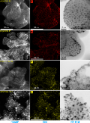
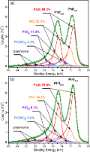
- approaching 1.0 is typical for particulate materials with extensive interparticle porosity and indicates the presence of large aggregates of particles. Such isotherms are typical for carbon black. As elucidated by Holdcroft et al. [40], the primary particles of carbon black materials coalesce into few-hundred



Combining physical vapor deposition structuration with dealloying for the creation of a highly efficient SERS platform
Beilstein J. Nanotechnol. 2023, 14, 83–94, doi:10.3762/bjnano.14.10
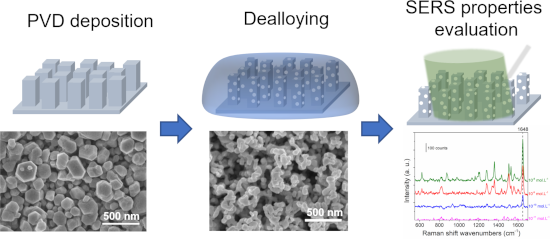
- alloy thin film to be dealloyed. After dealloying, the resulting silver nanoporous structures revealed two degrees of porosity: macroporosity, associated to the initial alloy morphology, and nanoporosity, related to the dealloying step. The resulting nanoporous columnar structure was finely optimized by
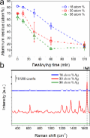
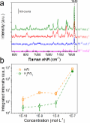
- alloy thin film together with the shadowing effect to form dispersed columnar thin films. The subsequent dealloying leads to film structuration at the nanoscale due to porosity formation. The influence of three different dealloying solutions (i.e., NaOH, HCl, and H3PO4) on the SERS properties of the




Hydroxyapatite–bioglass nanocomposites: Structural, mechanical, and biological aspects
Beilstein J. Nanotechnol. 2022, 13, 1490–1504, doi:10.3762/bjnano.13.123
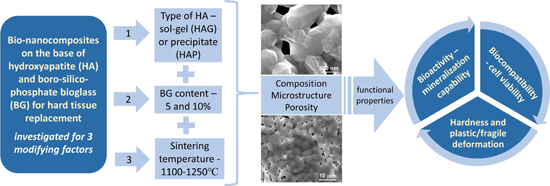
- investigated. It was found that all of these factors affect the final composition and microstructure, especially, porosity, which shows significantly lower values for HAP-based composites than for HAG-based ones and higher values for higher glass content. This, in turn, has an impact on the microhardness
- , which exhibits a strong correlation with porosity, as well as on the mineralization capability and cell viability due to the different dissolution rate. Keywords: bioactivity; hardness; microstructure; nanocomposites; porosity; Introduction Within the last decades increasing emphasis is placed on the
- and porosity measurements The measurement method is the buoyancy technique, which utilizes Archimedes' principle: a body immersed in fluid indicates an apparent loss in weight equal to the weight of the fluid it displaces. In order to determine the porosity of the samples a preparation consisting of
Structural studies and selected physical investigations of LiCoO2 obtained by combustion synthesis
Beilstein J. Nanotechnol. 2022, 13, 1473–1482, doi:10.3762/bjnano.13.121
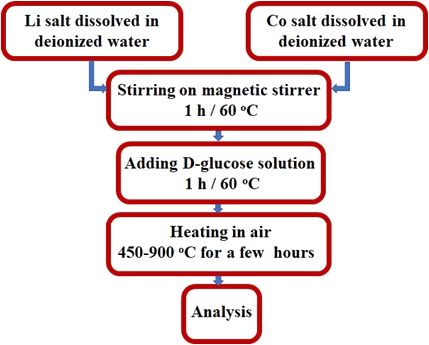
- conversion devices, such as Li-ion batteries, solar cells, solid oxide fuel cells, and thermoelectrics. Unusual and unexpected properties and also unique microstructures (and shapes), such as high porosity, high surface area, short reaction pathways, and diffusion length for Li-ion transport, eventually




Application of nanoarchitectonics in moist-electric generation
Beilstein J. Nanotechnol. 2022, 13, 1185–1200, doi:10.3762/bjnano.13.99
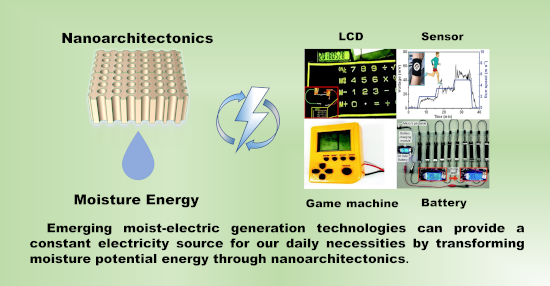
- nanoarchitectonics concept in functional devices has been a hot research topic in recent years, and nanoarchitectonics has a significant impact on the improvement of mechanical structural strength, electrical conductivity, and optoelectronic properties [1][2][3]. The high porosity of nanostructured materials has a
- without modification. The high surface area from the nanowire arrays perpendicular to the surface plays an important role in increasing the output power. MEG devices based on polyethylene derivatives have been prepared using a variety of methods to obtain nanoscale networks with high porosity, including
- devices at low cost. In addition, due to the high porosity and large specific surface area of cellulose-based materials, various surface functional groups can be introduced. Thus, cellulose is an excellent hydroelectric conversion material. In addition to the abovementioned work, existing work includes


Biomimetic chitosan with biocomposite nanomaterials for bone tissue repair and regeneration
Beilstein J. Nanotechnol. 2022, 13, 1051–1067, doi:10.3762/bjnano.13.92
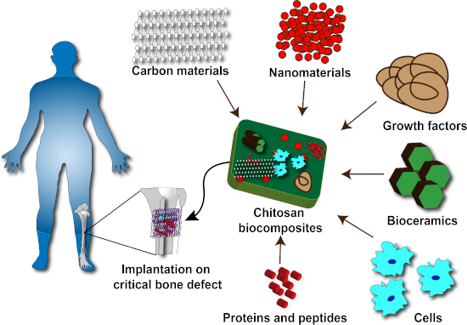
- with a thick cortical covering which is porous and has a cancellous interior. The calvaria is a flat bone with cortical layers on the outside and a cancellous structure on the inside [28][29]. The physical behaviour of the cortical bone is mainly controlled by porosity, mineralization rate, and solid
- hydroxyapatite, which has a high elastic flexibility and tensile strength for bone tissue engineering applications [49]. Carbon nanotubes were also used as fillers in chitosan to increase flexibility, porosity, and mechanical strength of chitosan biomaterials for applications in bone tissue engineering [50]. The
- achieve higher osteogenic properties, scaffolds composed of nanocopper–zinc integrated with nanohydroxyapatite, gelatin, and chitosan were developed by the freeze-drying method. The scaffolds were developed with a diameter of 8 mm and thickness of 2.5 mm. The porosity ranges from 97.8 to 99.5% with a pore
Recent advances in nanoarchitectures of monocrystalline coordination polymers through confined assembly
Beilstein J. Nanotechnol. 2022, 13, 763–777, doi:10.3762/bjnano.13.67
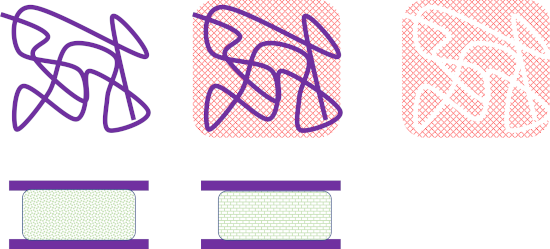
- monocrystalline coordination polymers have become available [5][6][7]. Investigation of these monocrystalline coordination polymers not only provides structural information but also discloses physical and chemical properties [5][6][7]. With the discovery of interesting properties such as ultrahigh porosity





Nanoarchitectonics of the cathode to improve the reversibility of Li–O2 batteries
Beilstein J. Nanotechnol. 2022, 13, 689–698, doi:10.3762/bjnano.13.61
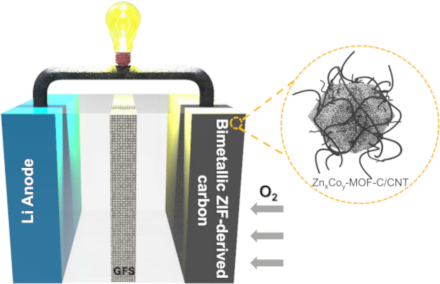
- ][22][23][24][25][26][27][28][29]. In particular, zeolitic imidazolate frameworks (ZIFs), in which metal ions are coordinated by 2-methylimidazolate linkers, have shown some initial promise in terms of porosity and chemical stability [30][31][32][33][34]. In practice, ZIF-8 and ZIF-67 (in which the
- sufficient diffusion pathways for oxygen and electrolyte in the cathode. The ratio of Zn/Co in the starting materials greatly affects the microstructure and porosity of the resulting bimetallic ZIF–carbon/CNT composites. The correlation between the microstructure and the electrochemical performance of the
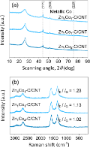
- microstructures of the materials. Powder XRD (PANalytical, Empyrean) and Raman spectroscopy (inVia Raman microscopes, Ar ion laser, 514 nm) were employed to analyze the structures. Their surface chemistry was investigated by XPS (Thermo Scientific, Sigma Probe), while their surface area and porosity were


A non-enzymatic electrochemical hydrogen peroxide sensor based on copper oxide nanostructures
Beilstein J. Nanotechnol. 2022, 13, 424–436, doi:10.3762/bjnano.13.35
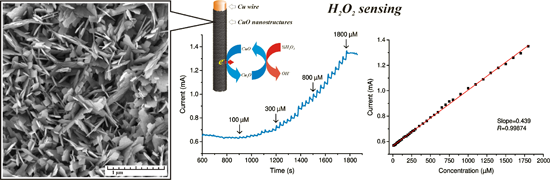
- high-speed paths for analyte molecule transfer due to the high porosity of the surface, as well as more efficient mass diffusion and electron transfer processes compared to the less developed film. The sensitivity of pure CuO wire is significantly inferior to samples containing CuO. Figure 3c,d




Micro- and nanotechnology in biomedical engineering for cartilage tissue regeneration in osteoarthritis
Beilstein J. Nanotechnol. 2022, 13, 363–389, doi:10.3762/bjnano.13.31
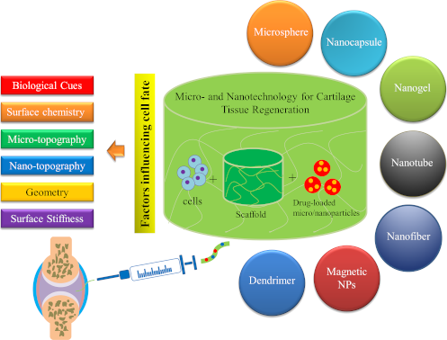
- , electrospinning, weaving, phase separation, and template synthesis [102]. Electrospinning is widely used given its simplicity, cost effectiveness, unlimited substrate use, appreciable surface to volume ratio, tunable porosity, and ability to generate nanofibers over a wide range of sizes and shapes [102
- scaffold led to a decrease in the average fiber diameter, an increase in hydrophilicity and tensile strength, without adversely affecting its porosity percentage and mechanical strength. Moreover, the results showed that the presence of COOH-functionalized MWCNTs as a reinforcement in the scaffold had no


Interfacial nanoarchitectonics for ZIF-8 membranes with enhanced gas separation
Beilstein J. Nanotechnol. 2022, 13, 313–324, doi:10.3762/bjnano.13.26
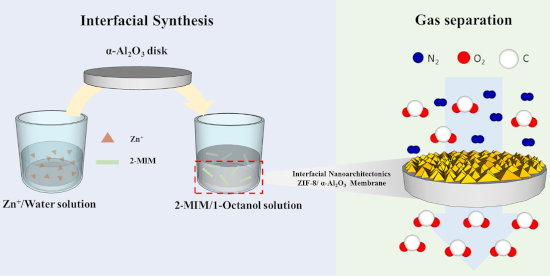
- intercrystalline defect formation in MOFs can have either positive or negative effects on the separation performance. Point defects and extended defects may increase the number of adsorption sites in MOFs [35], while missing linkers may provide low-resistance diffusion pathways by increasing the porosity of the
- membranes were synthesized according to the procedures described in the previous section with a reaction temperature of 80 °C and a reaction time of 12 h. Characterizations Pore size and porosity of α-Al2O3 disks were determined with a mercury porosimeter (AutoPore® IV 9520). Wide-angle patterns of powder X
- ., strong acids or bases or organic solvents) compared to polymer substrates. The particle size of α-Al2O3 on dense top layers of these disks is around 200 nm (information from Fraunhofer IKTS, Germany). The porosity of the disks was measured as 41.58% by mercury porosimeter measurements. The XRD patterns


Effects of drug concentration and PLGA addition on the properties of electrospun ampicillin trihydrate-loaded PLA nanofibers
Beilstein J. Nanotechnol. 2022, 13, 245–254, doi:10.3762/bjnano.13.19
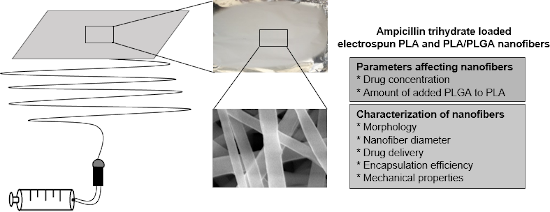
- area, high encapsulation efficiency, high porosity, and superior mechanical properties [5][6][7]. In our study, FDA-approved polylactic acid (PLA) and poly(lactic-co-glycolic acid) (PLGA), which are frequently preferred polymers in the production of polymeric nanofibers, were used because they are
- composition, porosity, average size, distribution, individual nanofiber orientation, interaction between nanofibers, and arrangement and entanglement of the nanofibers [27][28][29]. When the mechanical properties of PLA nanofibers containing different amounts of drug were examined, the increase in the amount
- deformation behavior as fibers with a larger diameter tend to display bulk-like properties and have a compact arrangement and stable structure [8][32]. ii) An increase in diameter causes a decrease in porosity [8]. iii) PLGA has more enhanced mechanical properties that those of PLA [33]. In addition, Zhang et


Engineered titania nanomaterials in advanced clinical applications
Beilstein J. Nanotechnol. 2022, 13, 201–218, doi:10.3762/bjnano.13.15
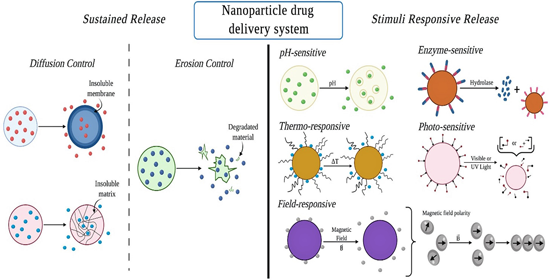
- rejection [11]. TiO2 nanomaterials with tailored porosity have already been developed as an alternative orthopedic implantation material as they support cell adhesion, viability, growth, and differentiation, which are favorable in bone tissue growth and biological implant fixation [12]. Moreover, to


A comprehensive review on electrospun nanohybrid membranes for wastewater treatment
Beilstein J. Nanotechnol. 2022, 13, 137–159, doi:10.3762/bjnano.13.10
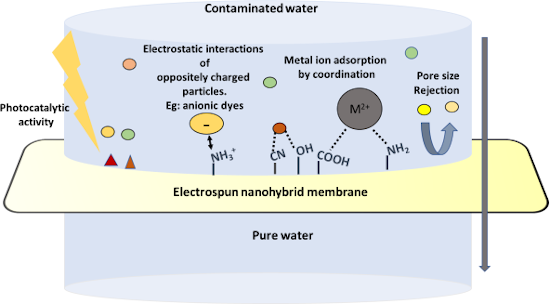
- recent years. On account of the unique properties such as high surface area, high porosity, mechanical strength, and controllable surface morphologies, electrospun nanofiber membranes have been found to have a great potential in many disciplines. Pure electrospun fiber mats modified with different
- fibers with plenty of exciting properties. The distinctive, exciting properties such as a high surface area to volume ratio, high porosity, interconnected pores, narrow pore size distribution, excellent mechanical, electrical and chemical properties and the tunability of the properties by precise
- into cross-linked polyvinylpyrrolidone (PVP) [15]. ENH membranes, along with their high porosity and high aspect ratio, possess a high permeation ability, adsorbability, and selectivity, which makes them excellent for environmental remediation, specifically for the adsorption and filtration of




Morphology-driven gas sensing by fabricated fractals: A review
Beilstein J. Nanotechnol. 2021, 12, 1187–1208, doi:10.3762/bjnano.12.88
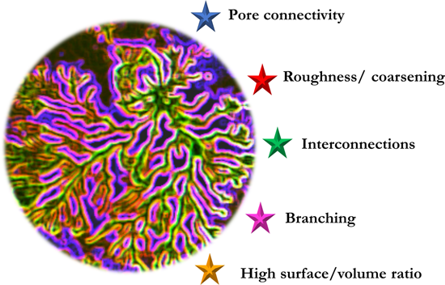
- final sites and come to rest. The formation of large clusters is thus explained by DLA [52][53][54]. Like nano/micromaterials, fabricated fractals too, show enhanced sensing abilities due to high porosity (size, number, and pore interconnectivity) and surface area, and high physical connectivity within
- interconnections, fractal dimension, density, and average size of the fractal clusters. A sensitivity of 0.8 at 450 °C for 500 ppm of CO was achieved. Lower fractal dimension (D = 1.818 at 450 °C) and density favored a higher sensitivity towards CO. This could be due to the increased porosity of the structures
- the sensor, while Figure 12d shows individual EDS maps of Si, Pt, O, and Ti. The fabricated sensor displayed good sensitivity towards acetone under exposure to UV light with a detection limit greater than 97% at 10 ppb. The exceptional sensitivity achieved was attributed to high porosity, network










An overview of microneedle applications, materials, and fabrication methods
Beilstein J. Nanotechnol. 2021, 12, 1034–1046, doi:10.3762/bjnano.12.77
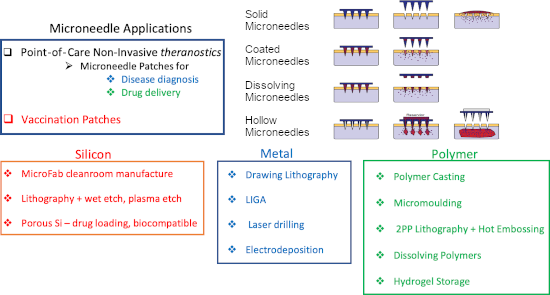
- biodegradable and biocompatible nature. It was first shown in 1995 that, by introducing porosity into silicon, the material behaviour can change to provide a bioactive and even resorbable material [92]. Unlike bulk silicon, in alkalescent media (pH ≈ 7.5), porous silicon is broken down by hydrolysis in living
- organisms. In addition, highly porous silicon (>50%) with nanoscale pore channels in the range of 5–25 nm can be used as biocompatible containers for loading and release of drugs [39]. The porosity of the porous silicon particle determines the effectiveness of the drug loading with bigger pore sizes being
- used to accommodate large organic molecules [39][92]. In physiological environments, porous silicon microneedles are capable of biodegradation at a rate of dissolution depending on the chemical nature of their initial surface, the acidity of the solution, and the porosity and morphology of the


Progress and innovation of nanostructured sulfur cathodes and metal-free anodes for room-temperature Na–S batteries
Beilstein J. Nanotechnol. 2021, 12, 995–1020, doi:10.3762/bjnano.12.75
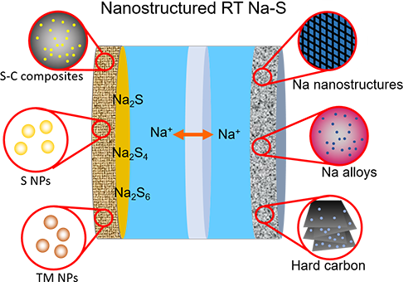
- rather large (up to 170%) and may damage the cathode and lead to capacity loss [4]. Nanoscaling the cathode compounds and the concomitant introduction of porosity is a widely investigated strategy to mitigate the emerging mechanical tension and to prevent electrode failure [18][24]. Unlike sodium-ion




Uniform arrays of gold nanoelectrodes with tuneable recess depth
Beilstein J. Nanotechnol. 2021, 12, 957–964, doi:10.3762/bjnano.12.72
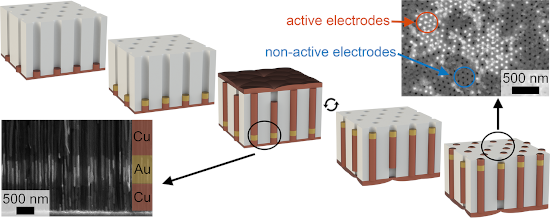
- 49.0 ± 0.1 µm in thickness (H) and possessed a periodic 2D hexagonal arrangement of pores of the diameter Dp = 28 ± 6 nm with an interpore distance Dint = 100.9 ± 0.7 nm. The calculated porosity was 7%, and the pore density was 1.1 × 1010 cm−2. To form a current collector, a 150 nm thick Cu layer was


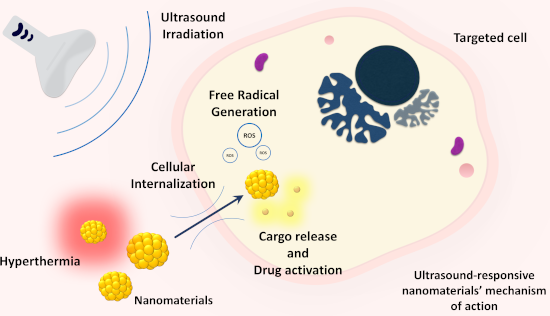
Comprehensive review on ultrasound-responsive theranostic nanomaterials: mechanisms, structures and medical applications
Beilstein J. Nanotechnol. 2021, 12, 808–862, doi:10.3762/bjnano.12.64