Search results
Search for "protein" in Full Text gives 402 result(s) in Beilstein Journal of Nanotechnology. Showing first 200.
Nanocarriers and macrophage interaction: from a potential hurdle to an alternative therapeutic strategy
Beilstein J. Nanotechnol. 2025, 16, 97–118, doi:10.3762/bjnano.16.10
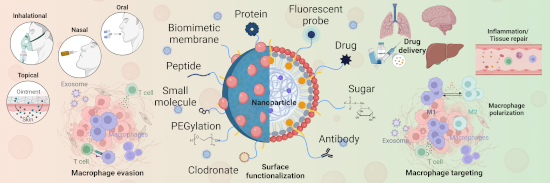
- the IL-4Rα1 receptor, triggered by the binding with IL-4 or IL-13. This process inhibits the M1 response by blocking NF-κB and activator protein 1 (AP-1) by activating the peroxisome proliferators-activated receptor-γ (PPARγ) [17]. Within this broader M2 category, macrophages can be further classified
- opsonization in the bloodstream, mediated by opsonins that recognize plasma proteins (serum albumin, apolipoproteins, complement components, and immunoglobulins) adsorbed onto the surface of circulating NPs. This forms the so-called “protein corona” (PC), a layer of more than 300 proteins that effectively
- surface with hydrophilic polymers such as PEG. PEGylation is widely used for its “stealth” effect, hindering protein adsorption on the hydrophobic polymer surface by steric repulsion [36]. However, the long-term use of PEGylated NCs for treating chronic diseases can lead to side effects, such as


Instance maps as an organising concept for complex experimental workflows as demonstrated for (nano)material safety research
Beilstein J. Nanotechnol. 2025, 16, 57–77, doi:10.3762/bjnano.16.7

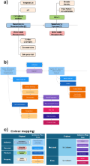
- to the breadth of the nanosafety research domain; often, the researchers who produced or characterised the nanomaterials are different from those undertaking the different steps of exposure or hazard assessment. Indeed, this effect of specialisation was observed in studies of nanomaterials’ protein
- coronas, where the documentation of the nanomaterials’ dispersion and corona formation steps was very complete, but the description of the protein isolation and informatics steps was much less complete. This gap in documentation was attributed to the fact that the omics analyses are often performed by
- ’ nanotopography was realised through pore formation during synthesis using cetyltrimethylammonium bromide. The non-covalent conjugations between nanomaterials and proteins were quantitatively characterised, directly by gel electrophoresis and indirectly by quantifying the amount of unbound protein in the


Mechanistic insights into endosomal escape by sodium oleate-modified liposomes
Beilstein J. Nanotechnol. 2024, 15, 1667–1685, doi:10.3762/bjnano.15.131




Attempts to preserve and visualize protein corona on the surface of biological nanoparticles in blood serum using photomodification
Beilstein J. Nanotechnol. 2024, 15, 1654–1666, doi:10.3762/bjnano.15.130

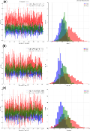
- protein corona is present on any nanoparticle (NP) entering biological fluids; however, the existence of a natural protein corona on natural NPs has not been experimentally confirmed. We used our previously developed photomodification method to fix the natural corona on “biological nanoparticles” (bio-NPs
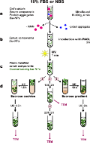
- results showed that a protein corona is present on extracellular vesicles and lipoproteins isolated by UC. The isolation of bio-NPs through sucrose gradient or cushion did not preserve the protein corona. At the same time, we observed signs of a negative effect of the sucrose gradient on bio-NPs of intact
- and photomodified serum; when isolating these particles on a sucrose cushion, no negative effects were observed. We believe that the data we present will be useful to researchers using sucrose solutions to isolate bio-NPs and working on the properties of the protein corona. In this work, we have



Biomimetic nanocarriers: integrating natural functions for advanced therapeutic applications
Beilstein J. Nanotechnol. 2024, 15, 1619–1626, doi:10.3762/bjnano.15.127

- manipulation of matter on a nanoscale, typically ranging from 1 to 100 nm [2]. At this scale, nanoparticles can effectively interact with DNA and protein molecules [3][4]. Matter can exhibit distinct physical, chemical, and biological properties at the nanoscale compared to the macroscale, with significant
- cellular membranes and carriers is coextrusion through polyester or polycarbonate membranes with various pore sizes [51][52]. In this method, mechanical extrusion forces the nanocarriers into the membrane vesicles. This approach yields product uniformity and preserves membrane protein layers, though it


Natural nanofibers embedded in the seed mucilage envelope: composite hydrogels with specific adhesive and frictional properties
Beilstein J. Nanotechnol. 2024, 15, 1603–1618, doi:10.3762/bjnano.15.126
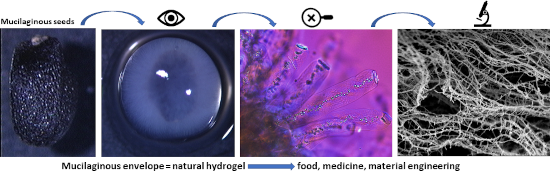
- elements of the cell wall and the mucilage envelope [7][13][16]. Samateh et al. [8] did not detect them. This can be a result of the prior treatment, such as dehydration in alcohol series before CPD (possibly an effect of the protein denaturation), or due to differences in chemical composition between the
- composed of pectic polysaccharides and arabinogalactan protein [140]. This glue-like substance is secreted also by other climbing plants (Parthenocissus quinquefolia and Campsis radicans), which develop special organs, such as tendrils, supporting them in attachment to the substrates [141]. Quantification


Liver-targeting iron oxide nanoparticles and their complexes with plant extracts for biocompatibility
Beilstein J. Nanotechnol. 2024, 15, 1593–1602, doi:10.3762/bjnano.15.125
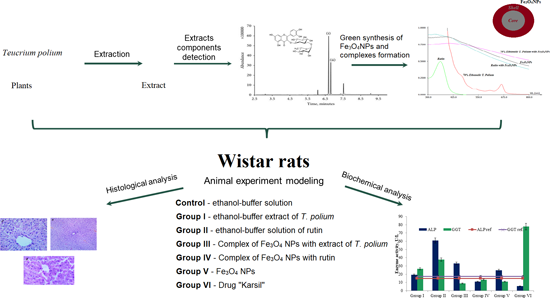
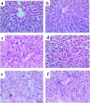
- complexes on biochemical markers of liver function (ALT, AST, ALP, GGT, HDL, LDL, total cholesterol, total protein, and albumin) and morphological indicators of rat liver was investigated. Fe3O4 NPs, rutin, and T. polium extract do not show direct hepatotoxicity when administered intraperitoneally to rats
- albumin is 29.33 ± 1.3 g/L, and the level of total protein is 45.23 ± 1.43 g/L. In the control series of experiments, hyperalbuminemia is observed in groups III, IV, V, and VI according to this indicator (Table 2). Against this background, almost all groups, except for the groups II and V, also show an
- increase in total protein content. Increases compared to almost normal albumin levels are characteristic in pathological conditions when the total protein fraction increases due to acute phase proteins. Increases in total protein content may also be due to the release of ALT, AST, ALP, and GGT enzymes into


Ultrablack color in velvet ant cuticle
Beilstein J. Nanotechnol. 2024, 15, 1554–1565, doi:10.3762/bjnano.15.122

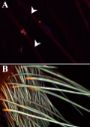
- resilin [18]. Insect cuticle with protein-dominated regions, which can include resilin, an elastic protein present in arthropod cuticles, or unsclerotized chitin exhibits autofluorescence when excited with a laser of 405 nm wavelength. Regions with a low degree or high degree of sclerotization emit
- longitudinal absorptive bands. These are often rods of chitin embedded in a protein matrix [23]. The authors also suggested that there is a proteinaceous filling material, which tends to leach out during preparation of the specimens for SEM, leaving behind empty lacunae. Modelled reflectance of V. orientalis
- on top of each other (E and F). There are also dark transverse bands that interconnect two consecutive longitudinal bands of the same lamellae (arrow), or of two separate lamellae (A and B). Legend: L = lamellae; P = pillars; R = rugosity of chitin fibers embedded in a protein matrix. Scale bars: 100



Polymer lipid hybrid nanoparticles for phytochemical delivery: challenges, progress, and future prospects
Beilstein J. Nanotechnol. 2024, 15, 1473–1497, doi:10.3762/bjnano.15.118
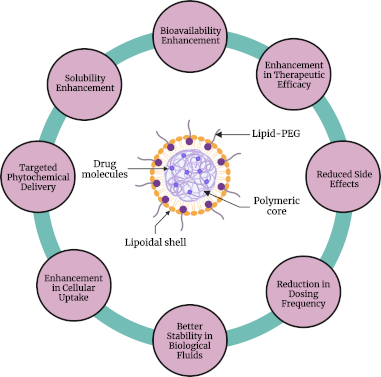
- . This modification provides several advantages. PEGylation increases the stability of the PLHNPs in biological fluids by preventing aggregation and reducing protein adsorption. It also extends the circulation time of nanoparticles in the bloodstream by reducing immune system recognition and clearance


Nanotechnological approaches for efficient N2B delivery: from small-molecule drugs to biopharmaceuticals
Beilstein J. Nanotechnol. 2024, 15, 1400–1414, doi:10.3762/bjnano.15.113
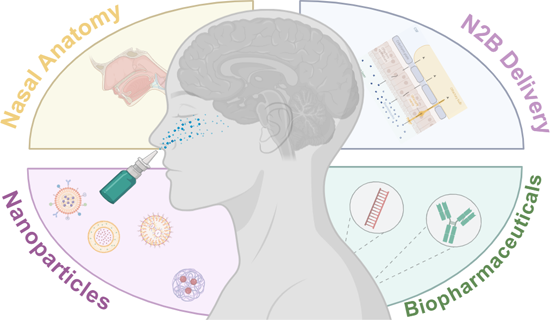
- conducted for polymeric nanoparticles to understand their role in N2B delivery. For instance, Gabold et al. reported the preparation of protein-loaded chitosan NPs decorated with transferrin as a proof-of-concept study to demonstrate a versatile surface functionalization that can also be suitable for N2B


A biomimetic approach towards a universal slippery liquid infused surface coating
Beilstein J. Nanotechnol. 2024, 15, 1376–1389, doi:10.3762/bjnano.15.111
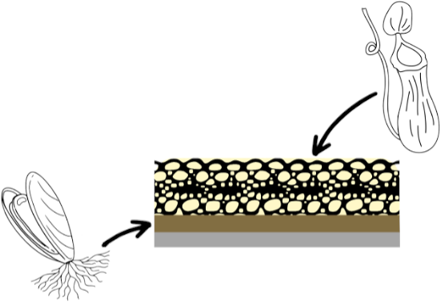
- reducing the thrombogenicity of a material lies in addressing the intricate layer of protein within blood that adsorbs to any surface it comes into contact with. This layer is responsible for the initiation of host responses such as coagulation or inflammation. To address the body’s reaction to these
- removal and or repulsion of these important molecules that control the clotting cascade. The most prominent of the methods are ones that aim to reduce non-specific protein adsorption, increase adhesion resistance, use biomolecules to remove targets of interest, and enhance endothelial cell attachment. One
- was added to each well of a 96-well plate blocked with BSA. After incubation for 60 min, 90 μL of protein solution was removed and added to a new plate containing 5 μL 4.7mM soybean trypsin inhibitor (Sigma). 5 μL of chromogenic substrate S-2302 (Chromogenix) was added to each well and the absorbance




Interaction of graphene oxide with tannic acid: computational modeling and toxicity mitigation in C. elegans
Beilstein J. Nanotechnol. 2024, 15, 1297–1311, doi:10.3762/bjnano.15.105
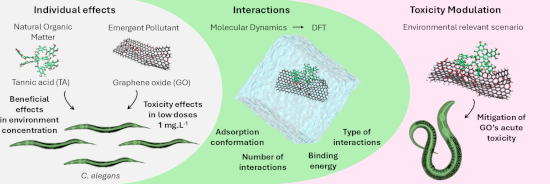
- C. elegans [35][54]. Oxidative stress is one of the central mechanisms and, in fact, the main cause of the toxicity outcomes discussed above. It is associated to changes in the function or expression of superoxide dismutase, “Rieske” iron-sulfur protein, mitochondrial complex I, and the ubiquinone
- biosynthesis protein COQ7 [51][53][54][55]. The co-exposure of GO with antioxidant molecules, such as ʟ-cysteine and ascorbate, can mitigate the oxidative effects of the material and minimize GO’s toxicity [35][53]. Moreover, GO also shows important neuronal effects; for example, it influences protein–protein


Functional morphology of cleaning devices in the damselfly Ischnura elegans (Odonata, Coenagrionidae)
Beilstein J. Nanotechnol. 2024, 15, 1260–1272, doi:10.3762/bjnano.15.102

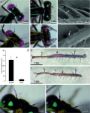
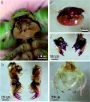
- , situated on the foreleg tibiae, were observed using scanning electron microscopy, and the presence and distribution of resilin, an elastomeric protein that enhances cuticle flexibility, were analyzed using confocal laser scanning microscopy. Eye and antennal grooming behavior were analyzed to evaluate the
- used to clean the head and, especially, the eyes and the antennae. The microstructures were observed using scanning electron microscopy (SEM), and the presence and distribution of resilin, an elastomeric protein that enhances cuticle deformability and flexibility (review in [36]), were analyzed using
- exoskeleton structures, green color indicates chitinous and non- or weakly sclerotized exoskeleton structures, and blue color indicates exoskeleton structures that either contain large proportions of the elastic protein resilin or are unsclerotized. (a) Dorsal view of the tibial grooming devices, revealing


Dual-functionalized architecture enables stable and tumor cell-specific SiO2NPs in complex biological fluids
Beilstein J. Nanotechnol. 2024, 15, 1238–1252, doi:10.3762/bjnano.15.100
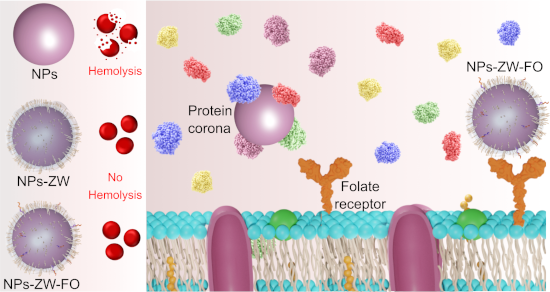
- -depth studies in complex environments to evaluate nanoparticle stability, protein corona formation, hemolytic activity, and targeting capabilities. To address this issue, fluorescent silica nanoparticles (SiO2NPs) are here functionalized with zwitterionic (kinetic stabilizer) and folate groups
- biological identity of these particles, impairing their therapeutic efficiency [12][13][14][15]. Proteins and other biomolecules can be adsorbed on the surface of NPs (protein corona formation), masking their original functionality and hiding their target ability [16][17][18]. Protein corona can further lead
- and (ii) targeting peptide for targeted delivery aimed at increasing efficiency against cancer. Although valuable, these systems have not been able to provide reduced protein corona formation and targeting ability, or they have not been scrutinized in complex biological environments. In fact, there is


Realizing active targeting in cancer nanomedicine with ultrasmall nanoparticles
Beilstein J. Nanotechnol. 2024, 15, 1208–1226, doi:10.3762/bjnano.15.98
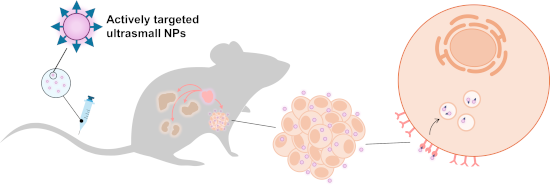
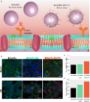
- globular proteins, usNPs exhibit unique physicochemical properties and physiological behavior distinct from larger particles, including lack of protein corona formation, efficient renal clearance, and reduced recognition and sequestration by the reticuloendothelial system. In cancer treatment, usNPs
- reliance on passive targeting, the more complex designs of targeted NPs, the potential for attached functional ligands to increase phagocytic capture and shorten blood circulation time, and the formation of a protein corona that may block the targeting ligand on the particle surface [15][16][17]. Over the
- , iron oxide, copper sulfide), and rare earth-based usNPs (cerium oxide, gadolinium oxide) [22]. Ultrasmall NPs have dimensions comparable to those of a typical globular protein of 3 to 6 nm in diameter [22][25], although the precise size criteria can vary among researchers. For the purpose of this


AI-assisted models to predict chemotherapy drugs modified with C60 fullerene derivatives
Beilstein J. Nanotechnol. 2024, 15, 1170–1188, doi:10.3762/bjnano.15.95
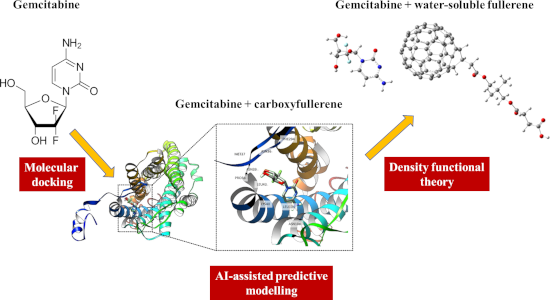
- –COOH) were investigated with the protein CXCR7 as the molecular docking target. The research involved over 30 drugs and employed Pearson’s hard–soft acid–base theory and common QSAR/QSPR descriptors to build predictive models for the docking scores. Energetic descriptors were computed using quantum
- ][17]. This G-protein is targeted because studies show a possible positive effect on inhibiting the metastasis of cervical cancer cells [18]. However, more clinical and preclinical studies on CXCR7 and its co-player CXCR4 are required since alterations have been detected in diseases such as cancer
- descriptors for predictive models. Besides, Pearson’s hard–soft acid–base (HSAB) theory suggests other descriptors to describe and predict the interactions between chemical species, such as those between a drug molecule as a ligand and a protein [32]. These quantitative values are based on the vertical


Recent updates in applications of nanomedicine for the treatment of hepatic fibrosis
Beilstein J. Nanotechnol. 2024, 15, 1105–1116, doi:10.3762/bjnano.15.89
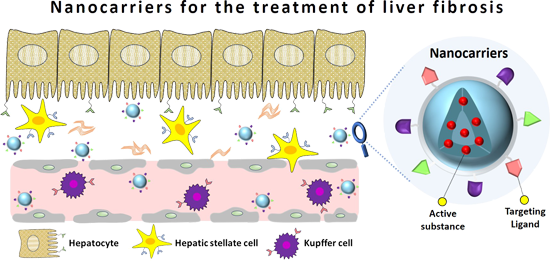
- to the trans-differentiation of hepatic stellate cells (HSCs) into collagen-producing myofibroblasts, resulting in the progressive accumulation of extracellular matrix (ECM) protein [12]. The condition may be caused by various etiologies, including viral hepatitis infection, alcohol abuse, and
- targeting activated HSCs. The presence of HSA on the surface of the nanocrystals may facilitate active targeting to activated HSCs via secreted protein acidic and rich in cysteine (SPRAC)-mediated endocytosis. It was reported that the activated HSCs overexpressed SPRAC, which is known as classic albumin
- binding protein. This protein is not available in hepatocytes, thus enabling specific targeting to activated HSCs in liver fibrosis [72]. Tan and co-workers also constructed albumin–mannose 6-phosphate-modified solid lipid NPs to deliver matrine to HSCs [73]. The active substance matrine was first loaded


Interface properties of nanostructured carbon-coated biological implants: an overview
Beilstein J. Nanotechnol. 2024, 15, 1041–1053, doi:10.3762/bjnano.15.85
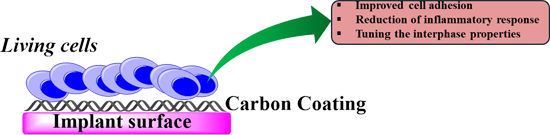
- response. The mechanisms involved in inflammation related to NDs are not yet clear, but authors suggest that the process is started by serum protein deposition triggering the inflammatory cascade. Moreover, polymeric films containing NDs were optimum substrates for osteoblast proliferation as reported by
- roughness, inducing macrophage polarization to the pro-inflammatory state without producing a great excess of pro-inflammatory factors. Furthermore, GO-coated implants showed a reduction of the expression of the fibrosis-related protein α-SMA and collagen deposition in the presence of both fibroblasts and
- the FimH protein complex involved in bladder infection. CNTs also prevent the formation of biofilm as reported by Sivaraj et al. [126], who obtained zones of inhibition of up to 12 mm. Morco et al. [127] suggested that the biofilm inhibition by CNTs is mainly due to the increase of surface


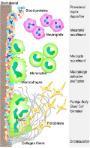

Entry of nanoparticles into cells and tissues: status and challenges
Beilstein J. Nanotechnol. 2024, 15, 1017–1029, doi:10.3762/bjnano.15.83
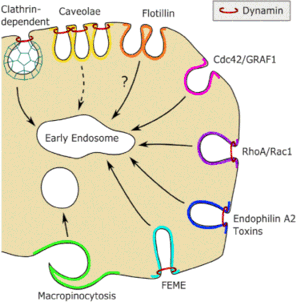
- involved in macropinocytosis, the CLIC/GEEC (clathrin-independent carrier/glycosylphosphatidylinositol (GPI)-anchored protein-enriched endosomal compartments) pathway, as well as in FEME (fast endophilin-mediated endocytosis) and phagocytosis (an uptake mechanism for large particles mostly found in
- , it was recently published that globular particles with regularly spaced green fluorescent protein (GFP) and a diameter of 40 nm could induce membrane curvature and be internalized when binding to glycosylphosphatidyl-anchored GFP nanobodies [19]. Vesicle formation was energy dependent and dynamin
- stimulation of protein kinase A [7]. To which extent this is a general phenomenon is still unknown. In contrast, in endothelial cells caveolae can be seen on both sides of the endothelial cell layer, and caveolae have been reported to be involved in transcytosis across the cell layer [23]. It should, however


Therapeutic effect of F127-folate@PLGA/CHL/IR780 nanoparticles on folate receptor-expressing cancer cells
Beilstein J. Nanotechnol. 2024, 15, 954–964, doi:10.3762/bjnano.15.78
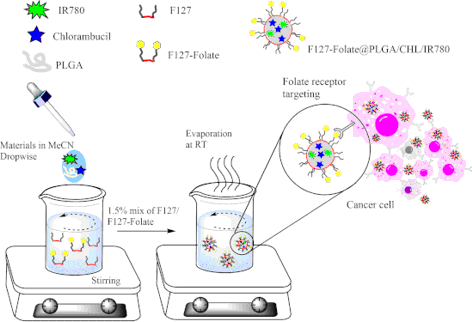
- . The outer PEO corona prevents aggregation, protein adsorption, and recognition by the reticuloendothelial system, while the hydrophobic PPO core may be modified to contain hydrophobic anticancer drugs, fluorophores, or even anchor to the hydrophobic layer of the nanoparticles [8][9]. The F127
- increased, respectively, to 372 nm and 0.486 for F127-folate@PLGA/CHL/IR780, and, respectively, to 288 nm and 0.663 for F127@PLGA/CHL/IR780. The increase in nanoparticle size could be the result of protein absorption the nanoparticle surface [38]. However, the absorption of protein from the cell culture
- than the negative ones [42]. Preventing protein absorption by nanoparticles might enhance the systemic half-life of nanoparticles. According to reports, nanoparticles with a stealth surface have a longer half-life [39]. Typically, hydrophilic substances, such as PVA and PEG, serve as stealth surface



Electrospun nanofibers: building blocks for the repair of bone tissue
Beilstein J. Nanotechnol. 2024, 15, 941–953, doi:10.3762/bjnano.15.77
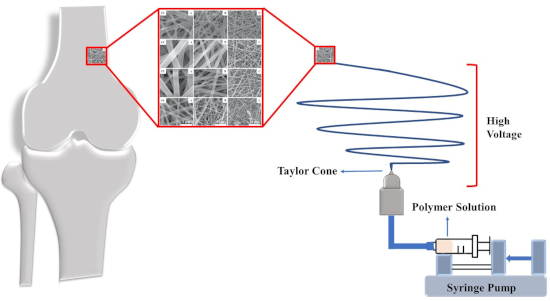
- bone [16]. The most dominant component of the organic matrix is collagen, which is synthesized by osteoblasts and performs many mechanical functions. Collagen is a protein found abundantly not only in bones but also in almost every tissue of mammals. One third of all body proteins are collagens [20
- ]. Type-I collagen constitutes approximately 90–95% of the organic matrix in bone tissue, and smaller amounts of other collagen types (i.e., III, V, X, and XII) are included in the bone composition [12][21]. It has been emphasized that type-I collagen is the most important protein structure that carries
- responsible for bone remodeling. Osteoblasts are tightly bound to each other and they cover the bone surface. They are also known as protein-synthesizing cells and responsible for bone formation because they secrete organic bone matrix. Following the formation of this unmineralized cell matrix called osteoid


Identification of structural features of surface modifiers in engineered nanostructured metal oxides regarding cell uptake through ML-based classification
Beilstein J. Nanotechnol. 2024, 15, 909–924, doi:10.3762/bjnano.15.75
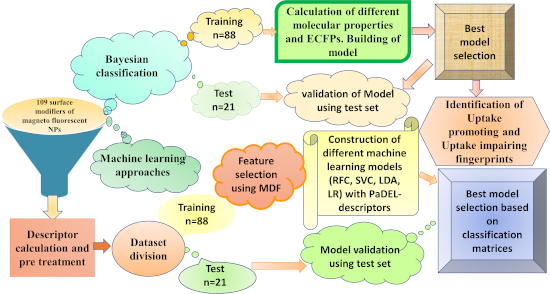
- “protein corona”, which dictates the biological characteristics of the nanoparticles [10][11]. The composition of this corona is variable and relies on the concentrations and affinities of its different components to the nanoparticle surface. Cellular uptake of NPs happens through receptor-mediated active


The effect of age on the attachment ability of stick insects (Phasmatodea)
Beilstein J. Nanotechnol. 2024, 15, 867–883, doi:10.3762/bjnano.15.72

- . aeta. Some arthropod claws, such as those in ticks [69], have been shown to contain small amounts of resilin, an elastomeric protein providing flexibility in cuticle composites [70]. Voigt and Gorb [69] also suspect resilin to occur in other arthropod claws as well, but melanization impedes


Functional fibrillar interfaces: Biological hair as inspiration across scales
Beilstein J. Nanotechnol. 2024, 15, 664–677, doi:10.3762/bjnano.15.55
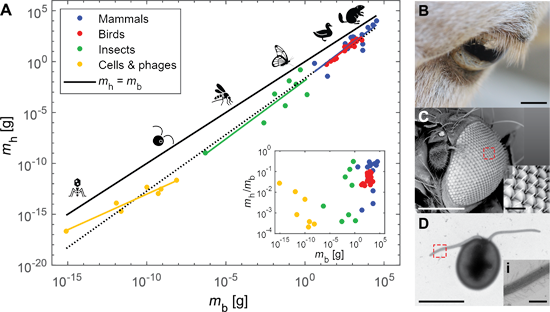
- cells (bacteria) should not be confused. Eukaryotic flagella are essentially the same organelles as cilia, consisting of a well-organized microtubular backbone and orchestrated internal protein motors, whereas bacterial flagella are simply passive, stiff filaments. The passive nature of the hairs does
- still made of the protein complex keratin. Plants also make use of fibrillar structures to provide defense against predators. These structures are known as trichomes and vary in morphology and density. While trichomes may also secrete chemicals to warn predators, they can impale insects and their larvae
- generation. The flagella of archaea and bacteria are themselves passive hairs and are driven by protein motors at the base. Hair-like ultrastructures, or mastigonemes, on eukaryotic flagella/cilia comprise helical glycoproteins (≈10–20 nm thick) and lack a membrane [106]. They can be either stiff or flexible


Comparative analysis of the ultrastructure and adhesive secretion pathways of different smooth attachment pads of the stick insect Medauroidea extradentata (Phasmatodea)
Beilstein J. Nanotechnol. 2024, 15, 612–630, doi:10.3762/bjnano.15.52
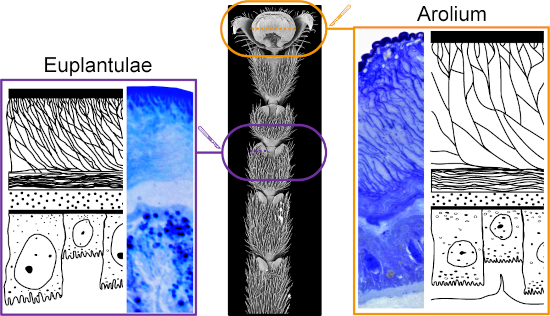
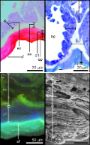
- both layers emit a blue signal, indicative of the presence of resin (rubber-like protein) with relatively soft properties (Figure 3C). The morphological details of these layers are also apparent in longitudinal microtome sections (Figure 3B) and SEM sections (Figure 3D). The primary rod layer is