Search results
Search for "proteins" in Full Text gives 429 result(s) in Beilstein Journal of Nanotechnology. Showing first 200.
Recent advances in photothermal nanomaterials for ophthalmic applications
Beilstein J. Nanotechnol. 2025, 16, 195–215, doi:10.3762/bjnano.16.16
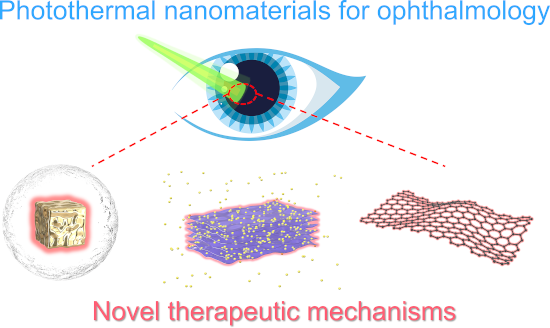
- cellular functions. Future developments may see the integration of photothermal nanomaterial therapies with viruses, receptors, antibodies, aptamers, peptides, multifunctional genes, self-assembled DNA structures, and proteins. Given the diversity and adaptability of nanomaterials, it is conceivable to


A review of metal-organic frameworks and polymers in mixed matrix membranes for CO2 capture
Beilstein J. Nanotechnol. 2025, 16, 155–186, doi:10.3762/bjnano.16.14




Nanocarriers and macrophage interaction: from a potential hurdle to an alternative therapeutic strategy
Beilstein J. Nanotechnol. 2025, 16, 97–118, doi:10.3762/bjnano.16.10
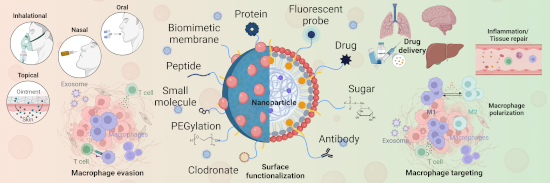
- decades of technological evolution, during which NCs have become indispensable components of drug delivery systems, known for their adaptability and efficiency [2]. The “family” of nanoparticles (NPs) includes a broad range of materials such as lipids, polymers, proteins, dextran, silica [3], and metals
- opsonization in the bloodstream, mediated by opsonins that recognize plasma proteins (serum albumin, apolipoproteins, complement components, and immunoglobulins) adsorbed onto the surface of circulating NPs. This forms the so-called “protein corona” (PC), a layer of more than 300 proteins that effectively
- masks the functionalization of groups coated on the NC surface. The formation of this corona acts as a clearance signal, prompting macrophages to recognize and engulf NCs [34]. The denser the proteins adsorbed onto the NC surface, the faster the uptake into the liver and spleen [35][36]. Several factors


Characterization of ZnO nanoparticles synthesized using probiotic Lactiplantibacillus plantarum GP258
Beilstein J. Nanotechnol. 2025, 16, 78–89, doi:10.3762/bjnano.16.8
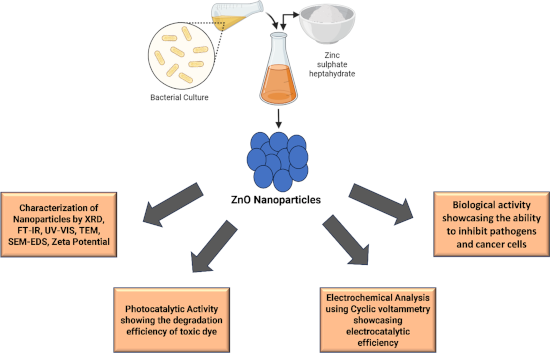
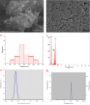
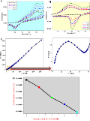
- NPs can release Zn2+ ions, which interact with bacterial enzymes and proteins, further compromising cellular functions. The small size and high surface area of the nanoparticles enhance their interaction with bacterial cells, improving antibacterial efficacy. Significant inhibitory effects against S



Instance maps as an organising concept for complex experimental workflows as demonstrated for (nano)material safety research
Beilstein J. Nanotechnol. 2025, 16, 57–77, doi:10.3762/bjnano.16.7

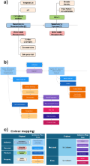
- ’ nanotopography was realised through pore formation during synthesis using cetyltrimethylammonium bromide. The non-covalent conjugations between nanomaterials and proteins were quantitatively characterised, directly by gel electrophoresis and indirectly by quantifying the amount of unbound protein in the
- investigate the influence of nanotopography on the protein binding capacity and its impact on epitope integrity. Johnson et al. [53] reported that structural alterations of proteins bound to nanomaterials impact the antigen-processing machinery in APCs and could, thus, impact the outcome in terms of
- immunomodulation. Here, it should be emphasised that during immunotherapy against type-2 immune diseases, such as allergies, a shift towards regulatory T cell activation is envisioned. Finally, as depicted in section D, Hasenkopf et al. [48] tested the proteins’ individual binding efficiencies on differently


Mechanistic insights into endosomal escape by sodium oleate-modified liposomes
Beilstein J. Nanotechnol. 2024, 15, 1667–1685, doi:10.3762/bjnano.15.131
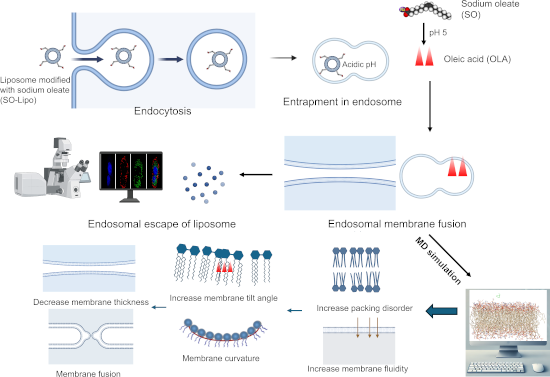
- drug delivery has spurred extensive research into liposomal systems. These vesicles, with their inherent ability to encapsulate and protect a diverse range of therapeutic agents, including small molecule drugs, proteins, and genetic material such as DNA and RNA, hold significant promise for




Attempts to preserve and visualize protein corona on the surface of biological nanoparticles in blood serum using photomodification
Beilstein J. Nanotechnol. 2024, 15, 1654–1666, doi:10.3762/bjnano.15.130

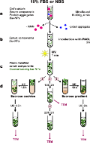
- photomodification to obtain NPs bearing a full protein corona on the lipid surface, the proteins of which could be identified by mass analysis [23]. Hossein Mohammad-Beigi and colleagues published another approach in 2020 [7]. They used methods of click chemistry to fix proteins on the surface of silica and
- polystyrene NPs and thereby obtained the full corona. In principle, the effect of click chemistry and photomodification is the same. Both fix the full corona; however, the methods differ in details. When click chemistry is performed, soft corona proteins bind only to pre-modified hard corona proteins, whereas
- photomodification additionally captures “free” soft corona proteins that are not bound to the hard corona. In this way, photomodification provides a more complete representation of soft corona proteins, which are then identified by mass analysis methods. The main component in the photomodification process is a



Biomimetic nanocarriers: integrating natural functions for advanced therapeutic applications
Beilstein J. Nanotechnol. 2024, 15, 1619–1626, doi:10.3762/bjnano.15.127

- these carriers are improved [19][21][22][23][24][25]. Various cellular components such as extracellular vesicles, leukocyte and red blood cell membranes are beneficial for developing bioinspired devices. Specific targets, including peptides, aptamers, proteins, and viral capsids, may also be utilized in
- the production of nature-inspired synthetics as demonstrated in Figure 2B [22][23][24][25][26]. Indeed, the co-incubation of nanoparticles with cellular components creates an environment conducive to the absorption of proteins by the nanoparticles, thereby facilitating the connection of these
- , anchored proteins, fatty acids, and other compounds present in these membranes not only confer cell-like properties to the carriers but also prevent immune recognition, extend circulation time, and enhance target mimicry, such as that of cancer cells [33]. Coating particles with membranes has been well


Natural nanofibers embedded in the seed mucilage envelope: composite hydrogels with specific adhesive and frictional properties
Beilstein J. Nanotechnol. 2024, 15, 1603–1618, doi:10.3762/bjnano.15.126
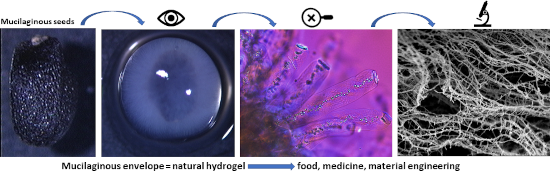
- the main chains (cellulose fibrils) and 18.4 nm (range 14.1–23.8 nm) for the cross-links (pectin and hemicellulose chains) [7]. One difference can be seen when comparing both methods. In our studies, we observed small granules covering the fibrils. We supposed that they are proteins that are natural


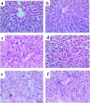
Liver-targeting iron oxide nanoparticles and their complexes with plant extracts for biocompatibility
Beilstein J. Nanotechnol. 2024, 15, 1593–1602, doi:10.3762/bjnano.15.125
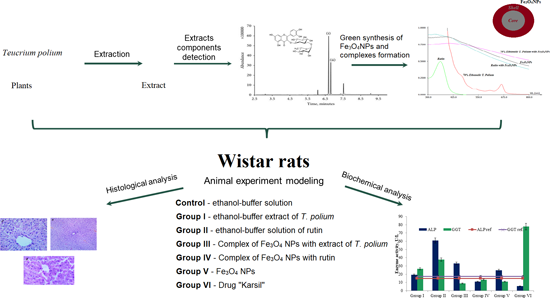
- increase in total protein content. Increases compared to almost normal albumin levels are characteristic in pathological conditions when the total protein fraction increases due to acute phase proteins. Increases in total protein content may also be due to the release of ALT, AST, ALP, and GGT enzymes into
- state. Based on the results showing a hypolipoproteinemic effect (Table 1), we hypothesize that one of the possible intracellular molecular targets of such action of Fe3O4 NPs and its composites are proteins of the SIRT family, regulating the activity of PPARγ, PGC-1α, NF-kB, FOXO, p53, and others, as
- xenobiotics to enhance the expression of transport proteins during prolonged exposure, correlating with studies by Belinskaia and colleagues [60]. The combined effect of Fe3O4 NPs with 70% ethanol extract of T. polium and its component rutin leads to suppression of GPx activity, which may be associated either


Facile synthesis of size-tunable L-carnosine-capped silver nanoparticles and their role in metal ion sensing and catalytic degradation of p-nitrophenol
Beilstein J. Nanotechnol. 2024, 15, 1576–1592, doi:10.3762/bjnano.15.124
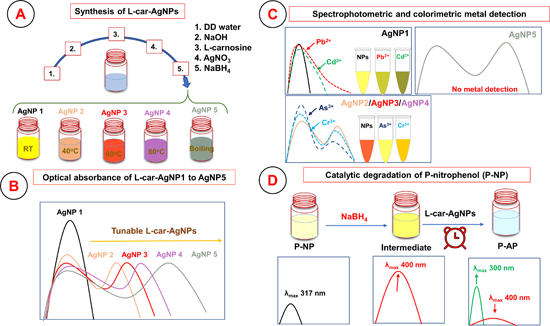
- conductivity, and potent catalytic activity, make them ideal candidates for environmental monitoring and remediation [3]. Modifying silver nanoparticles with various biological molecules, peptides, proteins, and enzymes has further enhanced their functionality, stability, and selectivity towards specific




Green synthesis of silver nanoparticles derived from algae and their larvicidal properties to control Aedes aegypti
Beilstein J. Nanotechnol. 2024, 15, 1566–1575, doi:10.3762/bjnano.15.123
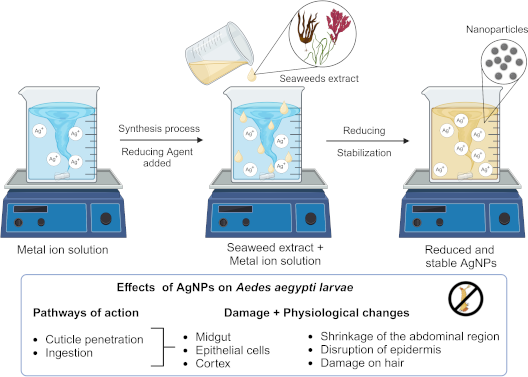
- vectors are nanomaterials or nanomaterial-based formulations as so-called nanopesticides, providing new, modern, and low-cost formulations [9][10] with the ability to penetrate through the exoskeleton into mosquito cells, causing mortality after binding to proteins or DNA [11]. Nanomaterials provide
- of silver nanoparticles (yeasts, plants, fungi, algae, and bacteria), which are capable of reducing inorganic metal ions to metallic nanoparticles quickly [40][41]. Among these, algae have been highlighted because of their immense bioactive potential of compounds such as accessory pigments, proteins


Ultrablack color in velvet ant cuticle
Beilstein J. Nanotechnol. 2024, 15, 1554–1565, doi:10.3762/bjnano.15.122

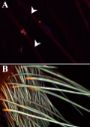
- . Confocal laser scanning microscopy micrographs (maximum intensity projections) showing different types of autofluorescence exhibited by the cuticle. Blue regions contain resilin or some other proteins, while green, orange, and red structures represent different degrees of sclerotization. Black regions are



Nanotechnological approaches for efficient N2B delivery: from small-molecule drugs to biopharmaceuticals
Beilstein J. Nanotechnol. 2024, 15, 1400–1414, doi:10.3762/bjnano.15.113
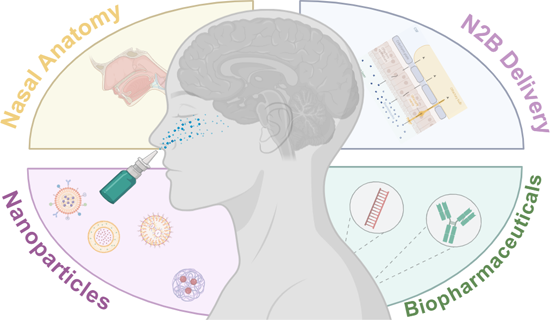
- administration also suffers from enzymatic degradation including peptidase and protease activity, making it challenging to deliver peptides and proteins [29][30]. Yet, the intranasal route still yields lower enzymatic degradation and higher bioavailability in the brain [31]. While the challenges of the
- critical literature reviews on N2B delivery of peptides and proteins. Considering the recent advancements and publications in the field, we highlight N2B delivery of biopharmaceuticals while emphasizing mAbs, RNA delivery, and NP functionalization techniques for better targeting the brain [150]. Despite


A biomimetic approach towards a universal slippery liquid infused surface coating
Beilstein J. Nanotechnol. 2024, 15, 1376–1389, doi:10.3762/bjnano.15.111
- procoagulant. More work on specific coagulation factor adsorption and activation, such as thrombin, fibrinogen, and complement system proteins is needed to fully characterize the surface. Studies on FXII and platelet adhesion in plasma and whole blood models would provide more insight into observed activation




Hymenoptera and biomimetic surfaces: insights and innovations
Beilstein J. Nanotechnol. 2024, 15, 1333–1352, doi:10.3762/bjnano.15.107
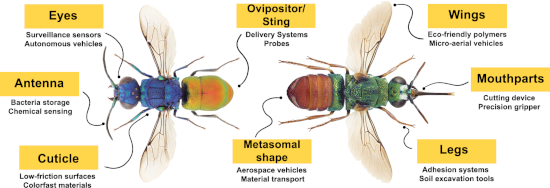
- modulation, as it facilitates the delivery of therapeutic agents such as genetic material, proteins, and chemotherapeutics [182][183]. Incorporating principles from the finely tuned frequency production observed in Hymenoptera could significantly enhance this technology, resulting in more precise and


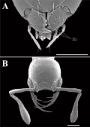

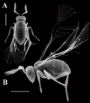
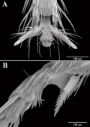

Interaction of graphene oxide with tannic acid: computational modeling and toxicity mitigation in C. elegans
Beilstein J. Nanotechnol. 2024, 15, 1297–1311, doi:10.3762/bjnano.15.105
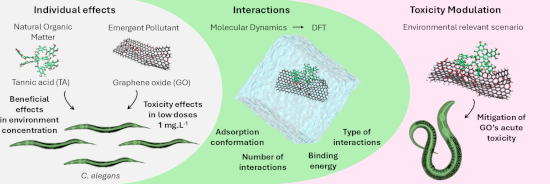
- elegans. Ouyang et al. [12] showed that small molecules (e.g., polycyclic aromatic hydrocarbons) and heavy metals, present in the natural water as nanocolloids, potentiate GO’s phytotoxicity. Moreover, biomolecules such as polysaccharides, proteins, lipids, and humic acids may interact with the material’s


Functional morphology of cleaning devices in the damselfly Ischnura elegans (Odonata, Coenagrionidae)
Beilstein J. Nanotechnol. 2024, 15, 1260–1272, doi:10.3762/bjnano.15.102

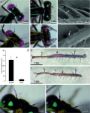
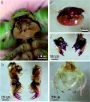
- flexible because of the lower degree of sclerotization, and (3) blue areas are rubber-like with a relatively high proportion of resilin-like proteins or unsclerotized chitin. This method has already been widely applied in the literature [37][38][39][40]. The insects to be observed were frozen in a


Dual-functionalized architecture enables stable and tumor cell-specific SiO2NPs in complex biological fluids
Beilstein J. Nanotechnol. 2024, 15, 1238–1252, doi:10.3762/bjnano.15.100
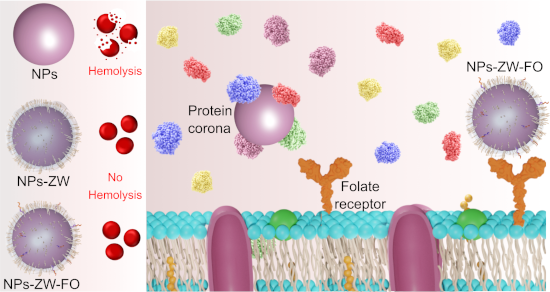
- (targeting agent) to provide selective interaction with tumor cell lines in biological media. The stability of these dually functionalized SiO2NPs is preserved in unprocessed human plasma while yielding a decrease in the number of adsorbed proteins. Experiments in murine blood further proved that these
- of NPs accumulates in tumors and <0.0014% are internalized by the cells [8][9][10][11]. Once in contact with blood, NPs interact with a series of physiological components (e.g., amino acids, salts, and proteins), which can induce poor colloidal stability or changes in the original chemical and
- biological identity of these particles, impairing their therapeutic efficiency [12][13][14][15]. Proteins and other biomolecules can be adsorbed on the surface of NPs (protein corona formation), masking their original functionality and hiding their target ability [16][17][18]. Protein corona can further lead


Realizing active targeting in cancer nanomedicine with ultrasmall nanoparticles
Beilstein J. Nanotechnol. 2024, 15, 1208–1226, doi:10.3762/bjnano.15.98
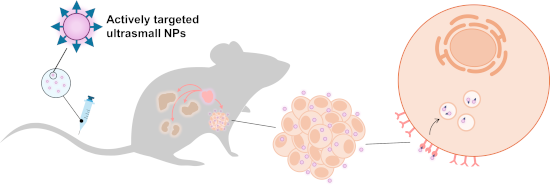
- globular proteins, usNPs exhibit unique physicochemical properties and physiological behavior distinct from larger particles, including lack of protein corona formation, efficient renal clearance, and reduced recognition and sequestration by the reticuloendothelial system. In cancer treatment, usNPs
- proteins (Figure 2A) [52][53][54][55][56][57][58]. This occurs because of the small size and high surface curvature of usNPs, which restrict the binding interface for proteins. As a result, protein spreading and denaturation on the usNP surface are minimized, and fewer non-covalent interactions form
- between usNPs and proteins compared to interactions between larger NPs and proteins. Quantitatively, Figure 2B compares experimentally determined apparent dissociation rate constants (koff) and corresponding residence times (tr = 1/koff) for protein interactions with large (conventional) and ultrasmall


Synthesis, characterization and anticancer effect of doxorubicin-loaded dual stimuli-responsive smart nanopolymers
Beilstein J. Nanotechnol. 2024, 15, 1189–1196, doi:10.3762/bjnano.15.96
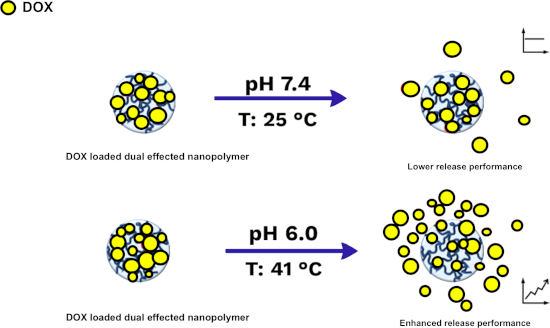
- durations. While numerous biodegradable polymeric nanoparticles derived from proteins or polysaccharides have been studied for drug delivery and controlled drug release in the recent past, the emphasis of research has now turned towards synthetic polymers, resulting in significant advancements in this field


Unveiling the potential of alginate-based nanomaterials in sensing technology and smart delivery applications
Beilstein J. Nanotechnol. 2024, 15, 1077–1104, doi:10.3762/bjnano.15.88
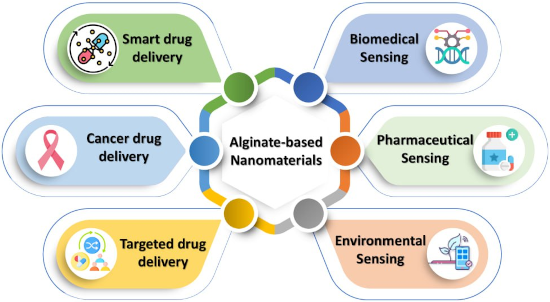
- imine bonds with proteins prevalent in many tissues. The controlled release and bioavailability of DOX encapsulated in the alginate matrix enabled the creation of drug-eluting adhesive patches, which were successful in reducing human lung cancer cell (A549) survival [92]. Another research studied
- diagnostics. Researchers have successfully utilized alginate nanoparticles for the detection and quantification of various analytes, such as proteins, enzymes, nucleic acids, and pathogens. For example, alginate nanoparticles have been used for the detection of cancer biomarkers in body fluids, allowing for


Interface properties of nanostructured carbon-coated biological implants: an overview
Beilstein J. Nanotechnol. 2024, 15, 1041–1053, doi:10.3762/bjnano.15.85
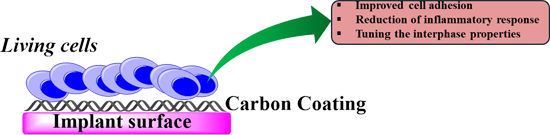
- solid choice to prevent massive implant degradation. Carbon nanomaterial coatings can prevent adverse chemical reactions triggered by both the adsorption of proteins and the metabolism of cells [151][152][153]. Hassan et al. [97] extensively investigated the effect of graphene and graphitic coatings as



Entry of nanoparticles into cells and tissues: status and challenges
Beilstein J. Nanotechnol. 2024, 15, 1017–1029, doi:10.3762/bjnano.15.83
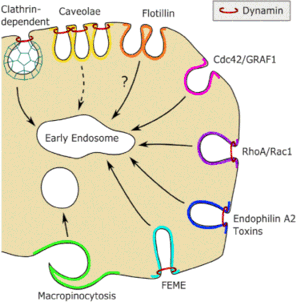
- proteins, including dominant-negative mutants, may, due to their high concentration, facilitate low-affinity interactions with partner proteins that they normally would not bind to. Furthermore, we have the challenge that a given molecule can be involved in more than one pathway. For instance, cdc42 is
- . However, if binding to the cell surface and cross-linking plasma membrane lipids or proteins, they may even induce their own uptake [61][62]. For instance, cross-linking of receptors by quantum dots (QDs) with Tat proteins can induce Rac activation and macropinocytosis [61]. Similarly, cross-linking
- (PEG) chains (e.g., density and chain lengths) and how these chains affect the binding of proteins to the NPs. The protein corona most often contains proteins involved in complement activation, macrophage uptake, lipid metabolism, and blood coagulation [82][83][84][85]. A challenge regarding the


Recent progress on field-effect transistor-based biosensors: device perspective
Beilstein J. Nanotechnol. 2024, 15, 977–994, doi:10.3762/bjnano.15.80
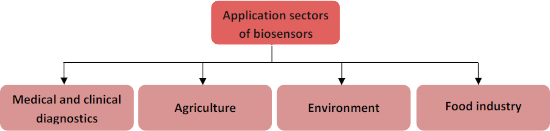
- to detect a wide range of biomolecules, such as proteins, DNA, and antibodies. This article presents a comprehensive review of advancements in the architectures of FET-based biosensors aiming to enhance device performance in terms of sensitivity, detection time, and selectivity. The review
- beneficial [18]. Additionally, biosensors have been used to detect SARS-CoV-2, which causes COVID-19-related severe respiratory distress [19][20]. For the accurate detection of COVID-19 RNA [21][22], proteins [23][24], and virus particles [25][26], various methods have been proposed, such as CRISPR systems
- biosensors for accurate detection of viruses [25], cancer [15], proteins [36], DNA, glucose [17], and nucleic acids has been strongly developed [37]. On the other hand, specific biomolecule classifications by microbiologists has led to the realization and development of different biosensors, significantly