Search results
Search for "quantification" in Full Text gives 262 result(s) in Beilstein Journal of Nanotechnology. Showing first 200.
Simultaneous electrochemical determination of uric acid and hypoxanthine at a TiO2/graphene quantum dot-modified electrode
Beilstein J. Nanotechnol. 2024, 15, 719–732, doi:10.3762/bjnano.15.60
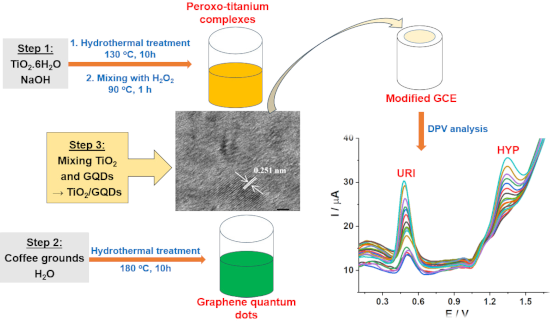
- lead to an increase of Ip. However, a high Ustep might also trigger the oxidation of other substances with similar oxidation potential, which greatly affects the simultaneous quantification of substances with stripping peaks close to each other. Therefore, a Ustep value of 0.008 V was chosen for


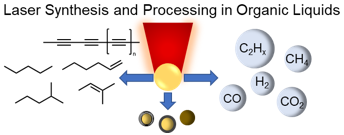
Laser synthesis of nanoparticles in organic solvents – products, reactions, and perspectives
Beilstein J. Nanotechnol. 2024, 15, 638–663, doi:10.3762/bjnano.15.54




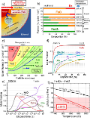

AFM-IR investigation of thin PECVD SiOx films on a polypropylene substrate in the surface-sensitive mode
Beilstein J. Nanotechnol. 2024, 15, 603–611, doi:10.3762/bjnano.15.51
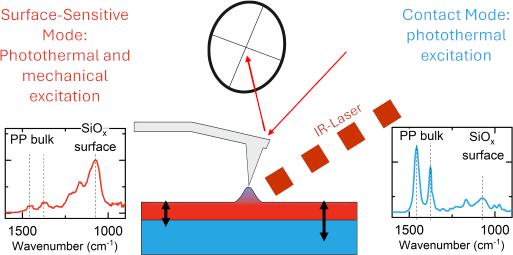
- cantilever (a). In b) the AFM-IR spectra collected in surface-sensitive mode with a drive frequency of 764 kHz, a detection frequency of 195 kHz, and a laser pulse frequency of 566 kHz are shown. Quantification of the surface composition of the silicon oxide films on the polypropylene foil. Funding This


Radiofrequency enhances drug release from responsive nanoflowers for hepatocellular carcinoma therapy
Beilstein J. Nanotechnol. 2024, 15, 569–579, doi:10.3762/bjnano.15.49
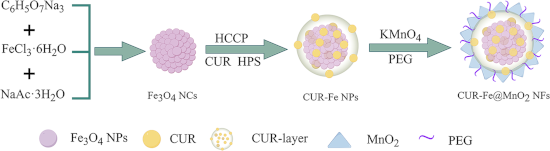
- group. a) Toxicity of different concentrations of NFs to Huh-7 cells after heating for 15/20 min. b) Toxicity of different treatments (the concentration was 50 µg/mL for all samples) to Huh-7 cells after heating for 20 min (*p < 0.05, ****p < 0.0001, ns as not significant). c) Quantification of live


Hierarchically patterned polyurethane microgrooves featuring nanopillars or nanoholes for neurite elongation and alignment
Beilstein J. Nanotechnol. 2023, 14, 1157–1168, doi:10.3762/bjnano.14.96
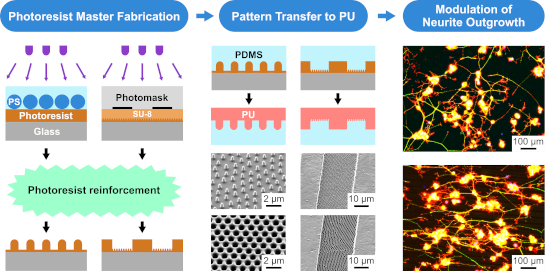
- and Supporting Information File 1, Figure S7) and more short projections emanating from the soma on the flat substrate (white arrowheads). Quantification of neurite length (Figure 2D) confirms increased neurite length per cell on the nanopillar and nanohole substrates, with means at least 1.2× higher
- neurites preferentially in the direction of the microgrooves (Figure 4A–C and Supporting Information File 1, Figure S14). Quantification of neurite extension shows that only the pillar-groove substrate yielded a statistically different distribution of neurite length per cell compared with the microgroove
- micrographs of cells stained with RP, AF488-anti-β3 tubulin, and DAPI. Quantification of neurite parameters were performed using a semi-automatic method described in our previous study [16]. SEM was also performed to observe the neurite morphology. Further details on the characterization procedures and


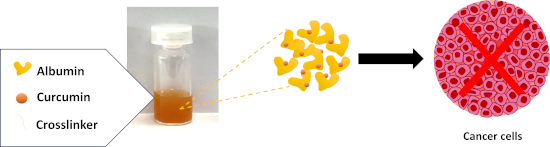
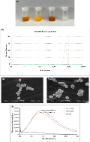
Curcumin-loaded albumin submicron particles with potential as a cancer therapy: an in vitro study
Beilstein J. Nanotechnol. 2023, 14, 1127–1140, doi:10.3762/bjnano.14.93
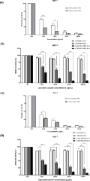
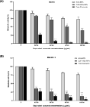
- untreated cells (control) using the MTT assay. Results are expressed as mean values (n = 3) ± SEM. **p < 0.01, ****p < 0.001. Flow cytometric analysis showing cellular uptake of HSA-MPs and CUR-HSA-MPs at a concentration of 25 µg/mL. (A) Flow cytometry graphs; (B) quantification of the mean fluorescence




Spatial mapping of photovoltage and light-induced displacement of on-chip coupled piezo/photodiodes by Kelvin probe force microscopy under modulated illumination
Beilstein J. Nanotechnol. 2023, 14, 1059–1067, doi:10.3762/bjnano.14.87
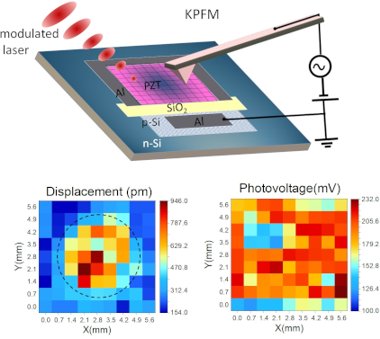
- In this work, a silicon photodiode integrated with a piezoelectric membrane is studied by Kelvin probe force microscopy (KPFM) under modulated illumination. Time-dependent KPFM enables simultaneous quantification of the surface photovoltage generated by the photodiode as well as the resulting
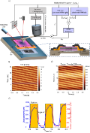


Exploring internal structures and properties of terpolymer fibers via real-space characterizations
Beilstein J. Nanotechnol. 2023, 14, 1004–1017, doi:10.3762/bjnano.14.83
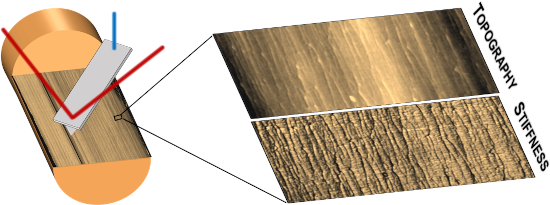
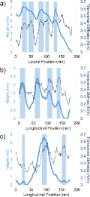
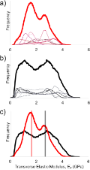
- direct quantification of transverse elastic modulus (ET) of both fiber types, which showed more consistent ET measurements in Technora® than in Kevlar® K29. Nanoscale ET measurements in Technora® also matched exceptionally well with previously reported macroscopic measurements, which would be expected

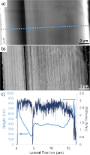





Nanoarchitectonics of photothermal materials to enhance the sensitivity of lateral flow assays
Beilstein J. Nanotechnol. 2023, 14, 988–1003, doi:10.3762/bjnano.14.82
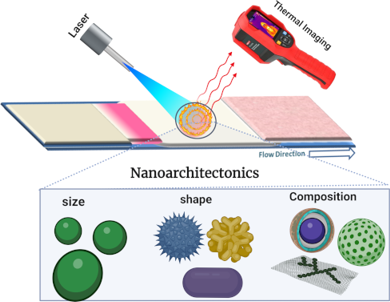
- et al. for the detection and quantification of the cardiac disease-associated biomarker troponin I through photothermal and nanozymatic principles [79]. Fe3O4@Au core–shell nanostructures exhibit excellent photothermal conversion and magnetic properties, which have been studied regarding in vivo


Fragmentation of metal(II) bis(acetylacetonate) complexes induced by slow electrons
Beilstein J. Nanotechnol. 2023, 14, 980–987, doi:10.3762/bjnano.14.81
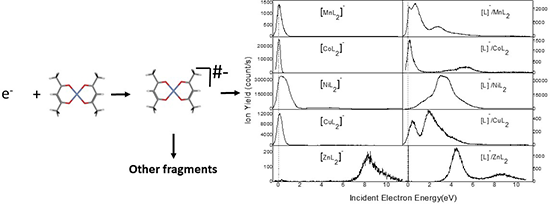
- these two species, the interaction of slow electrons with the metal chelates also produces a rich variety of fragment anions, which are reported and discussed in the present report. A comprehensive picture of the fragmentation pattern of each ML2 precursor, including the quantification of dissociation


Upscaling the urea method synthesis of CoAl layered double hydroxides
Beilstein J. Nanotechnol. 2023, 14, 927–938, doi:10.3762/bjnano.14.76
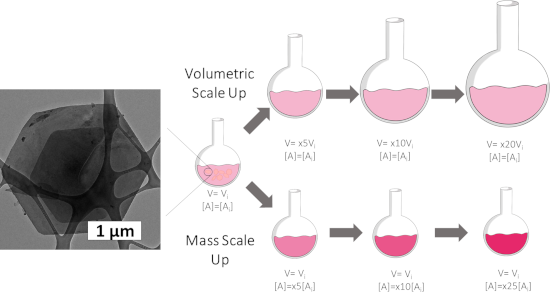
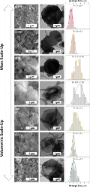
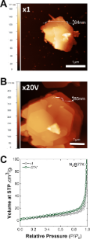
- combination of CoAl-LDH and α-CoII LH reference spectra. Figure 2B depicts the result of the fits, where excellent agreement is achieved using 57% of LDH and 43% of α-CoII LH. This analysis is an excellent example to show that XANES is a useful technique for LH structure quantification. A detailed description


Antibody-conjugated nanoparticles for target-specific drug delivery of chemotherapeutics
Beilstein J. Nanotechnol. 2023, 14, 912–926, doi:10.3762/bjnano.14.75
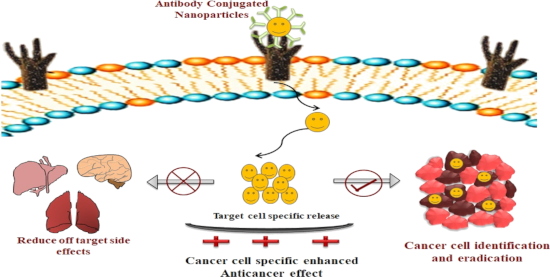
- ]. The covalent binding of amine groups of antibodies with carboxyl groups on the NP surfaces through carbodiimide conjugation is commonly accepted because it does not require a modification of the antibodies. After the conjugation of specific antibodies, the quantification of NP–antibody binding
- efficacy is an important factor to improve therapeutic efficacy. Researchers are actively working on quantification methods that are specific, rapid, sensitive, simple, and easy to use. The Lowry assay, UV spectroscopy, Bradford assay, and bicinchoninic acid assay are widely used and accepted methods to



A graphene quantum dots–glassy carbon electrode-based electrochemical sensor for monitoring malathion
Beilstein J. Nanotechnol. 2023, 14, 701–710, doi:10.3762/bjnano.14.56
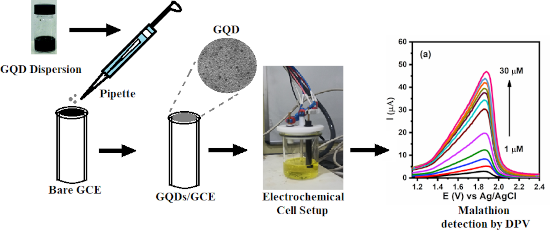
- -functionalized nickel/silver/graphene quantum dot/graphene hybrid for the colorimetric detection of malathion [28]. This paper describes the development of an electrochemical sensor based on a graphene quantum dot-modified glassy carbon electrode (GQDs/GCE) for the determination and quantification of the
- on a SP Biologic 150 electrochemical workstation at room temperature. A solution of 0.1 M KCl containing 0.05 M K3[Fe(CN)6] was used as an electrolyte to analyze the oxidation–reduction behavior of the working electrode through cyclic voltammetry. For detection and quantification of pesticides


Metal-organic framework-based nanomaterials as opto-electrochemical sensors for the detection of antibiotics and hormones: A review
Beilstein J. Nanotechnol. 2023, 14, 631–673, doi:10.3762/bjnano.14.52
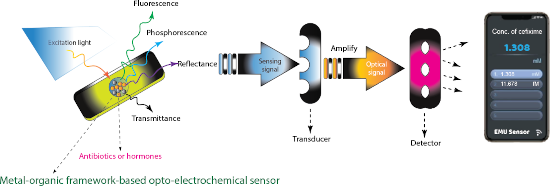
- used to define sensor sensitivity (Figure 4). The minimum analyte concentration that can be reliably and precisely quantified is expressed by the term “limit of quantification” (LOQ). For estimation, a level of 10·Sb/S is recommended. The kinetics of both chemical recognition and signal transduction


Nanoarchitectonics to entrap living cells in silica-based systems: encapsulations with yolk–shell and sepiolite nanomaterials
Beilstein J. Nanotechnol. 2023, 14, 522–534, doi:10.3762/bjnano.14.43
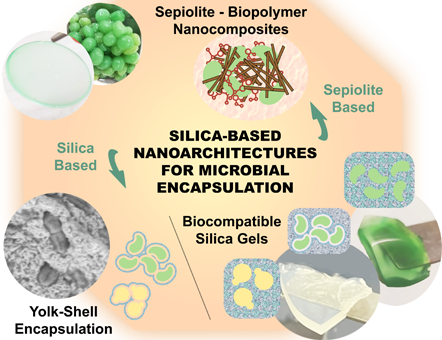
- . Following the method described in the Experimental section, we have evaluated the ethanol production of encapsulated cells and compared it to the production in a standard suspension culture. The high variability in the densitometric quantification of the ethanol concentration led us to consider these


On the use of Raman spectroscopy to characterize mass-produced graphene nanoplatelets
Beilstein J. Nanotechnol. 2023, 14, 509–521, doi:10.3762/bjnano.14.42
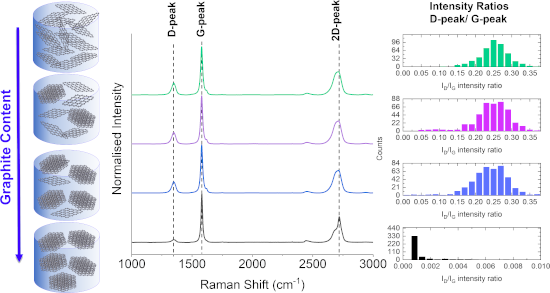
- , although quantification of the amount remains approximate. We therefore recommend this approach as a robust methodology for reliable characterization of mass-produced graphene-related 2D materials using confocal Raman spectroscopy. Keywords: few-layer graphene; graphene; metrology; quality control; Raman
- significant fractions of unexfoliated material, quantification can be difficult. When analysing the average spectum from a large number of locations in a bulk sample, the presence of up to 10 wt % graphite can not be reliably identified. When adding processed graphite (“sediment”) into samples, this limit is
- extended up to 50 wt % when analysing the averaged spectrum. However, we have shown that if individual measurement locations are analysed and classified separately, it is possible to identify the presence of this material in the sample, although quantification of the amount remains approximate. As has been


Quercetin- and caffeic acid-functionalized chitosan-capped colloidal silver nanoparticles: one-pot synthesis, characterization, and anticancer and antibacterial activities
Beilstein J. Nanotechnol. 2023, 14, 362–376, doi:10.3762/bjnano.14.31
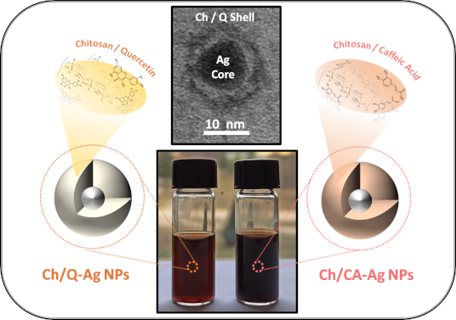
- ). In addition, the amount of the capping agents (quercetin and caffeic acid) that may be of high importance for potential applications of NPs has been determined. As known, quercetin is one of the main reagents used as a reference standard for the quantification of flavonoids in a sample [67]. The
- , while water-soluble MTT converts to an insoluble purple formazan. Therefore, MTT requires solubilization of insoluble formazan to determine its concentration by absorbance, whereas XTT does not require any solubilization. Therefore, the use of XTT is an excellent solution for the quantification of cells


The steep road to nonviral nanomedicines: Frequent challenges and culprits in designing nanoparticles for gene therapy
Beilstein J. Nanotechnol. 2023, 14, 351–361, doi:10.3762/bjnano.14.30
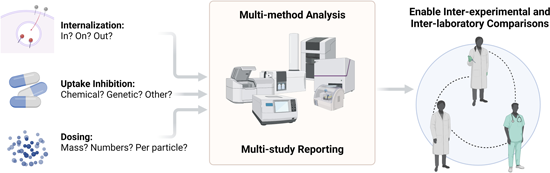
- ]. MIRIBEL champions four guiding principles, namely reusability, quantification, practicality, and quality. In nanomedicine, these challenges are further compounded by the fact that the study of NP interactions with biological systems is a multidisciplinary field that ranges from understanding fundamental
- after reasonable search and selection. Secondly, our objective is to emphasize the importance of standardized practices for the investigation of NP dosing, uptake, and transfection to improve the reusability, quantification, practicality and quality in the field of nonviral gene delivery research. Of
- of proteins after transfection. Because organelles (e.g., endosomes) are not uniformly distributed throughout the cell, these 2D imaging methods are rarely accurate for quantification of either uptake or transfection. Nevertheless, they still have been the methods of choice during the last five years

In search of cytotoxic selectivity on cancer cells with biogenically synthesized Ag/AgCl nanoparticles
Beilstein J. Nanotechnol. 2022, 13, 1505–1519, doi:10.3762/bjnano.13.124
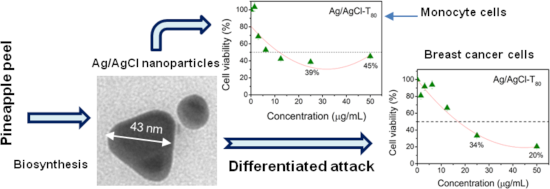
- weighed and put into a coffee filter. Subsequently, an infusion was made with 1 L of distilled water in a Oster® brand coffee maker. The solution obtained was vacuum filtered and concentrated in a rotary evaporator at 50 °C, 250 rpm, and 42 mbar. Biosynthesis of Ag/AgCl nanoparticles Quantification of
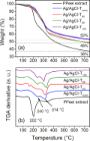
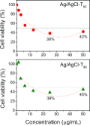
- quantification of Ag/AgCl products at different synthesis temperatures. UV–visible spectroscopy of Ag/AgCl nanoparticle biosynthesis. The maximum absorption peaks are denoted by the arrows. FTIR spectra of Ag/AgCl nanoparticles. The functional groups of the AgNO3 salt are represented by the letters a–f. The





Orally administered docetaxel-loaded chitosan-decorated cationic PLGA nanoparticles for intestinal tumors: formulation, comprehensive in vitro characterization, and release kinetics
Beilstein J. Nanotechnol. 2022, 13, 1393–1407, doi:10.3762/bjnano.13.115
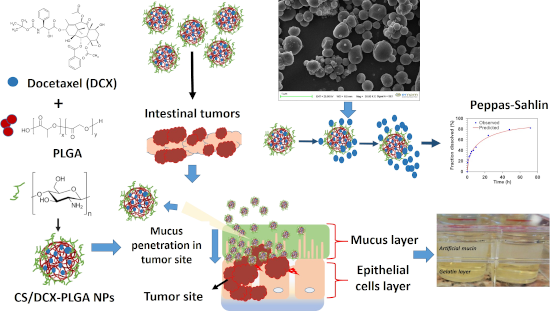
- gold and palladium and inserted on metal stubs before being dried for a 24 h SEM analysis. Determination of encapsulation efficiency, drug loading and production yield The previously reported UV–vis spectrophotometric quantification method was used to determine the DCX encapsulation efficiency of the
- (LOQ) were determined for validation of the spectrophotometric method used for DCX quantification. Absorbance values for the amount of DCX were converted to concentration according to the standard calibration curve (r2 = 0.994). LOD and LOQ values were calculated as 0.0173 mg/mL and 0.0634 mg/mL
- was washed with ultrapure water (2 mL × six replicates). The solid gelatin was then heated to 60 °C in order to liquefy again. The supernatant was then collected after centrifuging the sample for 25 min at 5500 rpm. The validated quantification method was used to determine the amount of DCX in the


LED-light-activated photocatalytic performance of metal-free carbon-modified hexagonal boron nitride towards degradation of methylene blue and phenol
Beilstein J. Nanotechnol. 2022, 13, 1380–1392, doi:10.3762/bjnano.13.114
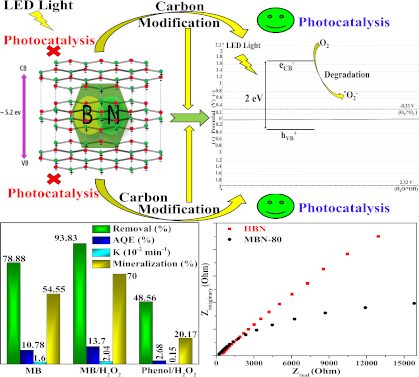
- photolysis of H2O2. Aliquots were drawn at regular intervals, ultracentrifuged at 7500 rpm, and then subjected to quantification of residual concentration of pollutants using a spectrophotometer (UV 2600 SHIMADZU, Japan). The intermediates formed during the photodegradation of phenol were analysed through a


Recent advances in green carbon dots (2015–2022): synthesis, metal ion sensing, and biological applications
Beilstein J. Nanotechnol. 2022, 13, 1068–1107, doi:10.3762/bjnano.13.93




DNA aptamer selection and construction of an aptasensor based on graphene FETs for Zika virus NS1 protein detection
Beilstein J. Nanotechnol. 2022, 13, 873–881, doi:10.3762/bjnano.13.78
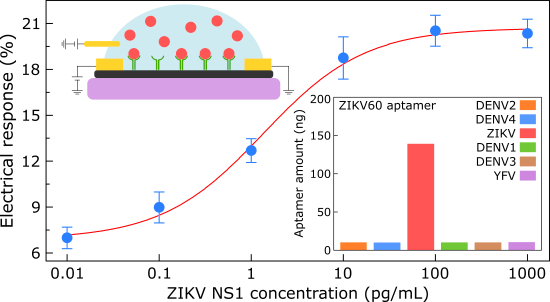
- the determination of Kd of the aptamers, a saturation-binding curve to the target was measured with an increasing series of ZIKV60 concentrations. The aptamer quantification was performed by ELONA [23]. ZIKV60 presented a high binding affinity to ZIKV NS1 protein with a Kd value of 2.28 ± 0.28 nM



A nonenzymatic reduced graphene oxide-based nanosensor for parathion
Beilstein J. Nanotechnol. 2022, 13, 730–744, doi:10.3762/bjnano.13.65
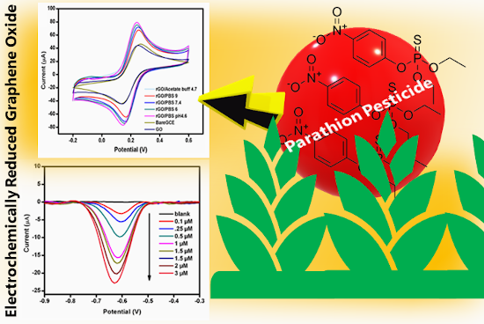
- electrocatalytic reduction peak at −0.58 V (vs Ag/AgCl) for rapid quantification of PT due to the amplified electroactive surface area of the modified electrode. At optimized experimental conditions, square-wave voltammetric analysis exhibits higher sensitivity (50.5 μA·μM−1·cm−2), excellent selectivity, excellent
- sensing platform was not cost-effective, stable, and sensitive in order to develop a robust electrochemical nanosensor for on-site monitoring of organophosphates in agricultural samples. To date, no reliable sensing system is available for the rapid quantification of parathion residues in environmental
- PT was tested five times, and the average value was represented with standard deviation. The results also validate the standard spectrophotometric analysis. Quantification of parathion using spectrophotometry The ultraviolet–visible (UV–vis) absorption spectroscopic study was performed to validate


Fabrication and testing of polymer microneedles for transdermal drug delivery
Beilstein J. Nanotechnol. 2022, 13, 629–640, doi:10.3762/bjnano.13.55
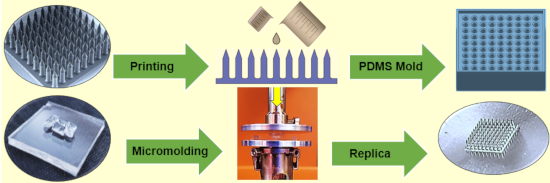
- efficiency (APE), defined as the fraction of the MNs in the array passing through the stratum corneum layer without damage [24][25]. Further quantification of MN penetration is the fractional penetration length (FPL), defined as the proportion of a MN’s length penetrating the skin relative to its overall