Search results
Search for "response" in Full Text gives 1009 result(s) in Beilstein Journal of Nanotechnology. Showing first 200.
Self-assembly and adhesive properties of Pollicipes pollicipes barnacle cement protein cp19k: influence of pH and ionic strength
Beilstein J. Nanotechnol. 2025, 16, 1863–1872, doi:10.3762/bjnano.16.129
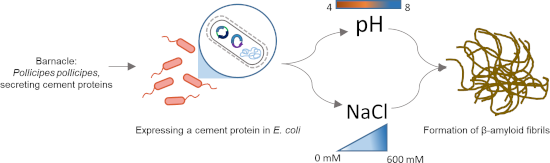
- morphologies and β-amyloid content of fibrils formed under different pH and salt concentration conditions demonstrate the conformational plasticity of cp19k in response to its environment, with its self-assembly into elongated fibrils favoured under low pH/high salt concentration conditions, and the prolonged


On the road to sustainability – application of metallic nanoparticles obtained by green synthesis in dentistry: a scoping review
Beilstein J. Nanotechnol. 2025, 16, 1851–1862, doi:10.3762/bjnano.16.128
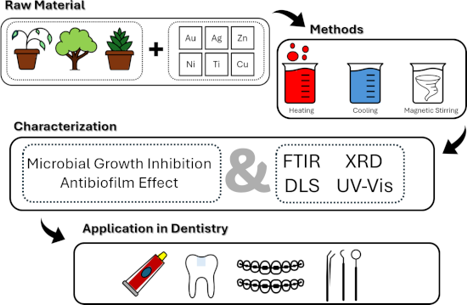
- immune response and stimulate periodontal tissue repair [72]. In the field of endodontics, biosynthesized AgNPs and ZnO-NPs have been employed as adjuvants to conventional irrigants and intracanal dressings, thereby enhancing the disinfection efficacy of root canal systems [21]. The nanoscale properties


Phytol-loaded soybean oil nanoemulsion as a promising alternative against Leishmania amazonensis
Beilstein J. Nanotechnol. 2025, 16, 1826–1836, doi:10.3762/bjnano.16.126

- 48 h. These incubation times were selected to evaluate the acute response, focusing on immediate effects. After this period, the supernatant was removed, and 100 μL of an MTT solution in DMEM (final concentration 1 mg/mL) was added to each well. The plates were incubated at 37 °C with 5% CO2 for 4 h


Further insights into the thermodynamics of linear carbon chains for temperatures ranging from 13 to 300 K
Beilstein J. Nanotechnol. 2025, 16, 1818–1825, doi:10.3762/bjnano.16.125
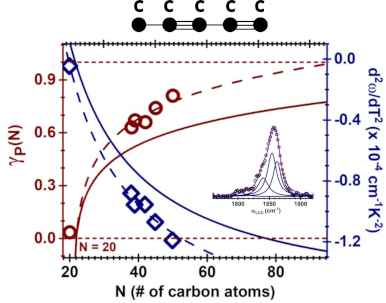
- 0.86) were identified using 514.5 nm, while two LCC with N = 40 and 50 (γP = 0.67 and 0.81, respectively) were identified using 568.2 nm. In agreement with the literature [29][30], the use of different laser lines does not influence the response of the LCC@MWCNT to different T, but it might excite LCC


![[Graphic 23]](/bjnano/content/inline/2190-4286-16-125-i25.svg?max-width=637&scale=1.18182)
Piezoelectricity of layered double hydroxides: perspectives regarding piezocatalysis and nanogenerators
Beilstein J. Nanotechnol. 2025, 16, 1812–1817, doi:10.3762/bjnano.16.124

- dodecylbenzene sulfonate-modified Ni/Co-LDH as a filler promoted the formation of the electroactive β-phase in PVDF-based electrospun nanocomposite fabrics [12]. The enhanced piezoelectric response was attributed to the realignment of PVDF dipoles in combination with their interfacial interactions with the

Electrical, photocatalytic, and sensory properties of graphene oxide and polyimide implanted with low- and medium-energy silver ions
Beilstein J. Nanotechnol. 2025, 16, 1794–1811, doi:10.3762/bjnano.16.123
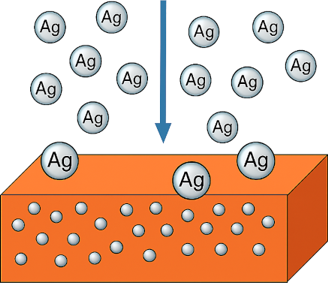
- conductivity, the implantation of silver ions can also significantly affect the interaction of the material with water molecules, thereby improving its sensing response to changes in air humidity [13]. By modifying the chemical composition and microstructure of the surface, the affinity of the material for air
- ]. At the same time, however, polar groups, which are crucial for the adsorption of water molecules, are not eliminated; on the contrary, their spatial arrangement and chemical accessibility may be favored by implantation. This results in a higher adsorption capacity and a faster response to changes in
- were observed for the PI foils implanted with Ag ions (Figure 13b), where only the sample implanted with the lowest fluence of ions at an energy of 1.5 MeV exhibits sensory sensitivity. The results for PI show that the optimal response to relative humidity change was only achieved for samples implanted


Exploring the potential of polymers: advancements in oral nanocarrier technology
Beilstein J. Nanotechnol. 2025, 16, 1751–1793, doi:10.3762/bjnano.16.122
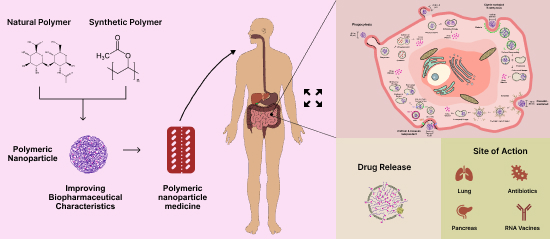
- response to internal signals (e.g., oxidation or reduction, enzymatic activity, or low acidity) or external stimuli such as light and temperature [26][27]. This delivery of active ingredients relies on differential biochemical changes, facilitating the development of more precise therapies with improved


Advances of aptamers in esophageal cancer diagnosis, treatment and drug delivery
Beilstein J. Nanotechnol. 2025, 16, 1734–1750, doi:10.3762/bjnano.16.121
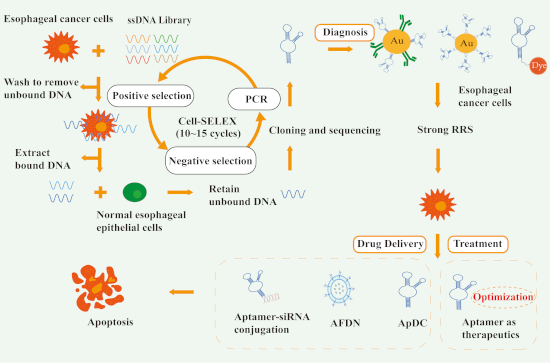
- . Therefore, aptamer applications are relatively safe. However, it is necessary to avoid using high-molecular-weight PEG modification as much as possible to avoid serious immune response. At present, the clinical diagnosis method of EC is mainly endoscopic screening, which may cause discomfort to patients
- response rate failed to meet the predefined efficacy threshold, ultimately leading to regulatory rejection. To improve aptamer permeability and enzyme resistance, and to enable clinical transformation of potentially useful aptamers, there are two strategies. First, chemical modification of aptamers. By
- response rate of patients. Aptamers can be used not only as diagnostic probes for esophageal cancer, but also as carriers for therapeutic agents and drug delivery systems. By coupling with antitumor drugs and nanocarriers, aptamers can improve the targeted delivery efficiency of drugs and reduce non


Multifunctional anionic nanoemulsion with linseed oil and lecithin: a preliminary approach for dry eye disease
Beilstein J. Nanotechnol. 2025, 16, 1711–1733, doi:10.3762/bjnano.16.120



Beyond the bilayer: multilayered hygroscopic actuation in pine cone scales
Beilstein J. Nanotechnol. 2025, 16, 1695–1710, doi:10.3762/bjnano.16.119
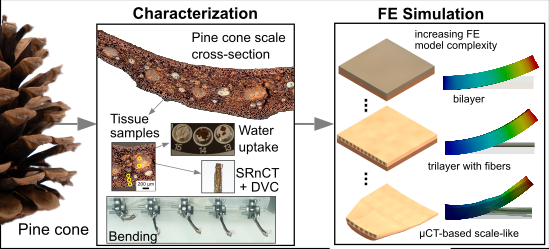
- , they were simplified by allowing branching only at the cross sections used as control points (Figure S1, Supporting Information File 2). The response of the involved tissues of the five scale-derived geometries during expansion and the influence of the involved tissues were characterized by simulative
- electron microscopy (abaxial: 9%, adaxial: 1%, [18]). Although their exact values of measured longitudinal expansion may differ from ours due to differences in methodology and pine species studied, our results do support the ability of individual fibers to bend independently in response to moisture changes
- and is therefore dependent on temperature and humidity being within a certain range [20]. After the initial opening, a delayed response to humidity changes could additionally prevent inadvertent responses to transient humidity decreases, ensuring that the cone only opens when environmental conditions


Ambient pressure XPS at MAX IV
Beilstein J. Nanotechnol. 2025, 16, 1677–1694, doi:10.3762/bjnano.16.118
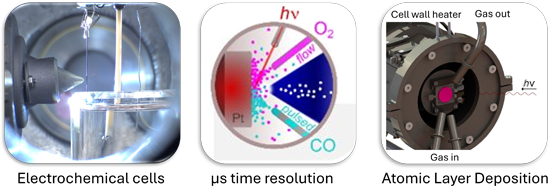
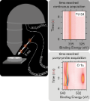
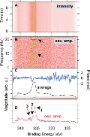
- elsewhere [42][43] revealed an oscillatory response as highlighted by the black arrows in (Figure 8B) at the driving frequency of the gas pulses and higher harmonics. If the magnitude and phase of the Fourier transform at the fundamental frequency (i.e., 10 Hz) are extracted and plotted (Figure 8C), a clear





Prospects of nanotechnology and natural products for cancer and immunotherapy
Beilstein J. Nanotechnol. 2025, 16, 1644–1667, doi:10.3762/bjnano.16.116
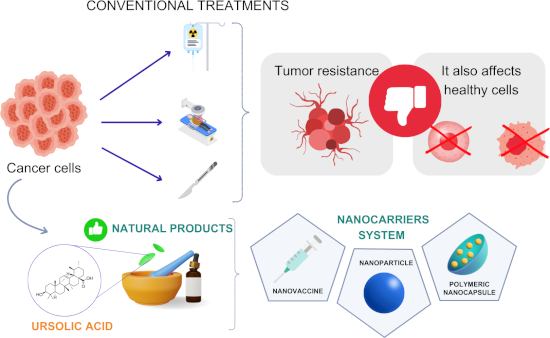
- potential effects include tumor cell death, inhibition of proliferation, increased autophagy, and enhanced immune system response [51]. Furthermore, natural products can also promote the regulation of immune cells and cytokines, increasing immunogenic cancer cell death, natural killer cell activity, and
- T cells, controllable size, and protection of the tumor environment [131]. They also help by reducing adverse effects, increasing antitumor response, as well as increasing solubility and precision in drug delivery [132][133]. Seeking a new pharmaceutical application for procyanidines (PCs) as APIs
- response, while being efficiently distributed in the lymphatic vessels, contributing to the local and systemic antitumor effects of small molecules [183]. However, PNCs face some challenges for therapeutic use, especially regarding the lack of methods for characterizing the shell, which is important for


Venom-loaded cationic-functionalized poly(lactic acid) nanoparticles for serum production against Tityus serrulatus scorpion
Beilstein J. Nanotechnol. 2025, 16, 1633–1643, doi:10.3762/bjnano.16.115
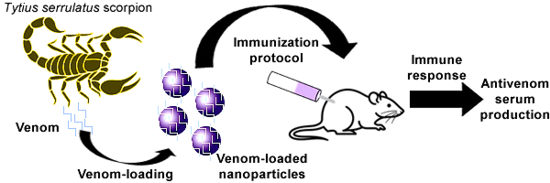
- ]. During an immune response against poisoning, some toxins are poorly immunogenic, and due to that, they are associated with immunoadjuvants. Information about the efficiency of immunoadjuvants can be accessed by immunization protocols [44]. Venom-loaded NPs obtained better efficiency in the stimulation to
- the immune system when compared to that of AH. Similar results were found in experiments performed by Ayari-Riabi (2016) using a PLA nanoparticle formulation to stimulate immune response against the venom from Androctonus australis hector and Buthus occitanus tunetanus scorpions. However, PLA
- nanoparticles had the same response when compared with that of AH standard formulation [11]. Cationic PLA nanoparticles produced in this study demonstrated better immune stimulation behavior. These results can be found in other chitosan-based cationic nanoparticle formulations [1][45]. The cationic properties


Nanotechnology-based approaches for the removal of microplastics from wastewater: a comprehensive review
Beilstein J. Nanotechnol. 2025, 16, 1607–1632, doi:10.3762/bjnano.16.114
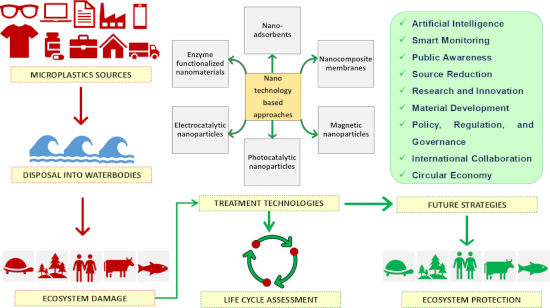
- barrier, while MPs of 20 μm can reach internal organs. Exposure occurs through inhalation, posing risks to adults, while children face dangers from MPs in contaminated drinking water. Once inside the body, MPs can trigger neurotoxicity, cytotoxicity, oxidative stress, immune response, metabolic disruption
- material classification or pattern recognition [138]. Hybrid and optimization based techniques including response surface methodology (RSM), particle swarm optimization (PSO), recurrent neural networks (RNN), and adaptive neuro-fuzzy inference systems (ANFIS) are useful in handling complex data types and


Bioinspired polypropylene-based functionally graded materials and metamaterials modeling the mistletoe–host interface
Beilstein J. Nanotechnol. 2025, 16, 1592–1606, doi:10.3762/bjnano.16.113
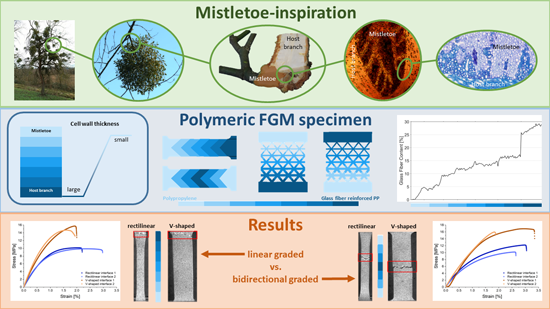
- the total deformation were selected for comparative strain pattern analysis. Simulations In order to determine the mechanical behavior and response of the triangular, graded, and inversely graded metamaterial structures in an idealized form, and thus highlight the possibilities of combining geometric


Photocatalytic degradation of ofloxacin in water assisted by TiO2 nanowires on carbon cloth: contributions of H2O2 addition and substrate absorbability
Beilstein J. Nanotechnol. 2025, 16, 1567–1579, doi:10.3762/bjnano.16.111
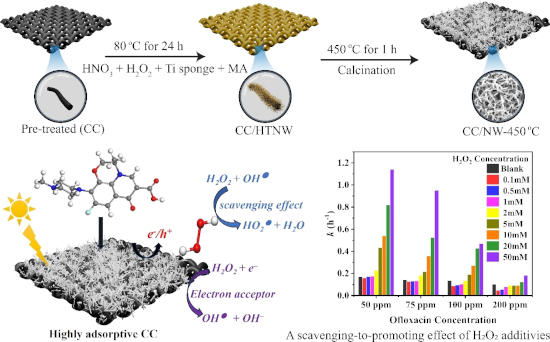
- effective degradations of OFL with a high initial concentration, say, 100 ppm and 200 ppm. The photocurrent response in Figure 7b increases with increasing H2O2 concentrations in the 0.5 M Na2SO4 electrolyte, because H2O2 acts as an electron acceptor, facilitating charge separation and the generation of ROS


Transient electronics for sustainability: Emerging technologies and future directions
Beilstein J. Nanotechnol. 2025, 16, 1545–1556, doi:10.3762/bjnano.16.109

- electronics. Active degradation has emerged as a complementary strategy alongside conventional encapsulation. Unlike passive and time-dependent degradation, active degradation involves materials that remain stable under normal physiological conditions but are designed to break down in response to specific


Nanomaterials for biomedical applications
Beilstein J. Nanotechnol. 2025, 16, 1499–1503, doi:10.3762/bjnano.16.105
- . Traditional implants face various problems, such as poor biocompatibility, inflammatory response, or the risk of infection. However, with the integration of nanomaterials, these devices show higher biocompatibility, durability, and defenses against bacteria [36]. For example, incorporating titanium dioxide or
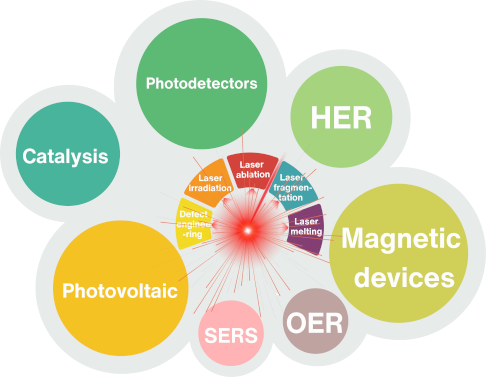
Laser processing in liquids: insights into nanocolloid generation and thin film integration for energy, photonic, and sensing applications
Beilstein J. Nanotechnol. 2025, 16, 1428–1498, doi:10.3762/bjnano.16.104






Photochemical synthesis of silver nanoprisms via green LED irradiation and evaluation of SERS activity
Beilstein J. Nanotechnol. 2025, 16, 1417–1427, doi:10.3762/bjnano.16.103
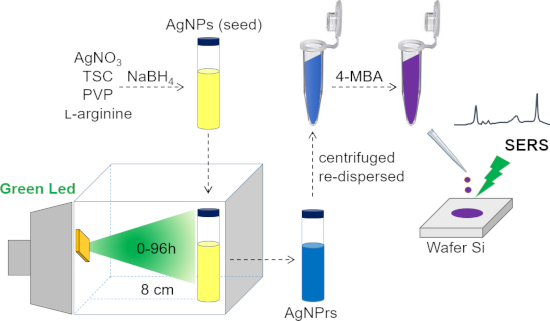
- SERS substrate enabled detection at concentrations as low as 10−9 M with a strong linear response. These results highlight the potential of LED-synthesized AgNPrs as high-performance, low-cost, and environmentally benign substrates for sensitive SERS applications in chemical and biosensing fields


Parylene-coated platinum nanowire electrodes for biomolecular sensing applications
Beilstein J. Nanotechnol. 2025, 16, 1392–1400, doi:10.3762/bjnano.16.101
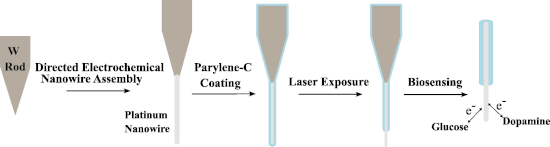
- and components [3]. Advancements in materials science over the past two decades have driven significant progress in the development of nanoscale electrodes. Their high surface-to-volume ratio and nanoscale dimensions offer inherent advantages, including improved response time, improved sensitivity


Enhancing the therapeutical potential of metalloantibiotics using nano-based delivery systems
Beilstein J. Nanotechnol. 2025, 16, 1350–1366, doi:10.3762/bjnano.16.98
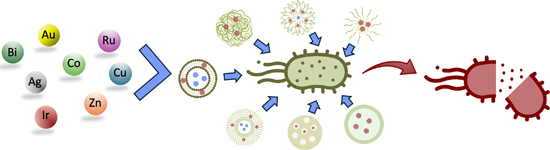
- presence of polar silanol groups, which enhance stability and the ability to absorb water. These properties make them excellent carriers for bioactive molecules, providing efficient encapsulation and controlled release. SiNPs can be engineered to release their payloads in response to specific stimuli
- highly selective and efficient photosensitizer delivery systems. Ir(III) complexes are excellent photosensitizers due to their highly sensitive excited-state properties in response to the surrounding environment, high photostability, and unique intracellular localization [137][138]. However, the
- , some formulations enable site-specific drug release in response to infection-associated stimuli, while others reduce off-target effects by confining drug activity to the desired site of action. Moving forward, research should emphasize the development of highly biocompatible and stimuli-responsive


Ferroptosis induction by engineered liposomes for enhanced tumor therapy
Beilstein J. Nanotechnol. 2025, 16, 1325–1349, doi:10.3762/bjnano.16.97
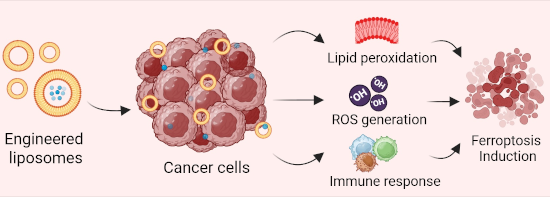
- simultaneous presence of Fe3+ and Fe2+ ions [28]. Induction of ferroptosis could be a valuable strategy to overcome tumor resistance to apoptosis or anticancer drugs and increase the effectiveness of cancer cell killing. It also contributes to the T cells’ immune response against cancer [25]. Ferroptosis and
- reactions of hydrogen peroxides in LIPs under the name of the Fenton reaction [59][60]. In addition, iron regulatory proteins (IRPs) such as IRP1 and IRP2 regulate the expression of DMT1 and TfR1, ferritin, and FPN1 by binding to the mRNA of iron response elements (IREs). Under iron deficiency conditions
- [84]. For example, in response to radiotherapy, cancer cells develop adaptive reactions, such as upregulating SLC7A11 or GPX4 expression, to fight induced ferroptosis. Accordingly, ferroptosis inducers targeting either SLC7A11 or GPX4, along with radiotherapy, can radiosensitize tumor cells by


Wavelength-dependent correlation of LIPSS periodicity and laser penetration depth in stainless steel
Beilstein J. Nanotechnol. 2025, 16, 1302–1315, doi:10.3762/bjnano.16.95
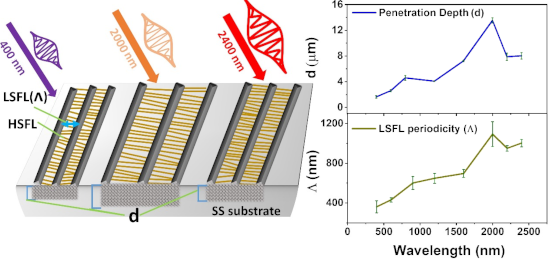
- plasma volume. However, under femtosecond laser processing, the material response depends on specific properties of the material, such as plasma formation, nonlinear absorption, and multiphoton ionization. In such a high-intensity regime, the optical constant of the material becomes dynamically dependent
- minimal variance in response to fluctuations in fluence levels. Elemental distribution on the surface of LIPSS at different wavelengths When subjecting a material’s surface to pulsed laser irradiation, a fascinating phenomenon occurs, namely, the ablation of material along the laser path, accompanied by




Enhancing the photoelectrochemical performance of BiOI-derived BiVO4 films by controlled-intensity current electrodeposition
Beilstein J. Nanotechnol. 2025, 16, 1289–1301, doi:10.3762/bjnano.16.94
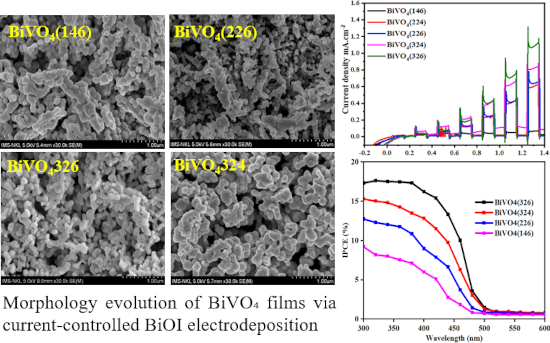
- showed that the film exhibited inhomogeneous coverage and an inconsistent PEC response, which could lead to misleading interpretations when comparing the material trends. Therefore, these samples were not included in subsequent analyses to maintain the clarity and consistency of the dataset