


Search results
Search for "sensors" in Full Text gives 611 result(s) in Beilstein Journal of Nanotechnology. Showing first 200.
Strain-induced bandgap engineering in 2D ψ-graphene materials: a first-principles study
Beilstein J. Nanotechnol. 2024, 15, 1440–1452, doi:10.3762/bjnano.15.116
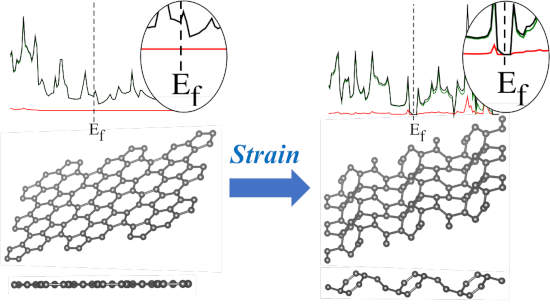
- unchanged under the influence of mechanical strain, preserving its initial characteristic of having a direct bandgap. This behavior offers opportunities for these materials in various vital applications in photodetectors, solar cells, LEDs, pressure and strain sensors, energy storage, and quantum computing
- ]. Although a successful experimental synthesis of ψ-graphene has not yet been realized, many theoretical investigations have been carried out by different research teams to study its various potential applications in sensors, lithium-ion batteries, and hydrogen storage [16][39][42]. We have recently employed
- calculations and concluded that ψ-graphene has the potential to be employed in infrared (IR) sensors, ultraviolet (UV) optomechanical sensors, and visible-light sensors [39]. Li et al. theoretically reported a maximum theoretical storage capacity of 372 mAh·g−1 for Li, showing its capability to be utilized as


Green synthesis of carbon dot structures from Rheum Ribes and Schottky diode fabrication
Beilstein J. Nanotechnol. 2024, 15, 1369–1375, doi:10.3762/bjnano.15.110
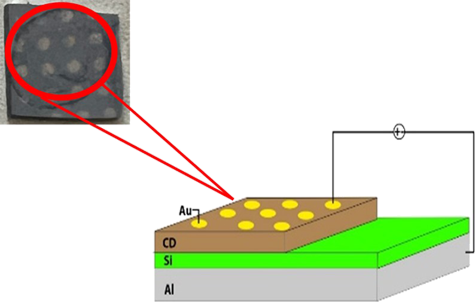
- range of uses in the fields of electrocatalysis, bioimaging, chemical sensors, biosensors, nanomedicine, biomolecule/drug release, light-emitting diodes, and photocatalysts. They also have promising applications in areas such as lasers and optoelectronic device applications [2][3][4][5]. CDs can be




Hymenoptera and biomimetic surfaces: insights and innovations
Beilstein J. Nanotechnol. 2024, 15, 1333–1352, doi:10.3762/bjnano.15.107
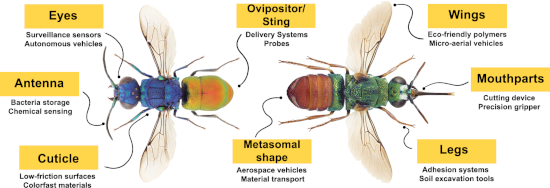
- up to 90%, deflecting incoming air and create a zone of stagnant air, potentially helping in the deployment of sensors outdoors, where they are strongly subjected to airborne dust [19]. The detailed study of hymenopteran hairs can be useful in fabricating new surfaces with friction reduction
- can pave the way for various applications, ranging from advancements in endoscopic imaging to improvements in machine vision, ultimately enhancing the visual efficiency of robots and sensors in autonomous vehicles [89][90][91]. Antenna: Hymenopteran antennae are equipped with specialized structures
- the result of co-evolution of these traits with ecological requirements [56][92][93][94]. Furthermore, they are essentially in both intra- and interspecific communications [95][96][97]. These antennal sensors have inspired the development of devices for the detection of volatile compounds, which have



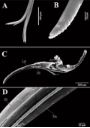

Interaction of graphene oxide with tannic acid: computational modeling and toxicity mitigation in C. elegans
Beilstein J. Nanotechnol. 2024, 15, 1297–1311, doi:10.3762/bjnano.15.105

- characteristics made TA attractive to nanomaterial synthesis and functionalization for applications in nanomedicine, sensors, electronics, and composites [25][26][27]. In these different fields, TA has been applied in green alternative methods of GO synthesis and physicochemical modifications (e.g., reduction and


New design of operational MEMS bridges for measurements of properties of FEBID-based nanostructures
Beilstein J. Nanotechnol. 2024, 15, 1273–1282, doi:10.3762/bjnano.15.103
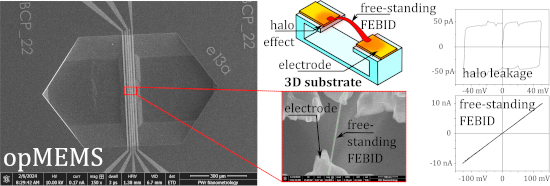
- effect using operational microelectromechanical systems” (Grant No. 2020/37/B/ST7/03792) and PRELUDIUM-21 grant “Nanometrology of field emission phenomena from electron beam deposited nanowires operating as nano- and picodeflection sensors – FEmet” (Grant No. 2022/45/N/ST7/03049) with help from the


Unveiling the potential of alginate-based nanomaterials in sensing technology and smart delivery applications
Beilstein J. Nanotechnol. 2024, 15, 1077–1104, doi:10.3762/bjnano.15.88
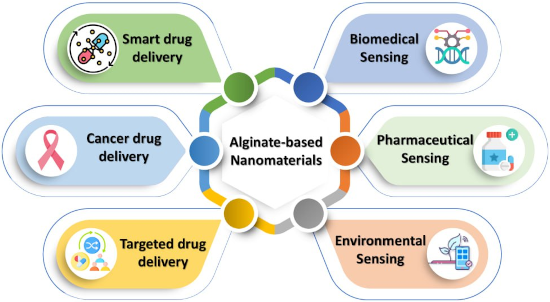
- , Cairo 11727, Egypt Anastro Laboratory, Institute of Basic Science, Changwon National University, Changwon 51140, Republic of Korea 10.3762/bjnano.15.88 Abstract Sensors are applied to many fields nowadays because of their high sensitivity, low cost, time-saving, user-friendly, and excellent selectivity
- . Current biomedical and pharmaceutical science has one focus on developing nanoparticle-based sensors, especially biopolymeric nanoparticles. Alginate is a widely used biopolymer in a variety of applications. The hydrogel-forming characteristic, the chemical structure with hydroxy and carboxylate moieties
- reviewed in this paper. Future research scopes highlight existing challenges and solutions. Keywords: alginate; biomedical sensing; polymer nanoparticle; smart drug delivery; Review Introduction Sensors have received a lot of attention in a variety of applications, including health, pharmacy, the


Effect of wavelength and liquid on formation of Ag, Au, Ag/Au nanoparticles via picosecond laser ablation and SERS-based detection of DMMP
Beilstein J. Nanotechnol. 2024, 15, 1054–1069, doi:10.3762/bjnano.15.86

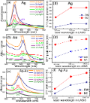
- -dispersive X-ray spectroscopy. Furthermore, NPs of various sizes ranging from 6 to 35 nm were loaded onto a filter paper by a simple and effective drop-casting approach to achieve flexible surface-enhanced Raman spectroscopy (SERS) substrates/sensors. These substrates were tested using a simple, portable
- interest in many applications, such as photoelectronic devices, biochemical sensors, and surface-enhanced Raman spectroscopy (SERS) substrates, due to their high purity NPs as well as an easy method for altering the structures, NPs/NSs sizes, and morphology by tuning the laser parameters and surrounding
- media [27][28][29]. The SERS substrate efficiency mainly depends on the material, size, and shape of the NPs. Recent terrorist activities involving explosives and chemical warfare agents highlight the urgent need for sensitive and selective chemical sensors. These sensors must be using low power and be


Bolometric IR photoresponse based on a 3D micro-nano integrated CNT architecture
Beilstein J. Nanotechnol. 2024, 15, 1030–1040, doi:10.3762/bjnano.15.84
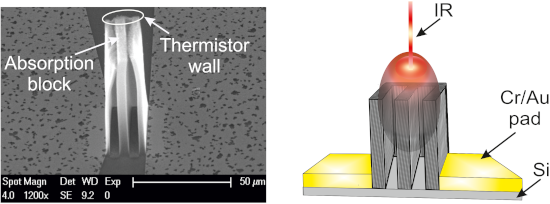
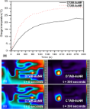
- resistance (TCR). These properties are advantageous for new bolometric sensors with high voltage responsivity and broadband absorption from the infrared (IR) to the terahertz spectrum. Preliminary performance evaluations have shown current and voltage responsivities of 2 mA/W and 30 V/W, respectively, in
- numerous advantages at room temperature operation. New thermally isolated micro-nano architectures equipped with integrated temperature sensors should outperform their predecessors regarding various critical aspects, such as ultra-broadband detection from ultraviolet (UV) to terahertz radiation [1


Atomistic insights into the morphological dynamics of gold and platinum nanoparticles: MD simulations in vacuum and aqueous media
Beilstein J. Nanotechnol. 2024, 15, 995–1009, doi:10.3762/bjnano.15.81
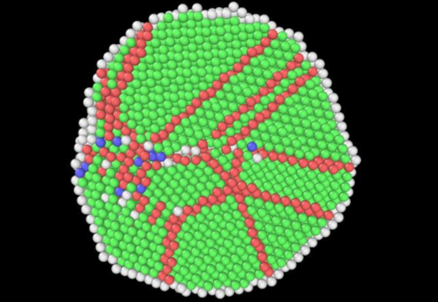
- category of engineered NPs is comprised of metal and metal oxide NPs, which rank among the highest in production volume. They have already found widespread applications in technological advancements such as photovoltaics, catalysis, gas sensors, fuel cells, and adsorbents [7][8]. This prevalence is


Recent progress on field-effect transistor-based biosensors: device perspective
Beilstein J. Nanotechnol. 2024, 15, 977–994, doi:10.3762/bjnano.15.80
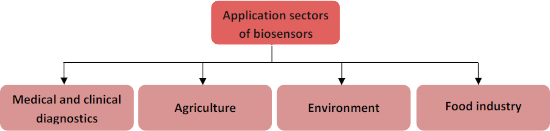
- are employed in agriculture [4] during crop cultivation as well as in food processing. Quality control is essential to ensure wholesome food production with an extended lifespan [5]. Biosensors have been implemented in at-line and on-line quality sensors [6], enabling quality classification
- -based sensors, and a few reviews of FET-based biosensors report on the analysis and development of nanostructured materials for those biosensors [37]. However, to the best of our knowledge, none of the reported reviews have proposed a comprehensive overview on various structures for the design of FET
- sensors, where the sensitivity parameter is limited by the fundamental Nernst equation. It has also been reported that the signal improvement results from the designed circuit, and the sensitivity limit has been addressed by means of the back gate architecture [79][80], or the structure of double-side




Beyond biomimicry – next generation applications of bioinspired adhesives from microfluidics to composites
Beilstein J. Nanotechnol. 2024, 15, 965–976, doi:10.3762/bjnano.15.79
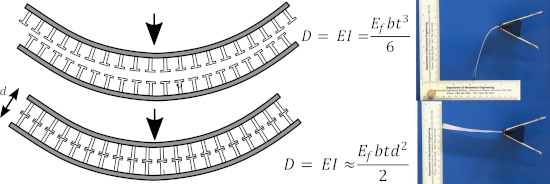
- academic topic that has gained much popularity since approximately 2010 [13] and involves using very deformable materials like elastomers to build robotic sensors, actuators, and even simple logic circuits [14] that use nearly exclusively or primarily soft materials. Soft robotics can be, in theory, very


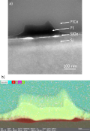
Water-assisted purification during electron beam-induced deposition of platinum and gold
Beilstein J. Nanotechnol. 2024, 15, 884–896, doi:10.3762/bjnano.15.73
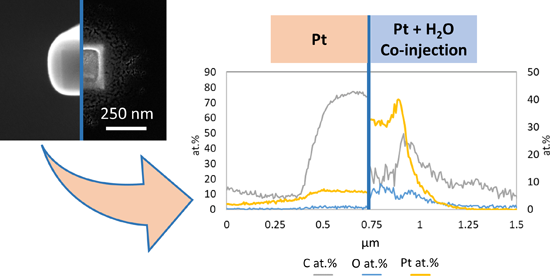
- structures in applications such as nanoprobes and sensors [4][5][6], or for the fabrication of superconductors [7][8][9][10] and plasmonic devices [11][12][13]. A lower carbon content can be achieved by means of precursor design [14], variation of deposition conditions [15], or post-deposition purification





Synthesis of silver–palladium Janus nanoparticles using co-sputtering of independent sources: experimental and theorical study
Beilstein J. Nanotechnol. 2024, 15, 808–816, doi:10.3762/bjnano.15.67
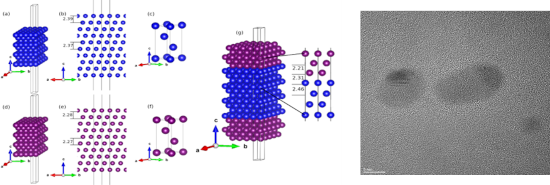
- delivery, catalysis, and sensors. The methodologies, developed for the first time in 1999 [1], for the production of bimetallic nanoparticles in the gas phase can be roughly classified as either simultaneous or sequential. In the first category, the materials that will be used to make the nanoparticles are




Exploring surface charge dynamics: implications for AFM height measurements in 2D materials
Beilstein J. Nanotechnol. 2024, 15, 767–780, doi:10.3762/bjnano.15.64
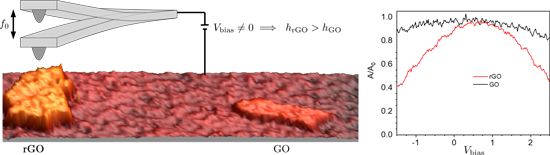
- ], sensors [2], and biomedical applications [3][4], among other areas [5][6][7][8]. Graphene-related materials [8], transition metal dichalcogenides [9], boron nitride [10], and MXenes [11], among many others, exhibit novel and exotic properties, which markedly differ from their bulk counterparts [12]. This


Effect of repeating hydrothermal growth processes and rapid thermal annealing on CuO thin film properties
Beilstein J. Nanotechnol. 2024, 15, 743–754, doi:10.3762/bjnano.15.62
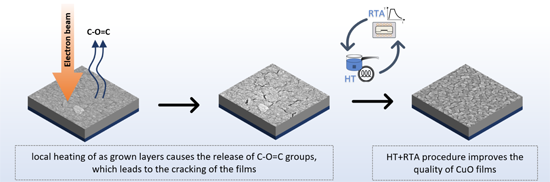
- -cleaning [1], anti-corrosion [2], and antibacterial [3] coatings. Like other CuO nanostructures, thin films also show potential for applications in photovoltaic cells [4][5], lithium-ion batteries [6], supercapacitors [7], gas sensors [8], and biosensors [9]. Furthermore, the literature reports their




Simultaneous electrochemical determination of uric acid and hypoxanthine at a TiO2/graphene quantum dot-modified electrode
Beilstein J. Nanotechnol. 2024, 15, 719–732, doi:10.3762/bjnano.15.60
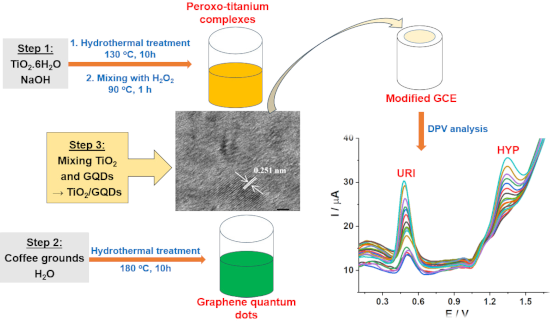
- RSD = 2.26% and IHYP = 9.00 ± 0.14 (μA) with RSD = 1.59%. An RSD smaller than 5% indicates that the proposed technique is reproducible. Stability is a critical characteristic of electrochemical sensors; it can be determined by comparing electrochemical signals from a single electrode, which is kept at


Elastic modulus of β-Ga2O3 nanowires measured by resonance and three-point bending techniques
Beilstein J. Nanotechnol. 2024, 15, 704–712, doi:10.3762/bjnano.15.58
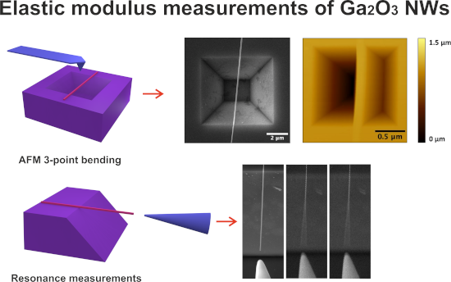
- chemical stability [4][5]. Ga2O3 is a promising candidate for visible-blind UV-light sensors [3], power devices and optoelectronics [6][7][8][9], gas sensors [10], and memory devices [8]. These applications can be scaled down to the nanoscale, including flexible nanodevices. Ga2O3 nanowires (NWs) could be


Gold nanomakura: nanoarchitectonics and their photothermal response in association with carrageenan hydrogels
Beilstein J. Nanotechnol. 2024, 15, 678–693, doi:10.3762/bjnano.15.56

- -known noble metal materials whose resonance occurs in both visible and infrared range of the electromagnetic spectrum, rendering pertinence in various disciplines such as surface-enhanced Raman scattering (SERS), optical sensors, fluorescence (SPR) sensor chips, deoxyribonucleic acid (DNA) sensors
- , electrochemical sensors, and photothermal therapy (PTT) [5]. These technologies are based on the principle of elastic scattering properties of metal nanoparticles and on the shift in the plasmon band, which is more prominent in the case of anisotropic nanoparticles in comparison to isotropic ones [6]. Several
- gold nanorods is due to their ability to absorb light in the NIR/IR region, ultimately leading to thermoresponsive performance of hydrogel actuators. A concise review on several reports also discussed the potential application of gold nanoparticles in developing hydrogel actuators/sensors for






Functional fibrillar interfaces: Biological hair as inspiration across scales
Beilstein J. Nanotechnol. 2024, 15, 664–677, doi:10.3762/bjnano.15.55
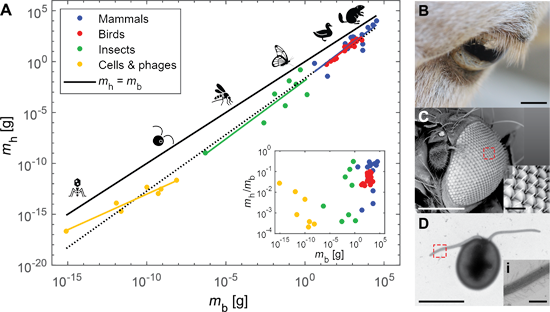
- mammalian whiskers [79]. These bristles are hypothesized to act as tactile sensors and may aid in prey handling, collision avoidance, foraging, or navigation, as well as provide eye protection [80][81]. Bats are the only mammals capable of powered flight. Their wing membrane is covered with short hairs
- , which act as tactile airflow sensors [82][83]. The hairs grow sparsely on the membrane of the wing and in fringes on the wing’s leading edge. The neurons associated with these hairs can discriminate airflow directionality, and exhibit the highest firing rate when airflow is reversed, which is associated
- with slow flight and stall [84]. Indeed, when these hairs are removed, bats alter their flight performance by increasing speed and reducing their turning radius [85]. The membranous wings of insects are covered with bristle (or “hair”) sensilla that act as airflow sensors [86][87]. In Odonata wings


Laser synthesis of nanoparticles in organic solvents – products, reactions, and perspectives
Beilstein J. Nanotechnol. 2024, 15, 638–663, doi:10.3762/bjnano.15.54
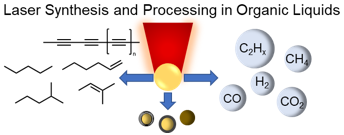
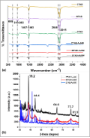
- , ethanol, isopropyl alcohol, diethyl ether, and isobutanol with nanosecond laser pulses while quantifying the formed hydrogen pressure with amperometric sensors. The organic alcohols, while having a lower number of hydrogen atoms per molecule, showed a ten times higher hydrogen evolution rate than water





Stiffness calibration of qPlus sensors at low temperature through thermal noise measurements
Beilstein J. Nanotechnol. 2024, 15, 580–602, doi:10.3762/bjnano.15.50
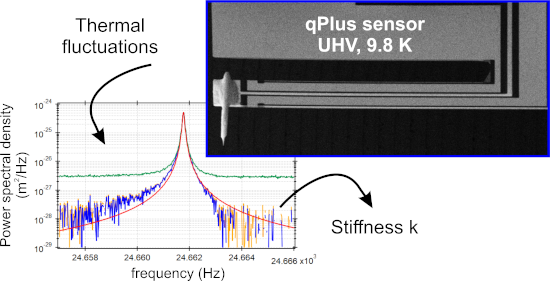
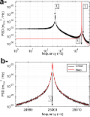
- , the technique mostly employs QTFs, based on the so-called qPlus design, which actually covers different types of sensors in terms of size and design of the electrodes. They all have in common a QTF featuring a metallic tip glued at the free end of one of its prongs. In this study, we report the
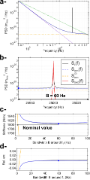
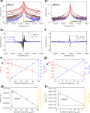
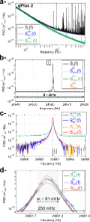
- stiffness calibration of a particular type of qPlus sensor in UHV and at 9.8 K by means of thermal noise measurements. The stiffness calibration of such high-k sensors, featuring high quality factors (Q) as well, requires to master both the acquisition parameters and the data post-processing. Our approach
- the framework focuses on a particular kind of sensor, it may be adapted to any high-k, high-Q nc-AFM probe used under similar conditions, such as silicon cantilevers and LERs. Keywords: low temperature; non-contact atomic force microscopy; qPlus sensors; quartz tuning fork; stiffness calibration

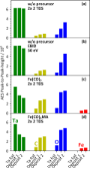
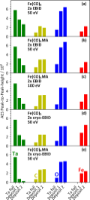
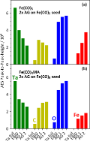
Electron-induced deposition using Fe(CO)4MA and Fe(CO)5 – effect of MA ligand and process conditions
Beilstein J. Nanotechnol. 2024, 15, 500–516, doi:10.3762/bjnano.15.45
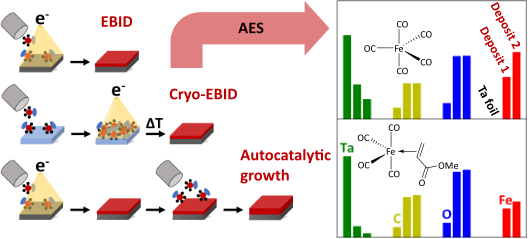
- nanostructures produced by FEBID are of interest for diverse applications including magnetic data storage devices [4][5][6], tips for magnetic force microscopy [4][7], or sensors [4][8]. The same applies to cobalt nanostructures, which can be prepared with high purity and shape fidelity using, in particular, the



Heat-induced morphological changes in silver nanowires deposited on a patterned silicon substrate
Beilstein J. Nanotechnol. 2024, 15, 435–446, doi:10.3762/bjnano.15.39
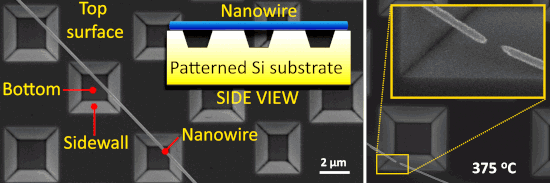
- ; silver nanowires; Introduction Metal nanowires (NWs) are promising key elements in a wide range of applications, including solar cells [1], smart windows [2], flexible sensors [3], touch screens [4], biocompatible polymer binders [5], temperature sensing [6], medical materials [7], and key elements of


Potential of a deep eutectic solvent in silver nanoparticle fabrication for antibiotic residue detection
Beilstein J. Nanotechnol. 2024, 15, 426–434, doi:10.3762/bjnano.15.38
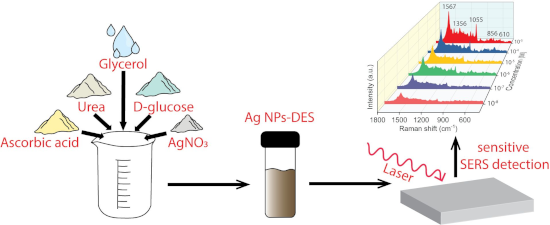
- synthesis of nanomaterials for biosensor substrate construction. Keywords: Ag NPs; antibiotic residue; deep eutectic solvents; potential; SERS; Introduction Surface-enhanced Raman scattering (SERS) is a ubiquitous technology for detecting and tracing substances, applied in various kinds of sensors. The
- biosensors are commonly made of LSPR materials [17]. With the development of synthesis techniques, numerous nanostructures of noble metals have been extensively studied to improve the intrinsic parameters of sensors. Silver nanoparticles (Ag NPs) exhibit great performance in sensing applications owing to the


On the mechanism of piezoresistance in nanocrystalline graphite
Beilstein J. Nanotechnol. 2024, 15, 376–384, doi:10.3762/bjnano.15.34
- , Technische Universität Darmstadt, 64287 Darmstadt, Germany 10.3762/bjnano.15.34 Abstract Strain sensors are sensitive to mechanical deformations and enable the detection of strain also within integrated electronics. For flexible displays, the use of a seamlessly integrated strain sensor would be beneficial
- sensors are an important factor in moving from rigid to flexible electronics. Graphene, because of its interesting inherent properties, has found its way in many applications [1][2][3]. In particular, it is a promising alternative material as a transparent and conductive coating for future flexible
- transparent strain sensors. So far, the growth of specific grain boundaries in graphene has not been reported. Also, most research activities aim at the chemical vapor deposition (CVD) synthesis of monocrystalline graphene free of grain boundaries [10][11][12]. Methods to detect and visualize grain boundaries





