


Search results
Search for "silica" in Full Text gives 406 result(s) in Beilstein Journal of Nanotechnology. Showing first 200.
Antibody-conjugated nanoparticles for target-specific drug delivery of chemotherapeutics
Beilstein J. Nanotechnol. 2023, 14, 912–926, doi:10.3762/bjnano.14.75
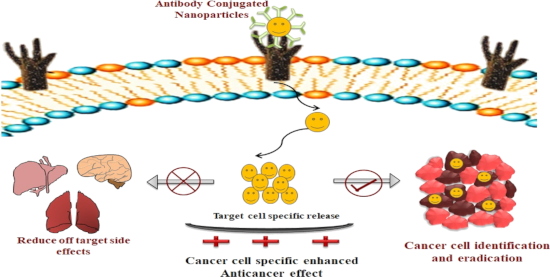
- copper-free click reaction to decorate fluorescent silica NPs with bicyclononyne. They exposed the NPs to media that mimicked in vitro culture conditions (10% serum) and biological fluids present in vivo (100% serum). They observed an increase in size and a slight decrease in negative charge in serum
- -containing media, which confirmed protein corona formation. The protein corona establishes a barrier between the ligand and the target, significantly reducing the NP targeting efficiency as compared to bare NPs [79]. Salvati et al. developed transferrin (Tf)-modified fluorescent silica NPs to evaluate the
- increased the binding affinity of the NPs to bind to the Zika virus NS1 [84]. In contrast, Dai et al. examined the effect of protein corona formation on the targeting ability of silica-poly(methacrylic acid)-PEG-AntiHER2 NPs. They demonstrated that a protein corona from human serum affects the NPs surface



A wearable nanoscale heart sound sensor based on P(VDF-TrFE)/ZnO/GR and its application in cardiac disease detection
Beilstein J. Nanotechnol. 2023, 14, 819–833, doi:10.3762/bjnano.14.67
- are welded onto the edges of the copper foil. In the mold shown in Figure 2, a thin layer of silica gel is injected and left to stand until it is dry. The nanofilm attached to the electrode is then placed in the mold, and an appropriate amount of silica gel is slowly injected until the film is
- sensor after bending. It was observed that the sensor encapsulated by silica gel was highly flexible and could fit snugly onto the skin. Additionally, the food-grade silica gel used in the outermost layer is ecologically friendly, harmless to human health, and makes for a great wearable, flexible
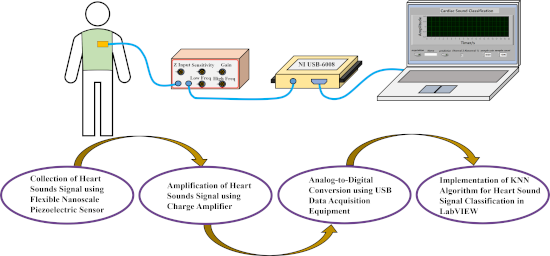
- piezoelectric nanoscale heart sensor, and the outermost layer of silica gel effectively protected the flexible nanofilm and adhered to the skin. In this paper, the acoustic-electric conversion performance of P(VDF-TrFE)/ZnO/GR piezoelectric composite films was evaluated using a self-built acoustic-electric


Carboxylic acids and light interact to affect nanoceria stability and dissolution in acidic aqueous environments
Beilstein J. Nanotechnol. 2023, 14, 762–780, doi:10.3762/bjnano.14.63
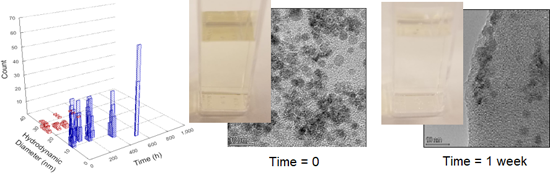
- resulted in loss or overcoating of the surface citrate, and, in some cases, agglomeration [10]. Exposure to vitamin C and glutathione led to dissolution-accompanied aggregation of mesoporous silica CeO2 nanoparticles [35]. The shortening of ceria nanorods from 25 to 8 nm after 14 days at 200 °C was
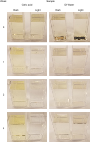
Nanoarchitectonics to entrap living cells in silica-based systems: encapsulations with yolk–shell and sepiolite nanomaterials
Beilstein J. Nanotechnol. 2023, 14, 522–534, doi:10.3762/bjnano.14.43
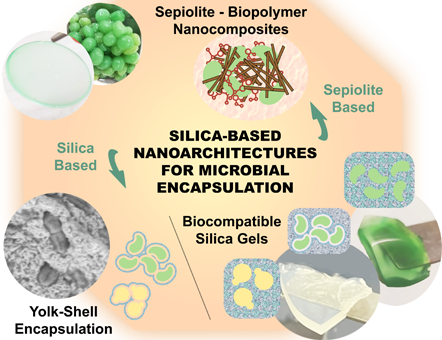
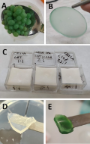
- microorganisms, that is, cyanobacteria and yeast cells, have been immobilized in silica and silicate-based substrates organized as nanostructured materials. In a first attempt, matrices based on bionanocomposites of chitosan and alginate incorporating sepiolite clay mineral and shaped as films, beads, or foams
- have been explored for the immobilization of cyanobacteria. It has been observed that this type of biohybrid substrates leads to serious problems regarding the long-time survival of the encapsulated microorganisms. Alternative procedures using silica-based matrices with low sodium content, generated by
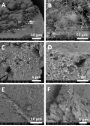
- sol–gel methods, as well as pre-synthesised yolk–shell bionanohybrids have been studied subsequently. Optical microscopy and SEM confirm that the silica shell microstructures provide a reduced contact between cells. The inorganic matrix increases the survival of the cells and maintains their


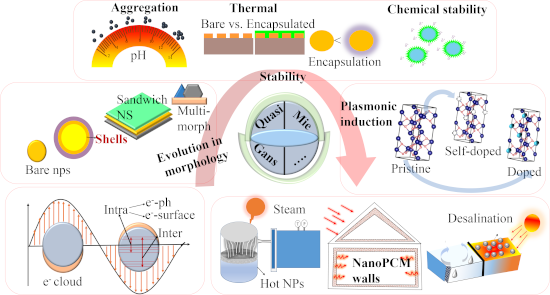
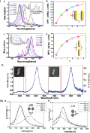
Plasmonic nanotechnology for photothermal applications – an evaluation
Beilstein J. Nanotechnol. 2023, 14, 380–419, doi:10.3762/bjnano.14.33




Quasi-guided modes resulting from the band folding effect in a photonic crystal slab for enhanced interactions of matters with free-space radiations
Beilstein J. Nanotechnol. 2023, 14, 322–328, doi:10.3762/bjnano.14.27
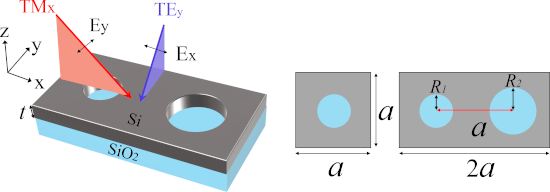
- larger than that of most plasmonic nanoantennas, suggesting the great potential of these QGMs for enhanced light–matter interactions. We use GMs supported by a regular PCS structure composed of a square lattice of air holes perforating a thin silicon (refractive index: 3.45) film on a silica (refractive


Biocatalytic synthesis and ordered self-assembly of silica nanoparticles via a silica-binding peptide
Beilstein J. Nanotechnol. 2023, 14, 280–290, doi:10.3762/bjnano.14.25
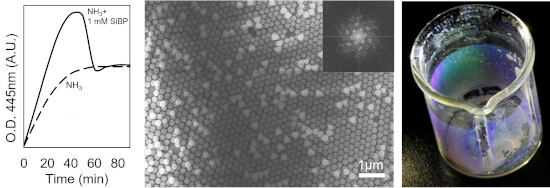
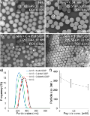
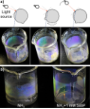
- and proteins, have been demonstrated to be useful in the synthesis and self-assembly of inorganic nanostructures. Herein, we describe a simple Stöber-based method wherein both the synthesis and the self-assembly of SiO2 nanoparticles can be facilitated by a silica-binding peptide (SiBP). We
- . The results presented here provide a biomimetic route to the single-step synthesis and assembly of SiO2 nanoparticles into colloidal gels or opal-like structures. Keywords: biocatalysis; biomimetics; nanoparticle; peptide; self-assembly; silica; Introduction Ordered structures of nanoparticles have
- utility of a silica-binding peptide (SiBP) in the single-step synthesis and self-assembly of SiO2 nanoparticles into ordered 3D structures. The SiBP is a member of the “solid-binding peptides” family. Solid-binding peptides are designed to have strong and often specific binding affinity to solid surfaces




Nanotechnology – a robust tool for fighting the challenges of drug resistance in non-small cell lung cancer
Beilstein J. Nanotechnol. 2023, 14, 240–261, doi:10.3762/bjnano.14.23
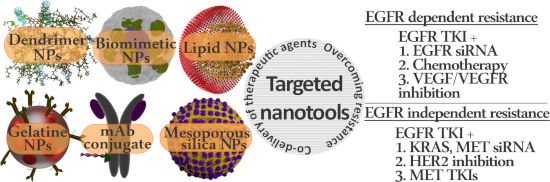
- barriers by the use of different groups of particles carrying various functional modalities. Tasciotti et al. proposed a multistage delivery system composed of stage-1 mesoporous silica particles with improved deposition in the vascular endothelium, optimized for crossing the endothelial barrier through
- surface, triggered by protease degradation after tumor homing by the EPR effect [112]. Mesoporous silica vesicles (MSVs; dav = 3 μm) with high affinity to tumor vasculature were also described by Blanco et al. as a platform for the triggered release of various therapeutic nanoscale vectors (liposomes
- )-functionalized nanoporous silica particles loaded with a poly(ʟ-glutamic acid) pH-cleavable linker–doxorubicin conjugate, which self-assembles into NPs after its release from the iNPG [114]. Li et al. designed a multistage nanocarrier for NSCLC targeting, composed of icotinib-loaded amphiphilic chitosan micelles


Cyclodextrins as eminent constituents in nanoarchitectonics for drug delivery systems
Beilstein J. Nanotechnol. 2023, 14, 218–232, doi:10.3762/bjnano.14.21
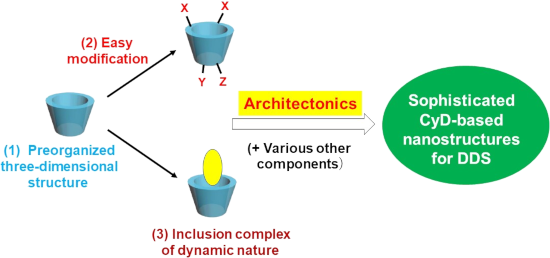
- are disassembled to release the encapsulated drugs. β-CyD units have been connected to mesoporous silica nanoparticles via a disulfide linkage, and azobenzene molecules have been bound to a galactose-grafted polymer [49]. Prior to photoirradiation, the trans isomer of azobenzene forms an inclusion
- complex with β-CyD bound to the silica nanoparticles and seals the pores of nanoparticles in which drugs are encapsulated. Under these conditions, the composite is stable, because azobenzene is accommodated in the cavity of β-CyD, and sterically protects the disulfide linkage from reductive cleavage by
- , only the trans isomer of mAzo efficiently forms inclusion complexes with β-CyD (Figure 2). The surface of mesoporous silica nanoparticles was modified with β-CyD and covered with a polymer bearing mAzo units [51]. Drugs were loaded in the pores of the silica nanoparticles. Prior to photoirradiation




Characterisation of a micrometer-scale active plasmonic element by means of complementary computational and experimental methods
Beilstein J. Nanotechnol. 2023, 14, 110–122, doi:10.3762/bjnano.14.12
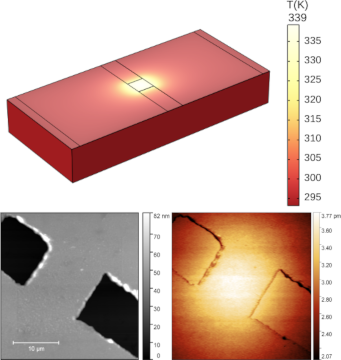
- configuration was placed horizontally at the centre of the stage rotating at θ. This configuration consists of a fused silica prism with a sapphire slide optically coupled using refractive index matching oil (n = 1.516). This configuration was also used in the simulations. A sapphire slide was used as the




Solvent-induced assembly of mono- and divalent silica nanoparticles
Beilstein J. Nanotechnol. 2023, 14, 52–60, doi:10.3762/bjnano.14.6
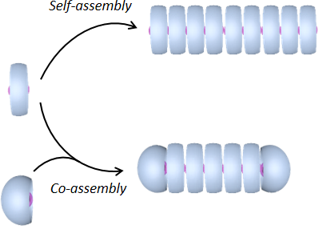
- Particles with attractive patches are appealing candidates to be used as building units to fabricate novel colloidal architectures by self-assembly. Here, we report the synthesis of one-patch silica nanoparticles, which consist of silica half-spheres whose concave face carries in its center a polymeric
- assembly of silica/polystyrene (PS) dumbbells [28] and silica nanoparticles with two PS patches (2-PSN) [29][30][31] into multipod-like clusters and colloidal chains, respectively. We have recently reported that the same strategy can be used to assemble one-patch silica nanoparticles (1-PSN) with a well
- ., salty water). We show that only dimers or trimers can be obtained due to steric hindrance induced by the large silica cap of the patchy nanoparticles. The present study also extends the insights we recently gained about the capability of using 1-PSN with a PPSR of 0.60 as chain stoppers [31]. We show


Facile preparation of Au- and BODIPY-grafted lipid nanoparticles for synergized photothermal therapy
Beilstein J. Nanotechnol. 2022, 13, 1432–1444, doi:10.3762/bjnano.13.118
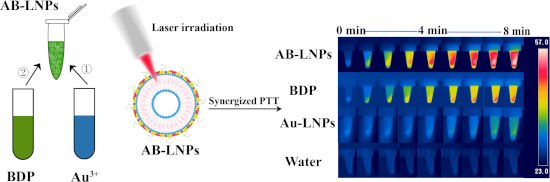
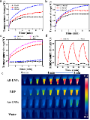
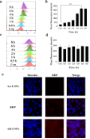
- over anhydrous Na2SO4, filtered, and concentrated under reduced pressure to afford the crude product. The crude product was purified via silica gel column chromatography using DCM/PE = 1:1 as eluent to obtain a green solid. 1H NMR (500 MHz, CDCl3) δ 8.06 (d, J = 16.5 Hz, 2H), 7.54 (d, J = 8.7 Hz, 4H




Studies of probe tip materials by atomic force microscopy: a review
Beilstein J. Nanotechnol. 2022, 13, 1256–1267, doi:10.3762/bjnano.13.104
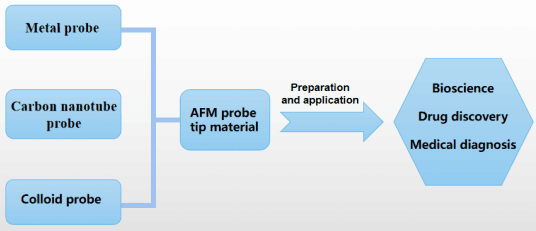
- bias-assisted electroreduced gold ions in mesoporous silica films on a conductive substrate. It works in the air with high relative humidity (RH) at room temperature and leads to the growth of fine wires attached to the tip with tens to hundreds of nanometers. Under room temperature conditions with
- high RH, the gold ions loaded in the specific substrate of the mesoporous silica layer are biased, and the gold ions therein migrate upward and accumulate at the tip site of the probe, forming gold nanowires. The length of the gold nanowires can be effectively tuned in the range of 10–100 nm with a
- criteria required for a high-quality AFM conductive probe. Colloidal probe Colloidal probes (CPs) [47] can simulate the determination of forces between many types of colloidal particles, such as silica-alumina cellulose, and have several advantages for accurate force measurements: tunable and well
Roll-to-roll fabrication of superhydrophobic pads covered with nanofur for the efficient clean-up of oil spills
Beilstein J. Nanotechnol. 2022, 13, 1228–1239, doi:10.3762/bjnano.13.102
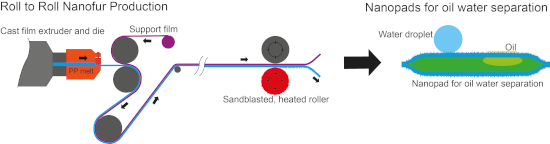
- , widely used method for obtaining superhydrophobic surfaces is the use of silica-based films, which can be applied by dipping the object in gel or via aerosol spray [15]. While providing excellent superhyrophobicity and an easy application even on very large surfaces, these films are not particularly




A super-oscillatory step-zoom metalens for visible light
Beilstein J. Nanotechnol. 2022, 13, 1220–1227, doi:10.3762/bjnano.13.101
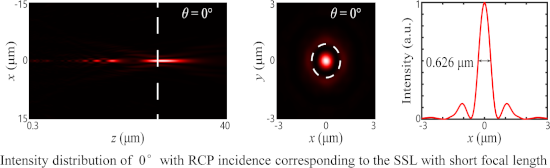
- ) that enables super-resolution focusing with two working modes corresponding to different focal lengths. The designed SSL is composed of a fused silica substrate sandwiched by two metasurfaces based on the geometric phase principle. The optical powers with opposite sign of the front and back
- unchanged. With the geometric optics theory [27], one can get where and are the focal lengths of front and rear metasurfaces, d and n are the thickness and refractive index of the glass substrate, and M is the zoom ratio. Here, we choose fused silica glass (the refractive index is about 1.457 at a
- optimization efficiency referring to the previous work. Second, the two designed metasurfaces are cemented with the fused silica substrate. In turn, the back focal length, phase coefficients, and substrate thickness were added as optimization variables in order to minimize the RMS focal spot size for different


Recent advances in green carbon dots (2015–2022): synthesis, metal ion sensing, and biological applications
Beilstein J. Nanotechnol. 2022, 13, 1068–1107, doi:10.3762/bjnano.13.93
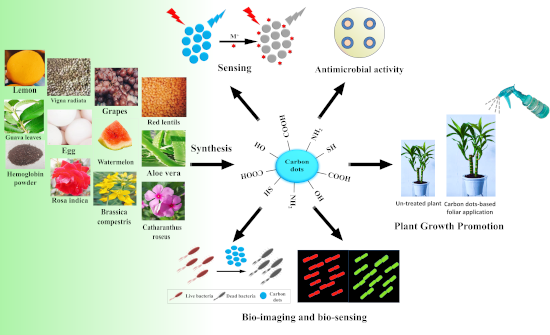
- the recombination of trapped excitons causes the redshifted emission. Liu et al. reported the synthesis of highly photoluminescent CDs, which were then further separated into yellow emitting crystalline graphene quantum dots and green emitting amorphous carbon nanodots using a silica gel column. Even




Biomimetic chitosan with biocomposite nanomaterials for bone tissue repair and regeneration
Beilstein J. Nanotechnol. 2022, 13, 1051–1067, doi:10.3762/bjnano.13.92
- and also significant antimicrobial activity [112]. The hydroxyapatite was coated onto titanium by using an induction plasma-spray coating approach. The hydroxyapatite was then buffed with silver and silica. In the SBF solution, the release of acemannan from the coating material was also evaluated
- weeks. The emergence of new bone in the defective region is confirmed by microscale computational micrographs and staining assay findings [98]. Ning et al. (2019) developed glycyl-ʟ-histidyl-ʟ-lysine-containing copper ions integrated with mesoporous silica nanoparticles (MSN) and chitosan. Further, the
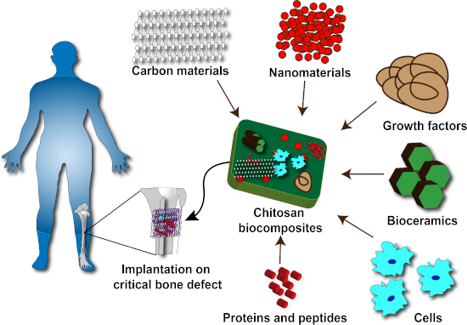
- , copper, and 3 wt % of graphene oxide after 7 h, 4 weeks, 8 weeks, and 18 weeks post-implantation (Figure 7). The histological findings show that new bone formation in the chitosan scaffolds containing graphene oxide was higher at 18 weeks [120]. Chitosan with biosilica for bone tissue engineering Silica
Bioselectivity of silk protein-based materials and their bio-inspired applications
Beilstein J. Nanotechnol. 2022, 13, 902–921, doi:10.3762/bjnano.13.81
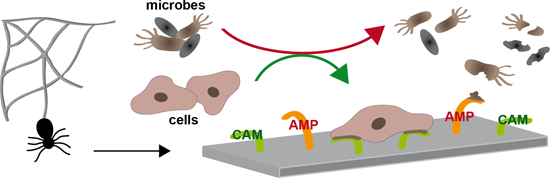
- obtained from fluorinated silica colloids, thin film deposition of silicone elastomers or nanoengineered superhydrophobic surfaces of Teflon®-coated aluminium [63][64][65]. Superhydrophobic surfaces have also been reported to be unfavorable for mammalian cell attachment and growth. This may be due to the


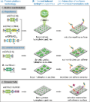
Gelatin nanoparticles with tunable mechanical properties: effect of crosslinking time and loading
Beilstein J. Nanotechnol. 2022, 13, 778–787, doi:10.3762/bjnano.13.68
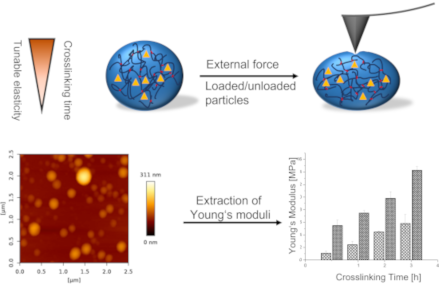
- internalization, the stiffer particles show significantly faster kinetics [6]. Similar results could be shown in an experimental approach by Hui et al. in a study with silica nanocapsules. Softer particles showed a greater deformation, resulting in a slower and less efficient uptake for softer particles [7
- experimental triplicate. Atomic force microscopy For AFM measurements, GNPs were electrostatically fixed on positively coated silica specimens. Samples for AFM measurements were prepared according to the following protocol: Silica wafers were cleaned in an ultrasonic bath (Elmasonic B, Elma Schmidbauer GmbH
- actual sensitivity and the spring constant of the used cantilever were calibrated on a cleaned silica wafer by the thermal noise method by Hutter et al. [27] using a correction factor of 0.251. The data was acquired using the quantitative imaging mode (QI™) with image sizes of 5 × 5 µm and a resolution


Reliable fabrication of transparent conducting films by cascade centrifugation and Langmuir–Blodgett deposition of electrochemically exfoliated graphene
Beilstein J. Nanotechnol. 2022, 13, 666–674, doi:10.3762/bjnano.13.58
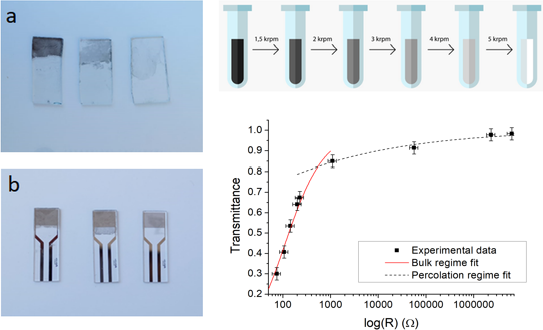
- substrates with dimensions of ca. 2 cm × 1 cm (Figure 2a). Although a great number of different types of substrate materials have been used, such as silica [37], chromium [38], tin [39], silver [40], or platinum [41], glass substrates were used in this paper. Glass is generally a popular choice, not just


Fabrication and testing of polymer microneedles for transdermal drug delivery
Beilstein J. Nanotechnol. 2022, 13, 629–640, doi:10.3762/bjnano.13.55
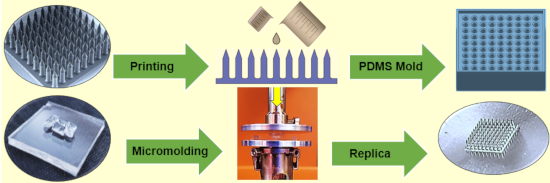
- classified into solid, hollow, coated, hydrogel-forming, and dissolvable types, which depending on the specific medical applications [12][13], are fabricated using silicon, metal, ceramic, silica glass, carbohydrate, and polymers [7][14]. In recent years, polymeric MNs have gained a lot of interest due to



A chemiresistive sensor array based on polyaniline nanocomposites and machine learning classification
Beilstein J. Nanotechnol. 2022, 13, 411–423, doi:10.3762/bjnano.13.34
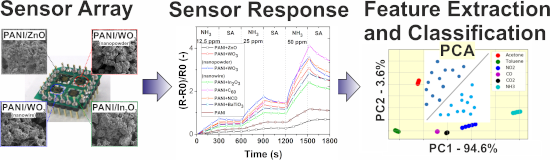
- at room temperature (25 °C). The precipitate obtained after the polymerization was filtered and purified by 0.2 M hydrochloric acid and acetone. Subsequently, pure polyaniline was dried over silica gel in a desiccator for 24 h. Next, the dispersion solutions were prepared by mixing 24 mg PANI and 5
- dispersion solutions were deposited by a micropipette on the interdigitated electrode arrays. After that, the deposited sensor layers were dried using the integrated heating elements at 60 °C for 2 h and whole sensor array was subsequently dried in a desiccator over silica gel for 24 h. Before the deposition




Micro- and nanotechnology in biomedical engineering for cartilage tissue regeneration in osteoarthritis
Beilstein J. Nanotechnol. 2022, 13, 363–389, doi:10.3762/bjnano.13.31
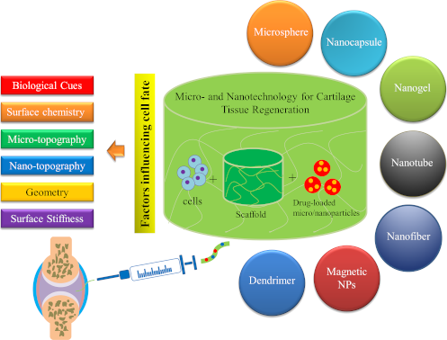
- TE, there are other nanoscale tube-based compounds, which can potentially be used for biomedical purposes. Among these, silica nanotubes have the greatest potential for integration in biomaterials because of their biocompatibility, photoluminescence activity, and ease of surface modification. Silica
- nanotubes exhibit considerable results regarding bone TE due to their ability to provide a surface with proper roughness, which facilitates osteoblast attachment and proliferation, and can provide an active site for the deposition of inorganic calcium apatite [138]. In addition to silica, titanium dioxide


Investigation of a memory effect in a Au/(Ti–Cu)Ox-gradient thin film/TiAlV structure
Beilstein J. Nanotechnol. 2022, 13, 265–273, doi:10.3762/bjnano.13.21
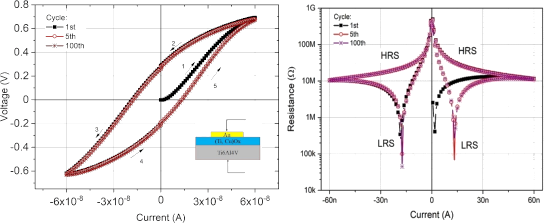
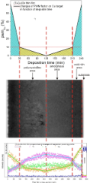
- requirements of the different characterization methods, thin gradient layers were deposited on silicon (Si), amorphous silica (SiO2) and conductive metallic substrates (Ti6Al4V). The resulting thickness of the prepared thin films was about 610 nm as measured using a Talysurf optical profiler (Tylor Hobson CCI



Engineered titania nanomaterials in advanced clinical applications
Beilstein J. Nanotechnol. 2022, 13, 201–218, doi:10.3762/bjnano.13.15
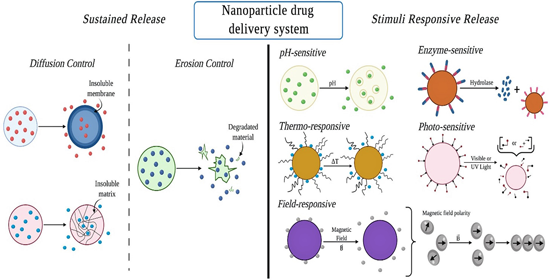
- TiO2 nps [83]. TiO2 supported on silica nanospheres was checked for its antibacterial activity against E. coli, and the result demonstrated a more effective growth inhibition than that of commercial TiO2-P25 under ultraviolet and visible light [84]. Copper is well known for its antimicrobial properties
- /titanium dioxide nanocomposites against biofilm-forming and methicillin-resistant strains of Staphylococcus aureus and Pseudomonas aeruginosa [95]. In another novel approach, dip pen nanolithography and soft lithography were used to form a micropattern of a silica sol modified with TiO2 (5% and 10
- many years, titania has been employed as a colorant in food, cosmetics, and sunscreen. Moreover, Ti-containing metal alloys have been widely utilized in medical fields, because the have a higher biocompatibility than other vastly explored metal oxides such as silica, manganese oxide, and iron oxide





