


Search results
Search for "size" in Full Text gives 2107 result(s) in Beilstein Journal of Nanotechnology. Showing first 200.
Microscopic study of the intermediate mixed state in intertype superconductors
Beilstein J. Nanotechnol. 2026, 17, 57–62, doi:10.3762/bjnano.17.5
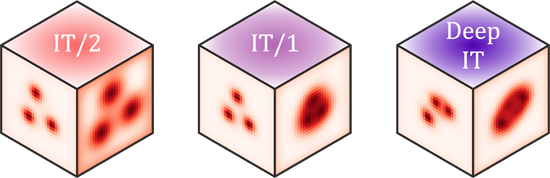
- are performed for a 3D slab geometry, finite in the xy-plane with size N × N and infinite along the z-axis. The magnetic field B = (0,0,B) is applied along the z-axis, rendering the problem effectively 2D, except for the Biot–Savart equation (Equation 5), where the integral remains 3D. In the
- calculations we set u,v = 0 at the boundaries of the system often referred to as “open boundary conditions”. We consider a sample with the relatively small linear size of N = 31 due to the high computational cost of achieving convergence with respect to both the superconducting gap and the magnetic field
- . However, this length exceeds the characteristic superconducting coherence length, which limits the influence of the finite-size effects. The electron density along z is absorbed into the parameters of the BdG and Biot–Savart equations. All energies are expressed in units of the hopping amplitude t, and


Subdigital integumentary microstructure in Cyrtodactylus (Squamata: Gekkota): do those lineages with incipiently expressed toepads exclusively exhibit adhesive setae?
Beilstein J. Nanotechnol. 2026, 17, 38–56, doi:10.3762/bjnano.17.4
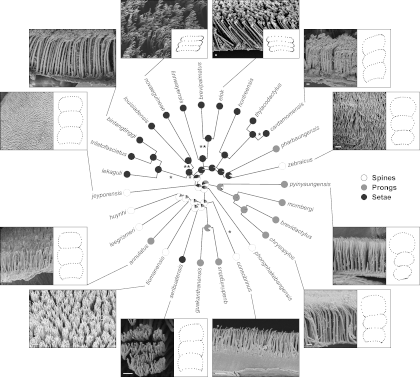
- surface roughness at a scale pertinent to the size and interactions of the epidermal microstructures are generally scarce [30][31][33][80][83][92] and non-existent for arboreal Cyrtodactylus. Among all ecotypes analysed, the crown habitat of trees apparently imposes the strongest selective pressure on
- sample size may have biased our phylogenetic results; a more comprehensive taxon sampling within specific clades and the inclusion of the most basal clade within Cyrtodactylus (C. tibetanus and C. zhaoermii) will permit more detailed insights. Despite the relatively small sample size we employed, all


Reduced graphene oxide paper electrode for lithium-ion cells – towards optimized thermal reduction
Beilstein J. Nanotechnol. 2026, 17, 24–37, doi:10.3762/bjnano.17.3
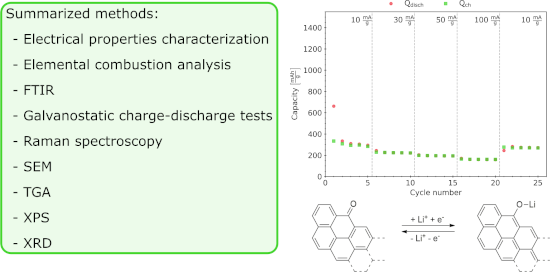
- illustration of these functional epoxide, ketone, hydroxy, and carboxyl groups on the surface of a rGO flake is shown in Figure 1a. In addition, the adjustability of lateral size and thickness of the rGO flakes, which influence functional parameters [23], is another advantage of these materials. According to
- the G-Flake® reduced graphene oxide paper samples were determined using HMS Ecopia 5500 equipment in Van der Pauw configuration. For this method, samples were cut to a size of 1 cm × 1 cm. The measurements were conducted at room temperature. Values reported in this work are the average of ten



Quantitative estimation of nanoparticle/substrate adhesion by atomic force microscopy
Beilstein J. Nanotechnol. 2026, 17, 1–14, doi:10.3762/bjnano.17.1

- calibration achieved through wedge and diamagnetic lateral force calibrator methods. The work of adhesion was quantified by integrating the obtained lateral forces over the distance moved during manipulation, revealing a non-monotonic dependency on nanoparticle size with maximum adhesion observed for
- of extremely small size (<20 nm) is still a challenge and consequently limits studies in this area [9][14]. The majority of studies concerning AFM-based NP manipulation focuses on establishing reproducible protocols for the creation of patterns and structures with NPs as building blocks, but often
- . Since it is assumed that NPs are single-charged [5], the QMF can, on the one hand, be used for scanning the NP mass distribution and, under the common assumption of spherical shape and the theoretical density of Cu, the size distribution. On the other hand, the QMF can be also be employed for filtering



Internal 3D temperature mapping in biological systems using ratiometric light-sheet imaging and lipid-coated upconversion nanothermometers
Beilstein J. Nanotechnol. 2025, 16, 2306–2316, doi:10.3762/bjnano.16.159
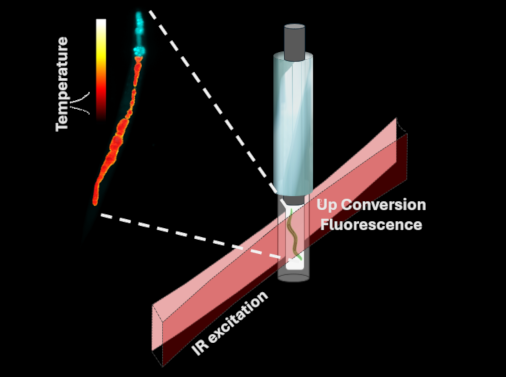
- thin-film hydration method based on Rojas-Gutierrez’s procedure [52]. Based on the size distribution and concentration of the nanoparticles (10 mg·mL−1), a lipid layer was formed with DOPS, cholesterol, and DMPC at a molar ratio of 64:29:7. The three lipids were dispersed in chloroform and mixed with
- with the lipid-functionalized UCNPs (inset), revealing a size distribution of approximately 15–20 nm. Because the lipid shell is an ultrathin organic layer (2–3 nm) with low electron contrast, no distinct morphological differences are expected between coated and uncoated nanoparticles in TEM images


Terahertz-range on-chip local oscillator based on Josephson junction arrays for superconducting quantum-limited receivers
Beilstein J. Nanotechnol. 2025, 16, 2296–2305, doi:10.3762/bjnano.16.158
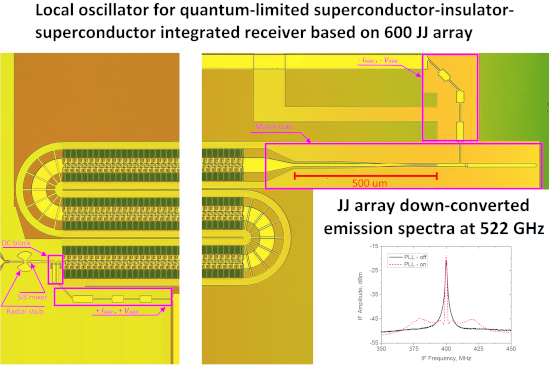
- central electrode of the CPW Wc = 38 μm is limited in the present design by the geometrical size of the junctions shunted by a thin-film resistor. As discussed in [54], for the CPW lines with a high Wc and small Wgap, the difference between the frequencies of the odd and even modes becomes smaller. The
- PLL. The additional steps of smaller size are likely to be caused by the locking at different harmonics and other sidebands. It should be noted that the form of the IVC in spectral measurements in the cryostat is different from that measured in the LHe probe because the PLL system and the JJ array


Improving magnetic properties of Mn- and Zn-doped core–shell iron oxide nanoparticles by tuning their size
Beilstein J. Nanotechnol. 2025, 16, 2285–2295, doi:10.3762/bjnano.16.157

- , we report on the synthesis of polyhedral core–shell SPIONs. Their size was tuned to improve their magnetic properties. Furthermore, by hybridizing into a core–shell inorganic/inorganic structure, the nanoparticles can achieve significantly improved magnetic-to-thermal energy conversion efficiency (at
- least tenfold). The designed core NPs are composed of a Zn0.4Fe2.6O4 core and a MnFe2O4 shell. Their size and morphology were determined by transmission electron microscopy, Fourier-transform infrared spectroscopy was used to investigate their chemical composition. The iron oxide phase was confirmed by
- Mössbauer analysis, and the magnetic properties were studied to select the ideal size for magnetic hyperthermia application. Keywords: core–shell nanoparticles; magnetic hyperthermia; magnetic properties; Introduction Magnetic nanoparticles have emerged as a versatile class of materials due to their



Visualizing nanostructures in supramolecular hydrogels: a correlative study using confocal and cryogenic scanning electron microscopy
Beilstein J. Nanotechnol. 2025, 16, 2274–2284, doi:10.3762/bjnano.16.156
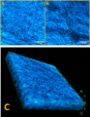
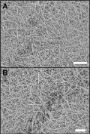
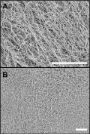
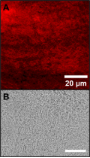
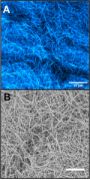
- contained fibres that were not encapsulating fluorophore. Given that the same low-fibre-density areas are seen in cryo-SEM and are of the same approximate size, this structural heterogeneity can be confirmed not to be an artefact of CLSM but rather intrinsic to the microscale morphology of the self
- 100× (N.A. = 1.3 Oil) (DIC), resolution 140 nm, total magnification 1000×. Spectral irradiance at 561 nm and 100% laser power is 88.4 W·m−2. For imaging of compressed samples, a sample of gel around the size of the end of a spatula was placed upon a circular glass coverslip in a holder. A plastic O



Geometry-controlled engineering of the low-temperature proximity effect in normal metal–superconductor junctions
Beilstein J. Nanotechnol. 2025, 16, 2265–2273, doi:10.3762/bjnano.16.155
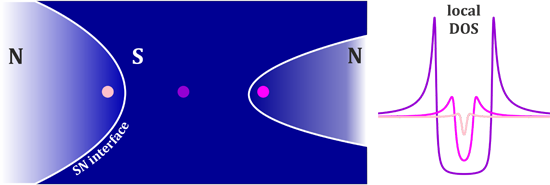
- departs from simple integer-dimensional behavior, the power-law decay exponent α can continuously vary between values typical for 3D and 1D systems. This transition reflects how the size and shape of the Cooper pair adapt to the dimensionality of the system [33]. The effective dimensionality of the
- lines in Figure 1. For numerical simulations, we used a discretized lattice model with a system size of 128 unit cells along the z-direction (the principal axis of the NS transition) and 64 unit cells in the perpendicular x-direction. A total of twelve different geometries were modeled by varying η in


Chiral plasmonic nanostructures fabricated with circularly polarized light
Beilstein J. Nanotechnol. 2025, 16, 2245–2264, doi:10.3762/bjnano.16.154
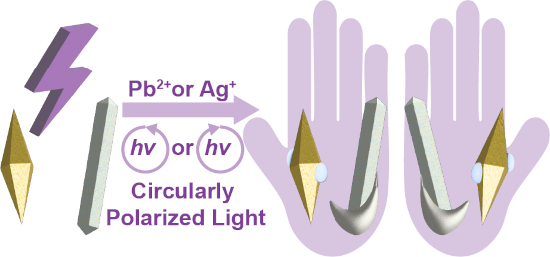
- chiral molecules and light is experimentally characterized by optical rotation or circular dichroism (CD). However, the inherent discrepancy in size between light and molecules typically results in weak chiroptic effects for small molecules [15][16]. High concentrations of analytes or long optical path
- . Additionally, the size and shape inhomogeneity of cPNSs will cause a discrepancy between the experimental CD data and the simulated data. Therefore, the synthesis of highly uniform cPNSs is always desirable. Simulating and characterizing the superchiral EM field about a cPNS is of great interest. EM fields
- because of the size mismatch between most plasmonic nanostructures and chiral molecules, making the direct link between nanostructural chirality and molecular chirality challenging. Additionally, the overall geometrical chirality of a plasmonic nanocrystal can be characterized by electron microscopy and






Optical bio/chemical sensors for vitamin B12 analysis in food and pharmaceuticals: state of the art, challenges, and future outlooks
Beilstein J. Nanotechnol. 2025, 16, 2207–2244, doi:10.3762/bjnano.16.153
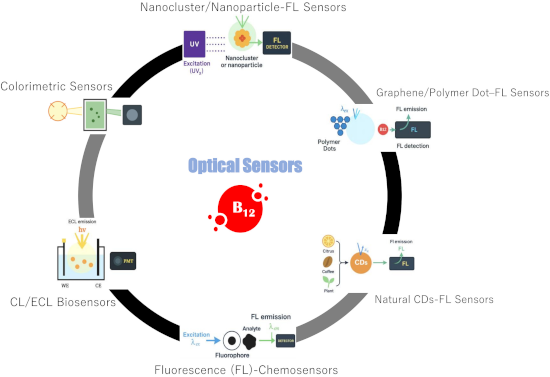
- AuNP suspensions is substantially influenced by their particle size and dispersion speed. 10–20 nm AuNPs with a narrow size distribution tend to absorb light from the blue-green spectrum and reflect red light. In contrast, their aggregation leads to a light absorption shift to longer wavelengths
- sample–conjugate interaction, a nitrocellulose membrane for VB12–bovine serum albumin (BSA) conjugation, secondary antibodies as test and control lines, and an absorbent pad for waste. Designed for the small molecular size of VB12, this structure ensures its competitive binding to antibodies. A crucial


Electromagnetic study of a split-ring resonator metamaterial with cold-electron bolometers
Beilstein J. Nanotechnol. 2025, 16, 2199–2206, doi:10.3762/bjnano.16.152
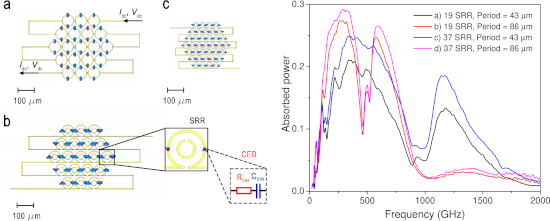
- bandwidth. The trade-off between the bandwidth expansion due to miniaturization and the reduction in absorption efficiency determined by the Airy spot size of the coupling lens is investigated. To solve this issue, a simultaneous miniaturization of the size of the entire structure with an increase in the
- , enabling operation in a wide frequency range from gigahertz frequencies to X-rays [6][7][8] due to a normal-metal absorber. CEBs offer several advantages over other types of receivers such as transition edge sensors [9][10][11]. These advantages include their micrometer-scale size, which facilitates direct
- of dext = 80 μm and an inner ring diameter of dint = 70 μm. The lattice constant (period) of the metamaterial array is P = 86 μm. The total size of the structure is 424 μm. A large-scale SRR has an outer ring with an external diameter of dext,1 = 80 μm and an internal diameter of dint,1 = 70 μm. The


Ultrathin water layers on mannosylated gold nanoparticles
Beilstein J. Nanotechnol. 2025, 16, 2183–2198, doi:10.3762/bjnano.16.151
- century [3]. They are investigated, for example, regarding drug delivery [4], but they are also parts of actual products, for example, of sensors [5]. All this is based on the ease of synthesis, chemical stability, size tuneability, and unique optical properties [6]. The extreme dependence of the
- properties on particle size and shape has been demonstrated for particle sizes in the 1–100 nm range and on biological interfaces [7]. Limited biocompatibility and high tendency to aggregate in solution inspired new mechanisms of particle biofunctionalization with proteins, lipids, or carbohydrates. Coupling
- high and the shape cannot be identical (hemagglutinin is roughly a triangular 7 nm prism of 15 nm length), the size is in the typical NP range, and a dense coating with oligomannoside should mimic surface physics. Accordingly, we note that the adsorption of AuNPs on surfaces would mimic the survival of



Missing links in nanomaterials research impacting productivity and perceptions
Beilstein J. Nanotechnol. 2025, 16, 2168–2176, doi:10.3762/bjnano.16.149
- equipment, especially characterization tools used for nanosystems, are unavoidable challenges. Another critical challenge is the precision required to produce nanomaterials. The unique properties of nanomaterials arise from controlled particle size, but achieving the desired size and uniformity is extremely
- nanomaterials becomes a tedious and expensive task, often more so than for advanced bulk materials. It is indispensable to acknowledge that even after detailed characterization, warranting that even 90% of the nanoparticles have uniform size and identical surface characteristics is difficult. This is largely
- due to the inherent instability of 0D, 1D, and 2D nanomaterials [23]. That is why, in most cases, nanomaterials require a specific medium and controlled environment for stability. In the same line, due their high surface energy, large surface area, and small size, nanomaterials naturally tend to
Microplastic pollution in Himalayan lakes: assessment, risks, and sustainable remediation strategies
Beilstein J. Nanotechnol. 2025, 16, 2144–2167, doi:10.3762/bjnano.16.148

- regional results, Table 1 reports documented MP density in some Himalayan freshwater lakes and their typology. Table 2 is a compilation of the most commonly reported dominant polymers and morphologies, as well as the size classes, of MPs in Himalayan lakes. 3.2 Impact on biodiversity, water quality, and
- generally render conventional methods, for example, trawling plankton nets in surface water, infeasible owing to transport and size constraints of equipment [31]. This has given rise to sampling devices that are both portable and light, specifically tailored for use in remote environments. For example
- than SEM. It is particularly useful in morphological examination, size grading, and rapid particle identification. The combination of optical microscopes and modern digital imaging techniques allows for automatic particle classification and counting, which greatly decreases the extent of human


Quality by design optimization of microemulsions for topical delivery of Passiflora setacea seed oil
Beilstein J. Nanotechnol. 2025, 16, 2116–2131, doi:10.3762/bjnano.16.146
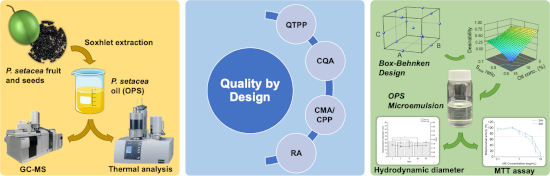
- evaluated over a 60 day period (Figure 7A). Throughout this time, no significant changes were detected in particle size, with the hydrodynamic diameter consistently remaining below 100 nm, and the PdI remaining below 0.20, confirming the physical stability of the base microemulsion and its preservation of
- accurately reflect the true droplet size distribution in the MEgel. This phenomenon is evident from the apparent increase in mean hydrodynamic diameter to 45.1 nm and PdI to 0.27, which is attributed to NaCMC matrix scattering rather than actual droplet growth [40]. A comparison of the hydrodynamic diameter
- results, further studies are required to address the limitations identified, including droplet size characterization of MEgel, comprehensive cytotoxicity assessments, and wound healing assays. Overall, the developed microemulsion system represents a promising nanocarrier-based strategy for topical


Rapid synthesis of highly monodisperse AgSbS2 nanocrystals: unveiling multifaceted activities in cancer therapy, antibacterial strategies, and antioxidant defense
Beilstein J. Nanotechnol. 2025, 16, 2105–2115, doi:10.3762/bjnano.16.145
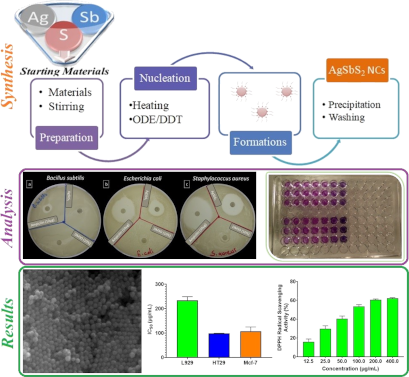
- , indicating robust crystallization. Moreover, the presence of prominent peaks aligning with (220), (311), (420), and (511) planes confirmed alignment with XRD results. Furthermore, utilizing particle size distribution analysis, the crystallite size of average particles was estimated, as illustrated in the
- inset in Figure 2c. The particle size distribution graphs in this image unequivocally affirmed the successful attainment of the desired homogeneity. Biological applications Antibacterial activity of AgSbS2 NCs Disc diffusion. The antimicrobial activity of AgSbS2 NCs at a concentration of 10 mg/mL
- act as a barrier, reducing the uptake of antimicrobial agents, thus, increasing the required inhibitory concentrations. Similar results have been observed for silver, ZnO, and other metal chalcogenide nanoparticles, which show higher MIC/MBC values for E. coli compared to S. aureus [41]. In size


Toward clinical translation of carbon nanomaterials in anticancer drug delivery: the need for standardisation
Beilstein J. Nanotechnol. 2025, 16, 2092–2104, doi:10.3762/bjnano.16.144

- affairs. Achieving these key milestones is critical to developing a safe and effective drug delivery system that can improve the treatment of cancer. The process begins with the synthesis of CNMs tailored to specific size and surface chemistry requirements, using methods such as chemical vapour deposition
- , laser ablation, or electrochemical techniques, among others. These CNMs must then be thoroughly characterised to confirm their structural and physicochemical properties, including size, shape, charge, surface functionality, stability, and potential toxicity. Following characterisation, anticancer
- safety. Insights from these studies guide further optimisation of the delivery system, which may involve adjusting particle size, surface chemistry, or drug-loading strategies. Once optimised and evaluated, the system enters regulatory review, requiring preclinical safety and efficacy data to meet




Molecular and mechanical insights into gecko seta adhesion: multiscale simulations combining molecular dynamics and the finite element method
Beilstein J. Nanotechnol. 2025, 16, 2055–2076, doi:10.3762/bjnano.16.141
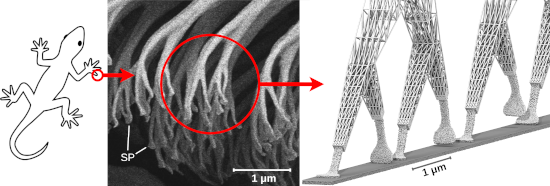
- FEM–MD iterations at each step. The maximum loading rate that can be imposed and the number of iterations per load step depend on the system size and dynamics. Since the FEM calculation is static and lacks time information, the time corresponding to a load step, Δtls, is estimated using the MD time
- of around 0.004–0.1% of the system size per load step was effective. For our seta model, a 1 nm displacement is 0.004% of the initial height. Furthermore, a parameter study for our polymer models [47] showed that should be small enough (50–100% of a polymer bond length) to avoid a excessively large
- multiscale model, there were 16 bridging domains (BDs), one for each spatula. Each BD needed to be of a size that could be described by both (MD and FEM) methods. The FE portion of each BD was roughly 79 × 75 × 50 nm3 in size, and the overlapping MD portion was roughly 40 × 36 × 39 nm3 (Figure 7). The number







Stereodiscrimination of guests in chiral organosilica aerogels studied by ESR spectroscopy
Beilstein J. Nanotechnol. 2025, 16, 2034–2054, doi:10.3762/bjnano.16.140
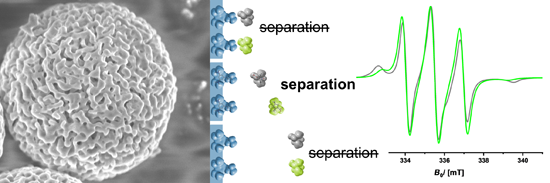
- aerogel. Characterization data for the prepared SIL is shown in Supporting Information File 1, Figure S1. A monolithic material with a large porosity and a polydisperse pore system in the size range Dpore = 50–300 nm was obtained. The specific surface area is ABET = 946 m2·g−1 according to nitrogen
- also discussed in several of our past papers [42][43][44][45][46]. Exemplarily, Figure 3 shows the behavior in an achiral silica aerogel. Because of the large pore size, the spin probe behaves almost like in a free solution. The spectra recorded at T = 273 K are characteristic of a freely rotating 3CP
- temperature until almost all spin probes are mobile at room temperature (Figure 4b). The interaction enthalpy of the spin probe with the pore walls of the aerogel is relatively low, and, together with the relatively large size of the pores, a higher temperature easily induces detachment from the surfaces. If




Beyond the shell: exploring polymer–lipid interfaces in core–shell nanofibers to carry hyaluronic acid and β-caryophyllene
Beilstein J. Nanotechnol. 2025, 16, 2015–2033, doi:10.3762/bjnano.16.139
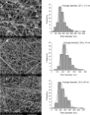
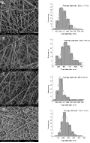
- unimodal distribution with a polydispersity index (PDI) range of 0.218. Most of the formed nanoemulsions are small in size and well distributed (Figure 1). The most favorable processing conditions for obtaining uniform fibers – free of surface roughness and with fewer beads – were determined based on
- pores. The pore formation on the shell surface is a potential mechanism for regulating the release of the core content [56][57]. A biomedical scaffold must possess suitable pore size and a high level of porosity. The porosity of the scaffold in tissue engineering applications should be adequate. A study
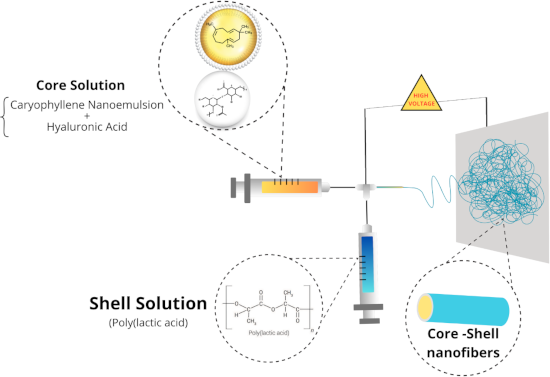
- syringe pump. Electrospinning parameters were as follows: an applied voltage of 17 kV, a flow rate of 0.25 mL/h, a needle-to-collector distance of 12 cm, and a processing time of 5 h. Physicochemical characterizations Droplet size NE-βCp were characterized for hydrodynamic diameter (z-average) and PDI




The cement of the tube-dwelling polychaete Sabellaria alveolata: a complex composite adhesive material
Beilstein J. Nanotechnol. 2025, 16, 1998–2014, doi:10.3762/bjnano.16.138
- hybridization probe synthesis, a second PCR was done with a T7 promoter binding site (5′-GGATCCTAATACGACTCACTATAGG-3′) added to reverse strand PCR primers. After quality and size check by gel electrophoresis, PCR products were purified using the Wizard SV Gel and PCR clean-up system kit (Promega). The purified
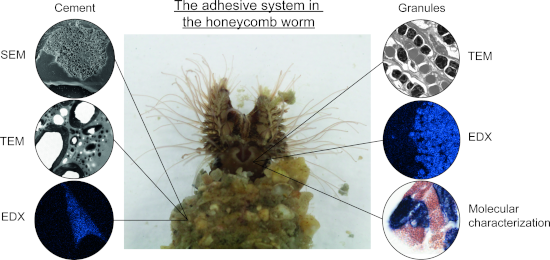
- glass beads, while their inner core is porous (Figure 2C–E). The pores revealed by the cohesive failure of the cement present diameters varying from approximately 0.25 to 4 µm (Figure 2C–E). Pores are larger in the center of the cement spot and decrease in size towards the edges (Figure 2C). In an
- it a smooth appearance. The hollow spheroids, measuring about 0.3–6.8 μm in diameter, appear empty at their centers. Their cortex is electron-dense and possesses a concentric lamellar structure. The thickness of this cortex also seems to increase with the spheroid size and can measure up to 400 nm




Laser ablation in liquids for shape-tailored synthesis of nanomaterials: status and challenges
Beilstein J. Nanotechnol. 2025, 16, 1963–1997, doi:10.3762/bjnano.16.137
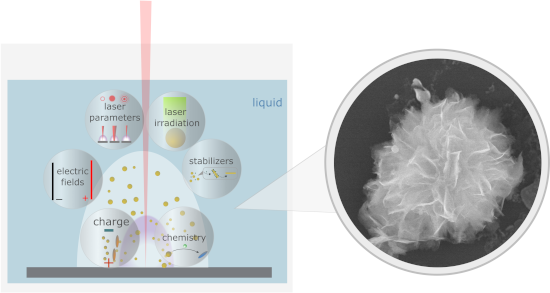
- Natalie Tarasenka Department of Design, Manufacturing and Engineering Management, University of Strathclyde, 75 Montrose st., G1 1XQ, Glasgow, UK 10.3762/bjnano.16.137 Abstract Shape-and size-controlled synthesis of nanomaterials has been a long-term aim and challenge of modern nanotechnology
- of NP size and size distribution. As a result, the crucial experimental parameters were determined providing strategies to reduce the formation of large NPs and to produce monodisperse small nanocrystals [1][5]. However, the goal of controlled nanomaterials synthesis by PLAL is still not completely
- surface free energy is determined as work per unit area required for the formation of a new surface [12]. Therefore, it is a fundamental parameter that determines nanoparticle growth and stability of different particle shapes. The surface energy is dependent on a multitude of parameters, including NP size






Mechanical property measurements enabled by short-term Fourier-transform of atomic force microscopy thermal deflection analysis
Beilstein J. Nanotechnol. 2025, 16, 1952–1962, doi:10.3762/bjnano.16.136
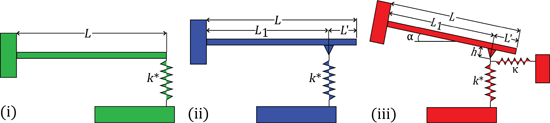
- dynamic mechanics models relating the contact stiffness of the tip/cantilever pressing into a surface with the oscillation frequency of the cantilever and show that they did not accurately model the experiment. Several material combinations of tip and sample were examined; tip size and cantilever
- used to determine the size of the tip–sample contact, assuming the relevant material parameters of the system examined. Finally, the same experiment and data analysis was performed with other substrates and AFM tip materials to further explore the analytical CR-AFM models. Methods Experimental design
- the stiffness of the n-th oscillation mode, and y0 is an offset value [21]. Fits of these resonant peaks using the non-linear least squares method yielded the parameters fn, Qn, and Dn. To ensure accurate fits to the resonance peak, the window size N, impacting the frequency resolution (fΔ) of the




Evaluating metal-organic precursors for focused ion beam-induced deposition through solid-layer decomposition analysis
Beilstein J. Nanotechnol. 2025, 16, 1942–1951, doi:10.3762/bjnano.16.135
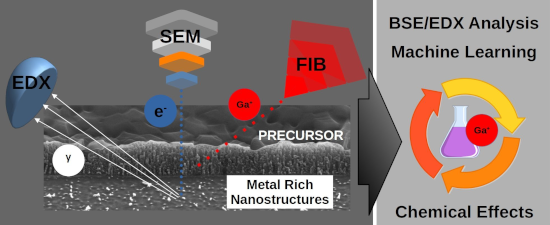
- , leading to faster deposition growth (around 100 times). Second, FIBID deposits have higher metal content and lower resistivity compared to FEBID. However, there are some disadvantages to FIBID, such as the larger size of noble gas and metal ions that penetrate to smaller depths in solids and result in





