Search results
Search for "stability" in Full Text gives 1337 result(s) in Beilstein Journal of Nanotechnology. Showing first 200.
Geometry-controlled engineering of the low-temperature proximity effect in normal metal–superconductor junctions
Beilstein J. Nanotechnol. 2025, 16, 2265–2273, doi:10.3762/bjnano.16.155
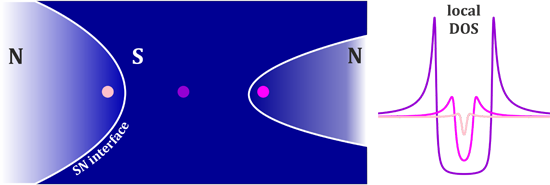
- stability of superconducting hybrid devices. For NS junctions with large positive curvature, that is, for quasi-low-dimensional structures, a robust proximity gap emerges, persisting over extended distances because of enhanced superconducting correlations. However, real systems often exhibit a soft gap in


Optical bio/chemical sensors for vitamin B12 analysis in food and pharmaceuticals: state of the art, challenges, and future outlooks
Beilstein J. Nanotechnol. 2025, 16, 2207–2244, doi:10.3762/bjnano.16.153
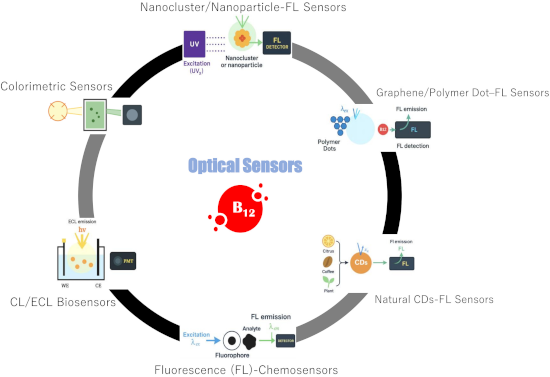
- remarkably excellent selectivity, reproducibility, and storage stability for the SPR sensor recorded, but a strong association between the SPR sensor and LC-MS/MS findings was found [95]. Recently, Bareza et al. have reported that graphene nanostructures, which can confine mid-infrared plasmons at the


Ultrathin water layers on mannosylated gold nanoparticles
Beilstein J. Nanotechnol. 2025, 16, 2183–2198, doi:10.3762/bjnano.16.151
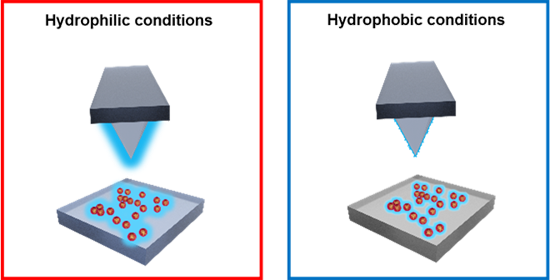
- century [3]. They are investigated, for example, regarding drug delivery [4], but they are also parts of actual products, for example, of sensors [5]. All this is based on the ease of synthesis, chemical stability, size tuneability, and unique optical properties [6]. The extreme dependence of the
- carbohydrates to AuNPs provides particle stability and biocompatibility and allows for studying carbohydrate-mediated interactions and designing novel carbohydrate-based antiviral agents [8][9]. From a molecular point of view, glyconanoparticles are water-soluble gold nanoclusters with a three-dimensional
- and stability in solution, in terms of hydrodynamic diameter and NP surface charge, respectively. Spectroscopy techniques were used to analyze the chemical composition of the organic ligands locally. We used FTIR for the molecular fingerprint infrared region to find the characteristic peaks of the



Missing links in nanomaterials research impacting productivity and perceptions
Beilstein J. Nanotechnol. 2025, 16, 2168–2176, doi:10.3762/bjnano.16.149
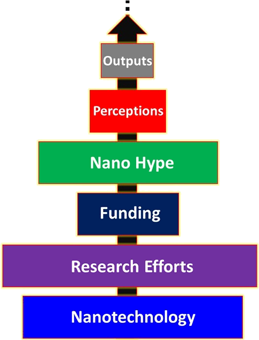
- due to the inherent instability of 0D, 1D, and 2D nanomaterials [23]. That is why, in most cases, nanomaterials require a specific medium and controlled environment for stability. In the same line, due their high surface energy, large surface area, and small size, nanomaterials naturally tend to
Electron transport through nanoscale multilayer graphene and hexagonal boron nitride junctions
Beilstein J. Nanotechnol. 2025, 16, 2132–2143, doi:10.3762/bjnano.16.147
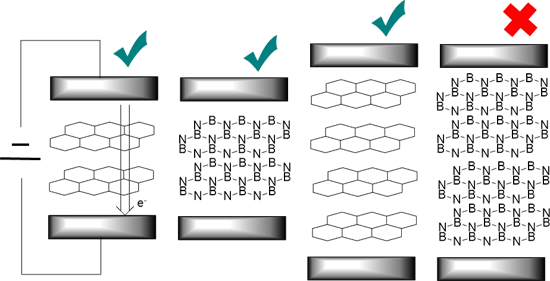
- in far-ultraviolet light-emitting devices. These applications leverage h-BN’s properties like high temperature stability, electrical insulation, and chemical resistance [18][20][21]. An interesting application of multilayer h-BN is its deposition on electrode surfaces as an electron blocking layer


Quality by design optimization of microemulsions for topical delivery of Passiflora setacea seed oil
Beilstein J. Nanotechnol. 2025, 16, 2116–2131, doi:10.3762/bjnano.16.146
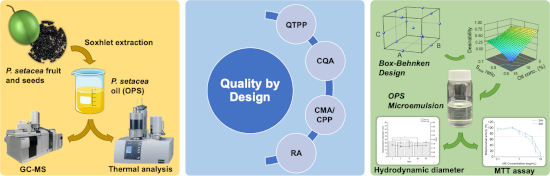
- principles to ensure formulation performance, stability, and skin cell compatibility. Keywords: design of experiments (DoE); microemulsions; nanotechnology; natural products; passion fruit; quality by design; skin delivery; Introduction Species of the Passiflora genus are known for their rich composition
- cytotoxicity and skin irritation [8]. Furthermore, the optimization of microemulsion formulations may be time-consuming and costly, and their stability is often sensitive to environmental factors (e.g., pH, salinity, and temperature). These challenges highlight the importance of a comprehensive understanding
- for Passiflora setacea seed oil. QbD principles and experimental design methodologies were employed to guide formulation development. The microemulsion was designed to enhance physicochemical stability, improve skin application performance, and support future therapeutic applications. Results and


Rapid synthesis of highly monodisperse AgSbS2 nanocrystals: unveiling multifaceted activities in cancer therapy, antibacterial strategies, and antioxidant defense
Beilstein J. Nanotechnol. 2025, 16, 2105–2115, doi:10.3762/bjnano.16.145
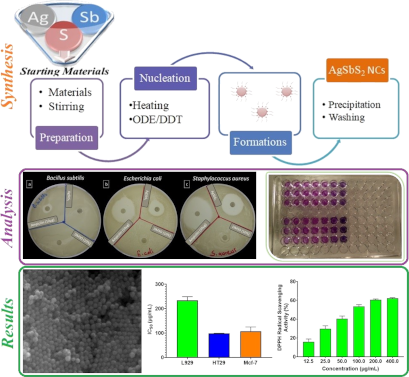
- in this study, it is generally accepted that the surface charge of NCs plays a critical role in their colloidal stability, dispersion behavior, and biological interactions [22][32]. In cubic cuboargyrite phase, there are 14 polyhedra with antimony and silver at the center (Figure 1c). Herein, a
- direct ROS measurement and apoptosis marker assays (e.g., Annexin V/PI staining, caspase-3 activation) will be crucial for validating and further elucidating these mechanistic pathways. The surface charge and zeta potential of AgSbS2 NCs, which strongly influence their colloidal stability and cellular


Toward clinical translation of carbon nanomaterials in anticancer drug delivery: the need for standardisation
Beilstein J. Nanotechnol. 2025, 16, 2092–2104, doi:10.3762/bjnano.16.144

- , laser ablation, or electrochemical techniques, among others. These CNMs must then be thoroughly characterised to confirm their structural and physicochemical properties, including size, shape, charge, surface functionality, stability, and potential toxicity. Following characterisation, anticancer
- enhanced cellular uptake, whereas positively charged CDs elicited stronger cytokine responses [41]. Zeta potential measurements are routinely used to quantify surface charge, which can be tuned through appropriate surface functionalisation strategies. Stability is another essential aspect of NM evaluation
- stabilising surface coatings are employed to preserve nanoparticle stability over time. The degree of functionalisation is also a key consideration as surface modifications can enhance solubility, targeting ability, and biocompatibility. Consistent functionalisation is necessary to ensure reproducibility and




Multifrequency AFM integrating PeakForce tapping and higher eigenmodes for heterogeneous surface characterization
Beilstein J. Nanotechnol. 2025, 16, 2077–2085, doi:10.3762/bjnano.16.142
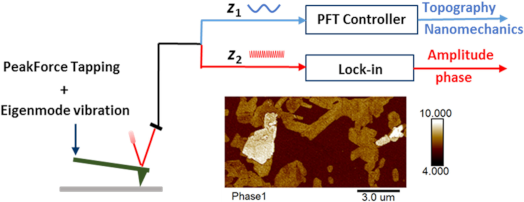
- traditional dynamic modes, PFT eliminates the need for intricate cantilever tuning by real-time regulation of the interaction force at each scan point. This innovation not only simplifies operation but also enables high-resolution topographic imaging with exceptional stability, even in challenging


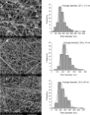
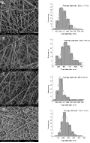
Beyond the shell: exploring polymer–lipid interfaces in core–shell nanofibers to carry hyaluronic acid and β-caryophyllene
Beilstein J. Nanotechnol. 2025, 16, 2015–2033, doi:10.3762/bjnano.16.139
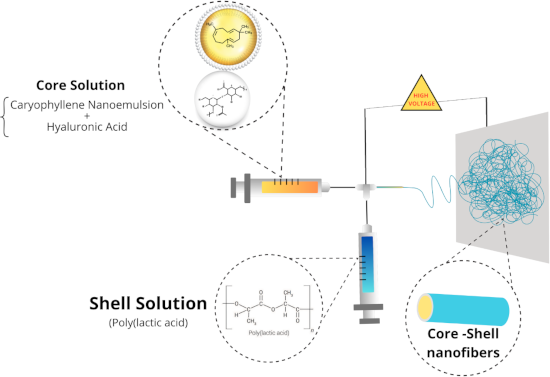
- fibers without the lipid core. Furthermore, maintaining ambient relative humidity below 45% proved essential for processing stability. Comprehensive morphological characterization via scanning electron microscopy confirmed the uniformity of the fibers. At the same time, confocal microscopy, cross
- membrane applications. Thermal and crystalline analyses demonstrated improved thermal stability upon NE-βCp incorporation. Collectively, these results provide robust evidence for the feasibility of producing multifunctional nanofiber membranes that successfully integrate a polymer–lipid hybrid core
- for effective pharmaceutical use, βCp is often formulated within lipid liquid dispersions, such as nanoemulsions, to enhance its stability and improve therapeutic properties [35][36][37][38]. While lipid nanosystems offer undeniable advances for the delivery of active compounds, their inherent liquid




Laser ablation in liquids for shape-tailored synthesis of nanomaterials: status and challenges
Beilstein J. Nanotechnol. 2025, 16, 1963–1997, doi:10.3762/bjnano.16.137
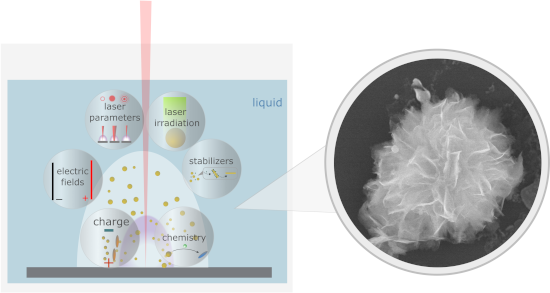
- surface free energy is determined as work per unit area required for the formation of a new surface [12]. Therefore, it is a fundamental parameter that determines nanoparticle growth and stability of different particle shapes. The surface energy is dependent on a multitude of parameters, including NP size
- influencing the mechanisms of NP formation and growth at the subsequent stages of laser ablation, including the generation of shockwaves, cavitation bubble dynamics, and NP evolution after the release into the colloidal solution. The excessive charge at their surface ensures repulsion and stability of the NP




Evaluating metal-organic precursors for focused ion beam-induced deposition through solid-layer decomposition analysis
Beilstein J. Nanotechnol. 2025, 16, 1942–1951, doi:10.3762/bjnano.16.135
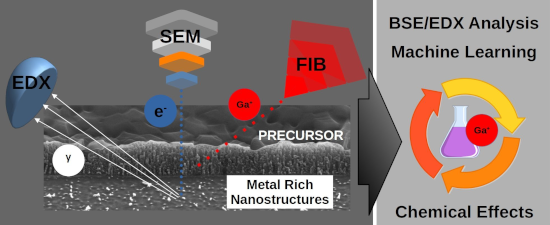
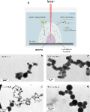
- becomes the dominant process over structure growth, leading to the erosion of the formed metal-rich deposits. This threshold provides insight into the precursor’s resistance to ion bombardment and is crucial for assessing its stability and reactivity under processing conditions. (4) Collecting SEM EDX


Quantum circuits with SINIS structures
Beilstein J. Nanotechnol. 2025, 16, 1931–1941, doi:10.3762/bjnano.16.134
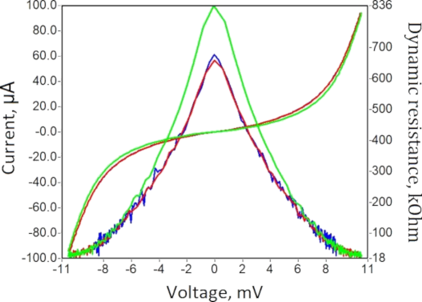
- not very high reproducibility and stability. Another fabrication method is the Manhattan technology [28] with deep orthogonal groves in the resist, see Figure 1b,c. Both methods are based on thermal evaporation at different angles and rotation of substrate, requiring rather sophisticated and expensive


PEGylated lipids in lipid nanoparticle delivery dynamics and therapeutic innovation
Beilstein J. Nanotechnol. 2025, 16, 1914–1930, doi:10.3762/bjnano.16.133
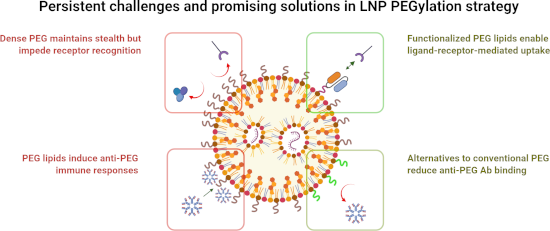
- nanoparticle formulation is polyethylene glycol-modified (i.e., PEGylated) lipids (PEG lipids), which can significantly influence the stability, cell interactions, and overall effectiveness of LNP delivery vehicles. This review collates insights into the role of PEG lipids in LNPs by illustrating how the PEG
- encapsulate and protect a variety of drug substances, thereby enhancing their stability and therapeutic efficacy within biological systems [1]. LNPs are currently composed of ionizable lipids, helper lipids, sterols, and polyethylene glycol-modified (i.e., PEGylated) lipids (PEG lipids); each of these
- ]. Because of these benefits, incorporating PEG lipids into LNP formulations has become a useful strategy for improving the colloidal stability of nanoparticles, facilitating their distribution throughout the body, and enhancing therapeutic effectiveness. However, this PEGylation strategy is not without



Targeting the vector of arboviruses Aedes aegypti with nanoemulsions based on essential oils: a review with focus on larvicidal and repellent properties
Beilstein J. Nanotechnol. 2025, 16, 1894–1913, doi:10.3762/bjnano.16.132
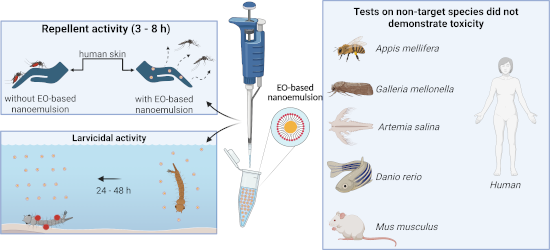
- biomedical applications. These include: (a) superior stability during storage compared to that of macroemulsions, attributed to their small droplet size, which prevents flocculation, creaming, and sedimentation; (b) enhanced bioavailability and improved aqueous solubility of lipophilic molecules; (c
- through a low-energy method, using polysorbate 20 as a surfactant. The formulation presented an average droplet size ranging from 244.6 to 280.4 nm, a polydispersity index of less than 0.25, and a negative zeta potential (−15.7 to −18.6 mV), maintaining stability for 14 days. In the bioassays, fourth
- to 83 nm (oil) and 167 to 230 nm (thymol), with stability of up to 60 days. In bioassays with third-instar larvae, thymol nanoemulsion demonstrated greater efficacy (LC50 = 34.89 ppm), followed by oil (LC50 = 46.73 ppm), both outperforming conventional emulsions. Electron microscopy revealed damage


Low-temperature AFM with a microwave cavity optomechanical transducer
Beilstein J. Nanotechnol. 2025, 16, 1873–1882, doi:10.3762/bjnano.16.130
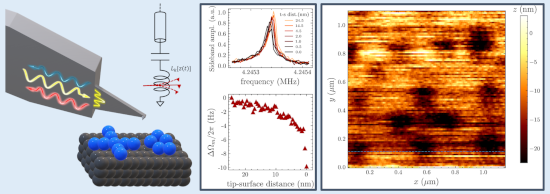
- of trace and retrace scan directions. We achieved faster imaging and improved stability with FM-AFM as shown in Figure 5. FM-AFM requires phase-sensitive detection of tip displacement using a scheme described in detail in earlier publications [35][17]. The cantilever is now driven on resonance at the


Self-assembly and adhesive properties of Pollicipes pollicipes barnacle cement protein cp19k: influence of pH and ionic strength
Beilstein J. Nanotechnol. 2025, 16, 1863–1872, doi:10.3762/bjnano.16.129
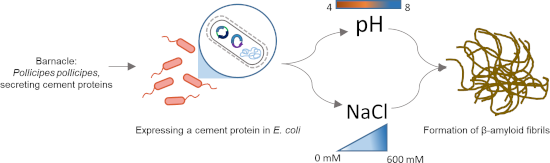
- their formulation, biocompatibility, long-term stability, and clinical efficacy still require significant investigation [12][13]. Barnacles are sessile marine organisms which employ a different strategy for underwater adhesion: they secrete a multicomponent proteinaceous cement that facilitates robust


On the road to sustainability – application of metallic nanoparticles obtained by green synthesis in dentistry: a scoping review
Beilstein J. Nanotechnol. 2025, 16, 1851–1862, doi:10.3762/bjnano.16.128
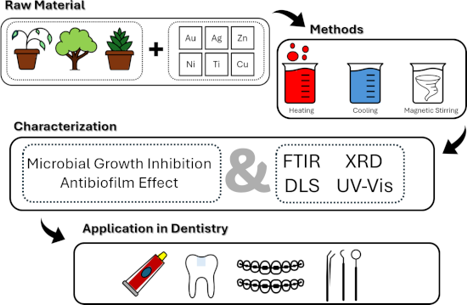
- bacteria, offers a sustainable alternative by leveraging natural reducing agents like polyphenols and flavonoids. These bioactive compounds not only facilitate nanoparticle formation but also improve stability and biological efficacy, making them ideal for dental applications such as caries prevention
- widely studied nanomaterials are metallic nanoparticles, particularly silver (AgNPs), gold (AuNPs), and copper (CuNPs), and various metal oxide nanoparticles such as zinc oxide (ZnO-NPs), due to their high surface-to-volume ratio, chemical stability, and distinctive optical and antimicrobial properties
- demonstrated that these nanoparticles exhibit low toxicity, effectiveness against antibiotic-resistant microorganisms, and strong colloidal stability, ensuring long-term dispersion [26][27]. Additionally, they exhibit antioxidant activity and selective cytotoxic effects on tumor cells, including oral cancer


Current status of using adsorbent nanomaterials for removing microplastics from water supply systems: a mini review
Beilstein J. Nanotechnol. 2025, 16, 1837–1850, doi:10.3762/bjnano.16.127
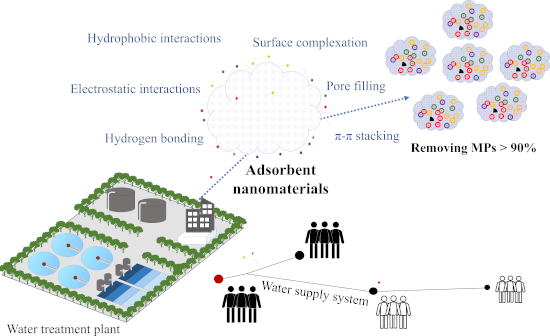
- stability but also human health over the long term. These risks highlight the urgent need for effective strategies to mitigate MP pollution in both environmental and water supply systems. While numerous review papers have been conducted to evaluate the status of MP pollution, most of these papers have
- between 338 and 628 particles·L−1 [36]. Due to their small size and chemical stability, MPs can pass through conventional water treatment processes and infiltrate water supply systems. As reported in the study by Dalmau-Soler et al., 38% of drinking water samples from the supply network contained MPs
- in anti-fouling technologies can enhance nanomaterial reusability, reducing costs and environmental impact. Although there are problems, such as the high cost of MOFs, their low stability in powder form, and the lack of standard tests for assessing nanomaterial toxicity [117]. Additionally, the long


Phytol-loaded soybean oil nanoemulsion as a promising alternative against Leishmania amazonensis
Beilstein J. Nanotechnol. 2025, 16, 1826–1836, doi:10.3762/bjnano.16.126

- attracted attention due to their broad biological activities. To increase their solubility, stability, and cell delivery, nanotechnology-based systems, such as nanoemulsions (NEs), represent a promising approach. In this study, soybean oil nanoemulsions loaded with phytol (PHYT-NE) were developed using the
- phase inversion composition (PIC) method, and then characterized and evaluated. The PHYT-NE had a mean droplet diameter close to 200 nm, a polydispersity index of less than 0.2, spherical shape, and a pH value compatible with cutaneous application. The formulation showed high colloidal stability for at
- pharmaceutical application by reducing bioavailability [18]. To overcome these limitations, the incorporation of phytol into nanostructured delivery systems, has been proposed to improve its solubility, stability, and intracellular delivery efficiency [19]. Nanotechnology-based drug delivery systems that


Further insights into the thermodynamics of linear carbon chains for temperatures ranging from 13 to 300 K
Beilstein J. Nanotechnol. 2025, 16, 1818–1825, doi:10.3762/bjnano.16.125
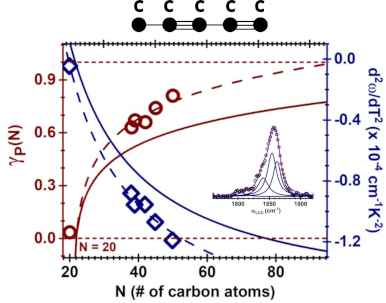
- ][44][45][46][47][48][49]. Moreover, due to its simplicity, LCC are like textbook problems in which many simple, but powerful, theories can be tested [29][30][31]. Until recently, many challenging questions regarding LCC stability have been raised [39][50][51][52][53]. Most of these questions regard
- the stability of host-free LCC, and they are readily circumvented when the LCC are hosted by carbon nanotubes (CNT), when they are decorated with terminal groups such as the tris(3,5-di-t-butylphenyl)methyl, or when they are in colloidal environments [32][34][36][37][38][43][45][49][50][51][52][53][54


![[Graphic 23]](/bjnano/content/inline/2190-4286-16-125-i25.svg?max-width=637&scale=1.18182)
Piezoelectricity of layered double hydroxides: perspectives regarding piezocatalysis and nanogenerators
Beilstein J. Nanotechnol. 2025, 16, 1812–1817, doi:10.3762/bjnano.16.124

- even surpass, established individual piezocatalysts like BaTiO3 in terms of degradation efficiency or reaction rate, especially when LDHs are ultrathin or doped/composited. However, many BaTiO₃-based systems still offer advantages in stability, availability of well-studied defect engineering, and
- ) to rigorously disentangle their respective contributions. As a result, similar activity enhancements are sometimes explained in fundamentally different ways. (3) Stability and reproducibility: For practical applications (energy harvesting, catalytic cycling, and device integration), long-term
- stability, reproducibility of synthesis (phase purity, secondary phases, and role of interlayer anions), and durability under repeated operation are critical. From this perspective, several steps could strengthen the further subject studies: (1) reporting standardized, direct piezoelectric measurements (d33

Exploring the potential of polymers: advancements in oral nanocarrier technology
Beilstein J. Nanotechnol. 2025, 16, 1751–1793, doi:10.3762/bjnano.16.122
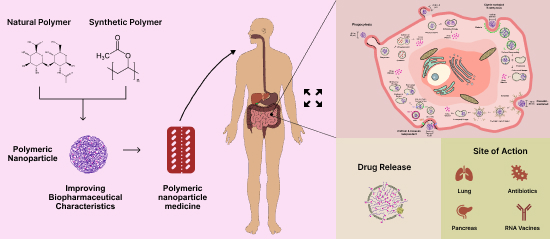
- in the application of polymers as oral nanocarriers, emphasizing key natural and synthetic polymers that enhance stability, bioavailability, and release. The physicochemical properties, biodegradability, and chemical modifications of these polymers, which promote mucoadhesion and epithelial
- made PNs a topic of growing interest in light of their small size and unique physicochemical properties [22][23]. These systems offer advantages for drug delivery, including the ability to protect labile compounds, control release kinetics, improve drug solubility and stability, enhance oral
- raises additional concerns regarding the stability and safety of the final product. In light of these challenges, the use of preformed polymers has gained prominence in nanoparticle synthesis, offering a more straightforward and biocompatible alternative particularly suited for pharmaceutical


Advances of aptamers in esophageal cancer diagnosis, treatment and drug delivery
Beilstein J. Nanotechnol. 2025, 16, 1734–1750, doi:10.3762/bjnano.16.121
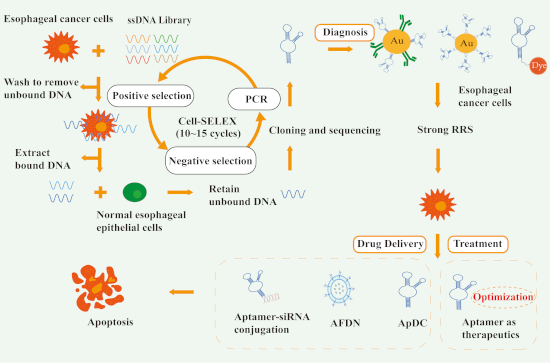
- conjugates and aptamer-functionalized drug nanocarriers for targeted drug delivery in esophageal cancer are reviewed in this paper. In addition, we expect investigators to pay special attention to improving aptamer permeability and stability to accelerate aptamer clinical transformation. In conclusion
- , this synergistic strategy presents a promising approach to circumvent chemotherapy resistance in cancer treatment. In general, DNA aptamers have higher thermal stability, RNA aptamers are richer in secondary structure, and peptide aptamers are smaller in size and easier to enter cells [29]. Furthermore
- optimal biocompatibility, structural stability, and superior drug-loading capacity. However, nanocarriers are prone to complement system recognition [39] and clearance due to their microbial-scale dimensions and surface-exposed nucleophilic groups, which inadvertently trigger immune activation and


Multifunctional anionic nanoemulsion with linseed oil and lecithin: a preliminary approach for dry eye disease
Beilstein J. Nanotechnol. 2025, 16, 1711–1733, doi:10.3762/bjnano.16.120
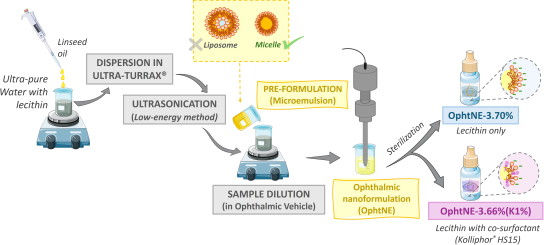
- required to produce nanoemulsions with a uniform particle size and incorporated a co-surfactant to enhance the stability of the nanoformulation. A straightforward method was proposed, involving the dilution of the preformulation in an ophthalmic vehicle, followed by homogenization through ultrasonication
- efficacy and safety for ocular administration. Keywords: eye drops; micelles; low-energy method; ophthalmic vehicle; sample dilution; stability; Introduction Dry eye disease (DED) is a multifactorial condition affecting the ocular surface, characterized by changes in tear fluid composition and/or
- bioavailability after topical ocular instillation, offering several benefits such as reducing the administration frequency, optimizing pharmacokinetic parameters, protecting against enzymatic degradation, and enhancing the stability of bioactive molecules [14][17][18][19]. Currently, three ophthalmic products