


Search results
Search for "structure" in Full Text gives 2228 result(s) in Beilstein Journal of Nanotechnology. Showing first 200.
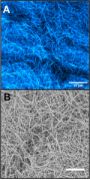
Comparative study on 3D morphologies of delignified, single tracheids and fibers of five wood species
Beilstein J. Nanotechnol. 2026, 17, 239–250, doi:10.3762/bjnano.17.16
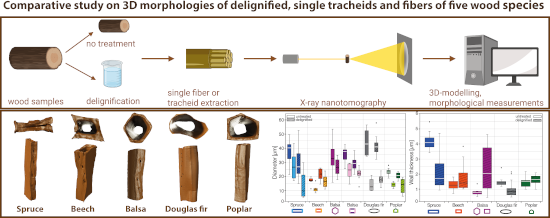
- , Technical University of Munich, Straubing, Germany Helmholtz-Zentrum Hereon, Geesthacht, Germany 10.3762/bjnano.17.16 Abstract Wood tracheids and fibers exhibit diverse structures and shapes across plant species. The hierarchical structure and composition of cellulose, hemicelluloses, and lignin enables
- biomechanics and water management. Keywords: 3D models; delignification; tracheid; wood; X-ray nanotomography; Introduction Wood fibers in hardwood and tracheids in softwood play a crucial role in the structure and function of vascular plants, particularly in water conduction and mechanical support [1][2
- moves between adjacent fibers and tracheids. Pits are distinguished between simple pits and bordered pits, which are surrounded by a thickened rim of wall material [6][7]. Several plants, such as conifers, have a torus–margo structure with a thin, porous mesh-like region (margo) and a thickened central


Gold nanoparticle-decorated reduced graphene oxide as a highly effective catalyst for the selective α,β-dehydrogenation of N-alkyl-4-piperidones
Beilstein J. Nanotechnol. 2026, 17, 218–238, doi:10.3762/bjnano.17.15
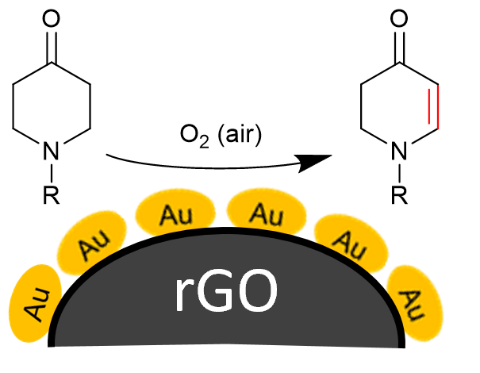
- catalytic properties of AuNPs stem from their nanoscale size, which increases the surface-to-volume ratio, exposes a higher density of active sites, and induces quantum size effects that modulate the electronic structure [5]. These characteristics collectively enhance their reactivity, selectivity, and
- , scanning electron microscopy (SEM) and nitrogen gas sorption surface area analysis using the Brunauer–Emmett–Teller (BET) theory were employed to evaluate the surface structure, porosity, and overall texture of the materials. The SEM image in Figure 2a reveals the typical structure of AC, characterized by
- a heterogeneous, rough surface with lamellar layers and pronounced macroporosity. The rGO carbon (Figure 2b) exhibits a structure composed of thin, wrinkled, and sheet-like layers, characteristic of exfoliated graphene-based materials. The morphology of CB (Figure 2c) is formed of highly aggregated


Micro- and nanoscale effects in biological and bioinspired materials and surfaces
Beilstein J. Nanotechnol. 2026, 17, 214–217, doi:10.3762/bjnano.17.14

- Chimica, Biologia e Biotecnologie, University of Perugia, Via Elce di Sotto 8, 06121 Perugia, Italy 10.3762/bjnano.17.14 Keywords: adhesion; bioengineering; functional morphology; material properties; medical coatings; microstructures; nanostructures; optics; structure–function relationships; Micro- and
- application-driven side (“technology pull”) of bioinspired engineering, two studies demonstrated approaches based on technical advances informed by biological systems. Material structure and properties of biological systems are often considered a source of inspiration for construction of durable engineered
Time of flight secondary ion mass spectrometry imaging of contaminant species in chemical vapour deposited graphene on copper
Beilstein J. Nanotechnol. 2026, 17, 200–213, doi:10.3762/bjnano.17.13
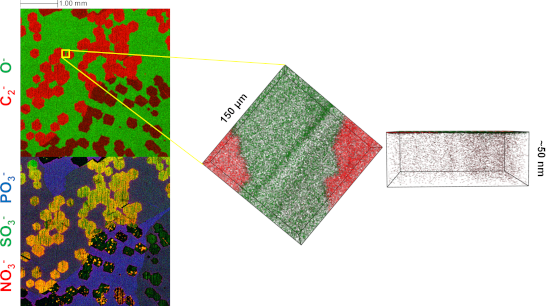
- single crystals [3][20][21][22][23], utilising Raman spectroscopy to confirm the physical structure of the graphene [24][25][26] and X-ray photoelectron spectroscopy (XPS) to confirm the sp2 bonding configuration [27][28]. However, there is typically little consideration given to possible chemical
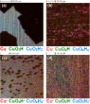
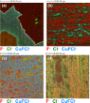
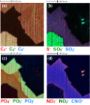
- industry application. It also appears that there are variations in the presence and distribution of these species, depending on the grain orientation of the underlying copper foil; the grain structure evident in Figure 4a as a change in intensity of the C2− signal due to crystal orientation enhancement of





Structure-dependent thermochromism of PAZO thin films: theory and experiment
Beilstein J. Nanotechnol. 2026, 17, 186–199, doi:10.3762/bjnano.17.12
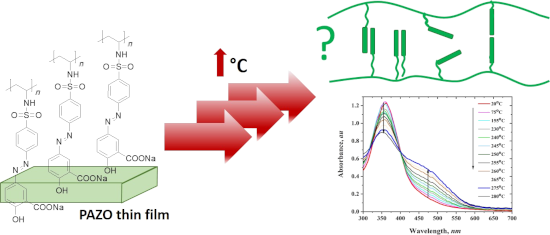
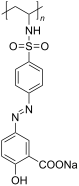
- calculations further support these findings, indicating that temperature-dependent intermolecular interactions and conformational changes play a significant role in shaping the optical behavior of the films. These results provide new insights into the structure–property relationships underlying thermochromism
- extends the functionality of polymer thin films. A specific group of photoreactive polymers comprises polymers with azo chromophores embedded in their structure [5][6]. These polymers exhibit photoresponsivity due to the trans–cis (E–Z) isomerization of the azo chromophores upon light irradiation. The
- measuring the intensity of the emitted fluorescence light at another wavelength. Treating PAZO at 230 °C induced an increase in fluorescence intensity (≈400%) and a redshift (20 nm). Red shift can be induced by various factors, such as changes in the polymer structure, aggregation, or interactions with


Safe and sustainable by design with ML/AI: A transformative approach to advancing nanotechnology
Beilstein J. Nanotechnol. 2026, 17, 176–185, doi:10.3762/bjnano.17.11
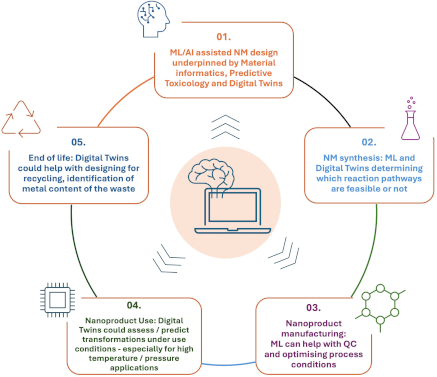
- complementary benefits within SSbD. First, predictive modelling tools, such as quantitative structure–activity relationship (QSAR) models, can forecast toxicological and physicochemical properties of emerging substances, reducing the reliance on time-consuming and costly experimental assays [24][25]. The
- structure–activity relationship (QSAR) models can identify potentially hazardous properties of new ENMs before they are synthesized, reducing the need for extensive animal testing and accelerating the design cycle [36][37]. Similarly, AI can support the development of sustainable ENMs through integration of
- expertise. Despite these obstacles, the future holds considerable opportunities. As the volume of high-quality, standardized data grows, ML algorithms will become more capable of identifying complex structure–property–toxicity relationships, potentially accelerating the safe commercialization of next


From shield to spear: Charge-reversible nanocarriers in overcoming cancer therapy barriers
Beilstein J. Nanotechnol. 2026, 17, 159–175, doi:10.3762/bjnano.17.10
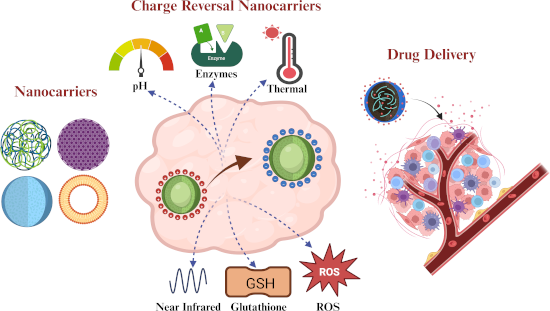
- microenvironment, thereby improving treatment efficacy. A notable study by Liu Y et al. described polymeric micellar nanoparticles incorporating hydrazone bonds within their core–shell structure; these hydrazone linkages are selectively cleaved under acidic conditions, such as those found in endosomes and


Influence of surface characteristics on the in vitro stability and cell uptake of nanoliposomes for brain delivery
Beilstein J. Nanotechnol. 2026, 17, 139–158, doi:10.3762/bjnano.17.9
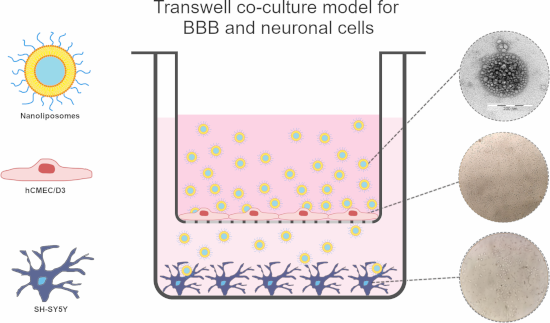
- lipid structure of NLs, leading to AC leakage, while plasma protein adsorption may cause particle aggregation [7]. In this sense, the presence of proteins in the tissue environment can alter cellular uptake of both cationic and anionic carriers [8]. In short, our understanding of how nanodelivery
- several occasions, the presence of PEG on the surface of NLs can improve the physical stability of the liposomal dispersions through steric repulsion [24]. Therefore, formulations with a low amount of PEG or no PEG tend to agglomerate or lose their native structure, thus leading to fragmentation. Hence
- unique in its composition being highly enriched in lipids, in particular cholesterol, which plays a key role in regulating the membrane structure, fluidity, and permeability as well as multiple aspects of the synaptic transmission [49]. In pure human SH-SY5Y cell cultures, the glia-derived cholesterol is





Capabilities of the 3D-MLSI software tool in superconducting neuron design
Beilstein J. Nanotechnol. 2026, 17, 122–138, doi:10.3762/bjnano.17.8

- numerical methods to reduce memory overhead and speed up inductance extraction. The high-frequency structure simulator by Ansys (HFSS) [16] and the Sonnet EM software [17] allow one to extract the frequency dependence of a device’s impedance. Several other methods can be mentioned that are not widely used
- insets in Figure 3), the variable segment has the simplest (two-layer) cross section. The simulation was performed with mesh steps of 0.125…1 μm, using a reduced-size superconducting screen truncated at a distance of 10 μm from the structure edges (see next section for details). For clarity, the data is
- investigations were performed as described in Appendix A. Numerical simulations were carried out assuming a truncated superconducting screen with a gap between the structure and the screen edge of 50 μm. Thus, the screen size (225…170 μm × 243…177 μm) was larger compared to test C-shaped SQUIDs, which led to an



Development and in vitro evaluation of liposomes and immunoliposomes containing 5-fluorouracil and R-phycoerythrin as a potential phototheranostic system for colorectal cancer
Beilstein J. Nanotechnol. 2026, 17, 97–121, doi:10.3762/bjnano.17.7
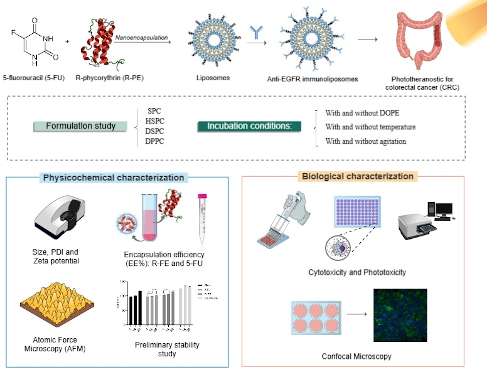
- findings highlight the importance of optimizing lipid composition not only according to the general hydrophilicity or lipophilicity of the drug, but also considering the molecular size, structure, and specific interactions with lipid components. The stability of formulations containing HSPC 50 was
- efficiency than the formulation prepared at room temperature (25.22% vs 19.29%). This finding is supported by other studies, which demonstrated that elevated temperatures could alter the bilayer structure, negatively affecting ligand orientation and compromising functionalization efficiency [56]. Thus, the



Functional surface engineering for cultural heritage protection: the role of superhydrophobic and superoleophobic coatings – a comprehensive review
Beilstein J. Nanotechnol. 2026, 17, 63–96, doi:10.3762/bjnano.17.6
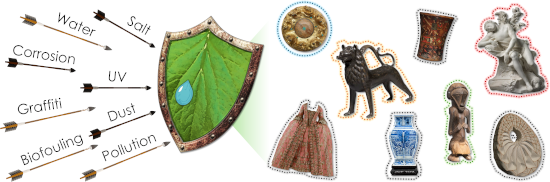
- stone sculptures and building protection, silicone-based consolidants and acrylic resins were adopted [25], offering resistance by penetrating in the porous structure of the artwork surface. As an alternative, together with the protection of stone structures, the path of restoration was also considered
- terminology became necessary [47]. In accordance with these two documents, preventive conservation measures are defined as actions aimed at avoiding or minimizing future deterioration or loss without interfering with the materials or structure of cultural heritage objects. Within this framework, protective
- consolidant composed of tetraethoxysilane (TEOS) and PDMS, forming a protective and functional coating. The film structure fully integrated the C-dots, without altering TiO2 bonding, maintaining visual transparency and color neutrality on mortar surfaces. Under both UV and visible light, the coated mortars





Microscopic study of the intermediate mixed state in intertype superconductors
Beilstein J. Nanotechnol. 2026, 17, 57–62, doi:10.3762/bjnano.17.5
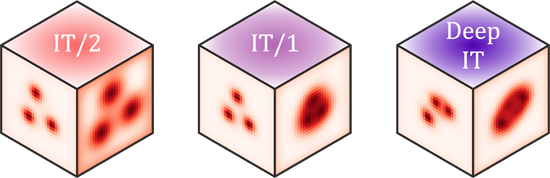
- reproduce the known topology of superconductivity-type transitions and also extend it beyond the near-Tc regime to the entire temperature interval 0 < T < Tc. We note that, at lower temperatures (), the microscopic results reveal a subdivision within the IT regime: Around g ≃ 2.8, the vortex structure


Subdigital integumentary microstructure in Cyrtodactylus (Squamata: Gekkota): do those lineages with incipiently expressed toepads exclusively exhibit adhesive setae?
Beilstein J. Nanotechnol. 2026, 17, 38–56, doi:10.3762/bjnano.17.4
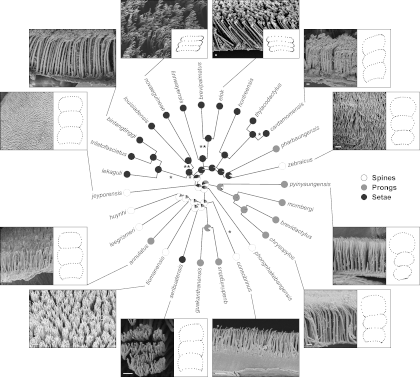
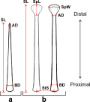
- parts of their linear structure. The relatively greater apical diameter and basal diameter of setae, compared to those of spines or prongs, likely serve to balance the need for stalk flexibility with maximizing adhesive potential [74][75][76][77][78]. If basal diameter and apical diameter were narrower
- between stalks by packing them closer together. The higher density of prongs and spines is likely associated with their unbranched structure and the relative rigidity of these fibrils, which bend less and can, therefore, be positioned closer together without interfering with each other’s function [77



Reduced graphene oxide paper electrode for lithium-ion cells – towards optimized thermal reduction
Beilstein J. Nanotechnol. 2026, 17, 24–37, doi:10.3762/bjnano.17.3
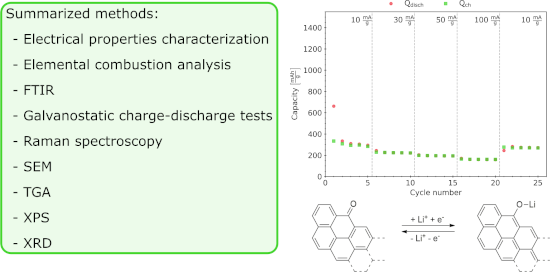
- carbonaceous base material was chosen due to its high conductivity. The relevance of rGO is not limited to only one electrode; Kiran et al. revealed performance enhancement of both cathode and anode materials for hybrid supercapacitors as a result of rGO application as core structure [11]. A similar approach
- lithium sulfur batteries [19]. Such an improvement is enabled by the graphene-like structure and the defects within the flakes, represented not only by non-regular rings in the carbon lattice but also by the presence of oxygen functionalities and their percentile content [20][21][22]. A schematic
- eletrochemical reduction methods may result in a more defective structure of the graphene material [29][30], which, in this case, should be considered as a shortcoming of such an approach. Thermal methods may be additionally beneficial as they promote changes in the material's morphology introducing air pockets



Competitive helical bands and highly efficient diode effect in F/S/TI/S/F hybrid structures
Beilstein J. Nanotechnol. 2026, 17, 15–23, doi:10.3762/bjnano.17.2
- [1]. However, it should be emphasized that the lack of inversion symmetry is the implication of the gyrotropy in the structure of the material that supports nonreciprocal transport [39]. On the microscopic level, the lack of inversion symmetry is expressed by the SOC term. In this regard, systems
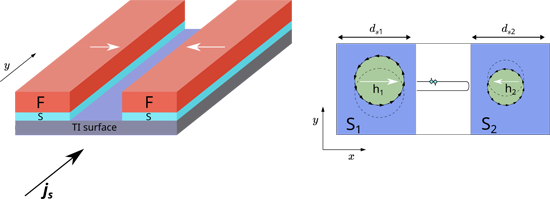
- (F denotes ferromagnetic layer) hybrid structure depicted in Figure 1. We argue that such a hybrid structure can behave as a system with two helical bands as, for example, noncentrosymmetric superconductors [26][74]. However, the two helical bands in the structure under consideration are coupled not
- The F/S/TI/S/F hybrid structure can be described by the following effective low-energy Hamiltonian in the particle–hole and spin space: where α is the Fermi velocity, μ is the chemical potential, and V is the impurity potential of a Gaussian form, which is used for further quasiclassical approximation


![[Graphic 16]](/bjnano/content/inline/2190-4286-17-2-i31.svg?max-width=637&scale=1.18182)
![[Graphic 17]](/bjnano/content/inline/2190-4286-17-2-i32.svg?max-width=637&scale=1.18182)


Quantitative estimation of nanoparticle/substrate adhesion by atomic force microscopy
Beilstein J. Nanotechnol. 2026, 17, 1–14, doi:10.3762/bjnano.17.1

- only at 0 V substrate bias of all them may arrive at the substrate. For simplicity, we assumed a single elementary charge e having a value of 1.6 × 10⁻¹⁹ A·s [53]. Choosing the mechanical properties of the NPs is not straightforward as their internal structure is unknown. Nevertheless, the following



Internal 3D temperature mapping in biological systems using ratiometric light-sheet imaging and lipid-coated upconversion nanothermometers
Beilstein J. Nanotechnol. 2025, 16, 2306–2316, doi:10.3762/bjnano.16.159
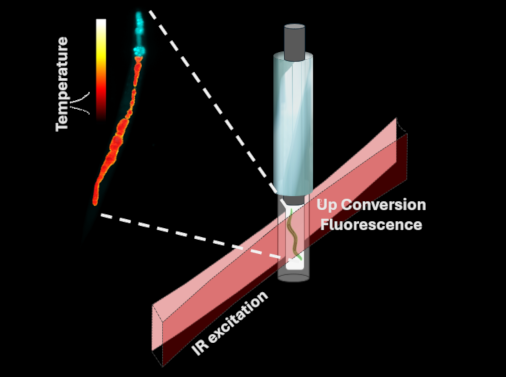
- phototoxicity [38]. The ladder-like energy level structure of Ln3+ ions enable efficient photon UC of near-infrared (NIR) light, even with moderate excitation intensities (1–103 W·cm−2) attainable with gas-based lamps or continuous wave lasers [39]. Temperature measurements using Ln3+-doped nanomaterials have
- and particle retention [57]. Figure 5b–d shows the fluorescence emission throughout the intestinal structure post-ingestion, indicating UCNP accumulation within the lumen. This localization is strongly influenced by surface chemistry. The anionic character of our DOPS-rich lipid coating likely leads


Improving magnetic properties of Mn- and Zn-doped core–shell iron oxide nanoparticles by tuning their size
Beilstein J. Nanotechnol. 2025, 16, 2285–2295, doi:10.3762/bjnano.16.157

- , we report on the synthesis of polyhedral core–shell SPIONs. Their size was tuned to improve their magnetic properties. Furthermore, by hybridizing into a core–shell inorganic/inorganic structure, the nanoparticles can achieve significantly improved magnetic-to-thermal energy conversion efficiency (at
- while expecting good biocompatibility. The use of size-controlled synthesis enables the exploration of size-dependent magnetic properties, while the direct characterization of the core–shell structure using Fourier-transform infrared spectroscopy (FTIR) and high-resolution transmission electron
- indexed to the (222), (400), (111), and (311) planes of a spinel-type structure, in agreement with the X-ray diffraction (XRD) data (Figure S1, Supporting Information File 1). The presence of the (222) reflection, which is forbidden in XRD for a perfect spinel () due to structure factor constraints, can



Visualizing nanostructures in supramolecular hydrogels: a correlative study using confocal and cryogenic scanning electron microscopy
Beilstein J. Nanotechnol. 2025, 16, 2274–2284, doi:10.3762/bjnano.16.156
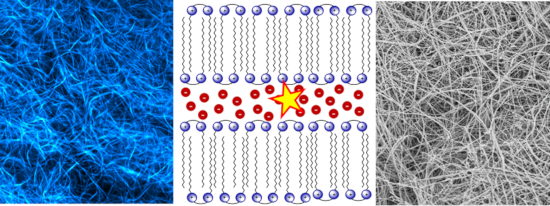
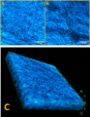
- ; microscopies; nanostructure; supramolecular hydrogel; Introduction Hydrogels, whether based on self-assembling molecules or cross-linked polymers, are useful in fields ranging from tissue engineering to drug delivery and biosensing [1][2][3][4][5]. Their high water content and soft, porous structure make them
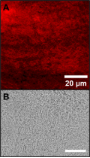
- diketopyrrolopyrrole bis(carboxylic acid) (DPP-BC) (Figure 1), are probed using confocal fluorescence microscopy and cryo-SEM. ZnPc is a water-soluble fluorophore with a conjugated and mainly flat macrocyclic structure, characterized by strong absorption in the red region of the visible spectrum, and has been
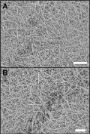
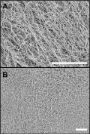
- relies on fluorescence to visualize hydrated gels directly, cryo-SEM provides an electron-based image of frozen desolvated gels. Rapidly freezing the sample (plunge-freezing in liquid nitrogen slush followed by freeze-fracture) preserves its near-native hydrated structure (usually not the case, often ice



Geometry-controlled engineering of the low-temperature proximity effect in normal metal–superconductor junctions
Beilstein J. Nanotechnol. 2025, 16, 2265–2273, doi:10.3762/bjnano.16.155
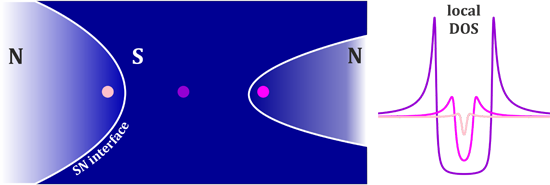
- assumptions such as quasiclassical approximations or linearized gap equations. Our approach thus captures both the microscopic structure of the pairing correlations and the influence of boundary-induced inhomogeneities in a unified framework. We find that the power-law decay of the induced pair amplitude in


Chiral plasmonic nanostructures fabricated with circularly polarized light
Beilstein J. Nanotechnol. 2025, 16, 2245–2264, doi:10.3762/bjnano.16.154
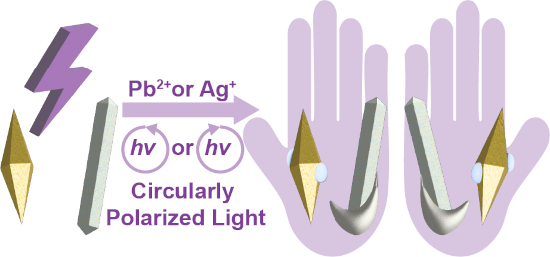
- nanoparticles that lack clear structural chirality limit the understanding of structure–property relationships. To increase the structural chirality in metallic chiral nanostructures, we recently developed an approach to control NC surface passivation to achieve higher dissymmetry in the spatial profile for Ag
- cPNSs synthesized with chiral molecules present [110][111]. This understanding about how CPL dictates chiral structure formation is also applicable to nanofabrication technologies. For example, the chiral EM near field or photoelectron profile can create chiral patterns in photolithography and electron
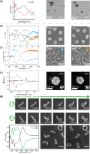
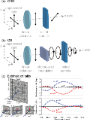
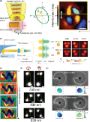
- ) measures the interaction between electrons and cPNSs upon laser excitation by mapping the EELS within an electron microscope [135] (Figure 8e). In summary, we have reviewed the nanoscale characterization tools correlating structure to chiroptical activity of PNSs in this section. CD and ORD are handy tools





Optical bio/chemical sensors for vitamin B12 analysis in food and pharmaceuticals: state of the art, challenges, and future outlooks
Beilstein J. Nanotechnol. 2025, 16, 2207–2244, doi:10.3762/bjnano.16.153
- levels of VB12 in foods and pharmaceuticals is crucial for health management and disease prevention. VB12 is also known as cobalamin due to the presence of a central cobalt ion (Co2+) within the structure of its modified tetrapyrrole ring (Figure 1). A unique feature of the tetrapyrrole-derived ring in
- symmetrical rings found in heme and chlorophyll [2][11]. The structure of VB12 also includes a nucleotide loop that contains a unique base known as dimethylbenzimidazole (DMB). This nucleotide loop is attached to one of the propionate side chains of the corrin ring via an aminopropanol linker and stretches
- out below the corrin ring’s plane. This particular arrangement allows the DMB base to act as a secondary ligand for the central cobalt ion (Co2+), playing a crucial role in the molecule’s structural integrity and biological activity. Within the structure of VB12, Co2+ is capable of binding to an upper


Electromagnetic study of a split-ring resonator metamaterial with cold-electron bolometers
Beilstein J. Nanotechnol. 2025, 16, 2199–2206, doi:10.3762/bjnano.16.152
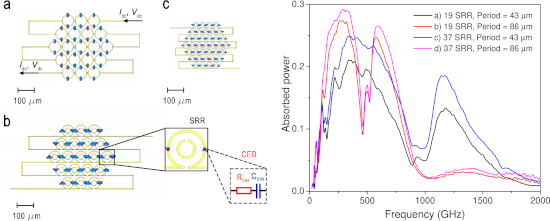
- bandwidth. The trade-off between the bandwidth expansion due to miniaturization and the reduction in absorption efficiency determined by the Airy spot size of the coupling lens is investigated. To solve this issue, a simultaneous miniaturization of the size of the entire structure with an increase in the
- solver of CST MWS in 3D mode. The simulated receiving structure is placed on a 500 μm thick silicon substrate. A 4 mm-diameter silicon hyperhemispherical lens is placed on the rear side of the substrate to efficiently couple the incident radiation into the planar structure. The external signal is
- of dext = 80 μm and an inner ring diameter of dint = 70 μm. The lattice constant (period) of the metamaterial array is P = 86 μm. The total size of the structure is 424 μm. A large-scale SRR has an outer ring with an external diameter of dext,1 = 80 μm and an internal diameter of dint,1 = 70 μm. The


Ultrathin water layers on mannosylated gold nanoparticles
Beilstein J. Nanotechnol. 2025, 16, 2183–2198, doi:10.3762/bjnano.16.151
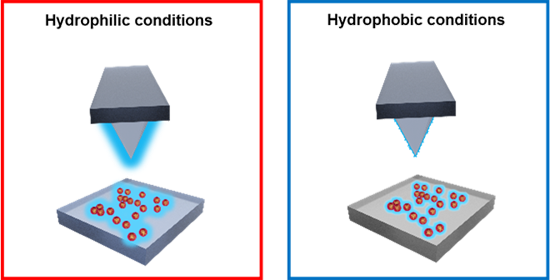
- the alpha level was kept at 0.05. Structures of gold nanoparticles used in this work. (A) PEG AuNPs were obtained in the presence of carboxyl PEG thiol. (B) Dimanno-AuNPs were covered with 50% of dimannoside and 50% of carboxyl PEG thiol. Note that, in (A) and (B), the linear structure of the



Hartree–Fock interaction in superconducting condensate fractals
Beilstein J. Nanotechnol. 2025, 16, 2177–2182, doi:10.3762/bjnano.16.150
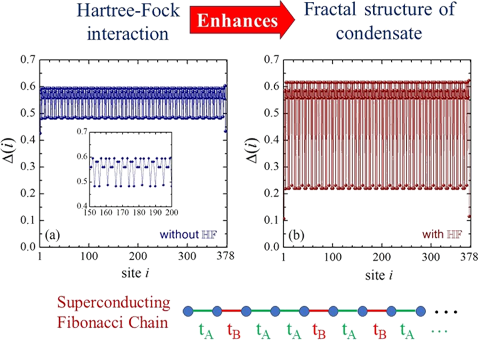
- –Beenker tilings [23], well-known representations of two-dimensional quasicrystals. Recent studies confirm that the superconducting condensate in quasiperiodic systems possesses a highly nontrivial spatial structure. This finding naturally raises the question of how sensitive the theoretical predictions





