


Search results
Search for "surfactant" in Full Text gives 238 result(s) in Beilstein Journal of Nanotechnology. Showing first 200.
Orally administered docetaxel-loaded chitosan-decorated cationic PLGA nanoparticles for intestinal tumors: formulation, comprehensive in vitro characterization, and release kinetics
Beilstein J. Nanotechnol. 2022, 13, 1393–1407, doi:10.3762/bjnano.13.115
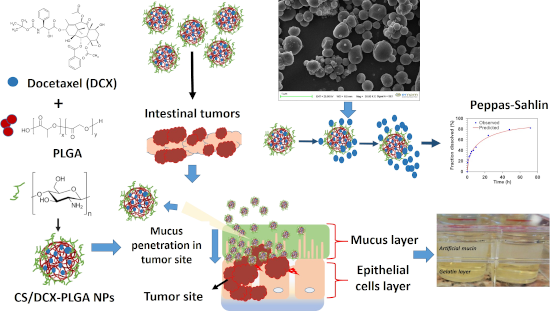
- appears to be the primary problem and requires the addition of a co-solvent and/or a surfactant (ethanol/polysorbate 80) to the formulations [32][36]. However, results such as acute hypersensitivity reactions and decreased clinical efficacy have been reported due to auxiliary components such as Cremophor
- method, the organic and aqueous phase were prepared separately. First, the organic phase was prepared by dissolving 2% (w/v) PLGA and 20 mg docetaxel in 10 mL ethyl acetate. 25 mL of aqueous phase was prepared by dissolving the non-ionic surfactant PVA at a concentration of 2% and CS at a concentration


Recent trends in Bi-based nanomaterials: challenges, fabrication, enhancement techniques, and environmental applications
Beilstein J. Nanotechnol. 2022, 13, 1316–1336, doi:10.3762/bjnano.13.109
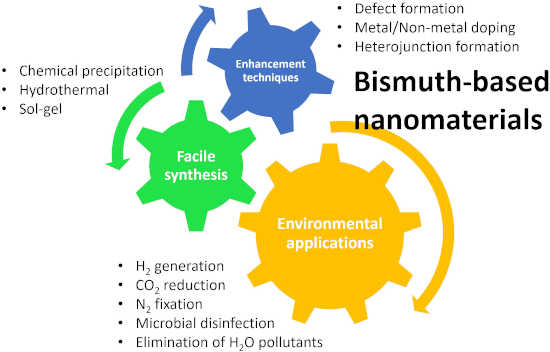
- surfactant-free hydrothermal technique [55]. According to the results, the pH value has a significant impact on shape, surface area, particle size, and V–O bond length. The grain size was reduced when the pH value was raised, and the crystal structure became more closely stacked. Under visible-light
- simple hydrothermal synthesis for preparing 2D BiOCl nanosheets [83]. This was accomplished by altering the pH value of the precursor solution and using of dulcitol (C6H14O6) as surfactant. The pH value substantially influenced the thickness of the nanosheets and the fraction of exposed (001) facets. The




Comparative molecular dynamics simulations of thermal conductivities of aqueous and hydrocarbon nanofluids
Beilstein J. Nanotechnol. 2022, 13, 620–628, doi:10.3762/bjnano.13.54
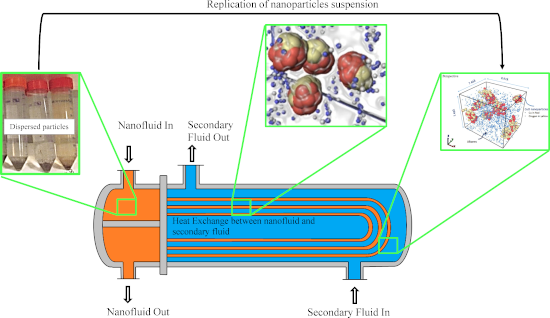
- future considerations, the system under observation should be modified with surfactants to increase stability for longer time periods, as systems without surfactant show agglomeration after a short time. Hence, this causes system destabilisation and creates sedimentation. Finally, surface modification of


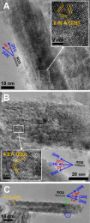
A new method for obtaining the magnetic shape anisotropy directly from electron tomography images
Beilstein J. Nanotechnol. 2022, 13, 590–598, doi:10.3762/bjnano.13.51
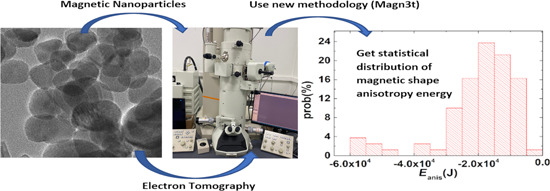
- analysis, 28–30 wt % solution of NH3 in water, Acros Organics). The preparation of the MNPs was performed by reverse precipitation, in which an aqueous solution (50 mL) of FeSO4 with the surfactant CTAB (2:1, mass ratio) was slowly dripped into a 50 mL basic solution of NaOH and NH4OH. The solution turned


Stimuli-responsive polypeptide nanogels for trypsin inhibition
Beilstein J. Nanotechnol. 2022, 13, 538–548, doi:10.3762/bjnano.13.45
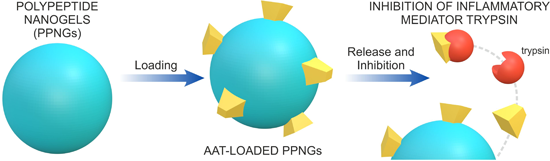
- -Tyr nanogel, showing that in the presence of TWEEN 85 surfactant a spherical nanogel with low yield was obtained. In contrast, in the presence of SPAN 80 surfactant, the final nanogel was more irregular in shape while the yield of nanogelation was increased. The in vitro and in vivo tests proved
- biocompatibility and biodegradability of PHEG-Tyr nanogel and biocompatibility of Nα-Lys-NG nanogel [23][24][25]. In this study, we attempt to obtain improved shape and morphology of PHEG-Tyr nanogel by combining surfactant SPAN 80 with surfactant TWEEN 85 based on a previous study presenting the stabilization
- nanogel was separated by centrifugation (11,000 rpm/20 min), washed three times with CHX, dispersed in CHX (20 mL) overnight, and again washed seven times with CHX to completely remove any residual surfactant. Then, the nanogel was dispersed in distilled water and dialyzed (molecular weight cut-off: <100


Photothermal ablation of murine melanomas by Fe3O4 nanoparticle clusters
Beilstein J. Nanotechnol. 2022, 13, 255–264, doi:10.3762/bjnano.13.20
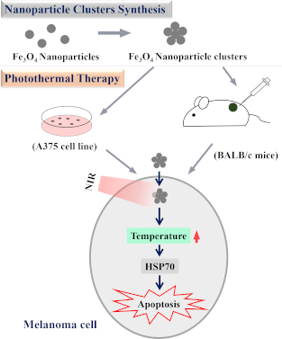
- solution with high thermal stability. Transmission electron microscopy (TEM) revealed a typical face-centered cubic structure with uniform size and an average diameter of 5.2 ± 1.5 nm (Figure 1a) [17]. After the surfactant dodecyltrimethylammonium bromide (DTAB) was introduced, its lipophilic ends combined


Surfactant-free syntheses and pair distribution function analysis of osmium nanoparticles
Beilstein J. Nanotechnol. 2022, 13, 230–235, doi:10.3762/bjnano.13.17
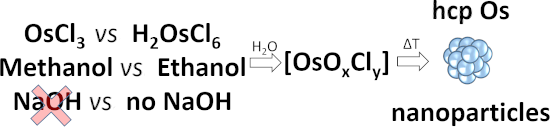
- X-ray Science Division, Advanced Photon Source, Argonne National Laboratory, Argonne, 9700 S Cass Ave, Lemont, IL 60439, USA Department of Energy Conversion and Storage, Technical University of Denmark, Fysikvej Bldg. 310, Lyngby, DK-2800 Kgs., Denmark 10.3762/bjnano.13.17 Abstract A surfactant
- -free synthesis of precious metal nanoparticles (NPs) performed in alkaline low-boiling-point solvents has been recently reported. Monoalcohols are here investigated as solvents and reducing agents to obtain colloidal Os nanoparticles by using low-temperature (<100 °C) surfactant-free syntheses. The
- ] complexes. Keywords: metal nanoparticles; osmium; pair distribution function; surfactant-free synthesis; Findings Precious metals are limited resources, yet fundamental for a range of applications, such as in medicine or catalysis [1][2][3]. There are relatively few reports on osmium (Os) compared to


A comprehensive review on electrospun nanohybrid membranes for wastewater treatment
Beilstein J. Nanotechnol. 2022, 13, 137–159, doi:10.3762/bjnano.13.10
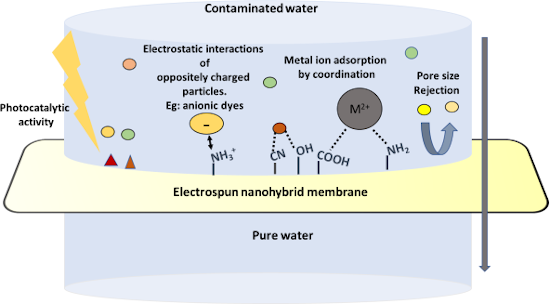
- membrane to remove Pb2+ and Cu2+ ions from aqueous solutions by electrospinning PVP and 3-mercaptopropyltrimethoxysilane (TMPTMS) infused with cerium oxide [62]. Also, they have modified the PVP/CeO2/TMPTMS nanofibers with a surfactant (Pluronic123) to obtain smaller fiber diameters and greater pore volume
- /TMPTMS alone without surfactant. The sorbent membrane was regenerated by simply using 0.1 M HNO3 as a desorbing agent [62]. Electrospun nanohybrids have also been utilized to remove radioactive metals. Talebi et al. investigated the sorption of Th4+ and U6+ ions by an electrospun nanomembrane of a
- the nanoscale roughness of the surface, which is a factor that enhances the superwettability. The authors investigated the separation capability of both surfactant-stabilized and surfactant-free oil-in-water emulsions. A permeation flux of 6290 ± 50 LMH and 1120 ± 80 LMH for surfactant-free and




Biocompatibility and cytotoxicity in vitro of surface-functionalized drug-loaded spinel ferrite nanoparticles
Beilstein J. Nanotechnol. 2021, 12, 1339–1364, doi:10.3762/bjnano.12.99
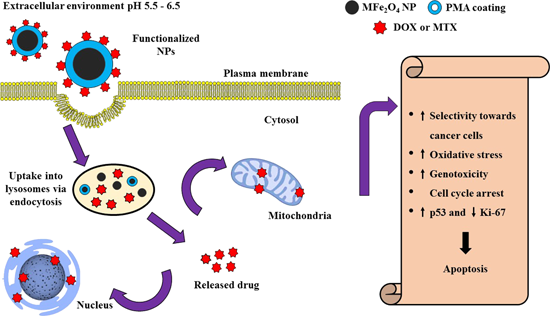
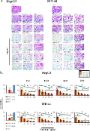
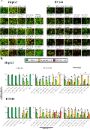
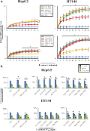
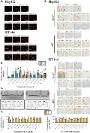
- chemistry of NPs, thereby affecting their physiochemical and biological properties [11][20]. In the present work, we synthesized a variety of MFe2O4 (M = Co, Ni, and Zn) NPs using the sonochemical technique. Particle agglomeration was prevented by using oleic acid as the surfactant [21]. Phase change of
- hydrophilic groups. The hydrophobic side chains interact with the hydrophobic surfactant (oleic acid) present on the surface of NPs, thereby exposing the hydrophilic end to interact with the aqueous environment and contributing towards a colloidal nanosuspension [23]. The surfaces of the NPs were further





Morphology-driven gas sensing by fabricated fractals: A review
Beilstein J. Nanotechnol. 2021, 12, 1187–1208, doi:10.3762/bjnano.12.88
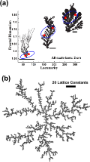
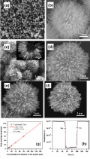
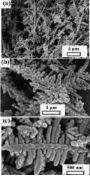
- ethanol and citric acid played a vital role in the growth of the dendrite nanostructure, which exhibited a fractal dimension of 1.94. Bismuth vanadate -based fractals Zhao et al. synthesized large-scale highly uniform hyperbranched monoclinic BiVO4 (h-BiVO4) structures by a surfactant-free hydrothermal
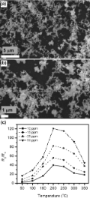
- showed good reproducibility, high stability, and selectivity towards ammonia over other gases. In 2015, Zhao et al. reported dandelion-like NiO hierarchical structures assembled with dendritic elements (ca. 1.8 µm) synthesized via a surfactant-free one-step hydrothermal route [86]. The dandelion-like NiO










Use of nanosystems to improve the anticancer effects of curcumin
Beilstein J. Nanotechnol. 2021, 12, 1047–1062, doi:10.3762/bjnano.12.78
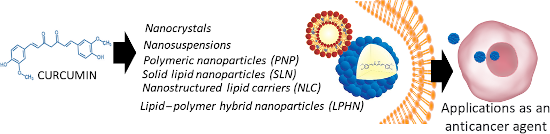
- ± 12.25 nm, EE% 78.04 ± 0.54 >70% CUR). This was associated with the compatibility of the compound with the lipid medium and the presence of the surfactant in the polymer formulation (which has been reported to affect the % EE). In addition, they reported better cellular uptake of SLN, which was
- through a thin interfacial surfactant layer [90]. Some of their advantages include high surface area and high kinetic stability against various types of instabilities. Nanoemulsions have been commercially used to encapsulate CUR and other bioactive agents [91][92]. Their properties allow them to be


The role of deep eutectic solvents and carrageenan in synthesizing biocompatible anisotropic metal nanoparticles
Beilstein J. Nanotechnol. 2021, 12, 924–938, doi:10.3762/bjnano.12.69
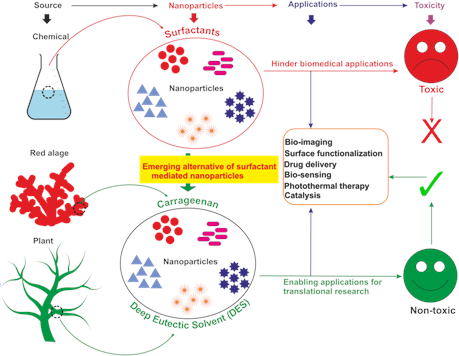
- surfactant for synthesizing anisotropic nanoparticles with high yield and monodispersity. The surfactant induces anisotropy during the growth of nanoparticles and enables NIR absorption capability due to longitudinal surface plasmon resonance (LSPR) [11]. However, despite the superior plasmonic properties
- the year 2003 [26]. The first work on using DESs as a solvent in synthesizing anisotropic gold nanoparticles was reported in 2008 [27]. The synthesis involved no surfactant or seed in the reaction mixture. Later on, several studies were carried out to synthesize nanomaterials using DESs that embrace
- carrageenan in the synthesis of nanomaterials that are nontoxic. The review begins by discussing widely used wet chemical methods of synthesizing anisotropic plasmonic metal nanomaterials. We also give insight in growth mechanisms during the initiation of anisotropy in the presence of a surfactant. This


Comprehensive review on ultrasound-responsive theranostic nanomaterials: mechanisms, structures and medical applications
Beilstein J. Nanotechnol. 2021, 12, 808–862, doi:10.3762/bjnano.12.64
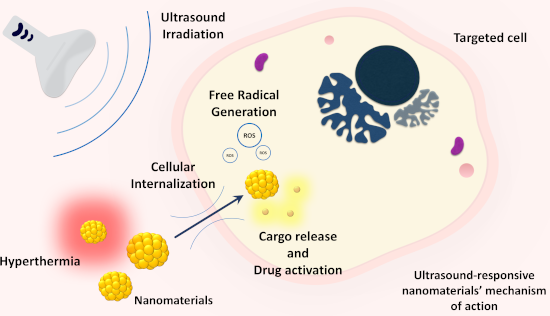
- carrier. The imaging applications of these materials will also be discussed. These materials include nanocarrier formulations and nanostructured contrast agents, such as microbubbles (MBs), surfactant-based carriers (including micelles, NEs, and niosomes), polymer-based carriers (including gels
- ) gas-filled structures that are stabilized by a lipid, surfactant, protein, or polymer shell, whose stiffness or rigidity can affect the final outcome of the MBs upon exposure to US [71][72][73]. During the cavitation event, backscattered energy leads to the expanding and shrinking of the MBs, which
- composition. Moreover, their biocompatibility, biodistribution, stability, capacity, and diagnostic efficacy are related to this factor. Lipid- and surfactant-based nanomaterials, polymeric nanomaterials, and metallic and non-metallic nanomaterials, in addition to micro- and nanomotors and some miscellaneous


Silver nanoparticles nucleated in NaOH-treated halloysite: a potential antimicrobial material
Beilstein J. Nanotechnol. 2021, 12, 798–807, doi:10.3762/bjnano.12.63
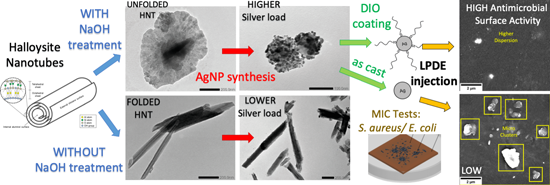
- matrix and additive was tested through coating the Ag-NPs with dodecanethiol, a non-polar surfactant. The resulting composites were characterized by scanning electron microscopy and in terms of surface antimicrobial activity. The results demonstrate that the Ag-NPs synthesized in this work are indeed
- antimicrobial properties by coating the nanoparticles with dodecanethiol, a non-polar surfactant highly compatible with LDPE. This shows that the Ag-NPs synthetized is this work are viable as antimicrobial additives for plastics, probably the most important material for large-scale industrial applications




Recent progress in actuation technologies of micro/nanorobots
Beilstein J. Nanotechnol. 2021, 12, 756–765, doi:10.3762/bjnano.12.59
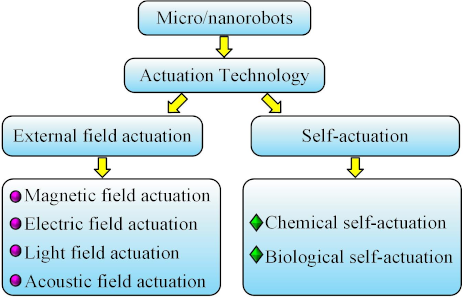
- [25], Copyright © 2021 Zheng et al., licensed under a Creative Commons Attribution 4.0 International License, http://creativecommons.org/licenses/by/4.0/. Movement of TiO2/Pt microrobots. (A) Snapshot images of a TiO2/Pt microrobot moving in a solution of 0.5 wt % H2O2 and 0.1 wt % surfactant. Scale


Nanoporous and nonporous conjugated donor–acceptor polymer semiconductors for photocatalytic hydrogen production
Beilstein J. Nanotechnol. 2021, 12, 607–623, doi:10.3762/bjnano.12.50
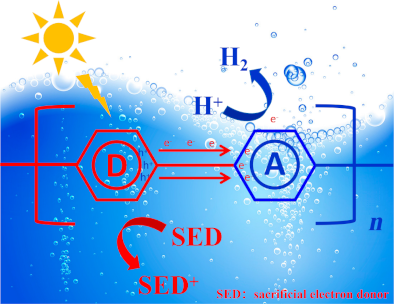
- (Figure 10) exhibited the highest HER of 191.82 μmol·h−1 (1.15 mg) [95]. Recently, McCulloch and co-workers discovered another D/A heterojunction (P80/P81) (Figure 10) as photocatalyst for hydrogen evolution. By stabilizing the surfactant employed during synthesis of the heterojunction, ITIC-containing




Doxorubicin-loaded gold nanorods: a multifunctional chemo-photothermal nanoplatform for cancer management
Beilstein J. Nanotechnol. 2021, 12, 295–303, doi:10.3762/bjnano.12.24
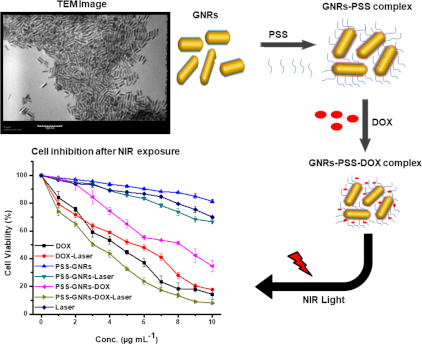
- treatments. Regardless of the various beneficial properties, GNRs have limitations in clinical applications due to the cytotoxicity of the surfactant cetyltrimethylammonium bromide (CTAB), which acts as a template in the synthesis process of GNRs [17]. Different polymers can be used to coat GNRs to enhance


A review on the green and sustainable synthesis of silver nanoparticles and one-dimensional silver nanostructures
Beilstein J. Nanotechnol. 2021, 12, 102–136, doi:10.3762/bjnano.12.9
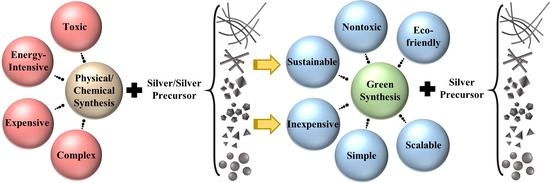
- . The size distribution of the synthesized nanoparticles depends on the type of solvent as well as the reducing agent. This enables a method that provides many choices depending on the type of surfactant and solvent, which can be optimized to yield the desired size and morphology [152]. In addition


Effect of different silica coatings on the toxicity of upconversion nanoparticles on RAW 264.7 macrophage cells
Beilstein J. Nanotechnol. 2021, 12, 35–48, doi:10.3762/bjnano.12.3
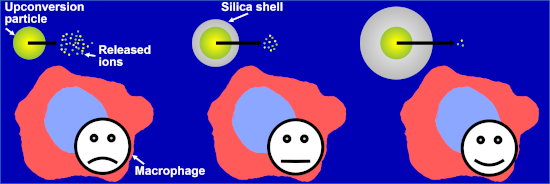
- a surfactant concentration of 11 wt % and a maximum water concentration of 2–3 wt %. The initial concentration of UCNP cores was set to 20 g/L and the total volume was 5 mL. Next, 1.551 mL of TEOS was added stepwise at a rate of 20.8 μL/min through a peristaltic pump (REGLO Digital MS–2/8–160


Cardiomyocyte uptake mechanism of a hydroxyapatite nanoparticle mediated gene delivery system
Beilstein J. Nanotechnol. 2020, 11, 1685–1692, doi:10.3762/bjnano.11.150
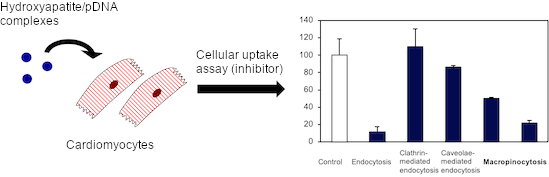
- ) is one of the most stable forms of CaP, and diverse methods for preparing HAp nanoparticles have been reported. Among these methods, the microemulsion method has the advantage of controlling the spherical-like morphology and the size of nanoparticles by using a surfactant solution [11][12]. Therefore
- dodecane (CH3(CH2)10CH3) in the oil phase, 1.0 g of pentaethylene glycol dodecyl ether (C22H46O6) as a non-ionic surfactant, and 2.5 M of calcium hydroxide. After stirring these reagents for 1 h at 50 °C, 1.25 M of potassium dihydrogen phosphate was added to these solutions. After 24 h, the product was
- centrifuged and washed with distilled water and ethanol to remove oil and surfactant. The resulting particles were dispersed in distilled water. Physicochemical characteristics were examined using XRD (D8 Advance, Bruker), FTIR (FT/IR-4100, Jasco), and TEM (H-7100, Hitachi). The product was filtered using a


High-responsivity hybrid α-Ag2S/Si photodetector prepared by pulsed laser ablation in liquid
Beilstein J. Nanotechnol. 2020, 11, 1596–1607, doi:10.3762/bjnano.11.142
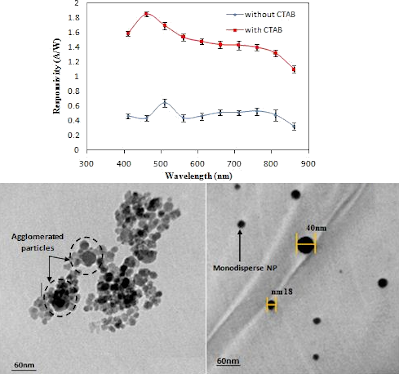
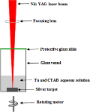
- ) mixed with cationic cetyltrimethylammonium bromide (CTAB) as surfactant. The effect of the CTAB surfactant on the structural, morphological, optical, and elemental composition of Ag2S NPs was evaluated using X-ray diffraction (XRD), transmission electron microscopy (TEM), scanning electron microscopy
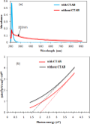
- (SEM), energy-dispersive X-ray spectroscopy (EDX), and UV–vis spectroscopy. The optical absorption decreased and the optical energy gap of α-Ag2S increased from 1.5 to 2 eV after the CTAB surfactant was added to the Tu solution. XRD studies revealed that the synthesized Ag2S NPs were polycrystalline
- monodisperse Ag2S NPs when using the CTAB surfactant. The optoelectronic properties of α-Ag2S/p-Si photodetector, such as current–voltage characteristics and responsivity in the dark and under illumination, were also improved after using the CTAB surfactant. The responsivity of the photodetector increases from




One-step synthesis of carbon-supported electrocatalysts
Beilstein J. Nanotechnol. 2020, 11, 1419–1431, doi:10.3762/bjnano.11.126

- order to control their morphology and size, additional surface activation steps are necessary to remove these organic molecules from the particle surface (reactivation) [6][7][8], which often further increases production costs. A similar issue limits surfactant-free chemical synthesis techniques, such
- techniques [11] and laser ablation [12]) are surfactant-free and scalable. However, these approaches typically require multiple-step procedures in which the support and catalytic nanoparticles (NPs) are first produced individually and then combined in a third step (i.e., NP sedimentation in liquid phase [13




Magnetic-field-assisted synthesis of anisotropic iron oxide particles: Effect of pH
Beilstein J. Nanotechnol. 2020, 11, 1230–1241, doi:10.3762/bjnano.11.107
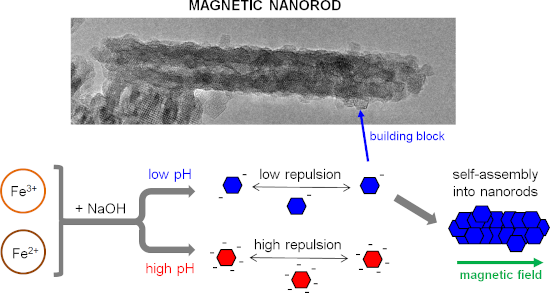
- batteries [8], preparation of hybrid organic–inorganic nanocomposites, and gels with polymer or surfactant-based matrices [20]. Among these applications, elongated particles (particularly nanorods) have many advantages over spherical nanoparticles [11][21][22]. Nanorods often have stronger magnetic
- ][30][31][32], solvothermal [33] and hydrothermal [34] reactions, the polyol method [35], dehydration or reduction of precursor rod-like particles [8][11], sonochemical oxidation [36], thermal decomposition [23][26], sol–gel reactions [37], synthesis in worm-like surfactant micellar solutions [38][39
- [8][35]. On the one hand, these approaches are advantageous since as-prepared nanoparticles covered by surfactant or polymer molecules become more stable and less susceptible to fast agglomeration. On the other hand, the nanoparticle surfaces become covered by these compounds, which are sometimes





Influence of the magnetic nanoparticle coating on the magnetic relaxation time
Beilstein J. Nanotechnol. 2020, 11, 1207–1216, doi:10.3762/bjnano.11.105
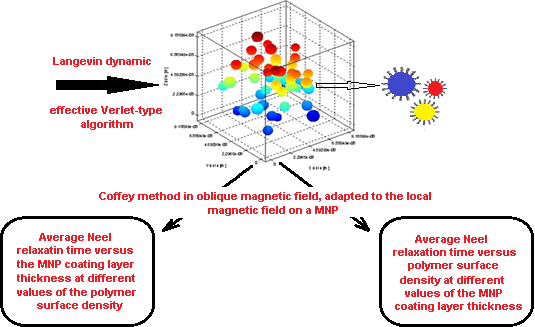
- distribution of the grain size. Each nanoparticle is composed of a magnetic core and a nonmagnetic surface layer of stabilizing surfactant. The system temperature is considered to be constant. To simulate the self-organization of the colloidal magnetic nanoparticles we used the Langevin dynamics stochastic
- expression for the steric stabilization force [21]: where di = 2ri, l = 2sij/di, t = 2δ/di (δ is the thickness of the surfactant layer) and ξ is the polymer surface density. The dipolar magnetic force exerted between the magnetic moments of the i-th and j-th nanoparticles is given by [21]: where µ0 is the
- surfactant coating layer. At low polymer surface density values, the repulsion forces, in particular the steric forces (Equation 12), are weaker. Therefore, the attraction forces predominate, especially the magnetic dipolar interaction forces which act on the nanoparticles (Equation 13). As such, the


Gram-scale synthesis of splat-shaped Ag–TiO2 nanocomposites for enhanced antimicrobial properties
Beilstein J. Nanotechnol. 2020, 11, 1119–1125, doi:10.3762/bjnano.11.96
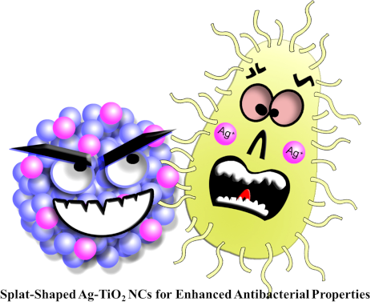
- TiO2 NP nucleation started after adding the urea and PVP surfactant. Then, the aqueously dispersed AgNO3 solution was poured into the prepared TiO2/PVP mixture. It was assumed that the positively charged Ag+ ions interacted with the negatively charged PVP-modified TiO2 NPs due to electrostatic





