


Search results
Search for "toxicity" in Full Text gives 423 result(s) in Beilstein Journal of Nanotechnology. Showing first 200.
Electronic and optical properties of chloropicrin adsorbed ZnS nanotubes: first principle analysis
Beilstein J. Nanotechnol. 2025, 16, 1184–1196, doi:10.3762/bjnano.16.87
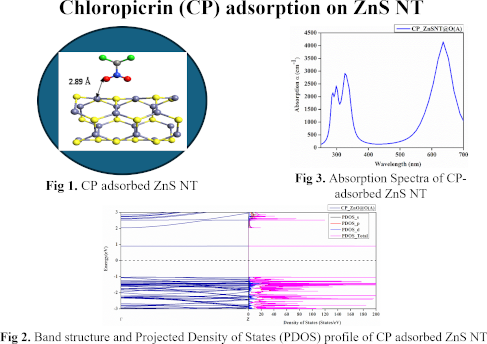
- and a pulmonary toxicant, CP exhibits potent lachrymatory and ocular irritant properties. Its degradation products, including chlorine, phosgene, nitric oxides, and ammonia, contribute to its toxicity by causing severe pulmonary and ocular damage [5]. Exposure to CP, as depicted in Figure 1, can


Fabrication of metal complex phthalocyanine and porphyrin nanoparticle aqueous colloids by pulsed laser fragmentation in liquid and their potential application to a photosensitizer for photodynamic therapy
Beilstein J. Nanotechnol. 2025, 16, 1088–1096, doi:10.3762/bjnano.16.80
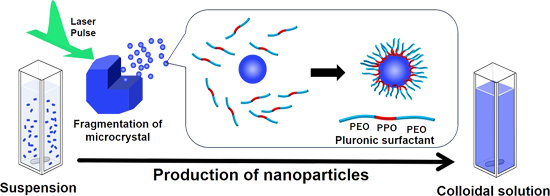
- of PC12 and HeLa cells was observed upon light irradiation, while slight toxicity was observed for MPcs even in the dark (Figure 7). Both AlClPc and PtOEP demonstrated dose-dependent photocytotoxicity for PC12 cells. To investigate the photocytotoxicity properties of the nanoparticles, the


Piezoelectricity of hexagonal boron nitrides improves bone tissue generation as tested on osteoblasts
Beilstein J. Nanotechnol. 2025, 16, 1068–1081, doi:10.3762/bjnano.16.78
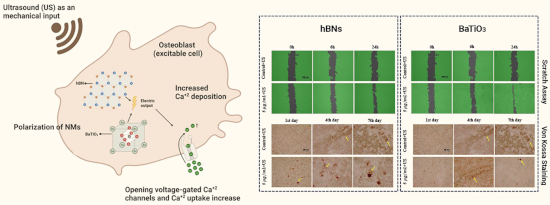
- results demonstrate that both NMs exhibited robust piezoelectric properties and confirmed their exceptional biocompatibility, with no toxicity observed even at the highest concentrations tested. The mechanical stress induced by the US prompts micromechanical interaction with cells. This, in turn, triggers


A calix[4]arene-based supramolecular nanoassembly targeting cancer cells and triggering the release of nitric oxide with green light
Beilstein J. Nanotechnol. 2025, 16, 1003–1013, doi:10.3762/bjnano.16.75
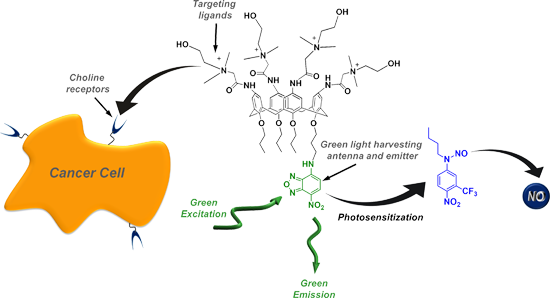
- light, not only for its intrinsic low toxicity but also for its deeper tissue penetration. Our recent work reported a supramolecular approach to trigger the NO release from a blue-light-activatable nitroso-derivative NOPD through red light [51][52]. This was achieved by a bimolecular photochemical


Synthesis of biowaste-derived carbon-dot-mediated silver nanoparticles and the evaluation of electrochemical properties for supercapacitor electrodes
Beilstein J. Nanotechnol. 2025, 16, 933–943, doi:10.3762/bjnano.16.71
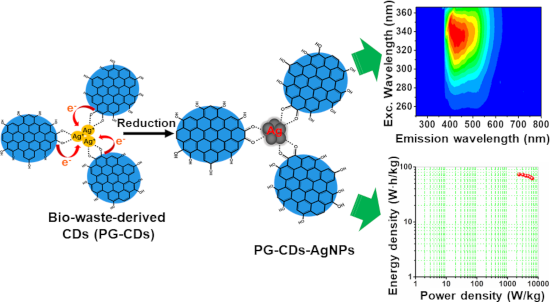
- groups which give them remarkable chemical and photophysical features, such as photostability, minimal toxicity, and tunable luminescence [18][19]. A significant number of studies has been carried out for developing CDs from inexpensive natural resources in many ways, which are also environment friendly


Supramolecular hydration structure of graphene-based hydrogels: density functional theory, green chemistry and interface application
Beilstein J. Nanotechnol. 2025, 16, 806–822, doi:10.3762/bjnano.16.61
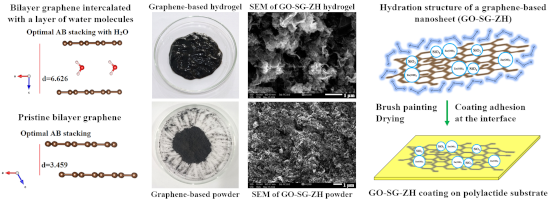
- Zn(OH)2 constituent). ZH nanoparticles and GO nanosheets in the GO-SG-ZH hydrogel are antibacterial and antibiofilm agents with low toxicity for food packaging and biomedical applications [56][57]. The main antibacterial mechanism of GO nanosheets is cell membrane damage caused by direct contact of


Serum heat inactivation diminishes ApoE-mediated uptake of D-Lin-MC3-DMA lipid nanoparticles
Beilstein J. Nanotechnol. 2025, 16, 740–748, doi:10.3762/bjnano.16.57
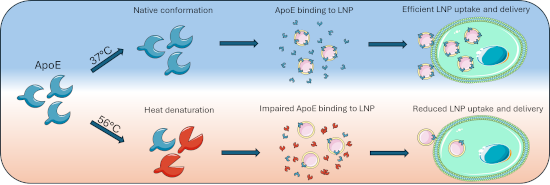
- nanoparticle, reviewed by [6][7][8], as well as the protein source of the corona [9][10][11]. Ultimately, the protein corona can change the uptake [12][13][14], biodistribution [15][16][17][18], immunological responses [19][20] and toxicity [6][21][22] of nanoparticles and its characterization should thus play


Colloidal few layered graphene–tannic acid preserves the biocompatibility of periodontal ligament cells
Beilstein J. Nanotechnol. 2025, 16, 664–677, doi:10.3762/bjnano.16.51
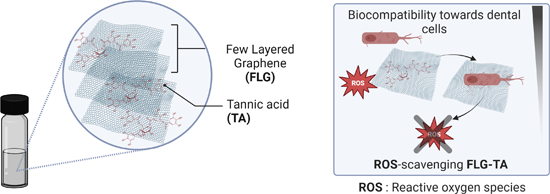
- reaggregation of exfoliated graphene layers [11]. Various surfactants have been employed. For instance, sodium dodecylbenzene sulfonate and sodium cholate have been reported to be able to produce stable graphene colloidal dispersions [13]. However, these synthetic surfactants often raise concerns about toxicity




A formulation containing Cymbopogon flexuosus essential oil: improvement of biochemical parameters and oxidative stress in diabetic rats
Beilstein J. Nanotechnol. 2025, 16, 617–636, doi:10.3762/bjnano.16.48
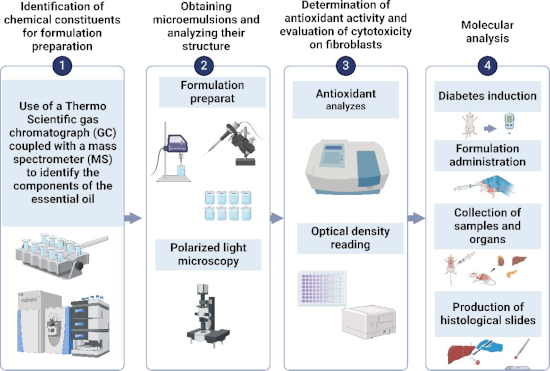
- diagram Various surfactants in different combinations were tested to obtain the ME. In general, non-ionic surfactants are most commonly used because they have a low critical micelle concentration, low toxicity, and greater stability to changes in pH and charge when compared to other classes of surfactants




Nanomaterials in targeting amyloid-β oligomers: current advances and future directions for Alzheimer's disease diagnosis and therapy
Beilstein J. Nanotechnol. 2025, 16, 561–580, doi:10.3762/bjnano.16.44
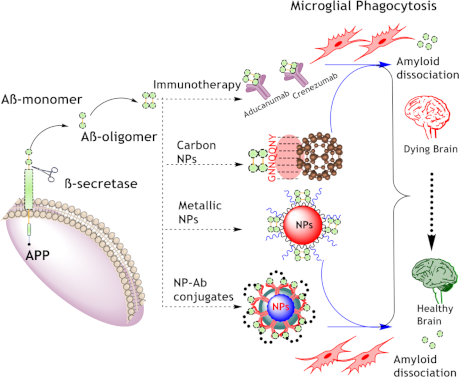
- treatment of AβO-driven AD [14], and we will discuss these topics in the following. Mechanisms of neuronal cell toxicity induced by AβOs Research has shown that AβOs possess a remarkable ability to penetrate cell membranes, largely due to their capacity to form porins within the lipid bilayer. This ability
- 2, contribute significantly to the neurodegenerative pathways associated with AD, highlighting the multifaceted role of AβOs in neuronal dysfunction and cell death [19]. Conventional methods for addressing the presence and toxicity of AβOs AβOs are small aggregates formed from the misfolding and
- , Parikh et al. developed a curcumin-loaded self-nanomicellizing solid dispersion system (Cur-SNSDS) to significantly enhance the in vivo bioavailability of curcumin. This novel NP system demonstrated superior safety and efficacy in mitigating Aβ42 oligomer-induced toxicity in SH-SY5Y695 APP human


Synthetic-polymer-assisted antisense oligonucleotide delivery: targeted approaches for precision disease treatment
Beilstein J. Nanotechnol. 2025, 16, 435–463, doi:10.3762/bjnano.16.34

- target messenger RNA (mRNA). This reduces immune-related adverse events and toxicity while keeping increased resistance to nuclease degradation. In second-generation ASOs, the structural modifications are not limited to the phosphate linkage; the molecules also possess alkyl substitutions at the 2
- -conjugate exhibited moderate toxicity, particularly in terms of decreased white blood cell and platelet counts, these negative effects remained within acceptable ranges, suggesting that VIP–PLL conjugation could effectively enhance the therapeutic efficacy of the ASO while maintaining manageable toxicity
- effective complexation with ASOs and enhanced cellular uptake. Additionally, while these high-generation DPLs exhibited moderate cytotoxicity, complexation with ASOs was shown to reduce toxicity, making them a promising vehicle for gene therapy applications. Confocal microscopy further confirmed the ability


Quantification of lead through rod-shaped silver-doped zinc oxide nanoparticles using an electrochemical approach
Beilstein J. Nanotechnol. 2025, 16, 422–434, doi:10.3762/bjnano.16.33
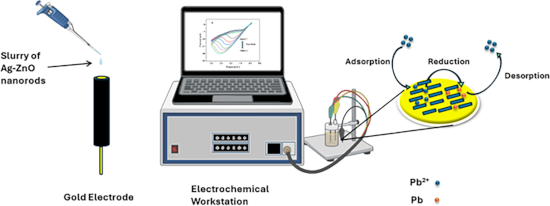
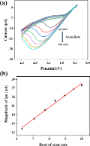
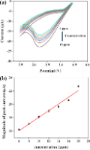
- employed as effective electron mediators [9]. Zinc oxide nanoparticles have gained a lot of attention due to their unique features, such as wide bandgap (approximately 3.37 eV), excellent electron transportation, piezoelectric behavior, semiconductor nature, low toxicity, and enhanced electrochemical
- the calculated amount of lead using the aforementioned technique. As the detected amount of lead in real samples are slightly higher than the spiking amount of lead, this is probable due to lead toxicity of real samples or greater conductivity of real samples due to the presence of more ions, which





Engineered PEG–PCL nanoparticles enable sensitive and selective detection of sodium dodecyl sulfate: a qualitative and quantitative analysis
Beilstein J. Nanotechnol. 2025, 16, 385–396, doi:10.3762/bjnano.16.29
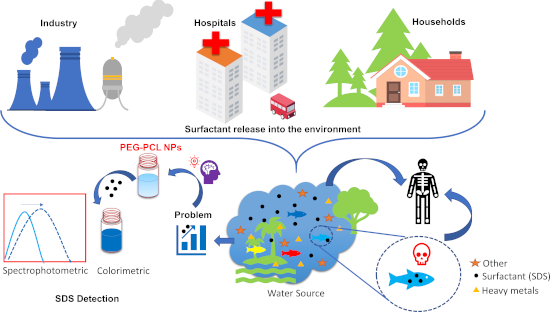
- SDS concentration of 0.1% to 0.00625% for 30 min showed its toxicity in terms of loss of focus, lens transparency, significant increase in lens wet weight, and axial length. Confocal imaging confirmed concentration-dependent mitochondrial loss in the ocular lens [8]. Human exposure to SDS via air was
- inherent toxicity, and their post-synthesis functionalization is laborious for selective detection [25][26]. Furthermore, alternatives such as polymer nanoparticles emerged as potential candidates for detecting contaminants such as SDS. Fu et al. developed a method for detecting SDS using polyethyleneimine


Development of a mucoadhesive drug delivery system and its interaction with gastric cells
Beilstein J. Nanotechnol. 2025, 16, 371–384, doi:10.3762/bjnano.16.28

- concluded that EudAlg nanoparticles do not significantly affect the viability of AGS cell (Figure 4A). Internalization of nanoparticles When nanoparticles are designed for biomedical applications, two important properties to be considered are toxicity and cellular uptake. The cellular uptake of
- through artificial mucus. The nanoparticles were internalized by mucus-secreting AGS cells within four hours, while exhibiting no toxicity towards the cells. The sufficient mucoadhesive properties, biosafety, and internalization into the cells indicate the potential use of the delivery system as oral drug


Enhancing mechanical properties of chitosan/PVA electrospun nanofibers: a comprehensive review
Beilstein J. Nanotechnol. 2025, 16, 286–307, doi:10.3762/bjnano.16.22


Emerging strategies in the sustainable removal of antibiotics using semiconductor-based photocatalysts
Beilstein J. Nanotechnol. 2025, 16, 264–285, doi:10.3762/bjnano.16.21
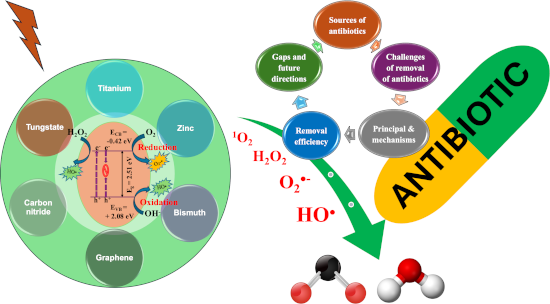
- antibiotics has raised public concern, especially because they are environmental contaminants originating from human and animal waste [5]. These antibiotics can persist without change or as active metabolites in the environment, posing significant toxicity risks to aquatic and human life [6][7][8]. The
- properties, exceptional photocatalytic performance, lack of toxicity, widespread availability, and cost efficiency [65]. It has a broad bandgap (3.2 eV). Therefore, it can be activated only by UV radiation, which is only a small part of the solar spectrum. This feature makes TiO2 not suitable for outdoor


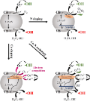

Radiosensitizing properties of dual-functionalized carbon nanostructures loaded with temozolomide
Beilstein J. Nanotechnol. 2025, 16, 229–251, doi:10.3762/bjnano.16.18
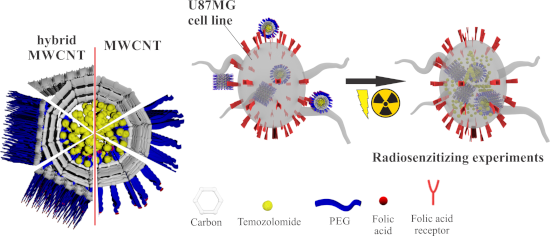
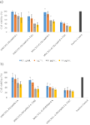
- concentration-dependent toxicity was observed for blank dual-functionalized CNs, being higher for MWCNTs-G-PEG6000-FA compared to MWCNTs-PEG6000-FA at the same formulation concentrations. With incorporation of TMZ into the functionalized CNs, the cell viability additionally decreased, maintaining the trend for
- a matter of increasing importance in the field of neurology, neuro-oncology, and neuropharmacology. This is because of their specific intrinsic physicochemical, biopharmaceutical, and pharmacological properties such as good bioavailability, relatively low toxicity, low weight and large surface area
- treatment with TMZ is associated with several disadvantages such as excessive toxicity for the surrounding tissues, short half-life of 1.8 h (which requires frequent administrations for achieving therapeutic concentrations at the site of action and leads to unfavorable safety profile and tolerability), and




Recent advances in photothermal nanomaterials for ophthalmic applications
Beilstein J. Nanotechnol. 2025, 16, 195–215, doi:10.3762/bjnano.16.16
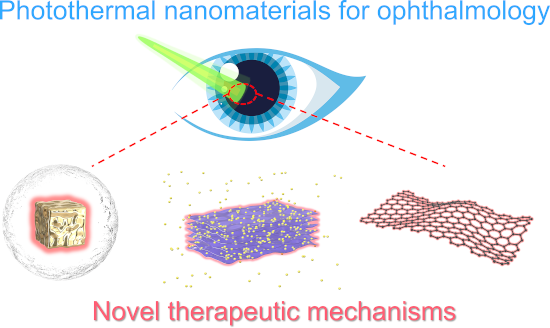
- to generate VNB ablation of the ILM covering the retina can help deliver drugs to the retina [167]. The common material used to generate VNBs, AuNPs, has disadvantages including long-term accumulated toxicity and fragmentation under laser irradiation [168]. ICG, which has been used in ophthalmology
- excreted by penetrating the renal filtration barrier, but too small AuNPs may enter cell membranes and irreversibly bind to cellular biopolymers, leading to cytotoxicity [217]. Large AuNPs may accumulate in eye, liver, and spleen, causing long-term toxicity. Surfactants such as CTAB and CTAC used to assist
- and selection. Additionally, because of concerns over material toxicity, novel materials like metal-organic frameworks, covalent organic frameworks, high-entropy materials, single-atom materials, electric power generation nanomaterials, 3D bioprinting materials, and upconversion luminescent materials


Comparison of organic and inorganic hole transport layers in double perovskite material-based solar cell
Beilstein J. Nanotechnol. 2025, 16, 119–127, doi:10.3762/bjnano.16.11
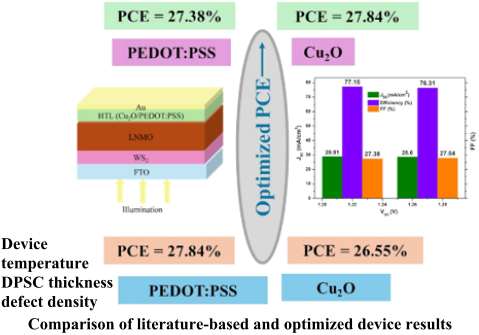
- -based PSCs as a promising photovoltaic material. The double perovskite layer is a remarkable choice as active layer because of intrinsic carrier stability, low exciton binding energy, and low toxicity. Herein, the optimization of a planar DPSC with a multifunctional double perovskite absorber layer
- corner-sharing BO6 and B′O6 units featuring a rock salt-like arrangement [10][11]. The commercialization of PSCs is impeded because of toxicity and long-term instability. DPSCs turned out to be better than PSCs because of better tunability, higher environmental stability, and higher efficiency. In DPSCs


Nanocarriers and macrophage interaction: from a potential hurdle to an alternative therapeutic strategy
Beilstein J. Nanotechnol. 2025, 16, 97–118, doi:10.3762/bjnano.16.10
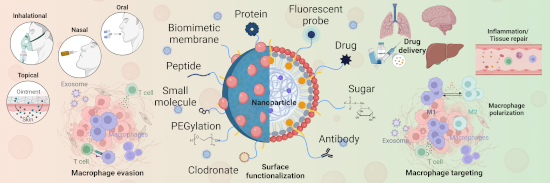
- increased susceptibility to infection, toxicity, and other liver disorders because of the suppression of essential physiological roles of KCs [47][48]. 4.3 Surface masking and the “stealth” effect At a subcellular level, the interaction between liver macrophages and NCs can be prevented by masking the NC
- tumor burden without inducing toxicity [65]. M2 polarization in restoring inflammatory diseases: Polarizing macrophages to the M2 phenotype has shown considerable promise in treating inflammatory diseases such as IBD and RA. M2 macrophages secrete anti-inflammatory cytokines like IL-10 and TGF-β, aiding
- normal liver tissue [98]. This targeted approach allows for the selective delivery of therapeutic agents to cancer cells, sparing healthy cells and reducing systemic toxicity. For example, gold NPs functionalized with antibodies against GPC3 have been used in photothermal therapy to selectively kill


Instance maps as an organising concept for complex experimental workflows as demonstrated for (nano)material safety research
Beilstein J. Nanotechnol. 2025, 16, 57–77, doi:10.3762/bjnano.16.7

- ]. This tendency of nanomaterials to change with their surroundings, or even with time during storage [19], suggests that the time between synthesis and initial characterisation and/or toxicity analysis, as well as changes in conditions of the surrounding medium, are important to document, although they
- physicochemical characterisation, which is often done in parallel to toxicity testing, a work-around solution was proposed, whereby projects could assign a unique identifier to their batches of nanomaterials via the European Registry of Nanomaterials [24] and add the characterisation data later, thus enabling
- is sufficient as metadata about a nanomaterial’s toxicity study to enable reuse of the resulting data. Notably these standard tests, as developed by the Organisation for Economic Cooperation and Development (OECD) are usually quite broad, as they are globally agreed upon. Thus, they allow users some


Theoretical study of the electronic and optical properties of a composite formed by the zeolite NaA and a magnetite cluster
Beilstein J. Nanotechnol. 2025, 16, 44–53, doi:10.3762/bjnano.16.5
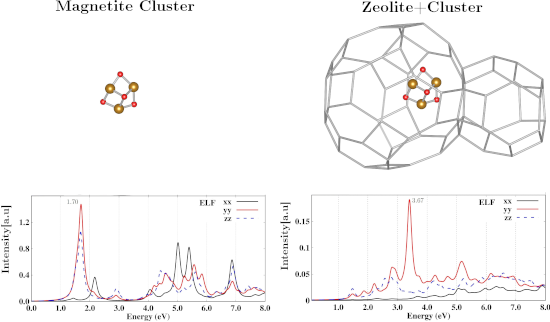
- ], heavy metal removal [11][12], sensor technologies [13][14][15][16], and biomedical applications [17]. Nanoscale materials represent a thriving field of research with a wide range of potential applications. Today, it is generally recognized that properties like hardness, reactivity, toxicity, and optical




A nanocarrier containing carboxylic and histamine groups with dual action: acetylcholine hydrolysis and antidote atropine delivery
Beilstein J. Nanotechnol. 2025, 16, 11–24, doi:10.3762/bjnano.16.2

- , encapsulation of the antidote, acetylcholine hydrolysis, and antidote release. Keywords: acetylcholine; antidote delivery; artificial cholinesterase; atropine; nanocarrier; resorcinarene; Introduction Cholinergic toxicity results from an excessive quantity of acetylcholine (ACh), causing muscle cramps, nausea
- , vomiting, and other serious issues [1]. ACh overproduction usually results from a malfunction of the cholinesterase enzyme caused by poisoning or medication [2][3]. Drug dosage regulation can greatly lower cholinergic toxicity [4], but the risks associated with poisoning are far higher. Poisons cause
- inhibit cholinesterases, potentially causing increased ACh levels. Developing nanocarriers for Atr delivery could provide a solution. These carriers might improve the efficacy of Atr, prolong its action duration, and reduce its toxicity [11][12]. In recent years, resorcinarenes, which are analogues of


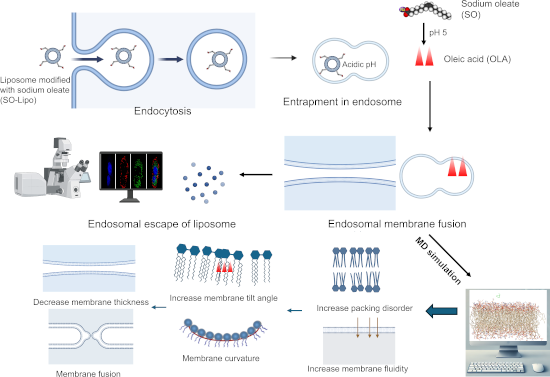
Mechanistic insights into endosomal escape by sodium oleate-modified liposomes
Beilstein J. Nanotechnol. 2024, 15, 1667–1685, doi:10.3762/bjnano.15.131
- leads to toxicity and diminishes their therapeutic value [4][6]. Additionally, the necessity for chemical conjugation between CPPs and therapeutic agents introduces complexities that can affect the pharmacokinetic profile and biodistribution of the drug. Alternative approaches, such as the use of
- ionizable lipids or pH-sensitive polymers, have also been investigated. While promising, these methods face significant hurdles, including toxicity, instability under physiological conditions, reduced drug loading capacity, and complex synthesis processes that hinder widespread adoption [7][8]. Given the
- . The efficient endosomal escape facilitated by SO is comparable to that achieved with AUR peptide, but with the added advantage of lower cytotoxicity. This combination of high efficacy and reduced toxicity positions SO as a highly attractive option for enhancing the delivery of a wide range of




Biomimetic nanocarriers: integrating natural functions for advanced therapeutic applications
Beilstein J. Nanotechnol. 2024, 15, 1619–1626, doi:10.3762/bjnano.15.127

- nanoparticles (AuNPs) with polyoxometalate and the peptides POMD and LPFFD (AuNPs@POMD-pep) have shown inhibition of Aβ1 aggregation and Aβ-induced cytotoxicity. However, the inherent toxicity of this formulation, challenges in particle digestion, and the potential for triggering immune reactions remain





