Search results
Search for "transfer" in Full Text gives 1093 result(s) in Beilstein Journal of Nanotechnology. Showing first 200.
Exploring the potential of polymers: advancements in oral nanocarrier technology
Beilstein J. Nanotechnol. 2025, 16, 1751–1793, doi:10.3762/bjnano.16.122
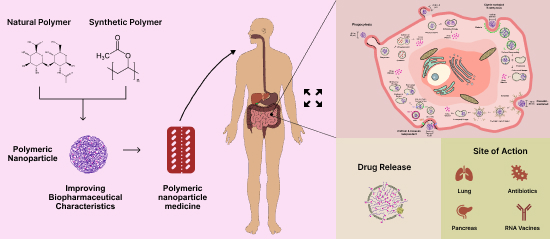
- transfer throughout the entire polymer matrix. However, in NPs, a balance between amorphous and crystalline states is necessary to optimize mechanical strength and drug release rates. The glass transition temperature reflects the polymer chain’s permeability and mobility, influencing its susceptibility to


Beyond the bilayer: multilayered hygroscopic actuation in pine cone scales
Beilstein J. Nanotechnol. 2025, 16, 1695–1710, doi:10.3762/bjnano.16.119
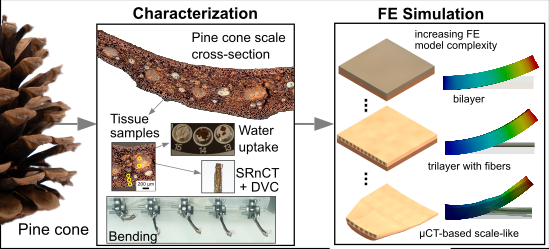
- integrate high-resolution computed tomography-based geometries to further elucidate the mechanisms underlying hygroscopic actuation. This integrative approach will bridge experimental findings with computational modeling and advance plant biomechanics and biomimetic transfer. Keywords: digital volume
- reliability of upcoming simulations. For the analysis of the motion mechanism of the scale, for example, to show the multiphase nature of the motion [12], future simulation approaches could use transient heat transfer simulations incorporating diffusion models. The comparative simulations in this work


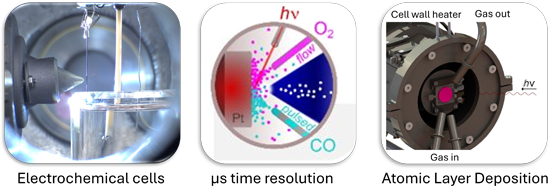
Ambient pressure XPS at MAX IV
Beilstein J. Nanotechnol. 2025, 16, 1677–1694, doi:10.3762/bjnano.16.118
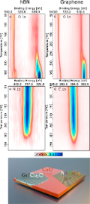
- intercalate beneath graphene at around 220 °C, initiating a slower, undercover oxidation of copper to Cu2O. This process is a galvanic reaction facilitated by graphene’s high conductivity, enabling electron transfer from copper to oxygen atoms. However, the graphene/Cu2O hybrid structure slows further
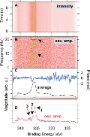
- photocatalyst, it is essential to combine the photocatalyst’s performance with mechanistic knowledge under operando reaction conditions. APXPS is uniquely suited to investigate such systems. Its surface sensitivity enables the detection of charge transfer processes, reaction intermediates, and active sites
- under operando conditions. Additionally, the kinetics of charge transfer and the role of specific chemical species or components functioning as charge donors or acceptors during photocatalytic reactions can be clarified using APXPS. At MAX IV, external light sources (e.g., UV lamps or solar simulators





Nanotechnology-based approaches for the removal of microplastics from wastewater: a comprehensive review
Beilstein J. Nanotechnol. 2025, 16, 1607–1632, doi:10.3762/bjnano.16.114
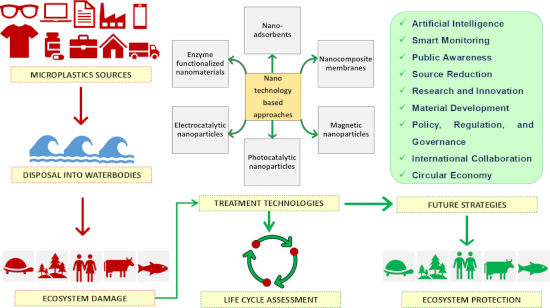
- leading to mass mortality. Such interactions amplify the ecological consequences of MPs in the environment. Consequently, the ingestion of MPs embedded with contaminants can contribute to the transfer of toxic substances across terrestrial and aquatic food webs [46]. In freshwater ecosystems, MPs can
- adhere to plant tissues and subsequently transfer to herbivores that consume these plants. In a food chain, as MPs move from lower to higher trophic levels, they accumulate in animal tissues, leading to bioaccumulation. Because of this, freshwater organisms are often considered effective bio-indicators


Bioinspired polypropylene-based functionally graded materials and metamaterials modeling the mistletoe–host interface
Beilstein J. Nanotechnol. 2025, 16, 1592–1606, doi:10.3762/bjnano.16.113
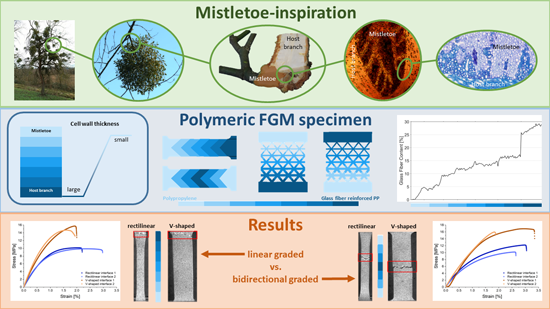
- manufacturing. We intend to transfer the connection mechanisms of mistletoe to a bioinspired material system in which the interface between different materials is not only geometrically structured (V-shape), but also has continuous gradients along the geometry to enable smooth transition between materials
- defined interfaces between the compounds. This can be explained by the reduction in heat transfer of polymer blends with higher glass fiber content [41] and needs to be considered when designing graded interfaces of fiber-reinforced polymers. The results show that interface structuring of FGMs is possible


Photocatalytic degradation of ofloxacin in water assisted by TiO2 nanowires on carbon cloth: contributions of H2O2 addition and substrate absorbability
Beilstein J. Nanotechnol. 2025, 16, 1567–1579, doi:10.3762/bjnano.16.111
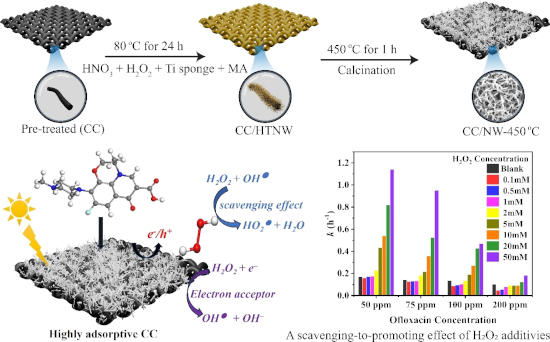
- effect may involve (1) carbon cloth possessing a substantial specific surface area and surface mesopores, which offers numerous adsorption sites, thereby concentrating solute molecules near the surface of thin films [13], (2) the transfer of photogenerated electrons from TiO2 to the conductive carbon


Transient electronics for sustainability: Emerging technologies and future directions
Beilstein J. Nanotechnol. 2025, 16, 1545–1556, doi:10.3762/bjnano.16.109

- photolithography onto biodegradable substrates necessitates the use of a critical technique known as transfer printing [72][73]. One of the most sophisticated transfer printing approaches utilizes poly(methyl methacrylate) (PMMA) as a sacrificial layer and diluted polyimide (PI) as a protective layer (Figure 2c
- protective PI layer is extremely thin, it can be selectively removed by reactive ion etching, ultimately leaving only the biodegradable materials on the target surface. To simplify multistep fabrication processes, wafer-scale transfer methods have also been developed [74]. These involve fabricating
- electronic devices on a large-area substrate, such as a silicon wafer, followed by backside etching to remove the handle or box layers, thereby isolating the functional thin film for transfer onto a biodegradable substrate. This wafer-level technique offers a promising route to large-area, high-resolution


Influence of laser beam profile on morphology and optical properties of silicon nanoparticles formed by laser ablation in liquid
Beilstein J. Nanotechnol. 2025, 16, 1533–1544, doi:10.3762/bjnano.16.108
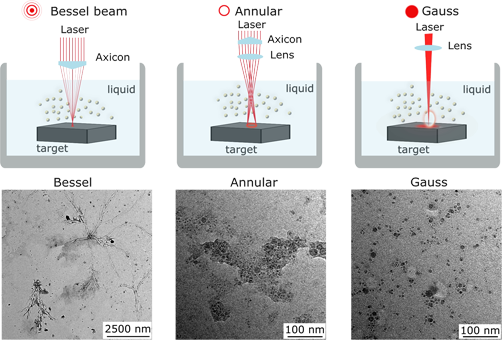
- charge and discharge, facilitating the charge transfer processes [47][48][49]. As a result, parameters such as specific capacitance and cycling stability are enhanced [13]. In our case, high values of specific capacitance can be expected because of the developed surface of the silicon NPs prepared by


Laser processing in liquids: insights into nanocolloid generation and thin film integration for energy, photonic, and sensing applications
Beilstein J. Nanotechnol. 2025, 16, 1428–1498, doi:10.3762/bjnano.16.104
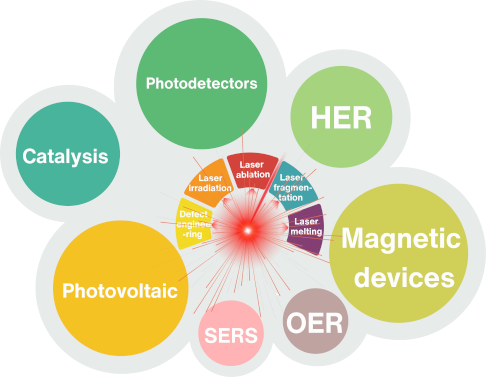
- through the interaction of the electromagnetic waves with the electrons of the NPs, causing collective motion in metallic particles or perturbations in the electronic orbitals of non-metallic NPs [42][43]. In the case of non-metals, nanosecond laser pulses transfer energy from electrons to phonons
- surrounding solvent, owing to the efficient light absorption capability of the NPs and their limited thermal transfer to the solvent. [35][63][72][73][74]. LIL also leads to phase transitions and morphological changes (Figure 7a–d) depending on the laser fluence and irradiation time [42]. Schematic
- used to deposit photoresist films for microelectronic manufacturing, where understanding the interaction between liquid flow and mass transfer during the process became crucial as device sizes decreased. A one-dimensional model of spin coating was developed to describe film thinning due to both






The role of biochar in combating microplastic pollution: a bibliometric analysis in environmental contexts
Beilstein J. Nanotechnol. 2025, 16, 1401–1416, doi:10.3762/bjnano.16.102
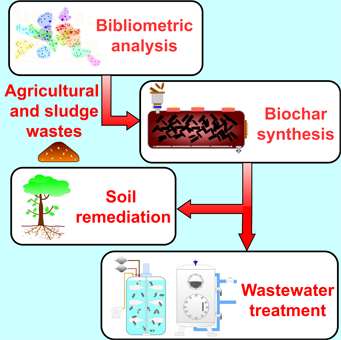
- and surface area, compared to other materials [37]. Biochar produced from carbon-, oxygen- and nitrogen-rich straw at low pyrolysis temperatures retains a large number of functional groups, which enhance charge transfer potential and adsorption stability through increased surface charge density



Automated collection and categorisation of STM images and STS spectra with and without machine learning
Beilstein J. Nanotechnol. 2025, 16, 1367–1379, doi:10.3762/bjnano.16.99
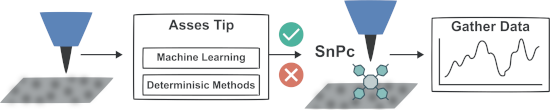
- closer to the surface, where the atom binds to the Ag(111), at which point charge transfer from the substrate to the molecule will return it to its neutral state [21]. Whilst carrying out bias spectroscopy over these SnPc molecules, it was found that a switch could occasionally be induced, even if the




Enhancing the therapeutical potential of metalloantibiotics using nano-based delivery systems
Beilstein J. Nanotechnol. 2025, 16, 1350–1366, doi:10.3762/bjnano.16.98
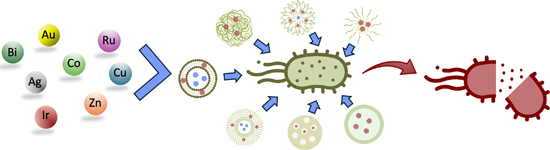
- develop mutations that reduce or completely eliminate the antibiotic efficacy [4]. If bacteria are exposed to non-lethal quantities of an antibiotic, these bacteria will eventually develop resistance to the antibiotic [5]. Moreover, bacteria have the ability to transfer resistance genes directly between


Ferroptosis induction by engineered liposomes for enhanced tumor therapy
Beilstein J. Nanotechnol. 2025, 16, 1325–1349, doi:10.3762/bjnano.16.97
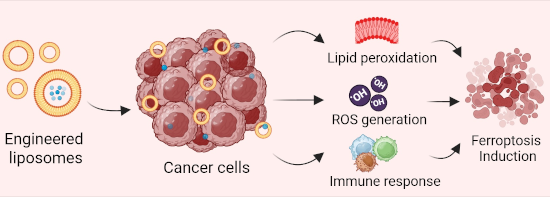
- unclear and controversial. Also, peroxidation of their membrane phospholipid, cardiolipin, has not been observed in ferroptosis. Nevertheless, it may theoretically play a unique role as it contributes to metabolic functions such as the ETC carbon transfer chain. Also, mitochondria can support the process


Enhancing the photoelectrochemical performance of BiOI-derived BiVO4 films by controlled-intensity current electrodeposition
Beilstein J. Nanotechnol. 2025, 16, 1289–1301, doi:10.3762/bjnano.16.94
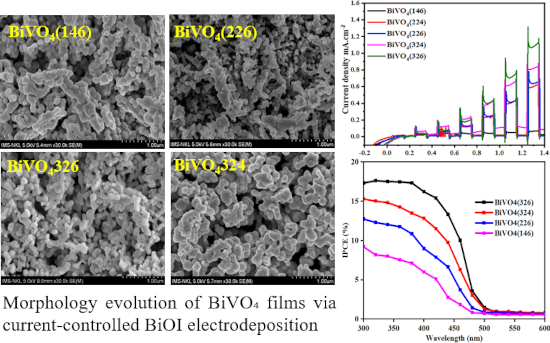
- higher current densities and larger VO(acac)₂ volumes. This observation suggests that improved crystallinity enhances the structural uniformity of the VO4− tetrahedra, leading to more efficient charge-transfer pathways. Furthermore, the appearance of sharper and more intense Raman peaks with increasing
- transfer, LSV experiments were conducted in a 0.50 M Na2SO4 (pH 5.6) solution with 1 M Na2SO3 as a hole scavenger (Figure 5c). The hole injection efficiency was calculated as the ratio of the photocurrent density values obtained with and without the Na2SO3 hole scavenger. The hole injection efficiency of
- the BiVO4(326) photoanode at 1.23 V vs RHE was 47%, which was higher than that under other conditions. This indicates that the formation of films with larger surface areas reduces the charge recombination rate and facilitates faster charge transfer rates. AC impedance measurements were performed on



Better together: biomimetic nanomedicines for high performance tumor therapy
Beilstein J. Nanotechnol. 2025, 16, 1246–1276, doi:10.3762/bjnano.16.92
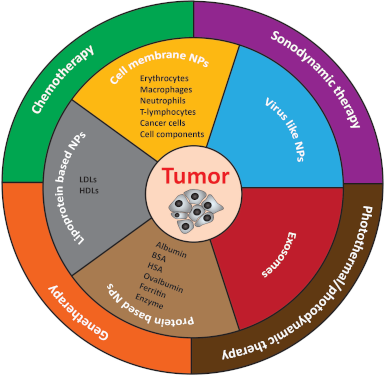
- electroporation (Figure 3C). Although electroporation is an easy and feasible loading method, its scale-up is challenging [29]. Many researchers have attached drugs, therapeutic proteins, or drug-loaded nanoparticles onto the surface of RBCs to transfer innate characteristics of RBCs to the nanoparticles (Figure
- are efficiently taken up by cells due to their surface markers [104]. The International Society for Extracellular Vesicles has set out guidelines on the purity of extracellular vesicles depending upon intended applications [105]. Through exosomes, donor cells can transfer exogenous substances, such as






Electronic and optical properties of chloropicrin adsorbed ZnS nanotubes: first principle analysis
Beilstein J. Nanotechnol. 2025, 16, 1184–1196, doi:10.3762/bjnano.16.87
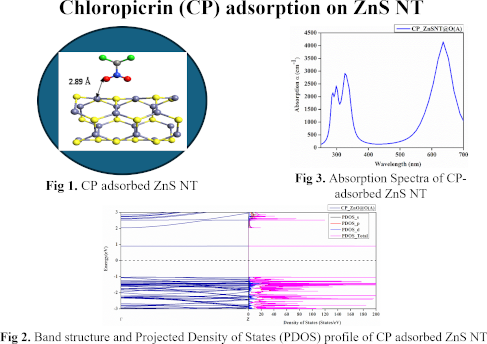
- functional theory (DFT) to explore the sensing capabilities of a ZnS (3,3) nanotube (ZnS NT) for detecting chloropicrin (CP, CCl3NO2), a highly toxic gas. To elucidate the sensing mechanism, we systematically analyze the adsorption configurations, Mulliken charge transfer, band structure, density of states
- adsorption energy ranges from −0.389 to −0.657 eV, indicating weak physisorption. The Mulliken charge transfer varies between 0.06e and 0.109e, confirming effective but nondestructive interaction. A favorable recovery time of ≈3.533 μs at room temperature, along with a significant red shift in the absorption
- highly toxic chemical warfare agent, remains an area with untapped potential. Addressing this gap, the present work constructs an armchair ZnS NT to investigate its adsorption configurations, charge transfer, band structure, density of states, optical absorption, and optical conductivity using a density


Transfer function of an asymmetric superconducting Gauss neuron
Beilstein J. Nanotechnol. 2025, 16, 1160–1170, doi:10.3762/bjnano.16.85
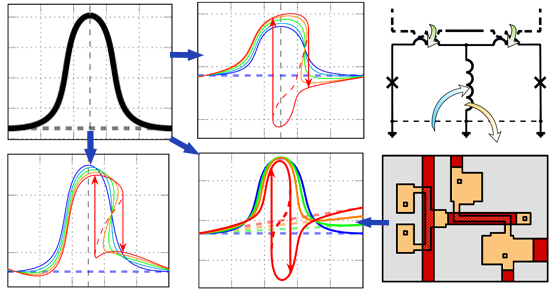
- and Technology, 9 Institutskiy per., Dolgoprudny, Moscow Region, 141701, Russian Federation Joint Venture Quantum Technologies, 121205, Moscow, Russian Federation 10.3762/bjnano.16.85 Abstract The Gauss neuron is a nonlinear signal converter, whose transfer function (TF) is described by the
- (CL, shown as a dashed line in Figure 1), an external solenoid, or another method. An additional magnetic flux Φb is also introduced into the neuron, influencing the shape of the neuron’s transfer function (TF) [1][12][14]. When developing experimental superconducting neurons [17][18], it is essential
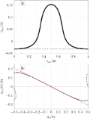
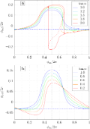
- . It can be seen that as tanα increases, the curve becomes asymmetric, that is, the left part becomes flatter, and the right one steeper (Figure 3a). For sufficiently large asymmetry ( for the parameters in Figure 3a), the transfer function becomes multivalued, and hysteresis should be observed during



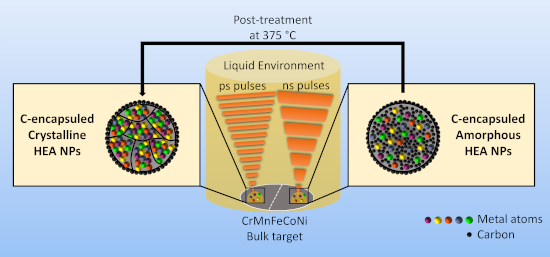
Crystalline and amorphous structure selectivity of ignoble high-entropy alloy nanoparticles during laser ablation in organic liquids is set by pulse duration
Beilstein J. Nanotechnol. 2025, 16, 1141–1159, doi:10.3762/bjnano.16.84




Soft materials nanoarchitectonics: liquid crystals, polymers, gels, biomaterials, and others
Beilstein J. Nanotechnol. 2025, 16, 1025–1067, doi:10.3762/bjnano.16.77
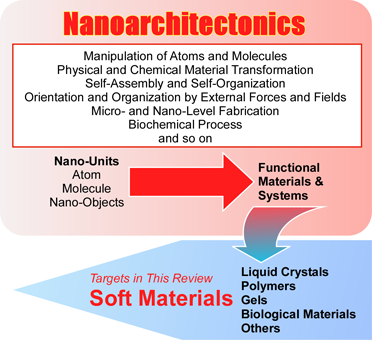
- . Liquid crystal nanoarchitectonics is not merely concerned with the manipulation of liquid crystal structures; it also encompasses the transfer of such structures to alternative materials, thereby influencing their nanostructure [238][239][240]. Metal oxides of earth-abundant elements are of significant
- substantial molecular amplification, the surface is occasionally designated a “command surface” or “command layer”. Furthermore, other dynamic optical functions are being investigated, including photomechanical motion utilizing block copolymer monolayers, morphological switching, photoinduced mass transfer
- aforementioned example. It is also anticipated that soft materials nanoarchitectonics using polymers will be applied in other fields, including the control of the functions of polymer semiconductors. The process of chemical doping of molecular semiconductors is based on electron transfer reactions between the






A calix[4]arene-based supramolecular nanoassembly targeting cancer cells and triggering the release of nitric oxide with green light
Beilstein J. Nanotechnol. 2025, 16, 1003–1013, doi:10.3762/bjnano.16.75
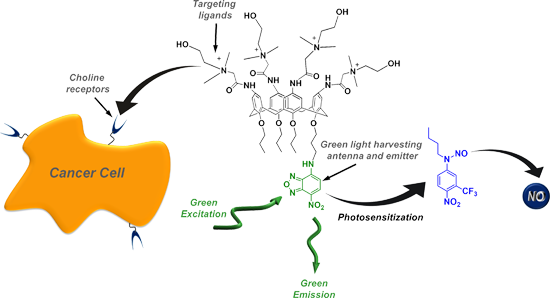
- activatable with blue light, and encouraging the NO release with the more biocompatible green light probably by an intra-cage photoinduced electron transfer. Keywords: calixarenes; cell targeting; fluorescence; light; nitric oxide; Introduction Calix[n]arenes are a family of polyphenolic macrocycles
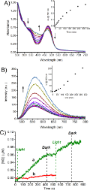
- several kcal·mol−1 lower than that of 2. This makes, of course, a potential singlet–singlet energy transfer highly endoergonic. In contrast, the triplet state of the ABF chromophore is well known to not be populated unless in cyclohexane [66], making any triplet–triplet energy transfer impossible
- electron transfer. Either reductive or oxidative pathways usually lead to NO loss and the concomitant formation of an anlinyl radical intermediate, which evolves to the stable photoproduct 2b after H transfer. In our case, such a process involves mainly the lowest singlet state of ABF. This hypothesis is


Time-resolved probing of laser-induced nanostructuring processes in liquids
Beilstein J. Nanotechnol. 2025, 16, 968–1002, doi:10.3762/bjnano.16.74
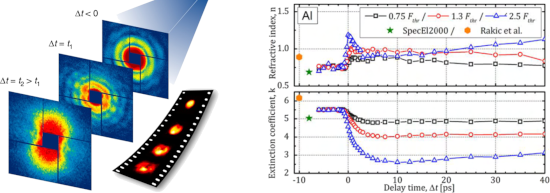
- conventional TTM that describes energy transfer between electrons and the lattice. Although the dynamics of photoexcited hot electrons were expected to uniformly affect the entire specimen within a few picoseconds, the experiment instead observed inhomogeneous and laser-polarization-dependent anisotropic
- dynamic behavior of the surrounding liquid environment. The liquid medium not only mediates energy transfer but also plays a crucial role in influencing NP generation mechanisms, shock wave propagation, and bubble dynamics. Understanding the liquid dynamics is therefore essential for optimizing process
- electrons of the liquid sample pumped by a synchronized femtosecond laser pulse are then recorded by a detector as a scattering pattern, which provides a momentum transfer range (denoted by q) reaching as large as 10 Å−1, cf. Figure 4B for the liquid water scattering pattern. Here q = 4πsinθ/λ, where θ is


Tendency in tip polarity changes in non-contact atomic force microscopy imaging on a fluorite surface
Beilstein J. Nanotechnol. 2025, 16, 944–950, doi:10.3762/bjnano.16.72
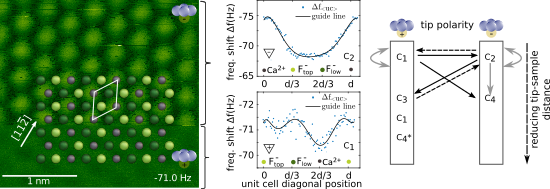
- . This particularly concerns the transfer of surface species to the tip when the tip is subject to intentional or unintentional contact with the surface. Furthermore, ambient species like native oxides, hydrogen ions, or residual water can adsorb on the tip apex during scanning. Additionally, the


Synthesis of biowaste-derived carbon-dot-mediated silver nanoparticles and the evaluation of electrochemical properties for supercapacitor electrodes
Beilstein J. Nanotechnol. 2025, 16, 933–943, doi:10.3762/bjnano.16.71
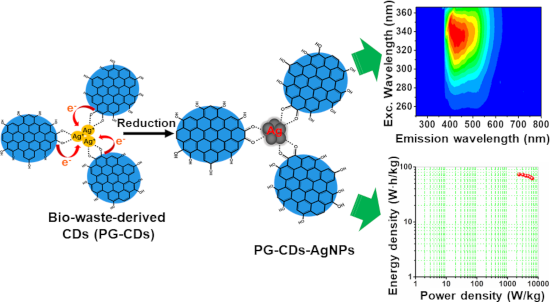
- reduction of Ag+ to Ag(0) via oxygen-containing functionalities on their surfaces. The electrostatic attraction between the oxygen-containing functionalities on the surface of CDs binds with the positively charged Ag+ ions, which were then reduced by electron transfer from PG-CDs to the Ag+ ions [27]. The
- the PG-CDs-AgNPs are displayed in Figure 5d. The charge-transfer resistance (Rct) in the high-frequency range is indicated by the semicircle diameter [39][40]. How facile electrons or ions can be moved throughout the electrode and electrolyte–electrode system is shown by the Rct [39][40]. The straight
- -CDs-AgNPs has a greater slope suggests that these particles have optimal supercapacitive properties and electrochemical activity. In the three-electrode investigation, PG-CDs-AgNPs showed better electrochemical activity overall in terms of capacitive performance, charge-transfer activity, and


Focused ion beam-induced platinum deposition with a low-temperature cesium ion source
Beilstein J. Nanotechnol. 2025, 16, 910–920, doi:10.3762/bjnano.16.69
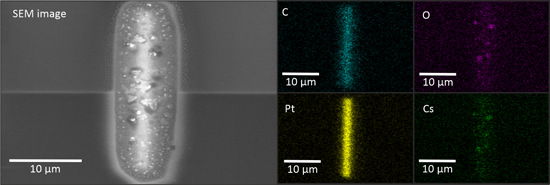
- in the size or density of the bubbles when comparing depositions on Si (upper part) and Si with the native oxide layer (lower part). Similar to Rb+ FIBID-Pt discussed in [11], these bubbles appear after exposure of the samples to air (during the short transfer from the Cs+ FIB to the Ga+ FIB) and are


Ar+ implantation-induced tailoring of RF-sputtered ZnO films: structural, morphological, and optical properties
Beilstein J. Nanotechnol. 2025, 16, 872–886, doi:10.3762/bjnano.16.66
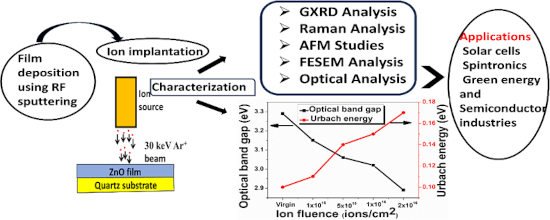
- in particle size and RMS roughness can be ascribed to the rearrangement of surface atoms due to the elastic collisions. This leads to the evolution of small ZnO particles due to the breaking of clusters by the transfer of energy from incident ions. Kahng et al. [31] presented a nonlinear theory that