


Search results
Search for "Ag" in Full Text gives 668 result(s) in Beilstein Journal of Nanotechnology. Showing first 200.
Electrospun polysuccinimide scaffolds containing different salts as potential wound dressing material
Beilstein J. Nanotechnol. 2024, 15, 781–796, doi:10.3762/bjnano.15.65
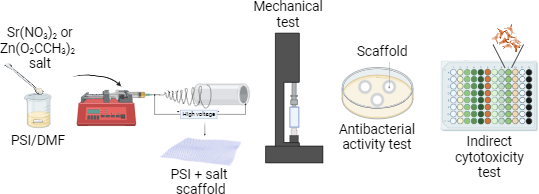
- syringe filters (Sarstedt AG & Co. KG, Germany). Both cell types were seeded onto a 96-well plate at a concentration of 5000 cells/cm2. The names of the samples and the treatment of the cells are shown in Table 2. Eight parallel measurements were made for each sample. After one day of incubation, the



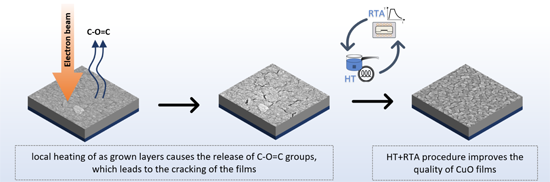
Effect of repeating hydrothermal growth processes and rapid thermal annealing on CuO thin film properties
Beilstein J. Nanotechnol. 2024, 15, 743–754, doi:10.3762/bjnano.15.62
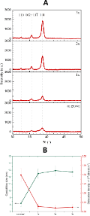
- composition can be identified. Each form of copper oxide presents a different Raman spectrum. CuO crystallizes in a monoclinic lattice with the space group giving the following set of the zone-center lattice modes: Γ = Ag + 2Bg + 4Au + 5Bu. Hence, CuO has twelve phonon branches in the phonon dispersion
- spectrum as there are four atoms in the primitive cell. Out of these modes, only the Ag and two Bg modes are Raman-active. The next three modes (Au + 2Bu) are acoustic, whereas six modes (3Au + 3Bu) are IR-active [56][57]. Figure 5 shows the Raman spectra measured for as-grown, 2× and 3× CuO/Si samples. A
- ]. The remaining Raman lines, which were fitted with Lorentz functions, reveal mode frequencies in the ranges of 296–300, 345–346, and 624–633 cm−1. These values correspond to the following vibrations in the CuO layer: CuO Ag ≈ 300 cm−1, CuO ≈ 345 cm−1, and CuO ≈ 630 cm−1. Their values are similar to




Simultaneous electrochemical determination of uric acid and hypoxanthine at a TiO2/graphene quantum dot-modified electrode
Beilstein J. Nanotechnol. 2024, 15, 719–732, doi:10.3762/bjnano.15.60
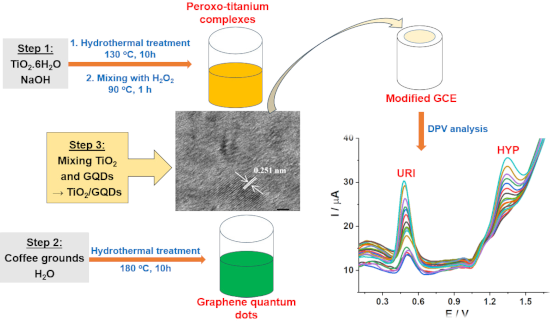
- electrode (GCE, 3 mm diameter), a platinum wire auxiliary electrode, and a Ag/AgCl reference electrode was used. Electrolyte solutions were prepared using doubly distilled water. Britton–Robinson (BR) buffer solutions with pH between 2 and 6 were prepared by mixing boric acid solution, phosphoric acid
- ) were optimized. Eacc does not significantly affect the oxidation signals (EP and IP) of URI and HYP (Supporting Information File 1, Figure S1a,b) when it is varied from −0.2 V to +0.4 V (vs Ag/AgCl|KCl 3 M). Specifically, EP and IP for the oxidation of URI remain constant at 0.510 ± 0.000 V and 13.43


Laser synthesis of nanoparticles in organic solvents – products, reactions, and perspectives
Beilstein J. Nanotechnol. 2024, 15, 638–663, doi:10.3762/bjnano.15.54
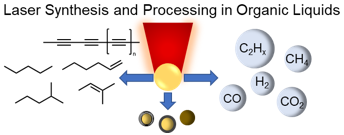
- % [68][69], while platinum surfaces are partially oxidized with 20–73% [70][92], and nickel particles are completely oxidized [70]. This was further investigated by Kalus et al., who ablated seven different metals (Au, Pt, Ag, Cu, Fe, Ti, and Al) in water while quantifying the formed hydrogen and oxygen
- enhanced by the Au nanoparticles resulting from LRL, producing the previously mentioned C1–C5 products. In addition to this, the authors found a difference regarding the nucleation of Ag nanoparticles depending on the used solvent. For the formation of Ag nanoparticles during LRL in isopropyl alcohol, they
- proposed a mechanism of electron transfer from the solvent, which produced acetone as a by-product. Since this transfer is not possible in water and only plasma reactions are available, Ag could not nucleate during LRL in water because of the oxidizing activity of hydroxyl radicals [121]. Overall, LSPC in






Directed growth of quinacridone chains on the vicinal Ag(35 1 1) surface
Beilstein J. Nanotechnol. 2024, 15, 556–568, doi:10.3762/bjnano.15.48
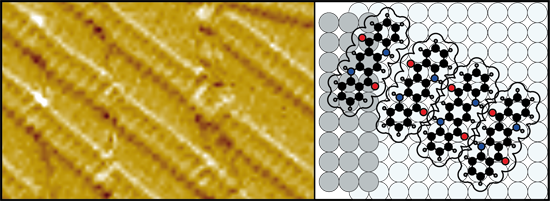
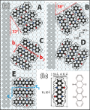
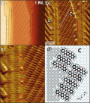
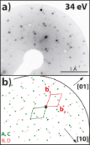
- the vicinal Ag(35 1 1) surface was investigated by scanning tunneling microscopy and low-energy electron diffraction. The focus was on the influence of the steps on the QA structures and their preferential azimuthal orientations with the aim of achieving a selective orientation. After deposition at a
- sample temperature of 300 K, QA forms the same kind of molecular chains as on the nominally flat Ag(100) surface because of strong intermolecular hydrogen bonds, which we reported in a previous publication [Humberg, N.; Bretel, R.; Eslam, A.; Le Moal, E.; Sokolowski, M. J. Phys. Chem. C 2020, 124, 24861
- –24873]. The vicinal surface leads to one additional chain orientation, which is parallel to the Ag step edges. However, most chains nucleate on the Ag terraces between steps with four distinct azimuthal orientations that are identical to those on Ag(100), and which are determined by the interactions


Cholesterol nanoarchaeosomes for alendronate targeted delivery as an anti-endothelial dysfunction agent
Beilstein J. Nanotechnol. 2024, 15, 517–534, doi:10.3762/bjnano.15.46
- from Gibco® by Life Technologies (NY, USA). Fetal bovine serum (FBS) was purchased from Internegocios S. A. (BA, Argentina). The other reagents were of analytic grade and purchased from Anedra, Research AG (BA, Argentina). Archaea growth and lipid extraction The hyperhalophilic archaea Halorubrum





Electron-induced deposition using Fe(CO)4MA and Fe(CO)5 – effect of MA ligand and process conditions
Beilstein J. Nanotechnol. 2024, 15, 500–516, doi:10.3762/bjnano.15.45
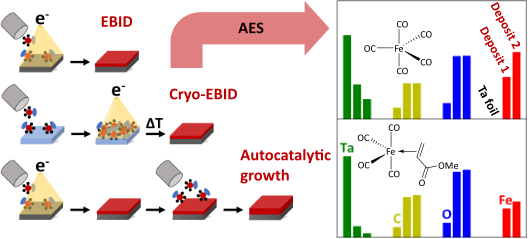
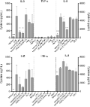
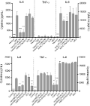
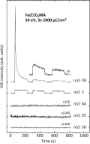
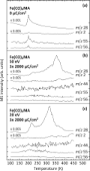
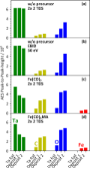
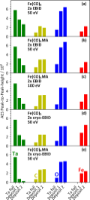
- ]. Autocatalytic growth (AG) of high-purity deposits leads to formation of individual crystallites as a consequence of precursor surface mobility at room temperature [21][24][25]. This mobility is suppressed when the surface is held at sufficiently low temperature. This was demonstrated by UHV experiments that
- performing electron irradiation of the condensed layer. (iii) In addition, AG was studied by dosing the precursor on a previous deposit produced by EBID from Fe(CO)5 and held at room temperature. Overall, the performance of Fe(CO)4MA in the different processes and in comparison to Fe(CO)5 is discussed
- combination with contributions of AG likely leads to aggregation and, thus, to a non-homogeneous thickness. In the extreme case that each aggregate has a thickness that exceeds the escape depth of the TaNNN Auger electrons (referred to herein as scenario B), the attenuation of the TaNNN signal would rather



Fabrication of nanocrystal forms of ᴅ-cycloserine and their application for transdermal and enteric drug delivery systems
Beilstein J. Nanotechnol. 2024, 15, 465–474, doi:10.3762/bjnano.15.42
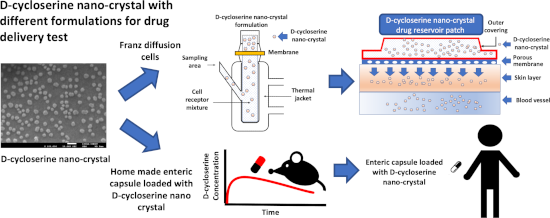
- absorber [20]. In addition, silver (Ag) nanoparticles were synthesized from cotton fabrics and exhibited strong inhibition activity against some bacteria [21]. Recently, pure active pharmaceutical ingredient (API) composed of nanocrystals was investigated, as opposed to drug nanocarrier platforms [22


Heat-induced morphological changes in silver nanowires deposited on a patterned silicon substrate
Beilstein J. Nanotechnol. 2024, 15, 435–446, doi:10.3762/bjnano.15.39
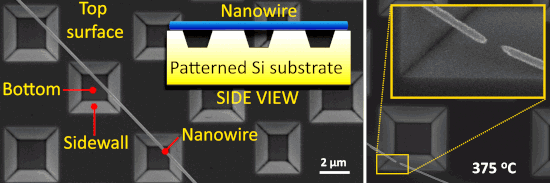
- , and characterization of such materials [9][10]. Silver NWs are among the most extensively studied materials for NW-based transparent electrodes. High-quality Ag NWs can be synthesized relatively easily in large quantities, with precise control over their length and diameter [11][12]. Compared to
- indium tin oxide (ITO), which currently serves as the industry standard for transparent conductive films, the Ag NW network is significantly more mechanically flexible and offers a broader optical transmittance range that extends well beyond the visible region [13][14]. Another related application of Ag
- NW networks is in highly flexible transparent film heaters [15]. In recent years, Ag NWs have garnered attention as a key element in neuromorphic computing devices [16]. In the context of the applications mentioned, Ag NWs are subjected to elevated temperatures caused by Joule heating [17]. Moreover


Potential of a deep eutectic solvent in silver nanoparticle fabrication for antibiotic residue detection
Beilstein J. Nanotechnol. 2024, 15, 426–434, doi:10.3762/bjnano.15.38
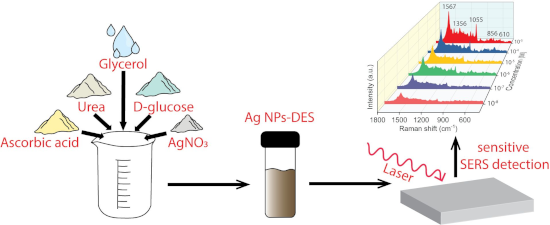
- (Ag NPs), but the potential of DESs in Ag NP synthesis was neither considered nor studied carefully. In this study, we present a novel strategy to fabricate Ag NPs in a DES (Ag NPs-DES). The DES composed of ᴅ-glucose, urea, and glycerol does not contain any anions to precipitate with Ag+ cations. Our
- Ag NPs-DES sample is used in a surface-enhanced Raman scattering (SERS) sensor. The two analytes for SERS quantitation are nitrofurantoin (NFT) and sulfadiazine (SDZ) whose residues can be traced down to 10−8 M. The highest enhancement factors (EFs) are competitive at 6.29 × 10⁷ and 1.69 × 10⁷ for
- synthesis of nanomaterials for biosensor substrate construction. Keywords: Ag NPs; antibiotic residue; deep eutectic solvents; potential; SERS; Introduction Surface-enhanced Raman scattering (SERS) is a ubiquitous technology for detecting and tracing substances, applied in various kinds of sensors. The


Unveiling the nature of atomic defects in graphene on a metal surface
Beilstein J. Nanotechnol. 2024, 15, 416–425, doi:10.3762/bjnano.15.37
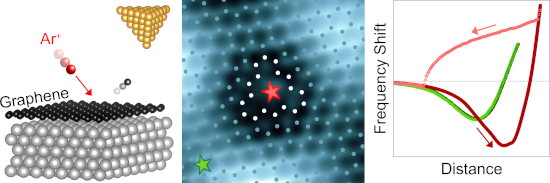
- similar conclusion was inferred from spatially resolved force spectroscopy across a phthalocyanine molecule on Ag(111) whose pyrrolic H atoms had been removed. Despite the bonds formed by the H-detached N atoms of the molecule with the metal substrate, an increased reactivity was reported [58]. Intact


Classification and application of metal-based nanoantioxidants in medicine and healthcare
Beilstein J. Nanotechnol. 2024, 15, 396–415, doi:10.3762/bjnano.15.36
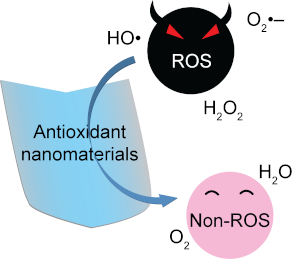
- treatments. Recently, Wang et al. developed multifunctional Au/Ag nanodots (Au/AgNDs) as “pilot light” for real-time guided surgery (Figure 5) [170]. The authors proved that Au/AgNDs enhanced the deposition of ionizing radiation energy, increased intracellular ROS generation, and significantly improved


Controllable physicochemical properties of WOx thin films grown under glancing angle
Beilstein J. Nanotechnol. 2024, 15, 350–359, doi:10.3762/bjnano.15.31
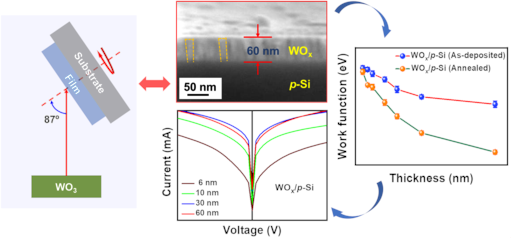
- heterostructures were performed by preparing Ag electrodes (1 mm diameter) on top of the WOx films and p-Si substrates. The I–V data were acquired by applying DC voltage sweeps (−1 V→0 V→+1 V) using a Keithley source meter (Model 2400, Tektronix, USA) in a sandwiched configuration. During the measurements, the
- regarded as an interlayer between the p-Si substrate and the Ag electrode. The glancing angle (87°) growth of a 6 nm film is likely to sustain a large number of metal (Ag)-induced gap states at the NS-WOx/p-Si interface, leading to Fermi level pinning, the degree of pinning being directly related to film


Multiscale modelling of biomolecular corona formation on metallic surfaces
Beilstein J. Nanotechnol. 2024, 15, 215–229, doi:10.3762/bjnano.15.21
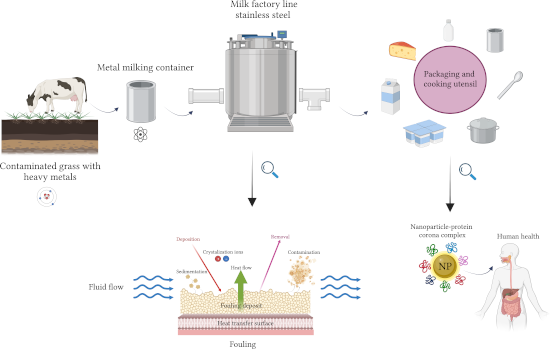
- each selected protein immobilized on different fcc planes of the aluminum surface. These heatmaps for individual proteins are acquired through UnitedAtom (UA) simulations [24][25]. While the UA method has been parameterized for a range of rigid surfaces, including metals (Ag, Au, Cu, and Fe), oxides





New application of bimetallic Ag/Pt nanoplates in a colorimetric biosensor for specific detection of E. coli in water
Beilstein J. Nanotechnol. 2024, 15, 95–103, doi:10.3762/bjnano.15.9
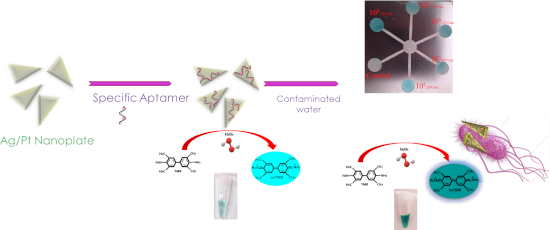
- detection is described using a silver/platinum nanoplate (Ag/Pt NPL) that interacts with an oligonucleotide aptamer as a bioreceptor. The size of the Ag/Pt NPLs was about 42 nm according to the FE-SEM images. The EDS result indicates that a thin layer of Pt ions was coated on the surface of the Ag NPLs
- . This nanobiosensor has the ability to specifically bind to E. coli, increasing the peroxidase activity of the apt-Ag/Pt NPL. Finally, the blue color of the solution in the contaminated water samples was increased in the presence of 3,3′,5,5′-tetramethylbenzidine (TMB) as a substrate and H2O2. The assay
- nanoparticles (i.e., silver nanoplates, Ag NPLs) covered with a layer of Pt atoms to improve the peroxide activity of NPLs, and use them as colorimetric biosensor materials. Metallic NPLs were employed in a variety of applications, including antibacterial activity [17][18][19], hazardous dye removal [20


Study of the reusability and stability of nylon nanofibres as an antibody immobilisation surface
Beilstein J. Nanotechnol. 2024, 15, 83–94, doi:10.3762/bjnano.15.8
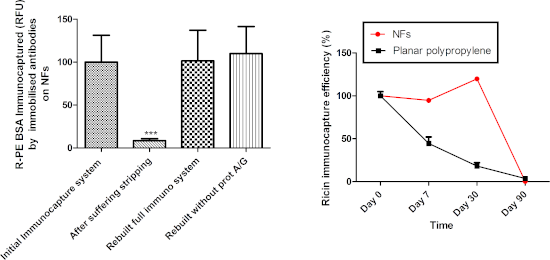
- and Discussion Results of nanofibre reusability study High-salinity antigen/antibody (Ag/Ac) elution buffer pH 6.6 as stripping agent A commercial Ag/Ac elution buffer pH 6.6 with high salinity was able to remove almost all antibody fixed on the nanofibres through protein A/G (88.6%). The retained
- immunocapture system (15.5% compared to the total antibody fixed in group 1 (Figure 1). Hence, it seems that commercial Ag/Ac elution buffer pH 6.6 with high salt content damages the nylon nanofibers, thereby altering their immunocapture ability. Having studied how the amount of immobilised antibody was
- immunocaptured in this group (group 6) compared to group 1 (Figure 1 and Figure 2). Ammonium hydroxide buffer pH 11 as stripping agent Ammonium hydroxide buffer pH 11 gave similar results to the commercial high-salinity Ag/Ac elution buffer pH 6.6 (Figure 3). This treatment was able to remove almost all of the


Influence of conductive carbon and MnCo2O4 on morphological and electrical properties of hydrogels for electrochemical energy conversion
Beilstein J. Nanotechnol. 2024, 15, 57–70, doi:10.3762/bjnano.15.6
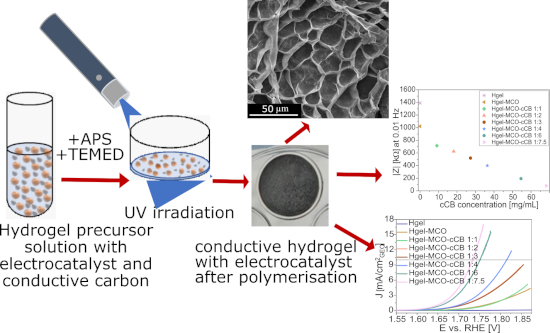
- ]. Cai et al. found some silver nanoparticles only slightly present in the skeleton of a PVA@DEL composite hydrogel [23]. Most of the Ag nanoparticles were observed in the wall of the hydrogel network. In our case, for the Hgel-MCO-cCB 1:3 sample, when the volume percentage of cCB was 17.1% (Table 3


Curcumin-loaded nanostructured systems for treatment of leishmaniasis: a review
Beilstein J. Nanotechnol. 2024, 15, 37–50, doi:10.3762/bjnano.15.4

- in the spleen of mice was around 60% for free-UA and close to 90% for NLC-UA. Confocal microscopy images proved the cell uptake of NLC into macrophages. Metal nanoparticles are also excellent alternatives for carrying antileishmanial drugs [71]. Almayouf et al. produced silver nanoparticles (Ag-NP
- in female Balb/c mice [72]. The results of the study showed an improvement in skin lesions of groups treated with Ag-NP both before and after infection. The group treated after infection displayed a significant decrease in lesion size starting in the second week of treatment, with complete healing
- infected with L. major was also significantly reduced compared to the negative control. Hence, it is noteworthy that both MNPs had an impact on cutaneous leishmaniasis infections. However, there was no influence of metal (Ag or Au) particles on the leishmanicidal activity of the systems. In these studies


A visible-light photodetector based on heterojunctions between CuO nanoparticles and ZnO nanorods
Beilstein J. Nanotechnol. 2023, 14, 1018–1027, doi:10.3762/bjnano.14.84
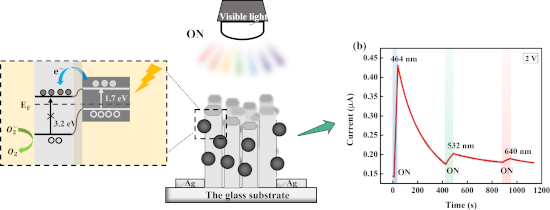
- properties of ZnO nanostructures, such as bandgap or conductivity [26]. Decorating ZnO with metals such as Ag, Au, Pd, Pt, and Al [27][28] can provide surface plasmonic effects that assist the electron transfer process in materials and extend the light absorption range of a photodetector [29][30]. However
- relations under reverse and bias voltages, indicating a good ohmic contact between semiconductor materials and Ag electrodes [42]. It is worth noting that the current rise corresponds to the light intensity increase. The highest photocurrent reached 18 μA under a light illumination of 1.28 mW·cm−2. The low
- , increasing the visible-light intensity promotes more excited electrons in the conduction band (CB) of CuO NPs. These electrons transfer to the CB of ZnO NRs and increase the photocurrent collected by the Ag electrodes. Response time and recovery are essential when evaluating a photodetector’s performance


Nanoarchitectonics of photothermal materials to enhance the sensitivity of lateral flow assays
Beilstein J. Nanotechnol. 2023, 14, 988–1003, doi:10.3762/bjnano.14.82
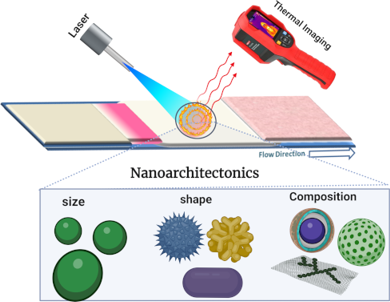
- properties, that is, plasmonic materials (e.g., Au, Ag, and Pt), semiconductor materials (e.g., transition metal oxides, transition metal chalcogenides, and transition metal dichalcogenides), carbon-based nanomaterials (such as graphene oxide and carbon nanotubes), and polymer nanomaterials [33][34] (Figure
- LSPR effect highly depends on size, shape, composition, interparticle distance, dielectric constant, and surrounding medium of the particles [36][37]. While Pt, Ag, and Au particles all exhibit photothermal properties, Au nanoparticles are commonly used for photothermal applications. By changing the
- material [75]. For example, nanocomposite materials have been developed by combining noble metal nanoparticles (Au–Ag, Au–Pt, and Au–Ag–Pt) or hybrids of noble metals, metals, and/or carbon materials (Au–Fe, Au–carbon, and Au–Fe–carbon). The resultant nanocomposites exhibit properties of all constituents


Ni, Co, Zn, and Cu metal-organic framework-based nanomaterials for electrochemical reduction of CO2: A review
Beilstein J. Nanotechnol. 2023, 14, 904–911, doi:10.3762/bjnano.14.74
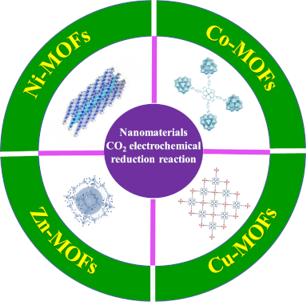
- exhibited considerable variation depending on the elemental composition of pure metal catalysts [19]. Notably, Au, Ag, and Zn catalysts exhibit preferential CO generation, while Sn, In, and Pb catalysts prove effective in producing formate ions (HCOO−) [20]. Metal-organic frameworks (MOFs) are established


N-Heterocyclic carbene-based gold etchants
Beilstein J. Nanotechnol. 2023, 14, 865–871, doi:10.3762/bjnano.14.71
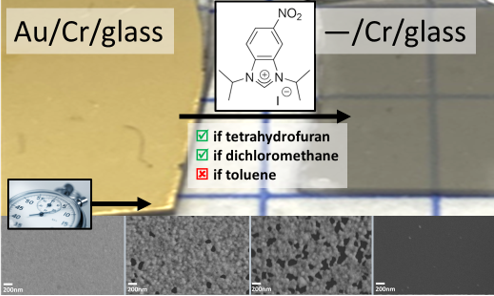
- without the need for Au/Ag alloys. Porous gold, itself, provides a gold film with high surface area that can be advantageous for energy conversion, catalysis, and electrochemical sensing [9][31]. Experimental Compounds 1 and 3 were prepared based on previously reported work [15][19], with 3 prepared by



Silver-based SERS substrates fabricated using a 3D printed microfluidic device
Beilstein J. Nanotechnol. 2023, 14, 793–803, doi:10.3762/bjnano.14.65
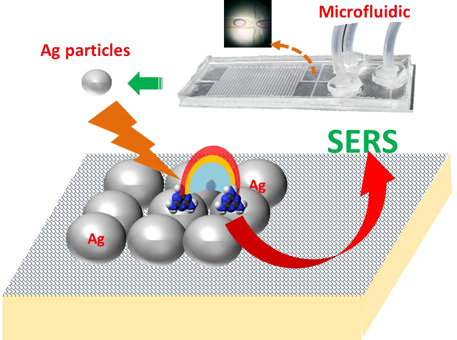
- tool for detecting ultralow concentrations of chemical compounds and biomolecules. We present a reproducible method for producing Ag nanoparticles that can be used to create highly sensitive SERS substrates. A microfluidic device was employed to confine the precursor reagents within the droplets
- , resulting in Ag nanoparticles of uniform shape and size. The study investigates the effects of various synthesis conditions on the size distribution, dispersity, and localized surface plasmon resonance wavelength of the Ag nanoparticles. To create the SERS substrate, the as-synthesized Ag nanoparticles were
- catalytic chemistry, where they have been used to develop localized surface plasmon resonance (LSPR) and SERS substrates [8]. For example, Ag NPs yield a strong SERS effect at relatively low cost. However, an issue often encountered in synthetic approaches is the non-uniformity of the Ag NPs. Homogeneous Ag



Silver nanoparticles loaded on lactose/alginate: in situ synthesis, catalytic degradation, and pH-dependent antibacterial activity
Beilstein J. Nanotechnol. 2023, 14, 781–792, doi:10.3762/bjnano.14.64
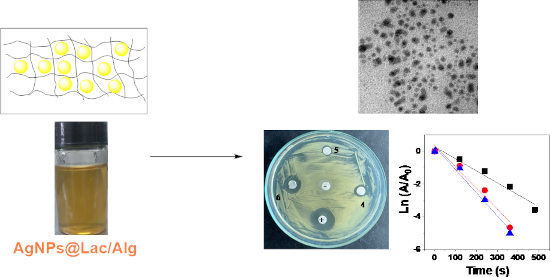
- that disrupts the cross-linking between Ca2+ ions and COO− groups of sugar molecules in the alginate chains, leading to the formation of soluble nanoparticles (Figure 1). To obtain the nanocomposite AgNPs@Lac/Alg, Ag+@Lac/Alg was reduced through a heating process, without the use of additional
- additives. The formation of AgNPs was confirmed by a change in the color of the colloidal solution. To find the optimal reaction conditions, the synthesis of the nanocomposite was carried out while varying the reaction conditions, such as temperature, reaction time, and ratio of Ag+ to blank composite
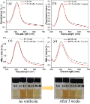
- , as evidenced by the absence of any notable change in λmax values. To investigate the influence of the reaction time, the gel Ag+@Lac/Alg was heated at a solution temperature of 90 °C and the UV–vis spectra were measured every 20 min. As seen in Figure 2C and Figure 2D, the formation of AgNPs in the


A graphene quantum dots–glassy carbon electrode-based electrochemical sensor for monitoring malathion
Beilstein J. Nanotechnol. 2023, 14, 701–710, doi:10.3762/bjnano.14.56
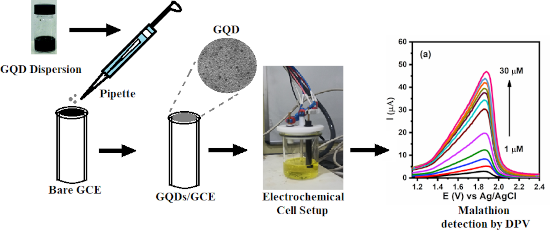
- obtained from a Bruker AFM analyzer atomic force microscope and a FEI Tecnai G2 20 S-TWIN transmission electron microscope. Electrochemical measurements GQDs/GCE, Ag/AgCl, and a platinum wire were used as working, reference, and counter electrode, respectively, in all electrochemical experiments, conducted





