Search results
Search for "antimicrobial" in Full Text gives 135 result(s) in Beilstein Journal of Nanotechnology.
An overview of microneedle applications, materials, and fabrication methods
Beilstein J. Nanotechnol. 2021, 12, 1034–1046, doi:10.3762/bjnano.12.77
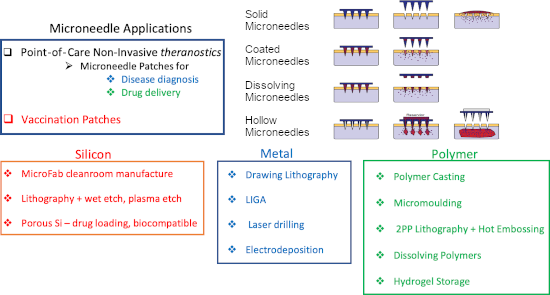
- from cancer research (25% enhanced absorption of the protein cancer drug AvastinTM compared with conventional hypodermic delivery) [14]. Incorporation of drug-loaded nanoparticles in dissolving microneedles also shows promise for dose concentration, for example using the antimicrobial carvacrol (CAR


The role of deep eutectic solvents and carrageenan in synthesizing biocompatible anisotropic metal nanoparticles
Beilstein J. Nanotechnol. 2021, 12, 924–938, doi:10.3762/bjnano.12.69
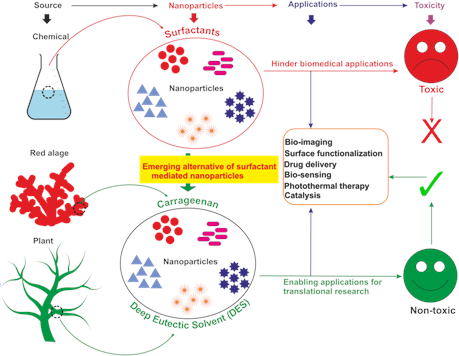
- osteoblast cytotoxicity tests in cell lines (L02 and L929). Adapted from [116], J. I. González Ocampo et al., “Evaluation of cytotoxicity and antimicrobial activity of an injectable bone substitute of carrageenan and nano hydroxyapatite”, J. Biomed. Mater. Res. A., with permission from John Wiley and Sons


Comprehensive review on ultrasound-responsive theranostic nanomaterials: mechanisms, structures and medical applications
Beilstein J. Nanotechnol. 2021, 12, 808–862, doi:10.3762/bjnano.12.64
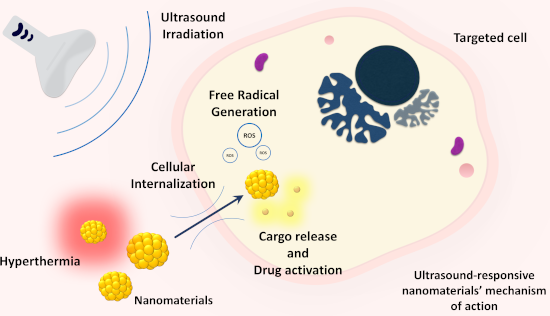
- %, respectively [207]. Liao et al. fabricated epidermal growth factor-coated lysozyme MBs responsive to US waves, which showed good antimicrobial activity, promoting neovascularization and significantly reducing the time needed for wound healing


Silver nanoparticles nucleated in NaOH-treated halloysite: a potential antimicrobial material
Beilstein J. Nanotechnol. 2021, 12, 798–807, doi:10.3762/bjnano.12.63
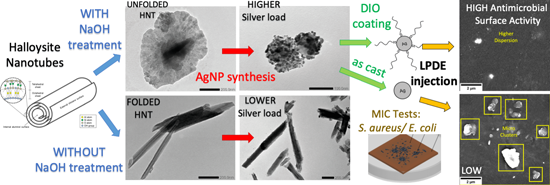
- 10.3762/bjnano.12.63 Abstract Despite all recent advances in medical treatments, infectious diseases remain dangerous. This has led to intensive scientific research on materials with antimicrobial properties. Silver nanoparticles (Ag-NPs) are a well-established solution in this area. The present work
- analysis and differential scanning calorimetry. The antimicrobial properties of the Ag-NPs were investigated against E. coli and S. aureus. The potential of the Ag-NPs for industrial application was tested by dispersing them into low-density polyethylene. The importance of the chemical affinity between
- matrix and additive was tested through coating the Ag-NPs with dodecanethiol, a non-polar surfactant. The resulting composites were characterized by scanning electron microscopy and in terms of surface antimicrobial activity. The results demonstrate that the Ag-NPs synthesized in this work are indeed




Fate and transformation of silver nanoparticles in different biological conditions
Beilstein J. Nanotechnol. 2021, 12, 665–679, doi:10.3762/bjnano.12.53
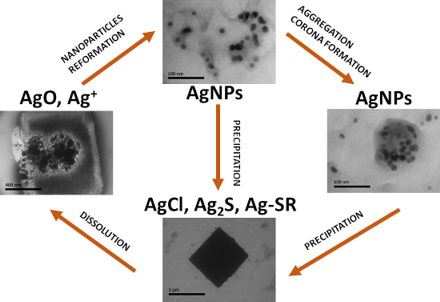
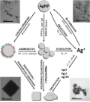
- , which listed more than 100 AgNP-containing food products [4]. The biomedical use of AgNPs represents the largest proportion of the market share [1] encompassing antimicrobial coatings on medical devices (catheters, stents, implants), wound dressings, targeted drug delivery, cancer therapy and




A review on nanostructured silver as a basic ingredient in medicine: physicochemical parameters and characterization
Beilstein J. Nanotechnol. 2021, 12, 440–461, doi:10.3762/bjnano.12.36
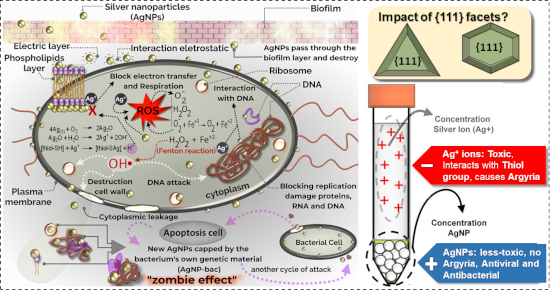
- various bacteria and viruses including the SARS-CoV-2 was analyzed in order to understand its effectiveness as an antimicrobial agent with therapeutic efficacy and low toxicity. Further, there is the need to characterize AgNPs and quantify the content of free Ag+ for the implementation of new systematic
- ][20][21]. Estimates suggest that infections, due to an increased resistance of bacteria and viruses to antimicrobial agents, cause at least 700,000 deaths each year. One scenario, developed by the WHO, predicts that this number could increase to 10 million per year by 2050 if no action is taken to
- limit antimicrobial resistance [22]. Antibacterial, antifouling, and antibiofilm effects of AgNPs have been extensively studied and reveal that they are lethal to bacteria and effectively prevent the formation of biofilms [23]. This suggests that AgNPs can be incorporated into matrices or materials used


Differences in surface chemistry of iron oxide nanoparticles result in different routes of internalization
Beilstein J. Nanotechnol. 2021, 12, 270–281, doi:10.3762/bjnano.12.22
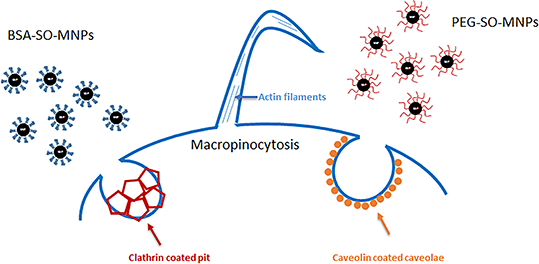
- eligible for the targeted delivery of the drug-loaded particles to the tumor mass via an external magnetic field [2]. Furthermore, MNPs are promising biosensors [3] and antimicrobial tools [4], and they play an important role in the development of multifunctional theranostics to combat cancer [5]. MNPs are



A review on the biological effects of nanomaterials on silkworm (Bombyx mori)
Beilstein J. Nanotechnol. 2021, 12, 190–202, doi:10.3762/bjnano.12.15
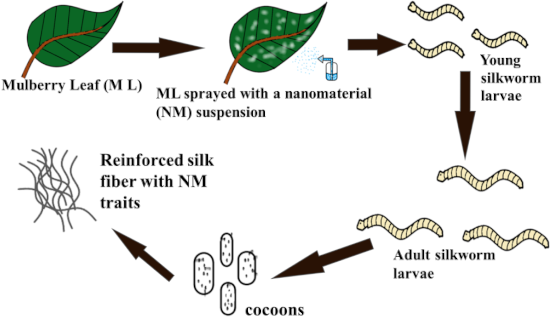
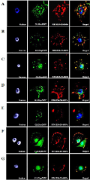
- oxidative stress response, which makes the p-translucent silkworm a good model to study Parkinson’s disease [92][93]. Mammalian model organisms are mostly used to study the efficacy of new drugs for human-related diseases and also in the screening of antimicrobial drugs [94]. Recent reports indicate
- their attractive physicochemical properties and their antimicrobial applications [142][143], and research reports have indicated that Ag NPs are lethal to bacteria and other pathogens [142][143][144][145]. Aside from the antimicrobial applications of Ag NPs, Govindaraju et al. [146] reported that an


A review on the green and sustainable synthesis of silver nanoparticles and one-dimensional silver nanostructures
Beilstein J. Nanotechnol. 2021, 12, 102–136, doi:10.3762/bjnano.12.9
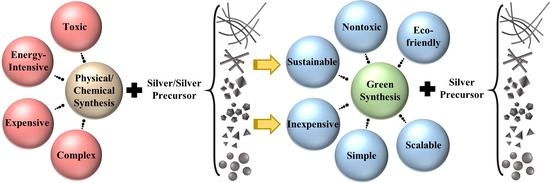
- used in utensils for eating and drinking, most probably due to the antimicrobial activities of silver which were discovered from experience during ancient centuries [45]. Later on, there were further instances where silver was used for medical purposes. For instance, Avi-Cenna applied silver filings
- characteristics including antimicrobial activity, electrical conductivity, thermal conductivity, optical characteristics, and mechanical properties. The antimicrobial characteristic of silver nanoparticles (AgNPs) has made them highly applicable in the biomedical and therapeutic fields [69][70][71]. Currently
- , antimicrobial AgNPs can potentially act as alternatives for current antibiotics due to increased bacterial resistance [71]. In addition, the development of new generations of antibiotics is costly, which prevents pharmaceutical companies from manufacturing new classes of antibiotics [72][73]. Furthermore, the


Antimicrobial metal-based nanoparticles: a review on their synthesis, types and antimicrobial action
Beilstein J. Nanotechnol. 2020, 11, 1450–1469, doi:10.3762/bjnano.11.129
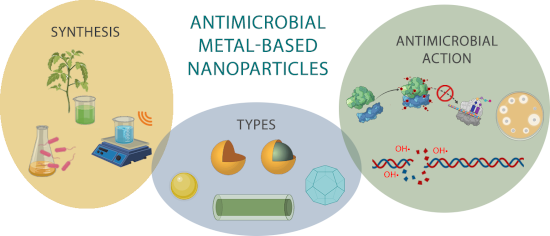
- Nanotechnology (CEDENNA), 9170124 Santiago, Chile Department of Physics, University of Santiago de Chile (USACH), Av. Ecuador 3493, 9170124 Santiago, Chile 10.3762/bjnano.11.129 Abstract The investigation of novel nanoparticles with antimicrobial activity has grown in recent years due to the increased incidence
- of nosocomial infections occurring during hospitalization and food poisoning derived from foodborne pathogens. Antimicrobial agents are necessary in various fields in which biological contamination occurs. For example, in food packaging they are used to control food contamination by microbes, in the
- medical field the microbial agents are important for reducing the risk of contamination in invasive and routine interventions, and in the textile industry, they can limit the growth of microorganisms due to sweat. The combination of nanotechnology with materials that have an intrinsic antimicrobial


Photothermally active nanoparticles as a promising tool for eliminating bacteria and biofilms
Beilstein J. Nanotechnol. 2020, 11, 1134–1146, doi:10.3762/bjnano.11.98
- studied. The state-of-the art in antimicrobial polymeric nanoparticles, with an emphasis on the relationship between their structure and activity, is well presented in a recent review [29]. The antibacterial properties of solid lipid nanoparticles are also a subject of specific research interest as they
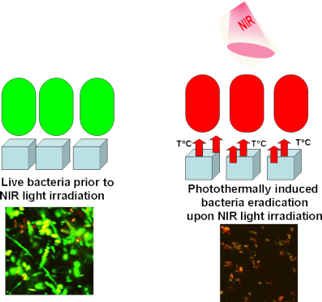
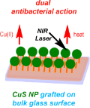
- . The local photothermal effect triggered by the NIR irradiation of PVA-GNS films was highly efficient in eliminating E. coli bacteria, as shown in Figure 4. In a very recent study, the antimicrobial activity of a chitosan-based hydrogel with embedded gold nanorods under low-power (200 mW) diode laser
- irradiation was reported [67]. The antibacterial activity was measured on both Gram-positive and Gram-negative strains, including clinically isolated multidrug-resistant pathogens. The authors found that the fabricated nanocomposite showed pronounced antimicrobial activity against tested pathogenic


Gram-scale synthesis of splat-shaped Ag–TiO2 nanocomposites for enhanced antimicrobial properties
Beilstein J. Nanotechnol. 2020, 11, 1119–1125, doi:10.3762/bjnano.11.96
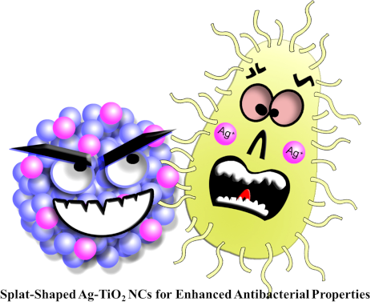
- . The improvement in the antibacterial activity was attributed to the synergistic effect of the hybrid nature of TiO2 nanoparticles in the presence of Ag. Keywords: antimicrobial properties; biomaterials; nanocomposites; silver nanoparticles; titanium dioxide; Introduction The rapid industrial
- antimicrobial peptides (AMPs) are highly toxic [4][5]. Recently, research in the field of nanotechnology has focused on trying to find solutions for some of the most serious environmental issues, such as energy conversion, and for the optimization of biomedical applications. Their small size, shape variability
- which have significant antimicrobial activity against Gram-positive and Gram-negative bacteria [16][17]. Importantly, Ag and TiO2 NPs have been reported to be less toxic to humans [2][18][19][20]. In comparison to single NPs, the nanocomposites have advantages in terms of multifunctional use


Silver-decorated gel-shell nanobeads: physicochemical characterization and evaluation of antibacterial properties
Beilstein J. Nanotechnol. 2020, 11, 620–630, doi:10.3762/bjnano.11.49
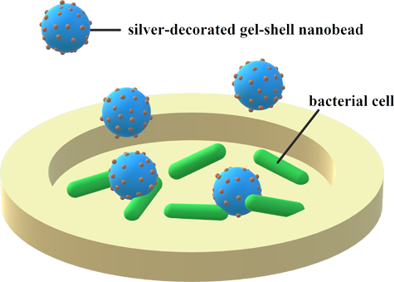
- whole structure. The silver-decorated nanobeads appear to be a promising material with considerable antimicrobial activity and were tested against Escherichia coli, Pseudomonas aeruginosa, Staphylococcus aureus and Staphylococcus epidermidis. The determined minimum inhibitory (MIC) and minimum biofilm
- incorporation of [Ag(NH3)2]+ complexes, followed by the reduction of the silver precursor with polyvinylpyrrolidone [23]. The resulting composite was examined with regard to its antimicrobial properties against Escherichia coli and Staphylococcus aureus bacteria. Similarly, Liao et al. obtained polystyrene
- number of studies has been devoted to non-supported silver nanoparticles and their antimicrobial properties. For example, Martínez-Castañón and co-workers showed that spherical silver nanoparticles of 7 nm in size inhibit the growth of E. coli and S. aureus in concentrations of 6.25 and 7.5 μg/mL


Correction: Photocatalytic antibacterial performance of TiO2 and Ag-doped TiO2 against S. aureus. P. aeruginosa and E. coli
Beilstein J. Nanotechnol. 2020, 11, 547–549, doi:10.3762/bjnano.11.43

- ., India Department of Biotechnology, Motilal Nehru National Institute of Technology, Allahabad, Prayagraj, 211004, U.P., India 10.3762/bjnano.11.43 Keywords: Ag-doped TiO2; antimicrobial activity; sol–gel; The following is a correction to the section “XRD of TiO2 and Ag-doped TiO2”, which contains a new
Preparation and in vivo evaluation of glyco-gold nanoparticles carrying synthetic mycobacterial hexaarabinofuranoside
Beilstein J. Nanotechnol. 2020, 11, 480–493, doi:10.3762/bjnano.11.39
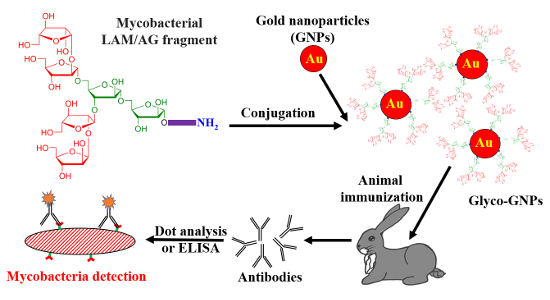
- ], which enables the exchange of citrate ligands with amines. The amine-capped GNPs are stable enough to be used as targeting agents for drug-delivery applications [75], as antigens for the generation of antibodies [77], or as antimicrobial agents [78]. These nanoconjugates are nontoxic, effectively


Nanoparticles based on the zwitterionic pillar[5]arene and Ag+: synthesis, self-assembly and cytotoxicity in the human lung cancer cell line A549
Beilstein J. Nanotechnol. 2020, 11, 421–431, doi:10.3762/bjnano.11.33
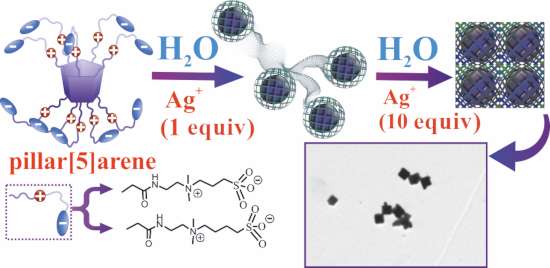
- [2][3][4]. Silver is well known for its antimicrobial activity, and Ag+ ion is usually considered a biologically active substance [5][6][7][8]. However, it is known that the effect of Ag+ on the human body is toxic and can cause diseases such as argyria (irreversible staining of the skin in gray




Facile biogenic fabrication of hydroxyapatite nanorods using cuttlefish bone and their bactericidal and biocompatibility study
Beilstein J. Nanotechnol. 2020, 11, 285–295, doi:10.3762/bjnano.11.21
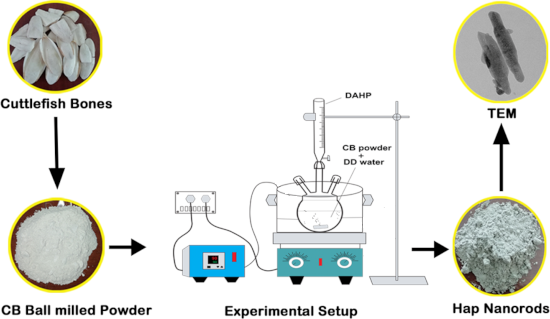
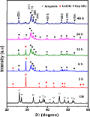
- confirm the presence of nanorods and to evaluate their physicochemical properties. Furthermore, in vitro antimicrobial studies with gram-positive (Staphylococcus aureus) and gram-negative (Escherichia coli) bacteria, in addition to hemolysis studies with healthy human blood were performed to evaluate the
- in hard tissue treatments. FTIR data further confirms the presence of phosphate groups and TGA data showed that the CB-Hap NRs possess significant thermal stability. Furthermore, the hemolysis study showed better blood compatibility than conventional, chemically synthesized Hap, and the antimicrobial


Rational design of block copolymer self-assemblies in photodynamic therapy
Beilstein J. Nanotechnol. 2020, 11, 180–212, doi:10.3762/bjnano.11.15






Internalization mechanisms of cell-penetrating peptides
Beilstein J. Nanotechnol. 2020, 11, 101–123, doi:10.3762/bjnano.11.10
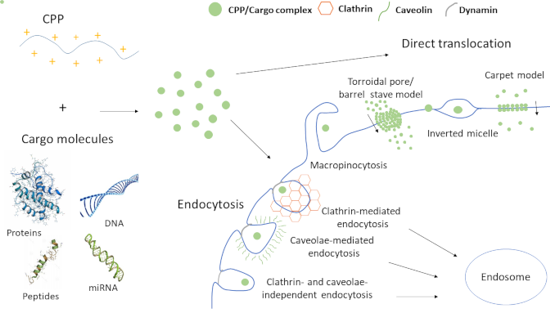
- the CPP. Since the hydrophobic interaction is necessary for this model, it seems unlikely that it is being used for the internalization of strongly cationic peptides such as TAT. According to this, it is logical that this mechanism was first proposed for dermaseptin, which is an antimicrobial
- ’ effect, which was first proposed for maganin. Maganin is an amphipathic peptide, composed of 23 residues, which exhibits a broad-spectrum of antimicrobial activity. This model is characterized by a ‘carpet’ formation followed by a perturbation resulting from the interaction of the negatively charged


Preservation of rutin nanosuspensions without the use of preservatives
Beilstein J. Nanotechnol. 2019, 10, 1902–1913, doi:10.3762/bjnano.10.185
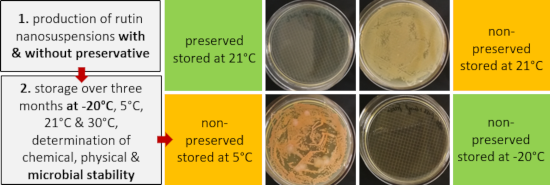
- lower and slower increase in microbial growth was found for the Plantacare-stabilized formulations (Figure 10 and Table 3). A possible reason for this observation could be the antimicrobial activity of the stabilizer Plantacare, which was already described in previous works by Jurado and co-workers [27


Toxicity and safety study of silver and gold nanoparticles functionalized with cysteine and glutathione
Beilstein J. Nanotechnol. 2019, 10, 1802–1817, doi:10.3762/bjnano.10.175
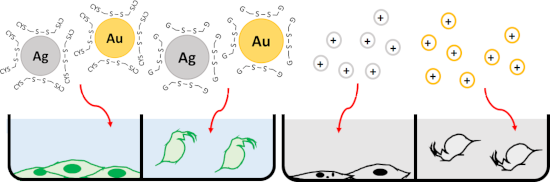
- -chemical properties. Silver nanoparticles (AgNPs) are extensively used in antimicrobial coatings for medical devices, wound dressing, cosmetic products and food packaging due to their antimicrobial, antiangiogenic and anti-inflammatory properties [1][2][3][4][5]. Biomedical applications of gold


Novel hollow titanium dioxide nanospheres with antimicrobial activity against resistant bacteria
Beilstein J. Nanotechnol. 2019, 10, 1716–1725, doi:10.3762/bjnano.10.167
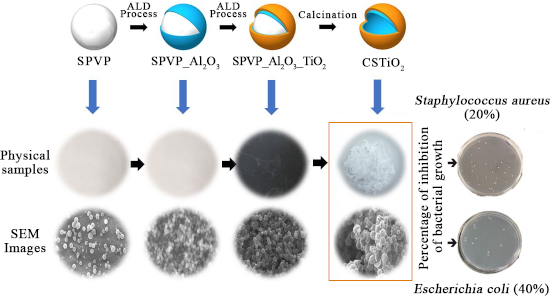
- Santiago, Chile 10.3762/bjnano.10.167 Abstract The search for and synthesis of new antimicrobial nanostructures is important to reduce microbial incidence that induces infectious diseases and to aid in the antibiotic resistance crisis, which are two of the most pressing issues in global public health. In
- anatase titanium dioxide crystalline structure. Thermogravimetric analysis and Fourier-transform infrared spectroscopy studies demonstrated the absence of polymer residue after the calcination process. The antimicrobial properties of the developed CSTiO2 hollow nanospheres were evaluated against different
- bacteria, including resistant E. coli and S. aureus strains, and when compared to commercial TiO2 nanoparticles, CSTiO2 nanospheres exhibited superior performance. In addition, the positive effect of UV irradiation on the antimicrobial activity was demonstrated. Keywords: antimicrobial nanoparticles


Enhanced inhibition of influenza virus infection by peptide–noble-metal nanoparticle conjugates
Beilstein J. Nanotechnol. 2019, 10, 1038–1047, doi:10.3762/bjnano.10.104
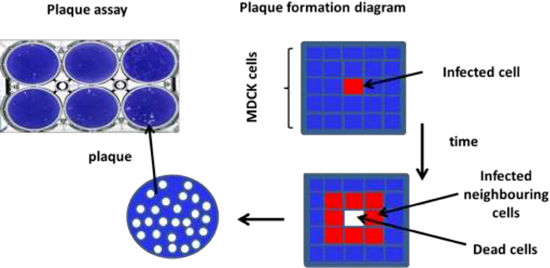
- demonstrate that conjugation of FluPep to gold and silver nanoparticles enhances its antiviral potency; the antimicrobial activity of silver ions may enable the design of even more potent antimicrobial inhibitors, capable of targeting both influenza and bacterial co-infections. Keywords: antiviral peptides
- biological activity of the peptide, for example, due to multivalent functionalisation of the nanoparticles. In addition, silver possesses innate antimicrobial activities [25]. Thus, noble-metal nanoparticles are potentially useful as both functional probes for antiviral peptides and as therapeutic delivery
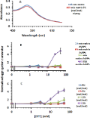
- together, these data indicate that the potency of FluPep ligand on the nanoparticles is greater than that of free FluPep ligand and of the native FluPep peptide (inset of Figure 3 and Table 1). Stability of FluPep functionalised silver nanoparticles Silver has well-established antimicrobial properties [33




Comparative biological effects of spherical noble metal nanoparticles (Rh, Pd, Ag, Pt, Au) with 4–8 nm diameter
Beilstein J. Nanotechnol. 2018, 9, 2763–2774, doi:10.3762/bjnano.9.258
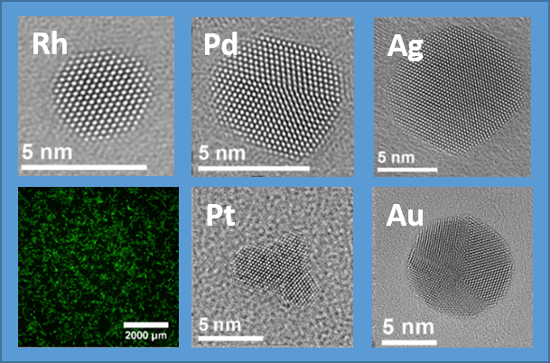
- ]. Some authors have reported antimicrobial activity of gold, platinum, and palladium nanoparticles in the size range of 5 to 30 nm against gram-negative and gram-positive bacteria [23][24][25] and distinct adverse biological effects such as genotoxicity, induction of apoptosis and cell cycle arrest of
- biological effects of rhodium nanoparticles except that these nanoparticles can penetrate into human skin [32]. Silver nanoparticles are applied in various fields including healthcare and biomedicine due to their antimicrobial, antifungal and antiviral effect [33][34][35][36][37]. This is based on the


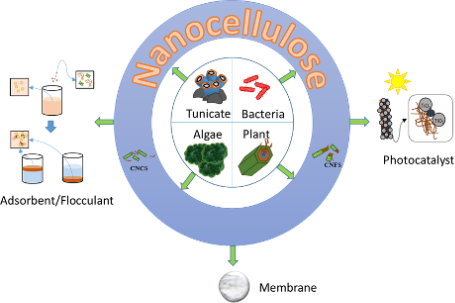
Nanocellulose: Recent advances and its prospects in environmental remediation
Beilstein J. Nanotechnol. 2018, 9, 2479–2498, doi:10.3762/bjnano.9.232