


Search results
Search for "automated" in Full Text gives 109 result(s) in Beilstein Journal of Nanotechnology.
Ion beam profiling from the interaction with a freestanding 2D layer
Beilstein J. Nanotechnol. 2017, 8, 682–687, doi:10.3762/bjnano.8.73
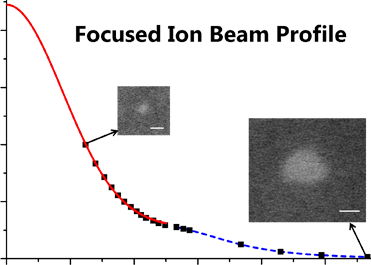
- specification of 13 nm. The graphene sputtering yield estimated in the same way as above gives γC/Ga+ ≈ 0.68. The fact that all numbers agree well with each other strengthens the model used for understanding the underlying physical phenomena. The method can be automated and used as a quick way to precisely


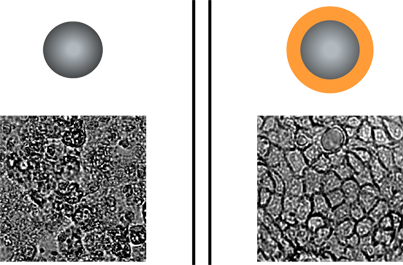
On the pathway of cellular uptake: new insight into the interaction between the cell membrane and very small nanoparticles
Beilstein J. Nanotechnol. 2016, 7, 1296–1311, doi:10.3762/bjnano.7.121
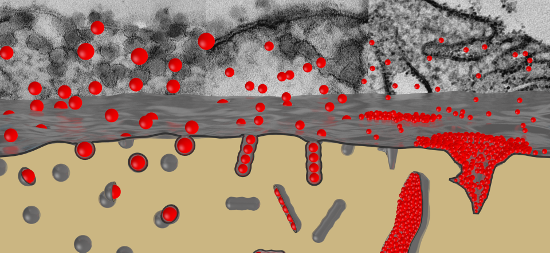
- content of approximately 0.1% and subsequently applied to a carbon coated TEM grid. Excess solution was blotted off and the sample was dried at ambient conditions. For automated analysis the TEM micrographs were processed using Gaussian blur filtering with 2 pixels radius, background subtraction




Generalized Hertz model for bimodal nanomechanical mapping
Beilstein J. Nanotechnol. 2016, 7, 970–982, doi:10.3762/bjnano.7.89
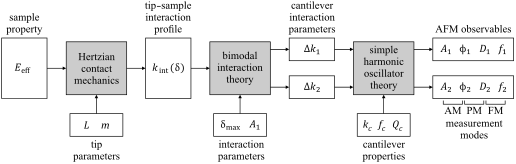
- a Ti/Ir-coated tip of nominal tip radius R = 28 ± 10 nm. Photothermal excitation [56] was used, which ensures stable imaging [57] and accurate FM tracking [58][59][60]. An automated calibration method [61] was used to obtain the stiffness of the first eigenmode (kc1 = 43.2 N/m), which was then used


![[Graphic 4]](/bjnano/content/inline/2190-4286-7-89-i40.png?max-width=637&scale=1.18182) approximation applied to Equation 6 i...
approximation applied to Equation 6 i...


Improved biocompatibility and efficient labeling of neural stem cells with poly(L-lysine)-coated maghemite nanoparticles
Beilstein J. Nanotechnol. 2016, 7, 926–936, doi:10.3762/bjnano.7.84
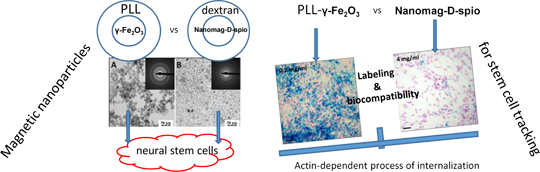
- nanoparticle morphology and to identify crystal structure, respectively. Micrographs were processed by image analysis program NIS Elements (Laboratory Imaging, Prague, Czech Republic). More than 100 particles were segmented in each experiment using automated edge detection. Each particle was characterized by




Large-scale fabrication of achiral plasmonic metamaterials with giant chiroptical response
Beilstein J. Nanotechnol. 2016, 7, 914–925, doi:10.3762/bjnano.7.83
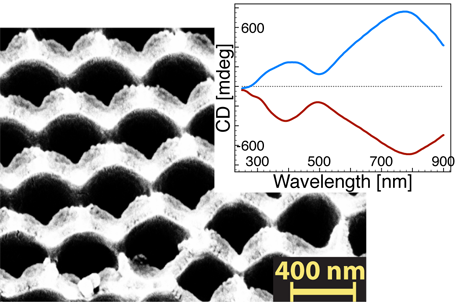
- ]. The original molds were used to make negative imprints by thermal nanoimprint lithography using the EVG520HE semi-automated hot embossing system. This was done in TOPAS 5013L-10 substrates under vacuum with a stamping pressure of 1.25 bar and at 160 °C using the original molds. Next a 30 nm film was

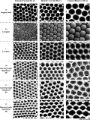


![[Graphic 2]](/bjnano/content/inline/2190-4286-7-83-i2.png?max-width=637&scale=1.18182) , of incident light with respect to the ECM structures.
, of incident light with respect to the ECM structures.


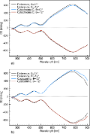

In situ observation of deformation processes in nanocrystalline face-centered cubic metals
Beilstein J. Nanotechnol. 2016, 7, 572–580, doi:10.3762/bjnano.7.50
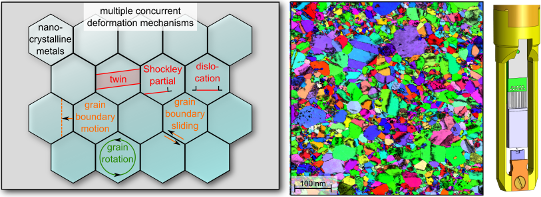
- -Helmholtz-Platz 1, 76344 Eggenstein-Leopoldshafen, Germany 10.3762/bjnano.7.50 Abstract The atomistic mechanisms active during plastic deformation of nanocrystalline metals are still a subject of controversy. The recently developed approach of combining automated crystal orientation mapping (ACOM) and in
- metals are beyond the spatial resolution limits of EBSD (>20 nm) [36]. Here, we demonstrate a combination of automated crystal orientation mapping (ACOM) in scanning TEM (STEM) modus with in situ straining [37][38][39] of NC metals to follow the GB-mediated processes (GB sliding and grain growth) and


Characterisation of thin films of graphene–surfactant composites produced through a novel semi-automated method
Beilstein J. Nanotechnol. 2016, 7, 209–219, doi:10.3762/bjnano.7.19
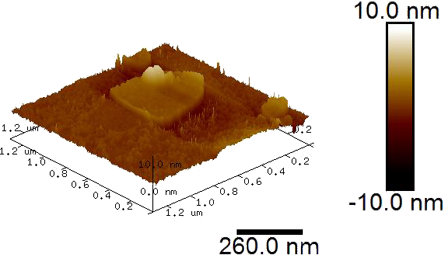
- Lane, Chichester, West Sussex, PO19 6PE, UK 10.3762/bjnano.7.19 Abstract In this paper we detail a novel semi-automated method for the production of graphene by sonochemical exfoliation of graphite in the presence of ionic surfactants, e.g., sodium dodecyl sulfate (SDS) and cetyltrimethylammonium
- sonochemical method was carried out using a semi-automated apparatus designed specifically for the purposes of this research. In previous work [6] we manufactured graphene–surfactant complexes using the Notley method and applied them to carbon electrodes, thereby enhancing their electrochemical activity
- . Further work was then carried out on optimising graphene production, characterising the products and also depositing graphene layers by more controlled techniques than simple casting. In this work a semi-automated technology of graphene production by sonochemical exfoliation of graphite in the presence of




An ISA-TAB-Nano based data collection framework to support data-driven modelling of nanotoxicology
Beilstein J. Nanotechnol. 2015, 6, 1978–1999, doi:10.3762/bjnano.6.202
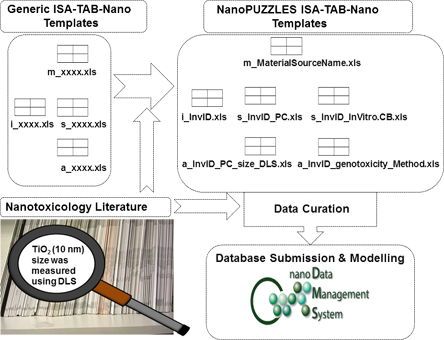
- database system which is able to, amongst other functionality, import validated ISA-TAB-Nano datasets [30][109][110]. To facilitate database submission and other computational analysis, a Python [111] program was written, within the context of the NanoPUZZLES project, to enable automated conversion of an



Nanocuration workflows: Establishing best practices for identifying, inputting, and sharing data to inform decisions on nanomaterials
Beilstein J. Nanotechnol. 2015, 6, 1860–1871, doi:10.3762/bjnano.6.189
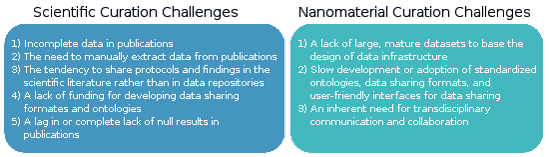
- this slows the workflow process and is not always possible. Related to challenges more specific to the nanomaterial community, caNanoLab curators note that inconsistent terminology and a lack of automated data sharing tools impede the efficient implementation of their workflow. Data curators at the
- automated approaches might facilitate bringing data into repositories through ISA-TAB-Nano [10]. Recommendations proposed here have been based on the current landscape of the nanoinformatics field, and are focused on potential best practices to catalyze progress given the existence of multiple repositories


The eNanoMapper database for nanomaterial safety information
Beilstein J. Nanotechnol. 2015, 6, 1609–1634, doi:10.3762/bjnano.6.165
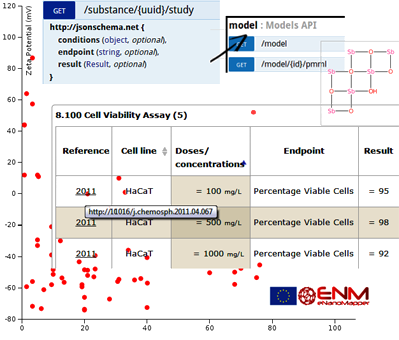
- support of data integration has recently been described [22]. eNanoMapper supports ontology re-use, for example it re-uses the content of the NPO and BAO, through automated modular import of content subsets into an integrated whole. However, the scope of the ontology goes beyond any of the individually


Possibilities and limitations of advanced transmission electron microscopy for carbon-based nanomaterials
Beilstein J. Nanotechnol. 2015, 6, 1541–1557, doi:10.3762/bjnano.6.158
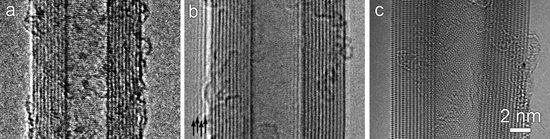
- metal-oxide semiconductor) sensor up to 1600 fps [50]. The high sensitivity and fast acquisition in detecting has made possible the automated and ultra-fast acquisition of a series of under-exposed images from the same region. After drift correction, the images of such a sequence are stacked and can


Using natural language processing techniques to inform research on nanotechnology
Beilstein J. Nanotechnol. 2015, 6, 1439–1449, doi:10.3762/bjnano.6.149
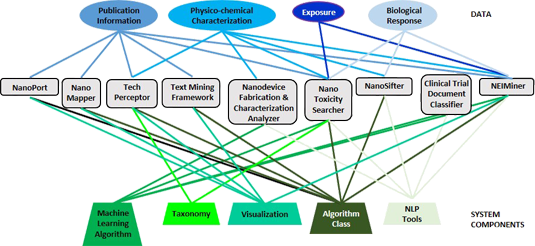
- extractor, or more general NLP systems that provide various NLP tools such as Mallet and Natural Language Toolkit (NLTK) [34][35]. Utilizing and adapting these previously developed NLP tools allows for nanoinformatics researchers to build their automated systems without needing to develop low level NLP
Scalable, high performance, enzymatic cathodes based on nanoimprint lithography
Beilstein J. Nanotechnol. 2015, 6, 1377–1384, doi:10.3762/bjnano.6.142
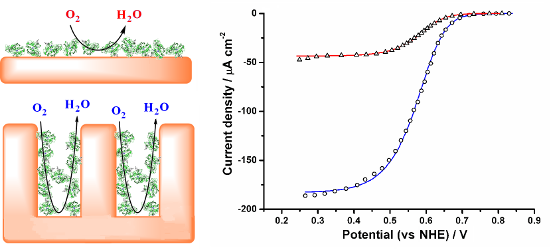
- bio-modification) onto planar Au electrodes (with a roughness factor of about 1.7) was studied in situ by means of null ellipsometry in a similar manner as described in [20]. A thin film, automated ellipsometer (type 43 603-200E, Rudolph Research, Fairfield, NJ, USA) equipped with a xenon arc lamp


Automatic morphological characterization of nanobubbles with a novel image segmentation method and its application in the study of nanobubble coalescence
Beilstein J. Nanotechnol. 2015, 6, 952–963, doi:10.3762/bjnano.6.98
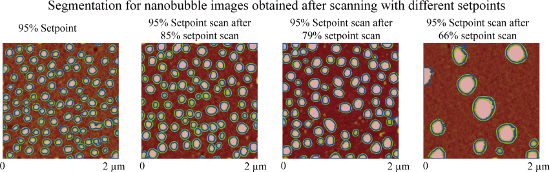
- threshold method and active contour method were combined to carry out automated image segmentation for all NBs in AFM images. Instead of manually drawing the initial contours for individual NBs, we take the contours detected by the threshold method as the initial guess used further in the implementation of
- . (a) Automated extraction of the NB cross sections after image segmentation. (b) Cross section of the NB indicated by the blue arrow in (a) and a corresponding least squares fit curve by fitting the profile as a circular arc. (c–e) The height, contact angle, and radius of curvature as a function of


Transformation of hydrogen titanate nanoribbons to TiO2 nanoribbons and the influence of the transformation strategies on the photocatalytic performance
Beilstein J. Nanotechnol. 2015, 6, 831–844, doi:10.3762/bjnano.6.86
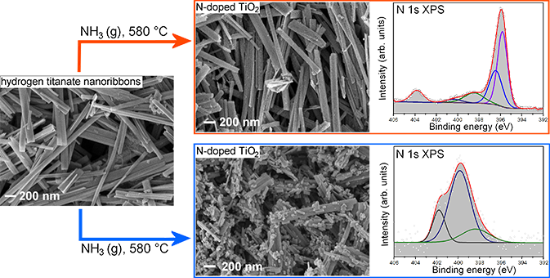
- (EDX) elemental analysis system. The samples for the EDX measurements were prepared by pressing the powder samples into pellets and coating them with a thin carbon layer. The BET specific surface areas of the samples were measured at −196 °C with a TRISTAR 3000 automated gas-adsorption analyzer




Increasing throughput of AFM-based single cell adhesion measurements through multisubstrate surfaces
Beilstein J. Nanotechnol. 2015, 6, 157–166, doi:10.3762/bjnano.6.15
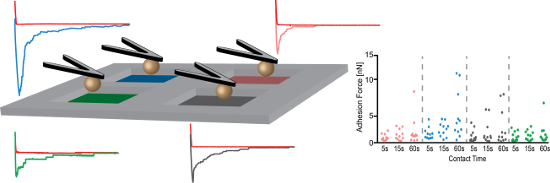
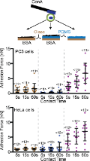
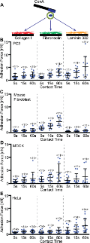
- , which would increase the accuracy of the profiles. With the help of the PDMS-coated masks, a semi-automated adhesion measurement setup is feasible. Our masks compare favorably to commercially available silicone masks, such as those offered by Ibidi. The production of the mask is easy and commercially


Data-adaptive image-denoising for detecting and quantifying nanoparticle entry in mucosal tissues through intravital 2-photon microscopy
Beilstein J. Nanotechnol. 2014, 5, 2016–2025, doi:10.3762/bjnano.5.210
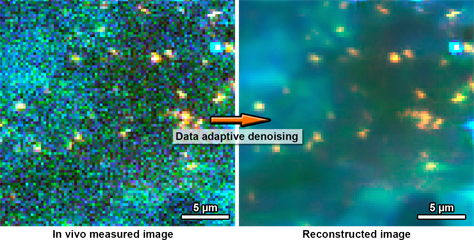
- least in dark image areas, only very few photons are collected per pixel. This unavoidably leads to a low SNR, which not only affects further data interpretation by human observers, but also deteriorates the efficiency of automated processing, segmentation and image analysis [2][3][4]. In our approach
- BM3D algorithm. A further quantitative evaluation was done by calculating the sharpness index (SI) of the reconstructions (see Experimental). While this metric is only rarely applied to evaluations of image reconstructions, it is often used for automated focusing of light microscopes [24]. The SI
- the modified BM3D algorithm considerably facilitates the perception of the nanoparticles by the human observer (compare d to d′) and allows for automated image analysis to be applied to denoised 2PM images. Bar = 5 µm. Intravital 2-photon microscopy of the gut mucosa (lower right corner) and quantum


Real-time monitoring of calcium carbonate and cationic peptide deposition on carboxylate-SAM using a microfluidic SAW biosensor
Beilstein J. Nanotechnol. 2014, 5, 1823–1835, doi:10.3762/bjnano.5.193
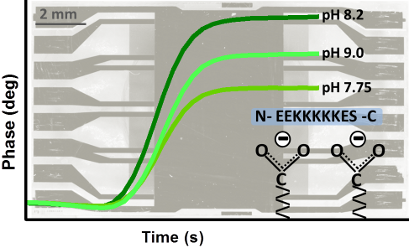
- , Germany) used in this study combines a four channel microfluidic system with SAW detection and is equipped with an efficient software-driven access for automated sample processing and data analysis. The injection of a glycerol reference is a useful technique to separate the mass signal from the viscosity
- biosensor sam®X. Automated features were used for programming and documentation of the experimental conditions. The software package FitMaster (SAW Instruments, Bonn, Germany) was used to analyze the collected data and to electronically align, for example, the time of injection for comparative analyses of
- indicated in Figure 4. Note that these signals are extremely reproducible. The line in magenta represents the glycerol injection. (A), original phase signal; (B), calculated mass normalized phase signal. The glycerol signal in (A) was used for the software-automated calculation of all signals shown in (B


A reproducible number-based sizing method for pigment-grade titanium dioxide
Beilstein J. Nanotechnol. 2014, 5, 1815–1822, doi:10.3762/bjnano.5.192
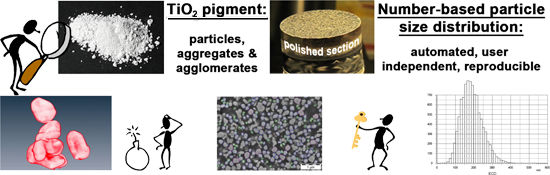
- lacking. By using the example of titanium dioxide, this paper shows that both necessities are well met by the sophisticated counting algorithm presented here, which is based on the imaging of polished sections of embedded particles and subsequent automated image analysis. The data presented demonstrate
- minimum of subjective, user-based decisions. The major task to tackle on the way is to prepare a sample suitable for automated particle detection. Since automated detection routines are primarily based on grey-value thresholding, overlapping particles are a serious problem, which is illustrated in Figure
- a problem. The section finally analysed can therefore be reasonably assumed to be representative. The high area density of the pigment in all images ensures that constant conditions for the automated post-processing and detection procedure are assured. Measurement, pigment detection and size


The surface properties of nanoparticles determine the agglomeration state and the size of the particles under physiological conditions
Beilstein J. Nanotechnol. 2014, 5, 1774–1786, doi:10.3762/bjnano.5.188
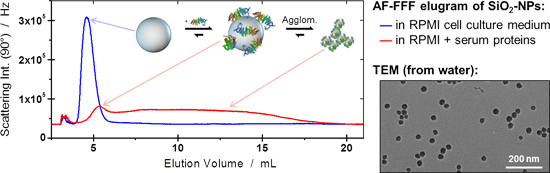
- sophisticated analysis routines should be applied. Specifically, this should include the analysis of more particles (>500) and, if possible, an automated image analysis to increase reproducibility [76]. The silica particles are found either as single particles or in smaller groups, whereas the siloxane
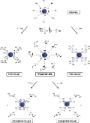


Different endocytotic uptake mechanisms for nanoparticles in epithelial cells and macrophages
Beilstein J. Nanotechnol. 2014, 5, 1625–1636, doi:10.3762/bjnano.5.174
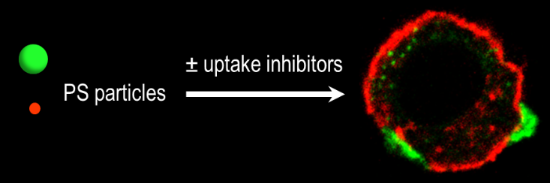
- an acceleration voltage of 75 kV and equipped with a Morada CCD digital camera (Olympus, Tokyo, Japan). Size distributions of both PS particle types were obtained by image analysis using Fiji software. Thereby, images were converted to binary images by automated thresholding (default threshold) and



The protein corona protects against size- and dose-dependent toxicity of amorphous silica nanoparticles
Beilstein J. Nanotechnol. 2014, 5, 1380–1392, doi:10.3762/bjnano.5.151
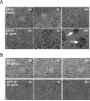
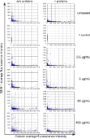
- enzymatic/biochemical assays [30], we, here, present an automated high-throughput microscopy based approach, generally applicable to reliably and reproducibly assessing the cell vitality following exposure to nanomaterial. By uUsing the ArrayScan® VTI fluorescence microscopy imaging platform [31], we
- vitality of Caco-2, automated high-throughput microscopy revealed that cell death was almost completely prevented upon treatment in the presence of serum or human plasma proteins (Figure 4, right panel). Similar results were obtained by assessing the cell viability using independent methods, such as the
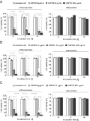
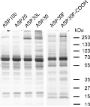
- (ASP30F and ASP30F-COOH; Table 1). As shown in Figure 7, automated microscopy revealed that in the absence of proteins slightly more ASPs were attached and taken up by the Caco-2 cells compared to the incubation in the presence of proteins after 60 min (Figure 7A/B). By increasing the surface charge by




The study of surface wetting, nanobubbles and boundary slip with an applied voltage: A review
Beilstein J. Nanotechnol. 2014, 5, 1042–1065, doi:10.3762/bjnano.5.117
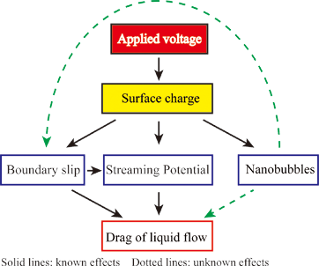
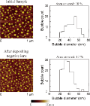
- ellipsometer (model L116C, Gaertner Scientific Corporation) was found to be 66 nm. A DI water droplet was deposited on the spin coated PS surface and the CA of the DI water was measured to be about 94° by using an automated goniometer (Model 290, Rame-Hart Instrument Corporation). The prepared PS surfaces are
- toluene for 24 h. Finally, to remove the unabsorbed molecules from the surface, the wafers were copious rinsed with toluene and dried by compressed air. The CA of DI water on the OTS surface was measured as 106 ± 2° by automated goniometer. The process for applying a voltage to the system was the same as






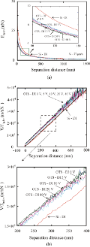


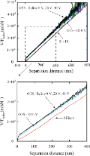


Methods for rapid frequency-domain characterization of leakage currents in silicon nanowire-based field-effect transistors
Beilstein J. Nanotechnol. 2014, 5, 964–972, doi:10.3762/bjnano.5.110
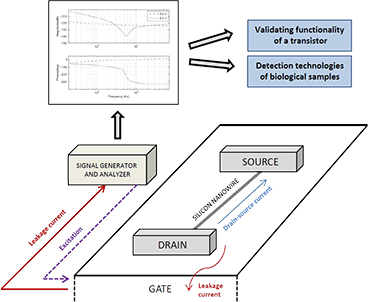
- , implementing fully automated measurement systems, and designing new frequency-domain-based detection technologies. Conceptual diagram of a SiNW FET. Typical measurement system. Shape of the power spectrum of IRS from 5-bit length shift register. Schematic of the applied SiNW FET device. SEM image of the SiNW


Adsorption and oxidation of formaldehyde on a polycrystalline Pt film electrode: An in situ IR spectroscopy search for adsorbed reaction intermediates
Beilstein J. Nanotechnol. 2014, 5, 747–759, doi:10.3762/bjnano.5.87
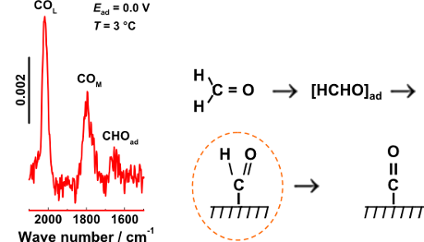
- within the sample chamber of a Varian 670i IR-spectrometer, equipped with a liquid nitrogen cooled mercury cadmium telluride (MCT) detector and an automated AutoPro5 polarizer set to 90° angle to transmit only surface-sensitive p-polarized radiation from the light source. The spectral resolution was set





