Search results
Search for "carbon" in Full Text gives 1261 result(s) in Beilstein Journal of Nanotechnology. Showing first 200.
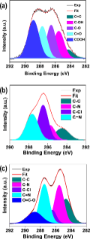
Structural and magnetic properties of microwave-synthesized reduced graphene oxide/VO2/Fe2O3 nanocomposite
Beilstein J. Nanotechnol. 2025, 16, 921–932, doi:10.3762/bjnano.16.70
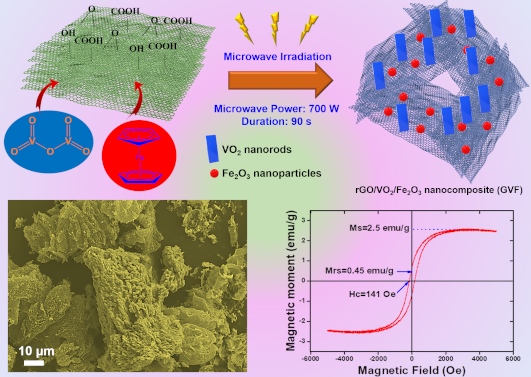
- . Keywords: Fe2O3; magnetism; microwave irradiation; reduced graphene oxide; VO2; Introduction Graphene-based materials have been significantly explored in various fields of materials science due to their unique physical and chemical characteristics [1][2][3][4]. The special arrangement of carbon materials
- NCs of iron oxide and graphene through the MW route. For example, Kumar et al. demonstrated the MW-assisted rapid synthesis of a ternary NC based on rGO, carbon nanotubes, and Fe3O4 NPs, using ferrocene as the Fe-containing precursor [15]. The NC exhibited its potential to be used for EMI shielding
- components caused more disorder and defects in the carbon structure [36]. Furthermore, the peak at ≈2700 cm−1 represents the characteristic 2D band of graphene. The Raman pattern of rGO represents such characteristic D band at ≈1343 cm−1, G band at ≈1582.4 cm−1, and 2D band at ≈2690 cm−1, respectively



Focused ion beam-induced platinum deposition with a low-temperature cesium ion source
Beilstein J. Nanotechnol. 2025, 16, 910–920, doi:10.3762/bjnano.16.69
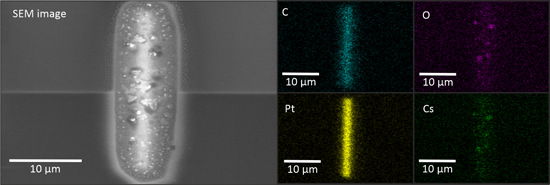
- merits of ion sources based on alkali metals. Also, Cs+ is a preferred species of ions over Ga+ for secondary ion mass spectroscopy (SIMS) applications because Cs+ can induce higher secondary ion yields for several elements such as carbon (C), oxygen (O), and hydrogen [17][18][19], which provides higher


Heat-induced transformation of nickel-coated polycrystalline diamond film studied in situ by XPS and NEXAFS
Beilstein J. Nanotechnol. 2025, 16, 887–898, doi:10.3762/bjnano.16.67
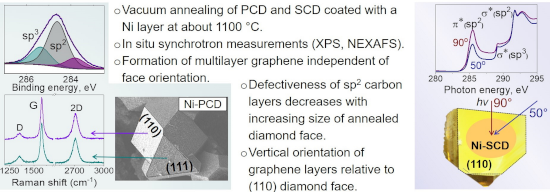
- fine structure (NEXAFS) methods. XPS data revealed the formation of a thin graphite-like film with low-ordered atomic structure on the surface of the nickel-coated PCD film. The chemical state of sp2-hybridized carbon atoms was found to be insensitive to the face orientation of the diamond micro-sized
- -coated (110) face after annealing discovered the vertical orientation of sp2-hybridized carbon layers relative to the diamond surface. The observed behavior suggests that sp2 carbon layers were formed on the diamond surface due to its saturation by released carbon atoms as a result of etching by nickel
- . Keywords: graphitization; near-edge X-ray absorption fine structure spectroscopy; nickel coating; polycrystalline diamond film; single-crystal diamond; X-ray photoelectron spectroscopy; Introduction Diamond and graphite, both composed entirely of carbon atoms, exhibit vastly different properties due to


Synchrotron X-ray photoelectron spectroscopy study of sodium adsorption on vertically arranged MoS2 layers coated with pyrolytic carbon
Beilstein J. Nanotechnol. 2025, 16, 847–859, doi:10.3762/bjnano.16.64
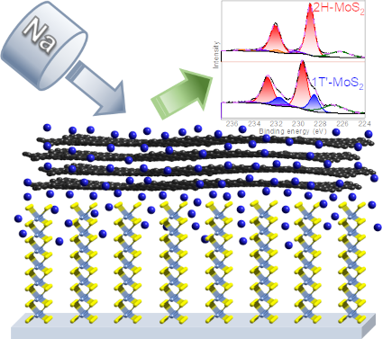
- Berlin, Germany Helmholtz-Zentrum Berlin für Materialien und Energie, 14109 Berlin, Germany 10.3762/bjnano.16.64 Abstract Hybrid materials consisting of molybdenum disulfide (MoS2) and graphitic-like carbon have great potential for practical application as anodes in high-performance sodium-ion batteries
- . In this work, to reveal the effect of carbon coating on the interaction of sodium with the MoS2 layers located vertically relative to the substrate, model experiments were carried out using synchrotron-radiation-induced X-ray photoelectron spectroscopy (XPS). Sodium vapor obtained by heating a sodium
- source was simultaneously deposited in vacuum on the surfaces of MoS2, pyrolytic carbon, and a hybrid sample obtained by transferring a pyrolytic carbon film onto the MoS2 film. According to XPS data, sodium easily penetrates into the space between the vertical layers of the uncoated film, and its


Facile one-step radio frequency magnetron sputtering of Ni/NiO on stainless steel for an efficient electrode for hydrogen evolution reaction
Beilstein J. Nanotechnol. 2025, 16, 837–846, doi:10.3762/bjnano.16.63
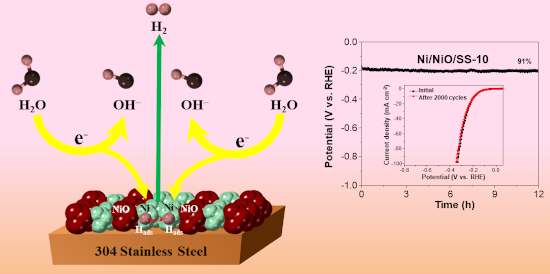
- 700000, Vietnam 10.3762/bjnano.16.63 Abstract The advancement of affordable, ultrastable, and efficient electrode materials for basic hydrogen evolution reaction (HER) plays a crucial role in industrial hydrogen manufacture, resolving problems caused by carbon dioxide emissions. Ni-based
- substrates such as nickel foam (NF), carbon cloth, and fluorine-doped tin oxide [27][28][29]. Also, SS displays high electrical conductivity, outstanding chemical stability, and good mechanical properties. Therefore, numerous researchers have used SS as a template to deposit nanomaterials using various
- activities were assessed on an electrochemical workstation (VMP-3e Multichannel Potentiostat, Biologic) in a three-electrode system. A Hg/HgO electrode was used as a reference electrode, while a carbon rod was utilized as the auxiliary electrode. The self-standing Ni/NiO on the SS substrate as a working


Synthesis and magnetic transitions of rare-earth-free Fe–Mn–Ni–Si-based compositionally complex alloys at bulk and nanoscale
Beilstein J. Nanotechnol. 2025, 16, 823–836, doi:10.3762/bjnano.16.62
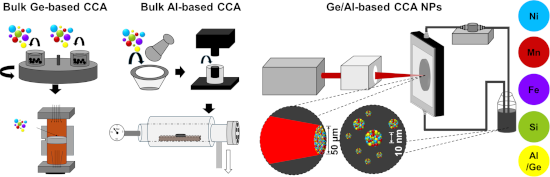
- carbon-supported TEM copper grid and dried under ambient conditions. The particle size distribution was determined by measuring the Feret diameter of individual particles from TEM images using ImageJ software [52]. The NP crystal structure was evaluated using CrysTBox software [53] using digital


Supramolecular hydration structure of graphene-based hydrogels: density functional theory, green chemistry and interface application
Beilstein J. Nanotechnol. 2025, 16, 806–822, doi:10.3762/bjnano.16.61
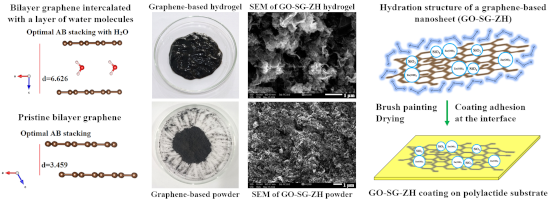
- plays an important role in the stability and functionality of nanoscale structures. Van der Waals forces are supramolecular intermolecular interactions that govern the agglomeration of nanomaterials. Carbon nanostructures with π-conjugated systems (fullerene, carbon nanotube, and graphene) have π–π
- Grimme [22][23][24]. The modeling of infinite graphene sheets was extrapolated from periodic supercells. The supercell of bilayer graphene structure includes 16 carbon atoms (two graphene sheets with eight carbon atoms per sheet). The modeling of water-intercalated bilayer graphene structure used the
- supercell of 16 carbon atoms, one oxygen atom, and two hydrogen atoms (two graphene sheets and one water molecule). Preparation of graphene oxide from natural graphite The improved cascade-design synthesis of graphite oxide (GrO) was reported in our previous papers [15][16]. Briefly, 5 g of raw material of


Morphology and properties of pyrite nanoparticles obtained by pulsed laser ablation in liquid and thin films for photodetection
Beilstein J. Nanotechnol. 2025, 16, 785–805, doi:10.3762/bjnano.16.60
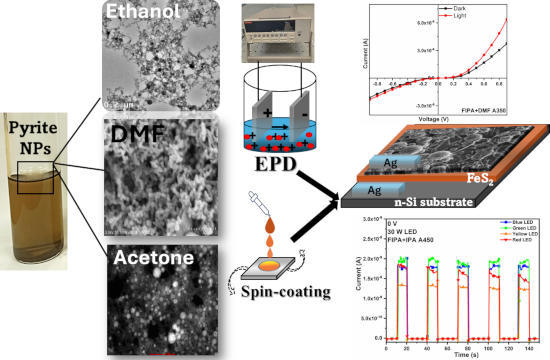
- SEM analysis of pyrite thin films was performed using a Hitachi Model SU 8020. The NPs were deposited on carbon-coated copper grids for TEM analysis and on silicon substrates for SEM analysis. Using monochromatic Al Kα radiation with an energy of 1486.68 eV, X-ray photoelectron spectroscopy (XPS
- all the samples, the peak position corresponding to the adventitious carbon value was fixed at 284.6 eV. A Shirley-type background baseline was used, and the Gaussian–Lorentzian sum function was applied for peak fitting. The high-resolution spectra of Fe 2p and S 2p after soft surface etching using






Changes of structural, magnetic and spectroscopic properties of microencapsulated iron sucrose nanoparticles in saline
Beilstein J. Nanotechnol. 2025, 16, 762–784, doi:10.3762/bjnano.16.59





Synthesis of a multicomponent cellulose-based adsorbent for tetracycline removal from aquaculture water
Beilstein J. Nanotechnol. 2025, 16, 728–739, doi:10.3762/bjnano.16.56
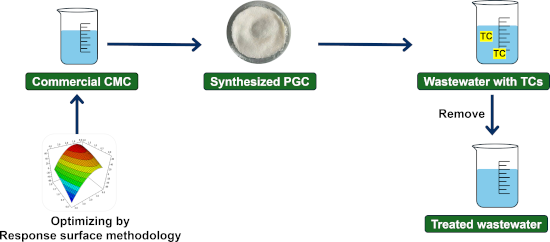
- spectrum, the sample matrix, and the radiation intensity. Activated carbon is a conventional approach [10][11], however, a major drawback of activated carbon is its incomplete recovery after adsorption. Because adsorption primarily relies on physical interactions such as hydrogen bonding interactions
- , electrostatic forces, and van der Waals forces, adsorbed antibiotics may desorb and reenter aquatic environments [12]. Moreover, activated carbon exhibits low selectivity and adsorption capacity. Among novel adsorbents, metal-organic frameworks [13] and molecularly imprinted polymers (MIPs) [14] are
- hydroxy groups interact with the functional groups of the cross-linking agent, reducing the polymer’s water solubility while increasing its stiffness and chemical stability [35][36]. Glutaraldehyde (GA), a linear five-carbon dialdehyde, is regarded as a more effective cross-linking agent compared to


High-temperature epitaxial growth of tantalum nitride thin films on MgO: structural evolution and potential for SQUID applications
Beilstein J. Nanotechnol. 2025, 16, 690–699, doi:10.3762/bjnano.16.53
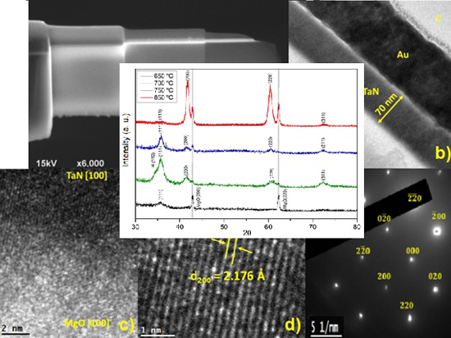
- atom %, and the carbon concentration fell to 0 atom %. These reductions in oxygen and carbon impurities are essential for improving the film’s quality, as both elements can introduce defects that degrade the superconducting performance. At a lower nitrogen pressure of 60 mTorr, the atomic
- concentrations of Ta and N were found to be nearly equal. However, the concentrations of oxygen and carbon were relatively high at this pressure, which compromises the quality of the TaN films. Consequently, 60 mTorr was discarded as a suitable pressure for synthesizing high-quality films because of the impurity
- levels. Although the results for samples grown at 70 mTorr pN2 show a near-stoichiometric TaN composition, the presence of significant oxygen (32%) and carbon (4%) impurities suggests a composition closer to TaNO. The optimal stoichiometry for TaN thin films was achieved at a pN2 = 90 mTorr, where the


Colloidal few layered graphene–tannic acid preserves the biocompatibility of periodontal ligament cells
Beilstein J. Nanotechnol. 2025, 16, 664–677, doi:10.3762/bjnano.16.51
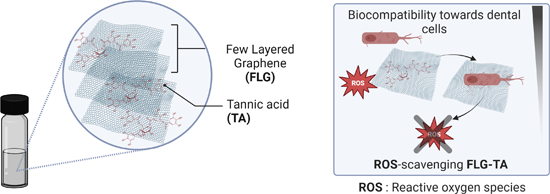
- ]. Recent studies point to a potential synergistic effect between TA and GBMs [15][16][17]. TA not only stabilizes graphene sheets in aqueous solutions, preventing their aggregation by interacting with carbon layers at a molecular level [14], but also could impart additional bioactive properties
- , characterized by numerous hydroxy groups, is proposed to potentially form non-covalent interactions, such as π–π stacking, with the carbon network and oxygen atoms of graphite [16][20]. This interaction could exfoliate graphite, resulting in a stable colloidal dispersion of functionalized graphene sheets. The
- groups into the graphene structure. In our scenario, the integration of mixing and ultrasonication greatly aided the homogenization process and improved the interactions at the molecular level between the functional groups of tannic acid and the carbon layers of graphene, resulting in defects mainly


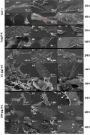


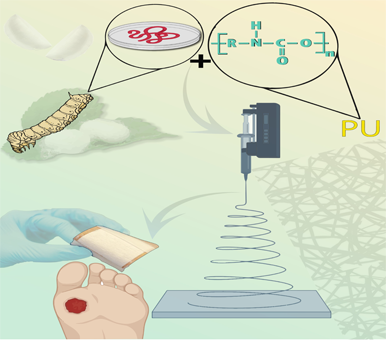
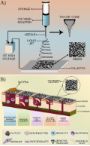
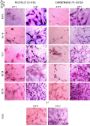
Polyurethane/silk fibroin-based electrospun membranes for wound healing and skin substitute applications
Beilstein J. Nanotechnol. 2025, 16, 591–612, doi:10.3762/bjnano.16.46



Feasibility analysis of carbon nanofiber synthesis and morphology control using a LPG premixed flame
Beilstein J. Nanotechnol. 2025, 16, 581–590, doi:10.3762/bjnano.16.45
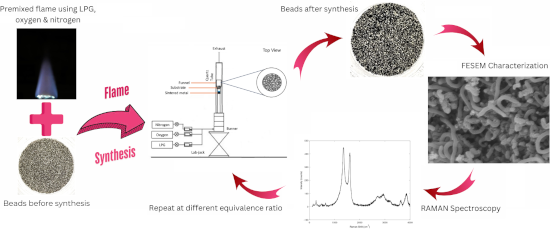
- , Udayana University 80231 Badung, Bali, Indonesia 10.3762/bjnano.16.45 Abstract Flame synthesis using liquefied petroleum gas (LPG) as the precursor gas to produce carbon nanofibers (CNFs) is an economical alternative to conventional chemical vapor deposition methods using single-component fuels such as
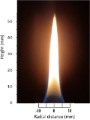
- methane and ethylene. Though LPG is a commercially viable source for carbon-based nanomaterials, the understanding of the effects of a LPG flame on CNF growth is very limited. Therefore, the present study is to analyze the feasibility of CNF growth in a premixed LPG flame using a one-dimensional flame at
- equivalence ratio was reduced to 1.6, the average diameter of CNF increased by 46% to 114 nm, with amorphous carbon observed. The said observation is due to the effects of the increased flame temperature as the equivalence ratio approaches stoichiometry conditions from the rich side. This increases the



Nanomaterials in targeting amyloid-β oligomers: current advances and future directions for Alzheimer's disease diagnosis and therapy
Beilstein J. Nanotechnol. 2025, 16, 561–580, doi:10.3762/bjnano.16.44
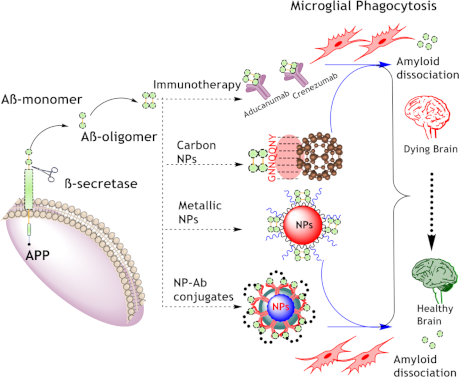
- biosensors for early diagnosis and improving the sensitivity of AβO detection. In imaging, nanoparticles (NPs) can help to visualize localized protein accumulation, complementing existing diagnostic methods. Materials such as carbon-based NMs (e.g., graphene oxide) and metal NPs (e.g., gold and silver
- organized the NPs into four primary categories, namely, carbon based nanomaterials (CNMs), metal based NMs, biomimetic NMs and antibody-functionalized NMs. Carbon-based nanomaterials for the detection and inhibition of AβO Recent advances in nanomedicine have spotlighted CNMs because of their remarkable
- therapeutic applications. CNMs can be categorized into three primary forms, namely, zero-dimensional fullerenes (e.g., C60), one-dimensional carbon nanotubes (CNTs), and two-dimensional graphene. Each of these NMs possesses distinct attributes that facilitate their engagement with proteins and peptides


Functionalized gold nanoflowers on carbon screen-printed electrodes: an electrochemical platform for biosensing hemagglutinin protein of influenza A H1N1 virus
Beilstein J. Nanotechnol. 2025, 16, 540–550, doi:10.3762/bjnano.16.42
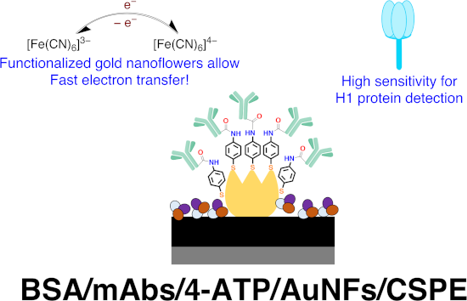
- .16.42 Abstract An electrochemical biosensor based on modified carbon screen-printed electrodes was developed for the detection of hemagglutinin of influenza A H1N1 virus (H1). Gold nanoflowers were electrodeposited on the electrode to increase conductivity and surface area. The electrochemical signal
- transducer system of our biosensor is based on low-cost carbon screen printed electrodes (CSPEs) modified with functionalized gold nanoflowers (AuNFs). The complex morphology and surface functionalization of the nanoparticles with 4-aminothiophenol (4-ATP) significantly increased the surface area and the
- carbon screen-printed electrodes with gold nanoflowers via electrodeposition, functionalized the gold nanoflowers with 4-aminothiophenol, immobilized monoclonal antibodies that specifically target H1 protein, and used BSA to prevent non-specific binding. Differential pulse voltammetry was used in the


Electron beam-based direct writing of nanostructures using a palladium β-ketoesterate complex
Beilstein J. Nanotechnol. 2025, 16, 530–539, doi:10.3762/bjnano.16.41
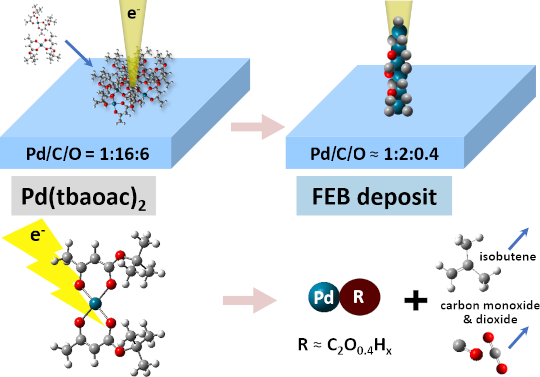
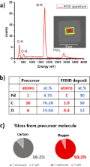
- ligands and only about 5 atom % palladium in the pristine molecule, yet the obtained palladium content in the deposits amounts to around 30 atom %. This translates to an exceptional removal efficiency of about 90% for the ligand-constituting elements carbon and oxygen through electron-induced dissociation
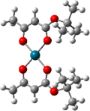
- this study, we present a detailed analysis of the characteristics of deposits obtained using the new precursor bis(tert-butylacetoacetate)palladium(II), [Pd(tbaoac)2], a member of the β-ketoesterate complex group. Given the growing interest in carbon nanotubes (CNTs) and graphene for semiconductor
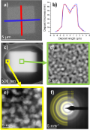
- accelerating voltage of 200 kV. For this purpose, the FEB deposits were prepared on an ultrathin carbon support layer of less than 3 nm thickness supported by a lacey carbon membrane (PELCO) on a TEM grid. The TEM grid was fixed to the heatable stage. The deposition process was carried out in a Philips XL30


Water in nanoporous hexagonal boron nitride nanosheets: a first-principles study
Beilstein J. Nanotechnol. 2025, 16, 510–519, doi:10.3762/bjnano.16.39
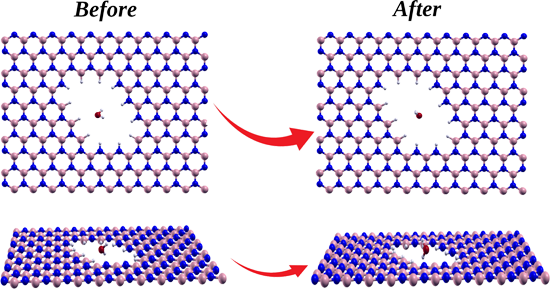
- improve the desalination process. In pursuit of greater efficiency in the desalination process, the scientific community has proposed membranes composed of various materials, including graphene [7][8][9][10], carbon nanotubes [11][12][13][14], molybdenum disulfide (MoS2) [15][16][17][18], and hexagonal




Quantification of lead through rod-shaped silver-doped zinc oxide nanoparticles using an electrochemical approach
Beilstein J. Nanotechnol. 2025, 16, 422–434, doi:10.3762/bjnano.16.33
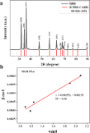
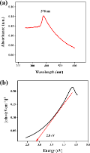
- 2854 cm−1 relate to the stretching vibration of carbon and hydrogen bonds. The peaks at 1030 and 1380 cm−1 are related to vibrational or in-plane bending of residual ethanol which was used for washing the nanoparticles and KBr pellet die set (used for pellet making for FTIR) [18][19]. Optical study of
- peaks of the curve were attributed to the elements silver, zinc, oxygen, and carbon, whereas no peaks corresponding to other elements were observed. Figure 7b represents the coupled state of the 3d orbital of silver. The peaks at 371.2 and 365.3 eV correspond to Ag 3d3/2 and Ag 3d5/2, respectively, and





Biomimetics and bioinspired surfaces: from nature to theory and applications
Beilstein J. Nanotechnol. 2025, 16, 418–421, doi:10.3762/bjnano.16.32

- ) approach. For instance, Bartoli et al. [8] reviewed the potential applications of nanostructured carbon coatings – such as nanodiamonds, carbon nanotubes, and graphene-based materials – to improve interaction on the interface between medical implants and living cells. Several biological materials exhibit

ReactorAFM/STM – dynamic reactions on surfaces at elevated temperature and atmospheric pressure
Beilstein J. Nanotechnol. 2025, 16, 397–406, doi:10.3762/bjnano.16.30
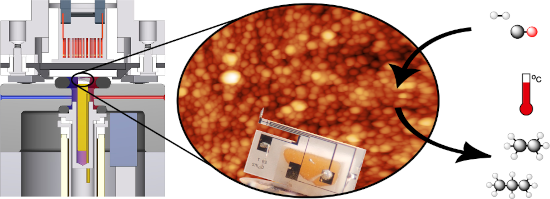
- the main setup, the sample is annealed at 800 K in 10−6 mbar of O2 to remove carbon impurities and replenish the oxygen in the oxide layer. The composition of the surface was verified by AES (not shown here). The cobalt nanoparticles were deposited by e-beam evaporation with a Co rod, an emission


Engineered PEG–PCL nanoparticles enable sensitive and selective detection of sodium dodecyl sulfate: a qualitative and quantitative analysis
Beilstein J. Nanotechnol. 2025, 16, 385–396, doi:10.3762/bjnano.16.29
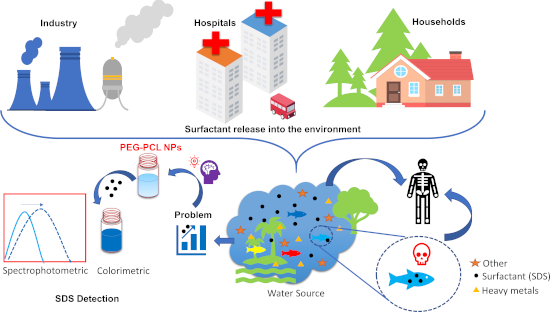
- widely used in household detergents, personal care products, emulsification, lubrication, catalysis, nanoparticles synthesis, plastic industry, and electroplating [1][2][3][4]. This organic compound exhibits an amphiphilic nature, consisting of a 12-carbon hydrocarbon tail covalently bonded to a polar
- delivery, targeting, sensing, and imaging [23]. Also, there are a wide variety of nanoparticles available for desired applications. In the case of detection of contaminants or sensing applications, carbon and metal nanoparticles are mostly preferable [24]. Despite their use, these nanoparticles possess
- performed using SEM (FEI Quanta 250, Netherlands). Transmission electron microscopy (TEM) was also performed to measure nanoparticle mean size and their distribution. The sample was diluted 1000-fold from the stock solution, and 5 µL of the sample was placed onto a carbon-coated copper grid with 200 mesh


Development of a mucoadhesive drug delivery system and its interaction with gastric cells
Beilstein J. Nanotechnol. 2025, 16, 371–384, doi:10.3762/bjnano.16.28

- with gold (4 nm). STEM micrographs were obtained from one drop of nanoparticle suspension dripped on an ultrathin carbon-coated copper grid. Surface composition of nanoparticles For the analysis of various functional groups on the surface of nanoparticles before and after coating, attenuated total


Pulsed laser in liquid grafting of gold nanoparticle–carbon support composites
Beilstein J. Nanotechnol. 2025, 16, 349–361, doi:10.3762/bjnano.16.26
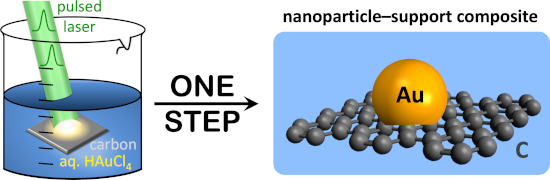
- , University of Rochester, Rochester, New York 14627, United States 10.3762/bjnano.16.26 Abstract We developed a novel pulsed laser-assisted process for the fabrication of advanced composites of nonequilibrium gold nanoparticles on carbon fiber paper supports. Our one-step process integrates the generation of
- nanoparticles with their surface attachment and solves longstanding nanoparticle adhesion and electrical contact issues. Irradiation of hydrophilic carbon fiber paper submerged in aqueous HAuCl4 solution by nanosecond laser pulses produced composites with uniform distribution of gold nanoparticles on carbon
- fibers, taking advantage of the high internal surface area of carbon fiber paper. The pulsed laser-grafted composites exhibited zero measurable charge transfer resistance between gold nanoparticles and the carbon support, leading to superior cathode performance over conventionally prepared electrodes for


Graphene oxide–chloroquine conjugate induces DNA damage in A549 lung cancer cells through autophagy modulation
Beilstein J. Nanotechnol. 2025, 16, 316–332, doi:10.3762/bjnano.16.24
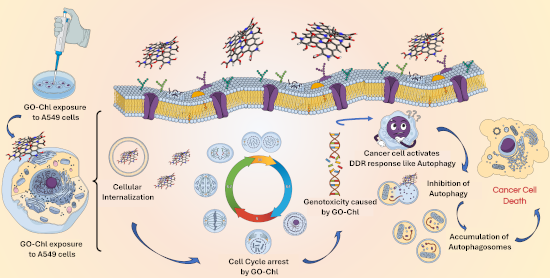
- equivalent of KMnO4 (added in two steps of 3 equiv each) were used relative to the graphite powder used. Chloroquine binds to the surface of graphene oxide nanosheets through noncovalent π–π interactions between the quinoline ring of Chl and the sp2 hybrid π-bonded carbon framework of graphene oxide. The
- sp2 carbon domain and structural disorders raised due to various factors, respectively [45][46]. Further, the presence of a well-defined D band in the Raman spectra of GO could be attributed to the chemical conversion of graphitic sp2 carbon into oxygen-rich functional groups such as C=O, C–OH, and C
- /IG ratio (0.882) is observed for the GO–Chl sample compared to that of GO (0.929). This indicates a possible conversion of the sp3 carbon to sp2 carbon due to the reducing environment imparted by the amino functionalities present on the Chl, which was also corroborated by FTIR data [47]. Furthermore