Search results
Search for "defect" in Full Text gives 407 result(s) in Beilstein Journal of Nanotechnology. Showing first 200.
A TiO2@MWCNTs nanocomposite photoanode for solar-driven water splitting
Beilstein J. Nanotechnol. 2022, 13, 1520–1530, doi:10.3762/bjnano.13.125
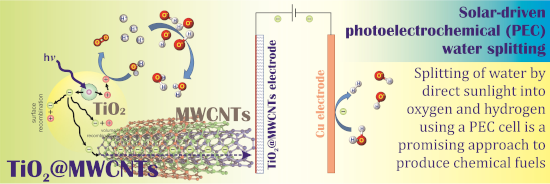
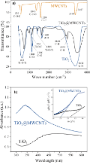
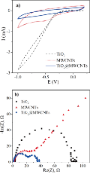
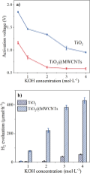
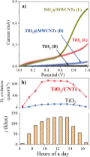
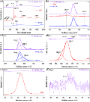
- the Raman spectrum of MWCNTs, there are two bands, that is, the D band at 1324 cm−1 and the G band at 1585 cm−1, which are ascribed to the defect structure and the ordered graphitic structure of the MWCNTs, respectively. The ratio between the D band and G band intensities (ID/IG) of the TiO2@MWCNTs



Near-infrared photoactive Ag-Zn-Ga-S-Se quantum dots for high-performance quantum dot-sensitized solar cells
Beilstein J. Nanotechnol. 2022, 13, 1337–1344, doi:10.3762/bjnano.13.110
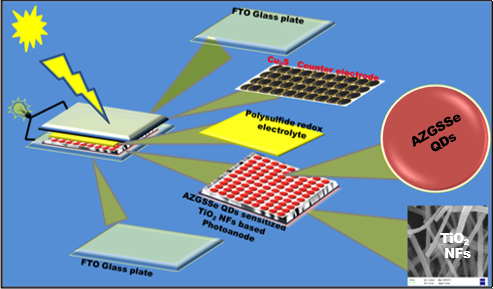
- . This confirms that the QDS can serve as effective sensitizers. The PL emission spectrum of AZGSSe QDs (Figure 4c) was recorded at an excitation wavelength of 295 nm. In this spectrum, a single emission peak is detected at 830 to 880 nm range with a FWHM of 20 nm. This signifies defect-free crystals [31


Recent trends in Bi-based nanomaterials: challenges, fabrication, enhancement techniques, and environmental applications
Beilstein J. Nanotechnol. 2022, 13, 1316–1336, doi:10.3762/bjnano.13.109
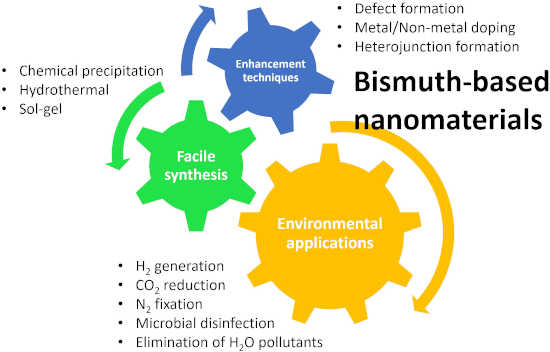
- of heterojunctions, crystal plane management, and defect development, to enhance the photocatalytic efficacy of pristine Bi-based photocatalysts [1][30]. The photocatalytic processes of Bi-based photocatalytic applications have received little attention in environmental remediation and energy
- . This gap is essential for improving the material’s light-harvesting capabilities [78][79]. Consequently, in an attempt to improve the photocatalytic efficiency for water purification and other environmental applications, a variety of techniques, such as defect formation, metal/non-metal doping
- , heterostructure formation, interface modification, and Bi-content enhancement, have been employed. Defect formation Vacancies and defects affect the electrical properties of Bi-based semiconductor photocatalysts and, hence, govern the photocatalytic efficacy. Rao et al. reported an N2-assisted heat treatment




Rapid fabrication of MgO@g-C3N4 heterojunctions for photocatalytic nitric oxide removal
Beilstein J. Nanotechnol. 2022, 13, 1141–1154, doi:10.3762/bjnano.13.96
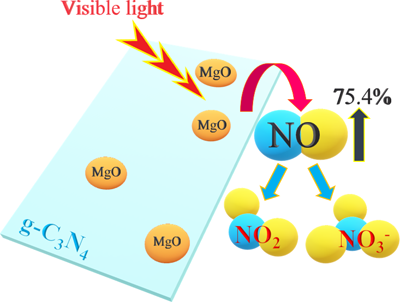
- atoms [64][65][66]. Also, Liang and co-workers reported that the recombination of the e−–h+ pairs could be inhibited by doping MgO into g-C3N4 [32]. When MgO is added, the defect concentration increases and Mg and O vacancies are generated in MgO@g-C3N4. These defects work as the electron traps, which





Biomimetic chitosan with biocomposite nanomaterials for bone tissue repair and regeneration
Beilstein J. Nanotechnol. 2022, 13, 1051–1067, doi:10.3762/bjnano.13.92
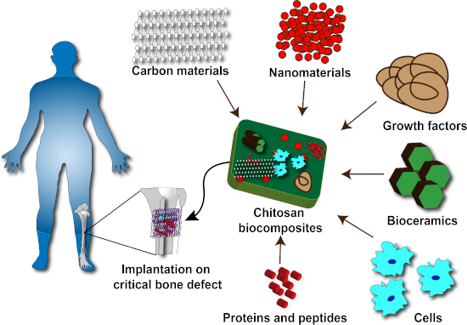
- of type I collagen, osteopontin, osteonectin, and osteocalcin. Chitosan mixed with different functionalized materials such as silver, magnesium oxide, and bioactive glass has aided the treatment of infected bone defects with a biodegradable behaviour at the bone defect site [44][45]. The N-(2-hydroxy
- porous structure of the chitosan with an absorbable collagen sponge encourages osteoblast stem cells to attach to the surface to proliferate and differentiate promoting bone development. As compared to absorbable collagen sponges, the increase in bone mineral density, defect closure, and new bone
Influence of water contamination on the sputtering of silicon with low-energy argon ions investigated by molecular dynamics simulations
Beilstein J. Nanotechnol. 2022, 13, 986–1003, doi:10.3762/bjnano.13.86
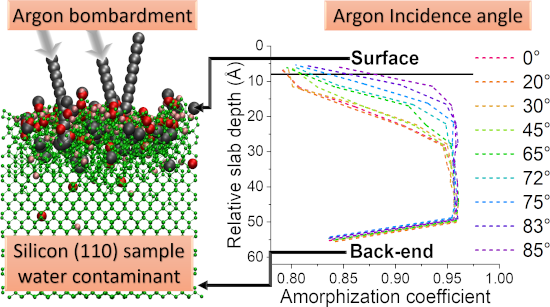
- and contaminated samples in Figure 10: For the clean sample, a smaller peak appears between the 2nd and 3rd peaks in the 2.6 to 3.2 Å region. These bonds are due to defect production in silicon after argon irradiation. For the contaminated sample, the same peak can be observed and another peak appears




Theoretical investigations of oxygen vacancy effects in nickel-doped zirconia from ab initio XANES spectroscopy at the oxygen K-edge
Beilstein J. Nanotechnol. 2022, 13, 975–985, doi:10.3762/bjnano.13.85
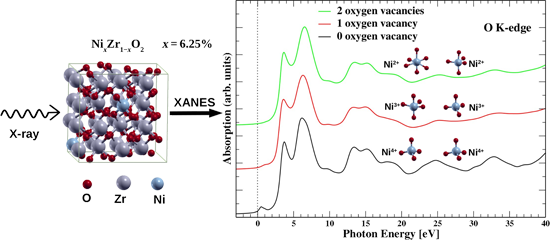
- and magnetic order in a typical diluted magnetic oxide. Such a finding may be crucial for spintronics-related applications. Keywords: defect; ligand field; nickel; oxidation state; oxides; spectroscopy; spintronics; vacancy; X-ray absorption; X-ray absorption near-edge structure (XANES); zirconia
- stoichiometric concentration required to ensure overall charge neutrality can modify the presence of defect states in the electron bandgap [4][26][27]. In diluted magnetic semiconductors (DMS), magnetic impurities such as the transition metals (TM) Fe or Ni are introduced to produce a magnetic ground state. The
- octahedral and trigonal bipyramidal geometries, respectively (Figure 2e,f). We present XANES spectra for defect-free zirconia, that is, without Ni dopant (x = 0 atom %), and the doped structures S0, S1, and S2 in Figure 3a. In the case of defect-free zirconia, the XANES spectrum is needed only for one oxygen


Optimizing PMMA solutions to suppress contamination in the transfer of CVD graphene for batch production
Beilstein J. Nanotechnol. 2022, 13, 796–806, doi:10.3762/bjnano.13.70
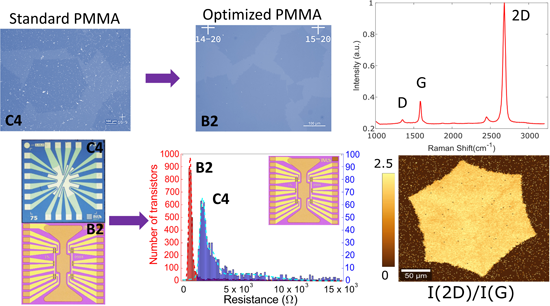
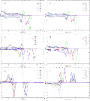
- that the PMMA mixture features good mechanical strength and cleanness (i.e., the acetone bath can thoroughly remove it). The transferred graphene samples were investigated via Raman spectroscopy to evaluate crystallinity, layer number, and structural defect level [23]. The relative intensities of the G
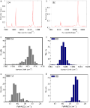
- (ca. 1585 cm−1) and 2D (ca. 2700 cm−1) bands are typical of monolayer graphene [23][24][25][26]. The defect density appears minimal considering the negligible D band intensity at ca. 1350 cm−1 (Figure 2c) [27]. The Raman mapping in Figure 2d–i examines the whole crystal area [28]. The map and the




Efficient liquid exfoliation of KP15 nanowires aided by Hansen's empirical theory
Beilstein J. Nanotechnol. 2022, 13, 788–795, doi:10.3762/bjnano.13.69
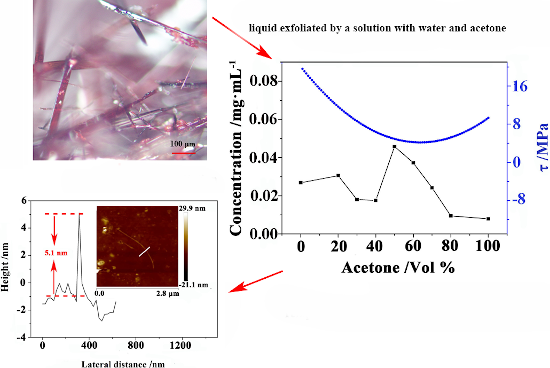
- Abstract The KP15 nanowires with one-dimensional properties has a defect-free surface, high anisotropy, and carrier mobility which is desirable for the development of novel nanodevices. However, the preparation of nanoscale KP15 is still inefficient. In this work, the Hansen solubility parameters of KP15
- weak interaction between these chains [3][4]. Therefore, those 1D materials have defect-free surfaces, high anisotropy, and carrier mobility. For example, TiS3 nanowires obtained by mechanical stripping have a large carrier mobility of about 10000 cm2·V−1·s−1 [5][6][7]. Fibrous phosphorus is also a new
- mobility (1000 cm2·V−1·s−1), and highly anisotropic properties [11]. The photodetectors prepared with KP15 have a fast response time and are ideal materials for photovoltaic applications [12]. Based on our previous studies, KP15 is also a one-dimensional material with a defect-free surface [13][14]. This


A nonenzymatic reduced graphene oxide-based nanosensor for parathion
Beilstein J. Nanotechnol. 2022, 13, 730–744, doi:10.3762/bjnano.13.65
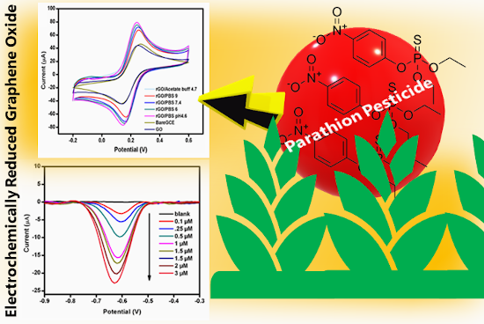
- the that of the as-prepared GO, which suggests a decrease in size of the sp2 domain due to extensive deoxygenation of the graphene sheets after electrochemical reduction. The comparative values of ID/IG (Table 1) also indicate that a higher defect in the sp2 domain was observed at acidic pH values of


Modeling a multiple-chain emeraldine gas sensor for NH3 and NO2 detection
Beilstein J. Nanotechnol. 2022, 13, 721–729, doi:10.3762/bjnano.13.64
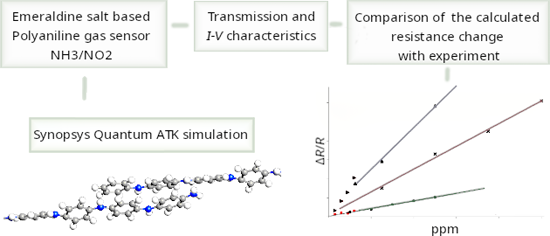
- conducting PANI varieties, after inserting a defect into the molecule, one or more polarons can occur. To produce two polarons per one mer consisting of four benzene units, a proton needs to be added to every second nitrogen atom of the emeraldine base, or every second nitrogen atom of the leucoemeraldine


Direct measurement of surface photovoltage by AC bias Kelvin probe force microscopy
Beilstein J. Nanotechnol. 2022, 13, 712–720, doi:10.3762/bjnano.13.63
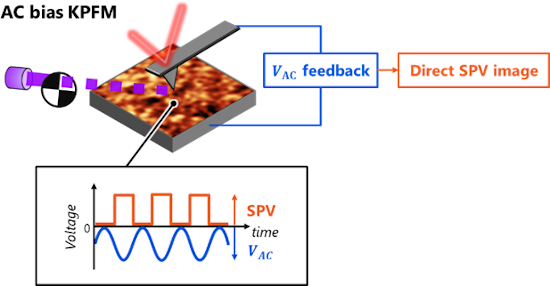
- [55][56]. The calculated LD is consistent with the spatial extent of the local SPV observed by AC-KPFM. We could not find any correlation between the topographic and SPV images. The origin of the inhomogeneous SPV would involve the local distribution of the defect concentration, trapping sites, and an


Experimental and theoretical study of field-dependent spin splitting at ferromagnetic insulator–superconductor interfaces
Beilstein J. Nanotechnol. 2022, 13, 682–688, doi:10.3762/bjnano.13.60
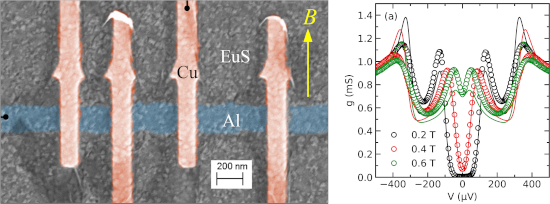
- , indicating a defect-free tunnel barrier. Spin splitting of the density of states is clearly visible. The observed splitting greatly exceeds the expected splitting due to the Zeeman energy εZ = μBB (which is about 35 μeV at B = 0.6 T). The solid lines in Figure 5a are fits with our model. We have included



Revealing local structural properties of an atomically thin MoSe2 surface using optical microscopy
Beilstein J. Nanotechnol. 2022, 13, 572–581, doi:10.3762/bjnano.13.49
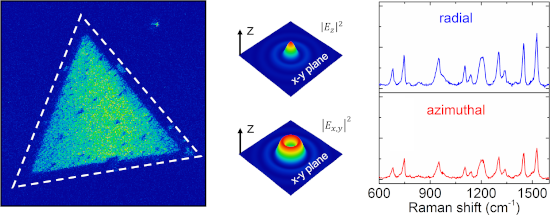
- addition, point defect-induced trions in monolayer WS2 on a nonconducting substrate can be visualized via photoluminescence in order to precisely explore the exciton binding energy [15]. The optical properties of edges and grain boundaries in 2D-TMDC materials have also been characterized by
- slightly decrease the in-plane electrical conductivity, whereas mirror twin boundaries lead to photoluminescence quenching and increase the conductivity [17]. Tip-enhanced Raman spectroscopy has been successfully used to visualize the point defect-related Raman vibrational modes in monolayer WS2 and edge
- defect-induced band bending of the conduction band at K and Q states in few-layer MoS2 [9][10]. All in all, structural irregularities play a crucial role in the modification of the electron band structure in 2D-TMDCs, further ruling their optical and electronic properties. Therefore, the relationship


Zinc oxide nanostructures for fluorescence and Raman signal enhancement: a review
Beilstein J. Nanotechnol. 2022, 13, 472–490, doi:10.3762/bjnano.13.40
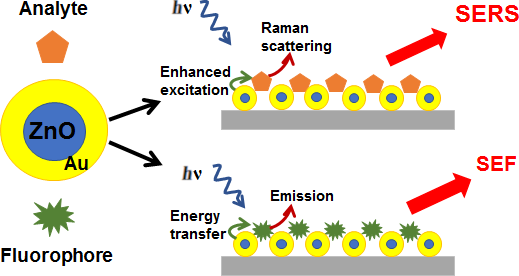
- also benefits the SERS enhancement. Doping zinc oxide–Ag nanoparticles with magnesium also introduces defect sites (surface defects and oxygen vacancies), which form new energy levels below the conduction band of zinc oxide, facilitating the charge transfer mechanism. In this case, besides the charge
- electron transfer and creating sites for the binding of electrons from surface-state energy levels, followed by further transfer of the electrons to the LUMO of the adsorbed molecules. However, it should be noted that too high doping/defect concentrations are not desirable, as they can cause electron–hole
- ) spectrum of ZnO also consists of a broad band emission in the visible region, which is generally assigned to defect levels [86][87]. The combination of ZnO nanostructures with metal nanoparticles can result in new optical features and the development of a new class of multifunctional optical components




Tubular glassy carbon microneedles with fullerene-like tips for biomedical applications
Beilstein J. Nanotechnol. 2022, 13, 455–461, doi:10.3762/bjnano.13.38
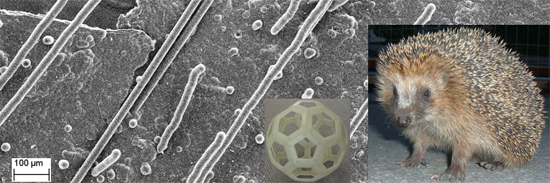
- glassy carbon microneedles Figure 4 shows a typical Raman spectrum of the glassy carbon microneedles. The D-band is at 1352 cm−1, and the G-band is at 1589 cm−1. The D-band, the so-called defect band, originates from a hybridized vibrational mode associated with local defects and disorder. In this case


Micro- and nanotechnology in biomedical engineering for cartilage tissue regeneration in osteoarthritis
Beilstein J. Nanotechnol. 2022, 13, 363–389, doi:10.3762/bjnano.13.31
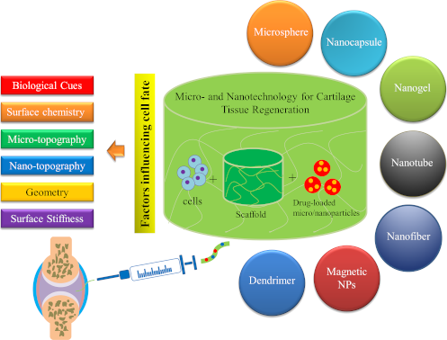
- of PVA and chondroitin sulfate (CS) nanofibers was prepared using a wet electrospinning system for the in vitro chondrogenesis and in vivo analysis of the effect of acellular fiber scaffolds on articular tissue repair in a rat osteochondral defect model [115]. The CS/PVA nanofiber scaffold increased
- the expressions of chondrogenic markers and appreciably repopulated the defective cartilage site compared to pellet culture and PVA fibers. In line with this, the application of a resveratrol–PLA–gelatin scaffold in a rat articular cartilage defect model promoted the repair of cartilage injury and had
- biocompatibility. BMSCs seeded on this scaffold showed better chondrogenic differentiation compared to cells seeded on the PLA–gelatin scaffold. In a rabbit cartilage defect model, the CS modified 3D nanofiber scaffold showed anti-inflammatory effect and promoted cartilage regeneration [78]. To accelerate the


Interfacial nanoarchitectonics for ZIF-8 membranes with enhanced gas separation
Beilstein J. Nanotechnol. 2022, 13, 313–324, doi:10.3762/bjnano.13.26
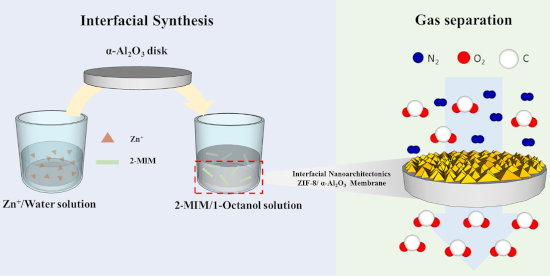
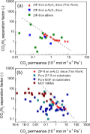
- optimal synthesis conditions were determined (i.e., 80 °C for 12 h in 50 mM of 2-methylimidazole). The as-synthesized ZIF-8 membranes were then applied to CO2/N2 gas separation, which exhibited a maximum separation factor of 5.49 and CO2 gas permeance of 0.47 × 10⁻⁷ mol·m−2·s−1·Pa−1. Keywords: defect
- intercrystalline defect formation in MOFs can have either positive or negative effects on the separation performance. Point defects and extended defects may increase the number of adsorption sites in MOFs [35], while missing linkers may provide low-resistance diffusion pathways by increasing the porosity of the
- , the interfacial synthesis method confines the coordination of the MOF to the solvent interface, which ensures good control over MOF nucleation and growth processes [37][38]. Consequently, it is a promising approach to synthesize a defect-free MOF film. In comparison, the counter-diffusion method


Piezoelectric nanogenerator for bio-mechanical strain measurement
Beilstein J. Nanotechnol. 2022, 13, 192–200, doi:10.3762/bjnano.13.14
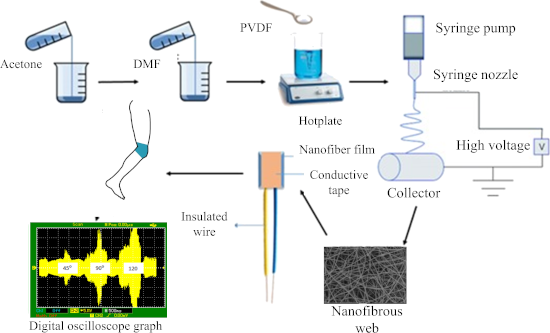
- diffraction analyses were used to study the morphology and to confirm the beta phase in fibers. The results reveal that the nanofibers made from solutions with high concentration were smooth and defect-free, compared to the fibers obtained from solutions with low concentration, and possess high crystallinity
- than the nanofibers obtained from 14 wt % solution (Figure 2B) due to incomplete solvent evaporation. The optimum polymer solution concentration is essential to obtain defect-free smooth fibers [14][37]. The nanofibers obtained from 16 wt % solution were smooth and presented a bead-free morphology
- capacity [37]. Digital oscilloscope analysis The nanofibrous mesh made from the 16 wt % solution was selected for developing the sensor (Figure 4F). These nanofibers have a smooth and defect-free morphology with highly crystalline regions, which indicate the complete evaporation of the solvent and the


A comprehensive review on electrospun nanohybrid membranes for wastewater treatment
Beilstein J. Nanotechnol. 2022, 13, 137–159, doi:10.3762/bjnano.13.10
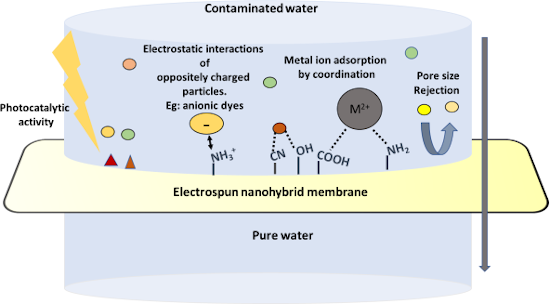
- with the solvent and a high solubility in the solvents is not the sole factor for obtaining smooth defect-free fibers. Instead, it is both solubility and electrospinnability. They obtained broader fibers with the increase of the solvent viscosity, which directly affects the final solution viscosity




Tin dioxide nanomaterial-based photocatalysts for nitrogen oxide oxidation: a review
Beilstein J. Nanotechnol. 2022, 13, 96–113, doi:10.3762/bjnano.13.7
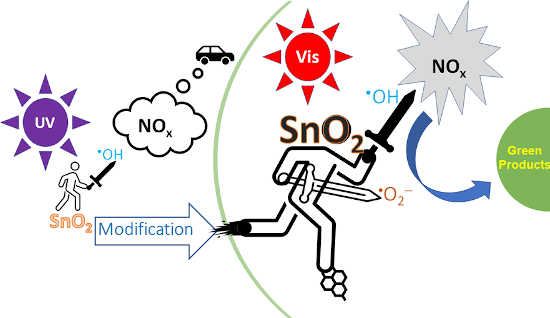
- the decomposition of gas pollutants are still being developed. In addition, previous studies have shown that the photocatalytic activity regarding NOx decomposition of SnO2 and other materials depends on many factors, such as physical structure and band energies, surface and defect states, and
- morphology. Recent studies have been focused on the modification of properties of SnO2 to increase the photocatalytic efficiency of SnO2, including bandgap engineering, defect regulation, surface engineering, heterojunction construction, and using co-catalysts, which will be thoroughly highlighted in this
- depends on many factors, including the structure and energy band, surface and defect states, morphology, etc. For that reason, recent studies are being focused on the modification of properties of SnO2 to upgrade the photocatalytic efficiency of SnO2, including bandgap engineering, defect regulation


Measurement of polarization effects in dual-phase ceria-based oxygen permeation membranes using Kelvin probe force microscopy
Beilstein J. Nanotechnol. 2021, 12, 1380–1391, doi:10.3762/bjnano.12.102
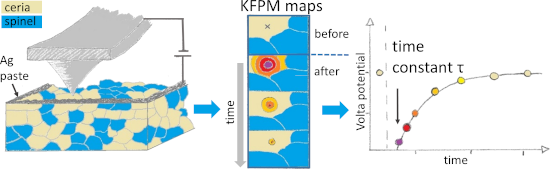
- indicator for local changes of the defect chemistry, as it is directly related to the local Fermi level [20]. The defect chemistry of acceptor-doped ceria and the oxide ion/electronic transport within ceria single-phase materials and also for ceria-based dual-phase materials is well understood at
- % FeCo2O4 (CSO-FC2O) as electron-conductive phase in order to, first, locally change the defect chemistry of the material and, then, study the relaxation to the original surface potential state during uptake/release of oxygen from/to the surrounding air. By using an AFM tip as an electron-conductive
- nanoscale electrode, a constant voltage pulse was applied to the sample in order to achieve a local polarization with distinctly changed redox state and defect concentrations. In a subsequent mapping experiment, the AFM tip was used as Kelvin probe to scan the locally changed surface potential distribution


Two dynamic modes to streamline challenging atomic force microscopy measurements
Beilstein J. Nanotechnol. 2021, 12, 1226–1236, doi:10.3762/bjnano.12.90
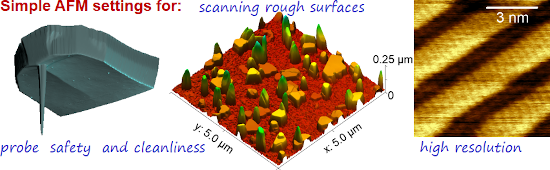
- degrades the image resolution. It also leads to the appearance of stripes in the image since the particle is poorly fixed and it may fall off or change its position during the scanning process. As a result, adjacent scan lines differ slightly in height. Such a defect is usually corrected by fitting the


Is the Ne operation of the helium ion microscope suitable for electron backscatter diffraction sample preparation?
Beilstein J. Nanotechnol. 2021, 12, 965–983, doi:10.3762/bjnano.12.73
- century [1]. From its beginnings as primarily an imaging tool [2][3][4][5][6][7][8][9] it was established as a key tool in nanofabrication [10][11][12][13][14][15], defect engineering [16][17], and recently for material analysis [18][19]. The extended range of applications in which the second-generation
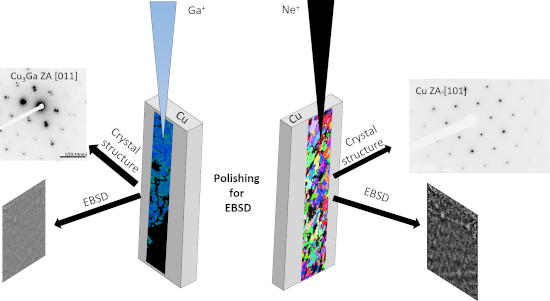
- , suggesting a higher number of defects and strain in those regions. A higher misorientation is represented by green areas in the KAM map. This result is in good agreement with the TEM measurements which also showed an increased defect density. The faster milling grains are indexed as the Cu phase. This was
- calculations suggest that a concentration of ≈36% of Ga can be found within these topographically higher regions which exceeds the required concentration threshold to form the Cu3Ga phase. In addition, a higher strain and defect density can be observed here suggesting significant crystal structure alterations



The role of convolutional neural networks in scanning probe microscopy: a review
Beilstein J. Nanotechnol. 2021, 12, 878–901, doi:10.3762/bjnano.12.66
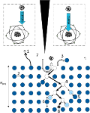
- (STEM) images after nearest neighbor down-sampling. This enabled an increase in image resolution of up to 100-fold, decreasing scanning time and electron dose [120]. Another application of CNNs for STEM was for atomic defect classification [121]. The goal was to characterize defects related to Si
- scattered on a graphene surface. In this work two different CNNs were applied, first a larger scale “sniffer” to locate areas in the atomic lattice displaying irregularities and then an “atom finder” to characterize the unique chemical arrangement near the defect found in first network. The second network
- was trained on simulated STEM images. Then, scanning tunneling microscopy (STM) images of the same sample were used to characterize the defects. STM images, which give the local density of states, measure not only the Si lattice, but also defect areas where this well-ordered lattice disappears. Such