


Search results
Search for "diffusion" in Full Text gives 773 result(s) in Beilstein Journal of Nanotechnology. Showing first 200.
Zeolite materials with Ni and Co: synthesis and catalytic potential in the selective hydrogenation of citral
Beilstein J. Nanotechnol. 2025, 16, 520–529, doi:10.3762/bjnano.16.40
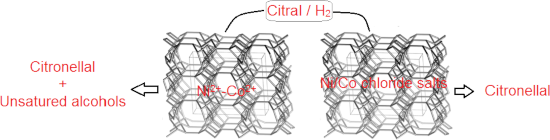
- molecular diameter of around 0.3 nm, it can enter the channels of clinoptilolite (maximum opening of 0.31 × 0.75 nm) and mordenite (maximum opening of 0.70 × 0.65 nm), particularly the latter because of the larger channel diameter. The diffusion of reactants (citral and hydrogen) through the zeolite
- is opportune to outline that preliminary experiments [25] conducted under various stirring conditions, catalyst loadings, and grain sizes confirmed the absence of both external and internal diffusion limitations. XRD pattern of the starting zeolite mineral (ZSA) and the materials obtained through


N2+-implantation-induced tailoring of structural, morphological, optical, and electrical characteristics of sputtered molybdenum thin films
Beilstein J. Nanotechnol. 2025, 16, 495–509, doi:10.3762/bjnano.16.38
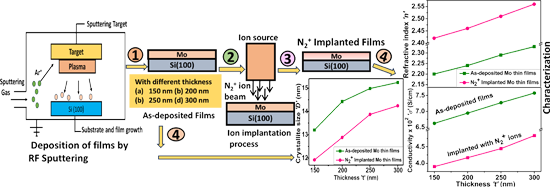
- diffusion behavior within a temperature range of 330 to 580 °C. They observed the formation of a new cubic Mo2N phase. In addition, they also examined the impact of high ion fluence and temperature on nitrogen implantation in molybdenum with supplementary heating within the temperature range of 500 to 750
- ) exhibit less surface diffusion effects during deposition, promoting better crystal formation and atomic plane organization. The increased film thickness may also enable more volume for the formation of ordered crystalline domains [35][36]. After N2+ implantation, the crystallite size decreased


Impact of adsorbate–substrate interaction on nanostructured thin films growth during low-pressure condensation
Beilstein J. Nanotechnol. 2025, 16, 473–483, doi:10.3762/bjnano.16.36

- –substrate interactions on scales shorter than the diffusion length. The strength of adsorbate–substrate interaction is defined by both substrate and adsorbed material. Adsorbate–substrate interactions encompass a broad spectrum of physical and chemical phenomena that dictate the initial nucleation
- fundamental factors such as chamber pressure, deposition temperature, energy characteristics, and external influences on the morphology, type, and size of surface structures during growth. A widely adopted approach for mathematical modeling in this context is based on reaction–diffusion models [26][27][28][29
- study of the evolution of a monoatomic layer deposited on a substrate during low-pressure condensation in the framework of a continuous dynamical model of the reaction–diffusion type. This approach allows one to model deposition techniques such as low-pressure CVD (LPCVD) at sub-atmospheric pressures


Quantification of lead through rod-shaped silver-doped zinc oxide nanoparticles using an electrochemical approach
Beilstein J. Nanotechnol. 2025, 16, 422–434, doi:10.3762/bjnano.16.33
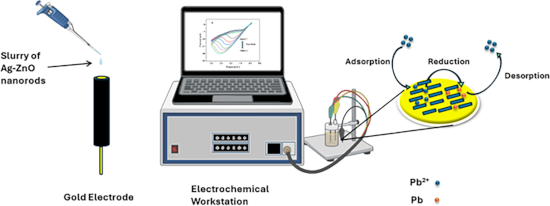
- electrode can provide additional details about the electrochemical process. It can help to understand the kinetics of electron transfer reactions, analyte diffusion, and electrode surface contact mechanisms. A modified Ag@ZnO NRs electrode with greater impedance is more stable and durable. This provides
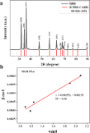
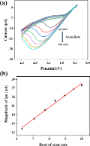
- with the scan rate, indicates that the current values proportionally increase with higher scan rates, indicating that the reduction process is controlled by diffusion. Figure 11b displays a graph illustrating the relationship between Ipc (cathodic current) and v1/2 (square root of the scan rate
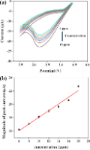
- ). Clearly, the cathodic peak current demonstrates a linear connection with v1/2, demonstrating diffusion-controlled kinetics [29]. Concentration effect on the peak current or calibration curve Figure 12a illustrates a steady increase in peak current as lead concentration increases. A standard calibration





Development of a mucoadhesive drug delivery system and its interaction with gastric cells
Beilstein J. Nanotechnol. 2025, 16, 371–384, doi:10.3762/bjnano.16.28

- , which were also capable of diffusion through artificial mucus. The nanoparticles were not toxic to gastric epithelial cells and can be internalized by the cells within 4 h. The adsorption of nanoparticles onto mucus-secreting gastric cells was found to be correlated with cell number. The delivery system
- polymer enables drug release by diffusion [21]. Eudragit RS30D is the 30% aqueous dispersion of Eudragit RS100, which is promptly used as coating material [22] or within formulations of drug delivery systems with sustained release characteristics [23]. Although the mucoadhesion of this polymer is known
- diffusion [41]. Larger particles may be filtered out, which reduces the absorption of therapeutic agents from the mucosa. Specifically, for this study, obtaining nanoscale Alg nanoparticles was critical since these particles were to be coated with a second polymer, Eudragit RS100, which would lead to


Tailoring of physical properties of RF-sputtered ZnTe films: role of substrate temperature
Beilstein J. Nanotechnol. 2025, 16, 333–348, doi:10.3762/bjnano.16.25
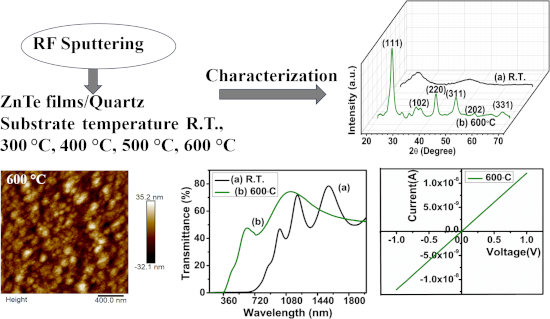
- steps, namely, condensation, nucleation, and crystallization on the substrate surface. The mobility of atoms on the substrate surface is very much affected by the substrate temperature. At low substrate temperatures, because of the low diffusion rate and low mobility of atoms, columnar microstructures
- form on the substrate surface. With the increase in substrate temperature, mobility and diffusion rate of atoms increase, which results in the evolution of grains that further recrystallize at higher substrate temperatures [28]. The observed variation in the crystallite size is due to changes in
- mobility and diffusion rate of atoms with substrate temperature. The interplanar spacing (dhkl) and lattice constant (a) were calculated for the (111) plane using Bragg’s law [29], where θ represents the Bragg angle, λ is the X-ray wavelength, d is the interplanar spacing, and a is the lattice constant for




Radiosensitizing properties of dual-functionalized carbon nanostructures loaded with temozolomide
Beilstein J. Nanotechnol. 2025, 16, 229–251, doi:10.3762/bjnano.16.18
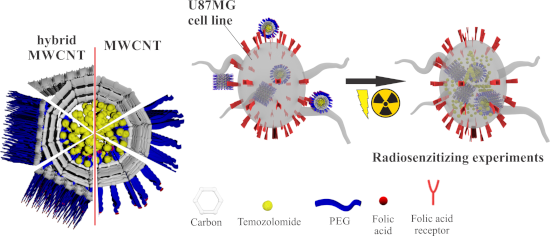
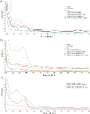
- , one can see a faster release from the hybrid structure, which can be again explained by lower TMZ content in the tubes and higher content of surface-bound TMZ in the hybrid structure and the resulting faster diffusion in the dissolution medium. The higher content of surface-bound TMZ in the non




Recent advances in photothermal nanomaterials for ophthalmic applications
Beilstein J. Nanotechnol. 2025, 16, 195–215, doi:10.3762/bjnano.16.16
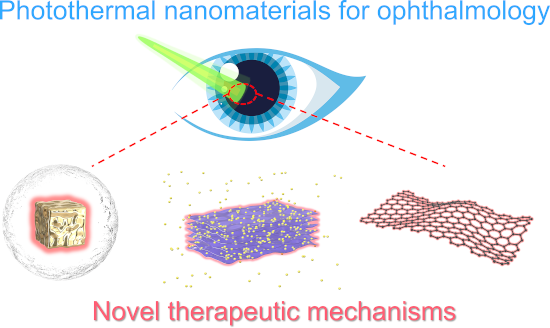
- neuropathy [125][126]. Currently, ocular drug delivery is the prevalent treatment approach; however, it faces challenges due to drug degradation and obstacles in drug diffusion, rendering the therapy less effective [127][128]. Therefore, ocular drug delivery systems capable of controlled and sustained drug


A review of metal-organic frameworks and polymers in mixed matrix membranes for CO2 capture
Beilstein J. Nanotechnol. 2025, 16, 155–186, doi:10.3762/bjnano.16.14
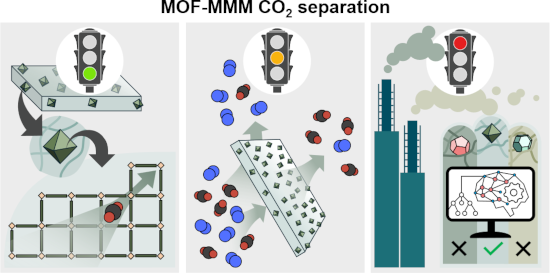
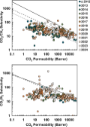
- understand the permeability and selectivity properties of membranes. Conventionally, membranes are classified into two categories, namely, organic and inorganic. Organic polymer membranes possess open and flexible structures that facilitates rapid gas diffusion, resulting in excellent permeability but low
- illustrated in Figure 1. Flat sheet membranes, composed of simple homogeneous or heterogeneous porous sheets, are widely used because of their straightforward design and ease of fabrication [80][87], allowing for compound separation through plain membrane diffusion [88]. Figure 4 illustrates the process of
- polymer matrix can help reduce plasticization effects [87][115]. Nevertheless, if rigidification is severe and localized to the polymer surrounding the MOFs, it can greatly decrease MMM permeability as CO2 molecules become restricted in their MOF diffusion [78][114][116]. In a 2004 publication by Moore et




Comparison of organic and inorganic hole transport layers in double perovskite material-based solar cell
Beilstein J. Nanotechnol. 2025, 16, 119–127, doi:10.3762/bjnano.16.11
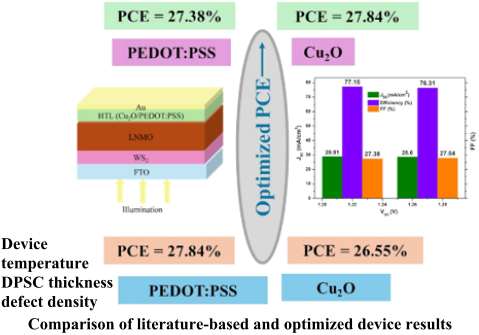
- , extended carrier diffusion lengths, and adjustable direct bandgaps. Also, there are well-established fabrication techniques that have positioned PSCs as a solution-processable photovoltaic technology [4]. Over the past few years, a significant improvement in the PCE of the PSCs was reported, from 3.8% in


Characterization of ZnO nanoparticles synthesized using probiotic Lactiplantibacillus plantarum GP258
Beilstein J. Nanotechnol. 2025, 16, 78–89, doi:10.3762/bjnano.16.8
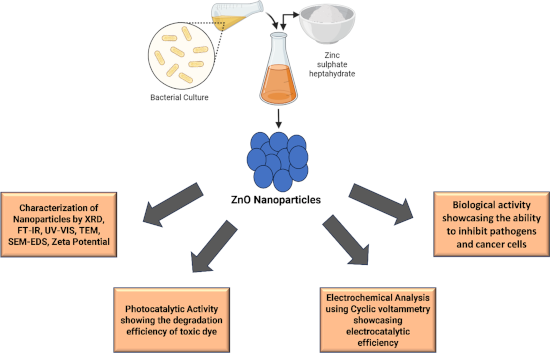
- instrument to evaluate the electrochemical properties [13][32]. Biological activity of nanoparticles Antibacterial activity of ZnO NPs Agar well diffusion was used to measure the antibacterial activity of the biosynthesized ZnO NPs. The test isolates were belonged to both classes of Gram variants, including



Instance maps as an organising concept for complex experimental workflows as demonstrated for (nano)material safety research
Beilstein J. Nanotechnol. 2025, 16, 57–77, doi:10.3762/bjnano.16.7

- supernatant upon several washing steps. “In Vitro Sedimentation, Diffusion and Dosimetry” studies were undertaken to determine the cell-delivered dose for all culture conditions based on the specific density and size parameters of the bio-nano conjugates [52]. Finally, comprehensive physicochemical


Theoretical study of the electronic and optical properties of a composite formed by the zeolite NaA and a magnetite cluster
Beilstein J. Nanotechnol. 2025, 16, 44–53, doi:10.3762/bjnano.16.5
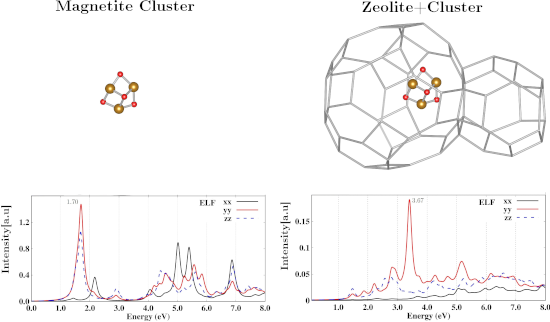
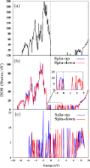
- with a three-dimensional structure comprising pores and cavities of molecular dimensions. This unique structure enables them to operate as molecular sieves, allowing molecules smaller than the pore size to pass through while blocking the diffusion of larger ones. Furthermore, the physicochemical




Precursor sticking coefficient determination from indented deposits fabricated by electron beam induced deposition
Beilstein J. Nanotechnol. 2025, 16, 35–43, doi:10.3762/bjnano.16.4

- Alexander Kuprava Michael Huth Physics Institute, Goethe University Frankfurt, Max-von-Laue-Str. 1, 60438 Frankfurt am Main, Germany 10.3762/bjnano.16.4 Abstract A fast simulation approach for focused electron beam induced deposition (FEBID) numerically solves the diffusion–reaction equation
- precursor parameters needed for this model. In this work we introduce such a method to derive the precursor sticking coefficient as one member of the precursor parameter set. The method is based on the analysis of the different growth regimes in FEBID, in particular the diffusion-enhanced growth regime in
- the free surface sites. Such an event can be pictured as an interaction where no van der Waals “bond” is established and where the molecule leaves the surface at a time scale much shorter than the residence time τ [4]. In the continuum model, s is one of the model parameters entering the diffusion


Mechanistic insights into endosomal escape by sodium oleate-modified liposomes
Beilstein J. Nanotechnol. 2024, 15, 1667–1685, doi:10.3762/bjnano.15.131
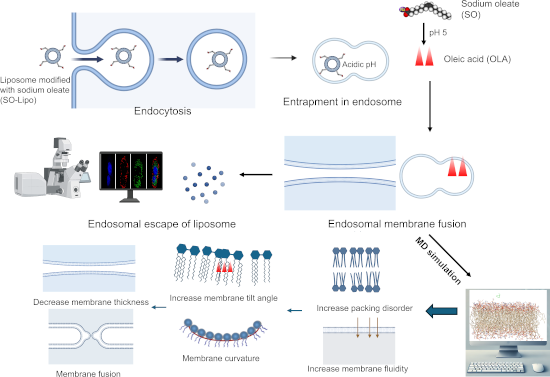
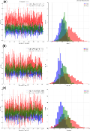
- deep insertion, facilitating greater lipid diffusion. In contrast, AUR does not significantly affect MSD, suggesting that its interaction primarily stabilizes the membrane without substantially altering the lateral dynamics, which is consistent with studies highlighting the role of amphipathic peptides




Heterogeneous reactions in a HFCVD reactor: simulation using a 2D model
Beilstein J. Nanotechnol. 2024, 15, 1627–1638, doi:10.3762/bjnano.15.128
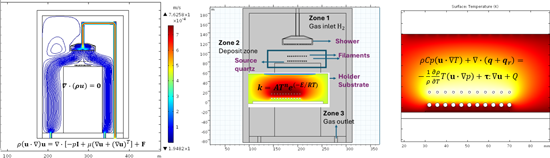
- continuity, momentum, heat, and diffusion equations were solved numerically by the software COMSOL Multiphysics based on the finite element method. The model allowed for the simulation of the key parameters of the HFCVD reactor. Also, a thermochemical study of the heterogeneous reaction between the
- , we focus on the simulation and analysis of key steps in a HFCVD deposition process to obtain SiOx films by means of continuity, momentum, heat, and diffusion equations, which were solved numerically by the software COMSOL Multiphysics based on the finite element method; we also carry out a
- surface diffusion to the substrate. The main objective is to optimize the process for an HFCVD reactor and, thus, improve the quality and reproducibility of the films. Experimental The analyzed HFCVD system is a vertical reactor that can be divided into three zones. The first zone is the gas inlet, the


Effect of radiation-induced vacancy saturation on the first-order phase transformation in nanoparticles: insights from a model
Beilstein J. Nanotechnol. 2024, 15, 1453–1472, doi:10.3762/bjnano.15.117

- confirmed by calculations for iron particles under irradiation. Substances characterized by high vacancy migration energy, small diffusion coefficients of defects, and low temperatures of first-order phase transitions can serve as suitable candidates for radiation-induced phase transitions in nanosystems
- ) the absence of vacancies in the secondary phase, which should be released under irradiation, (ii) the consideration of vacancy diffusion coefficients as constants, rather than exponentially dependent on migration energy and temperature, and (iii) the modeling of thermodynamic parameters, such as the
- vacancies and interstitials, Kd = 57.6/d2), and Dv and Di are the diffusion coefficients for vacancies and interstitials, respectively. In the following, we suggest that defect annihilation in HDCMs is dominated by nanoparticle surface sink effects, where interstitials rapidly migrate to the surface sink


Lithium niobate on insulator: an emerging nanophotonic crystal for optimized light control
Beilstein J. Nanotechnol. 2024, 15, 1415–1426, doi:10.3762/bjnano.15.114
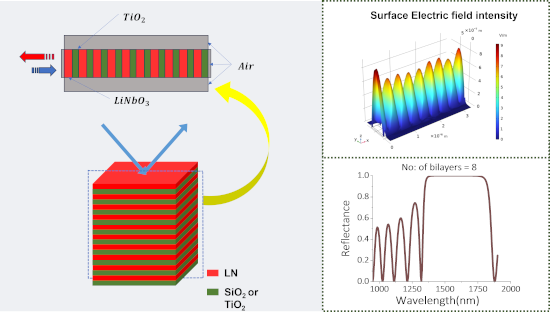
- conversion of absorbed light into electricity [43]. The carrier diffusion length within PbS CQD solar cells aligns closely with the thickness of the CQD films. This correlation introduces a tradeoff between light absorption and charge transport. As the thickness of the CQD film increases to enhance light


The role of a tantalum interlayer in enhancing the properties of Fe3O4 thin films
Beilstein J. Nanotechnol. 2024, 15, 1253–1259, doi:10.3762/bjnano.15.101

- highest value has the roughest surface among the three. These results indicate that the substrate type does have an effect on grain size and roughness of Fe3O4 thin films. Tantalum in the multilayer structure prevents the diffusion of oxygen atoms from SiO2 into MgO leading to enhanced stability of MgO
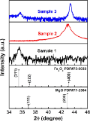
- [24][25]. Besides, there was nearly no oxygen diffusion from the Fe3O4 film into the MgO layer, resulting in higher crystallinity and improved grain size as seen in the XRD patterns. Surface properties obtained from Figure 1 are summarized in Table 1. The crystal structures of the Fe3O4 samples on
- of oxygen diffusion of the Ta buffer layer, sample 3 has the largest grain size (Table 1). These large intergranular regions can enhance the number of magnetic moments, making it harder for them to rotate when an external field is applied. Although the grain size in Fe3O4 thin films on the double


Realizing active targeting in cancer nanomedicine with ultrasmall nanoparticles
Beilstein J. Nanotechnol. 2024, 15, 1208–1226, doi:10.3762/bjnano.15.98
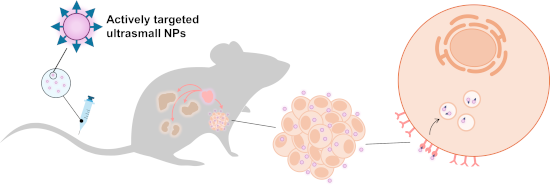
- demonstrate favorable tumor penetration and intratumoral diffusion. Active targeting strategies, incorporating ligands for specific tumor receptor binding, serve to further enhance usNP tumor selectivity and therapeutic performance. Numerous preclinical studies have already demonstrated the potential of
- [10][11][12]. Reasons for the poor clinical performance of passive tumor targeting are the considerable heterogeneity of the EPR effect in humans, alongside the restricted diffusion of NPs across the dense tumor stroma [4][5][13][14]. Reasons for the limited performance of active targeting include its
- % ID/g, while PEG-coated AuNCs displayed even higher passive tumor uptake efficiency of ≈8% ID/g owing to their longer blood retention time [77]. Besides achieving decent tumor uptake levels in some cases, usNPs exhibit easier penetration and diffusion through the dense tumor microenvironment relative


A low-kiloelectronvolt focused ion beam strategy for processing low-thermal-conductance materials with nanoampere currents
Beilstein J. Nanotechnol. 2024, 15, 1197–1207, doi:10.3762/bjnano.15.97

- based on heat transfer and to Monte Carlo or finite element simulations [17][18][19]. Open source programs that assess heat deposition and diffusion are readily available to assess damage in light–tissue interactions [18]. For electron beams, multidimensional models predicting electron beam-induced



Quantum-to-classical modeling of monolayer Ge2Se2 and its application in photovoltaic devices
Beilstein J. Nanotechnol. 2024, 15, 1153–1169, doi:10.3762/bjnano.15.94
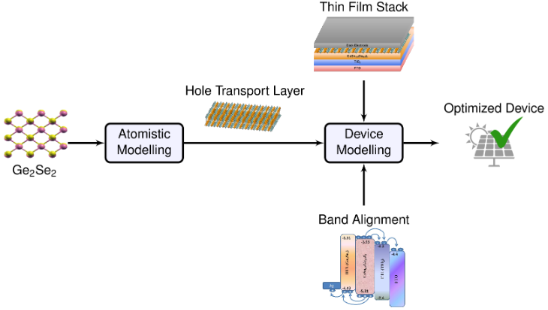
- astonishing device performance. We use ab initio modeling for the material prediction, while classical drift–diffusion drives the device simulations. Hybrid functionals calculate electronic and optical properties to maintain high accuracy. The structural stability has been verified using phonon spectra. The E
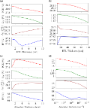
- performance. This is due to the decrement in the lifetime of the charge carriers because of the shorter diffusion length, which results from the higher defect densities [62]. We can observed that the performance parameters decrease significantly above defect densities of 1015 cm−3. Effect of interface defects
- the proposed solar cell, we performed a numerical simulation using SCAPS-1D, which solves the fundamental semiconductor equations such as drift–diffusion, Poisson’s equation, and continuity equations as: and where and are the electron and hole current densities at the Fermi levels EFn and EFp




Direct electron beam writing of silver using a β-diketonate precursor: first insights
Beilstein J. Nanotechnol. 2024, 15, 1117–1124, doi:10.3762/bjnano.15.90

- beyond 2 µm could be the result of two processes, namely, (i) forward scattering at the deposition edge of 1 µm height, providing an extremely small but still non-zero electron flux for dissociation, and (ii) the diffusion of incompletely dissociated precursor molecules out of halo region 1, which are
- cluster by enhanced diffusion. Finally, the second halo region (H2) depicts similar particle sizes around below 20 nm sitting on top of larger bright areas of 50–250 nm. The composition of the different halo regions was studied by EDX. Because of the rich morphology observed in the deposit, no thin-film
- the primary electrons may enhance diffusion of silver and related reordering processes in the carbonaceous matrix [14]. Under our conditions, this energy input is about 0.3 eV for a silver atom and 2.6 eV for a carbon atom, which would be available for rearrangement mechanisms. The clarification of


Therapeutic effect of F127-folate@PLGA/CHL/IR780 nanoparticles on folate receptor-expressing cancer cells
Beilstein J. Nanotechnol. 2024, 15, 954–964, doi:10.3762/bjnano.15.78
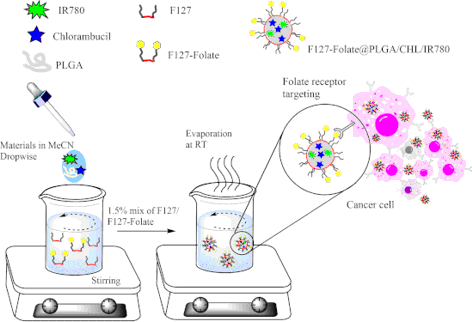
- [1][2][3][4][5]. In the study, we employed two methods, namely, single emulsion–evaporation and nanoprecipitation–diffusion, using F127 as a surfactant. The nanoparticles formulated by the emulsion–evaporation approach were not uniform and tended to aggregate (data not shown), while the nanoparticles
- generated by the nanoprecipitation–diffusion method were homogeneous with a polydispersity index (PDI) of less than 0.075 ± 0.05 and a size of 198 ± 5 nm for F127-folate@PLGA/CHL/IR780 and 228 ± 4 nm for F127@PLGA/CHL/IR780 (Table 1 and Figure 1A). SEM images showed that the nanoparticles have a spherical
- form with a core size of around 100 nm (Figure 1B). For this reason, the nanoprecipitation–diffusion technique was utilized to produce the particles employed in the study. Furthermore, after dispersing the nanoparticles in cell culture medium with 10% FBS, the size and PDI of the nanoparticles



Electrospun nanofibers: building blocks for the repair of bone tissue
Beilstein J. Nanotechnol. 2024, 15, 941–953, doi:10.3762/bjnano.15.77
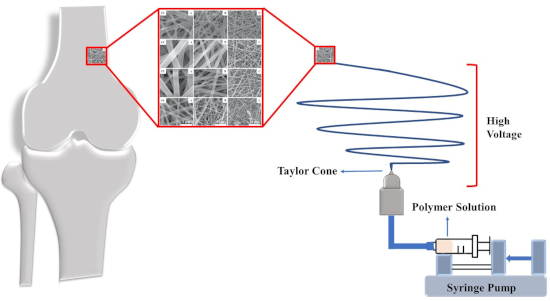
- effect at the initial stage through the release of active material directly on the surface of the nanofibers. Extended release is also possible, which is provided by diffusion through the polymeric nanofiber [35]. The burst effect creates the first effective concentration in the targeted area [87][88][89
- ][90]. In cases where the burst effect is not desired, hydrophobic polymer blends need to be used. Furthermore, either core–shell or laminated nanofibers can be produced [32][91]. The degradation of polymers, the diffusion of the active material, or both of them may affect the extended release phase
- . The polymer may degrade during or after the release of active material by diffusion. The in vivo degradation times for commonly used polymers change from days to months [52][61][92]. Different properties of the polymers lead to a wide range of degradation and drug release rates [33][93]. Since the





