


Search results
Search for "formulation" in Full Text gives 202 result(s) in Beilstein Journal of Nanotechnology. Showing first 200.
Polymer nanoparticles from low-energy nanoemulsions for biomedical applications
Beilstein J. Nanotechnol. 2023, 14, 339–350, doi:10.3762/bjnano.14.29
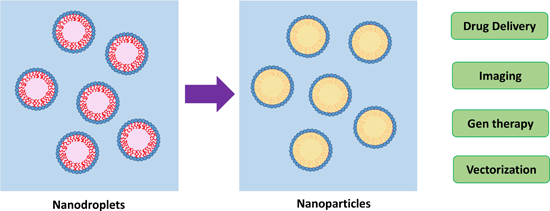
- Santiago Grijalvo Carlos Rodriguez-Abreu CIBER-BBN, ISCIII, Jordi Girona 18–26, 08034 Barcelona, Spain Instituto de Quimica Avanzada de Cataluña (IQAC), CSIC, Jordi Girona 18–26, 08034 Barcelona, Spain 10.3762/bjnano.14.29 Abstract The formulation of nanoemulsions by low-energy strategies
- , particularly by the phase inversion composition method, and the use of these nanoemulsions as templates for the preparation of polymer nanoparticles for biomedical applications are reviewed. The methods of preparation, nature of the components in the formulation, and their impact on the physicochemical
- the solvent can also be removed by selective diffusion [22]. The emulsion solvent evaporation method enables the use of biocompatible polymers, thermolabile compounds, and low-toxicity surfactants. The nanoparticle size can be tuned by formulation parameters and since the nanoparticles are directly




Recent progress in cancer cell membrane-based nanoparticles for biomedical applications
Beilstein J. Nanotechnol. 2023, 14, 262–279, doi:10.3762/bjnano.14.24
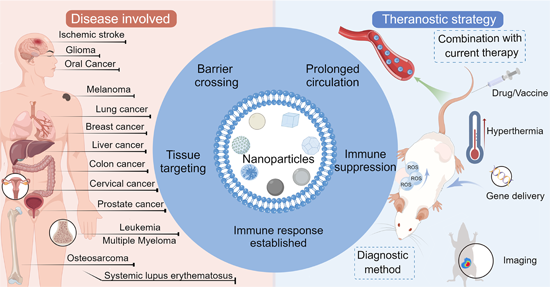
- targeting function, immune evasion ability, and overcoming various biological barriers) to deliver the formulation to the target site for further treatment. Furthermore, tumor vaccines based on the surface antigens of the cancer cell membrane are expected to be a powerful method against tumors, which can


Antimicrobial and mechanical properties of functionalized textile by nanoarchitectured photoinduced Ag@polymer coating
Beilstein J. Nanotechnol. 2023, 14, 95–109, doi:10.3762/bjnano.14.11
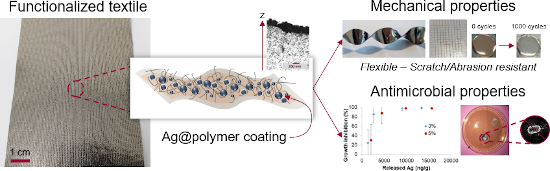
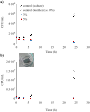
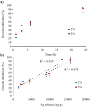
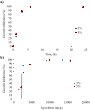
- photoinduced approach was investigated for textile functionalization with a silver@polymer self-assembled nanocomposite. By exposing the photosensitive formulation containing a silver precursor, a photoinitiator, and acrylic monomers to a UV source, highly reflective metallic coatings were obtained directly on
- photosensitive formulation was applied to a cotton textile with an abyko-drive applicator (calibrated bar coater). The resulting smooth sample was then irradiated under UV light (600 mW/cm2) to obtain the final Ag@polymer textile material, with a coating thickness of 100 µm, measured with a Mitutoyo digital
- formulation. The choice of polymer matrix effectively dictates the observed wettability and adhesion to the chosen substrate. The adhesion properties can also be explained by the innovative structure of the depth-wise gradient distribution of AgNPs in the metallic coatings. Indeed, as the AgNPs and the



The influence of structure and local structural defects on the magnetic properties of cobalt nanofilms
Beilstein J. Nanotechnol. 2023, 14, 23–33, doi:10.3762/bjnano.14.3
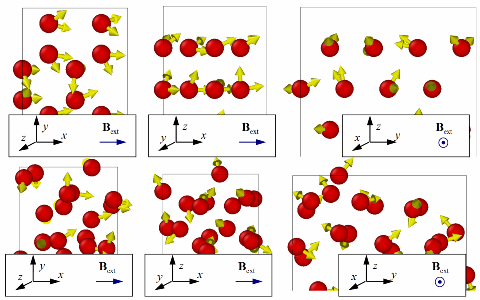
- dimensions as the ideal HCP structure in the first numerical experiment. A group of cobalt atoms with structural defects acquired as a result of film sputtering in an enlarged form is shown in Figure 3b. Henceforward, to simplify the formulation, the nanosystem of cobalt atoms from the numerical experiment


Orally administered docetaxel-loaded chitosan-decorated cationic PLGA nanoparticles for intestinal tumors: formulation, comprehensive in vitro characterization, and release kinetics
Beilstein J. Nanotechnol. 2022, 13, 1393–1407, doi:10.3762/bjnano.13.115
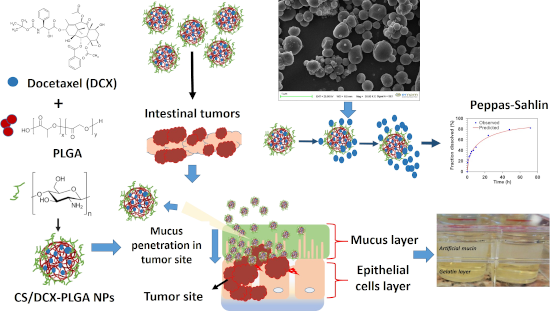
- drug delivery system loaded with docetaxel (DCX) as an anticancer drug, using poly(lactic-co-glycolic acid) (PLGA) as nanoparticle material, and modified with chitosan (CS) to gain mucoadhesive properties. In this context, an innovative nanoparticle formulation that can protect orally administered DCX
- studies on the Caco-2 cell line, the CS/DCX-PLGA formulation increased permeability by 383% compared to free DCX (p < 0.05). In the light of all results, CS/DCX-PLGA NPs can offer a promising and innovative approach as an oral anticancer drug-loaded nanoformulation for intestinal tumors. Keywords
- find new diagnostic and therapeutic approaches. The absence of an efficient oral chemotherapy is one of the biggest obstacles in cancer treatment worldwide [6]. Various formulation approaches have been used for many years to provide higher drug concentration in colon and less systemic side effects [7


Laser-processed antiadhesive bionic combs for handling nanofibers inspired by nanostructures on the legs of cribellate spiders
Beilstein J. Nanotechnol. 2022, 13, 1268–1283, doi:10.3762/bjnano.13.105
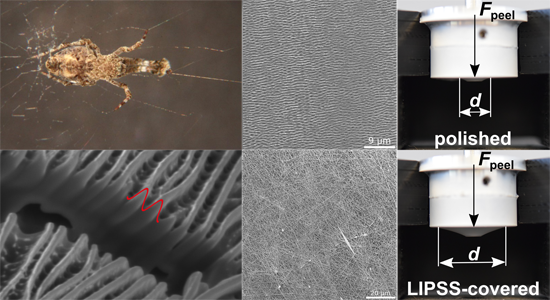
- the entire fiber length l, which can depend on the position along the fiber: This formulation could be interpreted in such a way that if the radius of the fiber decreases, the van der Waals force also decreases and can, therefore, be neglected if R is sufficiently small. However, this is not always






Microneedle-based ocular drug delivery systems – recent advances and challenges
Beilstein J. Nanotechnol. 2022, 13, 1167–1184, doi:10.3762/bjnano.13.98
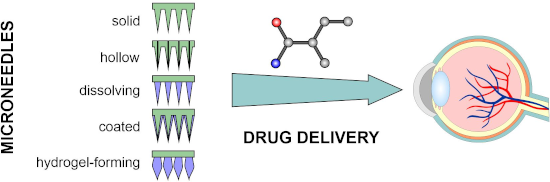
- composition of the formulation. The most common side effects in this case include local toxicity, tissue damage, eyeball perforation, optic nerve injury, occlusion of central retinal artery or vein, direct retinal toxicity during accidental puncture of the muscles, just to mention the most important [89][90
- through dipping or spraying with the drug solution, which is usually obtained as a water-based formulation containing also surfactants, thickening agents, and stabilizers. These excipients are necessary to provide the desired properties of the coating layer [114]. Hollow microneedles are similar to
- through adjusting the polymer crosslinking ratio [147]. Moreover, the polymers usually employed in this type of formulation are biocompatible, which decreases the toxicity risk [144]. 2.2 Microneedle manufacturing methods The selection of a manufacturing technique should take into account the intended use


Gelatin nanoparticles with tunable mechanical properties: effect of crosslinking time and loading
Beilstein J. Nanotechnol. 2022, 13, 778–787, doi:10.3762/bjnano.13.68
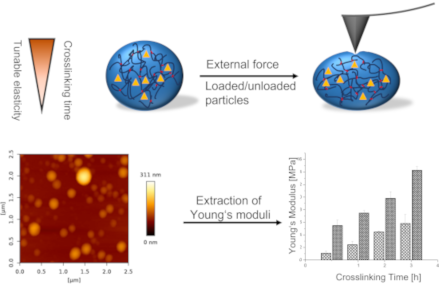
- optimal treatment. Therefore, the characteristics of nanoparticles regarding mechanical properties, size, surface charge, surface composition, and degradation and drug release mechanisms must be considered during formulation development [1]. Except for the mechanical properties, the research activities do
- evaluated during the formulation development and tuned according to the requirements of the target. Gelatin nanoparticles (GNPs) were introduced as potential biocompatible and biodegradable drug carrier system [10][11]. This hydrogel nanoparticulate carrier system shows great potential for the delivery of
- particles where selected. Each particle represents the mean value of four pixels located in the middle of the particle resulting in at least 120 force–distance-curves per batch. Finally, the mean value of each formulation was determined using OriginPro software. Determination of FITC-dextran loading The


Antibacterial activity of a berberine nanoformulation
Beilstein J. Nanotechnol. 2022, 13, 641–652, doi:10.3762/bjnano.13.56
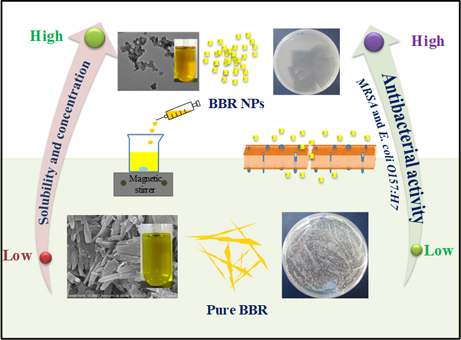
- eliminating toxic ingredients in the formulation. The BBR NPs were formed in order to improve the solubility and, in turn, enhance the antibacterial activity. Herein, the BBR NPs were prepared using a modified ASP method including sonication steps. Instead of the solvents utilized in previous reports [25][26



Ciprofloxacin-loaded dissolving polymeric microneedles as a potential therapeutic for the treatment of S. aureus skin infections
Beilstein J. Nanotechnol. 2022, 13, 517–527, doi:10.3762/bjnano.13.43
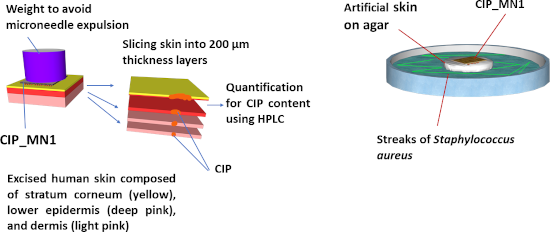
- model. This was evidenced by a zone of inhibition of 29 mm for the microneedle formulation of ciprofloxacin (CIP_MN1) compared to 2 mm for the free gel of ciprofloxacin. Furthermore, the CIP_MN1 showed complete dissolution in human skin after 60 min from application. Finally, the skin deposition of
- microneedles are based on polymers such as PVA, PVP, chitosan, and poly(lactide-co-glycolide) [19]. In our study, polymer-based microneedles were optimized to achieve a formulation that can efficiently penetrate the skin. In this context, microneedles were studied regarding drug content and penetration of
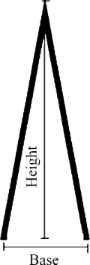
- microneedle height of 188 ± 11 µm and an average square base diameter 49.5 ± 3.4 µm for the formulation of PVA/PVP (9:1) (CIP_MN1). CIP_MN2 showed a microneedle height of 179 ± 16 µm and a square base diameter of 44.2 ± 7.1 µm. As shown in Figure 4, the tips of the microneedles were sharp with less than 5 µm


Design and characterization of polymeric microneedles containing extracts of Brazilian green propolis
Beilstein J. Nanotechnol. 2022, 13, 503–516, doi:10.3762/bjnano.13.42
- holes created and will be taken, by diffusion, to the innermost layers to have its systemic action [5][12]. Coated microneedles are solid MNs made of inert material and coated with a formulation containing the drug to be administered [5][13]. After skin perforation, this lining is retained in the
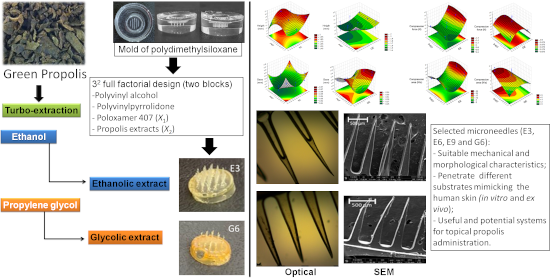
- improved MN formulation for each type of PRP extract. Results and Discussion PRP quality assessment The PRP sample was obtained from an apiary in the northwest region of Paraná. It had a characteristic aromatic odor, resin gum appearance, and a greenish-yellow color, very characteristic of the north and
- studied. The ranges and concentrations used in this study were chosen so that the formulation obtained has a sufficient amount of PRP extract for biological activity [31][35][36]. Morphological analysis The formulations could successfully replicate the master mold shape (Supporting Information File 1


Ethosomal (−)-epigallocatechin-3-gallate as a novel approach to enhance antioxidant, anti-collagenase and anti-elastase effects
Beilstein J. Nanotechnol. 2022, 13, 491–502, doi:10.3762/bjnano.13.41
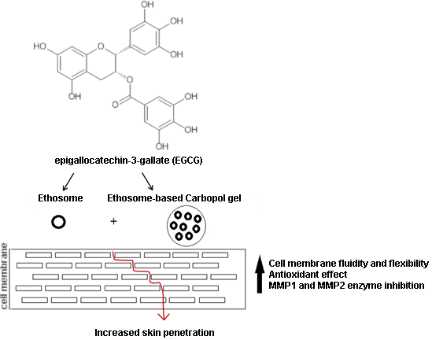
- size (PS), zeta potential (ZP), polydispersity index (PDI), encapsulation efficiency percentage (EE%), and in vitro release. The best ETH formulation was used to prepare the ethosome-based gel (ETHG) by using Carbopol 980 as a gelling agent at a ratio of 1:1 (v/v). The gel formulation was evaluated
- neurodegenerative disorders [7][8][9]. However, there are some difficulties in the formulation of EGCG such as the first pass metabolism effect, enzymatic degradation, and low bioavailability [8][10]. Skin delivery, besides being painless and noninvasive, has many advantages such as controlled drug delivery
- formulation, and different concentrations of EGCG. These results are given in Figure 1. These obtained high viability rates demonstrate that all EGCG concentrations of 500 µg/mL and below, which is the initial concentration in the preparation of ETHs, did not cause any cellular toxicity. In addition, the



Micro- and nanotechnology in biomedical engineering for cartilage tissue regeneration in osteoarthritis
Beilstein J. Nanotechnol. 2022, 13, 363–389, doi:10.3762/bjnano.13.31
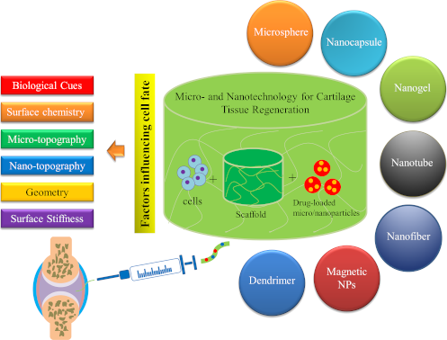
- under genomic and oxidative stress conditions. Furthermore, this formulation had a long residence time (>19 days) in the murine joint after intra-articular injection [29]. In addition, microspheres with a higher surface-to-volume ratio can provide a three-dimensional (3D) environment for cell anchorage


Systematic studies into uniform synthetic protein nanoparticles
Beilstein J. Nanotechnol. 2022, 13, 274–283, doi:10.3762/bjnano.13.22
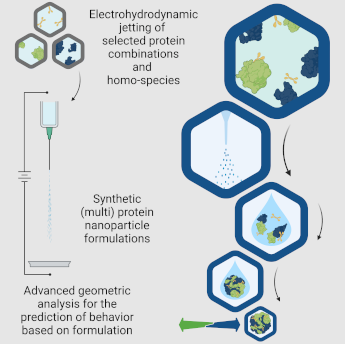
- this knowledge gap by evaluating formulation trends in SPNPs prepared by EHD jetting based on a series of carrier proteins and protein blends (hemoglobin, transferrin, mucin, or insulin). In general, blended SPNPs presented uniform populations with minimum diameters between 43 and 65 nm. Size
- matrix proteins on the physical properties of the respective nanoparticles. Specifically, this work systematically explores the relationship between SPNP formulation parameters and nanoparticle morphology, while also providing detailed insights into size distributions and uniformities. Results and
- occurred during jetting, with solid SPNPs deposited on the collection plate. Completion of the crosslinking was achieved through SPNP storage at 37 °C for 7 days. Multiple studies have shown that nanoparticle formulation, size, and surface chemistry are not the only factors governing the biological


Effects of drug concentration and PLGA addition on the properties of electrospun ampicillin trihydrate-loaded PLA nanofibers
Beilstein J. Nanotechnol. 2022, 13, 245–254, doi:10.3762/bjnano.13.19
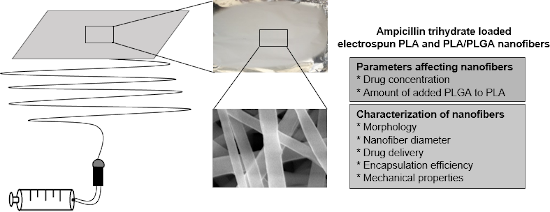
- examine the effects of PLGA addition on PLA nanofibers, PLA/PLGA nanofibers were produced by replacing 20 to 80% of PLA with PLGA in the F2 coded formulation containing 8% of drug. As seen in Table 2, the diameters of the PLA/PLGA nanofibers range from 447 to 820 nm. The addition of PLGA to PLA led to an
- extended up to ten days for the F2 coded formulation (containing 8% if drug) (Figure 3). In other studies conducted on different polymers and polymer blends and drugs, it was shown that the increase in the amount of drug caused a higher burst effect and faster drug release [13][22][23]. It was concluded


Theranostic potential of self-luminescent branched polyethyleneimine-coated superparamagnetic iron oxide nanoparticles
Beilstein J. Nanotechnol. 2022, 13, 82–95, doi:10.3762/bjnano.13.6
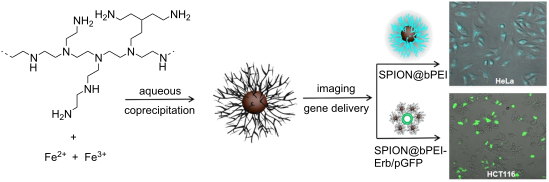
- µg/mL. This is in agreement with the MTT assay results (Figure 5). The optimized formulation and dose were also applied to HeLa and MCF7 cell lines under identical conditions. Erb-tagged nanoparticles enhanced GFP transfection to HeLa cells but not as much as the transfection observed in HCT116, as
- @bPEI, and SPION@bPEI/PIC for 48 h (the doses are given in μg). The amount of bPEI, PIC, and SPION@bPEI given under each column identifies the amount of each component in the formulation given to the cells. The results are expressed as the mean of three independent experiments ± standard error and




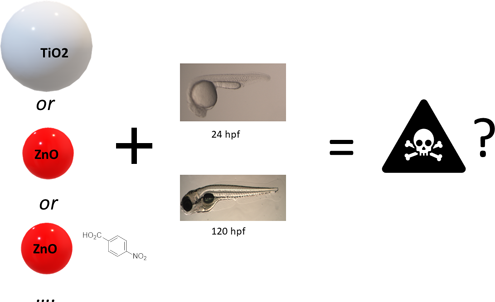
Identifying diverse metal oxide nanomaterials with lethal effects on embryonic zebrafish using machine learning
Beilstein J. Nanotechnol. 2021, 12, 1297–1325, doi:10.3762/bjnano.12.97


pH-driven enhancement of anti-tubercular drug loading on iron oxide nanoparticles for drug delivery in macrophages
Beilstein J. Nanotechnol. 2021, 12, 1127–1139, doi:10.3762/bjnano.12.84
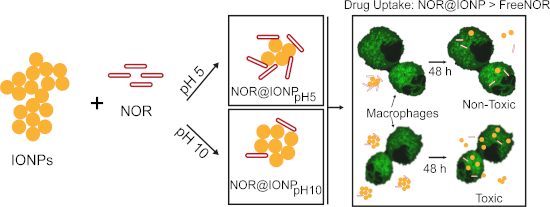
- concentrations due to toxicity concerns. Thus, we hypothesized that the overall zwitterionic and chelating properties could enable a pH dependent enhanced loading of NOR on to IONPs, independent of any additional stabilizing agent in the formulation, which would in turn permit their application. In the present
- composed of poly (3-hydroxybutyrate) [41]. This high drug loading was also reflected by the presence of prominent NOR peaks in the FTIR spectrum of NOR@IONPpH5, compared to that in NOR@IONPpH10. Moreover, as desired in a formulation, the rate of drug release from NOR@IONPpH5 over the initial 4 hours was



Open-loop amplitude-modulation Kelvin probe force microscopy operated in single-pass PeakForce tapping mode
Beilstein J. Nanotechnol. 2021, 12, 1115–1126, doi:10.3762/bjnano.12.83
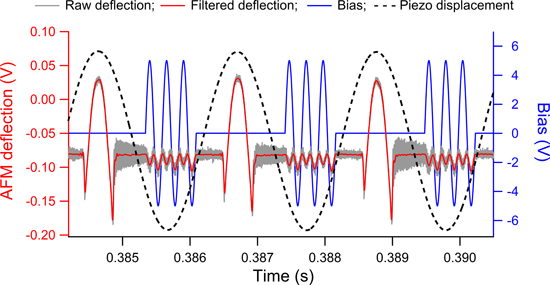
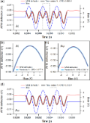
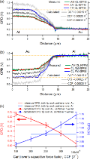
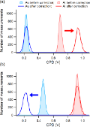
- for the non-local contribution of the cantilever–sample coupling to the measured CPD is to assume the AFM probe (tip + cantilever) as two capacitors in series and add the two parabolic voltage dependences to the total electrostatic force: In this formulation, the AFM tip “sees” a local coupling





First-principles study of the structural, optoelectronic and thermophysical properties of the π-SnSe for thermoelectric applications
Beilstein J. Nanotechnol. 2021, 12, 1101–1114, doi:10.3762/bjnano.12.82
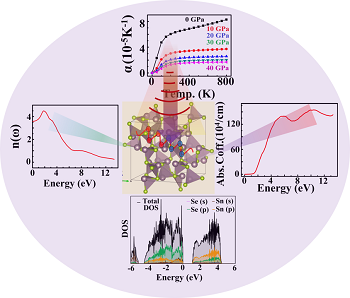
- challenges in the formulation of strategies to improve the ZT values of the TE materials, particularly by utilizing affordable and Earth-abundant materials [1][6], and this is the task that may revolutionize the field of solid-state thermal energy conversion [7]. A higher value of ZT needs a large value of


Use of nanosystems to improve the anticancer effects of curcumin
Beilstein J. Nanotechnol. 2021, 12, 1047–1062, doi:10.3762/bjnano.12.78
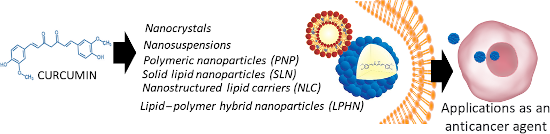
- nanotransporters, due to their liquid-phase lipids [61]. The intestinal permeation of a CUR-loaded NLC has been studied in vitro in Caco-2 cells [69]. The formulation protected the compounds from degradation under basic pH, significantly improved the solubility of CUR, and increased its apparent permeation
- environments because in this type of formulation, it is preferred that the nanoparticle is stable at pH 7.4 (pH of a healthy tissue) and that CUR release is carried out in an acidic pH, which is characteristic of tumor cell endosomes (pH 5.0–5.8) [39]. On the other hand, Bonaccorso et al. [85] compared CUR
- ± 12.25 nm, EE% 78.04 ± 0.54 >70% CUR). This was associated with the compatibility of the compound with the lipid medium and the presence of the surfactant in the polymer formulation (which has been reported to affect the % EE). In addition, they reported better cellular uptake of SLN, which was


An overview of microneedle applications, materials, and fabrication methods
Beilstein J. Nanotechnol. 2021, 12, 1034–1046, doi:10.3762/bjnano.12.77
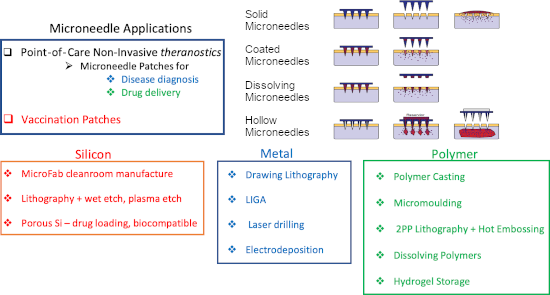
- on hydrogel-forming polymer microneedles [16][17][18]. Microneedle patch technology has the potential to overcome the challenges involved in mass vaccination against COVID-19 across the world and has already shown promising achievements in delivering lyophilised or liquid formulation-based vaccines


Comprehensive review on ultrasound-responsive theranostic nanomaterials: mechanisms, structures and medical applications
Beilstein J. Nanotechnol. 2021, 12, 808–862, doi:10.3762/bjnano.12.64


High-yield synthesis of silver nanowires for transparent conducting PET films
Beilstein J. Nanotechnol. 2021, 12, 624–632, doi:10.3762/bjnano.12.51
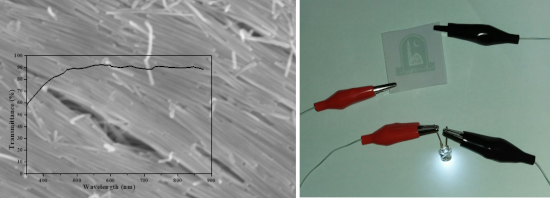
- schematically in Figure 1 and produces about 270 mg of AgNWs, which could be considered a high-yield synthesis. Formulation of AgNW ink and fabrication of transparent conducting films A facile method was chosen for synthesizing the AgNW ink, which involved the mixing of an aqueous solution of the adhesive agent


The impact of molecular tumor profiling on the design strategies for targeting myeloid leukemia and EGFR/CD44-positive solid tumors
Beilstein J. Nanotechnol. 2021, 12, 375–401, doi:10.3762/bjnano.12.31
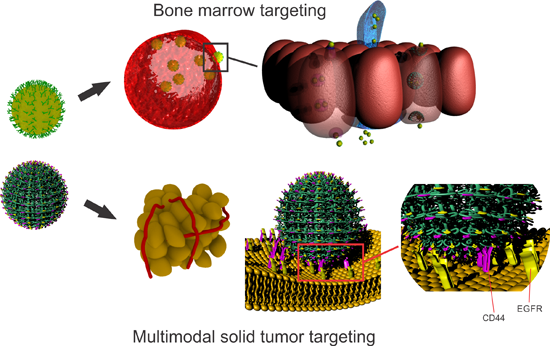
- -targeting liposomes were among the first formulation types that employed this specific mechanism. Allen et al. reported that the lipid composition greatly affected the bone marrow affinity of the liposomes. The authors noted that phosphatidylserine and phosphatidylcholine increased the uptake of the
- estimate that the high levels of BM accumulation for this liposome formulation were probably due to the presence of 20% DSPG in the liposomal bilayer. This yields an overall anionic surface, which is known to have an affinity for the scavenger receptor on BM macrophages. Other polyanions, such as dextran
- -selectin thioaptamer ligand (ESTA), which binds to E-selectin with high affinity and at the same time expresses minimal cross-reactivity to other selectin family members [36]. The formulation demonstrated an eightfold increase in the BM localization of the encapsulated liposomes, relative to the equivalent





