Search results
Search for "gold" in Full Text gives 867 result(s) in Beilstein Journal of Nanotechnology. Showing first 200.
Precursor sticking coefficient determination from indented deposits fabricated by electron beam induced deposition
Beilstein J. Nanotechnol. 2025, 16, 35–43, doi:10.3762/bjnano.16.4

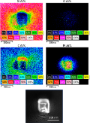
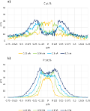
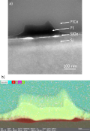
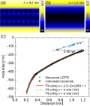
- growth regime has to be assessed. Using the parameters reported in [10][11], an estimation of the secondary electron (SE) surface flux of 5.4 × 10⁵ nm−2·s−1 at the BIR center with a 1400 nm wide beam at 5 keV and 400 nA on a gold-covered substrate and precursor flux estimation of 1900 nm−2·s−1, the


Orientation-dependent photonic bandgaps in gold-dust weevil scales and their titania bioreplicates
Beilstein J. Nanotechnol. 2025, 16, 1–10, doi:10.3762/bjnano.16.1
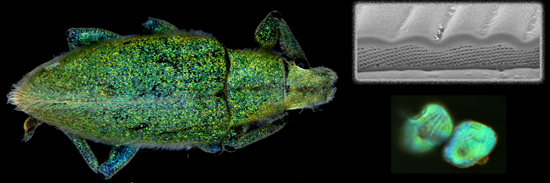
- 10.3762/bjnano.16.1 Abstract The scales of the gold-dust weevil Hypomeces squamosus are green because of three-dimensional diamond-type chitin–air photonic crystals with an average periodicity of about 430 nm and a chitin fill fraction of about 0.44. A single scale usually contains one to three
- complex biological structures and obtaining photonic crystals with desired optical properties [23][24]. In this work, we characterized natural photonic crystals found in the scales of the gold-dust weevil, Hypomeces squamosus (Coleoptera: Curculionidae; Herbst 1795), a pest of several crops [25][26][27
- orientations, we obtained a uniform diffuse green scatterogram, confirming the mechanism producing the dull, unsaturated overall coloration found on the gold-dust weevil and several other weevils [19][21][28]. Subsequently, using plasma etching, we removed the scale cortex and made negative titania replicas of


Attempts to preserve and visualize protein corona on the surface of biological nanoparticles in blood serum using photomodification
Beilstein J. Nanotechnol. 2024, 15, 1654–1666, doi:10.3762/bjnano.15.130

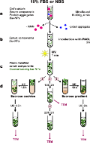
- regarding the presence of a protein corona in TEM. Isolation of bio-NPs using ultracentrifugation UC is still a gold standard for the isolation of EVs from biological fluids [11][25], and we started the isolation of corona-bearing bio-NPs using this method (Figure 2d1). The same procedure was used to



Biomimetic nanocarriers: integrating natural functions for advanced therapeutic applications
Beilstein J. Nanotechnol. 2024, 15, 1619–1626, doi:10.3762/bjnano.15.127

- nanotechnology, introduced by Richard Feynman in 1959 during an American Physical Society meeting [1][2], involves the manipulation of matter at the atomic level. The term "nanometer" was initially proposed by Richard Zsigmondy in the context of measuring gold colloids. Nanotechnology is generally defined as the
- neuronal mitochondria, as evidenced by fluorescence intensities identified in brain homogenates, and reduced Aβ1 deposition, demonstrating the ability of the nanocomposite to cross the BBB [71]. Inorganic nanoparticles exhibit unique optical, magnetic, and chemical properties and stability. Gold


Facile synthesis of size-tunable L-carnosine-capped silver nanoparticles and their role in metal ion sensing and catalytic degradation of p-nitrophenol
Beilstein J. Nanotechnol. 2024, 15, 1576–1592, doi:10.3762/bjnano.15.124
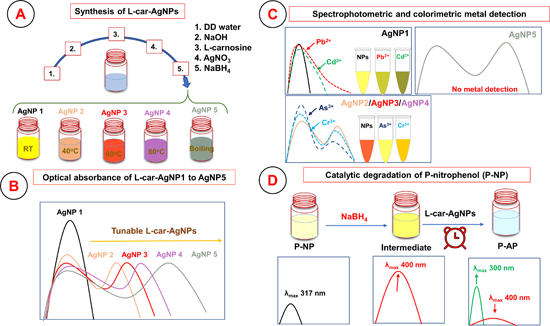
- al., where different shapes of gold nanoparticles had varying efficiencies in the catalytic degradation of nitrophenol compounds, with spherical nanoparticles being highly effective [48]. Kinetic analysis was performed based on pseudo-first-order reaction kinetics for the concentration of 0.25 mM P




Ultrablack color in velvet ant cuticle
Beilstein J. Nanotechnol. 2024, 15, 1554–1565, doi:10.3762/bjnano.15.122

- characteristics of cuticle cross sections, we prepared the samples by sectioning, allowing for the visualization of the underlying structures. Prior to SEM imaging, a thin layer of gold–palladium, 10 nm thick, was applied to the samples. We utilized a Hitachi S-4800 SEM, operating at 3 kV. Images were captured at



Effect of radiation-induced vacancy saturation on the first-order phase transformation in nanoparticles: insights from a model
Beilstein J. Nanotechnol. 2024, 15, 1453–1472, doi:10.3762/bjnano.15.117

- film through in situ ion irradiation, observed using atomic-resolution transmission electron microscopy [16]. The gold sample was irradiated with 2.8 MeV Au4+ ions at 200 °C with a fluence of approximately 1014 ions·cm−2 (equivalent to a dose of 10 dpa). A combination of surface- and radiation-induced


A biomimetic approach towards a universal slippery liquid infused surface coating
Beilstein J. Nanotechnol. 2024, 15, 1376–1389, doi:10.3762/bjnano.15.111
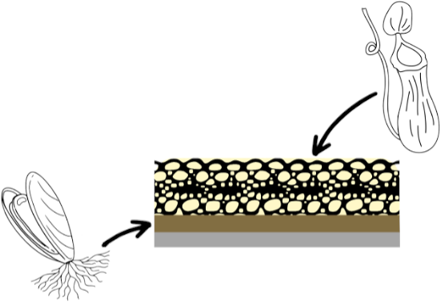
- Microscopy Sciences). Samples were sputter-coated with gold/palladium (Cressington 108A) and imaged on a scanning electron microscope (SEM) (FEI Quanta 600F). ImageJ was used to measure fiber diameter and clot density. Clot density was determined by drawing a line through the image and counting the number of




Green synthesis of carbon dot structures from Rheum Ribes and Schottky diode fabrication
Beilstein J. Nanotechnol. 2024, 15, 1369–1375, doi:10.3762/bjnano.15.110
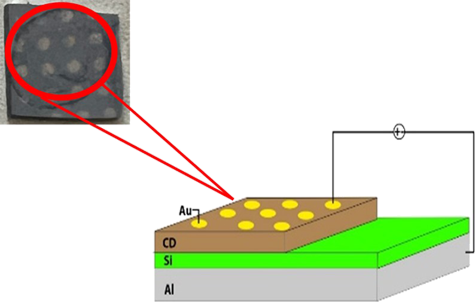
- steady-state fluorescence measurements. In the second part of the study, CDs were dripped onto silicon substrates, and a CDs thin film was formed by evaporation. A diode structure was obtained by evaporating gold with the shadow mask technique on the CDs film, and the current–voltage characteristics of
- dried to synthesize CDs. Acetone, methanol, silicon, gold powder, and aluminum were purchased from Sigma-Aldrich, Merck, and Alfa Aesar. All studies were carried out at room temperature. Instruments Various devices were used for the structural, morphological, and optical characterization of the CDs. FEI
- and diluted with 5 mL of pure water; 100 μL of this solution was dripped onto the silicon substrate and evaporated at room temperature. In the last stage, the diode structure was obtained by evaporating gold onto the created CDs film using the shadow mask technique (Figure 1). The size of the diode




Investigation of Hf/Ti bilayers for the development of transition-edge sensor microcalorimeters
Beilstein J. Nanotechnol. 2024, 15, 1353–1361, doi:10.3762/bjnano.15.108

- temperature to the required values because of the proximity effect. One of the most common pairs is titanium with gold [1][8]. Moreover, there are at least two materials that in pure form already possess TC close to the required value, iridium with a critical temperature of 112 mK [9] and hafnium with one of
- in different transition temperatures at heating and cooling. The presumed reason is the heating of the film sample C1 through the measuring pogo pin contacts made of gold-coated brass and the contact resistance between the contacts and the film. Samples A1–A4 and B1 were measured through the same


Nanoarchitectonics with cetrimonium bromide on metal nanoparticles for linker-free detection of toxic metal ions and catalytic degradation of 4-nitrophenol
Beilstein J. Nanotechnol. 2024, 15, 1312–1332, doi:10.3762/bjnano.15.106
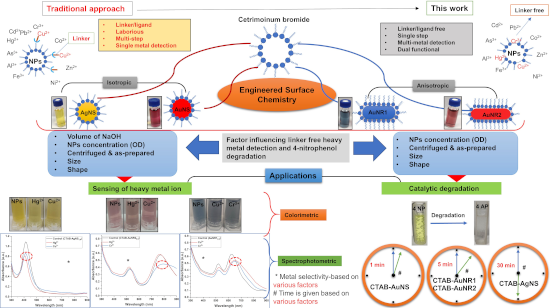
- metals and efficient degradation of 4-NP. For enabling linker-free/ligand-free detection of heavy metal ions and catalytic degradation of 4-NP, CTAB was engineered as a versatile capping agent on gold and silver nanoparticles. Various factors, including nanoparticle characteristics such as shape, size
- degrading 94.37% of 4-NP within 1 min. In contrast, silver nanospheres effectively detected Hg2+, Cu2+, and Fe3+ at concentrations as low as 1 ppm and degraded 90.78% of 4-NP within 30 min. Moreover, anisotropic gold nanorods (CTAB-AuNR1 and CTAB-AuNR2) showed promising sensing capabilities towards Cu2
- protection. Keywords: catalysis; CTAB; heavy metal; nanoparticles; 4-nitrophenol; sensing; Introduction Metal nanoparticles are widely used for a great number of applications owing to their excellent optochemical properties and high surface-to-volume ratio in comparison to bulk materials. Noble metal (gold




Functional morphology of cleaning devices in the damselfly Ischnura elegans (Odonata, Coenagrionidae)
Beilstein J. Nanotechnol. 2024, 15, 1260–1272, doi:10.3762/bjnano.15.102

- on the grooming structures. The specimens were deposited on aluminum stubs using double-sided adhesive tape. Before the analysis, the samples were sputter-coated with a thin layer of gold (8 nm) using a Q150 T ES (Quorum, Laughton, UK) for 30 s. The samples were then analyzed in a field-emission


Enhanced catalytic reduction through in situ synthesized gold nanoparticles embedded in glucosamine/alginate nanocomposites
Beilstein J. Nanotechnol. 2024, 15, 1227–1237, doi:10.3762/bjnano.15.99
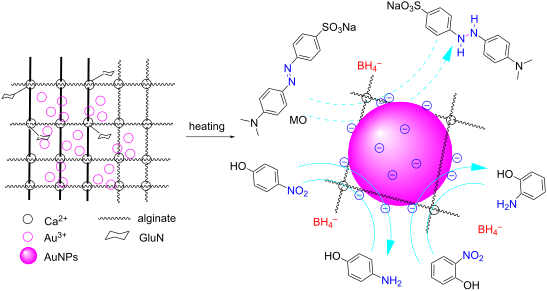
- synthesizing gold nanoparticles (AuNPs) within a glucosamine/alginate (GluN/Alg) nanocomposite via an ionotropic gelation mechanism in aqueous environment. The resulting nanocomposite, AuNPs@GluN/Alg, underwent thorough characterization using UV–vis, EDX, FTIR, SEM, TEM, SAED, and XRD analyses. The spherical
- nanocomposite as a versatile catalyst with promising applications across various industrial sectors. Keywords: catalysis; gold nanoparticles; organic dyes; organometallic nanocomposites; reduction; Introduction Gold nanoparticles (AuNPs) have garnered significant attention because of their exceptional
- Materials The study utilized reagents and chemicals without additional purification. Glucosamine, gold(III) chloride, calcium acetate hydrate, sodium alginate, sodium tetrahydroborate, 2-nitrophenol, 4-nitrophenol, and methyl orange were procured from Acros Scientific (Belgium). Distilled water was used



Realizing active targeting in cancer nanomedicine with ultrasmall nanoparticles
Beilstein J. Nanotechnol. 2024, 15, 1208–1226, doi:10.3762/bjnano.15.98
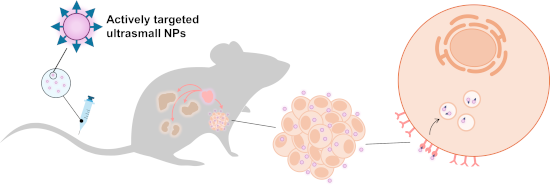
- modalities of actively targeted usNPs and their current applications in cancer diagnosis and treatment. 2 Inorganic ultrasmall NPs in cancer nanomedicine Important classes of inorganic usNPs under investigation for cancer nanomedicine include metallic usNPs (gold, silver), oxide and sulfide usNPs (silica
- ][32][33][34][35]. Additionally, certain types of usNPs, especially gold nanoclusters (AuNCs), manifest molecule-like physical and chemical properties, such as luminescence [36][37]. Simultaneously, usNPs – whether used alone or conjugated to drugs, diagnostic probes, and targeting ligands – can
- inorganic core, exemplified by the S–Au bond formed between cysteine-containing molecules and gold NPs [90][91][92]. Actively targeted AuNCs can also be prepared using bioactive peptides or proteins via a one-step biomineralization process, in which case the peptide or protein serves the purpose of both


A low-kiloelectronvolt focused ion beam strategy for processing low-thermal-conductance materials with nanoampere currents
Beilstein J. Nanotechnol. 2024, 15, 1197–1207, doi:10.3762/bjnano.15.97

- Xiamen Medical College, Fujian, China School of Medicine and Dentistry, Griffith University, Gold Coast QLD 4222, Australia 10.3762/bjnano.15.97 Abstract Ion beam-induced heat damage in thermally low conductive specimens such as biological samples is gaining increased interest within the scientific




Synthesis, characterization and anticancer effect of doxorubicin-loaded dual stimuli-responsive smart nanopolymers
Beilstein J. Nanotechnol. 2024, 15, 1189–1196, doi:10.3762/bjnano.15.96
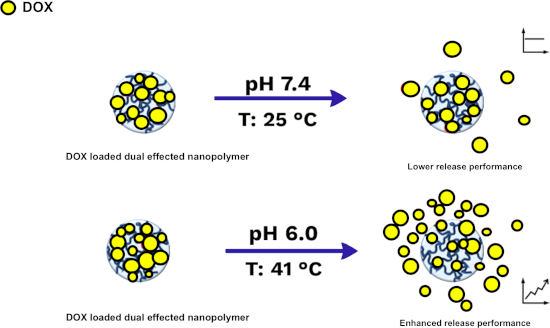
- . Scanning electron microscopy (SEM, Leo 440) was utilized for morphological characterizations of the SNPs; lyophilized SNPs were coated with gold, and the samples were placed in the SEM. The zeta potential the of DOX-SNPs was measured by using a Nano Zetasizer (NanoS, Malvern Instruments, London, UK


Local work function on graphene nanoribbons
Beilstein J. Nanotechnol. 2024, 15, 1125–1131, doi:10.3762/bjnano.15.91
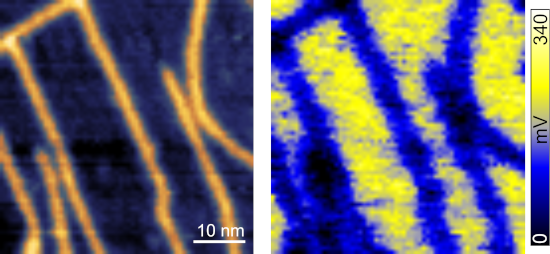
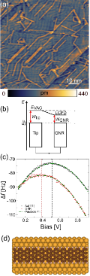
- difference (LCPD) between a probe tip and a surface, related to the work function. Here we use this technique to map the LCPD of graphene nanoribbons grown on a Au(111) substrate. The LCPD data shows charge transfer between the graphene nanoribbons and the gold substrate. Our results are corroborated with
- gold layer was fixed using the optimized bulk lattice constant (aAu = 0.2897 nm). The initial positions for the geometry optimizations were chosen according to the structure reported in [35]. Section I of Supporting Information File 1 shows further details about the geometry of the calculations. We
- and Discussion A topographic image of GNRs on the Au surface is shown in Figure 1a. While most GNRs are attached to gold step edges or to other ribbons, we additionally observe isolated individual ribbons. When the tip and the GNR are brought close together, electrostatic forces between tip and sample

![[Graphic 1]](/bjnano/content/inline/2190-4286-15-91-i4.svg?max-width=637&scale=1.18182)
Direct electron beam writing of silver using a β-diketonate precursor: first insights
Beilstein J. Nanotechnol. 2024, 15, 1117–1124, doi:10.3762/bjnano.15.90

- functionality [23][24]. Here, skin depth refers to the penetration depth of an electromagnetic field into a (non-transparent) metallic material. While pure metal deposition by direct electron beam writing was demonstrated for gold precursors with inorganic ligands [25][26], high purity comes often at the
- density of silver particles with a transition to continuous silver towards the bottom. Similar non-uniform deposit structures were observed earlier. For pillar deposition of gold using Me2Au(acac) in a water atmosphere at about 1 Pa pressure, a solid metallic core surrounded by a carbon-rich shell was


Recent updates in applications of nanomedicine for the treatment of hepatic fibrosis
Beilstein J. Nanotechnol. 2024, 15, 1105–1116, doi:10.3762/bjnano.15.89
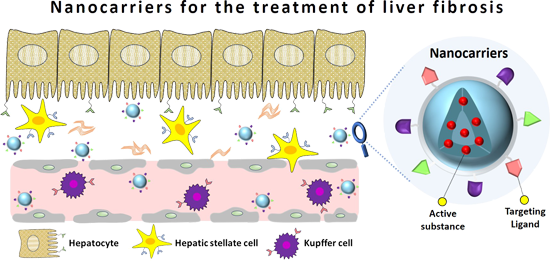
- , liver-targeted nanocarriers are needed to increase the drug concentration in the liver with minimum off-target effects. For this purpose, both passive and active targeting strategies of nanomedicine-based drug deliveries have been studied. Liposomes, micelles, solid lipid NPs, and gold NPs are examples
- hydrophilicity [25]. For instance, the passive liver targeting strategy highly depends on the size of nanocarriers as the endothelial fenestrations of liver sinusoids span approximately 50–200 nm in diameter (Figure 2a). In their study, Hirn and co-workers revealed that 50% of small gold NPs (around 1.4 nm) were
- accumulated in the liver after systemic administration. As the size was increased into 200 nm, the fraction of gold NPs accumulated in the liver was further increased to 99% [26]. The fact that around 80–90% of all macrophage population resides in the liver also contributes to the passive accumulation of NPs


Unveiling the potential of alginate-based nanomaterials in sensing technology and smart delivery applications
Beilstein J. Nanotechnol. 2024, 15, 1077–1104, doi:10.3762/bjnano.15.88

- , leading to superior functionality and enhanced metal sensing capabilities [111]. He et al. developed fluorescent fibers from alginate reinforced with gold (Au) nanoclusters by using a wet-spinning technique [112]. The fluorescent fibers exhibited good selectivity and sensitivity towards Cu2+ and Hg2
- detecting H2O2. The researchers obtained broad linearity between 5 and 1000 M H2O2, a low limit of detection (LOD) of 1.0 M, good accuracy (3.5%), recovery (95–105%), and high selectivity. Gold nanoparticles loaded on a hydrogel based on alginate (Alg) and poly(3,4-ethylenedioxythiophene) showed excellent


Effect of wavelength and liquid on formation of Ag, Au, Ag/Au nanoparticles via picosecond laser ablation and SERS-based detection of DMMP
Beilstein J. Nanotechnol. 2024, 15, 1054–1069, doi:10.3762/bjnano.15.86

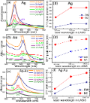
- Abstract The present study investigates the effects of input wavelength (1064, 532, and 355 nm) and surrounding liquid environment (distilled water and aqueous NaCl solution) on the picosecond laser ablation on silver (Ag), gold (Au), and Ag/Au alloy targets. The efficacy of the laser ablation technique
- investigated the impact of 355, 532, and 1064 nm wavelengths on picosecond laser ablation of silver, gold, and silver/gold alloy samples within two distinct liquid media: distilled water (DW) and aqueous NaCl solution. Significant variations in the productivity and size of NPs were observed across different
- . Stability tests revealed that NPs in the electrolyte (NaCl) solution displayed a quicker decline in SERS signal than those obtained in DW, despite satisfactory initial signal strengths. However, gold NPs in DW demonstrated optimal long-term stability, maintaining uniform SERS intensities over 60 days


Bolometric IR photoresponse based on a 3D micro-nano integrated CNT architecture
Beilstein J. Nanotechnol. 2024, 15, 1030–1040, doi:10.3762/bjnano.15.84
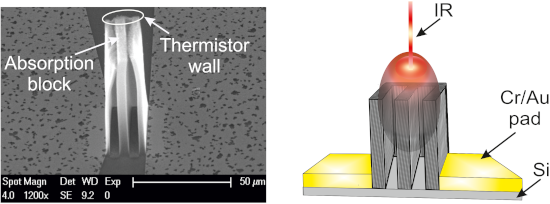
- 1) or by the use of gold whiskers for direct electrical contact (configuration 2, called sample 2). Sample 1 in a shows a bolometer configuration with lateral contact pads for micro-nano integration with potential for high integration densities. However, the initial devices in this configuration 1
- hot plate as well as the modulated laser beam [18]. Both configurations, with metal contact pads (sample 1) and direct gold whisker contacts (sample 2), were characterized. The resulting I–V curves and the device resistance as a function of the temperature are shown in Figure 5 and Figure 6
- contact pads and (b) sample 2 with direct contacts using gold whiskers with a diameter of 20 μm. (c) Responsivity measurement setup using a preamplifier and (d) responsivity as well as noise measurement setup using a lock-in amplifier. Panels (a) and (b) do not represent the real dimensional relationships


Atomistic insights into the morphological dynamics of gold and platinum nanoparticles: MD simulations in vacuum and aqueous media
Beilstein J. Nanotechnol. 2024, 15, 995–1009, doi:10.3762/bjnano.15.81
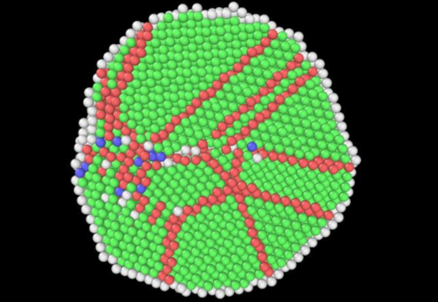
- Evangelos Voyiatzis Eugenia Valsami-Jones Antreas Afantitis NovaMechanics Ltd., Nicosia 1070, Cyprus School of Geography, Earth and Environmental Sciences, University of Birmingham, Birmingham B15 2TT, United Kingdom 10.3762/bjnano.15.81 Abstract The thermal response of gold and platinum
- possess a higher level of crystallinity than the gold counterparts under the same conditions because of the stronger cohesive forces that drive the crystallization process. This observation is also supported by the simulated X-ray powder diffraction patterns of the nanomaterials. The larger NPs have a
- employed to study other metallic and metal oxide nanomaterials. Keywords: crystallization; gold; molecular dynamics; nanoparticles; platinum; Introduction Nanomaterials, that is, materials with dimensions in the range of 1–100 nm [1][2], are central to a variety of developments in science and technology


Recent progress on field-effect transistor-based biosensors: device perspective
Beilstein J. Nanotechnol. 2024, 15, 977–994, doi:10.3762/bjnano.15.80
- measurements of interfacial potential by means of the extended-gate structure combined with ferrocenyl–alkanethiol-modified gold electrodes [110]. This structure uses reusable back-end detection parts and disposable front-end biosensing chip parts. A quasi-reference electrode is made using Ag/AgCl. The front
- -end biosensing parts are made using gold electrode material and manufactured by a lithography process, liftoff technique, and metal evaporation process. It has been indicated that the proposed EG FET-based biosensors exhibit super selectivity and high sensitivity for a reliable detection of uric acid
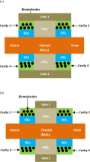
- bilayer of gold and TiO2 was used for the drain and source electrodes [112]. The body channel length is equal to 1 µm, and the cavity region thickness varied from 5 to 10 nm. It was demonstrated that BE TC OTFT is four times more sensitive compared to the metal-trench dielectric-modulated organic tunnel




Water-assisted purification during electron beam-induced deposition of platinum and gold
Beilstein J. Nanotechnol. 2024, 15, 884–896, doi:10.3762/bjnano.15.73
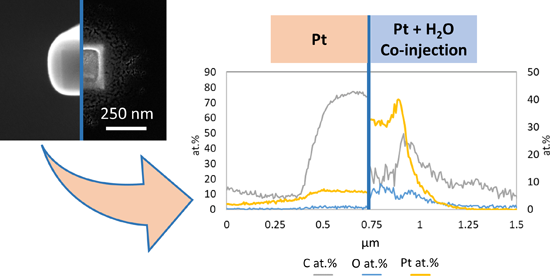
- beam-induced deposition (FEBID). It was recently achieved for gold deposits by the co-injection of a water precursor and the gold precursor Au(tfac)Me2. In this work results are reported, using the same approach, on a different gold precursor, Au(acac)Me2, as well as the frequently used platinum
- precursor MeCpPtMe3. As a water precursor MgSO4·7H2O was used. The purification during deposition led to a decrease of the carbon-to-gold ratio (in atom %) from 2.8 to 0.5 and a decrease of the carbon-to-platinum ratio (in atom %) from 6–7 to 0.2. The purification was done in a regular scanning electron
- microscope using commercially available components and chemicals, which paves the way for a broader application of direct etching-assisted FEBID to obtain pure metallic structures. Keywords: FEBID; gold; nanofabrication; platinum; purification; Introduction Focused electron beam-induced deposition (FEBID