Search results
Search for "mechanical" in Full Text gives 1136 result(s) in Beilstein Journal of Nanotechnology. Showing first 200.
Electronic and optical properties of chloropicrin adsorbed ZnS nanotubes: first principle analysis
Beilstein J. Nanotechnol. 2025, 16, 1184–1196, doi:10.3762/bjnano.16.87
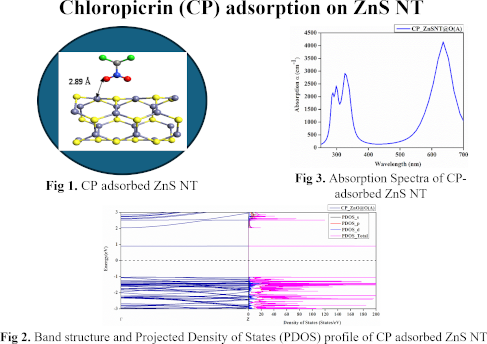
- , which can be tailored through rational design. By precisely controlling their size, shape, synthesis conditions, and functionalization, nanomaterials can achieve extraordinary magnetic, electrical, optical, mechanical, sensing, anticancer, and photocatalytic properties that significantly differ from


Mechanical stability of individual bacterial cells under different osmotic pressure conditions: a nanoindentation study of Pseudomonas aeruginosa
Beilstein J. Nanotechnol. 2025, 16, 1171–1183, doi:10.3762/bjnano.16.86
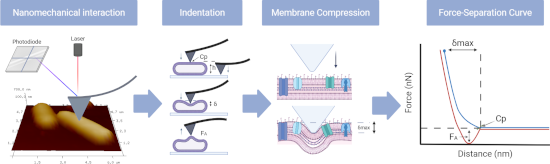
- , S.L.P. México 10.3762/bjnano.16.86 Abstract Nanomechanical maps to test the mechanical response of the outer envelope of Pseudomonas aeruginosa were obtained utilizing atomic force microscopy in force–volume mode in the low range of loading forces when exposed to hypotonic (Milli-Q water), isotonic
- (PBS), and hypertonic (0.5 M NaCl) solutions. Imaging and mechanical testing showed that bacteria are highly resilient to deformation and can withstand repetitive indentations in the range of 500 pN. Analysis of force spectra revealed that although there are differences in the mechanical response
- from hypotonic to hypertonic solutions suggest a softening of the outer envelope, which we associate with intense dehydration and membrane separation between inner and outer envelopes. Application of a contact mechanics model to account for the minute differences in mechanical behavior upon deformation


Influence of ion beam current on the structural, optical, and mechanical properties of TiO2 coatings: ion beam-assisted vs conventional electron beam evaporation
Beilstein J. Nanotechnol. 2025, 16, 1097–1112, doi:10.3762/bjnano.16.81
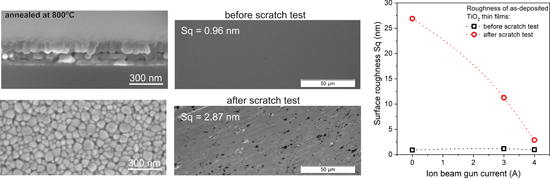
- , adhesive, and durable TiO2 coatings with improved optical and mechanical properties, suitable for applications requiring enhanced wear resistance. Keywords: electron beam evaporation; ion beam-assisted deposition; mechanical properties; nanocrystalline anatase; optical properties; TiO2 coatings
- -assisted deposition (IBAD), which is the bombardment of a thin film with a beam of energetic particles during deposition, is an excellent technique for modifying the microstructure and optical, mechanical, and tribological properties of thin film coatings [8][9][10][11]. This energetic process offers many
- wavelength range of 250–1000 nm. As in our previous work [25], nanoindentation and wear resistance tests were used to determine the mechanical and tribological properties of the prepared coatings. The hardness of the prepared coatings was determined by nanoindentation using a CSM Instruments nanoindenter




Piezoelectricity of hexagonal boron nitrides improves bone tissue generation as tested on osteoblasts
Beilstein J. Nanotechnol. 2025, 16, 1068–1081, doi:10.3762/bjnano.16.78
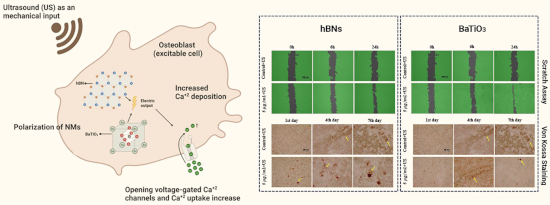
- process involving osteoblastic replacement and resorption by osteoclastic cells to maintain structural integrity and mechanical properties of the bone tissue as it grows. However, in cases of fracture or degeneration, the natural self-regeneration process or inherent piezoelectricity of the body may not
- structural changes [2]. Bone has an intrinsic regenerative capacity, enabling new bone formation after injury through the piezoelectric properties of its natural collagen structure. The piezoelectricity of bone tissue facilitates regeneration by converting mechanical stimuli into electrical signals. This
- stimulate electrically excitable cells without requiring an external power source, making them highly attractive for biomedical applications such as treating cardiac arrhythmias and promoting bone regeneration [17][18]. Mechanical stimulation, notably ultrasound (US), can induce a piezoelectric response in


Soft materials nanoarchitectonics: liquid crystals, polymers, gels, biomaterials, and others
Beilstein J. Nanotechnol. 2025, 16, 1025–1067, doi:10.3762/bjnano.16.77
- as new organic solid electrolyte materials. However, their practical application remains elusive due to insufficient mechanical strength and ionic conductivity. Yoshizawa-Fujita and colleagues introduced a lithium salt, lithium bis(fluorosulfonyl)amide, and an inorganic solid electrolyte
- , Li7La3Zr2O12 (LLZO), into the organic ionic plastic crystal N,N-diethylpyrrolidinium bis(fluorosulfonyl)amide [249]. The fabricated organic–inorganic hybrid solid electrolyte underwent a series of evaluations, including thermal, mechanical, and electrochemical analyses, with the objective of elucidating the
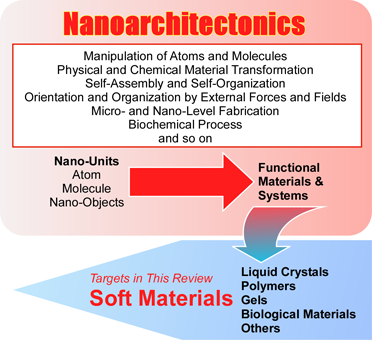
- crystals can serve as valuable design platforms for soft materials nanoarchitectonics. Polymer nanoarchitectonics Polymers exhibit a range of mechanical properties, including those that render them malleable and pliant, thus making them suitable for utilization as soft materials. Moreover, there is a






Multifunctional properties of bio-poly(butylene succinate) reinforced with multiwalled carbon nanotubes
Beilstein J. Nanotechnol. 2025, 16, 1014–1024, doi:10.3762/bjnano.16.76
- Volodymyr Krasinskyi Krzysztof Bajer Ludmila Dulebova Nickolas Polychronopoulos Oksana Krasinska Daniel Kaczor Łukasiewicz Research Network – Institute of Polymer Materials, 55 M. Skłodowska-Curie St., 87-100 Toruń, Poland Faculty of Mechanical Engineering, Technical University of Košice
- , Masiarska 74 St., 04001 Košice, Slovakia Department of Mechanical Engineering, University of West Attica, 250 Thivon & P. Ralli, Egaleo 12241, Athens, Greece 10.3762/bjnano.16.76 Abstract Recent advances in nanocomposite technology, particularly the incorporation of carbon nanotubes, have shown promise in
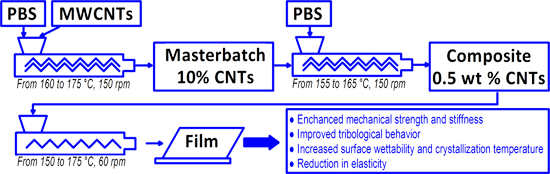
- mechanical strength and stiffness, improved the tribological properties by reducing friction, and increased the crystallization temperature. However, it also resulted in a decrease in elasticity. Morphological analysis confirmed the uniform dispersion of the nanotubes. These findings underscore the potential



Time-resolved probing of laser-induced nanostructuring processes in liquids
Beilstein J. Nanotechnol. 2025, 16, 968–1002, doi:10.3762/bjnano.16.74
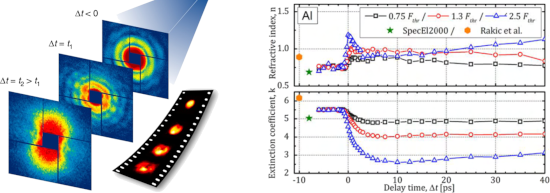
- within a liquid environment. Potential applications of UED include investigating the non-thermal heating of water molecules surrounding NPs, which occurs on femtosecond to picosecond timescales, as well as examining the response of the water environment to heat transfer and the mechanical work performed


Shape, membrane morphology, and morphodynamic response of metabolically active human mitochondria revealed by scanning ion conductance microscopy
Beilstein J. Nanotechnol. 2025, 16, 951–967, doi:10.3762/bjnano.16.73
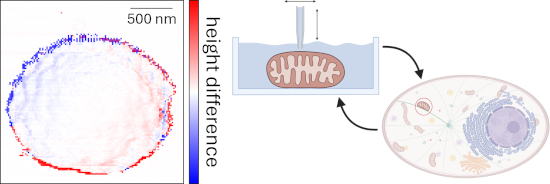
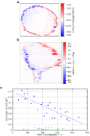
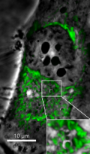
- artefacts such as (mechanical) hysteresis effects caused by the elastic behaviour of the measuring tip or the mechanical components of the SPM setup, as well as repeated displacements of the object during the scan of each line. Drift phenomena are considerable, too, which are primarily caused by the lateral
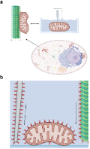
- isolated mitochondria. Remarkably, the geometric and mechanical properties of microtubules are comparable to those of the nanopipette. Microtubules are hollow structures with an opening diameter of 18 nm and a total diameter of 25–30 nm [42][43]. Their pushing force, in the range of 3–4 pN [44], is similar
- to the hydrodynamic forces exerted by the nanopipette. Beyond mechanical similarities, microtubules and the nanopipette also share key “biophysical” properties. Both surfaces are strongly negatively charged, with ζ-potentials ranging from −30 to −60 mV [45]. Therefore, both exhibit a laterally mobile



Synthesis of biowaste-derived carbon-dot-mediated silver nanoparticles and the evaluation of electrochemical properties for supercapacitor electrodes
Beilstein J. Nanotechnol. 2025, 16, 933–943, doi:10.3762/bjnano.16.71
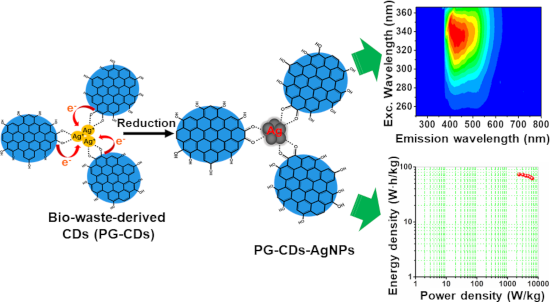
- retention of the device improved over the first 4000 cycles as the electrolyte ions gradually permeated the electrode pores, activating both the anode and cathode materials. A slight decline in the capacitance retention was primarily attributed to the progressive mechanical deformation of the electrode


Structural and magnetic properties of microwave-synthesized reduced graphene oxide/VO2/Fe2O3 nanocomposite
Beilstein J. Nanotechnol. 2025, 16, 921–932, doi:10.3762/bjnano.16.70
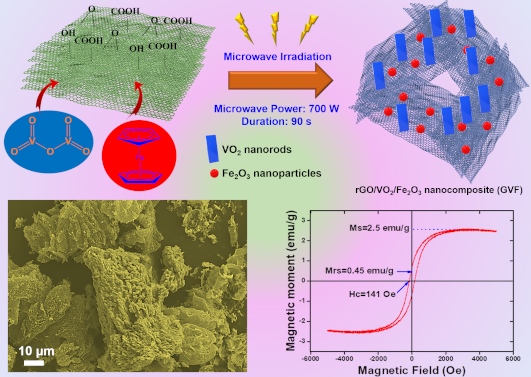
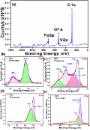
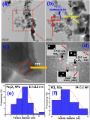
- in a honeycomb fashion enabled this special class of materials to exhibit desirable characteristics, such as enhanced electrical conductivity, higher mechanical strength, elevated surface area, and high thermal and chemical stability. Owing to such improved characteristics, graphene materials



Focused ion beam-induced platinum deposition with a low-temperature cesium ion source
Beilstein J. Nanotechnol. 2025, 16, 910–920, doi:10.3762/bjnano.16.69
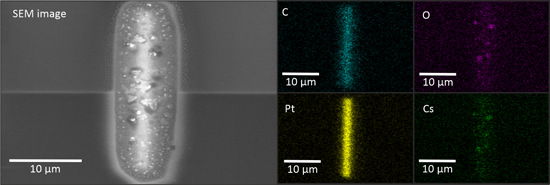
- magnetic or superconductive structures can be created [1][2][3][4]. Also, specific mechanical structures on atomic force microscopy (AFM) cantilevers can be made [5][6]. In the literature, four mechanisms are used to explain the complex process of focused ion beam-induced deposition (FIBID) [5][7]; the


Facile one-step radio frequency magnetron sputtering of Ni/NiO on stainless steel for an efficient electrode for hydrogen evolution reaction
Beilstein J. Nanotechnol. 2025, 16, 837–846, doi:10.3762/bjnano.16.63
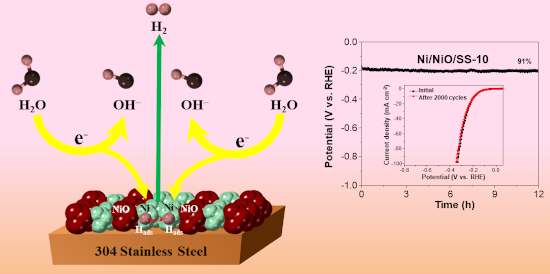
- substrates such as nickel foam (NF), carbon cloth, and fluorine-doped tin oxide [27][28][29]. Also, SS displays high electrical conductivity, outstanding chemical stability, and good mechanical properties. Therefore, numerous researchers have used SS as a template to deposit nanomaterials using various


Synthesis and magnetic transitions of rare-earth-free Fe–Mn–Ni–Si-based compositionally complex alloys at bulk and nanoscale
Beilstein J. Nanotechnol. 2025, 16, 823–836, doi:10.3762/bjnano.16.62
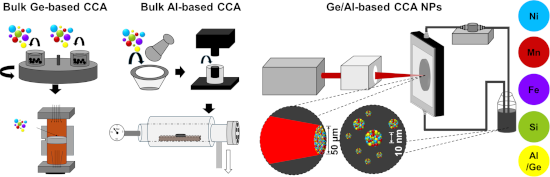
- fluctuations or trigger mechanical responses, making them essential in automation, industrial processes, and healthcare monitoring technologies. Considerable research has been dedicated to tailoring the Curie temperature and associated magnetic properties through material design. Advances in composition


Supramolecular hydration structure of graphene-based hydrogels: density functional theory, green chemistry and interface application
Beilstein J. Nanotechnol. 2025, 16, 806–822, doi:10.3762/bjnano.16.61
- Laboratory for Computational Physics, Institute for Computational Science and Artificial Intelligence, Van Lang University, Ho Chi Minh City, 700000, Vietnam Faculty of Mechanical – Electrical and Computer Engineering, School of Technology, Van Lang University, Ho Chi Minh City, 700000, Vietnam School of
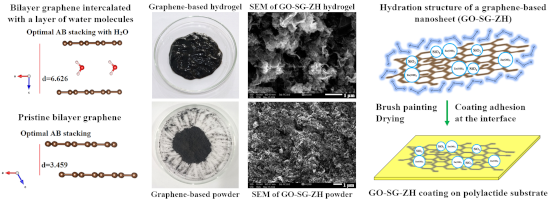
- theory modeling (DFT) and dispersion energy correction functional (DFT-D3). The theoretical work aimed to elucidate the relationship between water intercalation and intersheet binding energy in quantum mechanical level. The computational calculations quantified intersheet distance, van der Waals force
- , leading to facile brush coating on plastic films of polylactide (PLA). Dehydrated GO-SG-ZH coating is adhered to the PLA substrate through interfacial interactions. Furthermore, antibacterial activities, coating stability, and mechanical properties of the nanocomposite materials were investigated and


Morphology and properties of pyrite nanoparticles obtained by pulsed laser ablation in liquid and thin films for photodetection
Beilstein J. Nanotechnol. 2025, 16, 785–805, doi:10.3762/bjnano.16.60
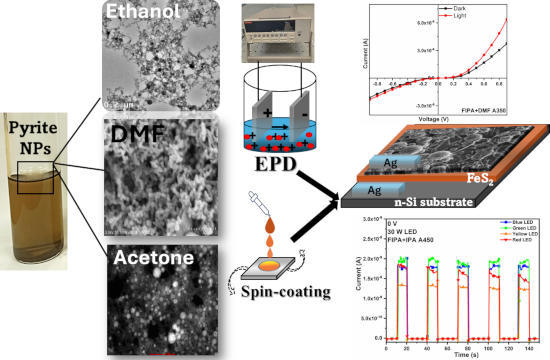
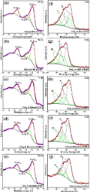
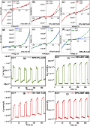
- films. The conventional methods reported for the synthesis of pyrite NPs include chemical methods using stabilizing agents [4], high-energy mechanical ball milling [6][7], colloidal pyrite by wet solution/phased chemical approaches [8][9], and hot injection [10][11]. In this study, PLAL was employed to






Thickness dependent oxidation in CrCl3: a scanning X-ray photoemission and Kelvin probe microscopies study
Beilstein J. Nanotechnol. 2025, 16, 749–761, doi:10.3762/bjnano.16.58
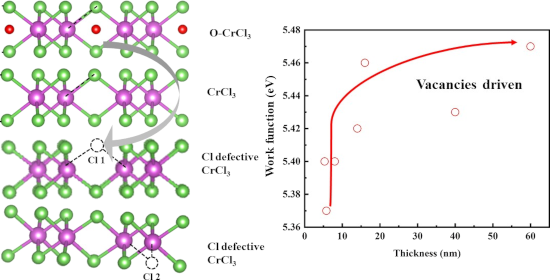
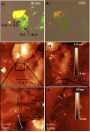
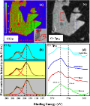
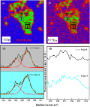
- oxidation or the introduction of surface vacancies, a novel and versatile approach is unveiled for the development of low-dimensional multifunctional nanodevices. Keywords: chemical mapping; CrX3; Kelvin probe force microscopy; mechanical exfoliation; scanning photoelectron microscopy (SPEM); two





Synthesis of a multicomponent cellulose-based adsorbent for tetracycline removal from aquaculture water
Beilstein J. Nanotechnol. 2025, 16, 728–739, doi:10.3762/bjnano.16.56
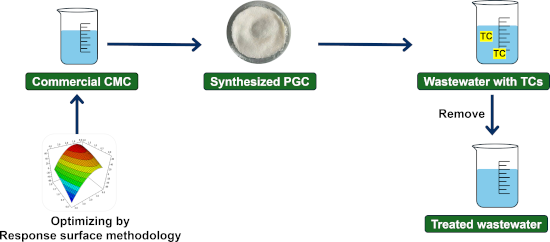
- (–CH2COOH) groups. The introduction of carboxymethyl groups greatly enhances the water solubility of CMC relative to that of cellulose. CMC, recognized as one of the most promising cellulose derivatives, was first synthesized in 1918 [18]. Owing to its unique surface properties, high mechanical strength
- monoaldehydes (e.g., formaldehyde) and other dialdehydes (C2 to C6) [37]. GA and PVA have been used as cross-linking agents in CMC-based materials to enhance selectivity, stability, and mechanical properties [38]. This method is both cost-effective and highly efficient in strengthening materials while improving
- their mechanical strength and hydrophobicity. Recent studies have revealed that inorganic salt mixtures, such as zinc chloride and calcium chloride, effectively dissolve cellulose, facilitating the fabrication of cellulose membranes for gas separation and organic pollutant removal [38][39]. Specifically


Efficiency of single-pulse laser fragmentation of organic nutraceutical dispersions in a circular jet flow-through reactor
Beilstein J. Nanotechnol. 2025, 16, 711–727, doi:10.3762/bjnano.16.55
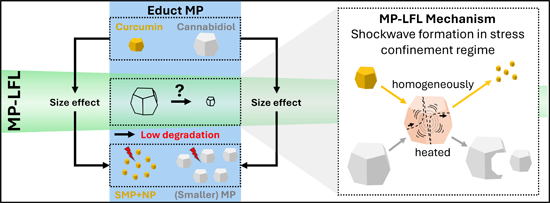
- formation of thermoelastic stress and finally to the formation of shock waves, promoting mechanical fragmentation. For curcumin, the mean optical penetration depth is 32 µm (dopt, 1 µm = 39 µm, dopt, 10 µm = 27 µm), and for CBD, the mean optical penetration depth is 170 µm. The mean absorption coefficients


High-temperature epitaxial growth of tantalum nitride thin films on MgO: structural evolution and potential for SQUID applications
Beilstein J. Nanotechnol. 2025, 16, 690–699, doi:10.3762/bjnano.16.53
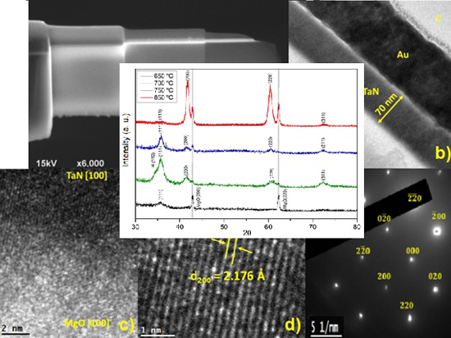
- superconducting films. Keywords: epitaxial growth; SQUID; structural evolution; superconductivity; TaN thin films; Introduction Superconductivity is a quantum mechanical phenomenon characterized by the complete absence of electrical resistance in certain materials when cooled below a critical superconducting


The impact of tris(pentafluorophenyl)borane hole transport layer doping on interfacial charge extraction and recombination
Beilstein J. Nanotechnol. 2025, 16, 678–689, doi:10.3762/bjnano.16.52
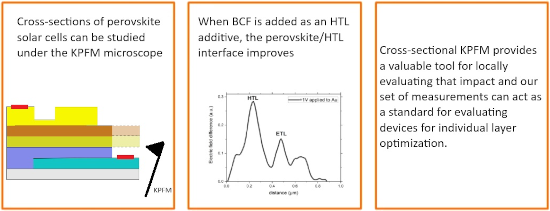
- )amine] (PTAA) [24]. These compounds exhibit favorable solubility, reasonable energetic alignment with most perovskites, and an amorphous nature. The main issues that arise from their usage involve poor conductivity and mechanical stability [25], the existence of pinholes, and a poor adhesion with the
- , we employed heterodyne-KPFM [55], whereby we mechanically excited the cantilever at its first resonant frequency, f1, and electrically excited at a frequency of (f2–f1), where f2 is the second resonant frequency [56]. Frequency mixing between the mechanical vibration at f1 and the electrostatic force


Colloidal few layered graphene–tannic acid preserves the biocompatibility of periodontal ligament cells
Beilstein J. Nanotechnol. 2025, 16, 664–677, doi:10.3762/bjnano.16.51
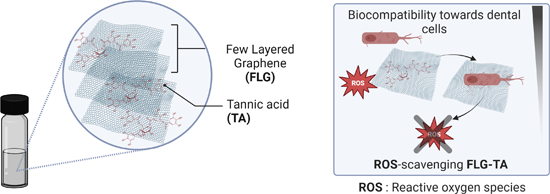
- . In this context, the incorporation of graphene-based materials into dental biomaterials could offer advantages such as increased mechanical strength. Nevertheless, biocompatibility issues still hinder their adoption. In this study, a biocomposite of few-layered graphene and tannic acid (FLG–TA) was
- transformative approach to enhance their efficacy [2]. Actually, incorporating nanomaterials into dental biomaterials has already offered advantages like enhanced tissue regeneration, increased mechanical strength of composites, and improved sealing of filler materials [3]. Graphene-based materials (GBMs) stand
- out for their potential in dentistry due to their high specific surface area, mechanical strength and adaptability for biological and chemical modifications [4][5]. For instance, a previous study demonstrated that incorporating 2% (w/w) graphene oxide into a resin-modified glass ionomer cement




Nanoscale capacitance spectroscopy based on multifrequency electrostatic force microscopy
Beilstein J. Nanotechnol. 2025, 16, 637–651, doi:10.3762/bjnano.16.49

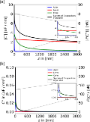
- frequency mixing between C′(t) and the electrostatic excitation leads to sidebands at frequencies ωSB,1 = (ωm ± ωAC) and ωSB,2 = (ωm ± 2ωAC) besides the mechanical oscillation at ωm[18]. The amplitude of the first harmonic frequency components is used in conventional amplitude modulation (AM) and sideband
- identical to Equation 3, Equation 10 contains a term proportional to C′ at frequency 2ωmod = Δωe. This force has been used for AM-based dielectric spectroscopy [63][69][74][84][85][86][87][88]. The second term, Equation 11, contains a force component at the mechanical drive frequency ωm and at a sideband
- in the case of conventional EFM, signal-to-noise is greatly improved by choosing Δωe such that one of the induced sidebands falls on one of the cantilever’s mechanical resonances. We call this method multifrequency heterodyne electrostatic force microscopy (MFH-EFM). To calculate the second




Focused ion and electron beams for synthesis and characterization of nanomaterials
Beilstein J. Nanotechnol. 2025, 16, 613–616, doi:10.3762/bjnano.16.47

- tailored 3D architectures [4]. Focused beams not only allow the characterization of atomic structures but also enable precise local modification of material properties through ion milling and the creation of novel structures with tunable mechanical, electrical, and magnetic properties using gas-assisted

Polyurethane/silk fibroin-based electrospun membranes for wound healing and skin substitute applications
Beilstein J. Nanotechnol. 2025, 16, 591–612, doi:10.3762/bjnano.16.46
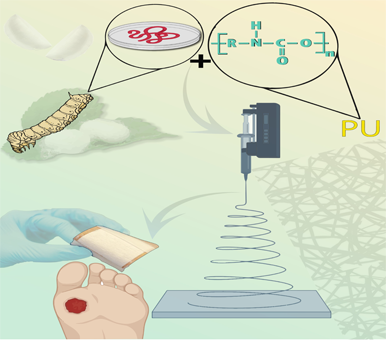
- , produced by silkworms, beetles, mites, and spiders [14]. Silk is an FDA-approved biomaterial for medical applications [15]. SF has distinctive physical, chemical, and mechanical properties [16]. Its characteristics, including biocompatibility, biodegradability, elasticity, solubility in water, and ease of
- transport and gas exchange, which supports tissue regeneration and cell proliferation [22]. Furthermore, they have mechanical qualities that are similar to those of natural tissues, promoting and protecting the healing process [23]. Review Wound healing and skin regeneration The skin is a vital, protective
- electrospun silk/PU composites, which hold remarkable potential due to the biocompatibility of silk and the mechanical characteristics of PU. Silk The silk from the silkworm Bombyx mori (also known as mulberry silk) is the most widely characterized and has been used in biomedical applications for centuries



Feasibility analysis of carbon nanofiber synthesis and morphology control using a LPG premixed flame
Beilstein J. Nanotechnol. 2025, 16, 581–590, doi:10.3762/bjnano.16.45
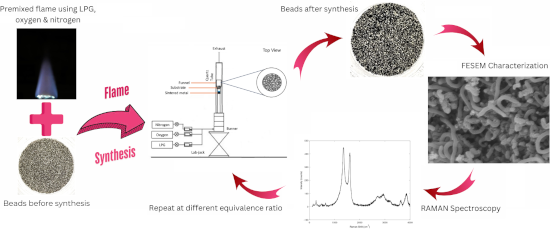
- Iftikhar Rahman Bishal Muhammad Hilmi Ibrahim Norikhwan Hamzah Mohd Zamri Mohd Yusop Faizuan Bin Abdullah I Putu Tedy Indrayana Mohd Fairus Mohd Yasin Department of Thermo-Fluids, Faculty of Mechanical Engineering, Universiti Teknologi Malaysia, 81310 Johor Bahru, Malaysia High Speed Reacting Flow