Search results
Search for "monolayer" in Full Text gives 503 result(s) in Beilstein Journal of Nanotechnology. Showing first 200.
Tunable high-quality-factor absorption in a graphene monolayer based on quasi-bound states in the continuum
Beilstein J. Nanotechnol. 2022, 13, 675–681, doi:10.3762/bjnano.13.59
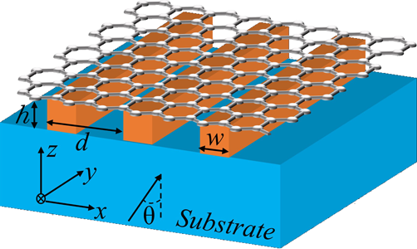
- /bjnano.13.59 Abstract A tunable graphene absorber, composed of a graphene monolayer and a substrate spaced by a subwavelength dielectric grating, is proposed and investigated. Strong light absorption in the graphene monolayer is achieved due to the formation of embedded optical quasi-bound states in the
- makes the fabrication quite difficult. In this paper, motivated by the investigation in [28], a tunable graphene absorber, which consists of a graphene monolayer on a dielectric grating backed with a substrate, is designed and investigated. The paper is arranged as follows: First, we present the
- . A graphene monolayer is placed on a one-dimensional dielectric grating, under which a dielectric substrate is used to support the device. The dielectric grating is defined by the period d, the width w, and the thickness h. The refractive indices of grating and substrate are nh and ns, respectively


Reliable fabrication of transparent conducting films by cascade centrifugation and Langmuir–Blodgett deposition of electrochemically exfoliated graphene
Beilstein J. Nanotechnol. 2022, 13, 666–674, doi:10.3762/bjnano.13.58
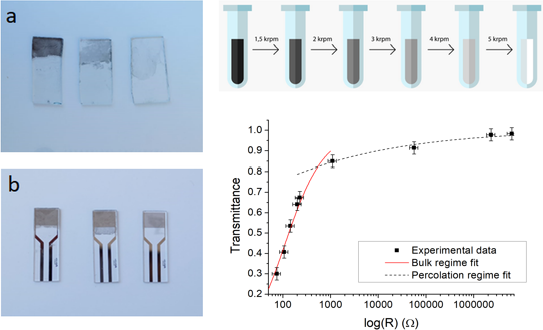
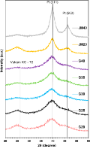
- (DMEU), and ortho-dichlorobenzene (o-DCB) [12][17][18]. Exfoliation in NMP has led to minimally oxidized graphene sheets with approximately 28% monolayer flakes, and more than 75% of sheets with a thickness of less than six layers [12]. An alternative to LPE that has subsequently been developed is


Revealing local structural properties of an atomically thin MoSe2 surface using optical microscopy
Beilstein J. Nanotechnol. 2022, 13, 572–581, doi:10.3762/bjnano.13.49
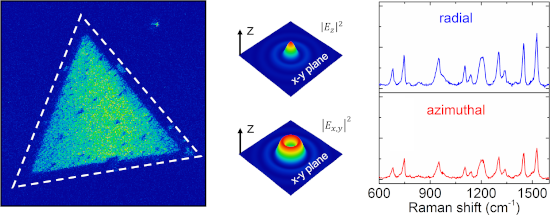
- addition, point defect-induced trions in monolayer WS2 on a nonconducting substrate can be visualized via photoluminescence in order to precisely explore the exciton binding energy [15]. The optical properties of edges and grain boundaries in 2D-TMDC materials have also been characterized by
- photoluminescence spectroscopy. Owing to the larger population of charge carriers, the photoluminescence from these structural defects of monolayer WS2 originates from the biexcitons under high-power excitation [16]. Interestingly, tilt boundaries in monolayer MoS2 induce strong photoluminescence enhancement and
- slightly decrease the in-plane electrical conductivity, whereas mirror twin boundaries lead to photoluminescence quenching and increase the conductivity [17]. Tip-enhanced Raman spectroscopy has been successfully used to visualize the point defect-related Raman vibrational modes in monolayer WS2 and edge


Effects of substrate stiffness on the viscoelasticity and migration of prostate cancer cells examined by atomic force microscopy
Beilstein J. Nanotechnol. 2022, 13, 560–569, doi:10.3762/bjnano.13.47
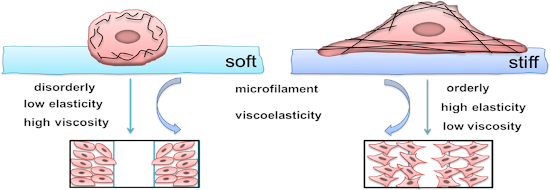
- cell migration, cells were cultured on PAA gels with different stiffness for 48 h, removed by trypsinization, and seeded at a density of 2 × 10⁶ cells/mL in six-well plates to a confluent monolayer. A 10 µL pipet tip was used to scrape the cell monolayer in a straight line to create an empty gap. The



Ethosomal (−)-epigallocatechin-3-gallate as a novel approach to enhance antioxidant, anti-collagenase and anti-elastase effects
Beilstein J. Nanotechnol. 2022, 13, 491–502, doi:10.3762/bjnano.13.41
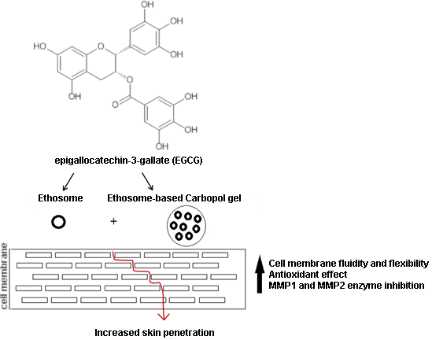
- performed and the amounts of EGCG at the end of 24 hours were found to be 39.1%, 40.3%, and 39.8%, respectively. The lower cell permeation percentages of EGCG compared to that of the in vitro release study can be explained by the limiting aspect of the cell monolayer. ETHs are relatively new vesicular



Zinc oxide nanostructures for fluorescence and Raman signal enhancement: a review
Beilstein J. Nanotechnol. 2022, 13, 472–490, doi:10.3762/bjnano.13.40
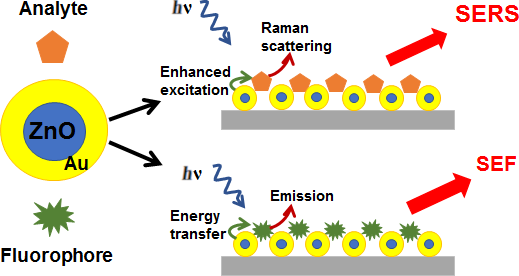
- on the tips of the nanorods by photodeposition or galvanic reduction [47][48]. Another facile method included layer-by-layer self-assembly deposition of chemically synthesized Au NPs, ZnO, and analyte molecules and resulted in dispersedly distributed ZnO particles onto a Au NP monolayer surface [49




Investigation of electron-induced cross-linking of self-assembled monolayers by scanning tunneling microscopy
Beilstein J. Nanotechnol. 2022, 13, 462–471, doi:10.3762/bjnano.13.39
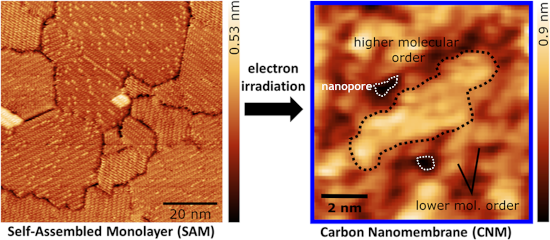
- simulations, we propose that these voids may correspond to free volumes inside a cross-linked monolayer. Keywords: carbon nanomembranes; electron-induced cross-linking; scanning tunneling microscopy; self-assembled monolayers; subnanometer pores; Introduction Electron-induced chemistry plays an essential
- incommensurability between the monolayer and the Au surface. The stripe direction (line C) and the pair stacking direction (line D) are two different symmetry directions. The height profiles of lines A–D in Figure 2b were shown in Supporting Information File 1, Figure S1. The unit cell is described in matrix
- the pristine monolayer. Features similar to dark spots with a diameter of ≈10 Å were observed by Kondoh et al. on the methylthiolate/Au(111) surface after electron irradiation at 4 keV and assigned as sulfur species after cleavage of S–C bonds at the interface [69]. In our case, a higher magnification


Electrostatic pull-in application in flexible devices: A review
Beilstein J. Nanotechnol. 2022, 13, 390–403, doi:10.3762/bjnano.13.32
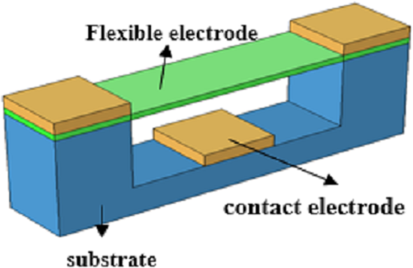
- structure. The bridge monolayer graphene electrode is 20 µm long and 3 µm wide, the electrode gap is 500 nm, and the pull-in voltage is less than 5 V. As the electrode material was polycrystalline graphene, fracture of the GR electrode was observed after 4–5 life cycles, resulting in device failure. In 2018


Micro- and nanotechnology in biomedical engineering for cartilage tissue regeneration in osteoarthritis
Beilstein J. Nanotechnol. 2022, 13, 363–389, doi:10.3762/bjnano.13.31


Systematic studies into uniform synthetic protein nanoparticles
Beilstein J. Nanotechnol. 2022, 13, 274–283, doi:10.3762/bjnano.13.22

- were sputter coated with gold for 40 s using an SPI-Module Carbon/Sputter Coater, which is optimized for monolayer deposition. Typical fields of view (FOV) were 5 μm and pixel sizes were in the range of 2 nm. Collected images were semi-randomized; a random FOV was selected approximately near the center


Impact of device design on the electronic and optoelectronic properties of integrated Ru-terpyridine complexes
Beilstein J. Nanotechnol. 2022, 13, 219–229, doi:10.3762/bjnano.13.16
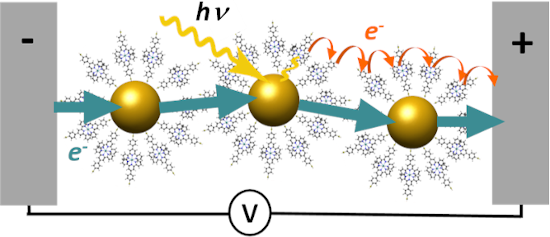
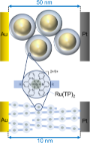
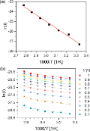
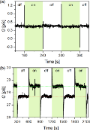
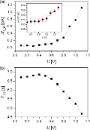
- ). This value is in line with data reported previously by us and described in literature for the switching ratio of Ru(TP)2-based monolayer devices [11][13][15]. Possible origins of this conductance switching in the Ru(MPTP)2–AuNP devices should be discussed. We can completely rule out a bolometric


Thermal oxidation process on Si(113)-(3 × 2) investigated using high-temperature scanning tunneling microscopy
Beilstein J. Nanotechnol. 2022, 13, 172–181, doi:10.3762/bjnano.13.12
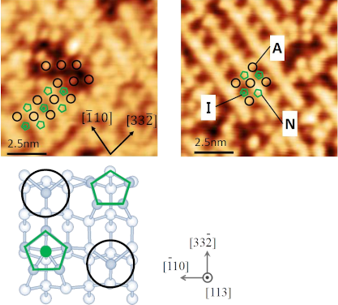
- Institute for Materials Science, 1-1 Namiki, Tsukuba, Ibaraki 305-0044, Japan 10.3762/bjnano.13.12 Abstract Thermal oxidation of Si(113) in a monolayer regime was investigated using high-temperature scanning tunneling microscopy (STM). Dynamic processes during thermal oxidation were examined in three
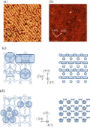
- -flow etching of the monolayer depth occurs just beside the remaining island, as shown by the solid arrow. The island remains at the step edge, as shown in the circle (d). A magnified image of the island in (d) is shown in Figure 4a. The line profile along the cross section A–B is shown in Figure 4b


Theoretical understanding of electronic and mechanical properties of 1T′ transition metal dichalcogenide crystals
Beilstein J. Nanotechnol. 2022, 13, 160–171, doi:10.3762/bjnano.13.11
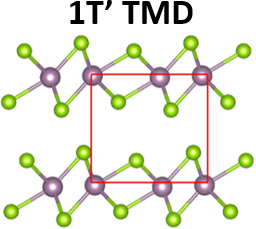
- . Eint was calculated using the following equation: where Ebulk and Emono are the energies of the bulk and monolayer of TMDs, respectively. N is the number of the layers in each unit cell. To understand the bonding strength between TM and X atoms as well as its impact on the cohesive energy of the TMDs
- TMX2 units in each unit cell. All the TM-X bond lengths are identical due to the high symmetry of 2H TMDs. The calculated lattice constants, monolayer thickness, and TM–X bond length of all systems in 1T′ and 2H polytypes are listed in Table 1. The optimized lattice constants and atomic coordinates are
- provided in Supporting Information File 1. The monolayer thickness is defined as the maximum height difference between the X anions in each layer. It reveals that diselenides have larger lattice constants, bond length, and average layer thickness. In comparison, the impact of the TM cation on the



A comprehensive review on electrospun nanohybrid membranes for wastewater treatment
Beilstein J. Nanotechnol. 2022, 13, 137–159, doi:10.3762/bjnano.13.10
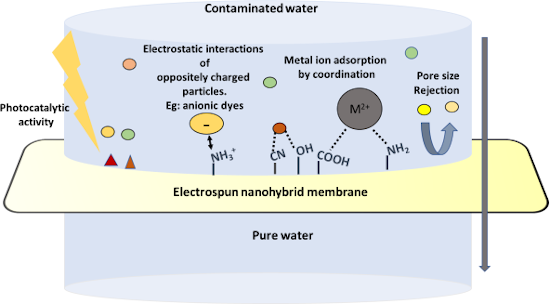
- membrane from PEO and CS with immobilized carbon quantum dots (CQDs) and Fe3O4 for the efficient removal of mercury ions from water [61]. The synergistic effect of nanofibrous polymer material and inorganic nanoparticles resulted in a maximum monolayer adsorption capacity of 148 mg/g. The Hg2+ sorption




A photonic crystal material for the online detection of nonpolar hydrocarbon vapors
Beilstein J. Nanotechnol. 2022, 13, 127–136, doi:10.3762/bjnano.13.9
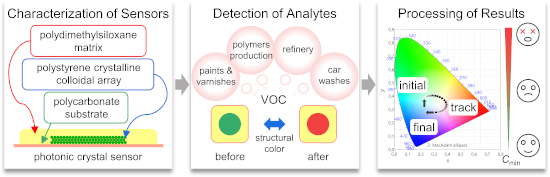
- of a monolayer of spherical particles placed on a substrate. 3D structures, which appear in the form of a crystalline colloidal array (CCA), are called opal structures (spherical particles close-packed in an ordered structure). If the structure has been placed in a matrix and the particles have been


Effect of lubricants on the rotational transmission between solid-state gears
Beilstein J. Nanotechnol. 2022, 13, 54–62, doi:10.3762/bjnano.13.3
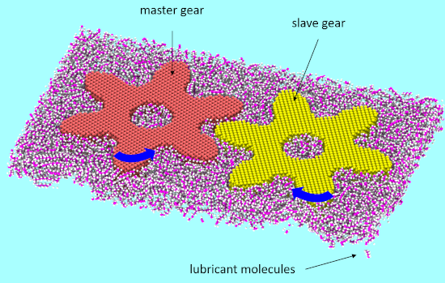
- (green) and benzene/phenantrene (red/yellow). This is because, unlike benzene and phenantrene, hexadecene has sp3 hybridization, which results in a larger monolayer thickness. These important findings imply that lubricants at the nanoscale can be used to synchronize both gears and make the collective


Sputtering onto liquids: a critical review
Beilstein J. Nanotechnol. 2022, 13, 10–53, doi:10.3762/bjnano.13.2







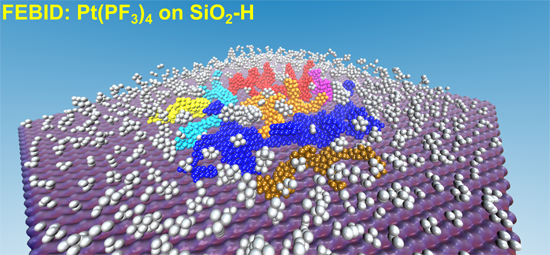
Irradiation-driven molecular dynamics simulation of the FEBID process for Pt(PF3)4
Beilstein J. Nanotechnol. 2021, 12, 1151–1172, doi:10.3762/bjnano.12.86
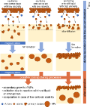
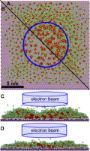
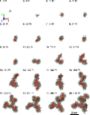
- nanostructures. In contrast to the earlier studies [13][15] we consider the case of low precursor surface coverage (below one monolayer), in which surface diffusion plays an important role in the formation of deposits. In particular, we focus on the atomistic characterization of the initial stage of the FEBID
- chamber. Depending on the experimental conditions (temperature, precursor gas pressure, geometry, and position of the gas inlet), precursor molecules adsorb on the substrate surface and form a thin (from sub-monolayer to several monolayer thickness) film. An explicit evaluation of adsorption and
- moving in space. In this study a sub-monolayer of Pt(PF3)4 with the size of 20 nm × 20 nm is optimized, adsorbed on a SiO2-H substrate and thermalized at 300 K for 0.1 ns using the Langevin thermostat with a damping time of 0.2 ps. The constructed layer consists of approximately 370 molecules that








Molecular assemblies on surfaces: towards physical and electronic decoupling of organic molecules
Beilstein J. Nanotechnol. 2021, 12, 950–956, doi:10.3762/bjnano.12.71

- otherwise only achieved for multilayers on the bare Ni. On hBN/Cu(111), Zimmermann et al. [87] could visualize the molecular orbitals of pyrene derivatives by STM at the submolecular level, while Brülke et al. [88] measured the fluorescence of monolayer perylenetetracarboxylic dianhydride (PTCDA), which is
Effects of temperature and repeat layer spacing on mechanical properties of graphene/polycrystalline copper nanolaminated composites under shear loading
Beilstein J. Nanotechnol. 2021, 12, 863–877, doi:10.3762/bjnano.12.65
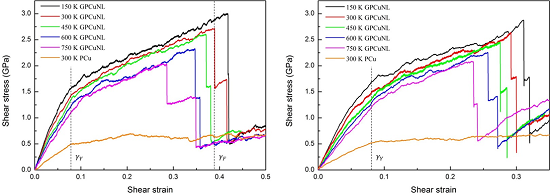
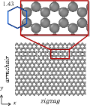
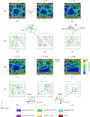
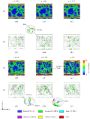
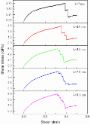
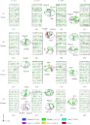
- [001] along the x-, y-, and z-directions, respectively. According to a previous report, the C–C bond length in the graphene monolayer was set to 0.143 nm [34], as shown in Figure 2. The simulations were carried out using the large-scale atomic/molecular mass parallel simulator (LAMMPS), with a time










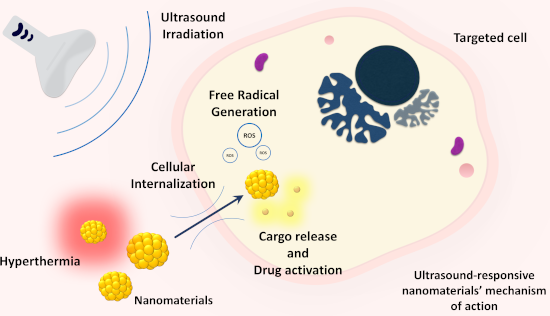
Comprehensive review on ultrasound-responsive theranostic nanomaterials: mechanisms, structures and medical applications
Beilstein J. Nanotechnol. 2021, 12, 808–862, doi:10.3762/bjnano.12.64


Silver nanoparticles induce the cardiomyogenic differentiation of bone marrow derived mesenchymal stem cells via telomere length extension
Beilstein J. Nanotechnol. 2021, 12, 786–797, doi:10.3762/bjnano.12.62
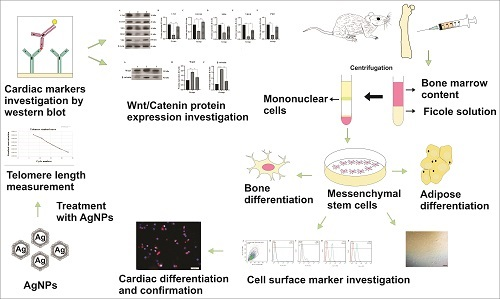
- environment with 5% CO2 to grow the cells in a monolayer. The medium was refreshed every three days in each of the experiments. Treatment of BM-MSCs with Ag-NPs Polyvinylpyrrolidone-coated Ag-NPs were purchased from Iranian nanomaterials pioneers (Mashhad City, Khorasan, Iran). The hydrodynamic diameter of


Prediction of Co and Ru nanocluster morphology on 2D MoS2 from interaction energies
Beilstein J. Nanotechnol. 2021, 12, 704–724, doi:10.3762/bjnano.12.56
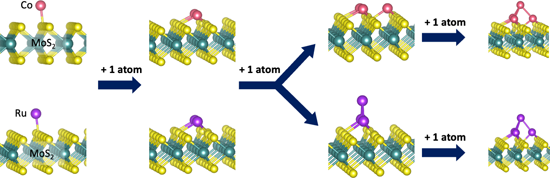
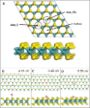
- interaction between metals and the MoS2 monolayer is of great importance when selecting systems for specific applications. In previous studies the focus has been largely on the strength of the interaction between a single atom or a nanoparticle of a range of metals, which has created a significant knowledge
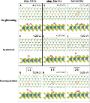
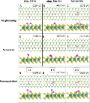
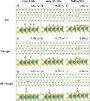
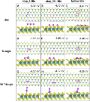
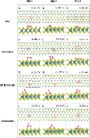
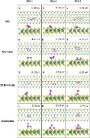
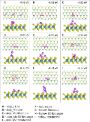
- gap in understanding thin film nucleation on 2D materials. In this paper, we present a density functional theory (DFT) study of the adsorption of small Co and Ru structures, with up to four atoms, on a monolayer of MoS2. We explore how the metal–substrate and metal–metal interactions contribute to the
- insights, there is a knowledge gap in the understanding of metal thin film nucleation on 2D materials [28]. We showed that we can investigate the first stages of thin film nucleation on 2D materials with first principles simulations, using the example of small Cun structures on an MoS2 monolayer (ML). MoS2



A review of defect engineering, ion implantation, and nanofabrication using the helium ion microscope
Beilstein J. Nanotechnol. 2021, 12, 633–664, doi:10.3762/bjnano.12.52
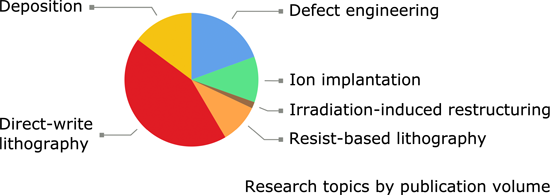
- also be used to tune the local conductivity. A further study demonstrating the importance of factors other than the total dose investigated the effect of the size of the irradiated area [22]. Regions of monolayer graphene (again, supported) were irradiated using pattern shapes of different sizes
- nanoscale regions. Several other studies of selective helium ion-induced conductivity changes in graphene have also been conducted [23] and a theoretical treatment of defect-induced conductivity changes upon helium ion irradiation of free-standing compared to supported monolayer graphene can be found in [24
- formation of extended metallic edge states in the defective lattice was proposed for the pseudometallic regime [26]. Line irradiation with helium ions bisecting a monolayer MoS2 flake has been shown to create a defective channel that can be used to fabricate a 2D memristive device [27]. And in a subsequent


Stability and activity of platinum nanoparticles in the oxygen electroreduction reaction: is size or uniformity of primary importance?
Beilstein J. Nanotechnol. 2021, 12, 593–606, doi:10.3762/bjnano.12.49
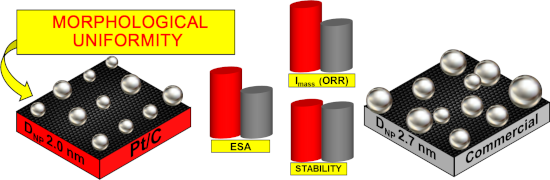
- decrease in all sections of the CVs (Figure 4). The calculation based on the amount of energy consumed for the electrochemical adsorption and desorption of an atomic hydrogen monolayer showed that an increase in the Pt loading in the obtained samples (from 20.4 to 39 wt %) leads to a decrease in the ESA