Search results
Search for "nanomaterial" in Full Text gives 210 result(s) in Beilstein Journal of Nanotechnology. Showing first 200.
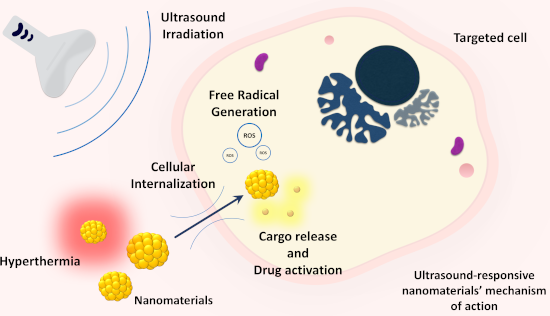
Comprehensive review on ultrasound-responsive theranostic nanomaterials: mechanisms, structures and medical applications
Beilstein J. Nanotechnol. 2021, 12, 808–862, doi:10.3762/bjnano.12.64


Silver nanoparticles induce the cardiomyogenic differentiation of bone marrow derived mesenchymal stem cells via telomere length extension
Beilstein J. Nanotechnol. 2021, 12, 786–797, doi:10.3762/bjnano.12.62
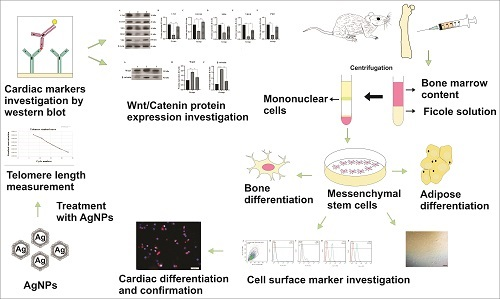
- Nanomaterials) and purchased from Iranian Nanomaterial Pioneers Company. Ag-NPs structure The Ag-NP powder was dispersed in distilled water without adding surfactants. Ag-NPs with a size of 50–80 nm and 99% purity were used (Table 1). The vendor carried out scanning electron microscopy analysis in the Nano


Recent progress in magnetic applications for micro- and nanorobots
Beilstein J. Nanotechnol. 2021, 12, 744–755, doi:10.3762/bjnano.12.58
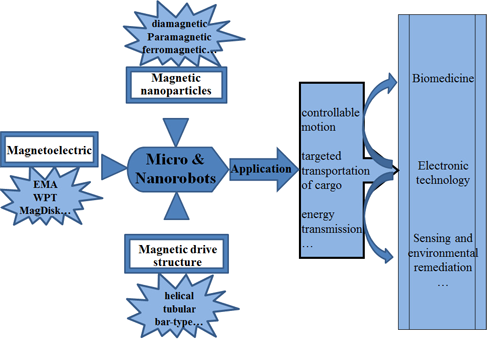
- field of medicine. Zhang et al. [32] used polymer-conjugated magnetic nanoparticles as a MNR to effectively carry nucleic acids in vitro. Their team developed a polyethylenimine-conjugated magnetic nanomaterial. While exhibiting long-term stability, this material can realize redox-activated and magnet


The preparation temperature influences the physicochemical nature and activity of nanoceria
Beilstein J. Nanotechnol. 2021, 12, 525–540, doi:10.3762/bjnano.12.43
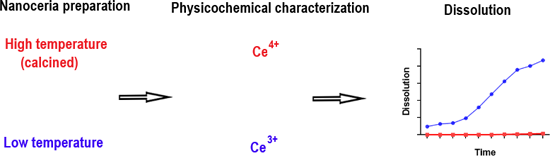
- was selected by the OECD Working Party on Manufactured Nanomaterials as one of 13 representative manufactured nanomaterials for safety testing to create an understanding of the kind of information about intrinsic nanomaterial properties that may be relevant for exposure and effects assessment [3]. A
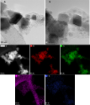


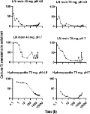


Solution combustion synthesis of a nanometer-scale Co3O4 anode material for Li-ion batteries
Beilstein J. Nanotechnol. 2021, 12, 424–431, doi:10.3762/bjnano.12.34
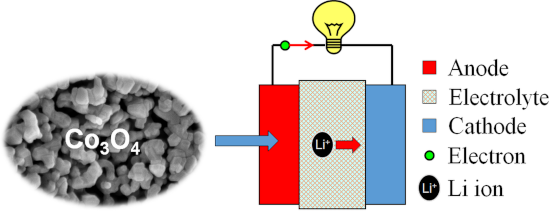
- densities of 100 and 500 mA·g−1, respectively. Moreover, electrochemical measurements indicate that even though the synthesized nanomaterial possesses a low active surface area, it exhibits a relatively high specific capacity measured at 100 mA·g−1 after 100 cycles and a quite good rate capability at
- ]. The second reason is associated with the fact that a lot of dangerous gaseous by-products that contain nitrogen are usually released to the atmosphere during the decomposition of urea. The usage of ᴅ-(+)-glucose as fuel in the SCS allowed us to obtain a Co3O4 nanomaterial with relatively low surface
- nanomaterial possessed a very low surface active area, in comparison with previously reported Co3O4 nanostructures tested as anode materials, it exhibited a relatively high specific capacity of 1060 mA·g−1 measured at 100 mA·g−1 after 100 cycles and a remarkably good cyclability tested at current densities
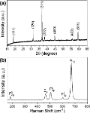
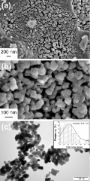


Nickel nanoparticle-decorated reduced graphene oxide/WO3 nanocomposite – a promising candidate for gas sensing
Beilstein J. Nanotechnol. 2021, 12, 343–353, doi:10.3762/bjnano.12.28
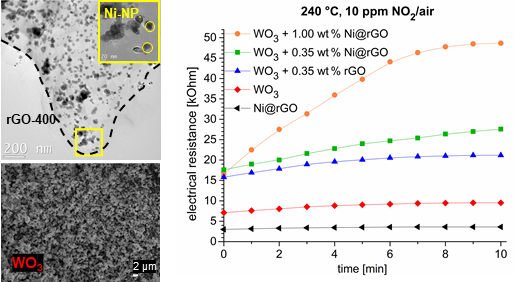
- mbar for several days. Then rGO was dispersed with Ni(COD)2 in [BMIm][NTf2] to gain 0.5 wt % metal nanoparticles and 0.5 wt % rGO. In order to stir the reaction mixture during the microwave decomposition, 0.5 wt % rGO could not be exceeded. The obtained nanomaterial was analyzed using powder X-ray


Intracranial recording in patients with aphasia using nanomaterial-based flexible electronics: promises and challenges
Beilstein J. Nanotechnol. 2021, 12, 330–342, doi:10.3762/bjnano.12.27
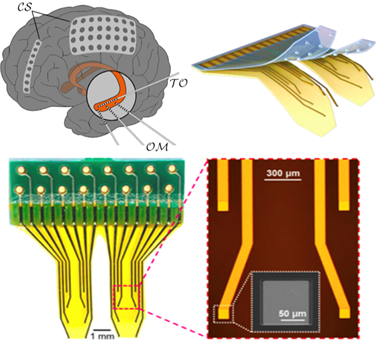
- Qingchun Wang Wai Ting Siok Department of Linguistics, The University of Hong Kong, Hong Kong, China 10.3762/bjnano.12.27 Abstract In recent years, researchers have studied how nanotechnology could enhance neuroimaging techniques. The application of nanomaterial-based flexible electronics has the
- reading processing. We then outline the strengths and weaknesses of iEEG in studying human cognition and the development of intracranial recordings that use brain-compatible flexible electrodes. We close by discussing the potential advantages and challenges of future investigations adopting nanomaterial
- accurate recordings of cortical activity [6]. Preclinical tests using animals (rats or primates) have shown that nanomaterial-based electronics could boost the spatiotemporal accuracy and resolution of brain imaging signals [7]. In general, iEEG electrode arrays made of nanomaterials are thinner, lighter


Doxorubicin-loaded gold nanorods: a multifunctional chemo-photothermal nanoplatform for cancer management
Beilstein J. Nanotechnol. 2021, 12, 295–303, doi:10.3762/bjnano.12.24
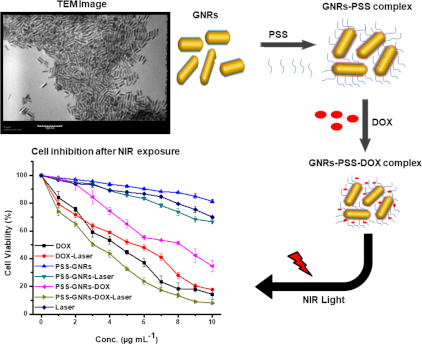
- laser exposure (1.5 W/cm2) compared to non-irradiated samples (Figure 3). Enhanced drug release stimulated by laser (808 nm) may be related to the heat generated by the nanomaterial. Almost 40% of DOX was released at pH 5 from the laser-irradiated sample, compared to 22% from the non-irradiated sample
- cancer cells. The nanomaterial complex described here will have the capacity for cost-effective upscaling due to ease of synthesis and surface modification, and the tunable drug loading ability. Chemo-photothermal treatment based on nanocomplex systems is an efficient approach for reducing the high dose


A review on the biological effects of nanomaterials on silkworm (Bombyx mori)
Beilstein J. Nanotechnol. 2021, 12, 190–202, doi:10.3762/bjnano.12.15
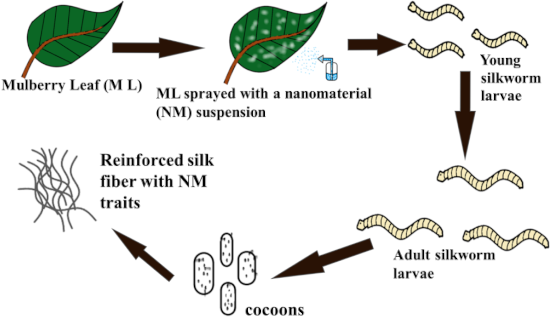
- contributions, the addition of nanomaterials to packaging materials and films in the food industry is reported to have curbed issues regarding food spoilage and contamination [16], pests, and disease management due to the usage of a nanomaterial-based formulation in agriculture [17]. The inclusion of
- of silkworms. In addition, it discusses the effects of nanomaterial usage on silk quality as well as the effects caused by nanomaterials on silkworm tissues and organs. Review Applications of nanomaterials in various sectors Nanotechnology, which involves the use of nanomaterials with sizes in the
- germination of seeds prove that the incorporation of nanotechnology in agriculture can boost crop production and the use of nanoscale pesticides [35] can improve crop protection. Silica is an example of a nanomaterial used in the formulation of nanoscale pesticides, which are used to control pest incidence


A review on the green and sustainable synthesis of silver nanoparticles and one-dimensional silver nanostructures
Beilstein J. Nanotechnol. 2021, 12, 102–136, doi:10.3762/bjnano.12.9


Nanocasting synthesis of BiFeO3 nanoparticles with enhanced visible-light photocatalytic activity
Beilstein J. Nanotechnol. 2020, 11, 1822–1833, doi:10.3762/bjnano.11.164
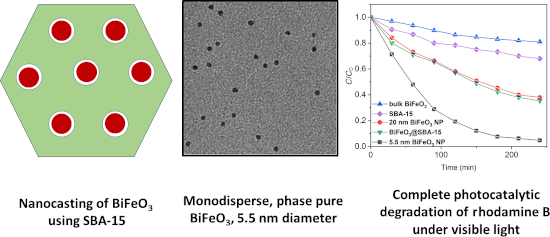
- analyze the BiFeO3 nanomaterial are powder X-ray diffraction (XRD), transmission electron microscopy (TEM) and UV–visible reflectance spectroscopy. Furthermore, we investigated the photocatalytic efficiency of this nanomaterial under visible light in the degradation of rhodamine B (RhB) as a model




Molecular dynamics modeling of the influence forming process parameters on the structure and morphology of a superconducting spin valve
Beilstein J. Nanotechnol. 2020, 11, 1776–1788, doi:10.3762/bjnano.11.160
- depend on the chemical type of the element. Distance energy smoothing in MEAM is achieved by introducing a shielding function. Using the screening function, the attenuation of the potential occurs gradually, which allows one to provide a more physically accurate nanomaterial properties description and
- nanolayer by the value of its thickness. Thus, the deposition region above the substrate turned out to be approximately the same for each nanosystem layer. The process parameters that affect the resulting nanomaterial properties were the following: the deposition rate, controlled through the number of
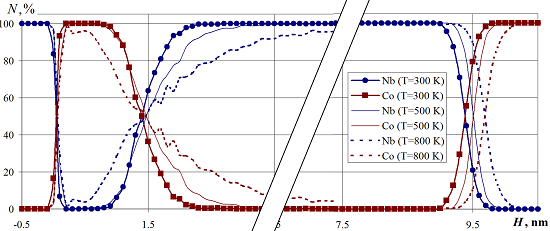
- number in Figure 6 correlates with the structure of the nanomaterial shown in Figure 5. The niobium substrate has a parameter value close to 8, which indicates its crystalline structure. The cobalt nanofilms are characterized by a higher coordination number in the range of 10–11. This value does not


Antimicrobial metal-based nanoparticles: a review on their synthesis, types and antimicrobial action
Beilstein J. Nanotechnol. 2020, 11, 1450–1469, doi:10.3762/bjnano.11.129
- been applied in the food packaging industry and also in the medical field, as shown in Table 3. ZnO is a semiconductor metal oxide with significant antimicrobial properties that can be further improved when applied as a nanomaterial. ZnO NPs have potential application in food preservation as well as
- used to internalize the powdered nanomaterial in the fungi cells and also to the chemical process that involved ROS generation [118]. Copper oxide is a metal oxide with the ability to target various bacterial structures and its antimicrobial activity can be further improved on the nanoscale. Due to


One-step synthesis of carbon-supported electrocatalysts
Beilstein J. Nanotechnol. 2020, 11, 1419–1431, doi:10.3762/bjnano.11.126

- acetylacetonate precursors. Keywords: electrocatalyst; fuel cells; hybrid nanomaterial; long-term stability; nanoparticle embedding; one-step synthesis; plasma-enhanced chemical vapor deposition (PE-CVD); Introduction The global fuel cell market reached a value of $4.5 billion USD in 2018 and is projected to




Triboelectric nanogenerator based on Teflon/vitamin B1 powder for self-powered humidity sensing
Beilstein J. Nanotechnol. 2020, 11, 1394–1401, doi:10.3762/bjnano.11.123
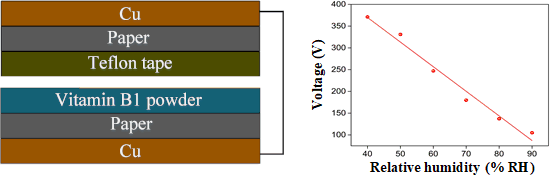
- -free humidity sensors by using biocompatible collagen nanofibrils [43]. More recently, Zhang et al. developed a TENG-driven self-powered flexible humidity sensor based on a tin disulfide nanoflower/reduced graphene oxide (SnS2/rGO) hybrid nanomaterial [44]. However, the large-scale application of TENGs




Photothermally active nanoparticles as a promising tool for eliminating bacteria and biofilms
Beilstein J. Nanotechnol. 2020, 11, 1134–1146, doi:10.3762/bjnano.11.98
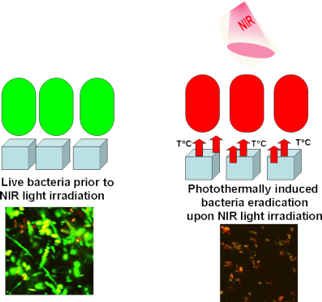
- nanomaterial used, for example, aqueous solutions, self-assembled monolayers or polymeric nanocomposites [33]. In the case of plasmonic nanoparticles, the plasmonic properties (i.e., the maximum position of the absorption band and the band shape) are strongly affected by the conditions under which the
- shapes are the most widely studied nanomaterial for the photothermal ablation of bacteria and biofilms. This may be explained by the fact that some of these gold nanoparticles are commercially available and are also widely applied in other fields of nanotechnology and nanomedicine. Therefore, the
- variation in the nature of nanoparticles, nanoparticle concentration, cell type or in the surface coating. Therefore, for comparison reasons, several independent experiments should be performed using the same type of nanomaterial. Nontoxic, inexpensive and highly efficient photothermal nanoparticles, such


Applications of superparamagnetic iron oxide nanoparticles in drug and therapeutic delivery, and biotechnological advancements
Beilstein J. Nanotechnol. 2020, 11, 1092–1109, doi:10.3762/bjnano.11.94
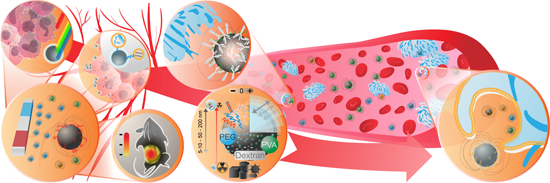
- ]. Recently, SPIONs were observed to be good candidates for photothermal and photodynamic therapy, using near-infrared (700–2000 nm) laser excitation of the nanomaterial. For these therapies, SPIONs are theoretically preferred in larger clusters, although studies have shown that they can yield up to 12 °C


A few-layer graphene/chlorin e6 hybrid nanomaterial and its application in photodynamic therapy against Candida albicans
Beilstein J. Nanotechnol. 2020, 11, 1054–1061, doi:10.3762/bjnano.11.90
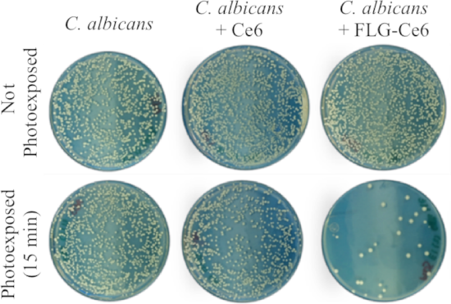
- the global health care sector. There is an urgent need to develop noninvasive, nontoxic, and new antinosocomial approaches that work more effectively and faster than current antibiotics. In this work, we report on a biocompatible hybrid nanomaterial composed of few-layer graphene and chlorin e6 (FLG
- -Ce6) for the photodynamic treatment (PDT) of Candida albicans. We show that the FLG-Ce6 hybrid nanomaterial displays enhanced reactive oxygen species (ROS) generation compared with Ce6. The enhancement is up to 5-fold when irradiated for 15 min at 632 nm with a red light-emitting diode (LED). The
- nanomaterial. An increased PDT effect was observed with the FLG-Ce6 hybrid nanomaterial by a significant reduction in the viability of C. albicans, by up to 95%. This is a marked improvement compared to Ce6 without FLG, which reduces the viability of C. albicans to only 10%. The antifungal action of the hybrid


A novel dry-blending method to reduce the coefficient of thermal expansion of polymer templates for OTFT electrodes
Beilstein J. Nanotechnol. 2020, 11, 671–677, doi:10.3762/bjnano.11.53
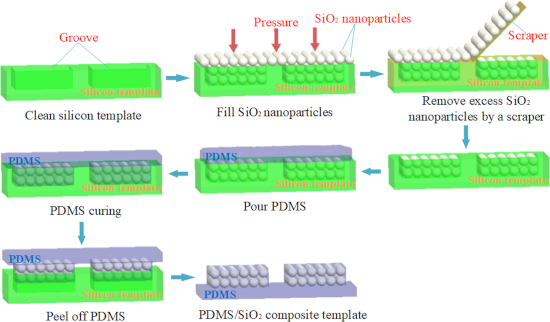
- aligned [7]. However, the polymer template has a high coefficient of thermal expansion (CTE), resulting in alignment deviations of the OTFT electrodes [8][9]. Currently, one of the measures to reduce the CTE of polymer templates is wet blending, in which the low-CTE nanomaterial is directly incorporated
- the EPI to prepare a polyimide–silica hybrid film having a low CTE. However, because of the poor dispersion of the nanomaterial and the high viscosity of the polymer during wet blending [17][18], the nanomaterial content in the composites is usually low, which causes the CTE of the polymer template to
- remain high [19]. Hence, we propose a novel dry-blending method, in which the nanomaterial is filled into the grooves of a patterned template first, and then the liquid polymer is poured on the template. As the polymer will permeate into the gaps of the nanomaterial to form the composite, the resultant


Interactions at the cell membrane and pathways of internalization of nano-sized materials for nanomedicine
Beilstein J. Nanotechnol. 2020, 11, 338–353, doi:10.3762/bjnano.11.25
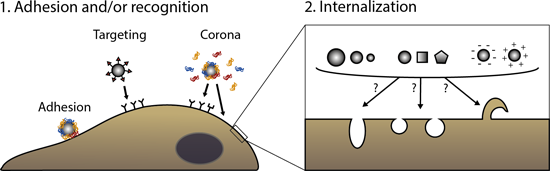
- receptors, and the subsequent mechanisms cells use to internalize them. The factors affecting these initial events are discussed. Then, we briefly describe the different pathways of endocytosis in cells and illustrate with some examples the challenges in understanding how nanomaterial properties, such as
- of cellular internalization, i.e., endocytosis. Then, examples of works trying to understand how nanomaterial properties affect the mechanisms of uptake by cells are presented to illustrate the complexity of outcomes observed and the difficulties in drawing conclusions. 2.1 Pathways of endocytosis in
- -polylactic acid particles entered, at least partially, by clathrin-mediated endocytosis and macropinocytosis [143]. It is important to mention that many studies investigating the effect of charge or other nanomaterial properties on cellular interactions were performed in the absence of proteins from


Using gold nanoparticles to detect single-nucleotide polymorphisms: toward liquid biopsy
Beilstein J. Nanotechnol. 2020, 11, 263–284, doi:10.3762/bjnano.11.20
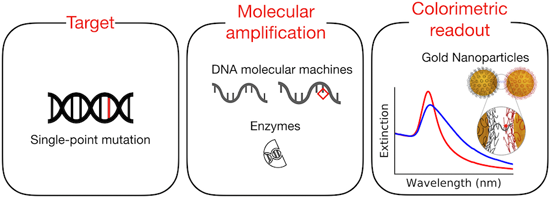
- offers an unprecedented sensitivity in native physiological media. Coupling these nanomaterial-based systems with enzymatic reactions can further increase the sensitivity and selectivity of a given sensor, leading to a scenario in which a tiny structural alteration of a biomolecule can be detected within




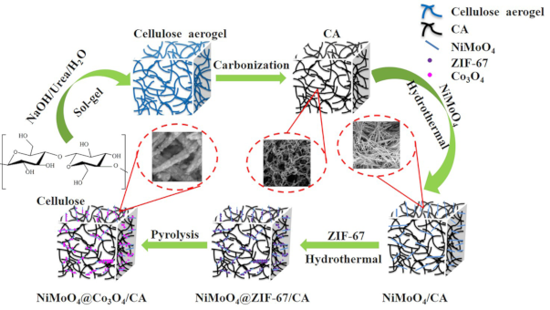
High-performance asymmetric supercapacitor made of NiMoO4 nanorods@Co3O4 on a cellulose-based carbon aerogel
Beilstein J. Nanotechnol. 2020, 11, 240–251, doi:10.3762/bjnano.11.18
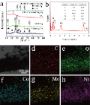
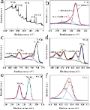
- characteristic reflections from CA and NiMoO4, the XRD pattern of Co3O4 is in good agreement with the standard pattern (JCPDS No.42-1467). The intensity of the diffraction peaks of CA and NiMoO4 in the XRD pattern of NiMoO4@Co3O4/CA is reduced due to the ZIF-67 cover on the surface of the NiMoO4/CA nanomaterial




Molecular architectonics of DNA for functional nanoarchitectures
Beilstein J. Nanotechnol. 2020, 11, 124–140, doi:10.3762/bjnano.11.11
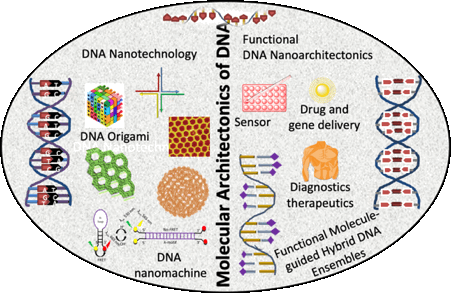
- compared to ssDNA. The selection of the correct base pairing sequence and order enabled the assembly of DNA with balanced rigidity and flexibility within the nanomaterial systems. The maintenance of an exact stoichiometry and long annealing period were the major criteria to achieve defect-free


Advanced hybrid nanomaterials
Beilstein J. Nanotechnol. 2019, 10, 2563–2567, doi:10.3762/bjnano.10.247

- , including double targeting, are also highlighted in several articles. Among others, nanoparticles are often used as specific agents in dual therapy and diagnostics (i.e., theranostics). In “Size-selected Fe3O4–Au hybrid nanoparticles for improved magnetism-based theranostics”, a Fe3O4–Au hybrid nanomaterial
Synthesis and acetone sensing properties of ZnFe2O4/rGO gas sensors
Beilstein J. Nanotechnol. 2019, 10, 2516–2526, doi:10.3762/bjnano.10.242
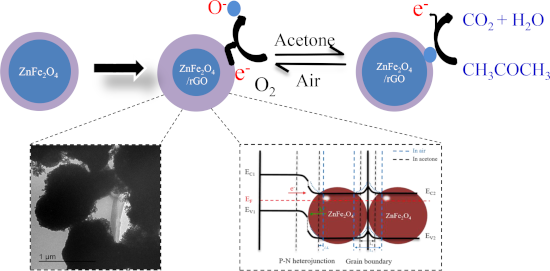
- have the structure of hollow spheres. Furthermore, with increasing rGO content in the ZnFe2O4/rGO nanomaterial, the surface of the ZnFe2O4 spheres becomes more regular and smooth, which is consistent with the FESEM images. A further analysis of the nanostructure of the ZnFe2O4/rGO sample with 0.5 wt