Search results
Search for "nanoparticles (NPs)" in Full Text gives 239 result(s) in Beilstein Journal of Nanotechnology. Showing first 200.
Silver nanoparticles induce the cardiomyogenic differentiation of bone marrow derived mesenchymal stem cells via telomere length extension
Beilstein J. Nanotechnol. 2021, 12, 786–797, doi:10.3762/bjnano.12.62
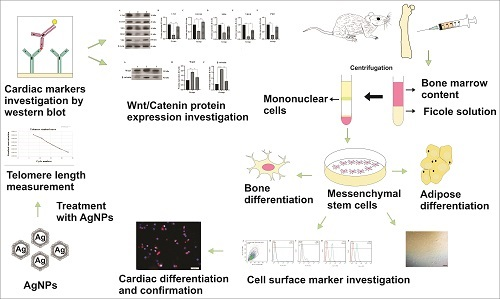
- attention. Novel nanomaterials are being developed to improve disease treatment processes via biopharmaceutical molecules as well as the surface treatment of biomaterials [8][9]. Among nanoparticles (NPs), silver nanoparticles (Ag-NPs) are successfully commercialized due to their well-known antiseptic


Stability and activity of platinum nanoparticles in the oxygen electroreduction reaction: is size or uniformity of primary importance?
Beilstein J. Nanotechnol. 2021, 12, 593–606, doi:10.3762/bjnano.12.49
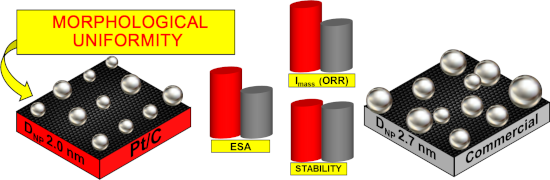
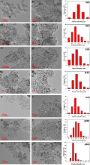
- urgent task and the optimization of their structure seems to be one of the possible solutions. In the present paper, Pt/C electrocatalysts containing small (2–2.6 nm) nanoparticles (NPs) of a similar size, uniformly distributed over the surface of a carbon support, were obtained by the original method of
- hydrogen oxidation or an organic reducing agent oxidation (e.g. methanol) occur [4][5]. The need to carry out high-rate electrode reactions requires electrocatalysts (i.e., platinum nanoparticles – NPs – or its alloys), deposited mainly onto nano/microparticles of carbon supports, which are currently the


The impact of molecular tumor profiling on the design strategies for targeting myeloid leukemia and EGFR/CD44-positive solid tumors
Beilstein J. Nanotechnol. 2021, 12, 375–401, doi:10.3762/bjnano.12.31
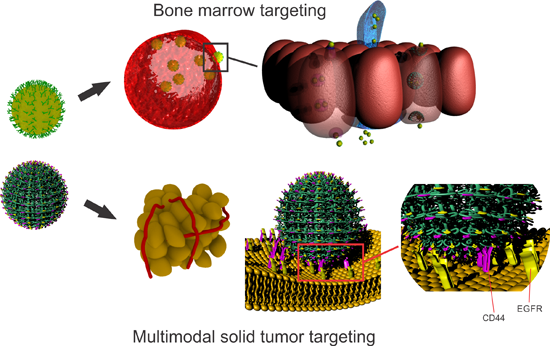
- transcription factors, but also as roadmaps for active targeting using novel nanoparticles (NPs). Furthermore, the use of nanotechnology for the delivery of cytotoxic drugs can also be valuable in facilitating cell-specific administration of drugs, improving their bioavailability, reducing side effects, and


Spontaneous shape transition of MnxGe1−x islands to long nanowires
Beilstein J. Nanotechnol. 2021, 12, 366–374, doi:10.3762/bjnano.12.30
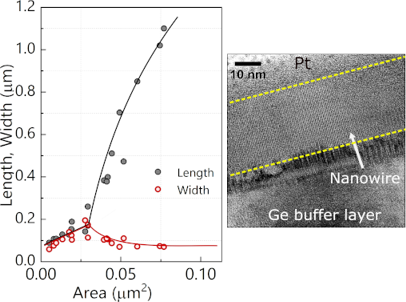
- everywhere on the sample surface. A thicker Mn layer (6.7 ML), under the same annealing conditions, yields larger islands with a mean lateral size of ≈400 nm and a homogeneous distribution on the surface area (Figure 1b). Their irregular shape is the result of a coalescence process of smaller nanoparticles
- (NPs). Further increase of the Mn layer thickness to 9 ML results in a closely packed film of agglomerated islands with a relatively uniform size distribution (≃100 nm) completely filling the surface (see Figure 1c). XRD in Bragg–Brentano geometry has been carried out on these islands on the annealed 9


Characterization, bio-uptake and toxicity of polymer-coated silver nanoparticles and their interaction with human peripheral blood mononuclear cells
Beilstein J. Nanotechnol. 2021, 12, 282–294, doi:10.3762/bjnano.12.23
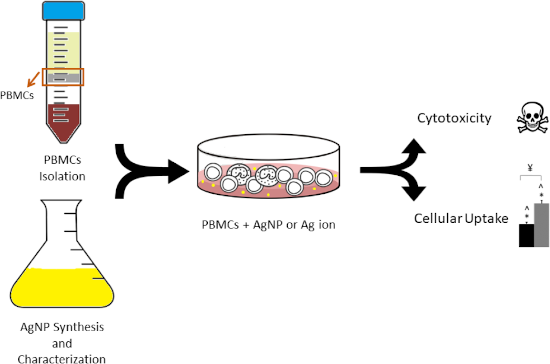
- nanoparticles; toxicity; uptake; Introduction Nanotechnology is a rapidly-growing industry that creates nanoscale products with novel physicochemical properties [1]. Nanoparticles (NPs) are particles with at least one dimension between 1 and 100 nm, which gives them unique properties for innovative



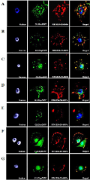
Differences in surface chemistry of iron oxide nanoparticles result in different routes of internalization
Beilstein J. Nanotechnol. 2021, 12, 270–281, doi:10.3762/bjnano.12.22
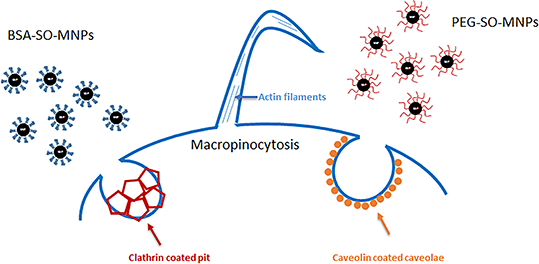
- surface charge), cell membrane properties (fluidity, type of receptors, and receptor density), and cell type [30][31][32]. For biomedical applications, the optimal size of nanocarriers is in the range of 95–200 nm because of the higher accumulation rate in tumors [33][34]. Spherical nanoparticles (NPs) in



A review on the biological effects of nanomaterials on silkworm (Bombyx mori)
Beilstein J. Nanotechnol. 2021, 12, 190–202, doi:10.3762/bjnano.12.15
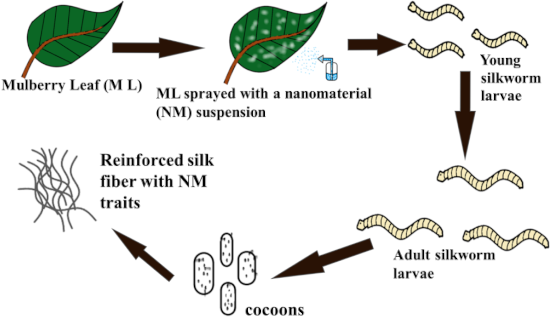
- growth rate and development [116]. Li et al. [116] showed that low concentrations of nanoparticles (NPs) enhance larval body growth and feeding efficiency. Silkworm larvae fed with 5 or 10 mg/L of TiO2 NPs (with sizes in the range of 5–6 nm) improved the ingestion and digestibility of mulberry leaves


Bulk chemical composition contrast from attractive forces in AFM force spectroscopy
Beilstein J. Nanotechnol. 2021, 12, 58–71, doi:10.3762/bjnano.12.5
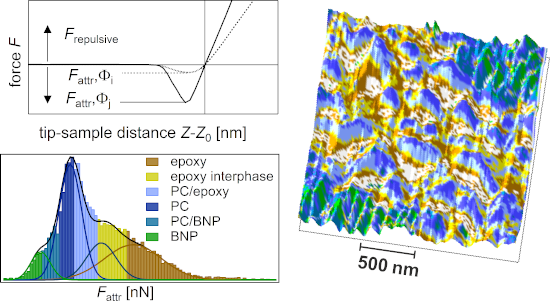
- ) mixed and gradient behavior of boehmite/epoxy interphases can be quantified, and 3) structural changes of epoxy can be quantified by the parameter Fattr. Epoxy/polycarbonate/boehmite composite The third sample is comprised of three materials: epoxy, PC and boehmite nanoparticles (NPs). Boehmite NPs


High-responsivity hybrid α-Ag2S/Si photodetector prepared by pulsed laser ablation in liquid
Beilstein J. Nanotechnol. 2020, 11, 1596–1607, doi:10.3762/bjnano.11.142
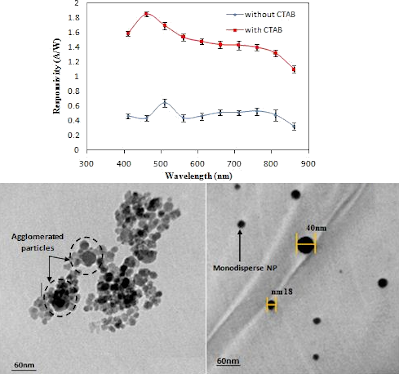
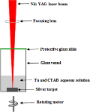
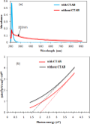
- Raid A. Ismail Hanan A. Rawdhan Duha S. Ahmed Department of Applied Science, University of Technology, Baghdad, Iraq 10.3762/bjnano.11.142 Abstract We report the synthesis of α-Ag2S nanoparticles (NPs) by one-step laser ablation of a silver target in aqueous solution of thiourea (Tu, CH4N2S
- ][6]. Silver sulfide nanoparticles (NPs) are extensively used in many applications, such as photoconductors, solar cells, infrared (IR) photodetectors, biosensors, photocatalysts, and probes [7][8][9]. A number of techniques have been used to synthesize nanostructured Ag2S, including facile




Cu2O nanoparticles for the degradation of methyl parathion
Beilstein J. Nanotechnol. 2020, 11, 1546–1555, doi:10.3762/bjnano.11.137
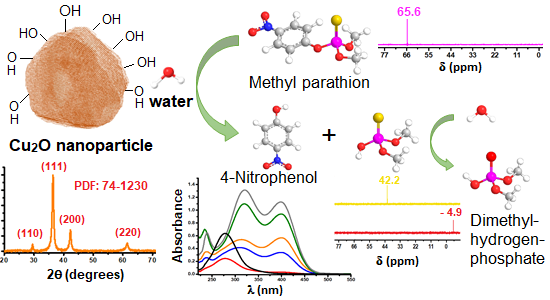
- University of Texas at Dallas, Texas 75080, United States 10.3762/bjnano.11.137 Abstract Methyl parathion (MP) is one of the most neurotoxic pesticides. An inexpensive and reliable one-step degradation method of MP was achieved through an aqueous suspension of copper(I) oxide nanoparticles (NPs). Three


Antimicrobial metal-based nanoparticles: a review on their synthesis, types and antimicrobial action
Beilstein J. Nanotechnol. 2020, 11, 1450–1469, doi:10.3762/bjnano.11.129
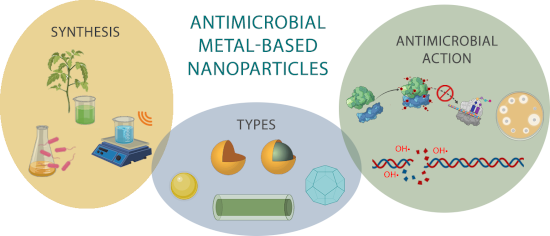
- community has been focusing on the study of nanomaterials, mainly metal-based nanoparticles (NPs), to test their antimicrobial properties and feasibility to eradicate contamination sources and diseases [5]. The chemical, physical, and biological properties of NPs have been improved on the nanometer scale


One-step synthesis of carbon-supported electrocatalysts
Beilstein J. Nanotechnol. 2020, 11, 1419–1431, doi:10.3762/bjnano.11.126

- techniques [11] and laser ablation [12]) are surfactant-free and scalable. However, these approaches typically require multiple-step procedures in which the support and catalytic nanoparticles (NPs) are first produced individually and then combined in a third step (i.e., NP sedimentation in liquid phase [13




Ultrasensitive detection of cadmium ions using a microcantilever-based piezoresistive sensor for groundwater
Beilstein J. Nanotechnol. 2020, 11, 1242–1253, doi:10.3762/bjnano.11.108
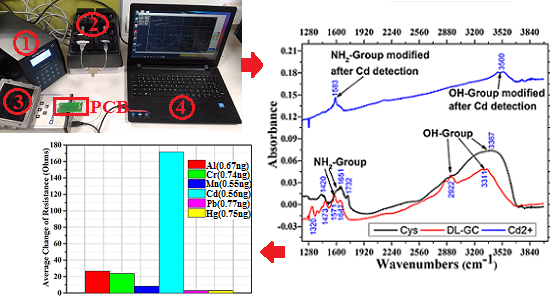
- , nanoparticles (NPs), and MEMS, to selectively target Cd(II) in the picomolar range. Also, excessive commercialization of nanoparticles leads to increasing their harmful effect on life and the environment by [44][45][46]. In this article, an attempt is made to expand the AuNP-based technology proposed by [34





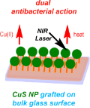
Photothermally active nanoparticles as a promising tool for eliminating bacteria and biofilms
Beilstein J. Nanotechnol. 2020, 11, 1134–1146, doi:10.3762/bjnano.11.98
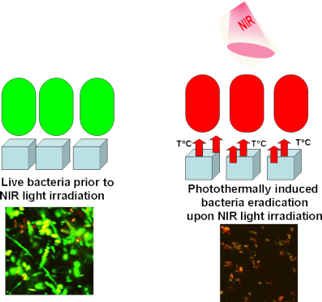
- ratio of photothermally active nanoparticles (NPs) used for the temperature-induced bacteria and biofilm ablation. Schematic showing the relationship between photothermally active nanoparticles and nanocomposites for bacteria and biofilm eradication. Preparation of a dual-function antibacterial surface


Gram-scale synthesis of splat-shaped Ag–TiO2 nanocomposites for enhanced antimicrobial properties
Beilstein J. Nanotechnol. 2020, 11, 1119–1125, doi:10.3762/bjnano.11.96
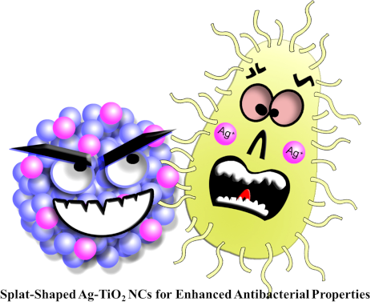
- . Particularly, metal and metal-oxide-based disinfectants containing inorganic nanoparticles (NPs) have been broadly used since they simultaneously reduce the toxicity risk related to the organic materials and control the bacterial resistance against antibiotics [8]. Among the various types of nanomaterials


Straightforward synthesis of gold nanoparticles by adding water to an engineered small dendrimer
Beilstein J. Nanotechnol. 2020, 11, 1110–1118, doi:10.3762/bjnano.11.95
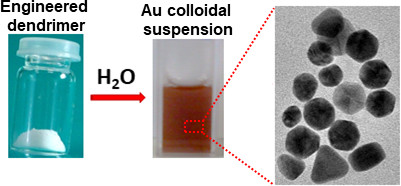
- Research on nanoparticles (NPs) in general, and gold nanoparticles in particular, results in the generation of thousands of publications every year, including reviews [1][2]. Different applications for gold nanoparticles have been proposed, for example, in catalysis [3][4] and in biology [5] – especially


Highly sensitive detection of estradiol by a SERS sensor based on TiO2 covered with gold nanoparticles
Beilstein J. Nanotechnol. 2020, 11, 1026–1035, doi:10.3762/bjnano.11.87
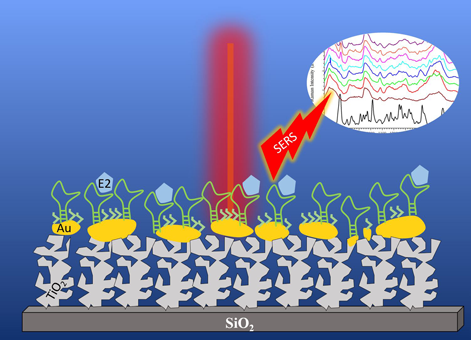
- water. SERS is mainly based on an electromagnetic effect that originates from the excitation of plasmon resonances, in particular of localized surface plasmons (LSPs) in metallic nanoparticles (NPs). Other effects may contribute to the enhancement such as the formation of hot spots or lightning rod



Nickel nanoparticles supported on a covalent triazine framework as electrocatalyst for oxygen evolution reaction and oxygen reduction reactions
Beilstein J. Nanotechnol. 2020, 11, 770–781, doi:10.3762/bjnano.11.62
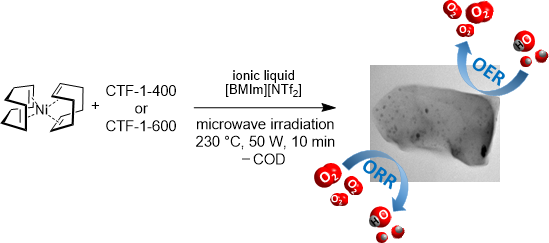
- characterization of Ni/CTF For the synthesis of Ni nanoparticles (NPs) on the CTFs, the precursors bis(cycloocta-1,5-diene)nickel(0) (Ni(COD)2) and CTF were suspended in [BMIm][NTf2] by stirring under inert conditions for 12 h. The homogenized suspension was irradiated with microwaves and yielded Ni NPs


Identification of physicochemical properties that modulate nanoparticle aggregation in blood
Beilstein J. Nanotechnol. 2020, 11, 550–567, doi:10.3762/bjnano.11.44
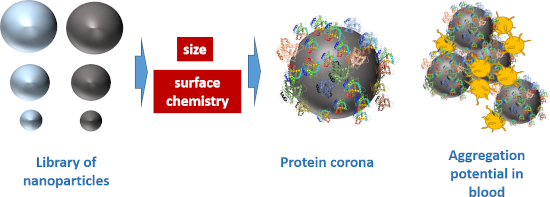
- between the number of numerous formulation types synthesised in research laboratories and those approved for clinics [1], mainly due to the lack of understanding on the nanoparticles (NPs) behaviour in complex media that can affect their efficacy and their biocompatibility [2]. Safe-by-design (SbD




Multilayer capsules made of weak polyelectrolytes: a review on the preparation, functionalization and applications in drug delivery
Beilstein J. Nanotechnol. 2020, 11, 508–532, doi:10.3762/bjnano.11.41
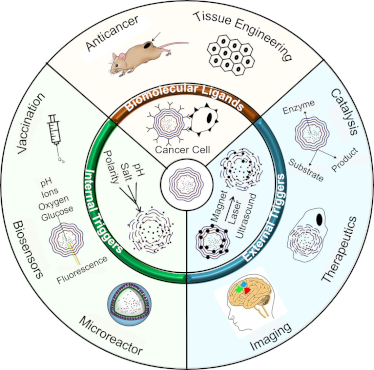
- multilayer capsules as drug delivery vehicles [17]. They are capable of encapsulating all kinds of substances and/or molecules ranging from enzymes, nucleic acid, peptides, proteins, therapeutic drugs, biomolecules, fluorescent molecules and nanoparticles (NPs) in their hollow cavity [18]. This can be



Understanding nanoparticle flow with a new in vitro experimental and computational approach using hydrogel channels
Beilstein J. Nanotechnol. 2020, 11, 296–309, doi:10.3762/bjnano.11.22
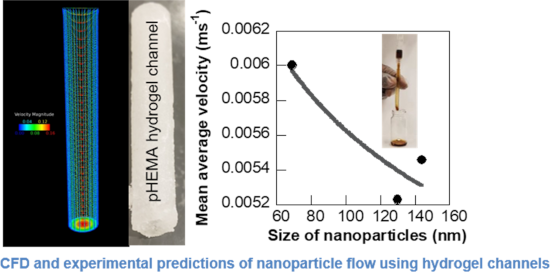
- , United States Department of Chemistry, Clark Atlanta University, Georgia 30314, United States 10.3762/bjnano.11.22 Abstract Nanoparticles (NPs) are considered as one of the most promising drug delivery vehicles and a next-generation solution for current medical challenges. In this context, variables


Fabrication of Ag-modified hollow titania spheres via controlled silver diffusion in Ag–TiO2 core–shell nanostructures
Beilstein J. Nanotechnol. 2020, 11, 141–146, doi:10.3762/bjnano.11.12
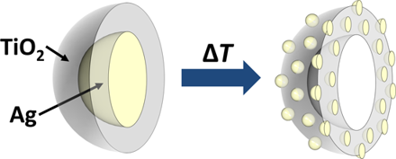
- (HSs) have received increasing attention due to their potential application in a variety of areas [1][2][3][4] such as solar energy conversion or photocatalysis [2][5][6][7]. Among them, of great interest are TiO2 HSs modified with plasmonic nanoparticles (NPs), which allow for the combination of the



The effect of heat treatment on the morphology and mobility of Au nanoparticles
Beilstein J. Nanotechnol. 2020, 11, 61–67, doi:10.3762/bjnano.11.6
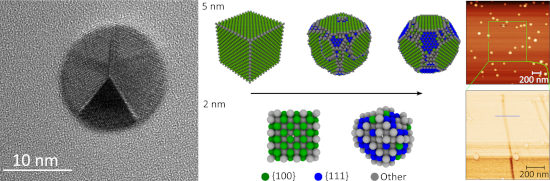
- , Latvia 10.3762/bjnano.11.6 Abstract In the present paper, we investigate the effect of heat treatment on the geometry and mobility of Au nanoparticles (NPs) on a Si substrate. Chemically synthesized Au NPs of diameter ranging from 5 to 27 nm were annealed at 200, 400, 600 and 800 °C for 1 h. A change in
- materials used in studies related to nanostructures. The small size and the enhanced properties of Au nanoparticles (NPs) compared to bulk gold make them important for the development of novel applications, for example, in the field of drug delivery [1], sensor technology [2], printing [3] and catalysis [4


Long-term stability and scale-up of noncovalently bound gold nanoparticle-siRNA suspensions
Beilstein J. Nanotechnol. 2019, 10, 2568–2578, doi:10.3762/bjnano.10.248
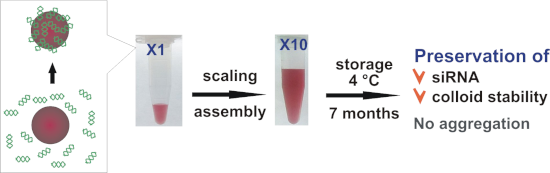
- ; however, it occupies an important place in scientific research. The delivery of therapeutic nucleic acids (TNAs) is of particular importance due to their operation at the genomic level, and various nanoparticles (NPs) have been studied as carriers of TNAs (i.e., metallic, lipid, polymer, and peptide NPs


Coating of upconversion nanoparticles with silica nanoshells of 5–250 nm thickness
Beilstein J. Nanotechnol. 2019, 10, 2410–2421, doi:10.3762/bjnano.10.231
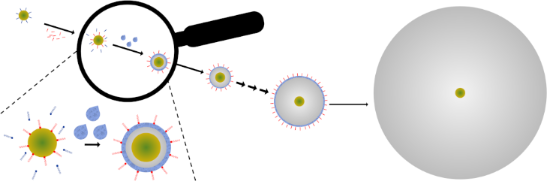
- [6][7]. This makes UCNPs attractive for applications in the life sciences [8][9][10][11]. Some of the most frequently used UCNPs are NaYF4-based nanoparticles (NPs) with Yb3+ as the light absorbing sensitizer and Er3+ as the emitting activator [12][13][14][15]. Monodisperse UCNPs with relatively high