


Search results
Search for "pH" in Full Text gives 715 result(s) in Beilstein Journal of Nanotechnology. Showing first 200.
Colloidal few layered graphene–tannic acid preserves the biocompatibility of periodontal ligament cells
Beilstein J. Nanotechnol. 2025, 16, 664–677, doi:10.3762/bjnano.16.51
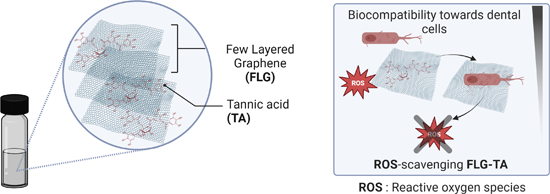
- diameter glass coverslips (CML, France) in a 24-well plate and exposed to FLG–TA concentrations ranging from 1 to 200 µg·mL−1. Adherent cells were washed twice with PBS and fixed in 2.5% glutaraldehyde (Euromedex, France) in 0.05 M sodium cacodylate buffer (Euromedex, France) at pH 7.4 for 2 h. Cells were




Aprepitant-loaded solid lipid nanoparticles: a novel approach to enhance oral bioavailability
Beilstein J. Nanotechnol. 2025, 16, 652–663, doi:10.3762/bjnano.16.50
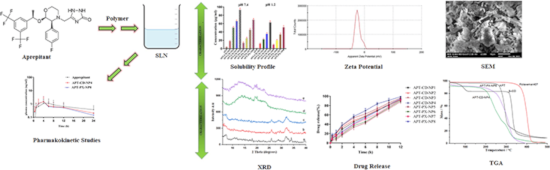
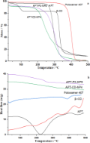
- microscopy (SEM), X-ray diffraction (XRD), differential scanning calorimetry (DSC) and thermogravimetric analysis (TGA), in vitro drug release in 0.1 M HCl (pH 1.2) and phosphate-buffered saline (PBS, pH 7.4), and pharmacokinetic studies. The optimal formulation (APT-CD-NP4) containing the highest
- concentration of β-CD showed the highest drug solubility (93.50% ± 3.73%) in PBS (pH 7.4) and drug content (96.75% ± 0.24%); particle size, zeta potential, and polydispersity index of APT-CD-NP4 were 121.1 ± 0.72 nm, −18.8 ± 0.94 mV, and 0.15 ± 0.35, respectively. SEM analysis showed that APT was converted from
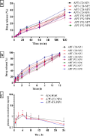
- release (98.89% ± 4.11%) in PBS (pH 7.4) and followed the Higuchi release model (with exponent n = 0.542), indicating non-Fickian diffusion (anomalous transport). The maximum concentration of drug in plasma and the bioavailability of optimal formulation APT-CD-NP4 were higher than those of pure APT



A formulation containing Cymbopogon flexuosus essential oil: improvement of biochemical parameters and oxidative stress in diabetic rats
Beilstein J. Nanotechnol. 2025, 16, 617–636, doi:10.3762/bjnano.16.48
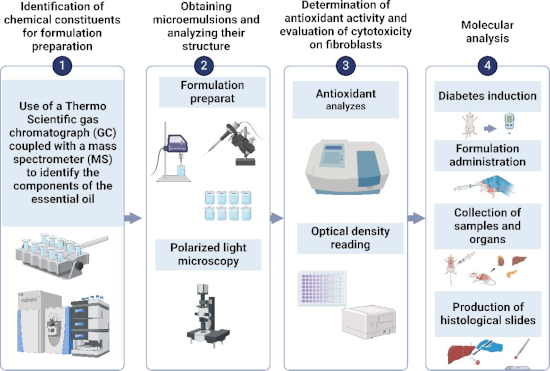
- obtained after consulting the corresponding pseudoternary phase diagram and showed stability, isotropy, Newtonian behavior, nanometric size (15.2 nm), and pH 4.2. Both EOCF and the ME showed high antioxidant activity, but the ME resulted in greater antioxidant activity, potentiating the activity of
- diagram Various surfactants in different combinations were tested to obtain the ME. In general, non-ionic surfactants are most commonly used because they have a low critical micelle concentration, low toxicity, and greater stability to changes in pH and charge when compared to other classes of surfactants
- ][27], improving patient acceptance [28]. The pH value is also capable of inducing changes in stability and chemical phenomena, such as deterioration and oxidation of compounds and bacterial growth, and is a precise and specific measure for quality control of the formulation. The pH found for M7-EOCF




Functionalized gold nanoflowers on carbon screen-printed electrodes: an electrochemical platform for biosensing hemagglutinin protein of influenza A H1N1 virus
Beilstein J. Nanotechnol. 2025, 16, 540–550, doi:10.3762/bjnano.16.42
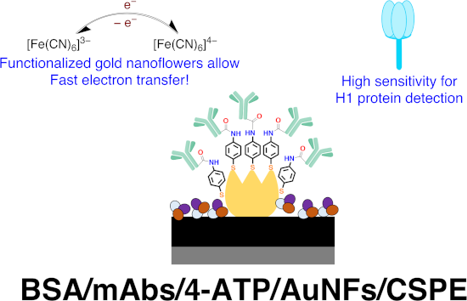
- , potassium chloride, potassium hexacyanoferrate(II) trihydrate, potassium hexacyanoferrate(III), N-(3-dimethylaminopropyl)-N′-ethylcarbodiimide hydrochloride (EDC), N-hydroxy succinimide (NHS), phosphate-buffered saline pH 7.4 (PBS), and bovine serum albumin (BSA) were all purchased from Sigma-Aldrich
- in a 1.5 mL Eppendorf vial by adding 100 μL of 38 μg/mL mABs solution in PBS, 100 μL of 10 mM EDC aqueous solution, and 100 μL of 10 mM NHS aqueous solution. The pH of the mixture was 6.5 as determined by litmus paper. Then, 10 μL of the mixture was added on top of the 4-ATP/AuNFs/CSPE as working


Synthetic-polymer-assisted antisense oligonucleotide delivery: targeted approaches for precision disease treatment
Beilstein J. Nanotechnol. 2025, 16, 435–463, doi:10.3762/bjnano.16.34

- delivery in tumour therapy. Poly(ʟ-glutamic acid). Poly(ʟ-glutamic acid) (PLG) is a biodegradable, water-soluble synthetic polymer composed of repeating units of the amino acid ʟ-glutamic acid. Owing to the presence of the carboxyl side chains, PLG is anionic under physiological conditions (pH ≈ 7.4). This


Quantification of lead through rod-shaped silver-doped zinc oxide nanoparticles using an electrochemical approach
Beilstein J. Nanotechnol. 2025, 16, 422–434, doi:10.3762/bjnano.16.33
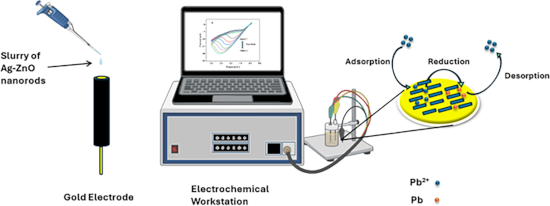
- presents the comparison of this work with other similar works. The fabricated sensor showed a slightly higher limit of detection (LOD) value, which is due to the use of PBS and the higher impedance of the electrode. An acidic pH provides better sensitivity, but it also brings health and safety issues
- , environmental impact, can cause electrode corrosion, enhances interference, and is incompatible with real-life or biological samples. Therefore, PBS with pH 7 has been used for electrochemical studies since it provides a stable pH, which is crucial for maintaining consistent electrochemical conditions during
- zinc nitrate hexahydrate solution. The resulting solution was stirred for approximately 10 min at room temperature. After the reaction time, a 1 M potassium hydroxide (KOH) solution was gradually added drop by drop. This step adjusted the pH of the mixture to 10. Then the mixture underwent further





Engineered PEG–PCL nanoparticles enable sensitive and selective detection of sodium dodecyl sulfate: a qualitative and quantitative analysis
Beilstein J. Nanotechnol. 2025, 16, 385–396, doi:10.3762/bjnano.16.29
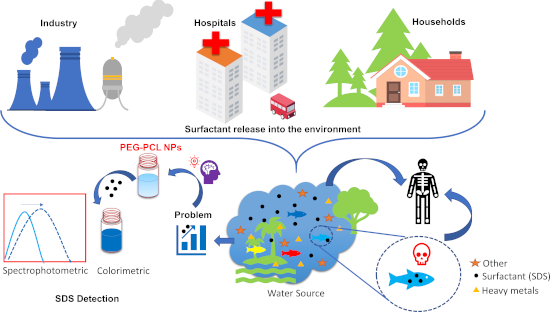
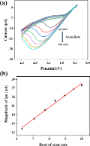
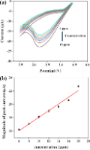
- , UK). Dried 10 mg/mL PEG–PCL NPs were dissolved in PBS and sonicated for 30 min. The sonicated sample was taken in a cuvette for measurement. The sample pH was in the range of 7.2–7.4. Separate cuvettes (DTS1072 and DTS0012) were used to measure the surface charge and average size of the nanoparticles


Development of a mucoadhesive drug delivery system and its interaction with gastric cells
Beilstein J. Nanotechnol. 2025, 16, 371–384, doi:10.3762/bjnano.16.28

- positive charge. A peptide, as a model drug, was loaded onto the nanoparticles with an encapsulation efficiency of 58%. The release of the model drug from the delivery system was pH-independent and lasted for 7 days. The periodic acid–Schiff stain assay indicated 69% mucin interaction for the nanoparticles
- systems because of their ability to form gel-like structures in the presence of divalent cations such as Ca2+. Despite the advantages of alginate polymer such as its biodegradability, biocompatibility, and gelation ability, its instability, fast wettability, and rapid release at high pH result in the
- , effective encapsulation, pH-responsive release, and enhanced stability. Eudragit RS 100 is a copolymer of ethyl acrylate, methyl methacrylate, and a low proportion of methacrylic acid ester with quaternary ammonium groups. It is known for its mucoadhesive properties [16], which are independent of the site


Pulsed laser in liquid grafting of gold nanoparticle–carbon support composites
Beilstein J. Nanotechnol. 2025, 16, 349–361, doi:10.3762/bjnano.16.26
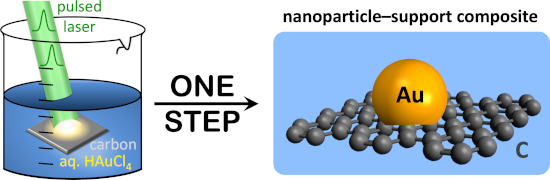
- pulsed laser-grafted gold nanoparticle–carbon fiber paper composite would lead to enhanced electrocatalytic performance. Therefore, we applied the laser-grafted gold nanoparticle–carbon fiber paper composites as cathodes for electrocatalytic bicarbonate reduction in aqueous 0.5 M KHCO3, pH 8.3
- (2H2O + 2e− ⇌ H2 + 2OH−) or bicarbonate (2HCO3− + 2e− ⇌ H2 + 2CO32−) in aqueous 0.5 M KHCO3, pH 8.3, electrolyte [66], where water reduction is kinetically more sluggish [71]. When protons are present, CO2 can be formed from bicarbonate in a non-faradaic reaction via HCO3− + H+ ⇌ CO2 + H2O. Protons are
- carbon fiber paper (FuelCell Store, AvCarb MGL190) was sonicated in 1.0 M aqueous sodium dodecyl sulfate solution (AG Scientific, ≥99%) and subsequently electrooxidized at +1.63 V vs Ag/AgCl for 20 min in aqueous 0.1 M KHCO3 solution (pH 8.3, Alfa Aesar, 99.7–100.5%). Laser-grafted gold nanoparticle


Graphene oxide–chloroquine conjugate induces DNA damage in A549 lung cancer cells through autophagy modulation
Beilstein J. Nanotechnol. 2025, 16, 316–332, doi:10.3762/bjnano.16.24
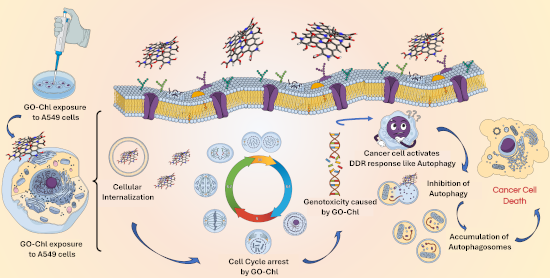
- ice to allow gelation. Duplicate slides for each sample were prepared and were kept in freshly prepared and chilled lysis solution (146.1 g NaCl, 37.2 g EDTA, 1.2 g Tris, pH 10 with 1% Triton X 100 added just before use) at 4 °C overnight. Further, the slides were placed in a horizontal gel
- electrophoresis tank containing freshly prepared chilled electrophoresis solution (1 mM of EDTA, 300 mM of NaOH, pH > 13) for 20 min for DNA unwinding and subsequently subjected to electrophoresis with a 300 mA current, 0.7 V/cm at 4 °C under dimmed light for 30 min. After electrophoresis, the slides were treated
- with Tris buffer (0.4 M, pH 7.5) 3× at 5 min per cycle to neutralize excess alkaline solution, stained with 75 μL of ethidium bromide (20 µg/mL), and stored in a humidified slide box until scoring. The slides were scored using a fluorescent microscope (DMLB, Leica, Germany) coupled with a CCD camera



Enhancing mechanical properties of chitosan/PVA electrospun nanofibers: a comprehensive review
Beilstein J. Nanotechnol. 2025, 16, 286–307, doi:10.3762/bjnano.16.22

- adsorbing heavy metals and radionuclides [16]. However, chitosan exhibits limited mechanical stability, is sensitive to pH variations, and tends to swell [17]. To improve the spinnability of chitosan during the electrospinning process, it is commonly blended with other polymers, such as PVA [18


Emerging strategies in the sustainable removal of antibiotics using semiconductor-based photocatalysts
Beilstein J. Nanotechnol. 2025, 16, 264–285, doi:10.3762/bjnano.16.21
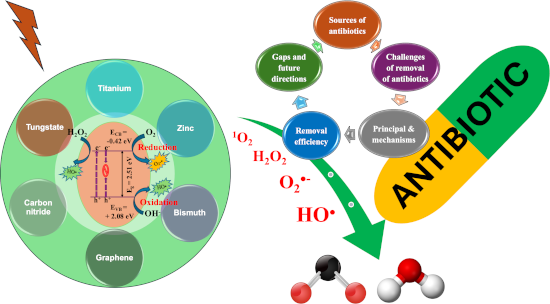
- that of pure TiO2 and Fe2O3 under visible light illumination (500 W halogen lamp and wavelengths above 400 nm) [72]. At a dosage of 0.012 g/L of α-Fe2O3@TiO2 and pH 4.76, 98.8% of an initial CFX concentration of 20.5 mg/L was effectively removed after 103 min. The heterojunction formed between TiO2 and
- Fe2O3 promoted the electron–holes segregation rate and reduced the rate of recombination. A TiO2/GO/chitosan photocatalyst was synthesized by Erim et al. [73] for the degradation of CFX under UV-A irradiation. Under optimized conditions (catalyst dose of 0.327 g/L, CFX concentration of 20.29 mg/L, pH
- 4.1, and UV-A irradiation of 60 W), the TiO2/GO/chitosan photocatalyst exhibited a prominent degradation efficiency of 95.34%. They also reported in another article that the SWCNT/ZnO/Fe3O4 combination exhibited a CFX decomposition efficiency of 94.19% at pH 5.93, 22.76 ppm CFX, and 0.46 g/L



Radiosensitizing properties of dual-functionalized carbon nanostructures loaded with temozolomide
Beilstein J. Nanotechnol. 2025, 16, 229–251, doi:10.3762/bjnano.16.18
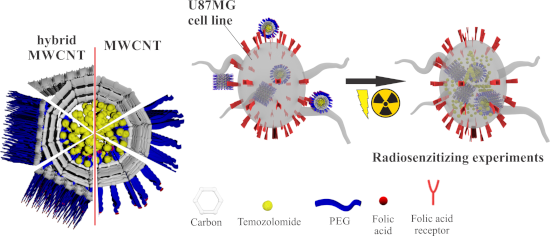
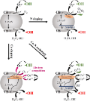
- -methyl-1-triazene-1-yl)imidazole-4-carboxamide) (MITC) is a first-line therapy for primary and recurrent GBM, especially O6-methylguanine-DNA methyltransferase (MGMT)-promotor-methylated tumors. MITC, acting via its metabolite methyl diazonium cation generated at physiological pH (>7), develops O6
- limited efficacy (due to the high level of DNA repair by MGMT and other mechanisms of resistance) [34]. In addition, the high hydrolytic instability of TMZ at pH ≥ 7 limits its efficacy, because the formed MTIC exhibits high systemic toxicity and cannot pass the BBTB and accumulate in the GBM, unlike TMZ
- . Therefore, it is of paramount importance to prolong the half-life of TMZ at physiological pH and to increase its accumulation in the tumor cells prior to degradation in the central circulation. Several strategies have been exploited to stabilize TMZ and overcome the disadvantages. Among them is the




Synthesis and the impact of hydroxyapatite nanoparticles on the viability and activity of rhizobacteria
Beilstein J. Nanotechnol. 2025, 16, 216–228, doi:10.3762/bjnano.16.17
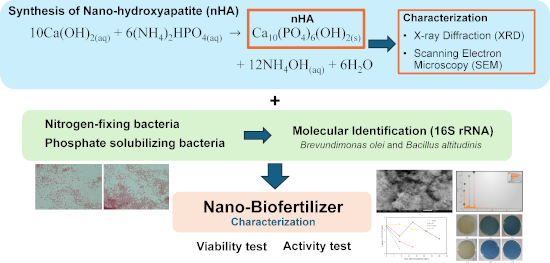
- sustaining rhizobacterial viability with pH 8.95 and an electrical conductivity of 55.4 μS/cm. Rhizobacteria loaded onto the nHA carrier maintained comparable viability to those without carriers. The highest viability of the rhizobacterial strains Pd and Tb loaded onto the nHA carrier was observed on the
- the material, while the white areas represent the voids or pores within the material. For an overview of the characteristics of the nHA carrier, please refer to Table 1. The pH and EC values are important factors that influence the psychochemical properties of a material. Changes in pH and EC values
- can affect the stability of a substance, ion interactions, and molecular ionization in a solution. However, the effect of pH and EC values on the psychochemical properties highly depends on the material’s application [28][29]. Pd rhizobacterium typically thrives optimally at pH 7.5 and exhibits


Recent advances in photothermal nanomaterials for ophthalmic applications
Beilstein J. Nanotechnol. 2025, 16, 195–215, doi:10.3762/bjnano.16.16
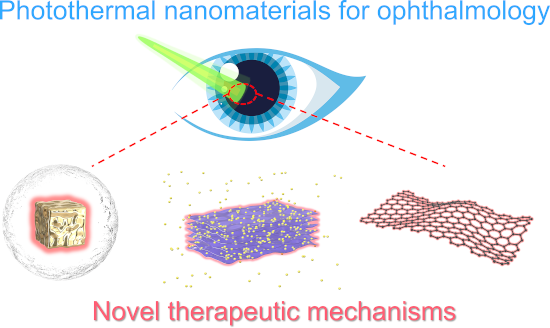
- rich functional groups and surface dangling bonds, enables the effective loading of drugs, targeting molecules, and antibodies [15]. When combined with thermal/pH-sensitive materials, shape memory materials, and hydrogels, they form an efficient platform for photothermal therapy [16]. The efficient
- sources, high adjustability, and ease of access, have paved the way for precise and controllable photothermal therapies. Notably, therapeutic platforms that integrate photothermal nanomaterials with drugs, antibodies, liposomes, hydrogels, heat/pH-sensitive materials, and shape memory materials have


Probing the potential of rare earth elements in the development of new anticancer drugs: single molecule studies
Beilstein J. Nanotechnol. 2025, 16, 187–194, doi:10.3762/bjnano.16.15
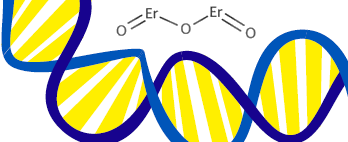
- the stock solutions in a phosphate-buffered saline (PBS) buffer with [Na+] = 150 mM, pH 7.4. The samples used for OT assays consist of biotin-labeled λ DNA molecules (New England Biolabs N3011S) tethered by the ends between a streptavidin-coated coverslip and a streptavidin-coated polystyrene bead (3
- SM1711) in 10 mM Tris-HCl buffer with the addition of 10 mM of MgCl2 (pH 8.0), which is needed to reliably deposit the DNA molecules on mica substrates. PBS buffer cannot be used here since its high NaCl concentration disturbs the DNA adsorption on the substrates. The solution of DNA + ligand is first


Clays enhanced with niobium: potential in wastewater treatment and reuse as pigment with antibacterial activity
Beilstein J. Nanotechnol. 2025, 16, 141–154, doi:10.3762/bjnano.16.13
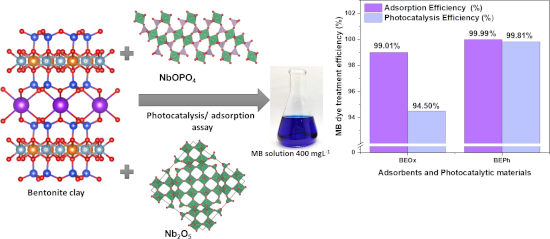
- ) was used. A sodium hydroxide solution (NaOH, 1 mol·L−1) was dripped onto the clay powders until reaching a pH between 8 and 10. Subsequently, this suspension was blended with the transparent paint. Plaster molds were painted with both colorless and pigmented paint. After the paint dried, the color was



Nanocarriers and macrophage interaction: from a potential hurdle to an alternative therapeutic strategy
Beilstein J. Nanotechnol. 2025, 16, 97–118, doi:10.3762/bjnano.16.10
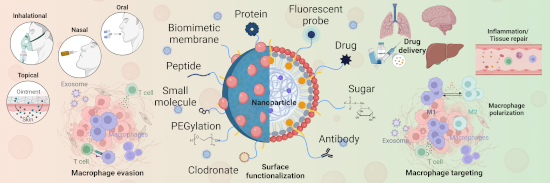
- high buffering capacities in the acidic pH range of endosomes (pH 5–6). Lipid nanoparticles (LNPs), which include cationic and ionizable materials, exhibit such intracellularly triggered delivery mechanisms and are often used to carry nucleic acids into cells. In this case, the endosomal escape is
- polarization by targeting TERF2IP, activating STAT3, and inhibiting NF-κB [70][71]. Innovative delivery systems for miRNAs have further advanced their therapeutic application. Liu et al. developed a hybrid nanovector with dual redox/pH-responsive properties for targeted miRNA delivery in cancer therapy. This
- system, comprising galactose-functionalized polypeptides (GLC) coated with PEG-PLL copolymers (sPEG), was designed to release miR-155 specifically in the acidic tumor microenvironment. At neutral pH, the sPEG coating masked the cationic core, minimizing off-target effects, while at acidic pH, the coating


Characterization of ZnO nanoparticles synthesized using probiotic Lactiplantibacillus plantarum GP258
Beilstein J. Nanotechnol. 2025, 16, 78–89, doi:10.3762/bjnano.16.8
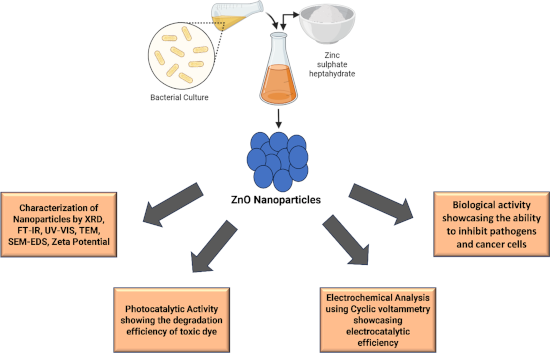
- according to [24] with slight modifications. The GP258 isolate was inoculated to MRS broth and incubated for 24 h at 37 °C. Further, the mixture was diluted fourfold using sterile distilled water and again incubated for 24 h. The culture broth was adjusted to pH 6 using 1 M NaOH, then to the culture broth



Instance maps as an organising concept for complex experimental workflows as demonstrated for (nano)material safety research
Beilstein J. Nanotechnol. 2025, 16, 57–77, doi:10.3762/bjnano.16.7

- nanomaterial properties, which can change as the surroundings change (such as zeta potential, which depends on the pH value and ionic strength of the surrounding medium [17]), and intrinsic nanomaterial properties, which are not affected by the surroundings (such as bandgap and structural arrangement) [18
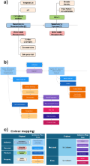
- example are nodes relating to the components prior to their addition to the experiment, that is, information on the pristine nanomaterial, medium and soil, suppliers, batch numbers, CAS numbers, pH, and any other pre-processing steps before the addition into the experiment (mesocosm). For the first
- into raw and processed data, as well as the processes of their collection. The pink section nodes represent the raw data sets collected, such as the pH value of soil after the addition of the nanomaterial, organism biomass data, metal concentrations in organism tissues, and any processed data derived


Bioinspired nanofilament coatings for scale reduction on steel
Beilstein J. Nanotechnol. 2025, 16, 25–34, doi:10.3762/bjnano.16.3

- . Synthetic seawater (pH 6), containing calcium carbonate, was pumped from one tank while soda ash (pH 11), containing sodium carbonate, was pumped from another tank. The solution had pH 9, leading to the formation of calcium carbonate. The flow rate was maintained at 0.88 L/min and the experiment was


A nanocarrier containing carboxylic and histamine groups with dual action: acetylcholine hydrolysis and antidote atropine delivery
Beilstein J. Nanotechnol. 2025, 16, 11–24, doi:10.3762/bjnano.16.2

- present in Figures S1 and S2 of Supporting Information File 1. The nanocarrier (p(Hist-CA)) was prepared, using the microemulsion technique [32][33], through the condensation of CA-RA and Hist-RA with phenylboronic acid (BA) in phosphate buffer (PB) at pH 8.5 [34][35]. CA-RA and Hist-RA are amphiphilic
- molecules. Within a microemulsion system, they self-assemble at the interface between water and oil. The hydrophilic groups face the aqueous phase, while the resorcinarene scaffold with tails on the lower rim points towards the dispersed (oil) phase. Under slightly basic conditions (pH 8.5), resorcinarenes
- react with BA to form boronate esters through cross-linking (Scheme 1). To synthesize p(Hist-CA), 4 mL of BA solution (1.25 mM) in PB, pH 8.5, and 7.3 μL of triolein (TO) were added to a mixture of Hist-RA (2 mM) and CA-RA (4.4 mM) in 1 mL of water. The mixture was vortexed for 1.5 min until an emulsion


Mechanistic insights into endosomal escape by sodium oleate-modified liposomes
Beilstein J. Nanotechnol. 2024, 15, 1667–1685, doi:10.3762/bjnano.15.131
- ionizable lipids or pH-sensitive polymers, have also been investigated. While promising, these methods face significant hurdles, including toxicity, instability under physiological conditions, reduced drug loading capacity, and complex synthesis processes that hinder widespread adoption [7][8]. Given the
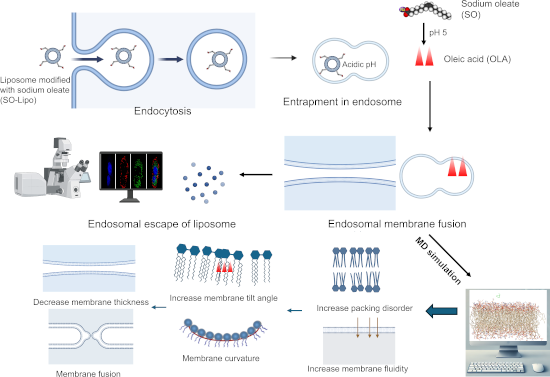
- using anionic SO, a pH-sensitive lipid-based molecule with amphipathic characteristics, as an innovative agent for overcoming endosomal entrapment. At physiological pH, SO carries a negative charge, limiting its interaction with cell membranes. However, within the acidic endosomal environment, SO
- distinct liposomal variants to evaluate key nanocarrier quality attributes, including particle size, polydispersity index (PDI), and zeta potential. These assessments were conducted at both physiological pH (7.4) and acidic pH (5), as summarized in Table 1. At physiological pH (7.4), the unmodified




Attempts to preserve and visualize protein corona on the surface of biological nanoparticles in blood serum using photomodification
Beilstein J. Nanotechnol. 2024, 15, 1654–1666, doi:10.3762/bjnano.15.130

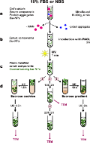
- because this is the concentration of serum used in cell cultivation, and we plan to study the protein corona on bio-NPs in culture medium in the future. The sera were diluted with 0.01 M phosphate buffer (PBS), pH 7.4, from Sigma-Aldrich (USA). Prior to the experiments, all serum samples were processed to



Natural nanofibers embedded in the seed mucilage envelope: composite hydrogels with specific adhesive and frictional properties
Beilstein J. Nanotechnol. 2024, 15, 1603–1618, doi:10.3762/bjnano.15.126
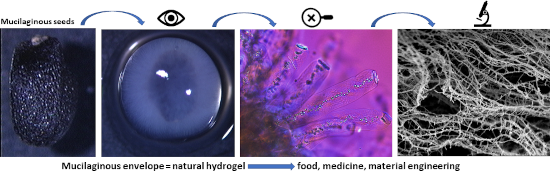
- the higher contact area [36][129]. It cannot be excluded that many other factors (pH, temperature, humidity, or substrate type) can also influence the adhesive properties of the mucilage envelope. The role of mucilage envelope in the seeds dispersal Fruits and seeds exhibit diverse mechanisms allowing





